
Most Complete Senegal Travel Guide 2026-2027 – Everything You Need to Know Before Visiting
This Senegal travel guide provides everything you need to plan your journey to West Africa’s friendliest country. Senegal offers an extraordinary blend of vibrant Atlantic coastline, historic slave-trade islands, colorful markets, world-class music scene and warm “Teranga” hospitality that create one of the continent's most welcoming travel experiences. Many travelers who want to travel to Senegal are surprised by the country's incredible cultural richness and relaxed vibe spanning centuries of history, French colonial legacy, and proud African identity. The nation covers 196,722 square kilometers, offering visitors everything from pink lakes to wildlife reserves and some of Africa’s best beaches.
Start Reading the Full Guide ↓Quick Facts About Senegal
- Capital: Dakar.
- Currency: West African CFA Franc (XOF).
- Time Zone: Greenwich Mean Time (GMT, UTC+0).
- International Calling Code: +221.
- Driving Side: Right.
- Major Airports: Blaise Diagne International Airport (DSS), Léopold Sédar Senghor (closed to commercial flights).
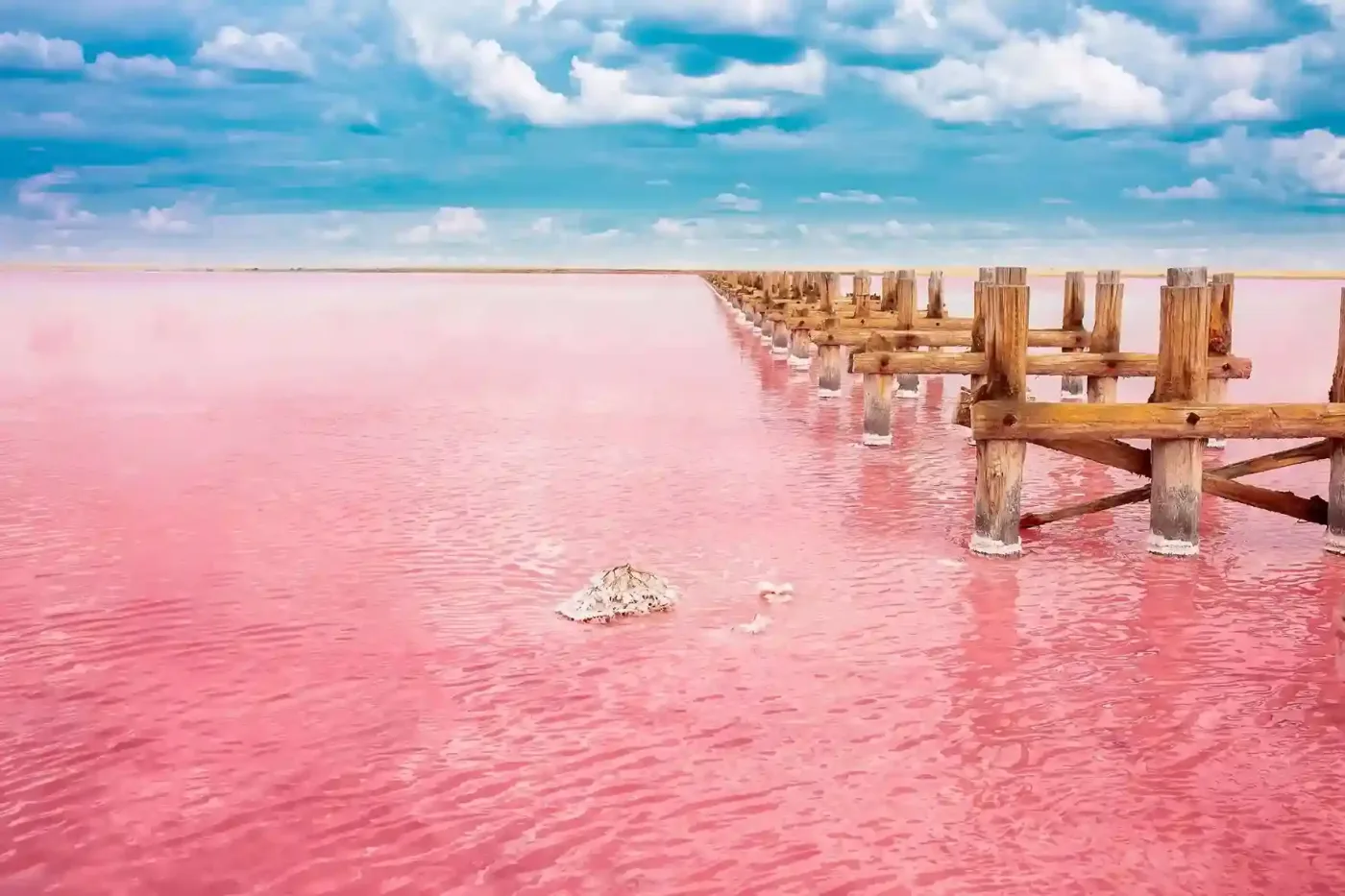
Senegal Overview & Key Facts
Brief History of Senegal
Senegal's history spans ancient kingdoms (Ghana, Mali, Songhai), Portuguese arrival in 1444, French colonization, and the transatlantic slave trade centered on Gorée Island and Saint-Louis. Independent since 1960, Senegal remains one of West Africa’s most stable democracies and a cultural powerhouse known for its music, art, and intellectual tradition.
Independence & National Identity
- Independence date: June 20, 1960 (from France).
- Former colonial power: France.
- National symbols & identity.
Senegal gained peaceful independence under poet-president Léopold Sédar Senghor. The national motto “Un Peuple, Un But, Une Foi” and the concept of “Teranga” (hospitality) define Senegalese identity. The flag’s green, yellow, and red stripes with a green star symbolize Islam, prosperity, and determination.
Government System & Current Leadership
- Type of government: Presidential Republic
- Current president: Bassirou Diomaye Faye (since April 2024)
- Notes on political stability
Senegal is widely regarded as one of Africa’s most stable democracies with peaceful power transfers. The 2024 election of young reformist President Faye reflects continued democratic strength.
Population, Ethnic Groups & Languages
- Population: 18.5 million (2025 projection).
- Major ethnic groups: Wolof (43%), Pulaar (24%), Serer (15%).
- Official language(s): French.
- Additional languages commonly spoken.
Wolof is the lingua franca spoken by over 90% of the population. French remains the official language, while English is growing rapidly in tourism and business.
Main Religions & Cultural Identity
Approximately 96% of Senegalese are Muslim (mostly Sufi brotherhoods: Tijaniyya, Mouride, Qadiriyya), 4% Christian, and a tiny percentage animist. Senegal is renowned for its religious tolerance and moderate Islam. Islamic values influence daily life, but the country remains relaxed and welcoming.
Geography & Natural Landscape
Senegal features Atlantic coastline, savannah plains, the fertile Casamance region in the south, and the unique Saloum and Sine-Saloum river deltas. The country enjoys a tropical climate with distinct dry and rainy seasons.
Economy & Tourism Highlights
Tourism is booming with new infrastructure (AIBD airport, high-speed train, new highways). Beach resorts, cultural festivals (Saint-Louis Jazz), and eco-tourism in the Saloum Delta and Niokolo-Koba National Park drive growth.
What Senegal Is Known For
- Gorée Island & slave-trade history (UNESCO)
- Lake Retba (Pink Lake)
- World-class music scene (Youssou N’Dour, mbalax)
- Legendary hospitality (“Teranga”)
Visa & Entry Requirements in Senegal
Most visitors enjoy visa-free entry or simple visa-on-arrival/e-Visa processes, making Senegal one of West Africa’s easiest destinations.
Do You Need a Visa?
Citizens of EU, USA, Canada, UK, Australia, Japan, South Korea, and many African countries have 90-day visa-free access. Others can obtain visa on arrival or e-Visa online. Yellow Fever certificate required if arriving from risk country.
Visa Application Options in Senegal
- Visa-free entry (most Western & ECOWAS nationals)
- Visa on arrival at Blaise Diagne Airport
- e-Visa online (fast and reliable)
Passport Validity & Entry Documents
Passport valid 6 months beyond entry date. Return/onward ticket sometimes requested. Yellow Fever vaccination certificate mandatory if coming from endemic zone.
Customs Rules & Prohibited Items
Standard restrictions (drugs, weapons). €10,000+ or equivalent must be declared. Alcohol limits apply but rarely enforced for personal use.
Safety & Security Information in Senegal
Senegal is one of West Africa’s safest and most stable countries with very low violent crime rates against tourists.
Is Senegal Safe for Tourists?
Yes – Dakar, Saly, Cap Skirring, Saint-Louis, and the Petite Côte are very safe. Petty theft (pickpocketing, bag-snatching) is the main concern in crowded markets. Casamance region has largely stabilized.
Recommended Safety Tips when in Senegal
Use licensed yellow-black taxis or ride-hailing apps (Heetch). Avoid walking alone late at night in Corniche or Medina districts of Dakar. Keep valuables in hotel safe. Normal precautions apply.
Safe Areas vs. Areas to Avoid in Senegal
All main tourist areas are safe. Avoid deep Casamance near Guinea-Bissau border without checking latest advice. Dakar’s Medina and some suburbs best visited with a guide at night.
Emergency Numbers & Tourist Police in Senegal
- Police: 17
- Fire: 18
- Medical Emergency: 15
- Tourist Police Dakar: +221 33 823 2525
Health Requirements & Vaccinations in Senegal
Yellow Fever vaccination mandatory from risk countries. Malaria risk outside Dakar.
Mandatory Vaccinations in Senegal
Yellow Fever certificate required if arriving from endemic countries.
Recommended Vaccinations in Senegal
Hepatitis A, Typhoid, Meningitis, Rabies (if extended stay), routine vaccines. Malaria prophylaxis strongly recommended Nov–Jun.
Malaria & Other Risks
Malaria present outside Dakar – use repellent, sleep under nets, take prophylaxis. Drink only bottled water in rural areas.
Travel Insurance Recommendations in Senegal
Strongly recommended – cover medical evacuation as quality hospitals are concentrated in Dakar.
Best Time to Visit in Senegal
November to April – dry season with perfect 24–32°C temperatures.
Weather by Season
Dry season (Nov–May): sunny, low humidity. Rainy season (Jun–Oct): hot, humid, occasional heavy showers.
When to Visit Senegal for Best Experiences
- Saint-Louis Jazz Festival: May
- Best beach weather: December–April
- Birdwatching in Djoudj: November–April
High Season vs. Low Season Travel
High season Dec–Apr (higher prices, book ahead). Low season Jul–Oct (great deals, fewer crowds).
Weather & Climate Overview in Senegal
Tropical climate with two distinct seasons.
Temperature Ranges
Coastal areas 22–32°C year-round. Inland hotter (up to 40°C Mar–May).
Rainy & Dry Seasons in Senegal
Dry season Nov–May. Rainy season June–October (heaviest Jul–Sep).
What to Wear Based on the Weather
Light cotton clothing, sun hat, sunglasses, flip-flops. Light jacket for Dec–Feb evenings. Modest clothing outside resorts.
Main Currency, Costs & Budgeting in Senegal
West African CFA Franc (XOF). Euros widely accepted.
Local Currency Information
Fixed rate: 1 EUR = 655.957 XOF. ATMs everywhere; cards accepted in hotels/restaurants in tourist areas.
Average Travel Costs in Senegal
Budget $60–100/day, mid-range $120–200, luxury resorts $250–450.
Using ATMs, Cards & Mobile Money in Senegal
Orange Money and Wave widely used. Visa/Mastercard accepted in most tourist establishments.
Tipping Guidelines in Senegal
10% in restaurants if service not included. Round up taxi fares. 2,000–5,000 CFA for guides/drivers per day.
Transportation & Getting Around in Senegal
Varied options from modern airport train to traditional sept-place bush taxis.
Airport Transfers
Airport train to Dakar center (fast & cheap). Official taxis or pre-booked transfers recommended.
Local Transport Options in Senegal
Taxis (yellow-black), ride-hailing (Heetch), car rapides, sept-place shared taxis, Ndiaga Ndiaye minibuses.
Senegal Domestic Flights
Air Senegal flies Dakar–Ziguinchor and Dakar–Cap Skirring.
Car Rentals & Road Conditions in Senegal
Rental cars available at airport and Dakar. Good highways; secondary roads variable.
Accommodation Options available in Senegal
From luxury beach resorts to boutique riads and budget auberges.
Types of Accommodations in Senegal
Luxury beach resorts (Saly, Cap Skirring), boutique hotels in Dakar & Saint-Louis, eco-lodges in Casamance & Saloum, guesthouses, Airbnb.
Budget vs. Mid-Range vs. Luxury
Budget $20–50, mid-range $60–120, luxury $150–500+ per night.
Best Areas to Stay in Senegal
Dakar (Ngor, Almadies, Plateau), Saly/La Somone, Cap Skirring, Saint-Louis, Île de Gorée.
Essential Packing Guide when Visiting Senegal
Light clothing, sun protection, modest attire, medications.
Clothing Essentials
Light cotton, long sleeves/pants for evenings and mosques, swimwear, light jacket Dec–Feb.
Footwear & Gear
Flip-flops, comfortable walking sandals, closed shoes for cities.
Electronics & Cameras
European plugs (type C/E), power bank, waterproof bag for Pink Lake.
Toiletries & Personal Items
Sunscreen, insect repellent, hand sanitizer, prescription meds, tampons (scarce outside Dakar).
Language & Communication in Senegal
French official, Wolof dominant. English growing in tourism.
Main Languages Spoken in Senegal
French, Wolof, Pulaar, Serer, Jola. English common in hotels and resorts.
Useful Phrases for Tourists
“Salam alekum” (peace be upon you), “Na nga def” (how are you?), “Jërejëf” (thank you).
SIM Cards & Mobile Data used in Senegal
Orange, Free, Expresso – buy at airport or shops. Excellent 4G coverage.
Internet Availability & Wi-Fi in Senegal
Wi-Fi in most hotels/cafes. Fast mobile data widely available.
Culture & Etiquette in Senegal
Teranga (hospitality) defines Senegalese culture.
Senegalese Dress Code Expectations
Modest dress outside beach resorts. Women cover shoulders/knees in villages and religious sites.
Social Etiquette & Respectful Behavior of Senegal
Greet everyone, use right hand, accept tea offers (three glasses tradition).
Photography Rules in Senegal
Ask permission before photographing people, especially women and military.
Important Cultural Dos & Don’ts in Senegal
Do greet properly, accept hospitality, remove shoes in homes/mosques. Don’t refuse tea abruptly, point feet at people, or use left hand for eating/giving.
Food, Water & Dining in Senegal
Delicious cuisine blending African, French, and Lebanese influences.
Senegalese Local Dishes to Try
Thieboudienne (national dish), yassa chicken, mafe, pastels, bissap juice, thiakry dessert.
Dietary Options in Senegal
Halal standard. Seafood excellent on coast. Vegetarian options available but limited.
Drinking Water Safety
Bottled water recommended outside Dakar. Tap water generally safe in capital.
Restaurant Etiquette
Eat with right hand or spoon from communal bowl in traditional settings. Tipping 10% appreciated.
Top Attractions & Things to Do in Senegal
Rich mix of history, nature, beaches, and culture.
Major Tourist Attractions in Senegal
- Gorée Island (UNESCO)
- Lake Retba (Pink Lake)
- Saint-Louis historic city (UNESCO)
- Niokolo-Koba National Park
Best Tours & Experiences in Senegal
Gorée Island & slave house visit, Pink Lake boat trip & salt harvesting, Saloum Delta mangrove cruise, Bandia or Fathala wildlife reserve, Dakar street art & nightlife tour.
Family-Friendly Activities to do in Senegal
Beach resorts with kids clubs, Accrobaobab adventure park, Bandia Reserve safari, turtle watching in Joal-Fadiouth.
Unique Cultural or Historical Sites to visit in Senegal
House of Slaves on Gorée, African Renaissance Monument, Great Mosque of Touba (Mouride holy city), Joal-Fadiouth shell island, Saint-Louis colonial architecture.
Senegalese Electrical System Information
European standard.
Plug Types & Voltage used in Senegal
Type C, D, E, K – 230V, 50Hz. Type C (two round pins) works everywhere.
Charging Tips
Bring universal adapter. Power cuts occasional – power bank useful.
Local Laws & Regulations of Senegal
Relaxed but respectful of Islamic values.
Rules Travelers Need to Know when In Senegal
No public alcohol consumption outside licensed venues. Homosexuality illegal (rarely enforced against tourists). Respect Ramadan fasting hours.
Alcohol, Smoking & Substance Laws of Senegal
Alcohol widely available in tourist areas. Cannabis illegal.
Restricted or Protected Areas in Senegal.
Casamance border areas require caution. Military sites off-limits for photography.
Final Travel Tips for Visitors in Senegal
Embrace Teranga, be patient, bargain politely, and enjoy one of Africa’s warmest welcomes.
Common Mistakes to Avoid
Don’t refuse tea abruptly, don’t photograph without permission, don’t expect everything to run on time.
Tips to Save Money when Visiting Senegal
Travel low season, eat local (dibiterie, street food), use shared taxis, stay in guesthouses.
Safety & Comfort Tips
Drink bottled water outside Dakar, use mosquito repellent evenings, carry small change, learn basic Wolof greetings – locals love it.
Frequently Asked Questions – Senegal Travel Guide 2026-2027
Our Tanzania Tours Products
While Senegal offers incredible Atlantic beaches, vibrant culture and legendary Teranga hospitality, many travelers combine West Africa with the ultimate wildlife experience in East Africa. Capable Africa Tours specializes in secure, guided safaris that maximize safety and wonder. Our expert local guides, armed rangers in parks, and vetted accommodations ensure peace of mind. From family-friendly lodges to luxury camps, we handle logistics so you focus on the magic. Tanzania ranks high for tourist safety with dedicated wildlife protection units and stable northern circuits.
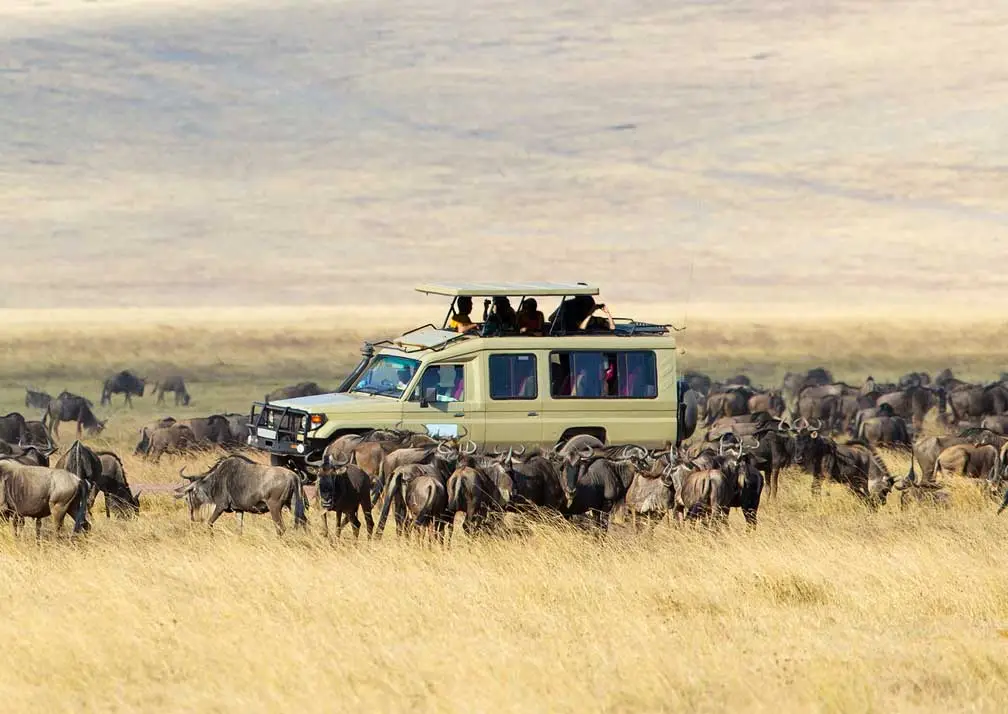
Great Migration Safaris
Experience one of nature's greatest spectacles with our Great Migration safari packages, timed for river crossings or calving.
View Package →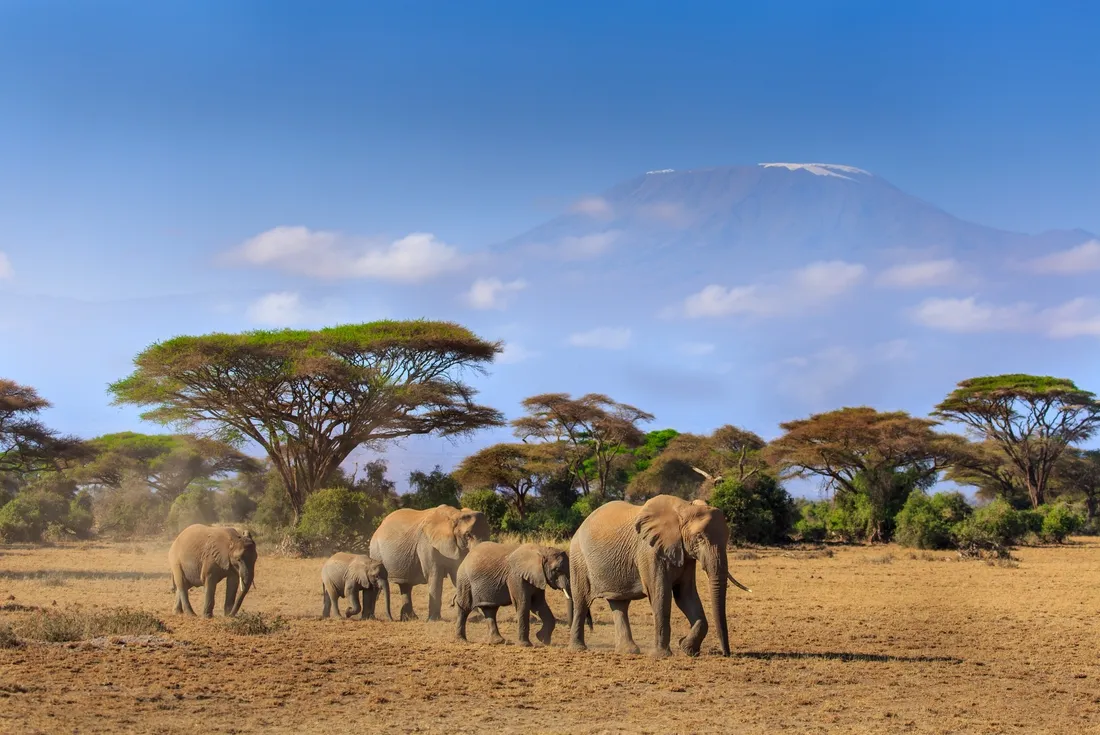
Serengeti & Kilimanjaro Trek
Combined safari and trekking tours offer wildlife adventures and Kilimanjaro climbs.
View Package →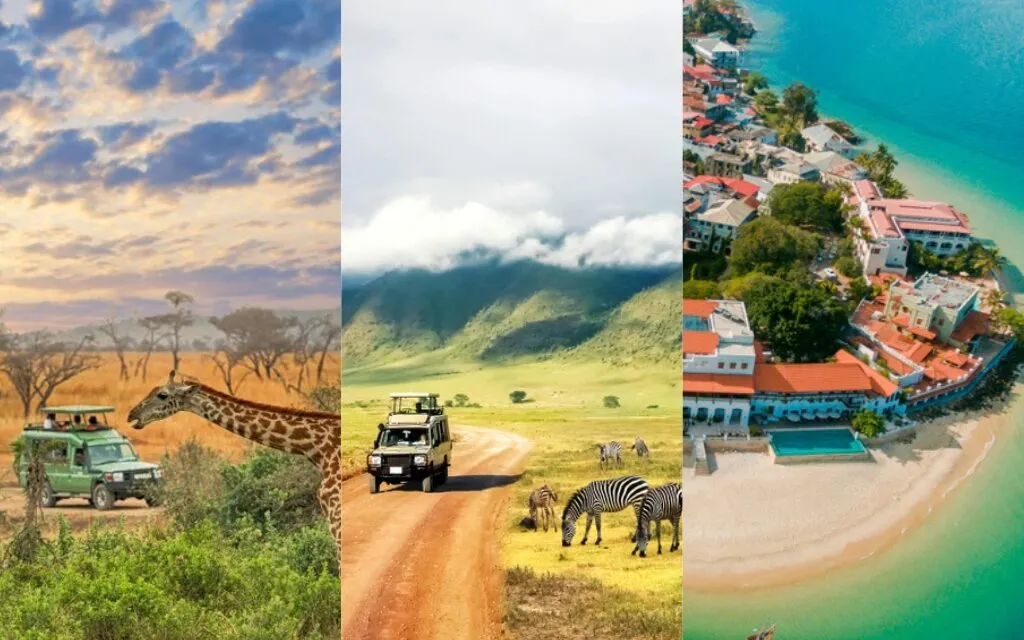
Serengeti & Zanzibar Tours
Luxury Tanzania safari & beach packages with the Great Migration and pristine beaches.
View Package →Related: Best Time to Visit Tanzania 2026 – Perfect safari extension after your Senegal adventure.