Most Complete Serbia Travel Guide 2026-2027 – Everything You Need to Know Before Visiting
This Serbia travel guide provides everything you need to plan your journey to one of Europe’s most underrated gems. Serbia offers an extraordinary blend of vibrant Balkan nightlife, Ottoman and Austro-Hungarian architecture, Danube river cruises, and pristine national parks that create one of the continent's most diverse travel experiences. Many travelers who want to travel to Serbia are surprised by the country's incredible hospitality, affordable prices and rich cultural heritage spanning Roman emperors, medieval monasteries, and modern festival culture. The nation offers visitors everything from buzzing Belgrade nightlife to peaceful mountain monasteries and world-class music festivals.
Start Reading the Full Guide ↓Quick Facts About Serbia
- Capital: Belgrade.
- Currency: Serbian Dinar (RSD).
- Time Zone: Central European Time (CET, UTC+1).
- International Calling Code: +381.
- Driving Side: Right.
- Major Airports: Nikola Tesla Airport (Belgrade), Constantine the Great Airport (Niš).
Serbia Overview & Key Facts
Brief History of Serbia
Serbia's history spans millennia, from Roman emperors born on its soil through medieval kingdom glory to Ottoman rule and 20th-century turbulence. The Romans established important cities like Sirmium and Singidunum (Belgrade), while the medieval Serbian kingdom reached its peak under Emperor Dušan in the 14th century. Five centuries of Ottoman rule left deep cultural marks, followed by independence struggles and Yugoslavia's formation. This rich historical tapestry creates a fascinating backdrop for modern travelers exploring the country's archaeological treasures and cultural sites.
Independence & National Identity
- Independence date: June 5, 2006 (from Serbia & Montenegro).
- Former colonial power: Ottoman Empire (not colonised in modern sense).
- National symbols & identity.
Modern Serbia declared independence in 2006 after Montenegro's referendum ended the State Union. Serbia's National identity centers on Orthodox Christian heritage, Cyrillic alphabet pride, and resilience through centuries of foreign rule. The national flag features red-blue-white pan-Slavic colors with the coat of arms, while the anthem “Bože pravde” reflects deep historical and religious roots.
Government System & Current Leadership
- Type of government: Parliamentary Republic
- Current president: Aleksandar Vučić
- Notes on political stability
Serbia operates as a parliamentary republic with EU membership aspirations. President Aleksandar Vučić has dominated politics since 2017. The country enjoys relative stability with ongoing democratic improvements monitored by international organizations.
Population, Ethnic Groups & Languages
- Population: 6.8 million (2025 projection).
- Major ethnic groups: Serbs (83%), Hungarians (3.5%), Roma, Bosniaks.
- Official language(s): Serbian (Cyrillic & Latin scripts).
- Additional languages commonly spoken.
English is widely spoken among younger generations and in tourism. Hungarian has official status in Vojvodina, while minority languages enjoy protection in their regions. German and Russian remain familiar to many middle-aged and older citizens.
Main Religions & Cultural Identity
Eastern Orthodox Christianity dominates with approximately 85% adherence, followed by Catholic, Muslim and Protestant minorities. Religious holidays shape the calendar, with Christmas (January 7) and Easter being major celebrations. Secular lifestyle prevails in cities while traditional values remain strong in rural areas.
Geography & Natural Landscape
Serbia features diverse geography: fertile Vojvodina plains in the north, hilly Šumadija central region, and dramatic Dinaric Alps in the south-west. The Danube, Sava and Tisza rivers create scenic gorges and fertile valleys. Five national parks protect diverse ecosystems from mountain peaks to special nature reserves like Uvac canyon with its famous meanders.
Economy & Tourism Highlights
Serbia's growing economy benefits from EU candidacy status, foreign investment and developing IT sector. Tourism has exploded in recent years thanks to visa-free access for many nationalities, affordable prices, world-class festivals (EXIT, Guča) and improving infrastructure.
What Serbia Is Known For
- Belgrade’s legendary nightlife and “never-sleeping” reputation
- EXIT Festival – multiple “Best Major European Festival” winner
- World’s best rakija (fruit brandy) and grilled meat cuisine
Visa & Entry Requirements in Serbia
Most international visitors enjoy visa-free entry to Serbia for tourism stays up to 90 days within a 6-month period. The policy covers EU citizens, USA, Canada, UK, Australia, and many others. Always verify current requirements before travel as policies can change.
Do You Need a Visa?
Citizens of over 90 countries including all EU states, USA, Canada, UK, Australia, Japan, and most Latin American countries enter visa-free for up to 90 days. Some nationalities require visas obtainable at embassies or upon arrival.
Visa Application Options in Serbia
- Visa-free entry (most common for tourism)
- Embassy visa for nationalities requiring it
- Visa on arrival for select countries
Serbia maintains one of Europe’s most liberal visa regimes to boost tourism. Registration with local police is required within 24 hours for stays longer than 3 days if not staying in registered accommodation (hotels do this automatically).
Passport Validity & Entry Documents
Passport must be valid for at least 3 months beyond intended departure. Return/onward ticket may be requested. Proof of sufficient funds and accommodation sometimes checked, especially at land borders.
Customs Rules & Prohibited Items
Standard EU-like regulations apply. Up to €10,000 cash must be declared. Professional equipment and drones require declaration. Cultural artefacts need export permits.
Safety & Security Information in Serbia
Serbia ranks among Europe’s safest countries with low violent crime rates and tourist-friendly environment. Belgrade consistently appears in top safest capital cities lists.
Is Serbia Safe for Tourists?
Yes – very safe. Pickpocketing in crowded areas and taxi scams are the main concerns. Violent crime against tourists is extremely rare.
Recommended Safety Tips when in Serbia
Use licensed taxis or apps (CarGo, Yandex), avoid unofficial money exchange, be cautious with valuables in crowds. Nightlife areas are well-policed and generally safe.
Safe Areas vs. Areas to Avoid in Serbia
All tourist areas are safe. Standard urban precautions apply in Belgrade’s lower Dorćol or bus station areas late at night. Southern Serbia near Kosovo administrative line requires no special precautions for tourists.
Emergency Numbers & Tourist Police in Serbia
- Police: 192
- Fire Department: 193
- Medical Emergency: 194
- Tourist Police: Available in Belgrade (+381 11 303 8888)
English-speaking operators available on 112 emergency number.
Health Requirements & Vaccinations in Serbia
No mandatory vaccinations required. Healthcare quality is good in cities with English-speaking doctors available.
Mandatory Vaccinations in Serbia
None for direct arrivals. Yellow fever certificate required if arriving from endemic areas.
Recommended Vaccinations in Serbia
Routine vaccines up to date. Hepatitis A & B, rabies (for countryside stays), tick-borne encephalitis (spring/summer rural visits).
Malaria & Other Risks
No malaria risk. Tick-borne diseases possible in rural areas spring-autumn.
Travel Insurance Recommendations in Serbia
Highly recommended covering medical treatment and evacuation. EU citizens should bring EHIC card for reduced-cost treatment.
Best Time to Visit in Serbia
May–June and September–October offer perfect weather and fewer crowds. July–August brings festivals and river beach season.
Weather by Season
Spring (April–June): 15–25°C, blooming landscapes. Summer (July–August): 25–35°C, perfect for festivals. Autumn (Sept–Oct): 15–25°C, golden colors. Winter (Dec–Feb): 0–5°C, occasional snow.
When to Visit Serbia for Best Experiences
- Festival season: July (EXIT, Guča trumpet festival)
- Hiking & nature: May–June & September–October
- Belgrade nightlife: Year-round, peak summer
- Christmas markets & skiing: December–February
Summer brings vibrant outdoor life with river beaches and floating clubs (splavovi).
High Season vs. Low Season Travel
High season: June–August & December. Low season: November & February–March offer best hotel deals.
Weather & Climate Overview in Serbia
Continental climate with four distinct seasons. Hot summers, cold winters, pleasant spring and autumn.
Temperature Ranges
Summer highs 30–35°C, winter lows -5 to 0°C. Belgrade enjoys 2,000+ sunshine hours annually.
Rainy & Dry Seasons in Serbia
May–June wettest, August driest. Snow common December–March in higher elevations.
What to Wear Based on the Weather
Light clothing summer, layers spring/autumn, warm coat winter. Comfortable shoes essential for cobblestone streets.
Main Currency, Costs & Budgeting in Serbia
Excellent value destination with prices significantly lower than Western Europe.
Local Currency Information
Serbian Dinar (RSD). Euros widely accepted in Belgrade, less so elsewhere.
Average Travel Costs in Serbia
Budget travelers: $45–75/day. Mid-range: $90–150/day. Luxury: $200+/day.
Using ATMs, Cards & Mobile Money in Serbia
ATMs everywhere, cards accepted in most establishments. Contactless payment widespread.
Tipping Guidelines in Serbia
10% in restaurants (round up if service included), 100–200 RSD for taxi drivers, 200–500 RSD/day for guides.
Transportation & Getting Around in Serbia
Good bus network, improving trains, affordable taxis and car rental options.
Airport Transfers
Belgrade Airport: official taxi (fixed prices), A1 minibus (€4), private transfers.
Local Transport Options in Serbia
Excellent intercity buses, affordable taxis/apps, improving tram/metro in Belgrade.
Serbia Domestic Flights
Air Serbia connects Belgrade with Niš and Kraljevo. Most travel done by bus/train.
Car Rentals & Road Conditions in Serbia
International companies available. Good highways, secondary roads variable. International driving permit recommended.
Accommodation Options available in Serbia
From hostels (€15–25) to luxury hotels (€150+). Apartments very popular.
Types of Accommodations in Serbia
Hostels, apartments, boutique hotels, ethno-villages, mountain lodges.
Budget vs. Mid-Range vs. Luxury
Budget €20–50, mid-range €60–120, luxury €150–400/night.
Best Areas to Stay in Serbia
Belgrade: Dorćol, Vračar, Savamala. Novi Sad: city centre. Zlatibor, Tara for nature.
Essential Packing Guide when Visiting Serbia
Pack for four seasons, comfortable shoes, modest clothing for monasteries.
Clothing Essentials
Layers, comfortable walking shoes, modest attire for religious sites.
Footwear & Gear
Good walking shoes essential. Hiking boots for national parks.
Electronics & Cameras
European plugs (type C/F), 230V. Power banks useful for festivals.
Toiletries & Personal Items
All items readily available. Bring prescription medications.
Language & Communication in Serbia
English widely spoken in tourist areas, less so outside major cities.
Main Languages Spoken in Serbia
Serbian official. English common among youth. Cyrillic and Latin scripts both used.
Useful Phrases for Tourists
“Dobar dan” (hello), “Hvala” (thank you), “Molim” (please), “Koliko košta?” (how much?).
SIM Cards & Mobile Data used in Serbia
Cheap prepaid SIMs (Yettel, A1, MTS) available at airports and shops.
Internet Availability & Wi-Fi in Serbia
Excellent coverage. Free Wi-Fi in most cafes, restaurants, public spaces.
Culture & Etiquette in Serbia
Hospitality is legendary. Guests treated like family.
Serbian Dress Code Expectations
Casual European dress fine. Modest clothing for monasteries (covered shoulders/knees).
Social Etiquette & Respectful Behavior of Serbia
Remove shoes in homes, accept offered food/drink, toast with “Živeli!”
Photography Rules in Serbia
Generally allowed. Ask permission for people, prohibited in some museums/monasteries.
Important Cultural Dos & Don’ts in Serbia
Do accept rakija offers, remove shoes in homes. Don’t discuss Kosovo politics unless invited.
Food, Water & Dining in Serbia
Meat-heavy Balkan cuisine with excellent grilled dishes and pastries.
Serbian Local Dishes to Try
Ćevapčići, pljeskavica, sarma, karađorđeva šnicla, ajvar, burek, rakija.
Dietary Options in Serbia
Vegetarian options improving. Vegan still limited outside Belgrade.
Drinking Water Safety
Tap water safe throughout Serbia.
Restaurant Etiquette
Tipping 10% by rounding up or leaving change. Smoking sections common.
Top Attractions & Things to Do in Serbia
Belgrade fortress, Novi Sad, Đerdap Gorge, Uvac canyon, Studenica monastery, Drvengrad.
Major Tourist Attractions in Serbia
- Belgrade Fortress & Kalemegdan
- Petrovaradin Fortress (Novi Sad)
- Đerdap Gorge & Iron Gates
- Tara National Park & Drina River House
EXIT Festival, Guča Trumpet Festival, Nisville Jazz Festival among Europe’s best music events.
Best Tours & Experiences in Serbia
Danube cruises, rakija tasting tours, monastery circuits, hiking in national parks.
Family-Friendly Activities to do in Serbia
Ada Ciganlija (Belgrade’s “sea”), science museums, ethno-villages, cable car rides.
Unique Cultural or Historical Sites to visit in Serbia
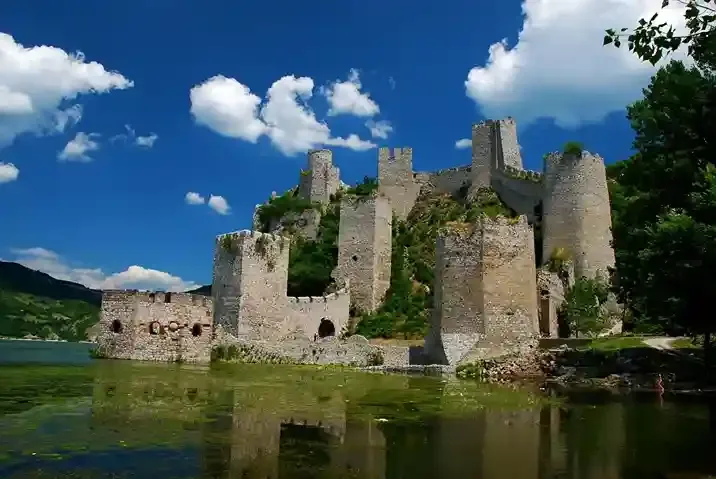
Studenica & Manasija monasteries (UNESCO), Skull Tower (Niš), Golubac fortress.
Serbian Electrical System Information
Standard European system.
Plug Types & Voltage used in Serbia
Type C & F plugs, 230V, 50Hz.
Charging Tips
Standard European adapters work. Power reliable throughout country.
Local Laws & Regulations of Serbia
Standard European laws with some local specifics.
Rules Travelers Need to Know when In Serbia
Register stay within 24h if not in hotel. No photography of military objects.
Alcohol, Smoking & Substance Laws of Serbia
Drinking age 18. Smoking banned indoors. Cannabis illegal despite relaxed attitudes.
Restricted or Protected Areas in Serbia.
Military zones, some border areas. National parks have entry fees and rules.
Final Travel Tips for Visitors in Serbia
Embrace the hospitality, try rakija, attend a festival, explore beyond Belgrade.
Common Mistakes to Avoid
Only visiting Belgrade, using unofficial taxis, missing festivals, not trying local food.
Tips to Save Money when Visiting Serbia
Eat where locals eat, use buses, stay in apartments, visit during shoulder season.
Safety & Comfort Tips
Use licensed taxis/apps, learn basic Cyrillic, carry some cash, embrace spontaneous hospitality.
Frequently Asked Questions – Serbia Travel Guide 2026-2027
Our Tanzania Tours Products
While Serbia offers incredible Balkan culture, legendary nightlife and Danube adventures, many travelers combine Europe with the ultimate wildlife experience in East Africa. Capable Africa Tours specializes in secure, guided safaris that maximize safety and wonder. Our expert local guides, armed rangers in parks, and vetted accommodations ensure peace of mind. From family-friendly lodges to luxury camps, we handle logistics so you focus on the magic. Tanzania ranks high for tourist safety with dedicated wildlife protection units and stable northern circuits.
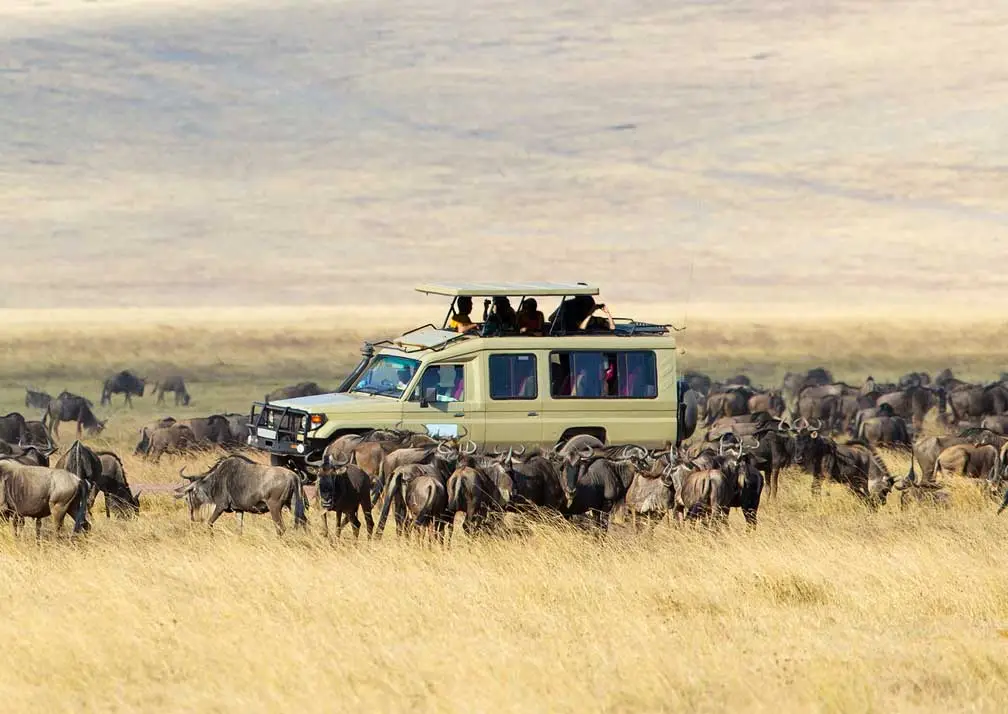
Great Migration Safaris
Experience one of nature's greatest spectacles with our Great Migration safari packages, timed for river crossings or calving.
View Package →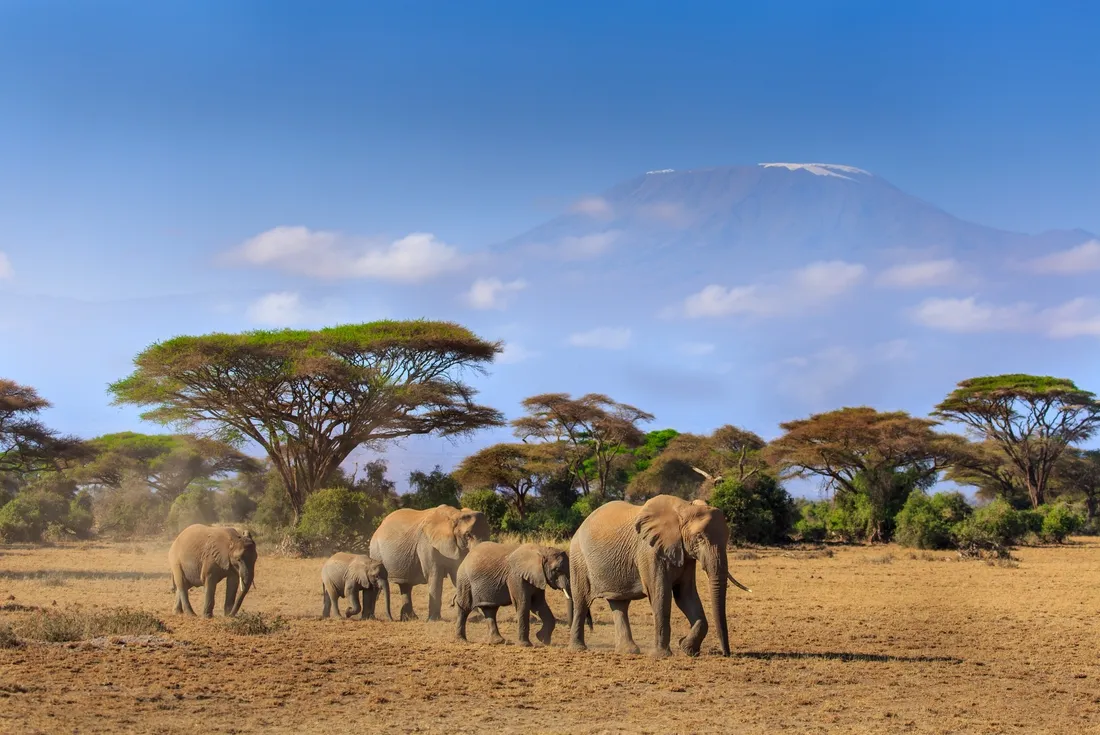
Serengeti & Kilimanjaro Trek
Combined safari and trekking tours offer wildlife adventures and Kilimanjaro climbs.
View Package →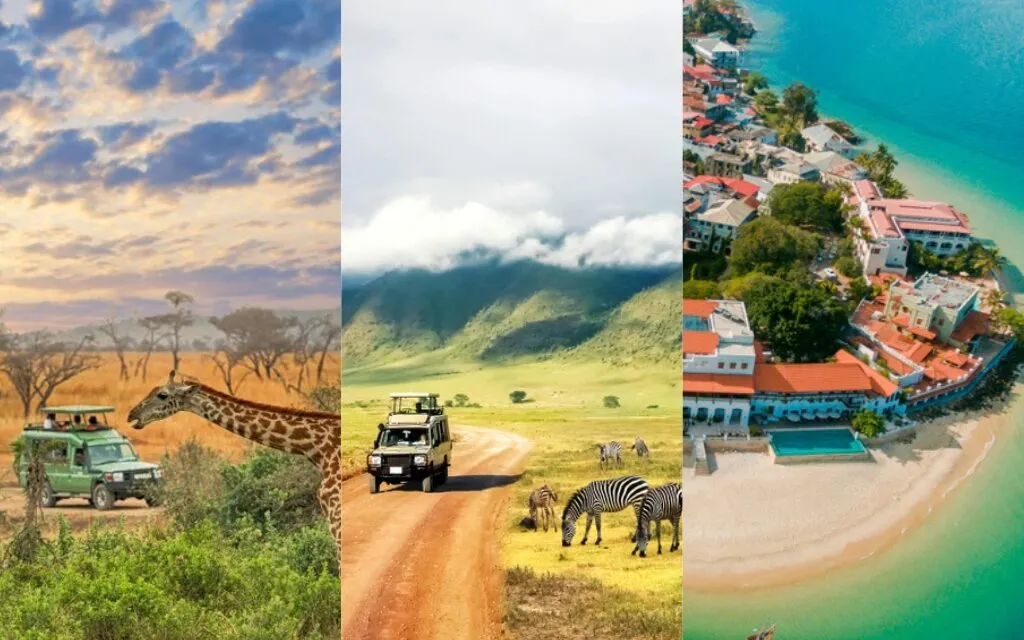
Serengeti & Zanzibar Tours
Luxury Tanzania safari & beach packages with the Great Migration and pristine beaches.
View Package →Related: Best Time to Visit Tanzania 2026 – Perfect safari extension after your Serbia adventure.