Most Complete Sierra Leone Travel Guide 2026-2027 – Everything You Need to Know Before Visiting
This Sierra Leone travel guide provides everything you need to plan your journey to West Africa’s hidden coastal gem. Sierra Leone offers an extraordinary blend of pristine Atlantic beaches, lush rainforests, chimpanzee sanctuaries, and vibrant Krio culture that create one of the continent's most welcoming travel experiences. Many travelers who want to travel to Sierra Leone are surprised by the country's incredible warmth, untouched nature, and resilient spirit following years of recovery. The nation covers just over 71,000 square kilometers, offering visitors everything from paradise islands to mountain villages and the lively capital Freetown built on a stunning natural harbour.
Start Reading the Full Guide ↓Quick Facts About Sierra Leone
- Capital: Freetown.
- Currency: Sierra Leonean Leone (SLL).
- Time Zone: Greenwich Mean Time (GMT, UTC+0).
- International Calling Code: +232.
- Driving Side: Right.
- Major Airports: Lungi International Airport (FNA).
Sierra Leone Overview & Key Facts
Brief History of Sierra Leone
Sierra Leone's history spans ancient chiefdoms, the transatlantic slave trade, and British colonial rule. Founded in 1787 as a settlement for freed slaves, Freetown became a beacon of hope known as the “Province of Freedom.” The country gained independence in 1961, endured a devastating civil war (1991–2002), and emerged as one of Africa’s most inspiring post-conflict success stories. This rich historical tapestry creates a fascinating backdrop for modern travelers exploring the country's heritage sites and cultural resilience.
Independence & National Identity
- Independence date: April 27, 1961.
- Former colonial power: United Kingdom.
- National symbols & identity.
Sierra Leone gained independence peacefully from Britain in 1961. The national flag features green (agriculture & natural wealth), white (unity & justice), and blue (Freetown’s natural harbour). Sierra Leone’s identity centers on resilience, Krio culture, and a welcoming spirit famously described as “the friendliest people in West Africa.”
Government System & Current Leadership
- Type of government: Presidential Republic
- Current president: Julius Maada Bio
- Notes on political stability
Sierra Leone operates as a presidential republic with regular democratic elections. President Julius Maada Bio has served since 2018. The country has enjoyed relative stability since the civil war ended, with peaceful power transfers and growing international confidence.
Population, Ethnic Groups & Languages
- Population: 9.1 million (2025 projection).
- Major ethnic groups: Temne (35%), Mende (31%), Krio (2%).
- Official language(s): English.
- Additional languages commonly spoken.
Krio, an English-based Creole, serves as the lingua franca and is understood by over 90% of the population. English is widely spoken in Freetown and tourist areas. French is useful near the Guinea border.
Main Religions & Cultural Identity
Islam (78%) and Christianity (21%) dominate, with strong mutual respect and interfaith harmony. Traditional beliefs coexist peacefully. Islamic values influence daily life in many communities, while Christian traditions are prominent in Freetown. Visitors should respect prayer times and dress modestly in rural areas.
Geography & Natural Landscape
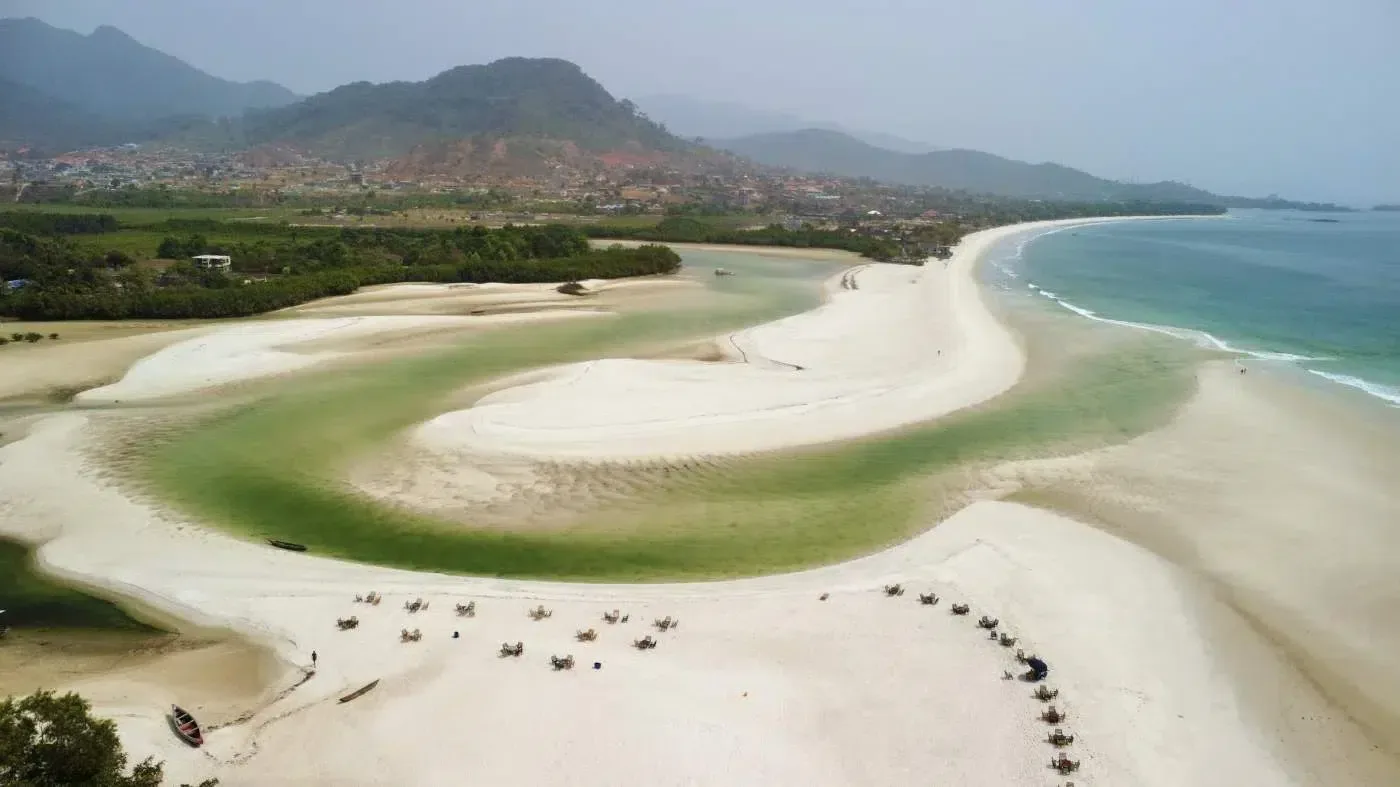
Sierra Leone features mangrove swamps, rainforests, savannah highlands, and a 560-km Atlantic coastline with some of Africa’s finest beaches. The Freetown peninsula is backed by lush mountains, while the interior rises to the Loma Mountains (1,945 m). Four main rivers flow west to the Atlantic, creating fertile valleys and dramatic scenery.
Economy & Tourism Highlights
Diamonds, gold, and agriculture drive the economy, with tourism growing rapidly thanks to pristine beaches, chimpanzee conservation, and cultural heritage. The government actively promotes eco-tourism and community-based projects, making Sierra Leone one of West Africa’s most promising emerging destinations.
What Sierra Leone Is Known For
- World-class beaches (River No. 2, Tokeh, Bureh)
- Tacugama Chimpanzee Sanctuary
- Banana Islands and Turtle Islands
- Freetown’s historic cotton tree and vibrant Krio culture
Visa & Entry Requirements in Sierra Leone
Most visitors can obtain an e-Visa online or visa on arrival, making entry straightforward compared to many African countries.
Do You Need a Visa?
ECOWAS citizens are visa-exempt. Most other nationalities can get visa on arrival at Lungi Airport or apply for e-Visa in advance (recommended for smoother entry).
Visa Application Options in Sierra Leone
- e-Visa (online – apply at www.travel.gov.sl)
- Visa on arrival at Lungi International Airport
- Embassy application (for longer stays)
Passport Validity & Entry Documents
Passport must be valid for 6 months with 2 blank pages. Yellow Fever certificate mandatory. Return/onward ticket may be requested.
Customs Rules & Prohibited Items
Standard restrictions apply. Declare large amounts of cash. Alcohol and tobacco limits apply. No restrictions on bringing foreign currency (USD widely accepted).
Safety & Security Information in Sierra Leone
Tourist areas are generally safe with low violent crime against visitors. Petty theft and bag-snatching occur in Freetown.
Is Sierra Leone Safe for Tourists?
Yes – the Freetown peninsula, beaches, and Western Area are safe for tourists. Avoid border areas with Liberia/Guinea unless on organized tours. Police presence is strong in tourist zones.
Recommended Safety Tips when in Sierra Leone
Use registered taxis or hotel transfers, especially at night. Don’t walk alone on beaches after dark. Keep valuables in hotel safes. Use mosquito repellent (malaria risk).
Safe Areas vs. Areas to Avoid in Sierra Leone
Safe: Freetown peninsula, River No.2, Tokeh, Bureh, Banana Islands. Avoid: Remote border regions, diamond mining areas (Kono), late-night walks in central Freetown.
Emergency Numbers & Tourist Police in Sierra Leone
- Police: 019 (Freetown) or 112
- Fire: 999
- Medical Emergency: 999
Health Requirements & Vaccinations in Sierra Leone
Yellow Fever certificate mandatory. Malaria prophylaxis strongly recommended.
Mandatory Vaccinations in Sierra Leone
Yellow Fever vaccination certificate required for all visitors over 9 months old.
Recommended Vaccinations in Sierra Leone
Hepatitis A, Typhoid, Meningitis, Rabies (pre-exposure), routine vaccines. Malaria tablets essential.
Malaria & Other Risks
High malaria risk year-round. Use DEET repellent, sleep under nets, take prophylaxis. Lassa fever rare but present in east.
Travel Insurance Recommendations in Sierra Leone
Comprehensive insurance with medical evacuation cover mandatory – facilities limited outside Freetown.
Best Time to Visit in Sierra Leone
Dry season (November–April) offers sunshine and perfect beach weather. Rainy season (May–October) is greener and cheaper.
Weather by Season
Dry season: 25–32°C, sunny. Rainy season: 24–30°C, heavy afternoon showers.
When to Visit Sierra Leone for Best Experiences
- Beaches: December–April
- Chimpanzee trekking: Year-round (drier months easier)
- Festivals: Lantern Parade (Christmas), Freetown music events
High Season vs. Low Season Travel
High season: December–March (peak prices). Low season: June–September (great deals, fewer tourists).
Weather & Climate Overview in Sierra Leone
Tropical climate with two distinct seasons: dry (November–April) and wet (May–October).
Temperature Ranges
Coastal areas: 24–33°C year-round. Upland areas cooler at night.
Rainy & Dry Seasons in Sierra Leone
Dry season: Virtually no rain. Wet season: Heavy afternoon rains, especially July–August.
What to Wear Based on the Weather
Light cotton clothing, flip-flops, rain jacket (wet season), sun hat, swimwear, modest attire for villages.
Main Currency, Costs & Budgeting in Sierra Leone
Sierra Leonean Leone (SLL). US dollars widely accepted in tourist areas.
Average Travel Costs in Sierra Leone
Budget: $60–100/day. Mid-range: $120–200/day. Luxury beach resorts: $250–450/day.
Using ATMs, Cards & Mobile Money in Sierra Leone
ATMs in Freetown (Ecobank, UBA). Orange Money and Africell Money widely used.
Tipping Guidelines in Sierra Leone
10% in restaurants, $5–10/day for drivers/guides.
Transportation & Getting Around in Sierra Leone
Limited public transport outside Freetown. Private transfers and boats common.
Airport Transfers
Water taxi, hovercraft, or road bridge from Lungi Airport to Freetown.
Local Transport Options in Sierra Leone
Okadas (motorcycle taxis), poda-podas (minibuses), shared taxis, private drivers.
Sierra Leone Domestic Flights
Limited scheduled flights (Freetown–Bo/Kenema). Chartered helicopters available.
Car Rentals & Road Conditions in Sierra Leone
4WD recommended outside Freetown. Roads improving but many unpaved.
Accommodation Options available in Sierra Leone
From beach eco-lodges to Freetown boutique hotels and island retreats.
Types of Accommodations in Sierra Leone
Beach resorts, guesthouses, eco-lodges, island bungalows.
Budget vs. Mid-Range vs. Luxury
Budget $30–70, Mid-range $80–180, Luxury $200–500+.
Best Areas to Stay in Sierra Leone
Freetown (Lumley, Aberdeen), River No.2 Beach, Tokeh Beach, Banana Islands.
Essential Packing Guide when Visiting Sierra Leone
Light clothing, rain gear, strong insect repellent, torch, power bank.
Language & Communication in Sierra Leone
English official, Krio widely spoken and understood.
Culture & Etiquette in Sierra Leone
Warm, welcoming culture. Greetings important. Modest dress outside Freetown.
Food, Water & Dining in Sierra Leone
Cassava leaves, groundnut stew, fresh seafood. Bottled water essential.
Top Attractions & Things to Do in Sierra Leone
River No.2 Beach, Tacugama Chimpanzee Sanctuary, Banana Islands, Turtle Islands, Bunce Island, Freetown heritage tour.
Sierra Leonean Electrical System Information
230V, 50Hz, UK-style plugs (Type G) and European (Type C).
Local Laws & Regulations of Sierra Leone
Photography of government buildings restricted. No drugs. Respect local customs.
Final Travel Tips for Visitors in Sierra Leone
Bring USD cash, malaria tablets, sun cream, and an open heart – Sierra Leoneans are incredibly welcoming.
Frequently Asked Questions – Sierra Leone Travel Guide 2026-2027
Our Tanzania Tours Products
While Sierra Leone offers incredible beaches, chimpanzee sanctuaries and warm West African hospitality, many travelers combine it with the ultimate East African wildlife experience. Capable Africa Tours specializes in secure, guided safaris that maximize safety and wonder. Our expert local guides, armed rangers in parks, and vetted accommodations ensure peace of mind.
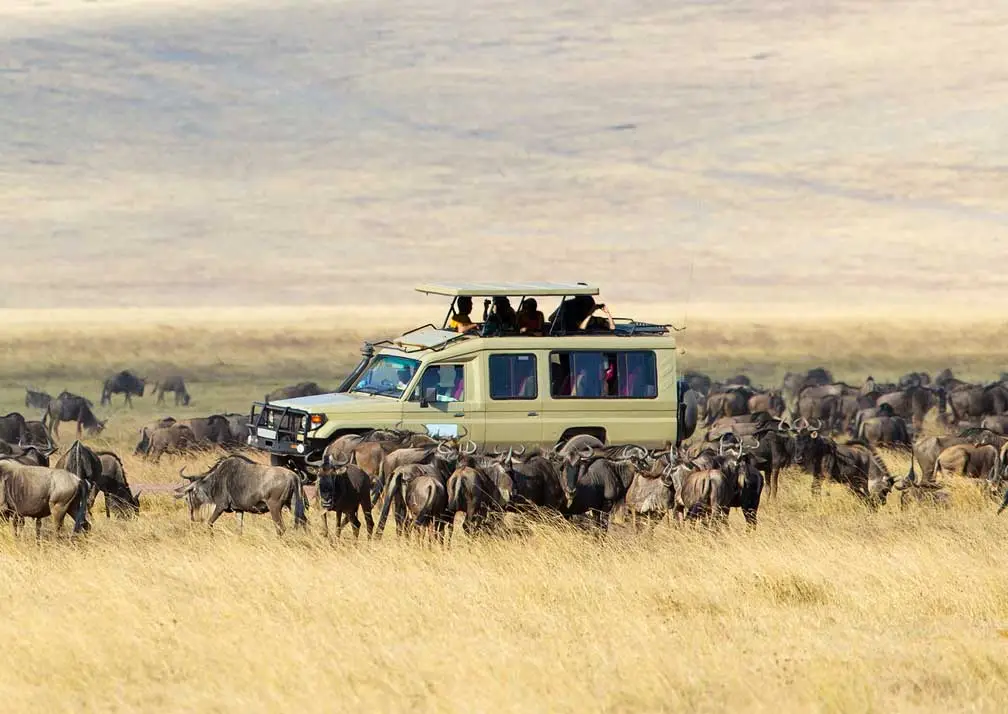
Great Migration Safaris
Experience one of nature's greatest spectacles with our Great Migration safari packages, timed for river crossings or calving.
View Package →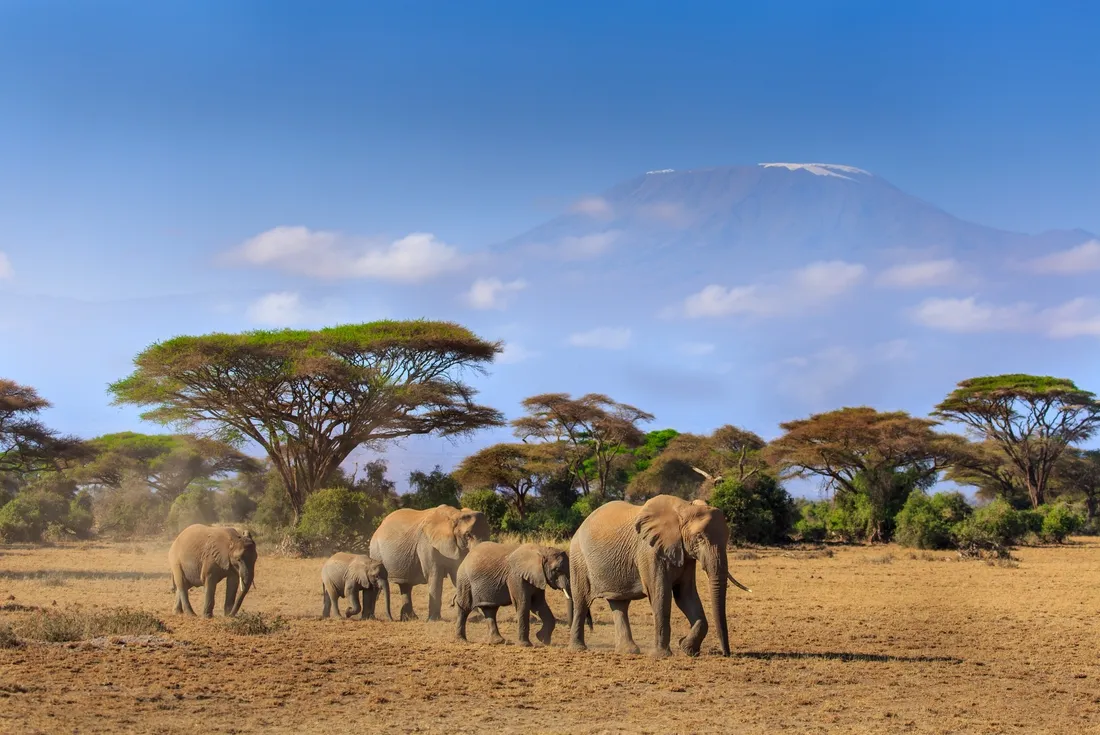
Serengeti & Kilimanjaro Trek
Combined safari and trekking tours offer wildlife adventures and Kilimanjaro climbs.
View Package →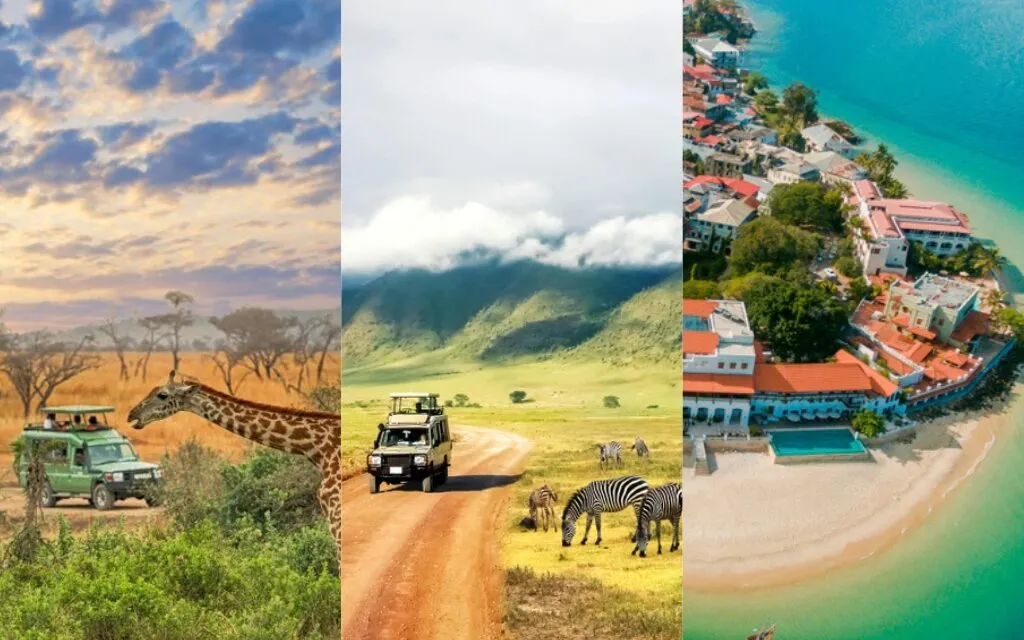
Serengeti & Zanzibar Tours
Luxury Tanzania safari & beach packages with the Great Migration and pristine beaches.
View Package →Related: Best Time to Visit Tanzania 2026 – Perfect safari extension after your Sierra Leone adventure.