
Most Complete Singapore Travel Guide 2026-2027 – Everything You Need to Know Before Visiting
This Singapore travel guide provides everything you need to plan your journey to one of Asia’s most dynamic city-states. Singapore offers an extraordinary blend of futuristic architecture, lush green spaces, multicultural neighborhoods, and world-class cuisine that create one of the continent's most diverse travel experiences. Many travelers who want to travel to Singapore are surprised by the country's incredible efficiency and rich cultural heritage spanning Chinese, Malay, Indian, and Peranakan traditions. The nation covers just 728 square kilometers, yet packs in everything from cutting-edge attractions to pristine islands and bustling hawker centers.
Start Reading the Full Guide ↓Quick Facts About Singapore
- Capital: Singapore (city-state).
- Currency: Singapore Dollar (SGD).
- Time Zone: Singapore Standard Time (SGT, UTC+8).
- International Calling Code: +65.
- Driving Side: Left.
- Major Airport: Singapore Changi Airport (SIN) – repeatedly voted world’s best.
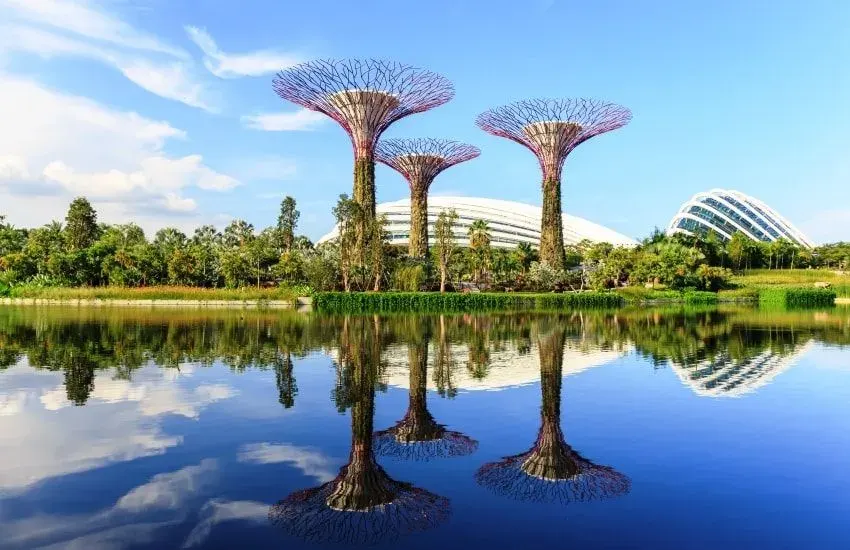
Singapore Overview & Key Facts
Brief History of Singapore
Singapore's history spans from a 14th-century trading port through British colonial rule to modern independence. Founded as a British trading post by Sir Stamford Raffles in 1819, it rapidly grew into a strategic entrepôt. Occupied by Japan during WWII, Singapore gained self-governance in 1959 and full independence in 1965 after separation from Malaysia. This rich historical tapestry creates a fascinating backdrop for modern travelers exploring the country's multicultural neighborhoods and heritage sites.
Independence & National Identity
- Independence date: August 9, 1965.
- Former colonial power: Britain.
- National symbols & identity.
Singapore gained independence after separation from Malaysia, led by Lee Kuan Yew. Today, Singapore’s identity centers on multiracial harmony (CMIO model: Chinese, Malay, Indian, Others), meritocracy, and efficiency. The national flag features red and white with a crescent moon and five stars symbolizing ideals of democracy, peace, progress, justice, and equality.
Government System & Current Leadership
- Type of government: Parliamentary Republic
- Current prime minister: Lawrence Wong (since May 2024)
- Notes on political stability
Singapore operates as a parliamentary republic with the People’s Action Party (PAP) dominant since independence. The country is renowned for political stability, transparency, and efficiency, consistently ranking among the least corrupt nations globally.
Population, Ethnic Groups & Languages
- Population: 6.1 million (2025 estimate).
- Major ethnic groups: Chinese (74%), Malay (13%), Indian (9%), Others (3%).
- Official language(s): English, Mandarin, Malay, Tamil.
- Additional languages commonly spoken.
English is the lingua franca and language of business/education. “Singlish” (Singaporean English creole) is widely spoken informally. Most signage is in English.
Main Religions & Cultural Identity
Buddhism/Taoism (33%), Christianity (20%), No religion (19%), Islam (15%), Hinduism (5%). Singapore promotes religious harmony with public holidays for all major faiths. Cultural identity emphasizes respect, cleanliness, and “kiasu” (fear of losing out) spirit.
Geography & Natural Landscape
Singapore is a densely built city-state with over 50% green cover. It features a flat landscape, mangrove reserves, and over 60 surrounding islands. Despite urbanization, initiatives like “City in Nature” preserve biodiversity.
Economy & Tourism Highlights
One of the world’s wealthiest nations per capita, driven by finance, biotech, and tourism. Changi Airport and Marina Bay Sands are global icons. Tourism rebounded strongly post-COVID with new attractions opening 2025–2027.
What Singapore Is Known For
- Gardens by the Bay & Supertree Grove
- Marina Bay Sands infinity pool & skyline
- Hawker food culture (UNESCO-listed)
- Changi Airport – the world’s best airport
Visa & Entry Requirements in Singapore
Most visitors enjoy visa-free entry for tourism. Singapore maintains one of the most traveler-friendly immigration systems globally.
Do You Need a Visa?
90-day visa-free: USA, EU, UK, Canada, Australia, New Zealand, etc.
30-day visa-free: most other countries.
A few nationalities require visas in advance – check ICA website.
Visa Application Options in Singapore
- Visa-free entry (most common)
- e-Visa or embassy application (limited nationalities)
Passport Validity & Entry Documents
Passport valid 6 months beyond intended stay. SG Arrival Card (electronic) must be submitted within 3 days before arrival.
Customs Rules & Prohibited Items
Strict drug laws (death penalty). Chewing gum banned (except therapeutic). E-cigarettes/vapes prohibited. Duty-free alcohol: 2L wine + 1L spirits OR 2L wine + 1L beer.
Safety & Security Information in Singapore
Singapore is consistently ranked one of the safest cities worldwide with extremely low violent crime.
Is Singapore Safe for Tourists?
Yes – exceptionally safe. Walking alone at night, even as a solo female traveler, is normal and secure.
Recommended Safety Tips when in Singapore
Normal precautions: watch bags in crowded areas, avoid unlicensed taxis. Fines for jaywalking, littering, etc.
Safe Areas vs. Areas to Avoid in Singapore
Entire island is safe. Geylang red-light district seedier after dark but still low risk.
Emergency Numbers & Tourist Police in Singapore
- Police: 999
- Ambulance/Fire: 995
- Tourist Police: available at major attractions
Health Requirements & Vaccinations in Singapore
No mandatory vaccinations except Yellow Fever if arriving from endemic countries.
Mandatory Vaccinations in Singapore
Yellow fever certificate if coming from affected countries.
Recommended Vaccinations in Singapore
Hepatitis A/B, Typhoid for longer stays. Routine vaccines up to date.
Malaria & Other Risks
No malaria. Dengue exists – use repellent during day.
Travel Insurance Recommendations in Singapore
Highly recommended – medical costs are high despite excellent facilities.
Best Time to Visit in Singapore
Year-round destination. February–April driest; July–August for sales & festivals.
Weather by Season
Hot & humid year-round (25–33°C). Wettest Nov–Jan. Thunderstorms common but short.
When to Visit Singapore for Best Experiences
- F1 Grand Prix: September
- Great Singapore Sale: Jun–Aug
- Chinese New Year: Jan/Feb
- Deepavali & Christmas light-ups
High Season vs. Low Season Travel
Peak: Jun–Aug & Dec–Jan. Shoulder seasons offer best hotel deals.
Weather & Climate Overview in Singapore
Equatorial climate – hot, humid, frequent rain.
Temperature Ranges
Daily 25–33°C year-round. Feels-like often 38–40°C with humidity.
Rainy & Dry Seasons in Singapore
Northeast monsoon (Nov–Mar) wettest. Southwest monsoon (Jun–Sep) slightly drier.
What to Wear Based on the Weather
Light breathable clothing, umbrella, comfortable walking shoes. Light cardigan for air-conditioned malls.
Main Currency, Costs & Budgeting in Singapore
Singapore Dollar (SGD). One of Asia’s more expensive destinations but hawker food keeps costs reasonable.
Local Currency Information
Notes: $2, $5, $10, $50, $100. Coins common. Contactless cards widely accepted.
Average Travel Costs in Singapore
Budget: $100–150/day (hostel + hawker food + MRT).
Mid-range: $200–350.
Luxury: $500+.
Using ATMs, Cards & Mobile Money in Singapore
Cards accepted almost everywhere. Apple/Google Pay common. ATMs abundant.
Tipping Guidelines in Singapore
Not expected – 10% service charge usually included. Rounding up taxi fare appreciated.
Transportation & Getting Around in Singapore
World-class public transport system – MRT, buses, taxis, Grab.
Airport Transfers
MRT direct from Changi to city. Taxi/Grab ~S$25–40. Airport shuttle available.
Local Transport Options in Singapore
MRT & buses cheapest & efficient. EZ-Link card or SimplyGo app. Taxis & Grab abundant.
Singapore Domestic Flights
None – island too small.
Car Rentals & Road Conditions in Singapore
Expensive with ERP gantries. Not recommended for tourists – public transport superior.
Accommodation Options available in Singapore
From hostels to 6-star hotels.
Types of Accommodations in Singapore
Hostels, budget chains, boutique hotels, international luxury chains, capsule hotels.
Budget vs. Mid-Range vs. Luxury
Budget: $30–80 (hostels).
Mid-range: $120–250.
Luxury: $300–1000+ (Marina Bay Sands, Raffles, Capella).
Best Areas to Stay in Singapore
Marina Bay (iconic views), Orchard Road (shopping), Chinatown/Bugis (culture + budget), Sentosa (resorts).
Essential Packing Guide when Visiting Singapore
Light clothing, umbrella, power bank, universal adapter.
Clothing Essentials
Breathable fabrics, flip-flops, light jacket for AC.
Footwear & Gear
Comfortable walking shoes – lots of walking!
Electronics & Cameras
Type G plugs (British 3-pin). 230V 50Hz.
Toiletries & Personal Items
Everything available but expensive. Bring prescription meds.
Language & Communication in Singapore
English universally spoken.
Main Languages Spoken in Singapore
English, Mandarin, Malay, Tamil. Singlish common.
Useful Phrases for Tourists
“Lah” (sentence particle), “Can?” (OK?), “Thank you” works everywhere.
SIM Cards & Mobile Data used in Singapore
Tourist SIMs at Changi Airport (Singtel, StarHub, M1). Excellent 4G/5G coverage.
Internet Availability & Wi-Fi in Singapore
Free Wireless@SG island-wide. Fastest internet in many rankings.
Culture & Etiquette in Singapore
Clean, orderly, rule-based society.
Singapore Dress Code Expectations
Casual acceptable. Cover up in religious sites.
Social Etiquette & Respectful Behavior of Singapore
Queue politely, no loud behavior on public transport, give up seats to elderly.
Photography Rules in Singapore
Generally allowed. No photos in some museums/galleries.
Important Cultural Dos & Don’ts in Singapore
Do: remove shoes indoors, use both hands to give/receive.
Don’t: litter (S$300 fine), smoke outside designated areas, eat/drink on MRT.
Food, Water & Dining in Singapore
Food paradise – Michelin-starred hawker stalls to fine dining.
Singapore Local Dishes to Try
Chicken rice, chili crab, laksa, kaya toast, satay, roti prata, bak kut teh.
Dietary Options in Singapore
Halal, vegetarian, vegan widely available.
Drinking Water Safety
Tap water perfectly safe (NEWater).
Restaurant Etiquette
Self-service at hawker centres. “Chope” seats with tissue packet.
Top Attractions & Things to Do in Singapore
Compact – everything reachable in 30–45 min.
Major Tourist Attractions in Singapore
- Marina Bay Sands & SkyPark
- Gardens by the Bay (Supertrees, Cloud Forest)
- Sentosa Island & Universal Studios
- Merlion Park & Singapore Flyer
Best Tours & Experiences in Singapore
Night safari, food tours, river cruises, rooftop bars.
Family-Friendly Activities to do in Singapore
Universal Studios, S.E.A. Aquarium, Science Centre, Zoo, Bird Paradise.
Unique Cultural or Historical Sites to visit in Singapore
Chinatown, Little India, Kampong Glam, National Museum, Haw Par Villa.
Singapore Electrical System Information
Type G (British 3-pin) plugs, 230V 50Hz.
Plug Types & Voltage used in Singapore
Type G only. Universal adapters recommended.
Charging Tips
Power banks useful for long days out.
Local Laws & Regulations of Singapore
Strict but clearly signposted.
Rules Travelers Need to Know when In Singapore
No chewing gum, no durian on MRT, no littering, no vaping.
Alcohol, Smoking & Substance Laws of Singapore
Alcohol legal 19+. Smoking only in yellow boxes. Drugs = death penalty.
Restricted or Protected Areas in Singapore
Military zones, some nature reserves require permits.
Final Travel Tips for Visitors in Singapore
Get an EZ-Link card, download Grab app, eat at hawker centres, visit during sales/events.
Common Mistakes to Avoid
Overpaying for food (skip hotel restaurants), not using MRT, carrying durian in public.
Tips to Save Money when Visiting Singapore
Eat at hawker centres (Michelin meals under $5), use public transport, book attractions online.
Safety & Comfort Tips
Stay hydrated, carry umbrella, use sunscreen, enjoy the air-con!
Frequently Asked Questions – Singapore Travel Guide 2026-2027
Our Tanzania Tours Products
While Singapore offers incredible urban experiences and futuristic attractions, many travelers combine Southeast Asia with the ultimate wildlife adventure in East Africa. Capable Africa Tours specializes in secure, guided safaris that maximize safety and wonder. Our expert local guides, armed rangers in parks, and vetted accommodations ensure peace of mind. From family-friendly lodges to luxury camps, we handle logistics so you focus on the magic. Tanzania ranks high for tourist safety with dedicated wildlife protection units and stable northern circuits.
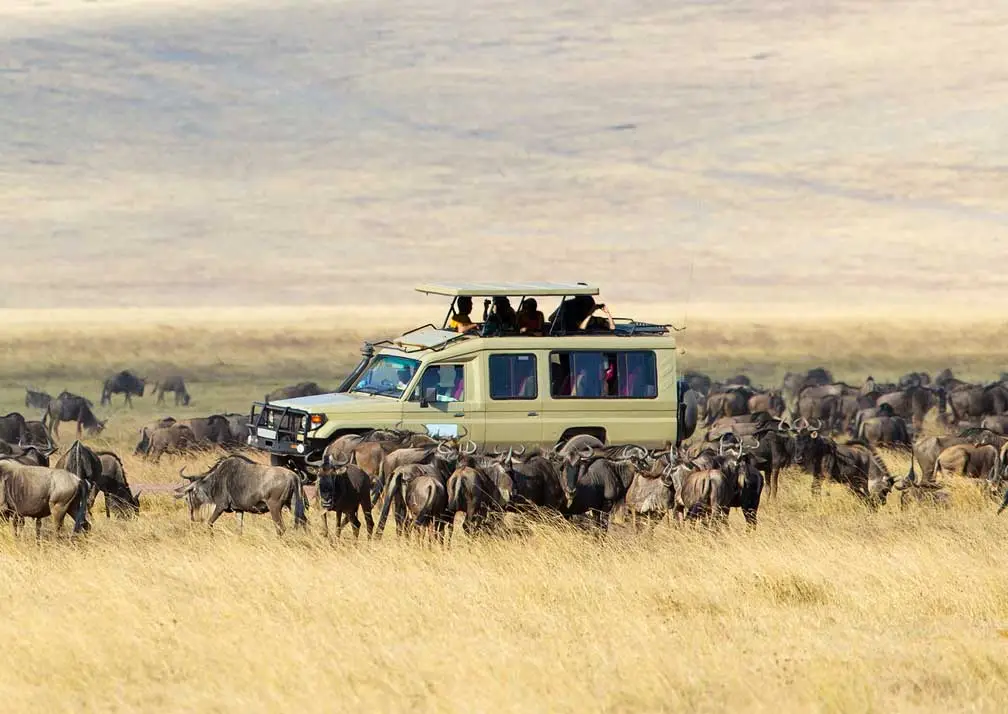
Great Migration Safaris
Experience one of nature's greatest spectacles with our Great Migration safari packages, timed for river crossings or calving.
View Package →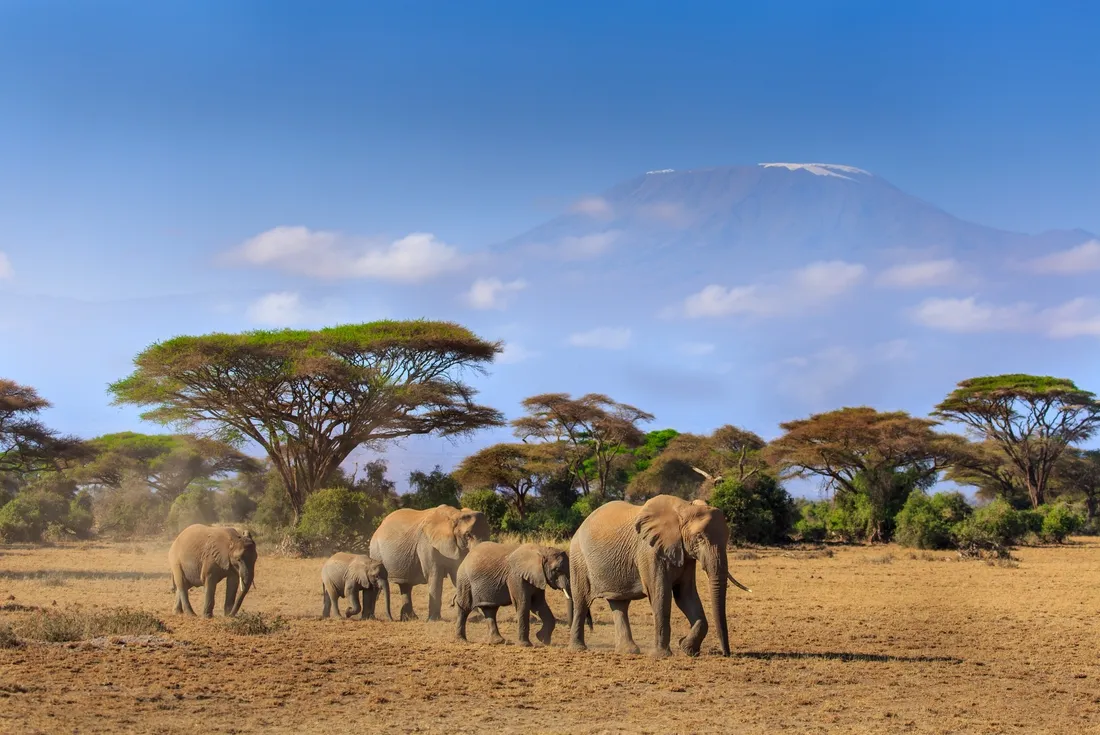
Serengeti & Kilimanjaro Trek
Combined safari and trekking tours offer wildlife adventures and Kilimanjaro climbs.
View Package →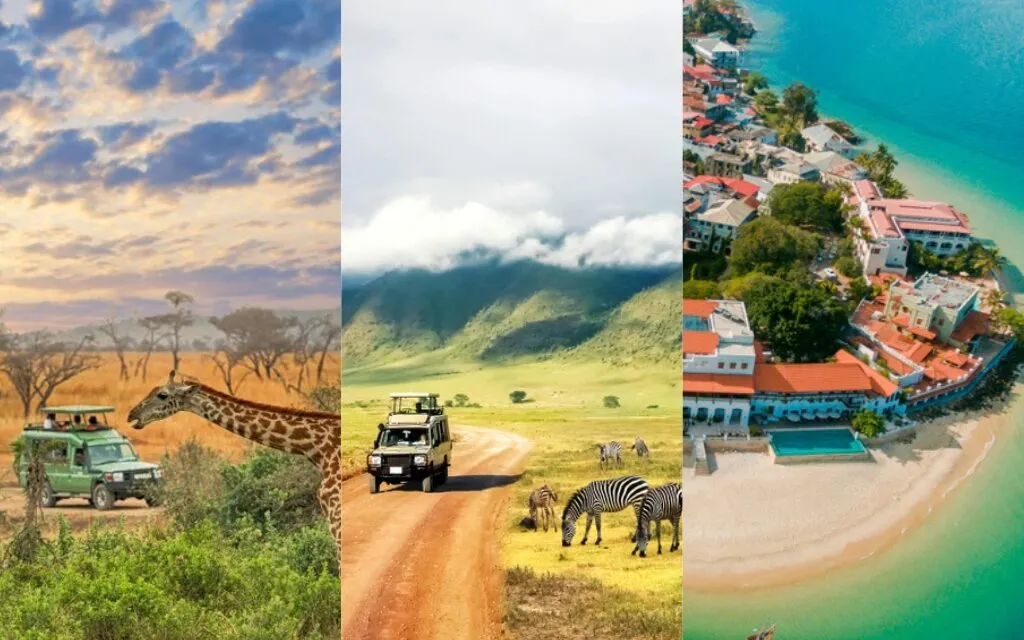
Serengeti & Zanzibar Tours
Luxury Tanzania safari & beach packages with the Great Migration and pristine beaches.
View Package →Related: Best Time to Visit Tanzania 2026 – Perfect safari extension after your Singapore city break.