Most Complete Slovakia Travel Guide 2026-2027 – Everything You Need to Know Before Visiting
This Slovakia travel guide provides everything you need to plan your journey to the heart of Europe. Slovakia offers an extraordinary blend of medieval castles, dramatic High Tatras mountains, thermal spas and charming wooden churches that create one of Central Europe’s most diverse travel experiences. Many travelers who want to travel to Slovakia are surprised by the country's incredible fairy-tale landscapes and rich cultural heritage spanning Celtic, Roman, Slavic and Habsburg influences. The nation covers just 49,000 square kilometers yet boasts over 9,000 caves, 130+ castles and ruins, and the highest concentration of UNESCO wooden churches in Europe.
Start Reading the Full Guide ↓Quick Facts About Slovakia
- Capital: Bratislava.
- Currency: Euro (€).
- Time Zone: Central European Time (CET, UTC+1).
- International Calling Code: +421.
- Driving Side: Right.
- Major Airports: Bratislava (BTS), Košice (KSC), Poprad-Tatry (TAT).
Slovakia Overview & Key Facts
Brief History of Slovakia
Slovakia's history spans millennia, from Celtic settlements through Great Moravia and centuries under the Kingdom of Hungary to the 20th-century creation of Czechoslovakia. The territory formed the core of the 9th-century Great Moravian Empire, one of the first major Slavic states. After centuries within the Hungarian kingdom and later the Habsburg Empire, modern Slovakia emerged after World War I as part of Czechoslovakia, gaining full independence peacefully in 1993 through the “Velvet Divorce.”
Independence & National Identity
- Independence date: January 1, 1993.
- Former union: Czechoslovakia.
- National symbols & identity.
Known as the “Velvet Divorce,” the separation from Czechia was peaceful and democratic. Today, Slovakia's national identity centers on mountainous landscapes, folk traditions, and a strong sense of hospitality. The double-barred patriarchal cross on three hills represents the Tatras, Fatras and Matras mountain ranges.
Government System & Current Leadership
- Type of government: Parliamentary Republic
- Current president: Zuzana Čaputová (until June 2024), followed by Peter Pellegrini
- Notes on political stability
Slovakia is a stable EU and NATO member with regular democratic elections. The country enjoys strong political stability and high rankings in global peace and safety indices.
Population, Ethnic Groups & Languages
- Population: 5.4 million (2025 projection).
- Major ethnic groups: Slovaks (80.7%), Hungarians (8.5%), Roma (2%).
- Official language(s): Slovak.
- Additional languages commonly spoken.
English is widely spoken among younger generations and in tourism. Hungarian is common in southern regions, German in Bratislava and Spiš area. Czech is mutually intelligible and widely understood.
Main Religions & Cultural Identity
Roman Catholicism dominates (62%), followed by Evangelical Lutherans and Greek Catholics. The country has significant secular population. Folk traditions, wooden architecture and strong Christmas/Easter customs remain important cultural markers.
Geography & Natural Landscape
Slovakia features dramatic contrasts: the Carpathian mountain arc with the High Tatras (Gerlachovský štít 2,655 m), Danube lowlands, and over 9,000 caves (many UNESCO-listed). Nine national parks cover 12% of the country, offering hiking, skiing and wildlife watching.
Economy & Tourism Highlights
One of Europe’s fastest-growing economies, known as the “Tatra Tiger.” Major automotive producer (Jaguar Land Rover, Volkswagen, Kia, Stellantis). Tourism growing rapidly thanks to castles, mountains, thermal spas and affordable prices compared to Austria or Switzerland.
What Slovakia Is Known For
- Over 130 castles and châteaux (highest density in Europe)
- High Tatras – only true alpine peaks in Central/Eastern Europe
- UNESCO wooden churches and historic towns (Banská Štiavnica, Levoča, Bardejov)
- Thermal spas and wellness culture
Visa & Entry Requirements in Slovakia
Slovakia is part of the Schengen Area. EU/EEA/Swiss citizens travel freely. Most Western visitors enjoy visa-free access for 90 days within 180. Others require Schengen visa.
Do You Need a Visa?
US, Canada, UK, Australia, NZ, Japan, South Korea, Malaysia, Singapore, Chile, Israel citizens: visa-free 90/180 days. Most African, Asian and Latin American nationalities require Schengen visa in advance.
Visa Application Options in Slovakia
- Schengen tourist visa (Type C)
- Easily applied through any Schengen country embassy
- Valid for entire Schengen zone
Passport Validity & Entry Documents
Passport valid 3 months beyond intended departure from Schengen. Proof of accommodation, return ticket and sufficient funds (€55/day) may be requested but rarely checked for visa-free visitors.
Customs Rules & Prohibited Items
Standard EU rules. €10,000+ cash must be declared. No restrictions on personal medication with prescription. Alcohol/tobacco limits apply when entering from non-EU countries.
Safety & Security Information in Slovakia
Slovakia consistently ranks among the 20 safest countries globally. Low violent crime, excellent healthcare, stable politics.
Is Slovakia Safe for Tourists?
Extremely safe. Pickpocketing in Bratislava old town and main train station is the main concern – standard European precautions apply.
Recommended Safety Tips when in Slovakia
Bear bells and staying on marked trails in Tatras (bears present but attacks extremely rare). Watch for icy paths in winter. Standard city awareness in Bratislava at night.
Safe Areas vs. Areas to Avoid in Slovakia
Entire country is safe. Some Roma settlements on city outskirts have higher petty crime – not tourist areas.
Emergency Numbers & Tourist Police in Slovakia
- Unified emergency: 112
- Police: 158
- Ambulance: 155
- Mountain Rescue (HZS): 18300
Health Requirements & Vaccinations in Slovakia
No mandatory vaccinations. Excellent medical care in cities, English widely spoken by doctors.
Mandatory Vaccinations in Slovakia
None.
Recommended Vaccinations in Slovakia
Tick-borne encephalitis (TBE) if extensive forest hiking May–October. Routine vaccines up to date.
Malaria & Other Risks
No malaria. Ticks are the main concern in forests and meadows.
Travel Insurance Recommendations in Slovakia
Highly recommended for mountain activities and winter sports. EU citizens use EHIC/GHIC, others need full coverage.
Best Time to Visit in Slovakia
May–September for hiking and castles; December–March for skiing and Christmas markets.
Weather by Season
Spring (Apr–Jun): 15–22°C, blooming meadows. Summer (Jul–Aug): 25–30°C, ideal hiking. Autumn (Sep–Oct): golden forests. Winter (Dec–Mar): snow, Christmas markets, skiing.
When to Visit Slovakia for Best Experiences
- Hiking & castles: June–September
- Christmas markets: December
- Skiing High Tatras: January–March
- Thermal spas: year-round
High Season vs. Low Season Travel
July–August and December–January highest prices. Shoulder seasons (May, September, October) best value and weather.
Weather & Climate Overview in Slovakia
Continental climate with four distinct seasons. High Tatras have alpine climate.
Temperature Ranges
Bratislava: -2°C winter to 28°C summer. High Tatras: -10°C winter to 20°C summer.
Rainy & Dry Seasons in Slovakia
May–June rainiest, July–August driest and sunniest.
What to Wear Based on the Weather
Layers essential. Good hiking boots for mountains. Warm jacket even in summer for Tatras evenings.
Main Currency, Costs & Budgeting in Slovakia
Euro zone. Excellent value compared to Western Europe.
Local Currency Information
Euro (€). Cards accepted almost everywhere except small villages and mountain chalets.
Average Travel Costs in Slovakia
Budget €50–80/day, mid-range €90–150, luxury €200+. Meals €8–20, beer €2–3, accommodation €40–120.
Using ATMs, Cards & Mobile Money in Slovakia
Contactless cards universal. ATMs everywhere. Apple/Google Pay widely accepted.
Tipping Guidelines in Slovakia
Round up or 10% in restaurants if service good. Not expected but appreciated for guides and taxis.
Transportation & Getting Around in Slovakia
Excellent train and bus network. Compact country – easy to explore.
Airport Transfers
Bratislava airport: Bus 61 to city (€0.90) or taxi €20–30. Vienna airport (VIE) often cheaper flights – direct FlixBus to Bratislava €6–10.
Local Transport Options in Slovakia
Reliable trains (ZSSK) and buses (RegioJet, FlixBus, Slovak Lines). Bratislava has trams and trolleybuses.
Slovakia Domestic Flights
None practical – country too small.
Car Rentals & Road Conditions in Slovakia
Excellent highways. Vignette required (€10/10 days). Mountain roads winding but well-maintained.
Accommodation Options available in Slovakia
From mountain chalets to boutique hotels in castles.
Types of Accommodations in Slovakia
Hotels, pensions, private apartments, mountain huts, castle hotels, thermal spa resorts.
Budget vs. Mid-Range vs. Luxury
Hostels €15–30, pensions €40–80, 4-star €80–150, castle/spa luxury €200+.
Best Areas to Stay in Slovakia
Bratislava Old Town, High Tatras (Štrbské Pleso, Starý Smokovec), Banská Štiavnica, Košice city centre.
Essential Packing Guide when Visiting Slovakia
Layers, good shoes, and rain jacket essential.
Clothing Essentials
Breathable hiking clothes, warm fleece, waterproof jacket, hat/gloves for mountains even in summer.
Footwear & Gear
Quality hiking boots, microspikes in winter, trekking poles useful.
Electronics & Cameras
EU plug (Type C/E), 230V. Power banks useful in mountain huts.
Toiletries & Personal Items
Tick repellent, high SPF, reusable water bottle (tap water excellent).
Language & Communication in Slovakia
Slovak official. English widespread among under-40s.
Main Languages Spoken in Slovakia
Slovak, English, German, Hungarian, Czech.
Useful Phrases for Tourists
Dobrý deň (hello), Ďakujem (thank you), Prosím (please), Koľko stojí? (how much?).
SIM Cards & Mobile Data used in Slovakia
O2, Telekom, Orange, 4ka. €10–15 for 10–20 GB tourist plans.
Internet Availability & Wi-Fi in Slovakia
Free Wi-Fi in cafés, restaurants, trains, and most accommodation.
Culture & Etiquette in Slovakia
Friendly, reserved at first, very hospitable once engaged.
Slovakian Dress Code Expectations
Casual European. Neat appearance appreciated. Remove hats indoors.
Social Etiquette & Respectful Behavior of Slovakia
Handshake greeting, maintain eye contact. Bring small gift (chocolate/wine) when invited home.
Photography Rules in Slovakia
Generally allowed. Ask permission for people, no photos in some churches during service.
Important Cultural Dos & Don’ts in Slovakia
Do: remove shoes when entering homes. Don’t: discuss politics or 1989 revolution unless invited.
Food, Water & Dining in Slovakia
Hearty mountain cuisine, excellent beer, growing wine scene.
Slovak Local Dishes to Try
Bryndzové halušky (potato dumplings with sheep cheese), kapustnica (sauerkraut soup), zander/perch from lakes, Tokaj wine (near border), Kofola cola.
Dietary Options in Slovakia
Vegetarian options increasing. Vegan still limited outside Bratislava.
Drinking Water Safety
Tap water excellent and safe everywhere.
Restaurant Etiquette
Service not included – round up or 10%. “Dobrú chuť” (bon appétit) said before eating.
Top Attractions & Things to Do in Slovakia
Castles, mountains, caves, UNESCO towns.
Major Tourist Attractions in Slovakia
- Bratislava Castle & Old Town
- High Tatras National Park
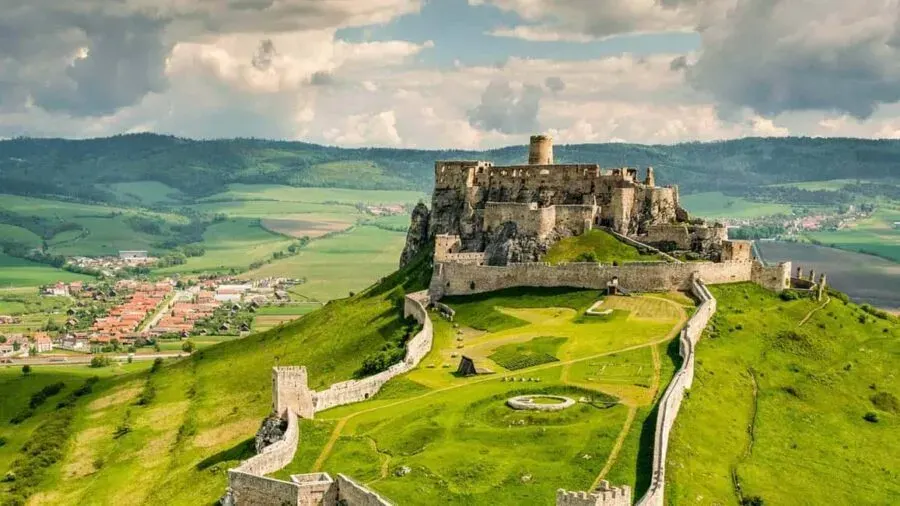
- Spiš Castle (UNESCO – largest in Central Europe)
- Banská Štiavnica medieval mining town (UNESCO)
Best Tours & Experiences in Slovakia
Tatra electric railway, cable car to Lomnický štít (2,634 m), cave tours (Dobšinská Ice Cave UNESCO), wine tasting in Small Carpathians, rafting Dunajec river.
Family-Friendly Activities to do in Slovakia
Aquaparks (Tatralandia, Bešeňová), dinosaur park DinoPark, Bojnice Zoo & castle, Slovak Paradise ladders and waterfalls.
Unique Cultural or Historical Sites to visit in Slovakia
8 UNESCO wooden churches, Levoča and master Paul’s altar, Orava Castle (featured in Nosferatu), Slovak Paradise gorges with ladders and chains.
Slovakian Electrical System Information
European standard.
Plug Types & Voltage used in Slovakia
Type C and E, 230V, 50Hz.
Charging Tips
Universal in hotels. Power banks useful in mountain huts with limited electricity.
Local Laws & Regulations of Slovakia
Standard EU laws.
Rules Travelers Need to Know when In Slovakia
No hiking off marked trails in national parks (fines). Alcohol limit 0.0% for drivers. No smoking in restaurants/bars.
Alcohol, Smoking & Substance Laws of Slovakia
Drinking age 18. Cannabis illegal. Public drinking allowed except specific zones.
Restricted or Protected Areas in Slovakia.
Strict nature protection in national parks – stay on marked trails.
Final Travel Tips for Visitors in Slovakia
Compact, safe, affordable, stunningly beautiful.
Common Mistakes to Avoid
Underestimating Tatras weather (changes fast), trying to see everything in one week (slow down).
Tips to Save Money when Visiting Slovakia
Use trains/buses, eat daily menu (obedové menu) €6–10, stay in pensions, buy Bratislava Card or Tatry Card.
Safety & Comfort Tips
Register hikes with Mountain Rescue if going to remote areas. Carry cash for mountain chalets.
Frequently Asked Questions – Slovakia Travel Guide 2026-2027
Our Tanzania Tours Products
While Slovakia offers fairy-tale castles, alpine peaks and thermal spas, many travelers combine Central Europe with the ultimate wildlife experience in East Africa. Capable Africa Tours specializes in secure, guided safaris that maximize safety and wonder. Our expert local guides, armed rangers in parks, and vetted accommodations ensure peace of mind. From family-friendly lodges to luxury camps, we handle logistics so you focus on the magic. Tanzania ranks high for tourist safety with dedicated wildlife protection units and stable northern circuits.
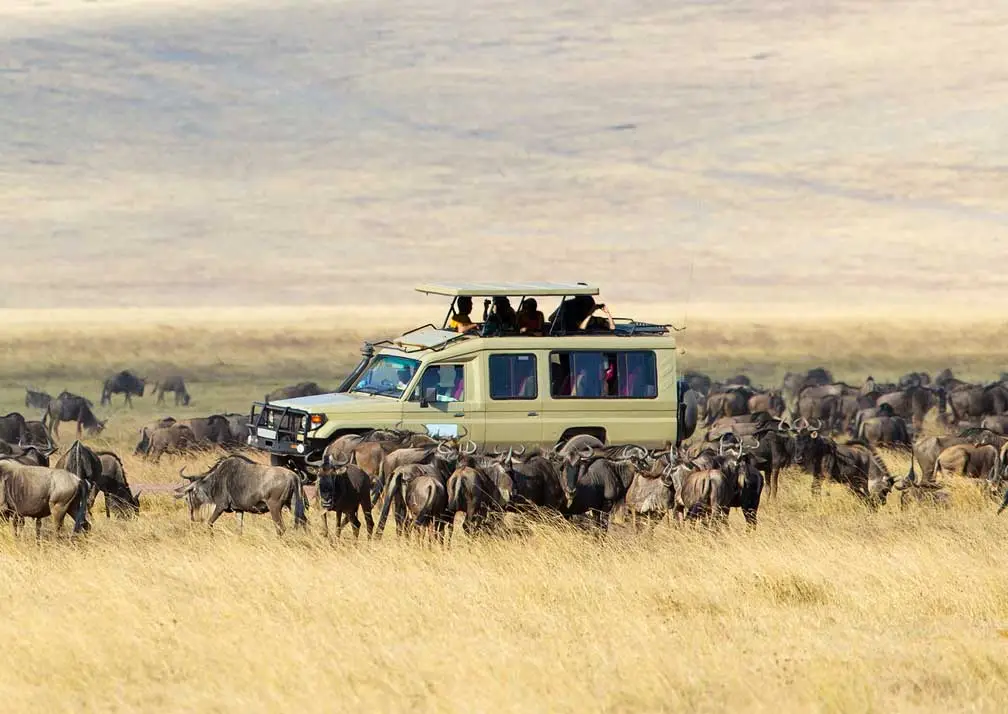
Great Migration Safaris
Experience one of nature's greatest spectacles with our Great Migration safari packages, timed for river crossings or calving.
View Package →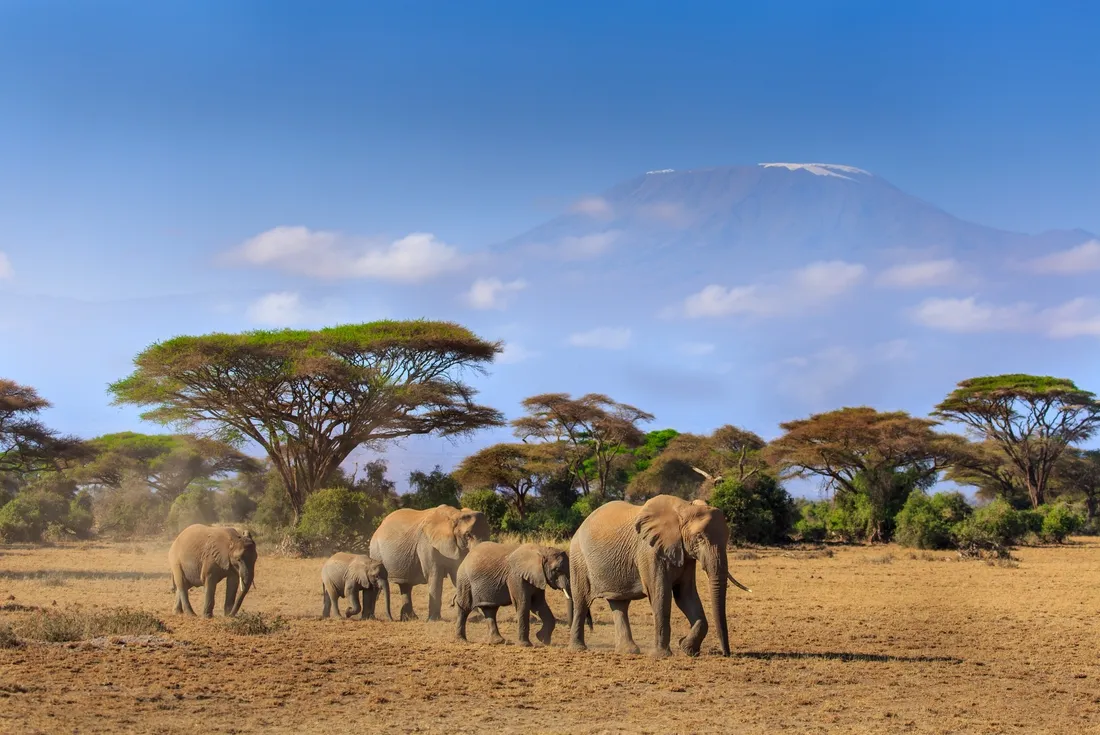
Serengeti & Kilimanjaro Trek
Combined safari and trekking tours offer wildlife adventures and Kilimanjaro climbs.
View Package →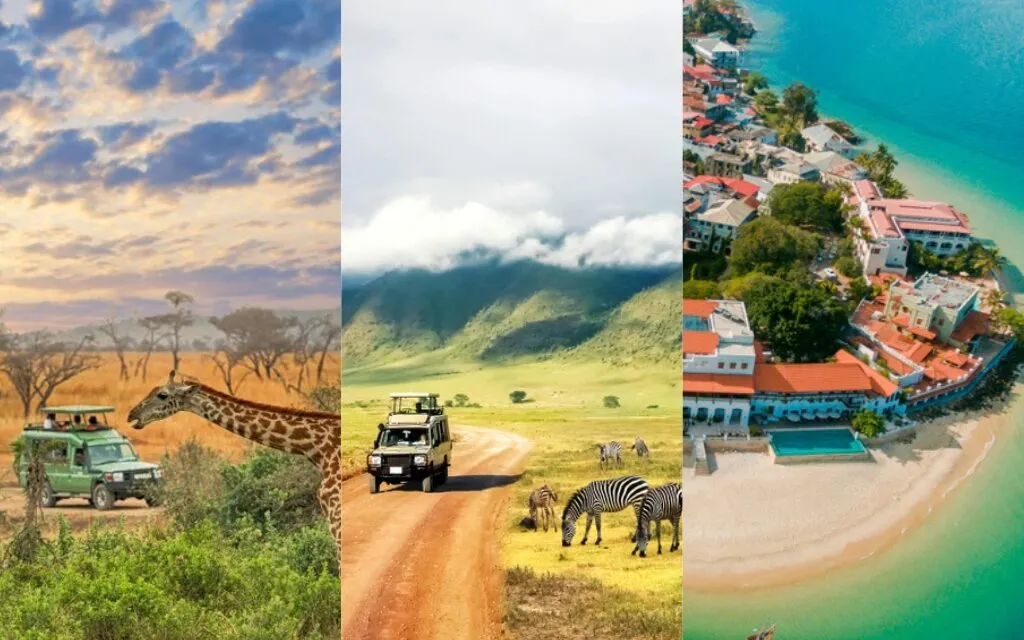
Serengeti & Zanzibar Tours
Luxury Tanzania safari & beach packages with the Great Migration and pristine beaches.
View Package →Related: Related: Best Time to Visit Tanzania 2026 – Perfect safari extension after your Slovakia adventure.