Most Complete Slovenia Travel Guide 2026-2027 – Everything You Need to Know Before Visiting
This Slovenia travel guide provides everything you need to plan your journey to Europe’s hidden emerald. Slovenia offers an extraordinary blend of Alpine peaks, turquoise rivers, Adriatic coastline, and fairytale towns that create one of the continent’s most diverse travel experiences. Many travelers who want to travel to Slovenia are surprised by the country’s incredible compactness and rich variety: in a single day you can breakfast by a mountain lake, lunch in a vineyard, and dine by the sea – all within a two-hour drive in a country smaller than Wales.
Start Reading the Full Guide ↓Quick Facts About Slovenia
- Capital: Ljubljana.
- Currency: Euro (€).
- Time Zone: Central European Time (CET, UTC+1).
- International Calling Code: +386.
- Driving Side: Right.
- Major Airports: Ljubljana Jože Pučnik Airport (LJU), Maribor, Portorož.
Slovenia Overview & Key Facts
Brief History of Slovenia
Slovenia’s history spans from Illyrian and Roman settlements through medieval Habsburg rule to the 20th century. Part of Yugoslavia after WWII, Slovenia peacefully declared independence in 1991 after a ten-day war. Today it is one of Europe’s greenest, most prosperous and safest nations, blending Central European, Mediterranean and Balkan influences into a distinctive identity.
Independence & National Identity
- Independence date: June 25, 1991.
- Former part of: Yugoslavia.
- National symbols & identity.
The flag features white-blue-red stripes with Mount Triglav and two wavy lines representing the sea and rivers. Slovenia joined the EU in 2004, adopted the euro in 2007 and entered Schengen the same year.
Government System & Current Leadership
- Type of government: Parliamentary Republic
- Current president: Nataša Pirc Musar (since 2022)
- Notes on political stability
Slovenia enjoys stable democracy with high rankings in freedom, transparency and quality-of-life indexes.
Population, Ethnic Groups & Languages
- Population: 2.12 million (2025).
- Major ethnic groups: Slovene 83%, with Italian and Hungarian minorities.
- Official language(s): Slovene.
- Additional languages commonly spoken.
English is widely spoken (especially by under-40s), Italian along the coast, Hungarian in Prekmurje. German is also common in tourism areas.
Main Religions & Cultural Identity
Roman Catholicism is predominant (around 60%), though Slovenia is largely secular. Protestant and Orthodox minorities exist. Religious festivals and traditions remain important socially.
Geography & Natural Landscape
Slovenia is incredibly diverse for its size: Julian Alps with Triglav (2,864 m), karst plateaus, emerald rivers (Soča, Sava), vineyards, Adriatic coastline (only 47 km) and Pannonian plains. Over 60% of the country is forested – one of the highest percentages in Europe.
Economy & Tourism Highlights
High-income economy focused on services, industry and growing sustainable tourism. Famous for outdoor activities, wine, thermal spas and gastronomy (27 Michelin-listed restaurants in 2025).
What Slovenia Is Known For
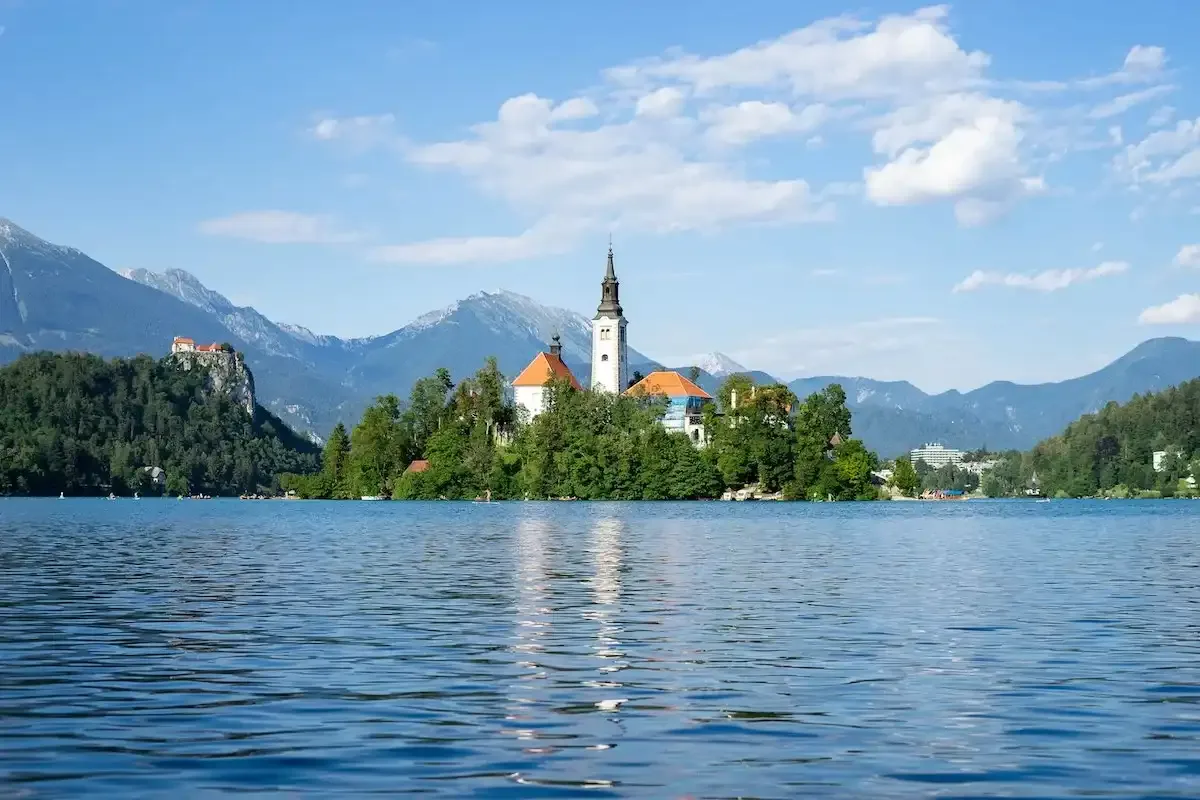
- Lake Bled with its island church
- Postojna Cave & Predjama Castle
- Emerald Soča River & Julian Alps
- Ljubljana – green capital with dragon bridge
- World-class wines & culinary scene
Visa & Entry Requirements in Slovenia
Slovenia is part of the Schengen Area. Most visitors enjoy visa-free entry.
Do You Need a Visa?
EU/EEA/Swiss citizens: unrestricted stay. USA, Canada, UK, Australia, New Zealand, Japan, South Korea, etc.: up to 90 days in any 180-day period visa-free. Check exact list on official Schengen sites.
Visa Application Options in Slovenia
- Visa-free for 90+ countries
- Schengen visa (Type C) required for others
- ETIAS (from mid-2026) – online authorisation (€7) for visa-exempt travelers
Passport Validity & Entry Documents
Passport valid 3 months beyond intended stay, with at least two blank pages. ETIAS approval (when implemented) required for visa-exempt visitors.
Customs Rules & Prohibited Items
Standard EU customs rules. €10,000+ cash must be declared. No unusual restrictions.
Safety & Security Information in Slovenia
Slovenia consistently ranks among Europe’s safest countries.
Is Slovenia Safe for Tourists?
Extremely safe. Most governments rate it Level 1 (exercise normal precautions). Petty theft and pickpocketing in crowded tourist areas are the only notable concerns.
Recommended Safety Tips when in Slovenia
Standard big-city awareness in Ljubljana. Secure belongings on crowded buses/trains. Beware of bears in remote forests (very rare incidents). Follow marked trails in mountains.
Safe Areas vs. Areas to Avoid in Slovenia
The entire country is considered safe. No “avoid” zones for tourists.
Emergency Numbers & Tourist Police in Slovenia
- Police: 113
- General emergency: 112
- Tourist police units in Ljubljana and coastal towns
Health Requirements & Vaccinations in Slovenia
No mandatory vaccinations. Excellent healthcare system.
Mandatory Vaccinations in Slovenia
None.
Recommended Vaccinations in Slovenia
Routine vaccines. Tick-borne encephalitis (TBE) recommended if hiking/forest activities May–September.
Malaria & Other Risks
No malaria. Tick awareness in forests. Tap water safe everywhere.
Travel Insurance Recommendations in Slovenia
EHIC/GHIC for EU citizens. Private travel insurance strongly recommended for non-EU visitors (covers mountain rescue, which can be expensive).
Best Time to Visit in Slovenia
Slovenia has four distinct seasons, each offering different experiences.
Weather by Season
Spring (April–May): blooming landscapes, 10–20°C. Summer (Jun–Aug): warm 25–30°C, perfect for lakes and coast. Autumn (Sep–Oct): golden vineyards, mild weather. Winter (Dec–Mar): snow in Alps, Christmas markets.
When to Visit Slovenia for Best Experiences
- Hiking & outdoor: June–September
- Winter sports: December–March
- Wine roads & fewer crowds: May & late September
- Christmas markets: December
High Season vs. Low Season Travel
High season: July–August & December 20–January 6. Low season: November & February–March (except ski resorts).
Weather & Climate Overview in Slovenia
Three climate zones: Alpine, Continental, Mediterranean (coast).
Temperature Ranges
Ljubljana: January -2–4°C, July 18–28°C. Coast milder winters, Alps cold and snowy.
Rainy & Dry Seasons in Slovenia
Rainiest months: May–June & September–October. Driest: January–February & July–August.
What to Wear Based on the Weather
Layers essential. Waterproof jacket, good walking shoes, warm clothes if visiting mountains. Swimsuit for coast/lakes in summer.
Main Currency, Costs & Budgeting in Slovenia
Euro zone. Prices comparable to Western Europe but cheaper than Italy/Austria.
Local Currency Information
Euro (€). Coins 1c–€2, notes €5–€500.
Average Travel Costs in Slovenia
Budget €70–110/day (hostels, supermarkets, public transport). Mid-range €130–220/day (3-4* hotels, restaurants). Luxury €300+/day.
Using ATMs, Cards & Mobile Money in Slovenia
Cards accepted almost everywhere. Contactless common. ATMs plentiful.
Tipping Guidelines in Slovenia
10% in restaurants if service not included (often rounded up). €1–2 for hotel housekeeping, €5–10/day for guides/drivers.
Transportation & Getting Around in Slovenia
Excellent infrastructure. Small country = short distances.
Airport Transfers
Ljubljana Airport (LJU) → city: shuttle (€9), private transfer (€30–40), taxi (€40–50).
Local Transport Options in Slovenia
Ljubljana has efficient buses + free city-center electric Kavalir vehicles. Trains good for Maribor, Bled, coast. Excellent intercity buses (cheap & comfortable).
Slovenia Domestic Flights
None (country too small).
Car Rentals & Road Conditions in Slovenia
Rental widely available. Motorways excellent (vignette required €15/week). Mountain roads winding but well-maintained.
Accommodation Options available in Slovenia
Wide range from hostels to boutique hotels and glamping.
Types of Accommodations in Slovenia
Hostels, apartments, family-run guesthouses (turistične kmetije), boutique hotels, castles, glamping, thermal spa resorts.
Budget vs. Mid-Range vs. Luxury
Budget €25–60, mid €80–150, luxury €200–600+ (especially Lake Bled castle-view hotels).
Best Areas to Stay in Slovenia
Ljubljana city center, Bled lakeshore, Piran old town, Bohinj for nature, Ptuj for culture.
Essential Packing Guide when Visiting Slovenia
Pack for four seasons in one trip.
Clothing Essentials
Layers, waterproof jacket, comfortable walking/hiking shoes, swimsuit, hat/sunglasses, warm hat & gloves if visiting mountains in shoulder season.
Footwear & Gear
Good walking shoes essential. Hiking poles for Triglav area. Universal adapter (Type C/F).
Electronics & Cameras
230V, 50Hz, European plugs. Power banks useful for long hikes.
Toiletries & Personal Items
Everything available. Tick repellent recommended for forests.
Language & Communication in Slovenia
English widely spoken in tourism sector.
Main Languages Spoken in Slovenia
Slovene official. English fluency high, especially under-40s.
Useful Phrases for Tourists
Dober dan (hello), hvala (thank you), prosim (please/you’re welcome), opravičite (excuse me).
SIM Cards & Mobile Data used in Slovenia
Excellent 4G/5G coverage. Tourist SIMs at airports and kiosks (€10–20 for 30 days unlimited).
Internet Availability & Wi-Fi in Slovenia
Free Wi-Fi in most cafés, restaurants, buses, Ljubljana center. Very fast connections.
Culture & Etiquette in Slovenia
Polite, nature-loving culture.
Slovenian Dress Code Expectations
Casual European dress. Shoulders/knees covered in churches.
Social Etiquette & Respectful Behavior of Slovenia
Punctuality appreciated. Greet with “Dober dan”. Remove shoes in homes.
Photography Rules in Slovenia
Generally allowed. Ask permission for people close-ups.
Important Cultural Dos & Don’ts in Slovenia
Do respect nature (Leave No Trace). Don’t litter (heavy fines). Do try saying “na zdravje” when toasting.
Food, Water & Dining in Slovenia
Excellent farm-to-table cuisine, 27 Michelin restaurants in 2025.
Slovenian Local Dishes to Try
Štruklji, potica, kremšnita (Bled cream cake), jota, carnivorous platters, Teran wine, orange wines.
Dietary Options in Slovenia
Vegetarian/vegan options widespread in cities. Gluten-free common.
Drinking Water Safety
Tap water excellent and safe everywhere – even from mountain springs.
Restaurant Etiquette
Tipping 10% by rounding up or adding small amount if happy with service.
Top Attractions & Things to Do in Slovenia
Lake Bled, Ljubljana, Postojna Cave, Piran, Soča Valley, Triglav National Park, Predjama Castle, Škocjan Caves (UNESCO), wine regions.
Major Tourist Attractions in Slovenia
- Lake Bled & island church
- Ljubljana old town & castle
- Postojna Cave & Predjama Castle
- Piran & Slovenian coast
- Soča Valley & Vršič Pass
Best Tours & Experiences in Slovenia
Food & wine tours, e-bike Ljubljana, hot-air balloon over Bled, canyoning in Soča, paragliding, caving adventures.
Family-Friendly Activities to do in Slovenia
Bled boat rides, Postojna Cave train, Ljubljana Zoo, Aquaparks (Atlantida, Termalija).
Unique Cultural or Historical Sites to visit in Slovenia
Ptuj (oldest town), Škocjan Caves, Lipizzaner stud farm, partisan hospital Franja.
Slovenian Electrical System Information
230V, 50Hz, European Type C/F plugs.
Local Laws & Regulations of Slovenia
Standard EU laws. Drone rules strict near airports and Triglav NP.
Final Travel Tips for Visitors in Slovenia
Buy the Ljubljana Card if staying in capital. Book Bled accommodation early in summer. Try the tourist farm stays. Use the Slovenia Green label for sustainable choices.
Frequently Asked Questions – Slovenia Travel Guide 2026-2027
Our Tanzania Tours Products
While Slovenia offers Alpine lakes, medieval towns and emerald rivers, many travelers combine Central Europe with the ultimate wildlife experience in East Africa. Capable Africa Tours specializes in secure, guided safaris that maximize safety and wonder. Our expert local guides, armed rangers in parks, and vetted accommodations ensure peace of mind. From family-friendly lodges to luxury camps, we handle logistics so you focus on the magic. Tanzania ranks high for tourist safety with dedicated wildlife protection units and stable northern circuits.
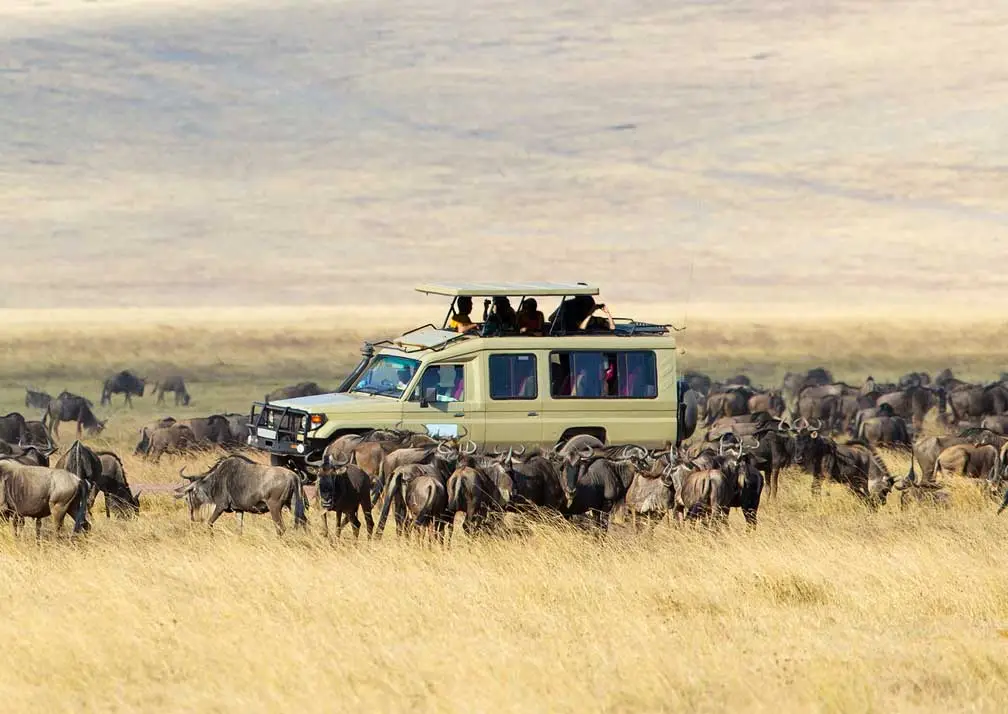
Great Migration Safaris
Experience one of nature's greatest spectacles with our Great Migration safari packages, timed for river crossings or calving.
View Package →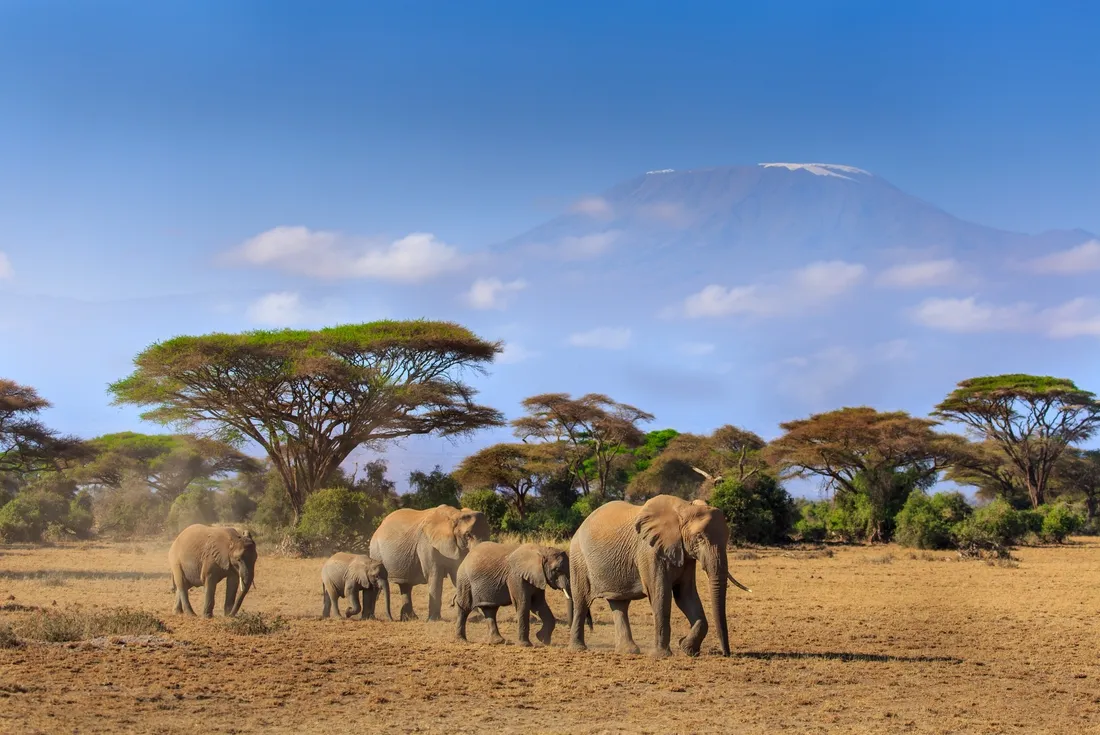
Serengeti & Kilimanjaro Trek
Combined safari and trekking tours offer wildlife adventures and Kilimanjaro climbs.
View Package →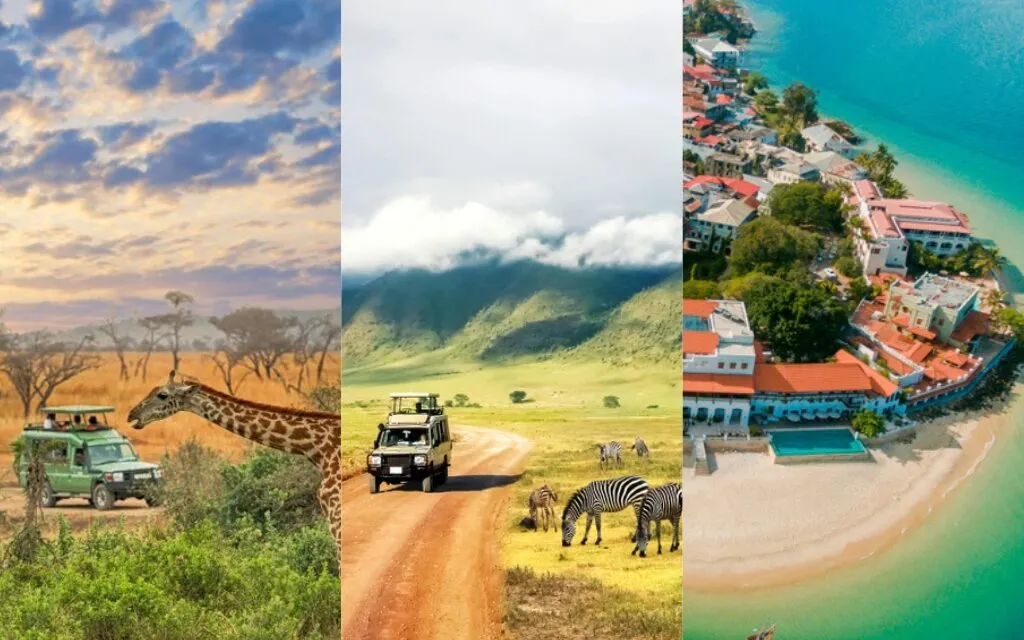
Serengeti & Zanzibar Tours
Luxury Tanzania safari & beach packages with the Great Migration and pristine beaches.
View Package →Related: Best Time to Visit Tanzania 2026 – Perfect safari extension after your Slovenian adventure.