Most Complete Solomon Islands Travel Guide 2026-2027 – Everything You Need to Know Before Visiting
This Solomon Islands travel guide provides everything you need to plan your journey to one of the Pacific’s last unspoiled frontiers. Spread across nearly 1,000 islands, the Solomon Islands offer pristine coral reefs, WWII history, volcanic landscapes and authentic Melanesian culture that create one of the region’s most diverse travel experiences. Many travelers who want to visit the Solomon Islands are surprised by the country’s incredible underwater biodiversity, friendly villages and untouched lagoons that remain largely off the mass-tourism radar.
Start Reading the Full Guide ↓Quick Facts About Solomon Islands
- Capital: Honiara (on Guadalcanal).
- Currency: Solomon Islands Dollar (SBD).
- Time Zone: Solomon Islands Time (SBT, UTC+11).
- International Calling Code: +677.
- Driving Side: Left.
- Major Airports: Honiara International (HIR), Munda (MUA), Gizo (GZO).
Solomon Islands Overview & Key Facts
Brief History of Solomon Islands
The Solomon Islands were first settled by Austronesian peoples around 30,000 years ago. European contact began in 1568 with Spanish explorer Álvaro de Mendaña. The islands became a British protectorate in 1893 and saw intense fighting during WWII (notably the Battle of Guadalcanal). This layered history creates a fascinating backdrop for modern travelers exploring WWII relics, traditional villages and vibrant cultural practices.
Independence & National Identity
- Independence date: July 7, 1978.
- Former colonial power: United Kingdom.
- National symbols & identity.
The Solomon Islands gained independence peacefully from Britain in 1978. National identity of Solomon Islands centers on Melanesian traditions, Christianity and a strong sense of island community. The flag’s blue represents the ocean, yellow the sun, green the land, and white stars the five main island groups.
Government System & Current Leadership
- Type of government: Parliamentary democracy & constitutional monarchy
- Current prime minister: Jeremiah Manele (since May 2024)
- Notes on political stability
The Solomon Islands is a stable parliamentary democracy with King Charles III as head of state. Politics can be fluid but tourist areas remain unaffected.
Population, Ethnic Groups & Languages
- Population: ~750,000 (2025 estimate).
- Major ethnic groups: Melanesian (95.3%), Polynesian (3.1%), Micronesian (1.2%).
- Official language(s): English.
- Additional languages commonly spoken.
Solomon Islands Pijin is the lingua franca. Over 70 indigenous languages are spoken. English is used in government and education.
Main Religions & Cultural Identity
Christianity is practiced by over 95% of the population (Anglican, Catholic, South Seas Evangelical, SDA, others). Traditional animist beliefs still influence daily life and customs in many villages.
Geography & Natural Landscape
The Solomon Islands comprise six major islands and over 900 smaller islands, atolls and reefs spread across 1,500 km of Pacific Ocean. Volcanic islands with rugged mountains, dense rainforest and fringing coral reefs dominate the landscape.
Economy & Tourism Highlights
The economy relies on logging, fishing, agriculture and increasingly tourism. High-end dive resorts and WWII history are the main draws, with growing interest in cultural and eco-tourism.
What Solomon Islands Is Known For
- World-class scuba diving (iron-bottom sound, Marovo Lagoon)
- WWII history & shipwrecks (Guadalcanal, Tulagi)
- Untouched coral reefs & marine biodiversity
Visa & Entry Requirements in Solomon Islands
Most visitors receive a free visitor’s permit on arrival valid for up to 90 days within a 12-month period. This makes entry straightforward compared to many Pacific nations.
Do You Need a Visa?
No pre-issued visa required for most nationalities (including USA, UK, EU, Australia, Canada, NZ). A visitor’s permit is stamped on arrival.
Visa Application Options in Solomon Islands
- Visitor’s permit on arrival (free)
- Extensions possible at Immigration in Honiara
Simply present a passport valid 6+ months, onward ticket and proof of sufficient funds.
Passport Validity & Entry Documents
Passport must have 6 months validity and at least two blank pages. Onward/return ticket and proof of accommodation required.
Customs Rules & Prohibited Items
Standard Pacific restrictions apply: no fresh food, no weapons, no drugs. Duty-free allowance: 200 cigarettes, 2L alcohol.
Safety & Security Information in Solomon Islands
Solomon Islands is generally safe for tourists. Petty theft occurs in Honiara; violent crime against visitors is rare.
Is Solomon Islands Safe for Tourists?
Yes – especially in Western Province, Gizo, Munda and resort areas. Honiara has higher petty crime; standard precautions apply.
Recommended Safety Tips when in Solomon IslandsNd
Avoid isolated areas after dark, secure valuables, use resort transfers, don’t flash cash. Reef shoes essential to avoid stonefish and sharp coral.
Safe Areas vs. Areas to Avoid in Solomon Islands
Western Province, Lagons and outer islands very safe. Exercise caution in parts of Honiara after dark.
Emergency Numbers & Tourist Police in Solomon Islands
- Police/Fire/Ambulance: 999
Resorts have emergency procedures and radio contact.
Health Requirements & Vaccinations in Solomon Islands
No mandatory vaccinations except yellow fever if arriving from endemic country.
Mandatory Vaccinations in Solomon Islands
None for most travelers.
Recommended Vaccinations in Solomon Islands
Hepatitis A & B, Typhoid, routine vaccines. Malaria prophylaxis outside Honiara.
Malaria & Other Risks
Malaria present except parts of Guadalcanal. Dengue possible. Use repellent, long clothing at dusk.
Travel Insurance Recommendations in Solomon Islands
Essential – must cover scuba diving and medical evacuation (nearest decompression chamber in Australia).
Best Time to Visit in Solomon Islands
May–October (dry season) offers best weather and diving conditions. November–April wetter but cheaper and lush.
Weather by Season
Dry season (May–Oct): 25–31°C, low humidity. Wet season (Nov–Apr): 27–32°C, higher rainfall, occasional cyclones.
When to Visit Solomon Islands for Best Experiences
- Diving: May–December (best visibility)
- Surfing: December–April
- Budget travel: November–March
High Season vs. Low Season Travel
High season: June–September. Low season: January–March (outside cyclone risk).
Weather & Climate Overview in Solomon Islands
Tropical climate with two main seasons. Temperatures stable year-round.
Temperature Ranges
Daytime 28–32°C year-round. Water temperature 27–30°C.
Rainy & Dry Seasons in Solomon Islands
Dry season May–October; wet season November–April.
What to Wear Based on the Weather
Light breathable clothing, rash guards, reef shoes, hat, rain jacket in wet season.
Main Currency, Costs & Budgeting in Solomon Islands
Solomon Islands Dollar (SBD). Remote location = higher costs.
Local Currency Information
SBD notes and coins. Australian dollars widely accepted.
Average Travel Costs in Solomon Islands
Budget $100–150/day; mid-range $200–350; luxury $450–800.
Using ATMs, Cards & Mobile Money in Solomon Islands
ATMs in Honiara & Gizo. Cards accepted at resorts. Cash essential on outer islands.
Tipping Guidelines in Solomon Islands
Not expected but appreciated for exceptional service.
Transportation & Getting Around in Solomon Islands
Limited infrastructure – most travel by boat and small planes.
Airport Transfers
Resorts arrange transfers. Taxis in Honiara.
Local Transport Options in Solomon Islands
Shared taxis, minibuses in Honiara. Boats and canoes between islands.
Solomon Islands Domestic Flights
Solomon Airlines connects Honiara to provincial capitals. Essential for outer islands.
Car Rentals & Road Conditions in Solomon Islands
Limited rental cars in Honiara. 4WD recommended. Many areas only accessible by boat.
Accommodation Options available in Solomon Islands
Range from basic guesthouses to luxury dive resorts.
Types of Accommodations in Solomon Islands
Resorts, liveaboards, eco-lodges, village stays, guesthouses.
Budget vs. Mid-Range vs. Luxury
Budget $50–100; mid $150–300; luxury $400–1000+ per night.
Best Areas to Stay in Solomon Islands
Gizo, Munda, Uepi, Marovo Lagoon, Tulagi, Honiara.
Essential Packing Guide when Visiting Solomon Islands
Pack light, pack reef-safe.
Clothing Essentials
Rash guards, board shorts, light clothing, modest attire for villages.
Footwear & Gear
Reef shoes essential, dive mask/snorkel, waterproof bag.
Electronics & Cameras
Underwater housing, power bank, universal adapter (Australian plugs).
Toiletries & Personal Items
Reef-safe sunscreen, insect repellent, medications.
Language & Communication in Solomon Islands
English official, Pijin widely spoken.
Main Languages Spoken in Solomon Islands
English, Solomon Islands Pijin, 70+ local languages.
Useful Phrases for Tourists
“Halo” (hello), “Tank yu tumas” (thank you very much).
SIM Cards & Mobile Data used in Solomon Islands
Our Telekom and bmobile. Good coverage in main centers.
Internet Availability & Wi-Fi in Solomon Islands
Available at resorts (often slow/expensive). Limited elsewhere.
Culture & Etiquette in Solomon Islands
Strong village traditions and respect culture.
Solomon Islands Dress Code Expectations
Cover shoulders and knees in villages. Beachwear fine at resorts.
Social Etiquette & Respectful Behavior of Solomon Islands
Ask permission before photographing people. Remove shoes entering homes.
Photography Rules in Solomon Islands
Always ask permission in villages.
Important Cultural Dos & Don’ts in Solomon Islands
Do accept kastom offerings. Don’t touch taboo sites or skulls.
Food, Water & Dining in Solomon Islands
Fresh seafood, root crops, coconut-based dishes.
Solomon Islands Local Dishes to Try
Kokonda (raw fish in lime/coconut), cassava pudding, reef fish.
Dietary Options in Solomon Islands
Fresh fish/vegetarian options common. Limited vegan.
Drinking Water Safety
Bottled or treated water recommended.
Restaurant Etiquette
Casual. Tipping not expected.
Top Attractions & Things to Do in Solomon Islands
World-class diving, WWII history, pristine lagoons.
Major Tourist Attractions in Solomon Islands
- Marovo Lagoon (world’s largest lagoon)
- Iron Bottom Sound wrecks
- Bonegi Beach WWII relics
- Mataniko Falls
Guadalcanal American Memorial, skull shrines, traditional leaf houses.
Best Tours & Experiences in Solomon Islands
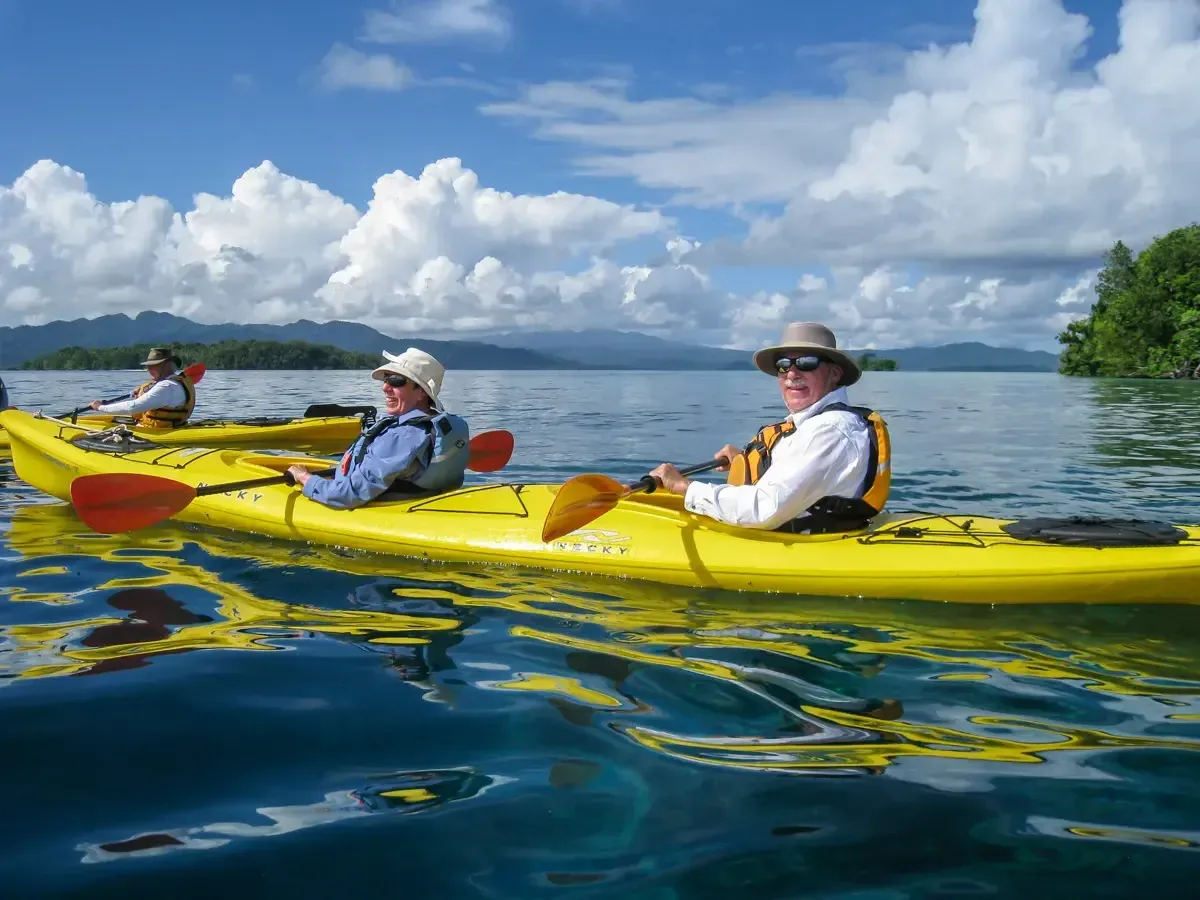
Dive liveaboards, village stays, WWII battlefield tours, lagoon kayaking.
Family-Friendly Activities to do in Solomon Islands
Snorkeling, village visits, resort kids clubs.
Unique Cultural or Historical Sites to visit in Solomon Islands
Custom houses with skull shrines, WWII museums, traditional panpipe performances.
Solomon Islands Electrical System Information
Australian standard plugs.
Plug Types & Voltage used in Solomon Islands
Type I plugs, 220–240V, 50Hz.
Charging Tips
Power banks essential; many resorts run generators limited hours.
Local Laws & Regulations of Solomon Islands
Relaxed but respect kastom (custom) law in villages.
Rules Travelers Need to Know when In Solomon Islands
Respect village protocols. No alcohol sales on Sundays in some areas.
Alcohol, Smoking & Substance Laws of Solomon Islands
Alcohol legal 19+. No recreational cannabis.
Restricted or Protected Areas in Solomon Islands.
Some WWII ordnance still unexploded – stay on paths.
Final Travel Tips for Visitors in Solomon Islands
Book flights and resorts early, bring cash, pack reef-safe sunscreen.
Common Mistakes to Avoid
Underestimating travel time between islands, forgetting reef shoes, not bringing cash.
Tips to Save Money when Visiting Solomon Islands
Travel wet season, stay in guesthouses, eat local food.
Safety & Comfort Tips
Reef-safe sunscreen, hydration, respect village customs.
Frequently Asked Questions – Solomon Islands Travel Guide 2026-2027
Our Tanzania Tours Products
While Solomon Islands offers incredible diving and WWII history, many travelers combine the Pacific with the ultimate African wildlife experience. Capable Africa Tours specializes in secure, guided safaris that maximize safety and wonder. From family-friendly lodges to luxury camps, we handle logistics so you focus on the magic.
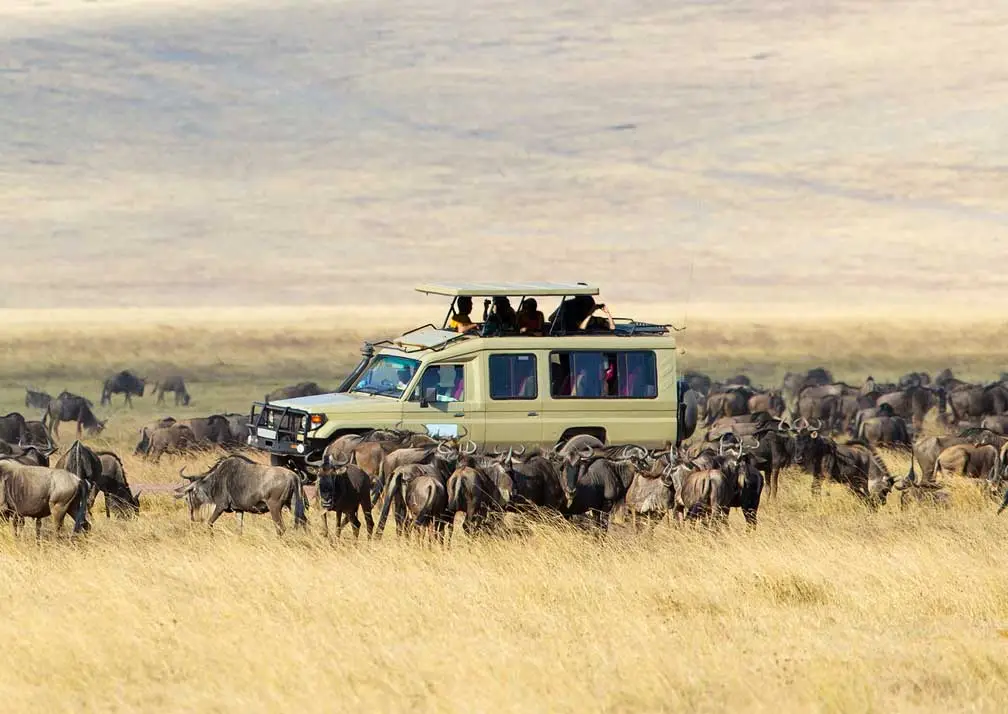
Great Migration Safaris
Experience one of nature's greatest spectacles with our Great Migration safari packages, timed for river crossings or calving.
View Package →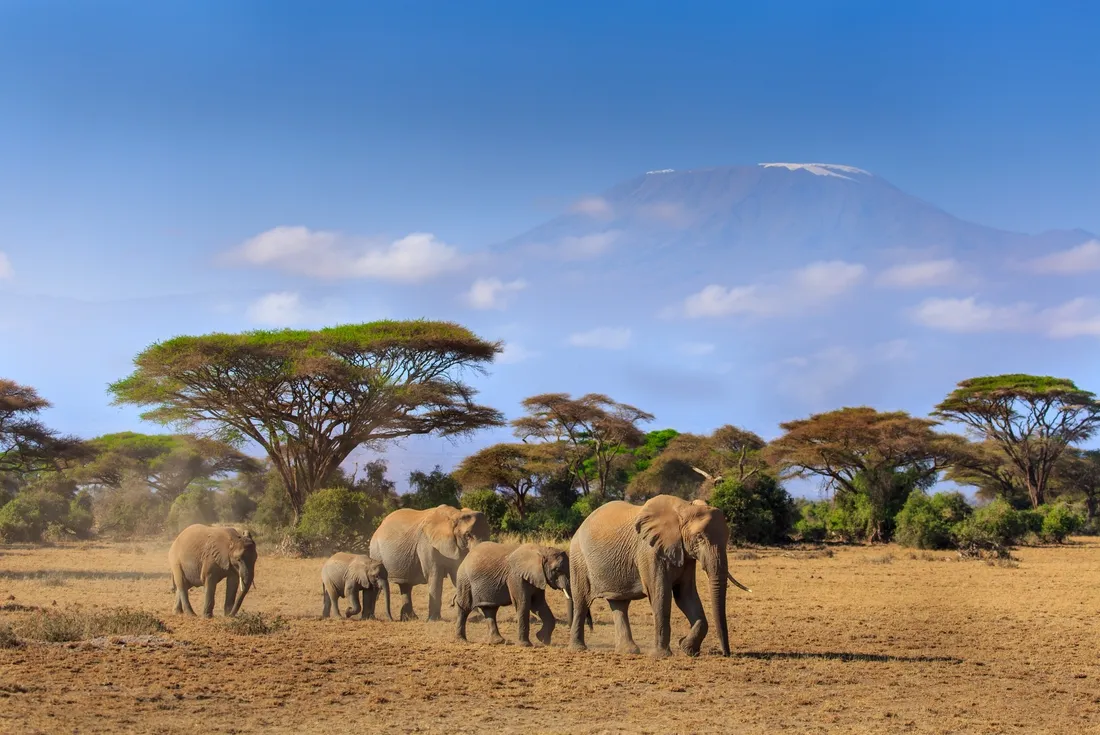
Serengeti & Kilimanjaro Trek
Combined safari and trekking tours offer wildlife adventures and Kilimanjaro climbs.
View Package →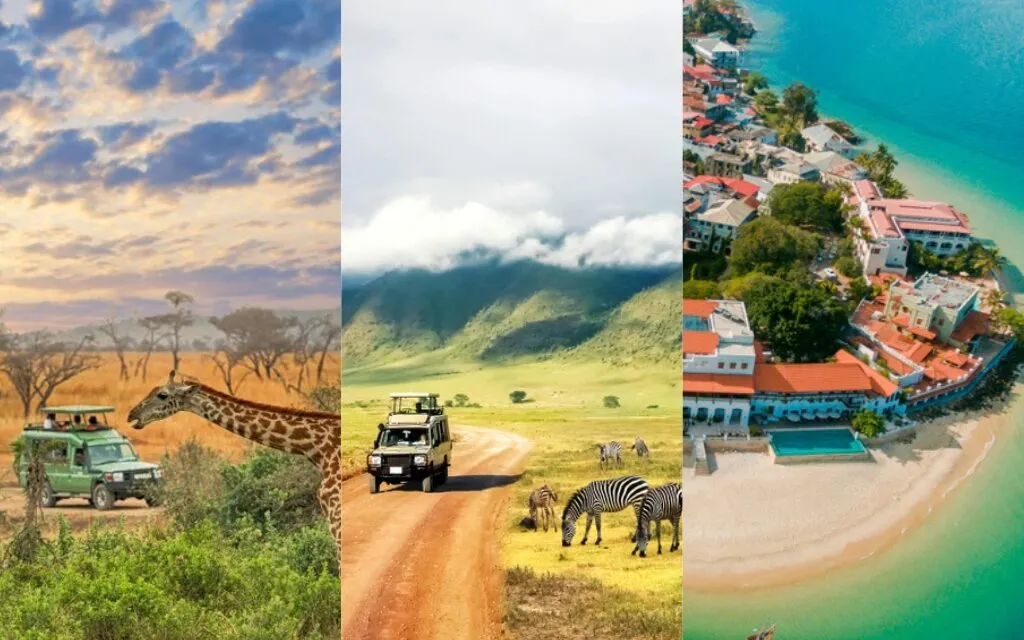
Serengeti & Zanzibar Tours
Luxury Tanzania safari & beach packages with the Great Migration and pristine beaches.
View Package →Related: Best Time to Visit Tanzania 2026 – Perfect safari extension after your Solomon Islands adventure.