Most Complete South Africa Travel Guide 2026-2027 – Everything You Need to Know Before Visiting
This South Africa travel guide provides everything you need to plan your journey to the Rainbow Nation. South Africa offers an extraordinary blend of dramatic landscapes, world-class wildlife experiences, vibrant cities, and rich cultural diversity that create one of the continent's most varied travel destinations. Many travelers who want to travel to South Africa are surprised by the country's incredible diversity and welcoming spirit spanning 11 official languages, stunning coastlines, iconic Table Mountain, the Big Five in Kruger, and legendary wine regions. The nation covers over 1.2 million square kilometers, offering visitors everything from cosmopolitan Cape Town to private game reserves and pristine beaches along two oceans.
Start Reading the Full Guide ↓Quick Facts About South Africa
- Capitals: Pretoria (administrative), Cape Town (legislative), Bloemfontein (judicial).
- Currency: South African Rand (ZAR).
- Time Zones: South Africa Standard Time (UTC+2).
- International Calling Code: +27.
- Driving Side: Left.
- Major Airports: OR Tambo (Johannesburg), Cape Town International, King Shaka (Durban).
South Africa Overview & Key Facts
Brief History of South Africa
South Africa's history spans ancient San rock art, Bantu migrations, Dutch and British colonial periods, the apartheid era, and the remarkable transition to democracy in 1994. The country is home to some of humanity's earliest ancestors, with fossil sites like the Cradle of Humankind. European settlement began in 1652, followed by centuries of conflict and eventually apartheid rule from 1948-1994. Nelson Mandela's release in 1990 and the first democratic elections in 1994 marked the birth of the Rainbow Nation.
Independence & National Identity
- Democracy date: April 27, 1994.
- Former colonial powers: Netherlands, United Kingdom.
- National symbols & identity.
South Africa became a full democracy in 1994 with Nelson Mandela as its first black president. The national flag features six colors representing the country's diversity and unity. The anthem combines “Nkosi Sikelel’ iAfrika” and “Die Stem,” reflecting multiple cultural influences.
Government System & Current Leadership
- Type of government: Parliamentary Republic
- Current president: Cyril Ramaphosa
- Notes on political stability
South Africa operates as a parliamentary democracy with three capital cities. President Cyril Ramaphosa has led since 2018. The country enjoys strong democratic institutions and a vibrant free press, though faces ongoing challenges with inequality and service delivery.
Population, Ethnic Groups & Languages
- Population: 62.5 million (2025 projection).
- Major ethnic groups: Black African (80.9%), Coloured (8.8%), White (7.7%), Indian/Asian (2.6%).
- Official languages: 11 (English, Afrikaans, Zulu, Xhosa, etc.).
- Additional languages commonly spoken.
English is the lingua franca of business and tourism, spoken fluently by most in urban and tourist areas. Afrikaans, Zulu, and Xhosa are widely spoken in their respective regions.
Main Religions & Cultural Identity
Christianity dominates (≈84%), followed by traditional African beliefs, Islam, Hinduism, and Judaism. Religious tolerance is constitutionally protected, and cultural diversity is celebrated through public holidays representing multiple faiths.
Geography & Natural Landscape
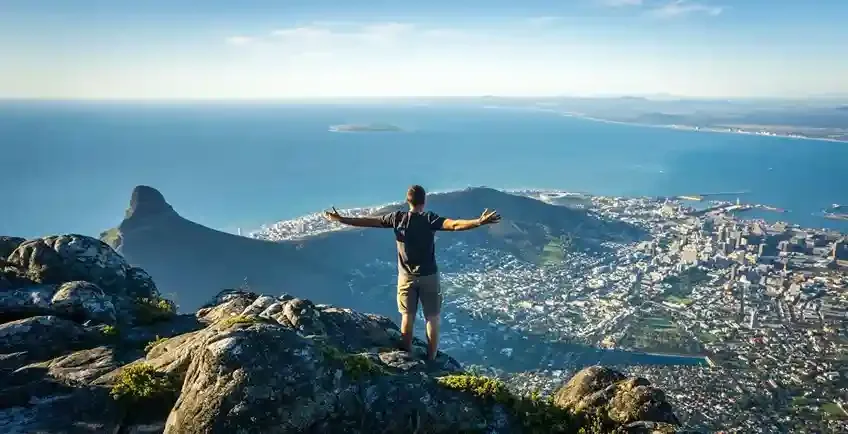
South Africa features dramatic geographical diversity: subtropical coastlines, the high Drakensberg mountains, vast Karoo semi-desert, lush Garden Route forests, and the wildlife-rich bushveld. Two oceans meet at Cape Point, and the country boasts nine distinctly different provinces.
Economy & Tourism Highlights
South Africa has Africa's most developed economy and infrastructure. Tourism is a major sector, contributing billions annually, with world-class game lodges, wine estates, and adventure offerings. The country consistently ranks among the top long-haul destinations globally.
What South Africa Is Known For
- Big Five safaris in Kruger and private reserves
- Table Mountain and Cape Town's stunning beauty
- World-class wine regions (Stellenbosch, Franschhoek)
- Garden Route and whale watching
Visa & Entry Requirements in South Africa
Most visitors enjoy visa-free entry or simple e-Visa processes. Requirements vary by nationality, with many countries receiving 90-day tourist visas on arrival.
Do You Need a Visa?
Citizens of USA, UK, EU, Canada, Australia, New Zealand, and many others receive 90-day visa-free entry. Others use the fully functional e-Visa system introduced in 2024-2025.
Visa Application Options in South Africa
- Visa on arrival (90 days for exempt nationalities)
- e-Visa (online application)
- Embassy application (for non-exempt countries)
Passport Validity & Entry Documents
Passport must have at least 30 days validity after intended departure and two blank pages. Return/onward ticket often requested.
Customs Rules & Prohibited Items
Standard international rules apply. Declare gifts over R20,000 and cash over certain limits. Strict controls on ivory, rhino horn, and endangered species products.
Safety & Security Information in South Africa
Tourist areas are generally safe with visible policing. Exercise normal big-city precautions.
Is South Africa Safe for Tourists?
Yes – millions visit safely every year. Crime affects locals more than tourists. Stay in established areas, use registered guides, and avoid high-risk zones.
Recommended Safety Tips when in South Africa
Use Uber/Bolt or hotel transfers, don’t walk alone at night in cities, keep valuables hidden, use hotel safes, and follow guide advice on game reserves.
Safe Areas vs. Areas to Avoid in South Africa
Safe: Cape Town (Waterfront, Winelands), Garden Route, private game reserves, Durban beachfront. Use caution in Johannesburg CBD after dark.
Emergency Numbers & Tourist Police in South Africa
- Police/Flying Squad: 10111
- Ambulance: 10177
- Tourist Safety: Dedicated units in Cape Town, Johannesburg, Kruger area
Health Requirements & Vaccinations in South Africa
No mandatory vaccinations except yellow fever certificate if arriving from endemic countries.
Mandatory Vaccinations in South Africa
Yellow fever certificate required if coming from risk countries.
Recommended Vaccinations in South Africa
Hepatitis A, Typhoid, routine vaccines. Malaria prophylaxis for Kruger, northern parks (low-risk areas are malaria-free).
Malaria & Other Risks
Malaria risk in northeastern areas (Kruger, KwaZulu-Natal). Most Western Cape, Garden Route, and high-altitude areas are malaria-free.
Travel Insurance Recommendations in South Africa
Highly recommended – covers medical evacuation, safari activities, and rental car excess.
Best Time to Visit in South Africa
South Africa is a year-round destination with regional variations.
Weather by Season
Summer (Nov–Mar): warm/hot, good for Cape Town beaches. Winter (Jun–Aug): dry, perfect for game viewing in Kruger.
When to Visit South Africa for Best Experiences
- Wildlife viewing: June–October (dry season)
- Cape Town & Winelands: December–March
High Season vs. Low Season Travel
High season: December–January and June–August (school holidays). Shoulder seasons offer best value and weather balance.
Weather & Climate Overview in South Africa
Subtropical in north, Mediterranean in Western Cape, arid in Karoo.
Temperature Ranges
Cape Town summer 25–30°C, winter 15–20°C. Kruger summer 30–35°C, winter 22–28°C.
Rainy & Dry Seasons in South Africa
Cape Town: winter rainfall (May–Aug). Kruger: summer rainfall (Nov–Mar).
What to Wear Based on the Weather
Layered clothing, good walking shoes, sun protection, warm jacket for game drives.
Main Currency, Costs & Budgeting in South Africa
South African Rand (ZAR). Excellent value destination.
Local Currency Information
Cards widely accepted, ATMs everywhere. Cash needed for tips and small vendors.
Average Travel Costs in South Africa
Budget: $80–130/day; mid-range $180–300/day; luxury safari $500–1,200/day.
Using ATMs, Cards & Mobile Money in South Africa
Excellent card infrastructure. Contactless and Apple/Google Pay common.
Tipping Guidelines in South Africa
10–15% in restaurants, R20–50 per bag for porters, $10–20 per day for guides/rangers.
Transportation & Getting Around in South Africa
Excellent infrastructure: domestic flights, self-drive, private transfers, luxury trains.
Airport Transfers
Uber/Bolt, official taxis, private transfers widely available.
Local Transport Options in South Africa
Uber/Bolt in cities, MyCiTi bus in Cape Town, Gautrain in Johannesburg, metered taxis.
South Africa Domestic Flights
Multiple daily flights between major cities (Airlink, FlySafair, CemAir).
Car Rentals & Road Conditions in South Africa
Excellent roads, left-side driving. Self-drive very popular and safe on main routes.
Accommodation Options available in South Africa
World-class range from backpackers to ultra-luxury safari lodges.
Types of Accommodations in South Africa
Hotels, guesthouses, B&Bs, safari lodges, self-catering, wine farm stays.
Budget vs. Mid-Range vs. Luxury
Budget $40–80, mid-range $100–250, luxury $400–2,000+ per night.
Best Areas to Stay in South Africa
Cape Town V&A Waterfront/Camps Bay, Winelands (Stellenbosch/Franschhoek), Sabi Sand or Madikwe for safari.
Essential Packing Guide when Visiting South Africa
Versatile clothing for varied climates and activities.
Clothing Essentials
Neutral safari colors, swimwear, smart-casual for restaurants, warm layers for game drives.
Footwear & Gear
Comfortable walking shoes, sandals, binoculars, universal adapter (Type M/N).
Electronics & Cameras
230V, 50Hz. Power banks useful for long game drives.
Toiletries & Personal Items
High-SPF sunscreen, insect repellent, malaria prophylaxis if needed.
Language & Communication in South Africa
English is the primary tourism language.
Main Languages Spoken in South Africa
11 official languages; English universally understood in tourist areas.
Useful Phrases for Tourists
“Hello” (English), “Sawubona” (Zulu), “Goeiedag” (Afrikaans), “Thank you” widely understood.
SIM Cards & Mobile Data used in South Africa
Vodacom, MTN, Cell C, Telkom – excellent coverage.
Internet Availability & Wi-Fi in South Africa
Free Wi-Fi in most hotels, restaurants, malls. Good 4G/5G coverage.
Culture & Etiquette in South Africa
Welcoming and diverse culture. Tipping and punctuality appreciated.
South African Dress Code Expectations
Casual accepted everywhere except fine-dining restaurants. Neutral colors on safari.
Social Etiquette & Respectful Behavior of South Africa
Firm handshakes, direct eye contact, use titles until invited otherwise.
Photography Rules in South Africa
Ask permission when photographing people. No restrictions in game reserves.
Important Cultural Dos & Don’ts in South Africa
Do tip service staff. Don’t discuss politics unless invited. Do try braai (barbecue).
Food, Water & Dining in South Africa
World-class cuisine from street braai to Michelin-level fine dining.
South African Local Dishes to Try
Bobotie, bunny chow, braai/boerewors, malva pudding, Cape Malay curry.
Dietary Options in South Africa
Excellent vegetarian/vegan options in cities. Halal and kosher widely available.
Drinking Water Safety
Tap water safe to drink throughout the country.
Restaurant Etiquette
10–15% tip standard. Booking recommended in Cape Town and Winelands.
Top Attractions & Things to Do in South Africa
Endless world-class experiences.
Major Tourist Attractions in South Africa
- Table Mountain & Cape Town
- Kruger National Park & private reserves
- Garden Route
- Stellenbosch/Franschhoek Winelands
Best Tours & Experiences in South Africa
Big Five safaris, shark cage diving, whale watching, wine tastings, township tours.
Family-Friendly Activities to do in South Africa
Malaria-free reserves (Madikwe, Eastern Cape), beaches, aquariums, ostrich farms.
Unique Cultural or Historical Sites to visit in South Africa
Robben Island, Apartheid Museum, Soweto, San rock art sites.
South African Electrical System Information
230V, 50Hz, Type M/N plugs (large round three-pin).
Plug Types & Voltage used in South Africa
Type M and N (big round three-pin). Most lodges provide adapters.
Charging Tips
Power banks essential for game drives. Many lodges have charging stations in vehicles.
Local Laws & Regulations of South Africa
Modern, clear laws. Strict anti-poaching enforcement.
Rules Travelers Need to Know when In South Africa
No drones in national parks without permit. No buying of ivory/rhino products.
Alcohol, Smoking & Substance Laws of South Africa
Legal drinking age 18. Cannabis decriminalized for personal use (not public consumption).
Restricted or Protected Areas in South Africa.
National parks have strict rules (no off-road driving, stay in vehicle except designated areas).
Final Travel Tips for Visitors in South Africa
Book safaris and Cape Town summer accommodation early. Use registered operators.
Common Mistakes to Avoid
Trying to see everything in one trip, not booking safari/game drives in advance.
Tips to Save Money when Visiting South Africa
Travel in shoulder seasons, self-drive Garden Route, eat at local markets.
Safety & Comfort Tips
Use Uber/Bolt, don’t flash valuables, follow guide instructions on game drives.
Frequently Asked Questions – South Africa Travel Guide 2026-2027
Our Tanzania Tours Products
While South Africa offers incredible Big Five safaris and dramatic landscapes, many travelers combine it with the ultimate wildlife spectacle in East Africa. Capable Africa Tours specializes in secure, guided safaris that maximize safety and wonder. Our expert local guides, armed rangers in parks, and vetted accommodations ensure peace of mind. From family-friendly lodges to luxury camps, we handle logistics so you focus on the magic. Tanzania ranks high for tourist safety with dedicated wildlife protection units and stable northern circuits.
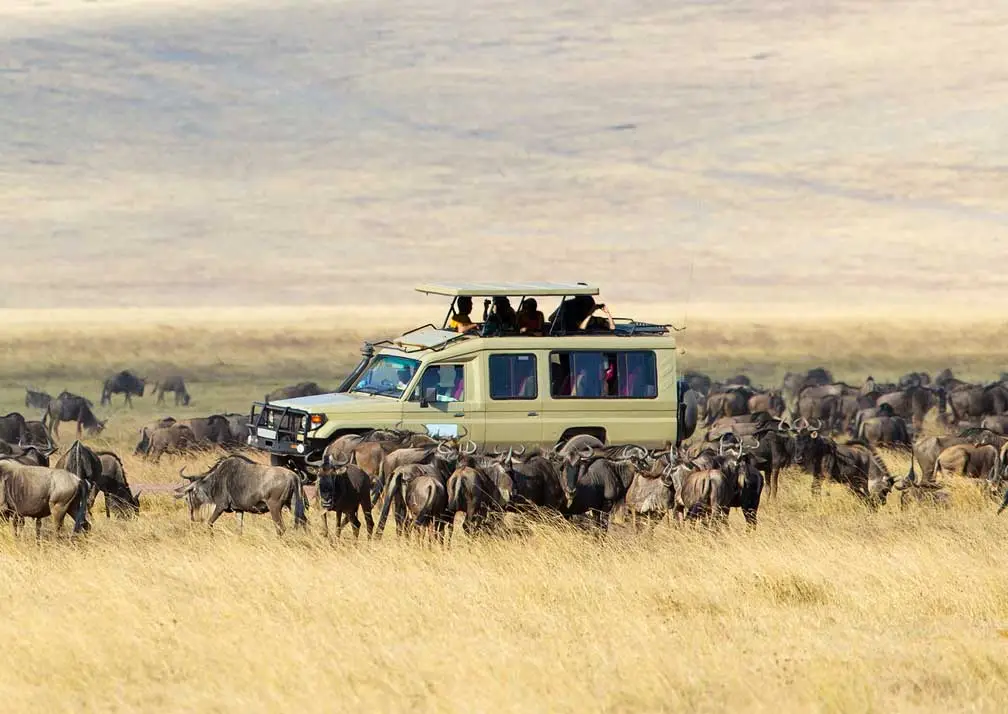
Great Migration Safaris
Experience one of nature's greatest spectacles with our Great Migration safari packages, timed for river crossings or calving.
View Package →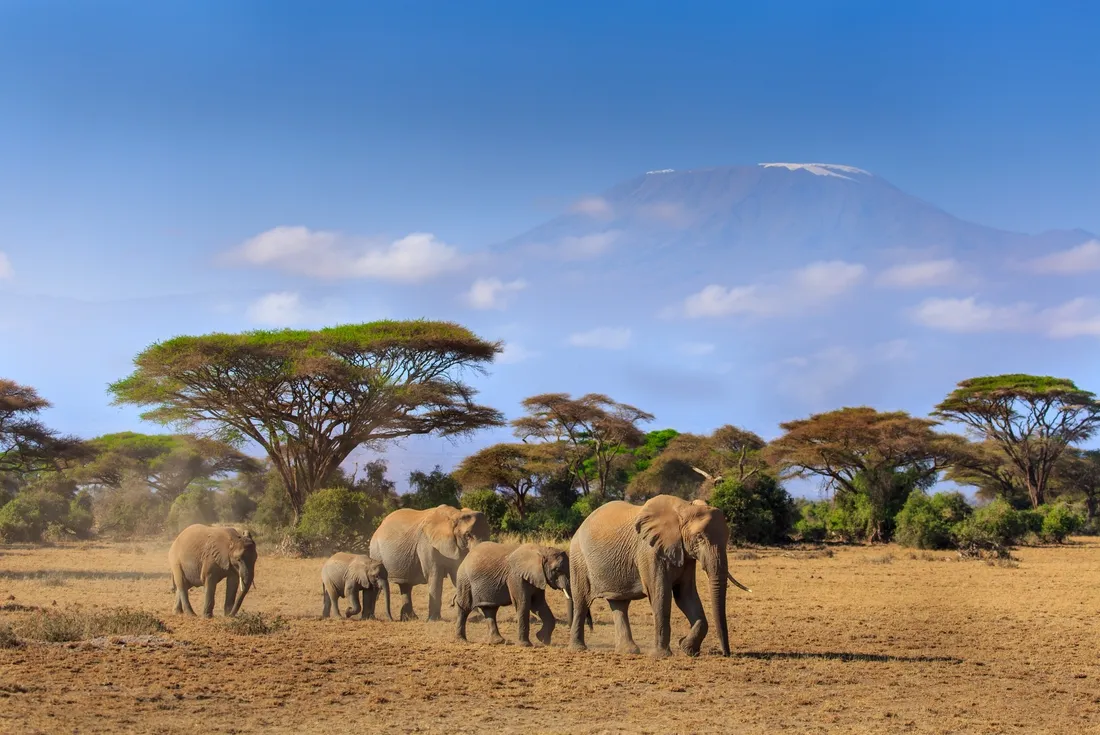
Serengeti & Kilimanjaro Trek
Combined safari and trekking tours offer wildlife adventures and Kilimanjaro climbs.
View Package →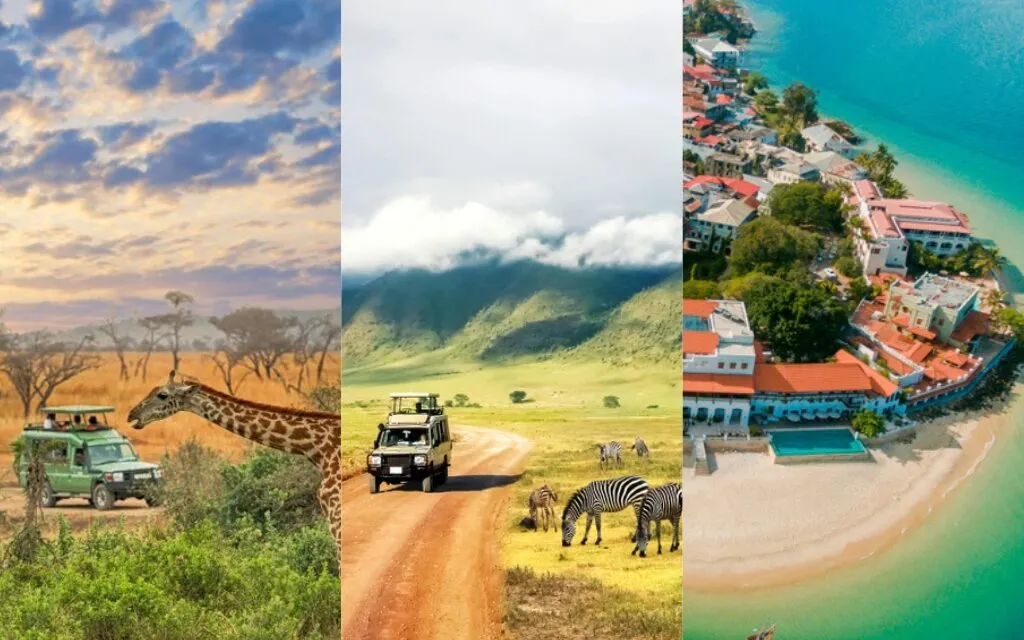
Serengeti & Zanzibar Tours
Luxury Tanzania safari & beach packages with the Great Migration and pristine beaches.
View Package →Related: Best Time to Visit Tanzania 2026 – Perfect safari extension after your South Africa adventure.