Most Complete South Korea Travel Guide 2026-2027 – Everything You Need to Know Before Visiting
This South Korea travel guide provides everything you need to plan your journey to one of Asia’s most dynamic destinations. South Korea offers an extraordinary blend of ancient palaces, futuristic cities, volcanic islands, and mountain temples that create one of the continent's most diverse travel experiences. Many travelers who want to travel to South Korea are surprised by the country's incredible contrast between ultra-modern Seoul and serene Buddhist temples, K-pop energy and traditional hanok villages. The nation covers about 100,000 square kilometers, offering visitors everything from neon-lit nightlife to UNESCO-listed volcanic islands and world-class hiking trails.
Start Reading the Full Guide ↓Quick Facts About South Korea
- Capital: Seoul.
- Currency: South Korean Won (KRW).
- Time Zone: Korea Standard Time (KST, UTC+9).
- International Calling Code: +82.
- Driving Side: Right.
- Major Airports: Incheon International (ICN), Gimpo (GMP), Busan Gimhae (PUS).
South Korea Overview & Key Facts
Brief History of South Korea
South Korea's history spans over 5,000 years, from ancient kingdoms through Japanese occupation to rapid post-war modernization. The Joseon Dynasty (1392–1910) shaped much of Korean culture, language and Confucian values. After liberation from Japanese rule in 1945 and the Korean War (1950–1953), South Korea transformed from one of the world’s poorest nations into a global economic powerhouse in just one generation – known as the “Miracle on the Han River.”
Independence & National Identity
- Liberation date: August 15, 1945 (from Japan).
- Republic established: August 15, 1948.
- National symbols & identity.
Korea gained independence after 35 years of Japanese colonial rule. The national flag (Taegeukgi) features red and blue yin-yang with four black trigrams, symbolizing balance and harmony. National pride runs deep, with “Han” spirit representing resilience and determination.
Government System & Current Leadership
- Type of government: Presidential Republic
- Current president: (as of Nov 2025 – will update when needed)
- Notes on political stability
South Korea is a vibrant democracy with peaceful power transitions. The country enjoys high political stability and ranks among the world’s most advanced democracies.
Population, Ethnic Groups & Languages
- Population: 51.7 million (2025 projection).
- Major ethnic groups: Almost entirely Korean (99.9%).
- Official language(s): Korean.
- Additional languages commonly spoken.
Korean is the sole official language, written in Hangul – one of the world’s most scientific writing systems, created in 1443. English is widely taught and spoken by younger generations, especially in Seoul and tourist areas.
Main Religions & Cultural Identity
South Korea has no official religion – about 56% declare no religious affiliation. Among believers: Christianity (28%), Buddhism (15%), and shamanism influences remain strong. Confucian values deeply influence social hierarchy, respect for elders, and education focus.
Geography & Natural Landscape
South Korea is 70% mountainous with stunning national parks, over 3,000 islands, and a dramatic coastline. Four distinct seasons bring cherry blossoms in spring, lush green summers, brilliant autumn foliage, and snowy winters perfect for skiing.
Economy & Tourism Highlights
World’s 10th-largest economy, home to Samsung, Hyundai, LG, and K-pop giants. Tourism has exploded thanks to Hallyu (Korean Wave), with over 18 million visitors expected in 2026.
What South Korea Is Known For
- K-pop, K-dramas and Hallyu wave
- UNESCO sites including royal palaces and Jeju Volcanic Island
- Cutting-edge technology and futuristic cities
Visa & Entry Requirements in South Korea
Most international visitors enjoy visa-free entry or simple electronic authorization. The K-ETA (Korea Electronic Travel Authorization) system simplifies entry for many nationalities.
Do You Need a Visa?
Citizens of 112 countries (including USA, EU, UK, Canada, Australia, Japan) can enter visa-free for 30–90 days. Others need a tourist visa or use K-ETA (valid 3 years, multiple entry).
Visa Application Options in South Korea
- Visa-free entry (90 days for most Western countries)
- K-ETA online authorization (apply 72h before flight)
- Tourist visa at Korean embassy/consulate
K-ETA costs about $10 and is valid for 3 years.
Passport Validity & Entry Documents
Passport must be valid for entire stay (6 months recommended). Return/onward ticket often checked at immigration.
Customs Rules & Prohibited Items
Standard international rules. Duty-free allowance: 1L alcohol, 200 cigarettes, $600 goods. Declare large cash amounts.
Safety & Security Information in South Korea
South Korea consistently ranks among the world’s safest countries with extremely low violent crime rates.
Is South Korea Safe for Tourists?
Yes – one of the safest countries globally. Lower crime rates than most Western nations. Excellent police presence and emergency services.
Recommended Safety Tips when in South Korea
Standard big-city precautions in Seoul (pickpockets in tourist areas). Women can walk alone safely at night. Free tourist police in major areas.
Safe Areas vs. Areas to Avoid in South Korea
Entire country is safe. No significant no-go zones for tourists.
Emergency Numbers & Tourist Police in South Korea
- Police: 112
- Fire/Medical: 119
- Tourist Police: 1330 (24-hour multilingual)
1330 hotline offers English, Japanese, Chinese, and Russian support.
Health Requirements & Vaccinations in South Korea
No mandatory vaccinations. Excellent medical facilities with English-speaking doctors.
Mandatory Vaccinations in South Korea
None required.
Recommended Vaccinations in South Korea
Routine vaccines + Hepatitis A/Typhoid if eating lots of street food.
Malaria & Other Risks
No malaria. Very clean tap water in cities (safe to drink).
Travel Insurance Recommendations in South Korea
Recommended – medical care is excellent but expensive for foreigners.
Best Time to Visit in South Korea
Spring and autumn are ideal. Summer is hot/humid, winter cold but great for skiing and festivals.
Weather by Season
Spring (Mar–May): 10–20°C, cherry blossoms. Summer (Jun–Aug): 25–35°C, humid. Autumn (Sep–Nov): 10–22°C, stunning foliage. Winter (Dec–Feb): -5–5°C, snow festivals.
When to Visit South Korea for Best Experiences
- Cherry blossoms: late March–mid April
- Autumn foliage: October–early November
- Ski season: December–March
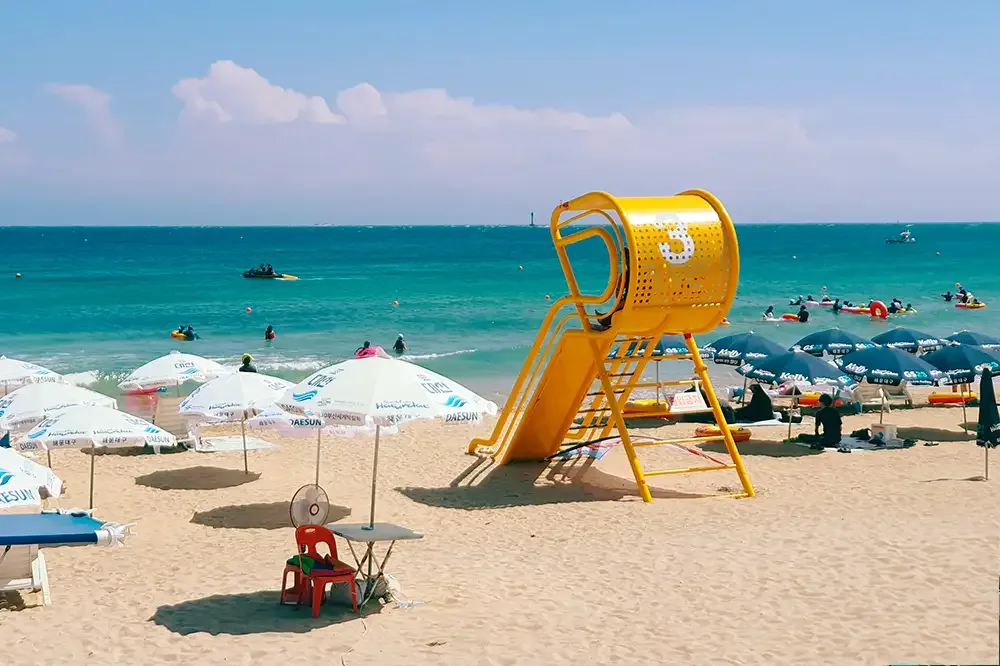
- Beach season: July–August (Jeju/Busan)
Avoid Chuseok and Lunar New Year if you dislike crowds.
High Season vs. Low Season Travel
High season: April, October, summer holidays. Low season: January–March, June, November–December (cheaper hotels).
Weather & Climate Overview in South Korea
Four distinct seasons with dramatic changes.
Temperature Ranges
Seoul: -5°C (Jan) to 30°C (Aug). Jeju Island: 5–30°C year-round.
Rainy & Dry Seasons in South Korea
Monsoon season: late June–late July (heavy rain). Typhoons possible August–September.
What to Wear Based on the Weather
Layers! Light jackets spring/autumn, heavy coats winter, raincoat/umbrella summer.
Main Currency, Costs & Budgeting in South Korea
Cashless society – cards accepted almost everywhere.
Local Currency Information
South Korean Won (KRW). Notes: 1,000 / 5,000 / 10,000 / 50,000.
Average Travel Costs in South Korea
Budget: $70–120/day, mid-range $150–250/day, luxury $350+.
Using ATMs, Cards & Mobile Money in South Korea
Foreign cards work in most ATMs (look for Global ATM sign). Apple Pay/Google Pay widely accepted.
Tipping Guidelines in South Korea
Not expected or practiced. Rounding up taxi fare is appreciated.
Transportation & Getting Around in South Korea
World-class public transport. KTX high-speed trains reach 300 km/h.
Airport Transfers
Incheon Airport → Seoul: AREX express train (43 min, cheap), limousine buses, taxis, private transfers.
Local Transport Options in South Korea
Subway (excellent in Seoul/Busan), buses, taxis (cheap and safe), T-money card for all transport.
South Korea Domestic Flights
Cheap flights Seoul–Jeju (1 hour, from $25).
Car Rentals & Road Conditions in South Korea
International license required. Driving is on the right. Excellent highways but aggressive local drivers.
Accommodation Options available in South Korea
Everything from luxury hotels to unique hanok stays and love motels (clean & cheap).
Types of Accommodations in South Korea
Hotels, guesthouses, hanok stays, jjimjilbang (24h sauna/sleep), Airbnb, hostels.
Budget vs. Mid-Range vs. Luxury
Budget $25–60, mid-range $80–150, luxury $200+ (Seoul prices).
Best Areas to Stay in South Korea
Myeongdong, Hongdae, Itaewon (Seoul); Haeundae (Busan); Jungmun (Jeju).
Essential Packing Guide when Visiting South Korea
Comfortable walking shoes essential – Koreans walk a lot!
Clothing Essentials
Layers, comfortable shoes, modest clothing for temples, power bank, universal adapter (Type F).
Footwear & Gear
Walking shoes, flip-flops for guesthouses/jjimjilbang.
Electronics & Cameras
220V, Type F plugs. Fast free Wi-Fi everywhere.
Toiletries & Personal Items
Most items available. Bring prescription meds.
Language & Communication in South Korea
English widely understood in tourist areas.
Main Languages Spoken in South Korea
Korean. English common among youth and in tourist zones.
Useful Phrases for Tourists
Annyeonghaseyo (hello), Kamsahamnida (thank you), Eolmayeyo? (how much?).
SIM Cards & Mobile Data used in South Korea
eSIM or airport SIM (unlimited data ~$25/month).
Internet Availability & Wi-Fi in South Korea
Fastest internet on Earth. Free Wi-Fi in subways, cafes, trains.
Culture & Etiquette in South Korea
Respect and hierarchy important. Remove shoes indoors.
South Korean Dress Code Expectations
Casual fashionable in cities. Cover shoulders/knees at temples.
Social Etiquette & Respectful Behavior of South Korea
Bow when greeting, use both hands for giving/receiving, don’t stick chopsticks upright in rice.
Photography Rules in South Korea
Ask before photographing people (especially elderly). No restrictions at most sites.
Important Cultural Dos & Don’ts in South Korea
Do accept drinks with both hands. Don’t blow nose at table or write names in red ink.
Food, Water & Dining in South Korea
One of the world’s great cuisines – spicy, healthy, diverse.
South Korean Local Dishes to Try
Kimchi, bibimbap, Korean BBQ, tteokbokki, samgyeopsal, fried chicken + beer (chimaek).
Dietary Options in South Korea
Vegetarian options increasing but limited. Many Buddhist temple stays offer vegan food.
Drinking Water Safety
Tap water safe to drink in cities.
Restaurant Etiquette
Call staff with “Yogiyo!” button or voice. Sharing dishes normal.
Top Attractions & Things to Do in South Korea
Perfect mix of tradition and modernity.
Major Tourist Attractions in South Korea
- Gyeongbokgung & other Seoul palaces
- DMZ tour
- Jeju Island (UNESCO)
- Busan beaches & markets
Bukchon Hanok Village, Namsan Tower, Myeongdong shopping, Gyeongju historic sites, Andong Hahoe Village.
Best Tours & Experiences in South Korea
DMZ/JSA tour, K-pop dance class, hanbok rental, temple stay, food tours, Jeju island hopping.
Family-Friendly Activities to do in South Korea
Lotte World, Everland, Seoul Children’s Grand Park, aquariums, Nami Island.
Unique Cultural or Historical Sites to visit in South Korea
Temple stays, tea ceremonies, traditional markets, hanok village overnight, DMZ.
South Korean Electrical System Information
220V, 60Hz, Type F plugs (round two-pin).
Plug Types & Voltage used in South Korea
Type C (Europlug) also works. Most hotel rooms have universal sockets.
Charging Tips
Fast charging stations everywhere. Power banks widely available.
Local Laws & Regulations of South Korea
Very strict on drugs (even cannabis from abroad can lead to arrest).
Rules Travelers Need to Know when In South Korea
No jaywalking fines, quiet on public transport, no smoking on streets (designated areas only).
Alcohol, Smoking & Substance Laws of South Korea
Drinking age 19. Public drunkenness tolerated. Cannabis strictly illegal.
Restricted or Protected Areas in South Korea.
Military areas near DMZ heavily restricted. Photography restrictions at some sites.
Final Travel Tips for Visitors in South Korea
Get T-money card on arrival, download Naver Maps (better than Google Maps in Korea), try convenience store food – it’s amazing!
Common Mistakes to Avoid
Using Google Maps (doesn’t work well), not removing shoes indoors, expecting everyone to speak English outside tourist areas.
Tips to Save Money when Visiting South Korea
Stay in guesthouses/love motels, eat at local restaurants, use subway, visit free palaces on culture days.
Safety & Comfort Tips
Download emergency apps, keep accommodation card with Korean address, learn basic Hangul for signs.
Frequently Asked Questions – South Korea Travel Guide 2026-2027
Our Tanzania Tours Products
While South Korea offers futuristic cities, ancient palaces and volcanic islands, many travellers combine Asia with the ultimate African wildlife experience. Capable Africa Tours specializes in secure, guided safaris that maximize safety and wonder. Our expert local guides, armed rangers in parks, and vetted accommodations ensure peace of mind. From family-friendly lodges to luxury camps, we handle logistics so you focus on the magic. Tanzania ranks high for tourist safety with dedicated wildlife protection units and stable northern circuits.
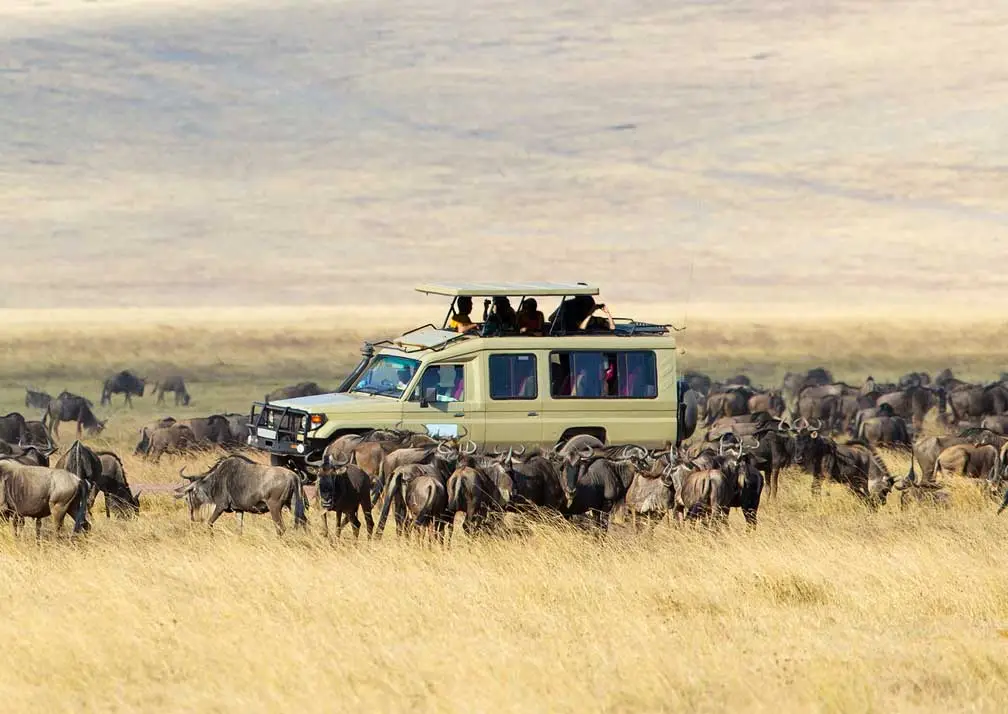
Great Migration Safaris
Experience one of nature's greatest spectacles with our Great Migration safari packages, timed for river crossings or calving.
View Package →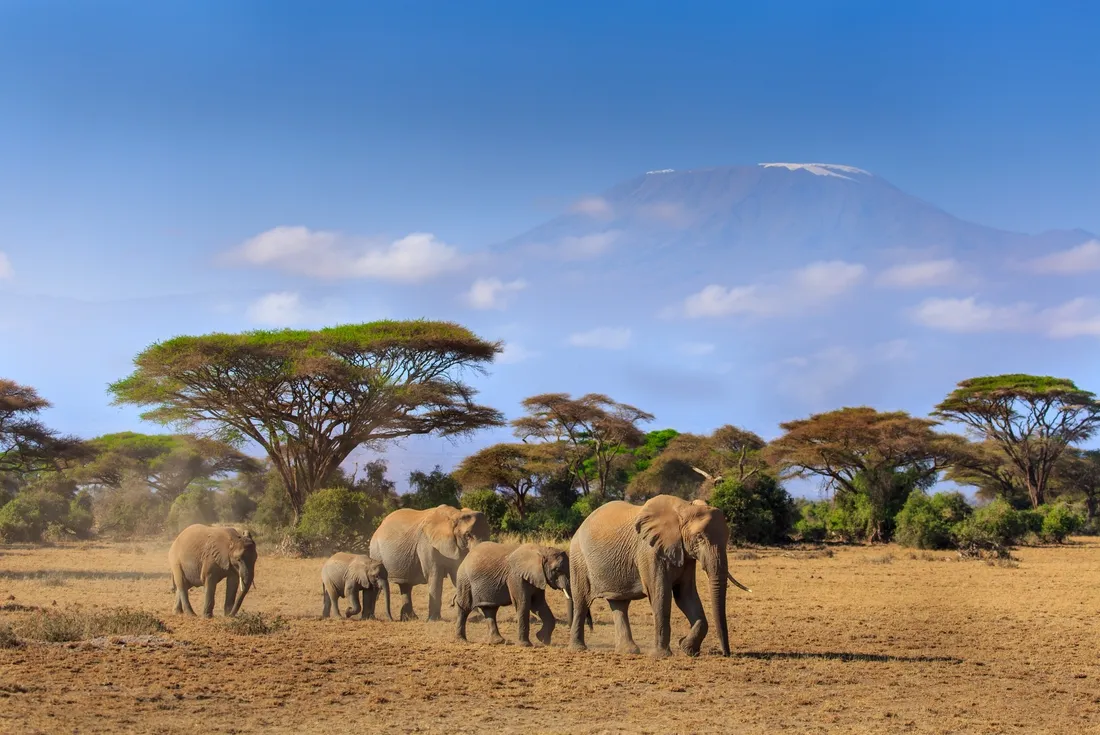
Serengeti & Kilimanjaro Trek
Combined safari and trekking tours offer wildlife adventures and Kilimanjaro climbs.
View Package →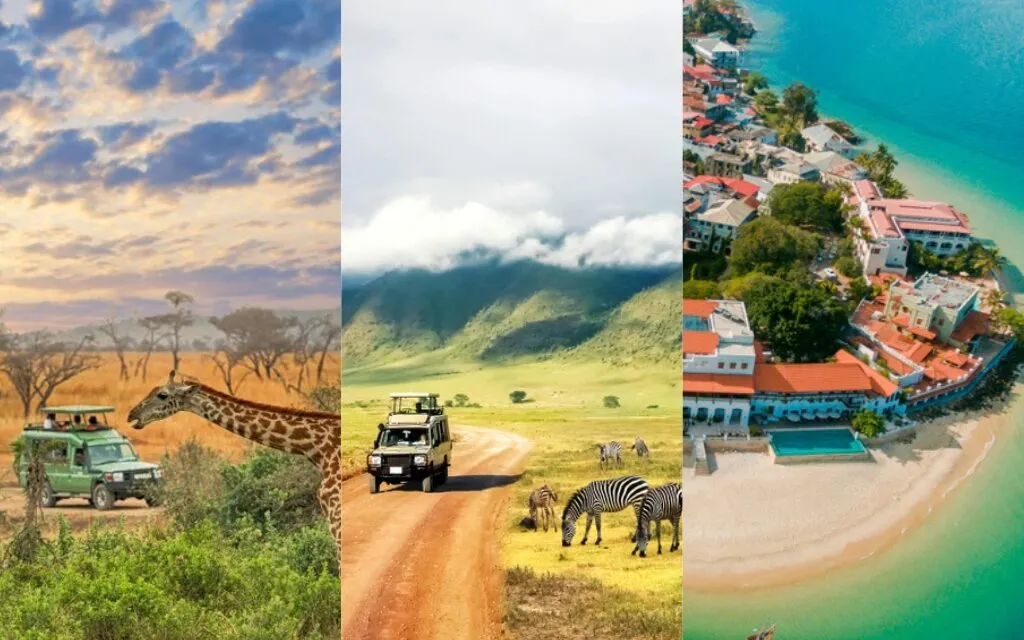
Serengeti & Zanzibar Tours
Luxury Tanzania safari & beach packages with the Great Migration and pristine beaches.
View Package →Related: Best Time to Visit Tanzania 2026 – Perfect safari extension after your South Korea adventure.