Most Complete South Sudan Travel Guide 2026-2027 – Everything You Need to Know Before Visiting
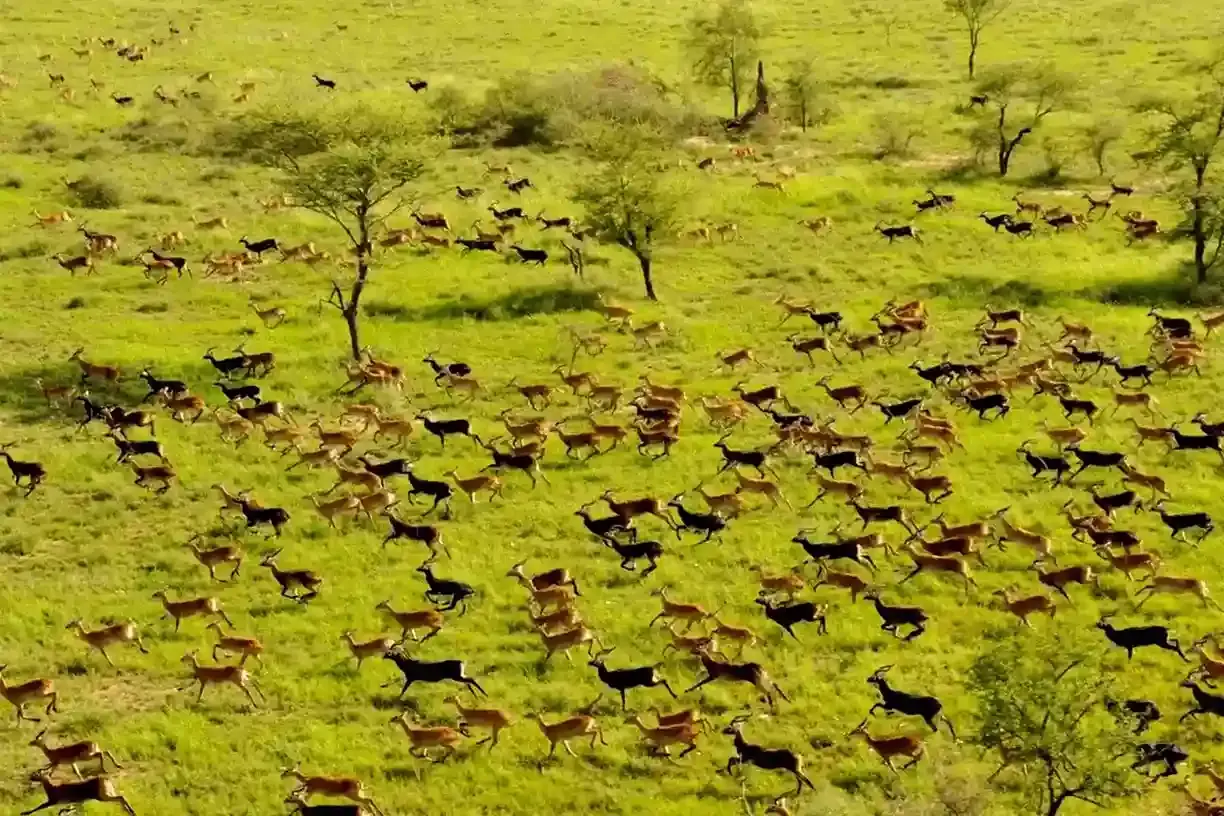
This South Sudan travel guide provides everything you need to plan your journey to Africa’s youngest nation. South Sudan offers an extraordinary blend of vast wildlife migrations, the world’s largest wetland (the Sudd), and over 60 diverse tribal cultures that create one of the continent's most raw and authentic travel experiences. Many travelers who want to visit South Sudan are surprised by the country's incredible wildlife concentrations and untouched natural beauty. The nation covers over 644,000 square kilometers, offering visitors everything from the Great Nile Migration in Boma to remote Dinka and Nuer cattle camps and pristine equatorial national parks.
Start Reading the Full Guide ↓Quick Facts About South Sudan
- Capital: Juba.
- Currency: South Sudanese Pound (SSP) & USD.
- Time Zone: East Africa Time (EAT, UTC+3).
- International Calling Code: +211.
- Driving Side: Right.
- Major Airport: Juba International Airport (JUB).
South Sudan Overview & Key Facts
Brief History of South Sudan
South Sudan's history is marked by decades of struggle for autonomy from northern Sudan. The region experienced two civil wars (1955–1972 and 1983–2005), culminating in the Comprehensive Peace Agreement and a 2011 referendum where 98.83% voted for independence. The world’s newest country was born on July 9, 2011, but conflict resumed in 2013, leading to a fragile peace agreement in 2018 that continues to be implemented.
Independence & National Identity
- Independence date: July 9, 2011.
- Former colonial power: Anglo-Egyptian Sudan (Britain).
- National symbols & identity.
South Sudan’s flag features black, red, and green stripes with a blue triangle and gold star representing the people, blood shed for freedom, and bright future. South Sudan’s National identity is deeply tied to tribal heritage, Christianity, and the long struggle for self-determination.
Government System & Current Leadership
- Type of government: Transitional Unity Government
- Current president: Salva Kiir Mayardit
- Notes on political stability
The 2018 Revitalised Agreement created a power-sharing government. Implementation continues with elections planned for 2026. Security has improved significantly in many areas, but localised inter-communal violence persists.
Population, Ethnic Groups & Languages
- Population: ~11.5 million (2025 estimate).
- Major ethnic groups: Dinka (35%), Nuer (15%), Shilluk, Azande, Bari.
- Official language: English.
- Additional languages commonly spoken.
Over 60 indigenous languages are spoken. Juba Arabic serves as a lingua franca. English is increasingly used in government and education, though proficiency varies.
Main Religions & Cultural Identity
Christianity (predominantly Catholic and Protestant) is practiced by ~60% of the population, with strong animist traditions. Islam is practiced by ~6%, mainly in urban areas. Traditional beliefs remain influential, especially in rural communities.
Geography & Natural Landscape
South Sudan features savannah plains, the vast Sudd swamp (world’s largest wetland), ironstone plateaus, and equatorial forests. The White Nile dominates the landscape, creating seasonal floodplains that host spectacular wildlife migrations.
Economy & Tourism Highlights
The economy remains heavily oil-dependent. Tourism is in its infancy but growing rapidly with the return of stability, focusing on wildlife migrations (second only to Serengeti), unique tribal cultures, and the White Nile experience.
What South Sudan Is Known For
- Boma-Bandingilo migration – second largest in Africa
- The Sudd – world’s largest wetland
- Over 60 distinct tribal cultures with rich traditions
Visa & Entry Requirements in South Sudan
Most nationalities can obtain an e-Visa online or visa on arrival at Juba International Airport. Processing is relatively straightforward but requires advance planning.
Do You Need a Visa?
Yes – almost all nationalities require either an e-Visa or visa on arrival. East African Community citizens may have exemptions.
Visa Application Options in South Sudan
- e-Visa (recommended – apply online)
- Visa on arrival at Juba airport
- Embassy application (limited locations)
Passport Validity & Entry Documents
Passport must be valid for 6 months with 2 blank pages. Yellow Fever certificate mandatory. Return ticket and proof of accommodation often requested.
Customs Rules & Prohibited Items
Strict controls on weapons, drones (require permit), and large cash amounts. Declare professional camera equipment.
Safety & Security Information in South Sudan
Most governments advise against non-essential travel outside Juba. However, with reputable operators providing armed escorts and charter flights, wildlife areas are accessible and incidents involving tourists are extremely rare.
Is South Sudan Safe for Tourists?
Yes – when traveling with experienced operators who provide security, charter flights, and local knowledge. Independent travel outside Juba is not recommended.
Recommended Safety Tips when in South Sudan
Always travel with registered operators, respect checkpoints, avoid night travel, and follow guide instructions. Photography permits required in some areas.
Safe Areas vs. Areas to Avoid in South Sudan
Juba is generally safe in central areas. Boma, Bandingilo, and Nimule parks are accessible with operators. Avoid border regions with Sudan, CAR, and DRC.
Emergency Numbers & Tourist Police in South Sudan
- Police: 999 (Juba)
- Medical Emergency: 777 (limited)
- Operator emergency contact provided pre-trip
Health Requirements & Vaccinations in South Sudan
Yellow Fever vaccination is mandatory. Malaria risk is high year-round. Medical facilities are very limited outside Juba.
Mandatory Vaccinations in South Sudan
Yellow Fever certificate required for all visitors over 1 year old.
Recommended Vaccinations in South Sudan
Hepatitis A/B, Typhoid, Meningitis, Rabies, full polio course. Malaria prophylaxis essential.
Malaria & Other Risks
Malaria present nationwide. Use DEET repellent, sleep under treated nets, take prophylaxis.
Travel Insurance Recommendations in South Sudan
Mandatory – must include high-limit medical evacuation coverage (minimum $500,000 recommended).
Best Time to Visit in South Sudan
December to March (dry season) is the only practical time for wildlife viewing and park access.
Weather by Season
Dry season (Dec–Mar): 25–38°C, minimal rain. Wet season (Apr–Nov): heavy rains, many areas inaccessible.
When to Visit South Sudan for Best Experiences
- Great Migration viewing: January–April
- Birding in Sudd: December–February
- Tribal cultural visits: Year-round with operators
Weather & Climate Overview in South Sudan
Tropical climate with distinct wet and dry seasons. Temperatures consistently high year-round.
Temperature Ranges
Juba averages 28–36°C year-round. Nights cooler in higher elevations.
Rainy & Dry Seasons in South Sudan
Dry season December–March. Wet season April–November with peak rains July–August.
What to Wear Based on the Weather
Light, long-sleeved clothing for sun/insect protection. Sturdy boots, hat, rain jacket even in dry season.
Main Currency, Costs & Budgeting in South Sudan
One of Africa’s most expensive destinations due to reliance on charter flights and security.
Local Currency Information
South Sudanese Pound (SSP) and USD widely used. Bring crisp post-2006 USD notes.
Average Travel Costs in South Sudan
Budget $250–400/day, mid-range $450–700/day, luxury wildlife camps $800–1500/day.
Using ATMs, Cards & Mobile Money in South Sudan
Cash-based economy. ATMs unreliable. Cards rarely accepted outside top hotels.
Tipping Guidelines in South Sudan
Guides/drivers: $15–30/day. Camp staff: $10–20/day per guest.
Transportation & Getting Around in South Sudan
Almost all tourist travel uses charter flights and 4WD vehicles with drivers.
Airport Transfers
Juba airport transfers arranged by operators. Private vehicles with security.
Local Transport Options in South Sudan
Boda-boda motorcycles and shared taxis in Juba. Not recommended for tourists.
South Sudan Domestic Flights
Charter flights essential for reaching parks. Scheduled flights limited and unreliable.
Car Rentals & Road Conditions in South Sudan
Self-drive not permitted for tourists. All travel with driver/guides and security.
Accommodation Options available in South Sudan
Limited but improving. Juba has international-standard hotels; parks have luxury tented camps.
Types of Accommodations in South Sudan
Juba hotels, luxury seasonal tented camps in parks, basic guesthouses in regional towns.
Budget vs. Mid-Range vs. Luxury
Budget $80–150 (Juba only), mid-range $200–400, luxury camps $600–1500/night.
Best Areas to Stay in South Sudan
Juba (central hotels), Boma/Bandingilo seasonal camps, Nimule riverside lodges.
Essential Packing Guide when Visiting South Sudan
Pack light but comprehensively – many items unavailable locally.
Clothing Essentials
Long-sleeved lightweight shirts/pants, hat, sturdy boots, rain jacket, warm layer for flights.
Footwear & Gear
Closed shoes essential. Binoculars, camera with long lens, power bank, headlamp.
Electronics & Cameras
230V, UK-type plugs. Bring multiple charging solutions.
Toiletries & Personal Items
All prescription meds + copies, high-DEET repellent, sunscreen, first-aid kit.
Language & Communication in South Sudan
English official language but proficiency varies outside Juba and tourism sector.
Main Languages Spoken in South Sudan
English, Juba Arabic, Dinka, Nuer, over 60 tribal languages.
Useful Phrases for Tourists
“Hello” – Male, “How are you?” – Yin ca lei?
SIM Cards & Mobile Data used in South Sudan
Zain, MTN available at Juba airport. Coverage limited outside major towns.
Internet Availability & Wi-Fi in South Sudan
Available in Juba hotels. Very limited in parks.
Culture & Etiquette in South Sudan
Deeply tribal society with strong traditions and respect protocols.
South Sudanese Dress Code Expectations
Modest dress in towns. Long trousers/shirts in rural areas. Ask permission before photographing people.
Social Etiquette & Respectful Behavior of South Sudan
Greetings important. Accept tea/coffee offers. Remove shoes entering homes.
Photography Rules in South Sudan
Always ask permission. Photography permit required for professional equipment.
Important Cultural Dos & Don’ts in South Sudan
Do greet elders first. Don’t point feet at people or pass items with left hand.
Food, Water & Dining in South Sudan
Limited restaurant scene. Most meals provided by camps/hotels.
South Sudanese Local Dishes to Try
Kisra (sorghum flatbread) with stew, asida, ful medames, grilled Nile perch.
Dietary Options in South Sudan
Most food halal by default. Vegetarian options limited but possible.
Drinking Water Safety
Bottled water only. Avoid ice unless from treated water.
Restaurant Etiquette
Tipping 5–10% appreciated where service charge not added.
Top Attractions & Things to Do in South Sudan
Home to Africa’s second-largest wildlife migration and unique tribal cultures.
Major Tourist Attractions in South Sudan
- Boma National Park – Great Migration
- Bandingilo National Park
- The Sudd wetlands
- Nimule National Park
Best Tours & Experiences in South Sudan
Fly-in wildlife safaris, White Nile river journeys, cultural visits to Dinka/Nuer communities.
Family-Friendly Activities to do in South Sudan
Limited – best suited for teens+ with adventure experience.
Unique Cultural or Historical Sites to visit in South Sudan
Dinka cattle camps, Mundari tribe visits, traditional wrestling festivals.
South Sudanese Electrical System Information
230V, 50Hz, UK-type three-pin plugs (Type G).
Plug Types & Voltage used in South Sudan
Bring UK adapters and universal power bank.
Charging Tips
Generators common – charge whenever possible.
Local Laws & Regulations of South Sudan
Photography permits required. Drones heavily restricted.
Rules Travelers Need to Know when In South Sudan
Respect checkpoints, carry passport copies, follow guide instructions.
Alcohol, Smoking & Substance Laws of South Sudan
Alcohol available in Juba hotels. Public drunkenness frowned upon.
Restricted or Protected Areas in South Sudan.
Many national parks require permits and armed rangers.
Final Travel Tips for Visitors in South Sudan
Book with reputable operators who provide charter flights, security, and local expertise.
Common Mistakes to Avoid
Attempting independent travel, underestimating costs, not having proper insurance.
Tips to Save Money when Visiting South Sudan
Join group departures, travel in dry season, bring all required gear from home.
Safety & Comfort Tips
Follow operator instructions, stay with group, keep emergency contacts accessible.
Frequently Asked Questions – South Sudan Travel Guide 2026-2027
Our Tanzania Tours Products
While South Sudan offers the world’s most raw wildlife and cultural experiences, many travelers combine it with the more developed safari circuits of East Africa. Capable Africa Tours specializes in secure, guided safaris that maximize safety and wonder. Our expert local guides, armed rangers in parks, and vetted accommodations ensure peace of mind. From family-friendly lodges to luxury camps, we handle logistics so you focus on the magic.
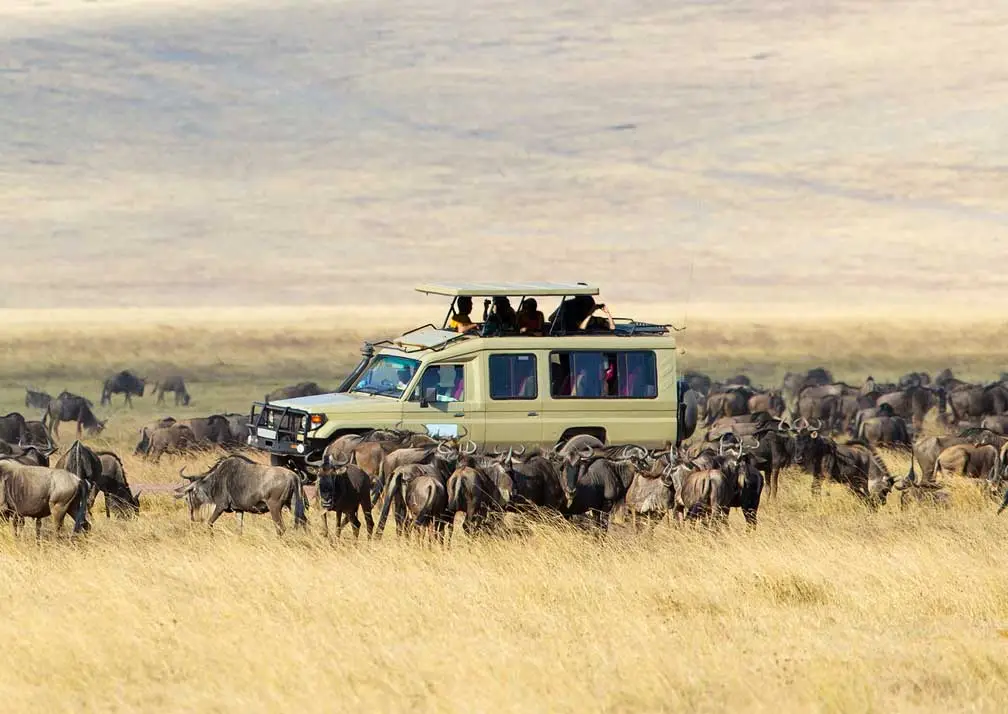
Great Migration Safaris
Experience one of nature's greatest spectacles with our Great Migration safari packages, timed for river crossings or calving.
View Package →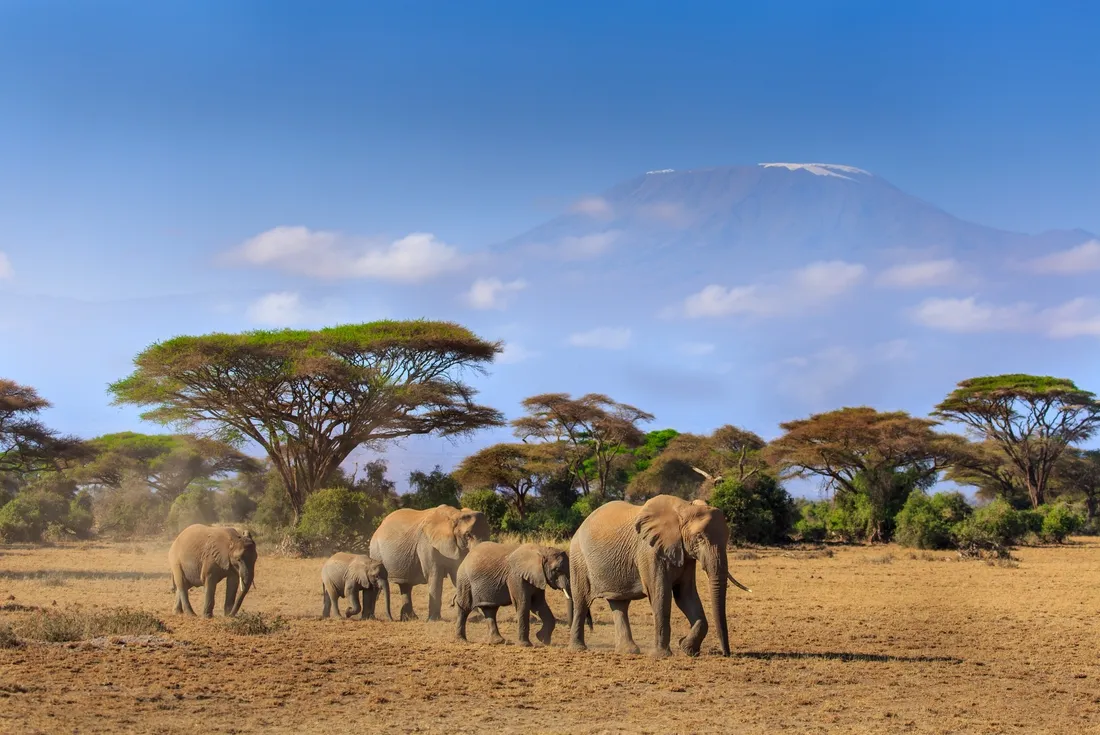
Serengeti & Kilimanjaro Trek
Combined safari and trekking tours offer wildlife adventures and Kilimanjaro climbs.
View Package →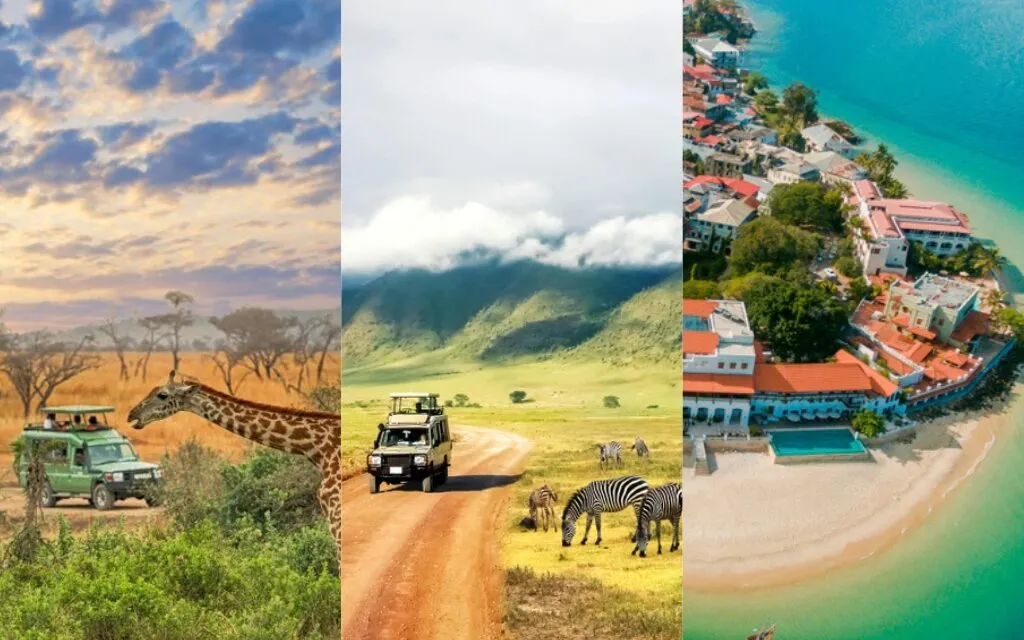
Serengeti & Zanzibar Tours
Luxury Tanzania safari & beach packages with the Great Migration and pristine beaches.
View Package →Related: Best Time to Visit Tanzania 2026 – Perfect safari extension after your South Sudan adventure.