
Most Complete Spain Travel Guide 2026-2027 – Everything You Need to Know Before Visiting
This Spain travel guide provides everything you need to plan your journey to one of Europe’s most diverse and passionate countries. Spain offers an extraordinary blend of Mediterranean beaches, dramatic mountains, world-class art cities and vibrant regional cultures that create one of the continent’s richest travel experiences. Many travelers who want to travel to Spain are surprised by the country's incredible diversity and deep cultural heritage spanning Moorish palaces, Gaudí masterpieces, Roman aqueducts and living traditions like flamenco and fiesta. The nation covers over 505,000 square kilometers, offering visitors everything from snowy Pyrenees peaks to sun-drenched Costa del Sol beaches and everything in between.
Start Reading the Full Guide ↓Quick Facts About Spain
- Capital: Madrid.
- Currency: Euro (€).
- Time Zone: Central European Time (CET, UTC+1); Canary Islands UTC+0.
- International Calling Code: +34.
- Driving Side: Right.
- Major Airports: Madrid-Barajas (MAD), Barcelona-El Prat (BCN), Palma de Mallorca (PMI), Málaga-Costa del Sol (AGP).
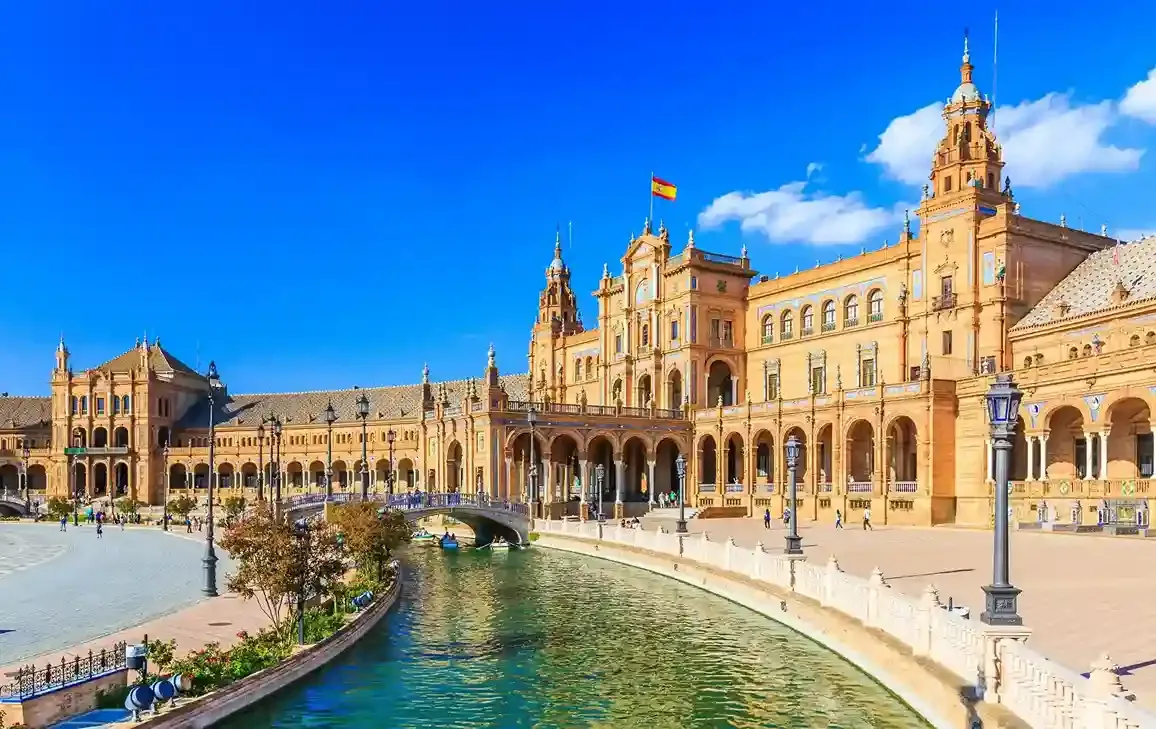
Spain Overview & Key Facts
Brief History of Spain
Spain's history spans millennia, from ancient Iberian and Celtic tribes through Roman Hispania to the golden age of Muslim Al-Andalus and the Catholic reconquest. The marriage of Ferdinand and Isabella in 1469 unified the kingdoms, leading to the discovery of the Americas in 1492 and creating a global empire. The 20th century brought civil war (1936–1939) and dictatorship until democracy returned in 1978. This rich historical tapestry creates a fascinating backdrop for modern travelers exploring Moorish palaces, medieval cities and world-class museums.
Independence & National Identity
- Current form: Constitutional monarchy since 1978.
- King: Felipe VI.
- National symbols & identity.
Spain is a parliamentary democracy with strong regional identities (Catalonia, Basque Country, Galicia, Andalusia, etc.). The national flag features red and yellow stripes with the coat of arms. Regional languages and cultures are officially recognized and fiercely protected.
Government System & Current Leadership
- Type of government: Parliamentary constitutional monarchy
- Current prime minister: Pedro Sánchez (as of 2025)
- Notes on political stability
Spain enjoys strong democratic institutions and political stability. Regional autonomy movements (especially Catalonia) remain active but peaceful. Travelers rarely encounter political issues affecting tourism.
Population, Ethnic Groups & Languages
- Population: 48.6 million (2025 estimate).
- Major groups: Diverse with strong regional identities.
- Official language(s): Spanish (Castilian); co-official: Catalan, Basque, Galician.
- Additional languages commonly spoken.
English is widely spoken in tourist areas, hotels and among younger generations. In Catalonia, Basque Country and Galicia, local languages dominate daily life alongside Spanish.
Main Religions & Cultural Identity
Roman Catholicism remains culturally dominant (though increasingly secular), with spectacular Holy Week processions and countless cathedrals. Jewish and Muslim heritage is visible in Toledo, Córdoba and Granada. Spain is known worldwide for its passionate lifestyle – late dining, siesta culture (fading but alive), flamenco, festivals and love of life.
Geography & Natural Landscape
Spain features incredible geographical diversity: Mediterranean coastlines, the Meseta central plateau, Pyrenees and Sierra Nevada mountains, volcanic Canary Islands and green northern Atlantic regions. Continental Spain has hot summers and cold winters inland, while coasts enjoy mild Mediterranean or oceanic climates.
Economy & Tourism Highlights
Tourism is a pillar of the Spanish economy (12–14% of GDP). The country consistently ranks among the world’s top three most visited nations. High-speed AVE trains, excellent highways and regional airports make getting around easy and efficient.
What Spain Is Known For
- UNESCO sites: 49 (second only to Italy)
- Gaudí architecture & Sagrada Família
- Flamenco, tapas, paella, Rioja & sherry
- La Tomatina, Running of the Bulls, Semana Santa
Visa & Entry Requirements in Spain
Spain is part of the Schengen Area. Entry rules are straightforward for most visitors, with ETIAS (European Travel Information and Authorization System) starting mid-2026 for visa-exempt travelers.
Do You Need a Visa?
EU/EEA/Swiss: free movement. US, Canada, Australia, UK, New Zealand, Japan, South Korea, Singapore, etc. (90+ countries): visa-free for 90 days in any 180-day period. From mid-2026 you’ll need pre-approved ETIAS (€7 online, valid 3 years). All others require Schengen tourist visa.
Visa Application Options in Spain
- Visa-exempt + ETIAS (from 2026)
- Schengen tourist visa (Type C) via Spanish consulate
- Long-stay visas (student, work, non-lucrative)
ETIAS is quick online approval (minutes). Schengen visa applications should be made 15–60 days before travel.
Passport Validity & Entry Documents
Passport valid 3 months beyond intended departure from Schengen area + at least two blank pages. Proof of onward travel and sufficient funds/accommodation may be requested (rarely enforced for obvious tourists).
Customs Rules & Prohibited Items
Standard EU rules. €10,000+ cash must be declared. Duty-free allowances for non-EU residents. No restrictions on typical tourist items.
Safety & Security Information in Spain
Spain is one of Europe’s safest countries with low violent crime rates. Most government advisories rate the entire country Level 1 or 2 (“normal precautions”).
Is Spain Safe for Tourists?
Yes – extremely safe. Pickpocketing and bag-snatching in Barcelona, Madrid and Seville are the main concerns (especially La Rambla and metro). Violent crime against tourists is rare.
Recommended Safety Tips when in Spain
Use hotel safes, avoid flashing valuables, be aware in crowds, use official taxis or ride-hailing apps (Cabify, Uber in major cities). Never leave bags unattended.
Safe Areas vs. Areas to Avoid in Spain
All tourist areas are safe. Some late-night neighborhoods in big cities (e.g., Raval in Barcelona, parts of Madrid center after 2am) have higher petty crime – standard big-city awareness applies.
Emergency Numbers & Tourist Police in Spain
- Emergency: 112 (multilingual)
- National Police: 091
- Local Police: 092
- Tourist police units in major cities
Health Requirements & Vaccinations in Spain
No vaccination certificates required. Spain has excellent healthcare (public and private) with EU-level standards.
Mandatory Vaccinations in Spain
None.
Recommended Vaccinations in Spain
Routine vaccines only. Hepatitis A/B if relevant to your situation.
Malaria & Other Risks
No malaria. Standard European risks (sunburn, occasional heatwaves, ticks in rural areas).
Travel Insurance Recommendations in Spain
Highly recommended (EHIC/GHIC for EU/UK citizens covers basic public healthcare; private insurance for repatriation, theft, cancellation).
Best Time to Visit in Spain
Spring (April–June) and autumn (September–October) offer perfect weather and fewer crowds. Summer is peak season on coasts; inland can be extremely hot.
Weather by Season
Spring/autumn: 18–28°C, perfect. Summer: 30–40°C+ inland, 25–32°C coasts. Winter: mild on Mediterranean (10–18°C), cold inland and north.
When to Visit Spain for Best Experiences
- Festivals: Fallas (March), Semana Santa, Feria de Abril, San Fermín (July)
- Beaches: June–September
- Hiking Camino/Northern Spain: May–October
- Skiing Sierra Nevada/Pyrenees: December–March
High Season vs. Low Season Travel
High season: June–August + Holy Week. Shoulder seasons offer best value and weather balance.
Weather & Climate Overview in Spain
Spain has three main climates: Mediterranean (coasts), continental (interior), oceanic (north/Galicia). Canary Islands enjoy year-round spring-like weather.
Temperature Ranges
Mediterranean coast: 12–18°C winter, 25–32°C summer. Central plateau: 2–10°C winter, 30–40°C+ summer. North Atlantic: 8–15°C winter, 20–25°C summer.
Rainy & Dry Seasons in Spain
Northwest rainy year-round; Mediterranean coast dry summers, mild wet winters; interior extreme continental with low rainfall.
What to Wear Based on the Weather
Light layers, comfortable walking shoes, sun protection. Modest attire for churches. Jacket for northern Spain and evenings.
Main Currency, Costs & Budgeting in Spain
Spain uses the Euro (€). Cards accepted virtually everywhere; cash still useful for small purchases.
Local Currency Information
Euro banknotes and coins. ATMs widespread.
Average Travel Costs in Spain
Budget: €80–130/day; mid-range €150–250/day; luxury €300+/day. Excellent value outside peak-season Barcelona/Madrid.
Using ATMs, Cards & Mobile Money in Spain
Contactless cards and mobile payments (Apple Pay, Google Pay) ubiquitous. ATMs everywhere.
Tipping Guidelines in Spain
Not obligatory. Rounding up or 5–10% in restaurants if service excellent. €1–2 per bag for hotel porters.
Transportation & Getting Around in Spain
Excellent infrastructure: high-speed AVE trains (Madrid–Barcelona 2.5 hours), extensive bus network, domestic flights, car rental.
Airport Transfers
Metro, official taxis, private transfers, and ride-hailing apps available at all major airports.
Local Transport Options in Spain
Excellent metro systems in Madrid/Barcelona, buses everywhere, trams in some cities. Walking is best in historic centers.
Spain Domestic Flights & High-Speed Trains
AVE high-speed trains are faster and more comfortable than flying for most routes. Book early for discounts.
Car Rentals & Road Conditions in Spain
Excellent highways (some toll). International driving permit recommended for non-EU licenses.
Accommodation Options available in Spain
Everything from hostels and paradors (historic luxury hotels) to boutique hotels and apartments.
Types of Accommodations in Spain
Hostels, budget hotels, 3–5 star chains, paradors, rural casas rurales, apartments/Airbnb.
Budget vs. Mid-Range vs. Luxury
Budget €40–90/night; mid-range €100–200; luxury €250+ (especially Barcelona/Madrid peak season).
Best Areas to Stay in Spain
Varies by city – generally historic centers or well-connected neighborhoods (e.g., Eixample or Gràcia in Barcelona, Salamanca or Centro in Madrid).
Essential Packing Guide when Visiting Spain
Comfortable walking shoes essential (lots of cobblestones). Sun protection, light layers, modest attire for churches, adapter (Type C/F).
Clothing Essentials
Casual European style, comfortable shoes, light scarf/shawl for churches, swimwear if coastal.
Footwear & Gear
Good walking shoes, sandals for beaches, light jacket.
Electronics & Cameras
Standard European plugs (230V/50Hz). Power banks useful for long sightseeing days.
Toiletries & Personal Items
All available locally. Bring prescriptions and sunscreen.
Language & Communication in Spain
Spanish nationwide; Catalan (Barcelona), Basque (Bilbao/San Sebastián), Galician (Santiago). English widely spoken in tourist areas.
Main Languages Spoken in Spain
Spanish + co-official regional languages. English common in tourism.
Useful Phrases for Tourists
“Hola” (hello), “Gracias” (thank you), “Por favor” (please), “¿Habla inglés?” (do you speak English?). Locals appreciate attempts at Spanish.
SIM Cards & Mobile Data used in Spain
eSIM or physical SIMs from Vodafone, Movistar, Orange at airports and stores. Excellent 5G coverage.
Internet Availability & Wi-Fi in Spain
Free Wi-Fi in most cafés, restaurants, public squares and accommodation.
Culture & Etiquette in Spain
Relaxed, social culture. Meals late (lunch 2–4pm, dinner 9–11pm). Greetings with two kisses (among friends). Passionate discussion normal.
Spanish Dress Code Expectations
Casual but stylish. Beachwear only at beaches. Shoulders/knees covered in churches.
Social Etiquette & Respectful Behavior of Spain
Personal space smaller than northern Europe. Greet shopkeepers. Don’t expect punctuality for social plans.
Photography Rules in Spain
Generally allowed. Ask permission for people close-up. No flash in many museums/churches.
Important Cultural Dos & Don’ts in Spain
Do try to speak some Spanish. Don’t assume everyone speaks English outside tourist areas. Do enjoy late dining. Don’t call Catalonia/Basque Country “not Spain” in casual conversation.
Food, Water & Dining in Spain
World-class cuisine: tapas, paella, jamón ibérico, pintxos, seafood, Michelin stars.
Spanish Local Dishes to Try
Paella (Valencia), jamón ibérico, tortilla española, gazpacho, pulpo a la gallega, churros con chocolate, crema catalana.
Dietary Options in Spain
Excellent vegetarian/vegan options growing (especially in cities). Gluten-free widely available.
Drinking Water Safety
Tap water safe throughout Spain.
Restaurant Etiquette
Service included; rounding up or 5–10% if excellent. Sharing dishes normal. No rush – meals are social.
Top Attractions & Things to Do in Spain
From Gaudí masterpieces to Moorish palaces, medieval cities to modern art museums.
Major Tourist Attractions in Spain
- Sagrada Família & Park Güell (Barcelona)
- Alhambra (Granada)
- Mezquita-Catedral (Córdoba)
- Prado, Reina Sofía & Thyssen museums (Madrid)
- Camino de Santiago
Best Tours & Experiences in Spain
Flamenco shows, tapas tours, wine tasting (Rioja, Ribera del Duero, Sherry Triangle), hiking Camino, cooking classes.
Family-Friendly Activities to do in Spain
Beaches, PortAventura World, aquarium Barcelona, Parque Warner Madrid, science museums.
Unique Cultural or Historical Sites to visit in Spain
Roman aqueduct Segovia, medieval walled city Ávila, Guggenheim Bilbao, City of Arts & Sciences Valencia.
Spanish Electrical System Information
Standard European: 230V, 50Hz, plugs Type C & F.
Plug Types & Voltage used in Spain
Type C (two round pins) and Type F (Schuko). Most modern chargers are dual-voltage.
Charging Tips
Bring a Type C/F adapter. Power outlets widely available.
Local Laws & Regulations of Spain
Standard European laws. Smoking banned indoors. Public drinking restricted in some areas (e.g., Barcelona beaches).
Rules Travelers Need to Know when In Spain
90-day limit for visa-exempt visitors. No public nudity outside designated beaches. Jaywalking fined in some cities.
Alcohol, Smoking & Substance Laws of Spain
Drinking age 18. Cannabis decriminalized for personal use but public consumption fined. Smoking banned in bars/restaurants.
Restricted or Protected Areas in Spain.
Military zones off-limits. Some natural parks require permits for certain activities.
Final Travel Tips for Visitors in Spain
Book Alhambra, Sagrada Família and popular restaurants in advance. Learn a few Spanish phrases. Embrace the late schedule. Use public transport or walk – driving/parking difficult in cities.
Common Mistakes to Avoid
Expecting dinner before 9pm, visiting Barcelona in August (hot + crowded), not booking major attractions ahead.
Tips to Save Money when Visiting Spain
Travel shoulder season, use public transport, eat menú del día (lunch set menu €12–18), stay in smaller cities, book trains early.
Safety & Comfort Tips
Watch belongings in crowds, stay hydrated, wear sunscreen, learn basic Spanish phrases, download offline maps.
Frequently Asked Questions – Spain Travel Guide 2026-2027
Our Tanzania Tours Products
While Spain offers incredible architecture, beaches and culture, many travelers combine Europe with the ultimate wildlife experience in East Africa. Capable Africa Tours specializes in secure, guided safaris that maximize safety and wonder. Our expert local guides, armed rangers in parks, and vetted accommodations ensure peace of mind. From family-friendly lodges to luxury camps, we handle logistics so you focus on the magic. Tanzania ranks high for tourist safety with dedicated wildlife protection units and stable northern circuits.
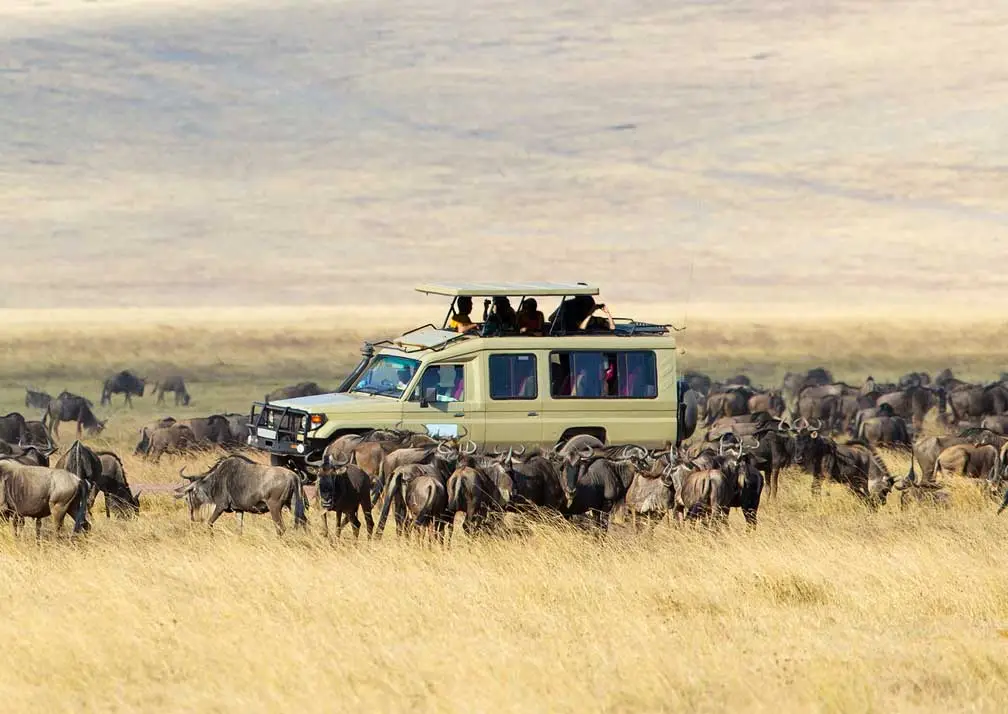
Great Migration Safaris
Experience one of nature's greatest spectacles with our Great Migration safari packages, timed for river crossings or calving.
View Package →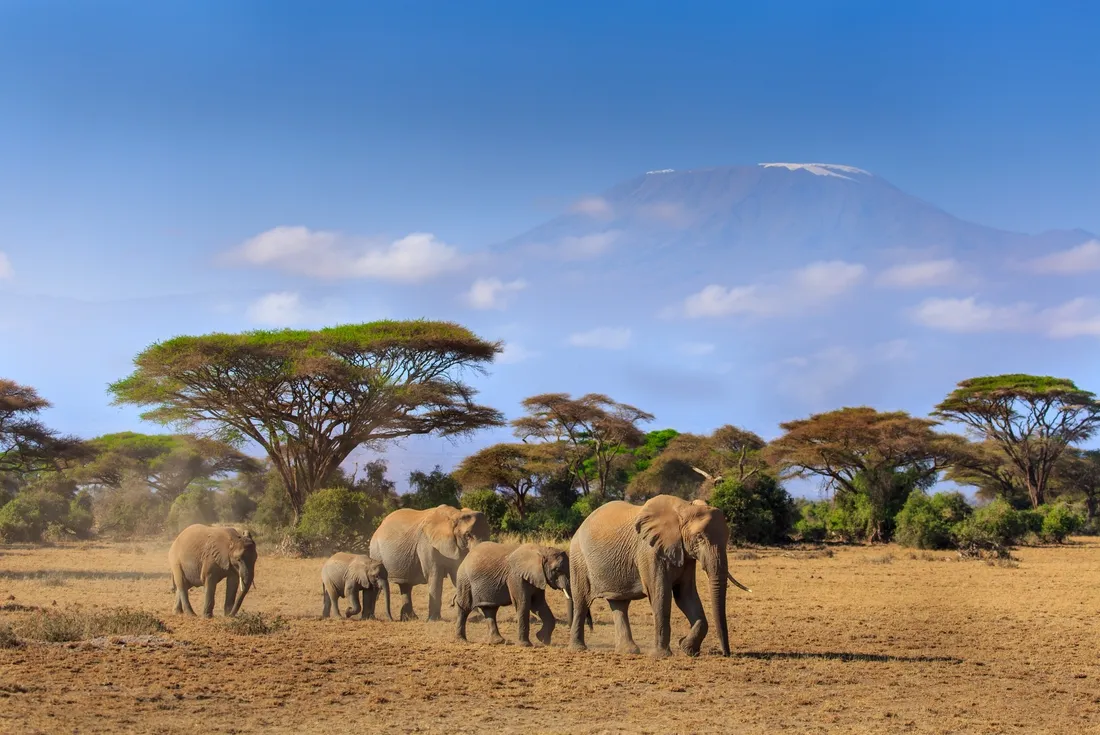
Serengeti & Kilimanjaro Trek
Combined safari and trekking tours offer wildlife adventures and Kilimanjaro climbs.
View Package →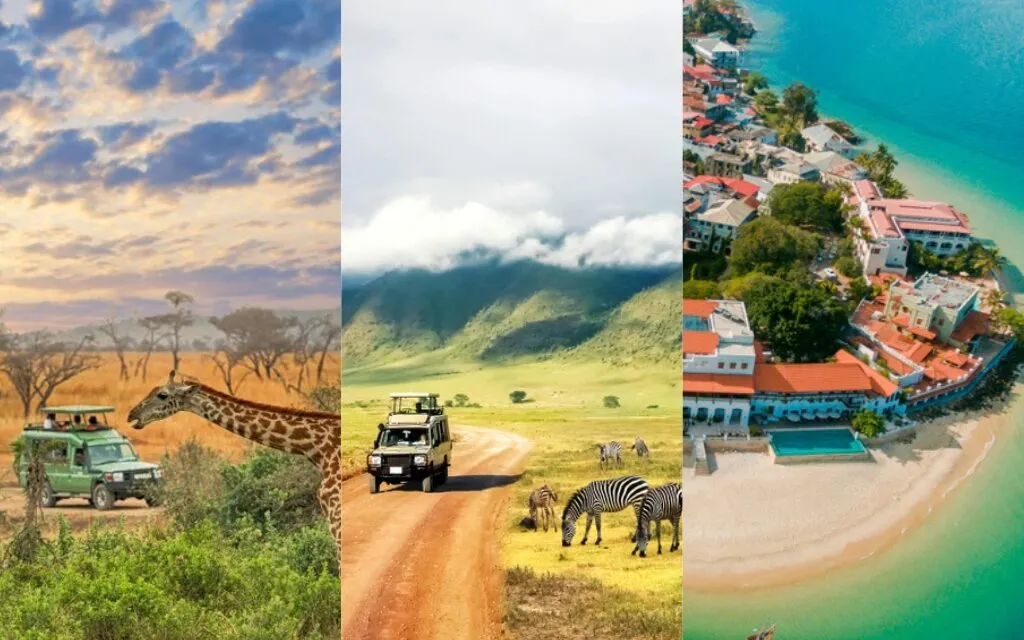
Serengeti & Zanzibar Tours
Luxury Tanzania safari & beach packages with the Great Migration and pristine beaches.
View Package →Related: Best Time to Visit Tanzania 2026 – Perfect safari extension after your Spain adventure.