
Most Complete Sri Lanka Travel Guide 2026-2027 – Everything You Need to Know Before Visiting
This Sri Lanka travel guide provides everything you need to plan your journey to the tear-drop island of the Indian Ocean. Sri Lanka offers an extraordinary blend of ancient temples, UNESCO sites, lush tea plantations, wildlife-filled national parks and palm-fringed beaches that create one of Asia's most diverse travel experiences. Many travelers who want to travel to Sri Lanka are surprised by the country's incredible cultural depth spanning over 2,500 years of history, eight UNESCO World Heritage sites, and natural beauty ranging from misty highlands to tropical coastlines.
Start Reading the Full Guide ↓Quick Facts About Sri Lanka
- Capital: Sri Jayawardenepura Kotte (administrative), Colombo (commercial).
- Currency: Sri Lankan Rupee (LKR).
- Time Zone: Sri Lanka Standard Time (UTC+5:30).
- International Calling Code: +94.
- Driving Side: Left.
- Major Airports: Bandaranaike International (CMB), Mattala Rajapaksa (HRI).
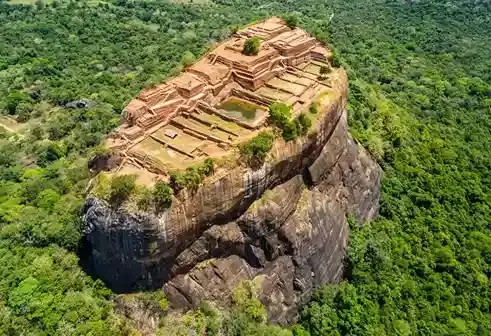
Sri Lanka Overview & Key Facts
Brief History of Sri Lanka
Sri Lanka's history spans over 2,500 years, from ancient Sinhalese kingdoms through Portuguese, Dutch and British colonial periods. The island was known to ancient Greeks and Romans as Taprobane and to Arab traders as Serendib (origin of the word serendipity). The arrival of Buddhism in the 3rd century BCE shaped the island’s culture profoundly, while colonial powers fought for control of its strategic location and valuable spices. This rich historical tapestry creates a fascinating backdrop for modern travelers exploring ancient cities and colonial architecture.
Independence & National Identity
- Independence date: February 4, 1948.
- Former colonial power: Britain.
- National symbols & identity.
Sri Lanka gained independence peacefully from British rule in 1948 (as Ceylon) and became a republic in 1972. The national flag features a lion representing the Sinhalese, with orange and green stripes for Tamil and Muslim minorities respectively. Sri Lanka’s identity is deeply rooted in Theravada Buddhism while embracing multicultural Hindu, Muslim and Christian communities.
Government System & Current Leadership
- Type of government: Unitary Semi-Presidential Republic
- Current president: Anura Kumara Dissanayake (elected September 2024)
- Notes on political stability
Following the 2022 economic crisis and political upheaval, Sri Lanka has stabilized significantly by 2026 with IMF support and tourism recovery. The country remains a vibrant democracy with regular elections and peaceful transitions.
Population, Ethnic Groups & Languages
- Population: 22.5 million (2026 estimate).
- Major ethnic groups: Sinhalese (74.9%), Sri Lankan Tamil (11.2%), Moors (9.3%).
- Official language(s): Sinhala and Tamil.
- Additional languages commonly spoken.
English is widely spoken as a link language, especially in tourism, government and business sectors. Most signage in tourist areas is in English.
Main Religions & Cultural Identity
Theravada Buddhism (70.2%), Hinduism (12.6%), Islam (9.7%), Christianity (7.4%). Religious tolerance is generally strong, with colorful festivals throughout the year (Buddhist Poya days, Hindu Thai Pongal, Ramadan, Christmas).
Geography & Natural Landscape
Sri Lanka is divided into three main zones: the central highlands with peaks over 2,500m, the plains, and the coastal belt. The island enjoys tropical climate with two monsoons affecting different coasts at different times, making it a year-round destination.
Economy & Tourism Highlights
Tourism has fully recovered post-2022 and is one of the main foreign-exchange earners alongside tea, garments and remittances. By 2026, visitor numbers exceed pre-pandemic levels with improved infrastructure and new high-end properties.
What Sri Lanka Is Known For
- Eight UNESCO World Heritage sites including Sigiriya, Anuradhapura, Polonnaruwa
- World-famous Ceylon tea plantations
- High leopard density in Yala National Park
- Ancient Ayurveda and wellness traditions
Visa & Entry Requirements in Sri Lanka
Most international visitors require an Electronic Travel Authorization (ETA) or visa-on-arrival for tourism stays up to 30 days. The process is straightforward and fully online.
Do You Need a Visa?
Citizens of most countries can obtain a 30-day tourist visa online (ETA) or on arrival. Singapore, Maldives and Seychelles nationals are visa-exempt. The ETA system is reliable and takes minutes.
Visa Application Options in Sri Lanka
- Online ETA (recommended – www.eta.gov.lk)
- Visa on arrival at Bandaranaike International Airport
- Sri Lankan embassies (for longer stays)
The ETA costs $35–$40 for most nationalities (SAARC countries cheaper) and allows double entry within 30 days.
Passport Validity & Entry Documents
Passport must be valid for 6 months from date of arrival with at least 2 blank pages. Return/onward ticket and proof of sufficient funds may be requested.
Customs Rules & Prohibited Items
Duty-free allowance: 1.5L spirits, 2 bottles wine, 250ml perfume. No restrictions on foreign currency declaration (over $15,000 must be declared). Drones require prior permission.
Safety & Security Information in Sri Lanka
Sri Lanka is considered very safe for tourists in 2026. Crime rates are low, people are genuinely friendly, and tourist police units operate in major areas.
Is Sri Lanka Safe for Tourists?
Yes – violent crime against tourists is extremely rare. Petty theft and scams occur in crowded places (as anywhere), but overall safety rankings place Sri Lanka among Asia’s safest destinations.
Recommended Safety Tips when in Sri Lanka
Use licensed taxis/tuk-tuks, avoid walking alone late at night in unlit areas, keep valuables in hotel safes, beware of over-friendly “guides”, and follow normal travel precautions.
Safe Areas vs. Areas to Avoid in Sri Lanka
All main tourist areas are safe. The former northern conflict zone is now completely peaceful and open (Jaffna, Mannar, etc.). No areas are currently off-limits.
Emergency Numbers & Tourist Police in Sri Lanka
- Police emergency: 119
- Tourist Police: 1912 or 011-242-1451 (24h English-speaking)
- Ambulance/Fire: 110
Health Requirements & Vaccinations in Sri Lanka
No mandatory vaccinations unless arriving from a yellow fever country. Standard travel vaccinations recommended.
Mandatory Vaccinations in Sri Lanka
None for direct arrivals. Yellow fever certificate required if coming from endemic countries.
Recommended Vaccinations in Sri Lanka
Hepatitis A, Typhoid, Tetanus-diphtheria, routine vaccines. Consider Hepatitis B, Rabies (stray dogs) and Japanese Encephalitis for rural/long stays.
Malaria & Other Risks
No malaria risk since 2016 certification. Dengue exists year-round – use repellent, especially during monsoon.
Travel Insurance Recommendations in Sri Lanka
Highly recommended – cover medical evacuation, trip cancellation, and adventure activities (surfing, hiking Adam’s Peak, etc.).
Best Time to Visit in Sri Lanka
Sri Lanka is a year-round destination with two monsoons affecting opposite coasts.
Weather by Season
West & south coast + hill country best Dec–Mar (dry, 28–32°C). East coast best May–Sep (dry, 30–34°C). Inter-monsoon periods Apr & Oct–Nov bring brief showers everywhere.
When to Visit Sri Lanka for Best Experiences
- Whale watching (Mirissa): Dec–Apr
- Leopard safaris (Yala/Wilpattu): Feb–Jul
- Esala Perahera festival (Kandy): Jul/Aug
- Surfing south coast: Nov–Apr; Arugam Bay: May–Sep
High Season vs. Low Season Travel
High season: Dec–Mar (west/south) and Jul–Aug (hill country & cultural triangle). Shoulder seasons offer excellent weather with fewer crowds and lower prices.
Weather & Climate Overview in Sri Lanka
Tropical climate with two monsoons and significant regional variation.
Temperature Ranges
Coastal areas 27–32°C year-round. Kandy/Nuwara Eliya 15–25°C. Night temperatures in hills can drop to 10°C Dec–Feb.
Rainy & Dry Seasons in Sri Lanka
Southwest monsoon (Yala): May–Sep affects west/south. Northeast monsoon (Maha): Oct–Jan affects east/north. Central highlands receive rain both periods.
What to Wear Based on the Weather
Light cotton clothes, flip-flops, rain jacket/poncho, modest attire for temples (cover shoulders/knees), warm layers for hill country, swimwear, hat, sunglasses, high-SPF sunscreen.
Main Currency, Costs & Budgeting in Sri Lanka
Sri Lanka offers excellent value for money in 2026.
Local Currency Information
Sri Lankan Rupee (LKR). Notes: 10, 20, 50, 100, 500, 1000, 5000. ATMs widespread; cards accepted in cities and most tourist establishments.
Average Travel Costs in Sri Lanka
Budget $40–70/day (guesthouses, local food, public transport). Mid-range $80–150 (boutique hotels, private driver, good restaurants). Luxury $200–500+ (5-star resorts, private guides).
Using ATMs, Cards & Mobile Money in Sri Lanka
ATMs plentiful (Visa/Mastercard). Contactless and mobile payments growing. Cash still king in rural areas and for tuk-tuks.
Tipping Guidelines in Sri Lanka
10% in restaurants if no service charge. Drivers/guides: $8–15/day. Hotel staff: 200–500 LKR. Rounding up tuk-tuk fares appreciated.
Transportation & Getting Around in Sri Lanka
Variety of options from scenic trains to private drivers.
Airport Transfers
Pre-booked taxi (airport counter or app), Uber/PickMe, or train (with connection) from CMB airport.
Local Transport Options in Sri Lanka
Trains (scenic hill country routes), buses (cheap but crowded), tuk-tuks, private car + driver (most popular for tourists), domestic flights (Cinnamon Air seaplanes).
Sri Lanka Domestic Flights
Cinnamon Air seaplanes and SriLankan Airlines helicopters connect Colombo to key tourist spots quickly.
Car Rentals & Road Conditions in Sri Lanka
Self-drive possible but not recommended for first-timers. Private driver with car ($45–65/day) is safer and more relaxing.
Accommodation Options available in Sri Lanka
Huge variety from backpacker hostels to ultra-luxury resorts.
Types of Accommodations in Sri Lanka
Homestays, guesthouses, boutique heritage hotels, tea plantation bungalows, safari camps, beach villas, international 5-star chains.
Budget vs. Mid-Range vs. Luxury
Budget $15–40, mid-range $60–150, luxury $200–1000+/night.
Best Areas to Stay in Sri Lanka
Colombo (city), Negombo (airport beach), Kandy (culture), Ella (hills), Galle/Unawatuna (south coast heritage & beach), Yala/Tangalle (wildlife & quiet beaches), Trincomalee (east coast).
Essential Packing Guide when Visiting Sri Lanka
Pack light, modest, and prepared for rain and sun.
Clothing Essentials
Breathable cotton/linen clothes, long pants/light scarf for temples, swimwear, light rain jacket, warm layer for hills, comfortable walking shoes, flip-flops.
Footwear & Gear
Walking sandals, trainers for hikes, socks for temples (you remove shoes), small daypack, reusable water bottle, power bank.
Electronics & Cameras
Type D/M/G plugs (230V/50Hz) – bring universal adapter. Waterproof phone case useful for beaches and rain.
Toiletries & Personal Items
Sunscreen (expensive locally), DEET insect repellent, anti-diarrheal meds, hand sanitizer, modest swimwear, sarong (multi-purpose).
Language & Communication in Sri Lanka
English widely spoken in tourist areas.
Main Languages Spoken in Sri Lanka
Sinhala, Tamil, English (link language). Most tourism staff speak good English.
Useful Phrases for Tourists
“Ayubowan” (hello), “Istuti” (thank you – Sinhala), “Nandri” (thank you – Tamil), “Kauruda” (how much?), “Hondai” (good).
SIM Cards & Mobile Data used in Sri Lanka
Tourist SIMs at airport (Dialog, Mobitel, Airtel). Excellent 4G/5G coverage almost island-wide.
Internet Availability & Wi-Fi in Sri Lanka
Free Wi-Fi in most hotels, cafes and restaurants. Fast mobile data is cheap and reliable.
Culture & Etiquette in Sri Lanka
Buddhist culture emphasizes respect, modesty and friendliness.
Sri Lankan Dress Code Expectations
Cover shoulders and knees at temples. Remove shoes and hats. No photos with back to Buddha statues.
Social Etiquette & Respectful Behavior of Sri Lanka
Use right hand for giving/receiving, greet with “Ayubowan” and slight bow, accept tea when offered, remove shoes entering homes.
Photography Rules in Sri Lanka
Ask permission before photographing people (especially monks). No selfie sticks or posing with back to Buddha images in temples.
Important Cultural Dos & Don’ts in Sri Lanka
Do: respect monks (give up seats, don’t touch), remove shoes in temples. Don’t: touch someone’s head, point feet at people/Buddha statues, public displays of affection.
Food, Water & Dining in Sri Lanka
Rice & curry is king – spicy, flavorful and varied.
Sri Lankan Local Dishes to Try
Rice & curry, kottu roti, hoppers/string hoppers, lamprais, fresh seafood, jackfruit curry, wood-apple juice, king coconut.
Dietary Options in Sri Lanka
Vegetarian/vegan very easy (many Buddhist dishes meat-free). Halal widely available.
Drinking Water Safety
Bottled water recommended. Avoid ice outside reputable places.
Restaurant Etiquette
Eat with right hand in local homes. Tipping 10% appreciated but not expected everywhere.
Top Attractions & Things to Do in Sri Lanka
Eight UNESCO sites and incredible natural beauty.
Major Tourist Attractions in Sri Lanka
- Sigiriya Rock Fortress
- Temple of the Sacred Tooth Relic (Kandy)
- Yala/Wilpattu National Parks
- Galle Fort
- Ancient cities of Anuradhapura & Polonnaruwa
Best Tours & Experiences in Sri Lanka
Train journey Kandy–Ella, tea plantation visits, whale watching, leopard safaris, Ayurveda retreats, cooking classes.
Family-Friendly Activities to do in Sri Lanka
Safari parks, turtle hatcheries, elephant orphanages (ethical ones), beaches, train rides, Pidurangala rock climb.
Unique Cultural or Historical Sites to visit in Sri Lanka
Dambulla Cave Temple, Adam’s Peak pilgrimage, Jaffna’s Hindu temples & islands, colonial architecture in Galle and Colombo.
Sri Lankan Electrical System Information
Type D, M and G sockets (230V, 50Hz). Bring a universal adapter.
Plug Types & Voltage used in Sri Lanka
Round 3-pin (D), rectangular 3-pin (G), and older small 3-pin (M). Most hotels provide adapters.
Charging Tips
Power banks useful for long train journeys and remote areas.
Local Laws & Regulations of Sri Lanka
Respect Buddhist customs and modest dress at religious sites.
Rules Travelers Need to Know when In Sri Lanka
No photography of military installations. Drone use requires permission. No Buddha tattoos visible (can cause issues at immigration).
Alcohol, Smoking & Substance Laws of Sri Lanka
Alcohol available but not sold on Poya (full moon) days. Smoking banned in public places. All drugs strictly illegal.
Restricted or Protected Areas in Sri Lanka.
Some national parks close during dry season. Certain areas require permits (e.g., Horton Plains, Knuckles).
Final Travel Tips for Visitors in Sri Lanka
Embrace the warmth, take your time, and enjoy one of Asia’s friendliest destinations.
Common Mistakes to Avoid
Trying to see everything in one trip, underestimating travel times, not booking trains early, wearing shoes in temples.
Tips to Save Money when Visiting Sri Lanka
Travel in shoulder season, eat local food, use public transport where possible, stay in homestays/guesthouses.
Safety & Comfort Tips
Book a driver/guide for first few days, carry small change for tuk-tuks, use PickMe/Uber in cities, stay hydrated, wear reef-safe sunscreen.
Frequently Asked Questions – Sri Lanka Travel Guide 2026-2027
Our Tanzania Tours Products
While Sri Lanka offers ancient temples, tea country and pristine beaches, many travelers combine Asia with the ultimate African wildlife experience. Capable Africa Tours specializes in secure, guided safaris that maximize safety and wonder. Our expert local guides, armed rangers in parks, and vetted accommodations ensure peace of mind. From family-friendly lodges to luxury camps, we handle logistics so you focus on the magic. Tanzania ranks high for tourist safety with dedicated wildlife protection units and stable northern circuits.
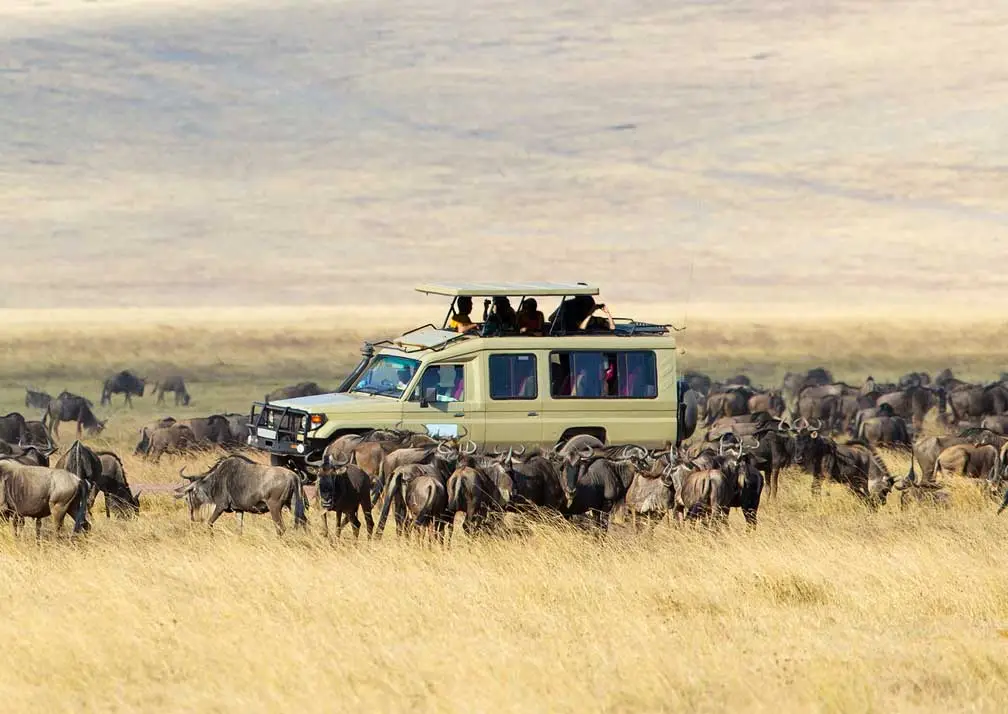
Great Migration Safaris
Experience one of nature's greatest spectacles with our Great Migration safari packages, timed for river crossings or calving.
View Package →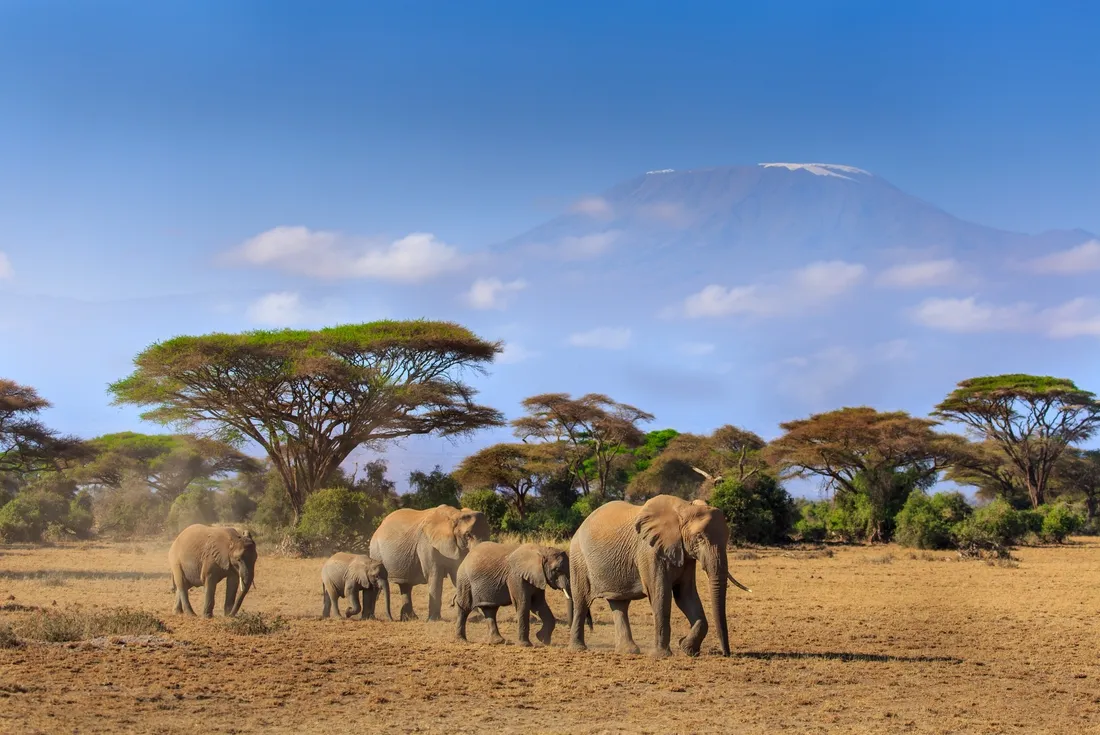
Serengeti & Kilimanjaro Trek
Combined safari and trekking tours offer wildlife adventures and Kilimanjaro climbs.
View Package →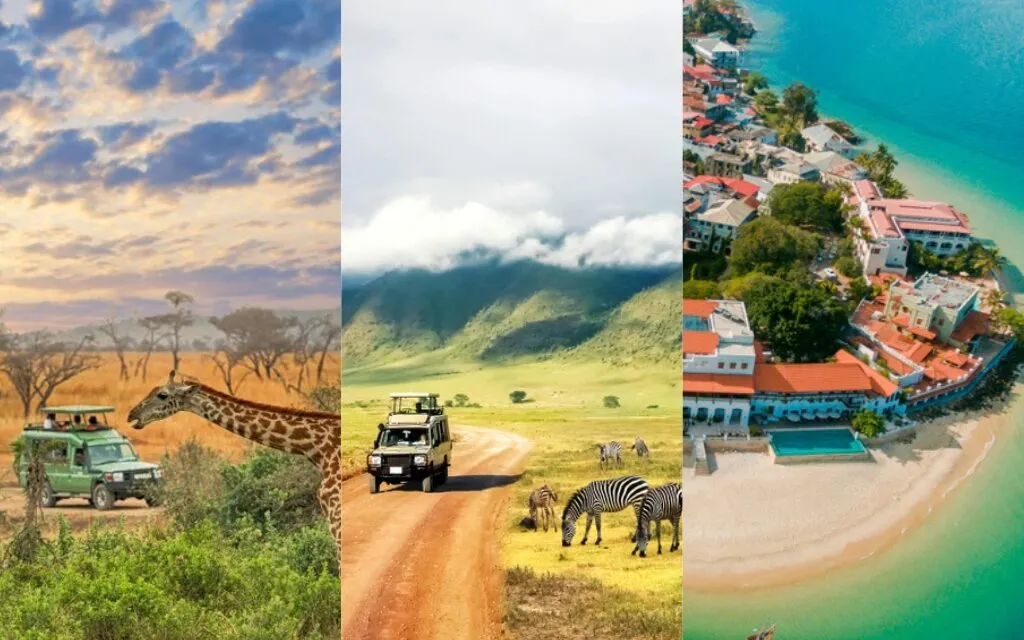
Serengeti & Zanzibar Tours
Luxury Tanzania safari & beach packages with the Great Migration and pristine beaches.
View Package →Related: Best Time to Visit Tanzania 2026 – Perfect safari extension after your Sri Lanka adventure.