
Most Complete Sudan Travel Guide 2026-2027 – Everything You Need to Know Before Visiting
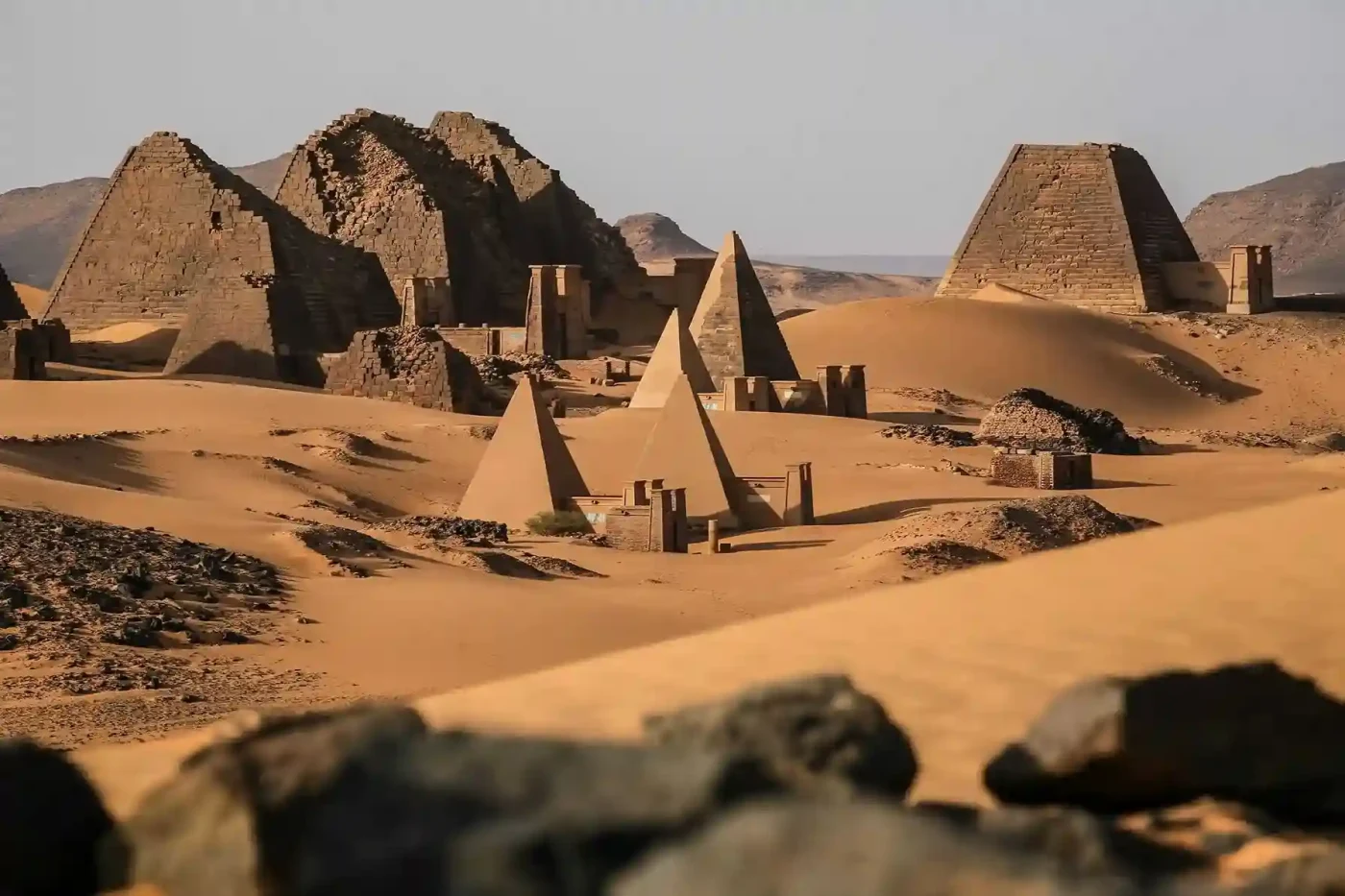
This Sudan travel guide provides everything you need to plan your journey to Africa's third-largest country. Sudan offers an extraordinary blend of ancient Nubian civilization, dramatic Nile landscapes, pristine Red Sea coast and vast desert expanses that create one of the continent's most authentic and least-visited travel experiences. Many travelers who want to travel to Sudan are surprised by the country's incredible archaeological wealth (more pyramids than Egypt), warm hospitality and rich cultural heritage spanning Kushite kingdoms, Islamic sultanates and colonial history. The nation covers over 1.88 million square kilometers, offering visitors everything from Meroë pyramids to Suakin coral architecture and untouched diving sites.
Start Reading the Full Guide ↓Quick Facts About Sudan
- Capital: Khartoum (tri-city: Khartoum, Omdurman, Bahri).
- Currency: Sudanese Pound (SDG).
- Time Zone: Central Africa Time (CAT, UTC+2).
- International Calling Code: +249.
- Driving Side: Right.
- Major Airports: Khartoum International (KRT), Port Sudan (PZU).
Sudan Overview & Key Facts
Brief History of Sudan
Sudan's history spans millennia, from the Kingdom of Kush through Islamic sultanates to modern independence. The ancient Nubians built more pyramids than Egypt, with Meroë serving as a powerful center of trade and culture. The Kingdom of Kush ruled Egypt as the 25th Dynasty pharaohs. Islamic rule arrived in the 14th–16th centuries, followed by Ottoman-Egyptian and British colonial periods. This rich historical tapestry creates a fascinating backdrop for modern travelers exploring the country's archaeological treasures and cultural sites.
Independence & National Identity
- Independence date: January 1, 1956.
- Former colonial powers: Egypt & United Kingdom.
- National symbols & identity.
Sudan gained independence from Anglo-Egyptian condominium rule in 1956. Sudan's national identity centers on Arab and Islamic values in the north while celebrating diverse African heritage in the south. The national flag features blue, yellow, and green stripes with a green triangle bearing a white star, symbolizing the Nile, desert, and peace.
Government System & Current Leadership
- Type of government: Transitional military-civilian sovereignty council (as of 2025).
- Current leadership: Gen Abdel Fattah al-Burhan (Chairman).
- Notes on political stability
Sudan is undergoing a transitional period following the 2019 revolution and 2021 military takeover. The northern tourist circuit remains stable and accessible while conflict continues in some western and southern regions. Travelers should monitor current conditions through their embassy before visiting.
Population, Ethnic Groups & Languages
- Population: 50.1 million (2025 projection).
- Major ethnic groups: Sudanese Arabs (70%), Fur, Nuba, Beja, Nubians.
- Official language(s): Arabic and English.
- Additional languages commonly spoken.
Arabic is the lingua franca in the north, with English widely used in government and tourism. Numerous tribal languages exist across the country. English proficiency is high among guides and tourism professionals, making communication relatively straightforward for international visitors.
Main Religions & Cultural Identity
Islam dominates Sudan's religious landscape in the north, with approximately 97% of the population adhering to Sunni Islam. Small Christian communities remain in urban areas. Islamic values strongly influence daily life, social customs, and cultural practices in the north. Visitors should respect religious observances, particularly during Ramadan, and dress very modestly throughout the country.
Geography & Natural Landscape
Sudan features dramatic geographical diversity: the Nile Valley, vast deserts, Red Sea coast, and mountain ranges. The Nile (White and Blue) converges in Khartoum, creating fertile corridors through arid landscapes. The northern region is predominantly desert, while eastern Sudan features Red Sea hills and coastal plains. The central region includes the Gezira agricultural plain between the Niles.
Economy & Tourism Highlights
Sudan's economy traditionally depended on agriculture and oil (now reduced). The government is actively promoting archaeological and cultural tourism along the Nile and Red Sea coast. Sudanese tourism is growing as more visitors discover the country's unique Kushite heritage, warm hospitality, and virtually crowd-free archaeological sites, supported by improved infrastructure and professional guiding services.
What Sudan Is Known For
- More pyramids than Egypt – Meroë, Nuri, Jebel Barkal (UNESCO)
- Ancient Kushite civilization and Black Pharaohs
- Pristine Red Sea diving and coral reefs
Visa & Entry Requirements in Sudan
Most international visitors require a visa and a photography/travel permit to enter Sudan. The visa process typically requires sponsorship letters from registered tour operators, valid passport, photographs, and proof of accommodation. Processing times can be lengthy, so travelers should apply well in advance through Sudanese embassies or authorized agencies.
Do You Need a Visa?
Citizens of almost all countries need a visa to enter Sudan. Visa-on-arrival is extremely rare and unreliable. All tourists must have a registered Sudanese tour operator provide sponsorship documentation. Always check current requirements with the Sudanese embassy in your country.
Visa Application Options in Sudan
- Embassy application with tour operator sponsorship (standard method)
- e-Visa system (slow and inconsistent)
- Registered tour operator assistance (highly recommended)
Applications must be submitted through Sudanese diplomatic missions with full tour operator documentation. Independent travel is effectively impossible without proper permits and registration.
Passport Validity & Entry Documents
Your passport must be valid for at least six months from entry date with several blank pages. Required documents include visa, photography permit, travel permit, yellow fever certificate (if applicable), return flight tickets, and tour operator registration confirmation.
Customs Rules & Prohibited Items
Sudan has strict customs regulations. Alcohol is completely prohibited. Photography permits are mandatory. Currency declaration required for large amounts. Drones are banned without special permission. All electronics and professional camera gear must be declared.
Safety & Security Information in Sudan
Sudan requires travelers to exercise high caution due to ongoing conflicts in some regions. The northern tourist circuit (Khartoum to Dongola and Red Sea coast) is generally stable and safe when traveling with registered guides. Western and southern regions remain high-risk. Travel insurance with evacuation coverage is essential.
Is Sudan Safe for Tourists?
Yes along the established northern tourist route when using registered operators and guides. The government provides tourist police protection at major sites. Crime against tourists is rare. Conflict zones (Darfur, South Kordofan, Blue Nile) must be avoided.
Recommended Safety Tips when in Sudan
Always travel with a registered guide and driver. Register with your embassy. Do not travel at night outside cities. Keep copies of all permits. Use only official tour operators. Stay informed through embassy updates and local guides.
Safe Areas vs. Areas to Avoid in Sudan
Safe: Khartoum, Meroë, Karima, Old Dongola, Wadi Halfa, Port Sudan, Suakin. Avoid: Darfur, South Kordofan, Blue Nile, Abyei, and all border areas with South Sudan, Ethiopia, and Chad.
Emergency Numbers & Tourist Police in Sudan
- Police: 999
- Fire: 777
- Medical Emergency: 333
- Tourist Police: Available at major archaeological sites
Tourist police accompany groups at Meroë, Jebel Barkal and other major sites and can assist with any issues.
Health Requirements & Vaccinations in Sudan
Sudan has specific health requirements and risks. Yellow fever vaccination certificate is mandatory for travelers from endemic countries. Healthcare facilities are limited outside Khartoum. Comprehensive medical evacuation insurance is essential.
Mandatory Vaccinations in Sudan
Yellow fever certificate required if arriving from endemic country (including many African nations). Meningitis vaccination recommended for northern travel during dry season.
Recommended Vaccinations in Sudan
Hepatitis A & B, Typhoid, Rabies, Meningitis, Polio booster, routine vaccines. Malaria prophylaxis strongly recommended for all areas.
Malaria & Other Risks
High malaria risk throughout the country. Use DEET repellent, sleep under treated nets, take prophylaxis. Bilharzia risk in Nile waters. Heat exhaustion common in summer.
Travel Insurance Recommendations in Sudan
Comprehensive insurance with medical evacuation coverage mandatory. Many policies exclude Sudan – verify coverage specifically includes the country and conflict zones exclusion clauses.
Best Time to Visit in Sudan
The best time to visit Sudan is November to March when temperatures are manageable (20–30°C). April–October brings extreme heat (40–48°C) making travel uncomfortable and some sites inaccessible.
Weather by Season
Winter (Nov–Mar): pleasant 20–30°C, ideal for archaeology and Nile travel. Summer (Apr–Oct): extreme heat 40–48°C, sandstorms common, many sites close midday.
When to Visit Sudan for Best Experiences
- Archaeological sites: November–March
- Red Sea diving: year-round (best Dec–Apr)
- Nile cruising: November–February
- Desert camping: December–February
Avoid Ramadan if possible – many sites have shorter hours and guides may be fasting.
High Season vs. Low Season Travel
High season: December–February (coolest weather). Low season: June–September (extreme heat, few tourists, lower prices).
Weather & Climate Overview in Sudan
Sudan has an arid to semi-arid climate with extreme temperature variations. Northern Sudan is pure desert, central regions semi-arid, and Red Sea coast hot and humid.
Temperature Ranges
Winter daytime 25–32°C, nights 10–18°C. Summer daytime 40–48°C, nights still 30°C+. Red Sea coast consistently 30–38°C year-round.
Rainy & Dry Seasons in Sudan
Very limited rainy season July–September in central/southern areas. North receives almost no rain. Dry season dominates year-round.
What to Wear Based on the Weather
Light breathable long clothing, sun hat, sunglasses, strong sunscreen. Warm layer for winter nights. Very modest dress at all times – no shorts or short sleeves in public.
Main Currency, Costs & Budgeting in Sudan
Sudan uses the Sudanese Pound (SDG). Cash economy – bring crisp new USD bills (post-2006) for best rates. ATMs unreliable, cards almost never accepted.
Local Currency Information
Sudanese Pound notes in various denominations. Black market exchange offers far better rates than official but use reputable dealers only.
Average Travel Costs in Sudan
Budget travelers $90–140/day, mid-range $160–280/day, private tours $300–450/day. Accommodation and food remain very affordable.
Using ATMs, Cards & Mobile Money in Sudan
ATMs exist in Khartoum but frequently empty or broken. Cards rarely accepted outside top hotels. Bring all money in USD cash.
Tipping Guidelines in Sudan
Tipping expected for guides ($15–25/day), drivers ($10–15/day), site guards ($2–5). Small tips appreciated everywhere for good service.
Transportation & Getting Around in Sudan
Independent transport difficult. Most tourists travel with private driver/guide or join organized tours. Domestic flights limited but useful.
Airport Transfers
Khartoum airport taxis available but pre-arrange pickup through your tour operator for safety and ease.
Local Transport Options in Sudan
Private 4×4 with driver/guide is the standard and safest method. Public buses exist but not recommended for tourists. River ferries operate on Nile routes.
Sudan Domestic Flights
Limited flights to Port Sudan and some regional centers. Book through tour operator.
Car Rentals & Road Conditions in Sudan
Self-drive not recommended or practical. All tourist travel uses professional drivers familiar with routes and checkpoints.
Accommodation Options available in Sudan
Accommodation ranges from basic lokandas to comfortable mid-range hotels. Luxury options very limited.
Types of Accommodations in Sudan
Lokandas (basic guesthouses), mid-range hotels in cities, desert camping at archaeological sites, fixed Nubian camps along Nile.
Budget vs. Mid-Range vs. Luxury
Budget $20–50/night (lokandas), mid-range $60–120/night (best available hotels), luxury rare but emerging in Khartoum and Port Sudan.
Best Areas to Stay in Sudan
Khartoum (various districts), Meroë (permanent tented camp), Karima (Nubian Rest House), Port Sudan for Red Sea.
Essential Packing Guide when Visiting Sudan
Packing for Sudan requires preparation for extreme heat, strict dress codes, and limited availability of supplies.
Clothing Essentials
Long lightweight breathable clothing, sun hat with neck cover, strong sunglasses, very modest attire at all times. Women must cover hair in many situations.
Footwear & Gear
Sturdy closed walking shoes for sites, sandals for hotels, headlamp, universal adapter (UK-type plugs common).
Electronics & Cameras
Photography permit mandatory. Bring spare batteries and power bank – electricity unreliable outside cities.
Toiletries & Personal Items
All prescription medications, high SPF sunscreen, strong insect repellent, hand sanitizer, toilet paper, wet wipes.
Language & Communication in Sudan
Arabic dominates daily life in the north. English widely spoken in tourism sector.
Main Languages Spoken in Sudan
Arabic (Sudanese dialect), English common among guides and educated population.
Useful Phrases for Tourists
“As-salamu alaykum” (peace be upon you), “Shukran” (thank you), “Afwan” (you're welcome), “Min fadlak” (please).
SIM Cards & Mobile Data used in Sudan
MTN, Zain and Sudani SIMs available. Coverage good in north, limited in desert areas.
Internet Availability & Wi-Fi in Sudan
Wi-Fi in better hotels in Khartoum and Port Sudan. Mobile data more reliable than Wi-Fi elsewhere.
Culture & Etiquette in Sudan
Sudan is a conservative Islamic society in the north. Respect for local customs is essential.
Sudanese Dress Code Expectations
Very strict modest dress – long trousers and long sleeves for men, full coverage and headscarf for women in public at all times.
Social Etiquette & Respectful Behavior of Sudan
Greet with right hand over heart, accept tea/coffee offers, remove shoes entering homes, use only right hand for eating and greeting.
Photography Rules in Sudan
Photography permit mandatory. Never photograph people without permission, especially women. No photos of military, police, airports, bridges.
Important Cultural Dos & Don’ts in Sudan
Do accept hospitality, dress appropriately, use right hand. Don’t show affection in public, drink alcohol (illegal), criticize religion or government.
Food, Water & Dining in Sudan
Sudanese cuisine is simple, flavorful and meat-heavy. Vegetarian options limited.
Sudanese Local Dishes to Try
Ful medames (fava beans), kisra (sorghum flatbread), asida (porridge), grilled meats, mulah (stews), goreeba (peanut salad).
Dietary Options in Sudan
All food halal. Vegetarian possible but limited. Vegan very difficult.
Drinking Water Safety
Bottled water only. Avoid ice unless from bottled water.
Restaurant Etiquette
Eat with right hand traditionally. Tipping not expected but appreciated.
Top Attractions & Things to Do in Sudan
Sudan offers world-class archaeological sites with virtually no crowds and exceptional guiding.
Major Tourist Attractions in Sudan
- Meroë Pyramids (UNESCO)
- Jebel Barkal & Napata (UNESCO)
- Kerma & Old Dongola
- Suakin Island coral architecture
The Meroë pyramids are better preserved than most in Egypt and you’ll often have them completely to yourself. Jebel Barkal features temples carved into the sacred mountain of the Kushites.
Best Tours & Experiences in Sudan
Multi-day Nile archaeological circuits, desert camping at Meroë, Red Sea diving, Nubian village visits, Suakin historical tours.
Family-Friendly Activities to do in Sudan
Nile boat trips, desert camping experiences, visiting Nubian villages (with appropriate cultural respect).
Unique Cultural or Historical Sites to visit in Sudan
Temple of Soleb, Nuri pyramids, Kawa, Naqa temple with Roman kiosk, Western Deffufa at Kerma.
Sudanese Electrical System Information
Sudan uses 220–240V, 50Hz. UK-style three-pin plugs most common.
Plug Types & Voltage used in Sudan
Type D (old British) and Type C (European) both used. Bring universal adapter.
Charging Tips
Power unreliable outside Khartoum. Bring power banks and charge whenever possible.
Local Laws & Regulations of Sudan
Sudan operates under Islamic law in the north. Alcohol completely prohibited. Dress code strictly enforced.
Rules Travelers Need to Know when In Sudan
Photography permit mandatory, alcohol illegal, strict dress code, Ramadan observance required in public, no criticism of religion/government.
Alcohol, Smoking & Substance Laws of Sudan
Alcohol possession/consumption illegal for all (severe penalties). Smoking allowed but not during Ramadan daylight hours in public.
Restricted or Protected Areas in Sudan.
All border areas, Darfur, South Kordofan, Blue Nile, military sites. Archaeological sites require permits and guides.
Final Travel Tips for Visitors in Sudan
Sudan rewards prepared, respectful and flexible travelers with one of Africa's most authentic and least-touristed experiences.
Common Mistakes to Avoid
Trying to travel independently, inadequate modest dress, bringing alcohol, attempting photography without permit, underestimating heat.
Tips to Save Money when Visiting Sudan
Join group tours to share guide/driver costs, stay in lokandas, eat local food, travel in low season (summer).
Safety & Comfort Tips
Always use registered operators, carry all permits, dress appropriately, stay hydrated, be patient with bureaucracy, embrace Sudanese hospitality.
Frequently Asked Questions – Sudan Travel Guide 2026-2027
Our Tanzania Tours Products
While Sudan offers incredible ancient Kushite pyramids, Nile temples and Red Sea diving, many travelers combine North Africa with the ultimate wildlife experience in East Africa. Capable Africa Tours specializes in secure, guided safaris that maximize safety and wonder. Our expert local guides, armed rangers in parks, and vetted accommodations ensure peace of mind. From family-friendly lodges to luxury camps, we handle logistics so you focus on the magic. Tanzania ranks high for tourist safety with dedicated wildlife protection units and stable northern circuits.
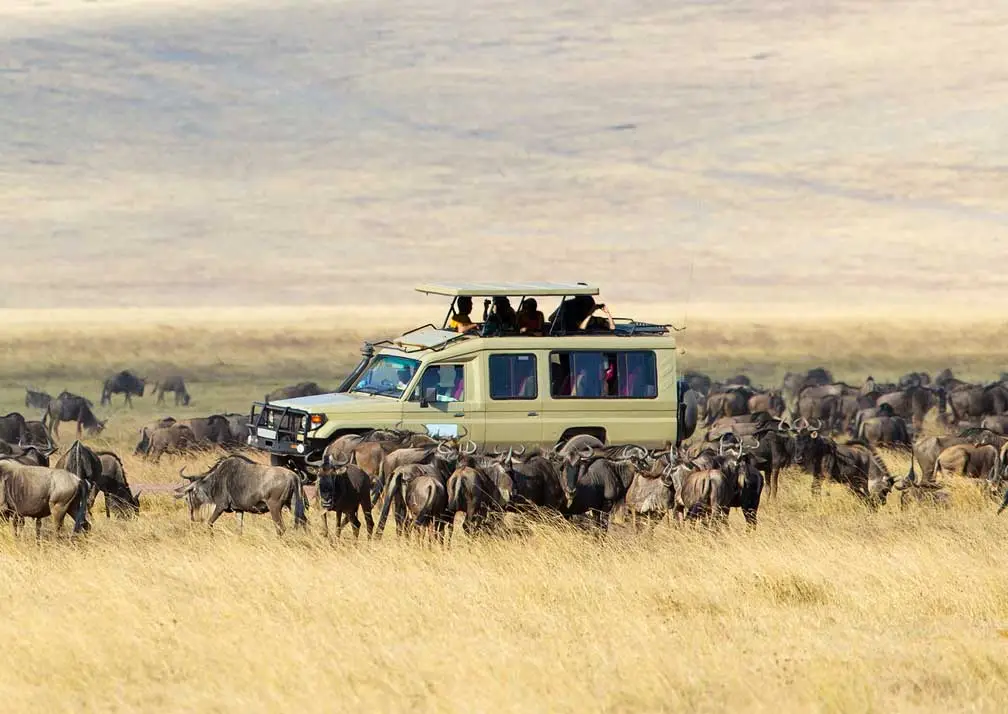
Great Migration Safaris
Experience one of nature's greatest spectacles with our Great Migration safari packages, timed for river crossings or calving.
View Package →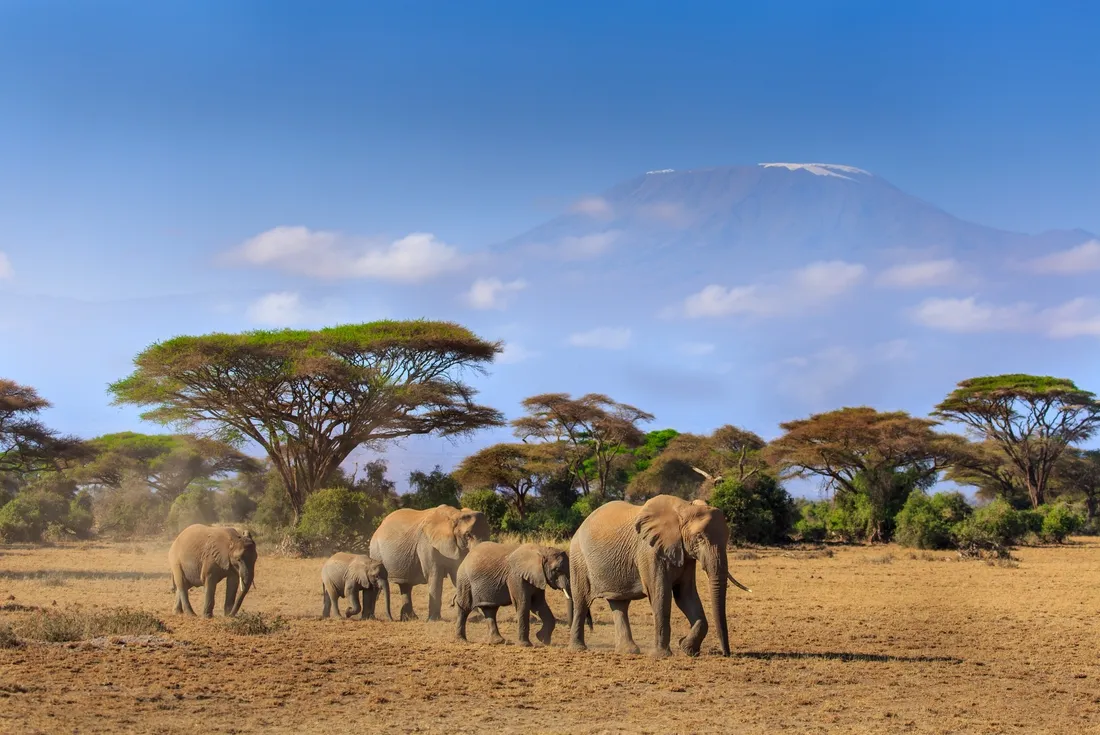
Serengeti & Kilimanjaro Trek
Combined safari and trekking tours offer wildlife adventures and Kilimanjaro climbs.
View Package →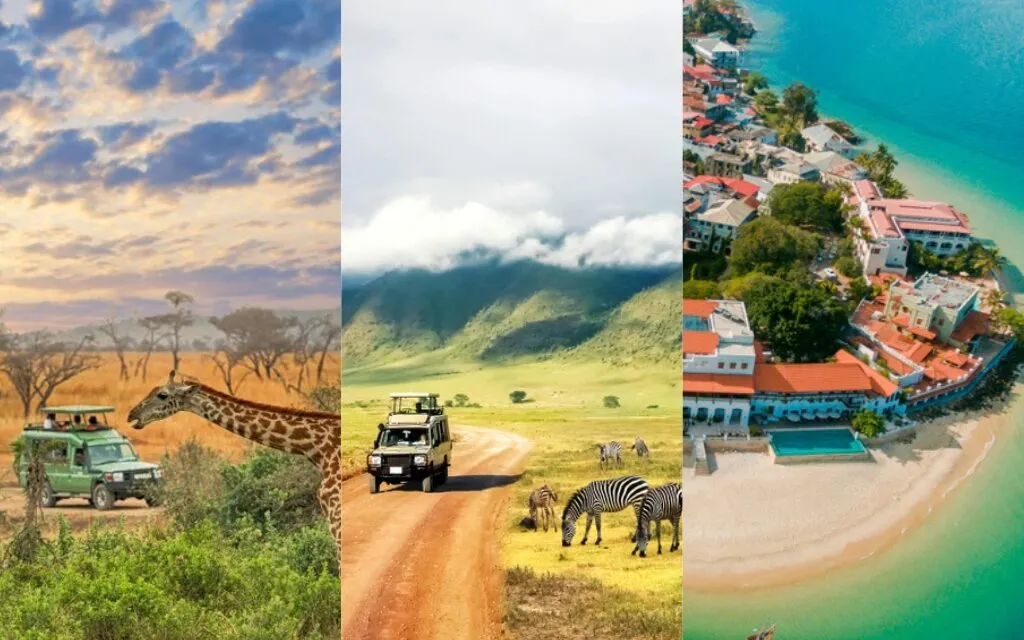
Serengeti & Zanzibar Tours
Luxury Tanzania safari & beach packages with the Great Migration and pristine beaches.
View Package →Related: Best Time to Visit Tanzania 2026 – Perfect safari extension after your Sudan adventure.