
Most Complete Suriname Travel Guide 2026-2027 – Everything You Need to Know Before Visiting
This Suriname travel guide provides everything you need to plan your journey to South America's smallest and most culturally diverse country. Suriname offers an extraordinary blend of pristine Amazon rainforest, Dutch colonial architecture, and vibrant multicultural society that create one of the continent's most unique travel experiences. Many travelers who want to travel to Suriname are surprised by the country's incredible cultural diversity and untouched natural beauty spanning Indigenous, Maroon, Javanese, Indian, Chinese and Creole communities living harmoniously. The nation covers 163,820 square kilometers of mostly pristine rainforest (94% forest cover), offering visitors authentic jungle lodges, turtle nesting beaches and the charming UNESCO-listed capital Paramaribo.
Start Reading the Full Guide ↓Quick Facts About Suriname
- Capital: Paramaribo.
- Currency: Suriname Dollar (SRD).
- Time Zone: Suriname Time (SRT, UTC-3).
- International Calling Code: +597.
- Driving Side: Left.
- Major Airport: Johan Adolf Pengel International Airport (PBM), 45 km from Paramaribo.
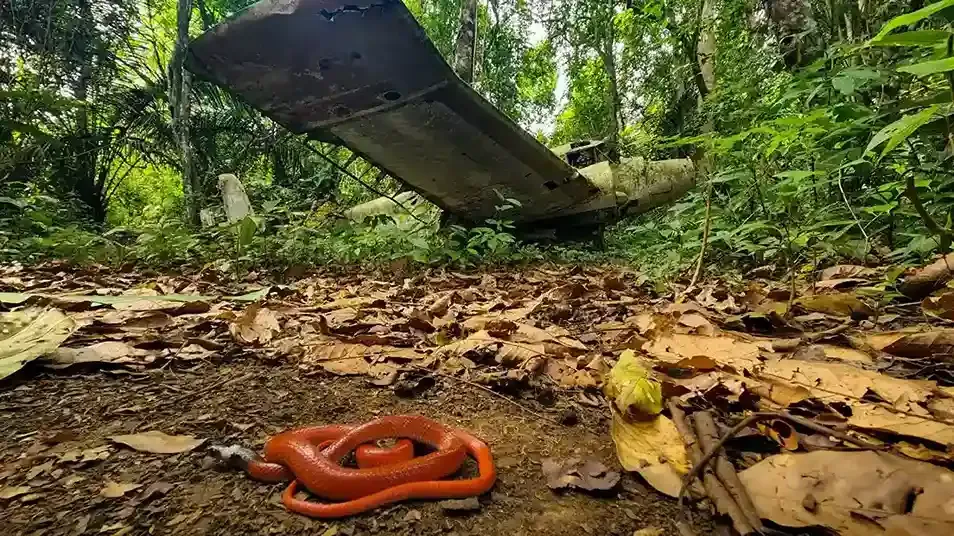
Suriname Overview & Key Facts
Brief History of Suriname
Suriname's history spans Indigenous peoples, Dutch colonization, plantation economy with enslaved Africans and later Asian indentured workers, leading to today's remarkable cultural mosaic. The Dutch established the colony in 1667, trading it with the British for New Amsterdam (New York). After abolition in 1863, workers arrived from India, Java and China, creating the most diverse society in South America.
Independence & National Identity
- Independence date: November 25, 1975.
- Former colonial power: Netherlands.
- National symbols & identity.
Suriname gained independence peacefully from the Netherlands in 1975. The national flag features five colored stars representing the major ethnic groups united in harmony. Suriname's National identity celebrates multiculturalism with holidays from all religious traditions and mutual respect among communities.
Government System & Current Leadership
- Type of government: Presidential Republic
- Current president: Chan Santokhi (since 2020)
- Notes on political stability
Suriname operates as a presidential republic with a multi-party system. President Chan Santokhi has led since 2020 with focus on economic reform and anti-corruption. The country enjoys political stability and peaceful democratic transitions.
Population, Ethnic Groups & Languages
- Population: 620,000 (2025 estimate).
- Major ethnic groups: Hindustani (27%), Creole (21%), Javanese (14%), Maroon (22%), Mixed (13%).
- Official language(s): Dutch.
- Additional languages commonly spoken.
Dutch is the official language, but Sranan Tongo (Creole) serves as lingua franca. English is widely spoken in tourism and business. Most locals are multilingual, speaking their heritage language plus Dutch and Sranan Tongo.
Main Religions & Cultural Identity
Suriname is religiously diverse: Christianity (48%), Hinduism (22%), Islam (14%), Indigenous beliefs and others. Mosque and synagogue sit side-by-side in Paramaribo, symbolizing religious harmony. This peaceful coexistence is a point of national pride.
Geography & Natural Landscape
94% of Suriname is covered by pristine tropical rainforest, one of the highest percentages globally. The narrow coastal plain contains most population and agriculture, while the interior features savanna, mountains and vast untouched Amazon ecosystem. The Central Suriname Nature Reserve (UNESCO) protects 1.6 million hectares of primary rainforest.
Economy & Tourism Highlights
Economy based on bauxite/alumina, gold, and oil. Tourism is growing rapidly with focus on eco-lodges, community-based tourism and cultural experiences. Government actively promotes sustainable rainforest tourism and turtle conservation projects.
What Suriname Is Known For
- Most culturally diverse country in South America
- UNESCO Paramaribo historic center with wooden architecture
- Pristine Amazon rainforest and turtle nesting beaches
Visa & Entry Requirements in Suriname
Most international visitors can enter Suriname easily with e-Visa, Tourist Card on arrival or visa-free access. The process is straightforward and tourist-friendly compared to many South American countries.
Do You Need a Visa?
EU, US, Canada, UK, Australia, New Zealand, Japan and many others receive 90-day visa-free entry or Tourist Card on arrival. Some nationalities need e-Visa (applied online). Always check current requirements.
Visa Application Options in Suriname
- Tourist Card on arrival ($40–50 USD at airport)
- e-Visa online (most nationalities)
- Visa-free for many countries
Tourist Card is the easiest option – purchased on arrival with cash USD. e-Visa processed within 72 hours. Extensions possible in Paramaribo.
Passport Validity & Entry Documents
Passport valid 6 months beyond entry with at least two blank pages. Return/onward ticket required. Yellow Fever certificate mandatory (even from Europe if transiting risk countries).
Customs Rules & Prohibited Items
Standard South American rules. Declare valuable electronics. No restrictions on reasonable amounts of alcohol/tobacco for personal use. Fresh fruits/meat restricted.
Safety & Security Information in Suriname
Suriname is considered one of the safest countries in South America with low violent crime rates and friendly population. Paramaribo is very safe for tourists.
Is Suriname Safe for Tourists?
Yes – consistently ranked among the safest destinations in South America. Petty theft occurs but violent crime against tourists is extremely rare. Locals are known for friendliness and helpfulness.
Recommended Safety Tips when in Suriname
Standard precautions: don't flash valuables, use hotel safes, take registered taxis at night. Jungle lodges are very safe with experienced guides. No significant terrorism or civil unrest risks.
Safe Areas vs. Areas to Avoid in Suriname
Paramaribo, Brownsberg, Galibi, interior lodges all very safe. Some remote mining areas have occasional issues but tourists never visit these independently.
Emergency Numbers & Tourist Police in Suriname
- Police: 115
- Fire Department: 110
- Medical Emergency: 113
- Tourist Assistance: English-speaking help available
Tourist police units operate in Paramaribo with English-speaking officers.
Health Requirements & Vaccinations in Suriname
Yellow Fever vaccination is mandatory for all visitors (even from Europe if transiting certain countries). Malaria prophylaxis recommended for interior stays.
Mandatory Vaccinations in Suriname
Yellow Fever certificate required at entry. Strictly enforced.
Recommended Vaccinations in Suriname
Hepatitis A, Typhoid, Hepatitis B, Rabies (if extended jungle stay), routine vaccines. Malaria prophylaxis (Malarone or Doxycycline) for interior travel.
Malaria & Other Risks
Malaria risk in interior (rainforest areas). No risk in Paramaribo. Use DEET repellent, long clothing at dusk, sleep under nets in jungle lodges.
Travel Insurance Recommendations in Suriname
Strongly recommended covering medical evacuation (expensive from interior). Most jungle lodges require proof of insurance.
Best Time to Visit in Suriname
Two dry seasons make travel comfortable year-round. Turtle nesting season (March–August) is particularly popular.
Weather by Season
Long dry season (August–November): sunny, low humidity. Short dry season (February–April): perfect conditions. Rainy seasons bring daily showers but rarely all-day rain.
When to Visit Suriname for Best Experiences
- Turtle watching: March–August (peak June–July)
- Jungle lodges: February–April & August–November
- Birding: year-round, best dry seasons
- Cultural festivals: throughout the year
February–April offers the most comfortable conditions overall.
High Season vs. Low Season Travel
High season: February–April and July–August (turtles). Low season: May–June and December–January offer excellent value and availability.
Weather & Climate Overview in Suriname
Tropical climate with high humidity year-round. Temperature stable at 27–32°C (81–90°F).
Temperature Ranges
Coastal areas 27–32°C year-round. Interior slightly cooler at night. Water temperature 28°C perfect for swimming.
Rainy & Dry Seasons in Suriname
Two dry and two wet seasons. Rain usually in short intense bursts followed by sunshine.
What to Wear Based on the Weather
Light breathable clothing, rain jacket, long sleeves/pants for jungle, good walking shoes, flip-flops, hat, high-DEET repellent.
Main Currency, Costs & Budgeting in Suriname
Suriname offers excellent value with affordable accommodation and food once you arrive.
Local Currency Information
Suriname Dollar (SRD). USD and EUR widely accepted in Paramaribo. ATMs plentiful.
Average Travel Costs in Suriname
Budget travelers: $60–100/day. Mid-range: $120–200/day. Jungle lodges & tours: $200–400/day.
Using ATMs, Cards & Mobile Money in Suriname
ATMs widely available in Paramaribo. Cards accepted in hotels/restaurants. Cash needed in interior.
Tipping Guidelines in Suriname
10% in restaurants if service not included. Jungle guides $10–20/day per person typical.
Transportation & Getting Around in Suriname
Limited public transport outside Paramaribo. Organized tours or private transport recommended for interior.
Airport Transfers
Airport 45 km from city. Private transfer or shared minibus available. Pre-book recommended.
Local Transport Options in Suriname
Paramaribo: inexpensive taxis and buses. Interior: organized tours, domestic flights (small planes) to jungle lodges, river boats.
Suriname Domestic Flights
Small charter flights to interior airstrips (included in most jungle lodge packages).
Car Rentals & Road Conditions in Suriname
Possible in Paramaribo but not recommended for interior (4WD required, difficult navigation).
Accommodation Options available in Suriname
From boutique heritage hotels in Paramaribo to authentic jungle lodges.
Types of Accommodations in Suriname
Paramaribo: boutique hotels in restored colonial buildings. Interior: eco-lodges (Anaula, Kabalebo, Palumeu) with full board and activities.
Budget vs. Mid-Range vs. Luxury
Budget guesthouses $40–70, mid-range hotels $80–150, jungle lodges $200–450/night (all-inclusive).
Best Areas to Stay in Suriname
Paramaribo historic center for culture, near airport for early flights, jungle lodges for nature immersion.
Essential Packing Guide when Visiting Suriname
Focus on lightweight, quick-dry clothing and strong insect protection.
Clothing Essentials
Light long pants/shirts for jungle, t-shirts, rain jacket, swimwear, hat, good walking shoes.
Footwear & Gear
Waterproof hiking shoes, flip-flops, headlamp, dry bag, binoculars, power bank.
Electronics & Cameras
Suriname uses 127/220V with European (C/F) and American (A/B) plugs – bring universal adapter.
Toiletries & Personal Items
High-DEET repellent, sunscreen, anti-malarials, personal medications, water purification tablets.
Language & Communication in Suriname
English widely spoken in tourism sector. Dutch official but not necessary for visitors.
Main Languages Spoken in Suriname
Dutch (official), Sranan Tongo (most common), English widely understood, plus heritage languages.
Useful Phrases for Tourists
“Fa waka” (How are you?), “Mi gut” (I'm good), “Tan bun” (Take care), “Fa yu tan?” (How are you?).
SIM Cards & Mobile Data used in Suriname
Digicel and Telesur SIMs available at airport. Good coverage in Paramaribo, limited in interior.
Internet Availability & Wi-Fi in Suriname
Good Wi-Fi in Paramaribo hotels/restaurants. Limited/satellite in jungle lodges (digital detox encouraged).
Culture & Etiquette in Suriname
Relaxed, friendly multicultural society. Respect for all cultures is key.
Surinamese Dress Code Expectations
Casual dress acceptable. Modest clothing when visiting Maroon or Indigenous villages (cover shoulders/knees).
Social Etiquette & Respectful Behavior of Suriname
Greetings important (“Fa waka?”). Remove shoes when entering homes. Ask permission before photographing people, especially in villages.
Photography Rules in Suriname
Always ask permission when photographing individuals, especially Maroon and Indigenous people (some request small payment).
Important Cultural Dos & Don’ts in Suriname
Do accept hospitality. Don’t take photos without permission. Do try local foods from different cultures. Don’t discuss politics unless invited.
Food, Water & Dining in Suriname
Extraordinary culinary diversity reflecting multicultural population.
Surinamese Local Dishes to Try
Roti, pom (Creole chicken dish), saoto soup (Javanese), bakabana (fried plantain), Javanese bami, Indian curries, Chinese char siu.
Dietary Options in Suriname
Excellent vegetarian options (Indian and Javanese cuisine). Halal and kosher available.
Drinking Water Safety
Tap water safe in Paramaribo. Bottled water recommended elsewhere.
Restaurant Etiquette
Casual dining culture. Tipping 10% appreciated but not always expected.
Top Attractions & Things to Do in Suriname
From UNESCO colonial city to pristine jungle and turtle beaches.
Major Tourist Attractions in Suriname
- Paramaribo UNESCO historic center
- Central Suriname Nature Reserve (UNESCO)
- Galibi turtle nesting beaches
- Maroon villages (Upper Suriname River)
Paramaribo features the largest wooden cathedral in the Caribbean and beautiful colonial architecture. Central Suriname Reserve protects vast rainforest with Raleighvallen and Voltzberg. Galibi offers leatherback turtle watching March–August.
Best Tours & Experiences in Suriname
Jungle lodge stays (3–5 days), Maroon village homestays, turtle watching tours, Paramaribo food tours, Brownsberg Nature Park day trips.
Family-Friendly Activities to do in Suriname
Jungle lodges with swimming pools, dolphin watching tours, Commewijne plantation tours, Paramaribo zoo and botanical gardens.
Unique Cultural or Historical Sites to visit in Suriname
Jodensavanne (17th-century Jewish settlement ruins), Maroon museums, Arya Dewaker Hindu temple, Keizerstraat Mosque and Neveh Shalom Synagogue (side by side).
Surinamese Electrical System Information
Suriname uses both 127V and 220V with mixture of plug types.
Plug Types & Voltage used in Suriname
127V and 220V, 60Hz. Plugs A, B (American), C, F (European). Bring universal adapter.
Charging Tips
Jungle lodges often have limited electricity hours (generator). Bring power banks.
Local Laws & Regulations of Suriname
Relaxed and tourist-friendly regulations.
Rules Travelers Need to Know when In Suriname
Yellow Fever certificate mandatory. No photography restrictions except asking permission for people.
Alcohol, Smoking & Substance Laws of Suriname
Alcohol widely available. Cannabis decriminalized for personal use (tolerated small amounts).
Restricted or Protected Areas in Suriname.
Some Indigenous territories require permission/guides. Nature reserves have regulations for environmental protection.
Final Travel Tips for Visitors in Suriname
Book jungle lodges early (especially for turtle season). Bring USD cash (widely accepted). Embrace the multicultural experience.
Common Mistakes to Avoid
Don't try to travel interior independently. Don't forget Yellow Fever certificate. Don't underestimate humidity – bring proper clothing.
Tips to Save Money when Visiting Suriname
Travel in small groups (jungle tours cheaper per person). Stay longer in one lodge for better rates. Eat local food (warungs are excellent and cheap).
Safety & Comfort Tips
Use mosquito nets and repellent religiously in interior. Stay hydrated. Book reputable operators for interior travel.
Frequently Asked Questions – Suriname Travel Guide 2026-2027
Our Tanzania Tours Products
While Suriname offers incredible Amazon jungle and cultural diversity, many travelers combine South America with the ultimate wildlife experience in East Africa. Capable Africa Tours specializes in secure, guided safaris that maximize safety and wonder. Our expert local guides, armed rangers in parks, and vetted accommodations ensure peace of mind. From family-friendly lodges to luxury camps, we handle logistics so you focus on the magic. Tanzania ranks high for tourist safety with dedicated wildlife protection units and stable northern circuits.
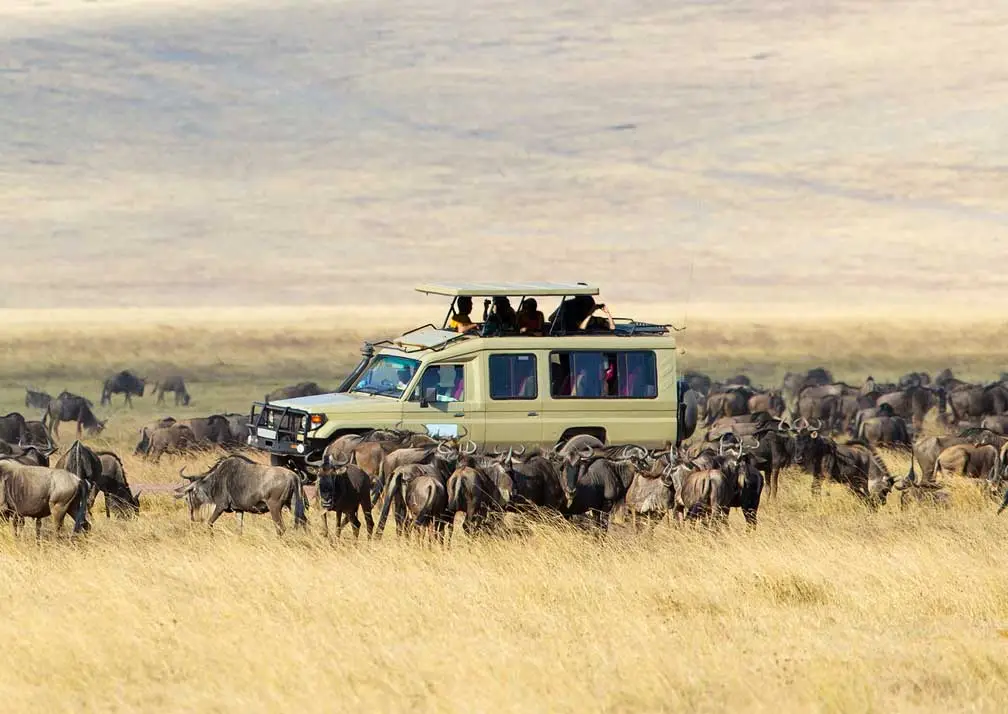
Great Migration Safaris
Experience one of nature's greatest spectacles with our Great Migration safari packages, timed for river crossings or calving.
View Package →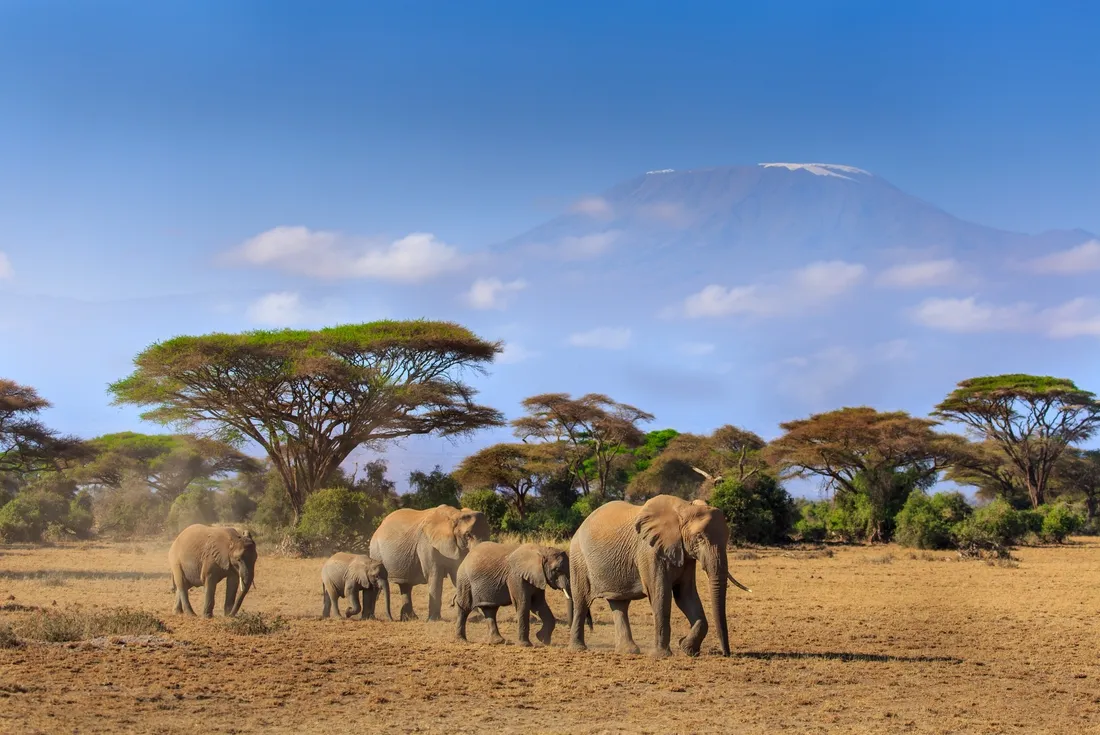
Serengeti & Kilimanjaro Trek
Combined safari and trekking tours offer wildlife adventures and Kilimanjaro climbs.
View Package →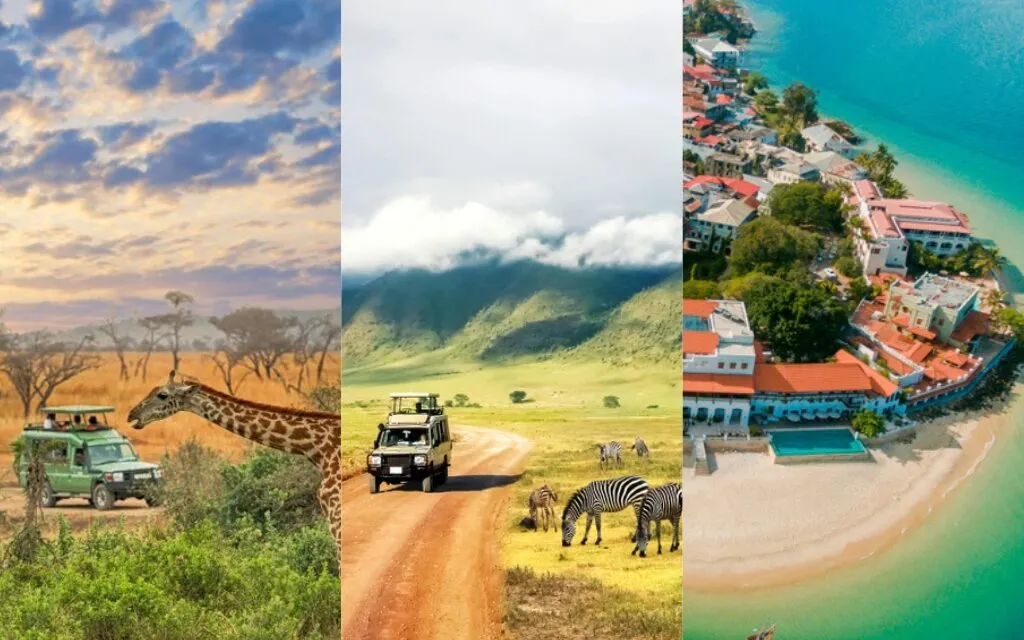
Serengeti & Zanzibar Tours
Luxury Tanzania safari & beach packages with the Great Migration and pristine beaches.
View Package →Related: Best Time to Visit Tanzania 2026 – Perfect safari extension after your Suriname adventure.