Most Complete Sweden Travel Guide 2026-2027 – Everything You Need to Know Before Visiting
This Sweden travel guide provides everything you need to plan your journey to Scandinavia’s largest and most progressive country. Sweden offers an extraordinary blend of cutting-edge design cities, vast wilderness, thousands of islands, and the magical northern lights that create one of Europe’s most diverse travel experiences. Many travelers who want to travel to Sweden are surprised by the country's incredible natural beauty and rich cultural heritage spanning Viking history, royal palaces, and modern innovation. The nation covers over 450,000 square kilometers, making it the fifth-largest country in Europe, offering visitors everything from Stockholm’s 14-island archipelago to pristine Arctic landscapes and vibrant Sami culture.
Start Reading the Full Guide ↓Quick Facts About Sweden
- Capital: Stockholm.
- Currency: Swedish Krona (SEK).
- Time Zone: Central European Time (CET, UTC+1).
- International Calling Code: +46.
- Driving Side: Right.
- Major Airports: Stockholm Arlanda (ARN), Göteborg Landvetter (GOT), Malmö (MMX).
Sweden Overview & Key Facts
Brief History of Sweden
Sweden's history spans from Viking Age explorations through centuries as a major European power to its current role as a neutral, progressive welfare state. The Vikings established trade routes across Europe, while the Kalmar Union united Scandinavia in the 14th century. Sweden emerged as a great power in the 17th century before adopting neutrality in 1814. This rich historical tapestry creates a fascinating backdrop for modern travelers exploring royal palaces, medieval towns, and innovative design heritage.
Independence & National Identity
- Independence date: June 6, 1523 (from Kalmar Union).
- Former status: Part of various Nordic unions.
- National symbols & identity.
Sweden celebrates National Day on June 6, marking Gustav Vasa’s election as king and the end of the Kalmar Union. Sweden’s identity centers on equality, sustainability, and innovation. The blue and yellow flag represents the country’s natural beauty – blue for the thousands of lakes and yellow for vast rapeseed fields.
Government System & Current Leadership
- Type of government: Constitutional Monarchy with Parliamentary Democracy
- Current monarch: King Carl XVI Gustaf
- Current prime minister: Ulf Kristersson (Moderate Party)
Sweden operates as a constitutional monarchy with the king as ceremonial head of state. The parliament (Riksdag) holds legislative power. The country has enjoyed long-term political stability and consistently ranks among the world’s most democratic nations.
Population, Ethnic Groups & Languages
- Population: 10.6 million (2025 projection).
- Major ethnic groups: Swedes (81%), other European (9%), Middle Eastern & African (10%).
- Official language(s): Swedish.
- Additional languages commonly spoken.
English is spoken fluently by nearly 90% of the population. Five minority languages have official status: Sami, Finnish, Meänkieli, Yiddish, and Romani. Immigrant communities maintain Arabic, Somali, Kurdish, and other languages in urban areas.
Main Religions & Cultural Identity
Sweden is one of the world’s most secular countries, with only about 5% attending church regularly. The Church of Sweden (Lutheran) was state church until 2000. Freedom of religion is constitutionally protected, and the country embraces progressive values including strong LGBTQ+ rights and gender equality.
Geography & Natural Landscape
Sweden features three main regions: Götaland (south), Svealand (central), and Norrland (north covering 60% of territory). The country has over 270,000 islands, vast boreal forests, and Europe’s last wilderness. Lapland extends into the Arctic Circle, while southern Sweden enjoys milder climate and fertile farmland.
Economy & Tourism Highlights
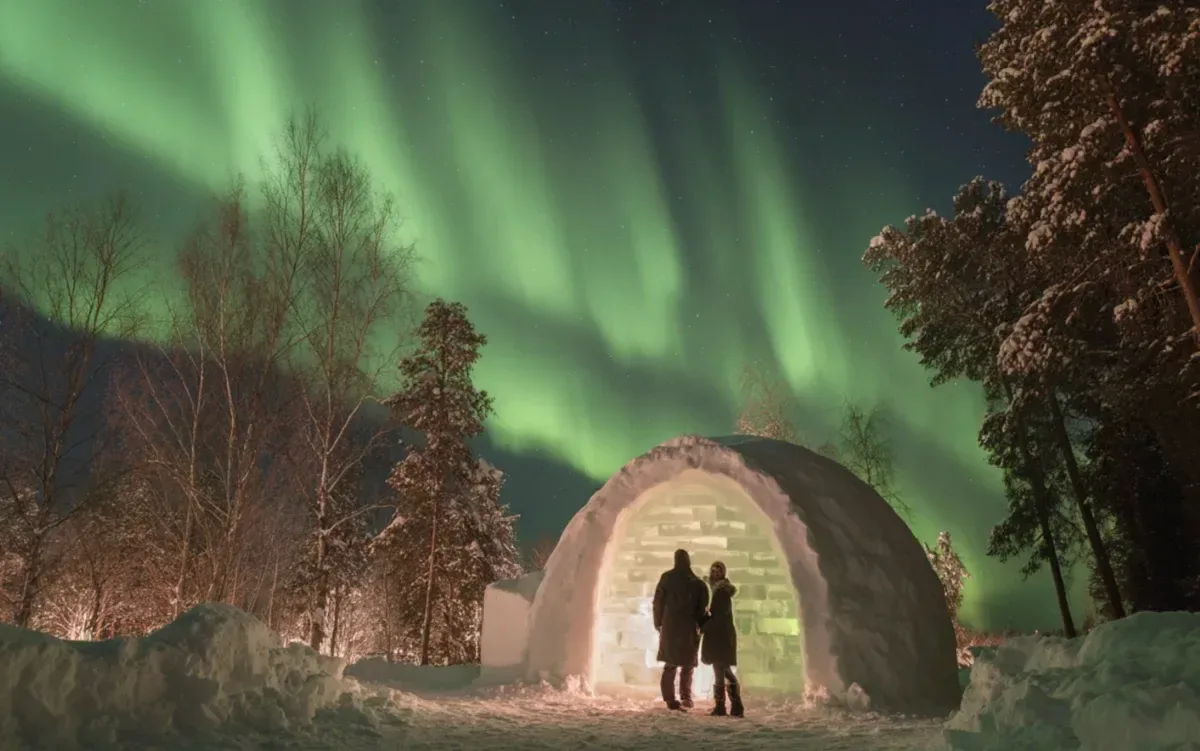
Sweden has a highly developed mixed economy with world-leading companies like IKEA, Volvo, Spotify, and H&M. Tourism contributes significantly with over 65 million overnight stays annually. Popular attractions include Stockholm’s archipelago, Icehotel, northern lights viewing, and the right of public access (Allemansrätten) allowing free roaming in nature.
What Sweden Is Known For
- Fika culture and cinnamon buns
- Northern Lights in Swedish Lapland
- Stockholm spread across 14 islands
- Innovation, design, and sustainability leadership
Visa & Entry Requirements in Sweden
Sweden is part of the Schengen Area. Most international visitors can enter visa-free for up to 90 days within any 180-day period. From mid-2026, ETIAS (European Travel Information and Authorisation System) pre-authorisation will be required for visa-exempt travellers.
Do You Need a Visa?
Citizens of the EU/EEA, US, Canada, UK, Australia, New Zealand, Japan, South Korea and many others enjoy visa-free entry for tourism/business up to 90 days. Passport must be valid for at least 3 months beyond intended departure from Schengen area.
Visa Application Options in Sweden
- Visa-free entry (most common for tourism)
- Schengen visa (for nationalities requiring it)
- ETIAS pre-authorisation (required from mid-2026)
ETIAS costs €7 and is valid for 3 years or until passport expires. Application is online and approval usually within minutes.
Passport Validity & Entry Documents
Passport must be valid 3 months beyond intended departure from Schengen and issued within last 10 years. You may be asked to show proof of accommodation, return ticket, and sufficient funds (€50/day recommended).
Customs Rules & Prohibited Items
Standard EU customs rules apply. Alcohol and tobacco limits for non-EU arrivals: 1L spirits or 4L wine, 200 cigarettes. Cash over €10,000 must be declared. Food restrictions apply for non-EU products.
Safety & Security Information in Sweden
Sweden remains one of the safest countries globally with very low violent crime rates. Most government advisories rate the entire country Level 1 (exercise normal precautions).
Is Sweden Safe for Tourists?
Yes – extremely safe. Violent crime against tourists is rare. The main concern is pickpocketing in crowded tourist areas of Stockholm, Gothenburg, and Malmö.
Recommended Safety Tips when in Sweden
Use common sense in crowded areas, avoid leaving bags unattended, and use hotel safes. Public transport is very safe, including late-night services. Emergency services respond quickly and speak English.
Safe Areas vs. Areas to Avoid in Sweden
All tourist areas are safe. Some suburban areas of major cities have higher crime statistics but are not tourist destinations. Central Stockholm, Gothenburg, and all of Lapland are very safe.
Emergency Numbers & Tourist Police in Sweden
- Emergency: 112 (Europe-wide)
- Police non-emergency: 114 14
- Tourist information widely available in English
112 works from any phone, even without SIM. Operators speak English.
Health Requirements & Vaccinations in Sweden
No vaccination certificates required. Sweden has excellent healthcare standards with modern hospitals in all cities.
Mandatory Vaccinations in Sweden
None required.
Recommended Vaccinations in Sweden
Routine vaccines only. Tick-borne encephalitis (TBE) vaccine recommended if extensive hiking in summer, especially in Stockholm archipelago and central Sweden.
Malaria & Other Risks
No malaria risk. Main summer concern is ticks in forested areas. Mosquitoes can be numerous in Lapland summer but do not carry diseases.
Travel Insurance Recommendations in Sweden
Highly recommended. EU/EEA citizens should bring European Health Insurance Card (EHIC/GHIC). Private insurance covers repatriation and activities like skiing.
Best Time to Visit in Sweden
Sweden has distinct seasons offering different experiences. Summer for midnight sun and festivals, winter for northern lights and Christmas markets.
Weather by Season
Summer (Jun–Aug): 15–25°C, up to 22 hours daylight. Winter (Dec–Feb): -5 to +3°C in south, -15 to -30°C in Lapland. Spring and autumn are mild with beautiful colours.
When to Visit Sweden for Best Experiences
- Northern lights: September–March (best Dec–Feb)
- Midnight sun: June–July above Arctic Circle
- Hiking and archipelago: June–August
- Christmas markets: December
Shoulder seasons (May, September) offer fewer crowds and good weather.
High Season vs. Low Season Travel
High season: June–August and December–February (Lapland). Prices highest, especially accommodation. Low season: March–May and September–November offer best value.
Weather & Climate Overview in Sweden
Sweden spans several climate zones from temperate in south to subarctic in north. Gulf Stream keeps winters milder than similar latitudes.
Temperature Ranges
Southern Sweden: -3 to +2°C winter, 15–25°C summer. Lapland: -15 to -30°C winter, 10–20°C summer. Coastal areas milder than inland.
Rainy & Dry Seasons in Sweden
Rain possible year-round. West coast wettest, east coast and Lapland drier. Snow reliable November–April in north, sporadic in south.
What to Wear Based on the Weather
Layers are essential. Quality waterproof jacket, warm mid-layers, good walking shoes. Winter in Lapland requires proper Arctic clothing (available for rent). Swedes dress functionally and stylishly.
Main Currency, Costs & Budgeting in Sweden
Sweden is cashless – cards accepted virtually everywhere. Prices are high but quality matches cost.
Local Currency Information
Swedish Krona (SEK). 1 SEK ≈ 0.095 USD (2025 rate). Contactless payment standard.
Average Travel Costs in Sweden
Budget: $90–140/day (hostels, supermarkets, public transport). Mid-range: $180–300/day (hotels, restaurants). Luxury: $400+/day.
Using ATMs, Cards & Mobile Money in Sweden
ATMs widely available but rarely needed. All major cards accepted. Apple Pay/Google Pay universal. Some places refuse cash entirely.
Tipping Guidelines in Sweden
Service included. Rounding up or 10% for exceptional service appreciated but not expected.
Transportation & Getting Around in Sweden
Excellent public transport network. Trains are comfortable and scenic.
Airport Transfers
Arlanda Express train Stockholm airport–city center 18 minutes. Flygbussarna coaches nationwide. Taxis reliable but expensive.
Local Transport Options in Sweden
Extensive metro (Stockholm), trams (Gothenburg), excellent buses. SL app for Stockholm, Västtrafik To Go for Gothenburg. Single tickets expensive; buy travel cards.
Sweden Domestic Flights
SAS and Norwegian connect major cities. Often cheaper than trains for long distances. 20+ airports with domestic routes.
Car Rentals & Road Conditions in Sweden
Excellent roads. Winter tyres mandatory Dec–Mar. Moose and reindeer common in north – drive carefully. Right-hand traffic.
Accommodation Options available in Sweden
Wide range from hostels to design hotels and unique stays like Icehotel.
Types of Accommodations in Sweden
Hotels, hostels, Airbnb, cabins (stuga), unique stays (tree hotels, lighthouses, Icehotel). Right of public access allows free camping with restrictions.
Budget vs. Mid-Range vs. Luxury
Hostels $30–60, mid-range hotels $120–250, luxury $300+. Breakfast often included.
Best Areas to Stay in Sweden
Stockholm: Södermalm (trendy), Norrmalm (central), Gamla Stan (historic). Gothenburg: Linné/Haga. Kiruna for northern lights.
Essential Packing Guide when Visiting Sweden
Pack for variable weather and outdoor lifestyle.
Clothing Essentials
Layers, waterproof jacket, comfortable walking shoes, warm hat/gloves (even summer in north). Swedes dress casually but neatly.
Footwear & Gear
Good walking shoes essential. Winter boots for Lapland. Power bank useful for long summer days/northern lights photography.
Electronics & Cameras
Type C/F plugs, 230V. Excellent 4G/5G coverage nationwide.
Toiletries & Personal Items
All available but expensive. Bring prescription medications.
Language & Communication in Sweden
English proficiency among highest globally.
Main Languages Spoken in Sweden
Swedish official, but 89% speak English fluently. Tourist areas function entirely in English.
Useful Phrases for Tourists
Hej (hi), Tack (thank you), Ursäkta (excuse me), Engelska? (English?). Not necessary – English works everywhere.
SIM Cards & Mobile Data used in Sweden
Excellent coverage. EU roaming free for Europeans. Tourist SIMs available at airports/pressbyrå stores.
Internet Availability & Wi-Fi in Sweden
Free Wi-Fi almost everywhere – cafes, trains, libraries, public spaces.
Culture & Etiquette in Sweden
Swedes value equality, personal space, and environmental consciousness.
Swedish Dress Code Expectations
Casual but neat. Jeans and nice top acceptable almost everywhere. No beachwear in cities.
Social Etiquette & Respectful Behavior of Sweden
Punctuality important. Queue properly. Fika (coffee break) is social institution. Personal space respected.
Photography Rules in Sweden
Generally allowed. Ask permission for close-ups of people.
Important Cultural Dos & Don’ts in Sweden
Do recycle, remove shoes indoors, respect nature. Don’t jump queues, smoke in non-smoking areas, or assume everyone wants small talk.
Food, Water & Dining in Sweden
Modern Nordic cuisine world-famous. Traditional dishes hearty and seasonal.
Swedish Local Dishes to Try
Meatballs with lingonberry, gravlax, cinnamon buns (kanelbulle), crayfish parties (August), pickled herring, open sandwiches.
Dietary Options in Sweden
Excellent vegetarian/vegan options. Gluten-free widely available. Halal/kosher limited outside major cities.
Drinking Water Safety
Tap water among world’s best – safe and delicious everywhere.
Restaurant Etiquette
Service included. Table sharing common in casual places. Lunch specials (dagens rätt) excellent value.
Top Attractions & Things to Do in Sweden
Sweden offers incredible diversity from urban design to Arctic wilderness.
Major Tourist Attractions in Sweden
- Stockholm’s Gamla Stan and 14-island archipelago
- Icehotel in Jukkasjärvi
- Northern Lights in Abisko National Park
- Vasa Museum (world’s best-preserved 17th-century ship)
Other highlights include Göteborg’s Liseberg, Drottningholm Palace, Visby medieval town (UNESCO), and Sami cultural experiences.
Best Tours & Experiences in Sweden
Northern lights tours, Stockholm archipelago kayaking, Icehotel stays, dog sledding, fika walking tours, Sami reindeer experiences.
Family-Friendly Activities to do in Sweden
Skansen open-air museum, Junibacken (Astrid Lindgren), Gröna Lund, moose safaris, Tomteland Christmas park.
Unique Cultural or Historical Sites to visit in Sweden
Vasa Museum, Royal Palace, Turning Torso, Kiruna Church, Sami Parliament, Ales Stenar stone ship.
Swedish Electrical System Information
Standard European system.
Plug Types & Voltage used in Sweden
Type C and F plugs, 230V, 50Hz. Same as most of Europe.
Charging Tips
Universal adapters work. USB charging points common on trains/buses.
Local Laws & Regulations of Sweden
Progressive but strict on certain issues.
Rules Travelers Need to Know when In Sweden
Alcohol sales restricted (Systembolaget monopoly). Smoking banned in restaurants/outdoor seating. Jaywalking fined in some areas.
Alcohol, Smoking & Substance Laws of Sweden
Drinking age 18 (bars), 20 (Systembolaget). Cannabis illegal. Public intoxication frowned upon but rarely punished.
Restricted or Protected Areas in Sweden.
Right of public access generous but “no trespassing” signs must be respected. Military areas clearly marked.
Final Travel Tips for Visitors in Sweden
Embrace Swedish culture and nature for an unforgettable experience.
Common Mistakes to Avoid
Don’t expect shops open on Sundays outside cities. Don’t underestimate distances in north. Don’t bring cash – cards rule.
Tips to Save Money when Visiting Sweden
Buy Stockholm/region passes, eat dagens lunch, stay in hostels/Airbnb, travel by train with early booking, visit free attractions.
Safety & Comfort Tips
Take advantage of excellent public transport, embrace fika culture, explore nature with confidence, download useful apps (SL, SJ, Visit Sweden).
Frequently Asked Questions – Sweden Travel Guide 2026-2027
Our Tanzania Tours Products
While Sweden offers incredible northern lights, design cities and archipelago adventures, many travelers combine Scandinavia with the ultimate wildlife experience in East Africa. Capable Africa Tours specializes in secure, guided safaris that maximize safety and wonder. Our expert local guides, armed rangers in parks, and vetted accommodations ensure peace of mind. From family-friendly lodges to luxury camps, we handle logistics so you focus on the magic. Tanzania ranks high for tourist safety with dedicated wildlife protection units and stable northern circuits.
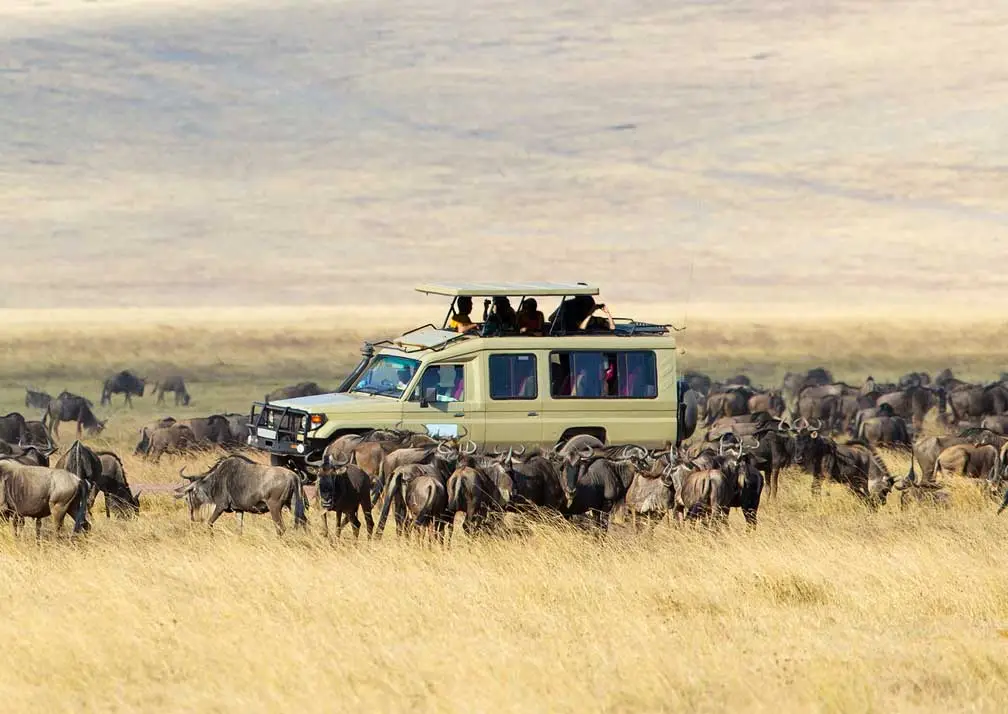
Great Migration Safaris
Experience one of nature's greatest spectacles with our Great Migration safari packages, timed for river crossings or calving.
View Package →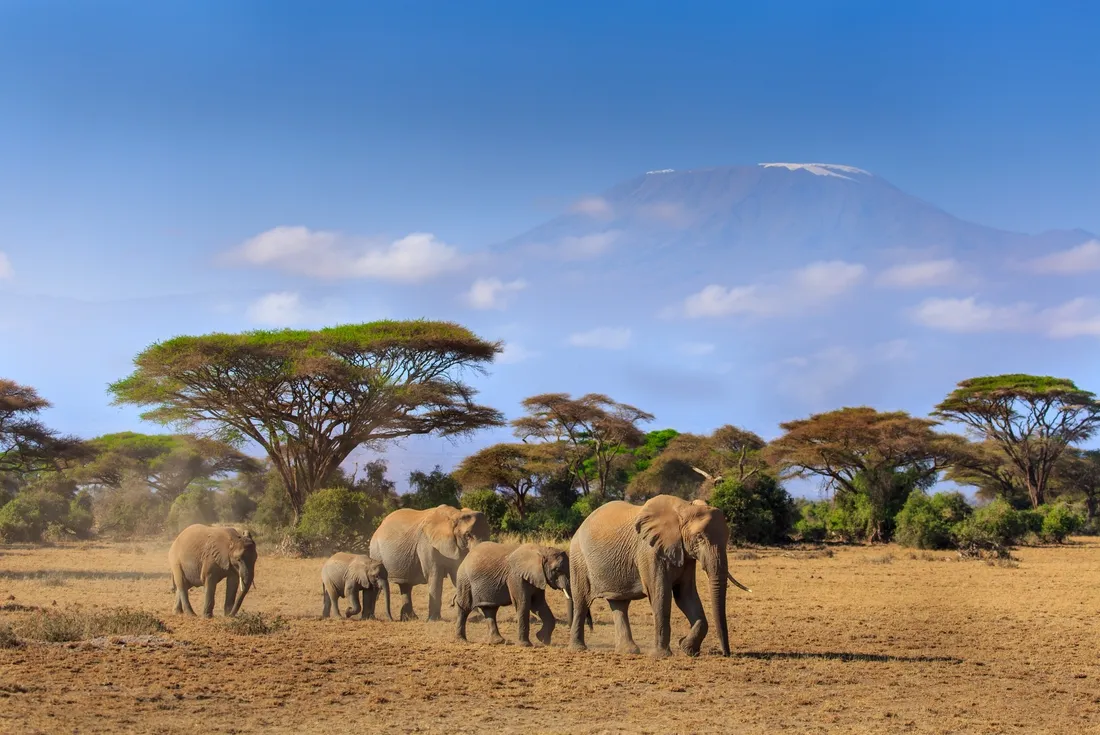
Serengeti & Kilimanjaro Trek
Combined safari and trekking tours offer wildlife adventures and Kilimanjaro climbs.
View Package →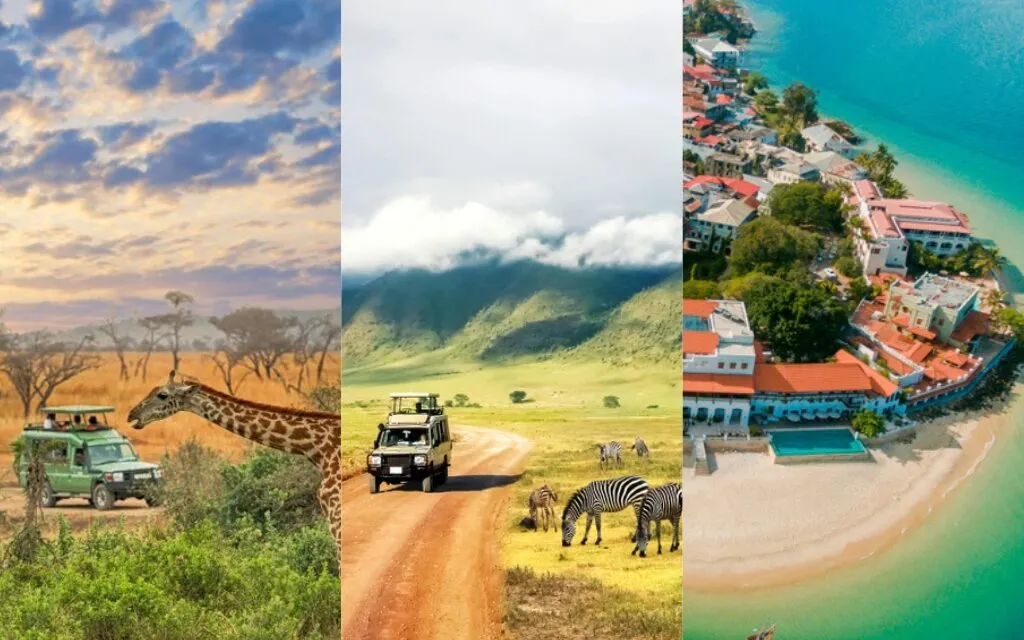
Serengeti & Zanzibar Tours
Luxury Tanzania safari & beach packages with the Great Migration and pristine beaches.
View Package →Related: Best Time to Visit Tanzania 2026 – Perfect safari extension after your Sweden adventure.