Most Complete Switzerland Travel Guide 2026-2027 – Everything You Need to Know Before Visiting
This Switzerland travel guide provides everything you need to plan your journey to one of Europe’s most breathtaking countries. Switzerland offers an extraordinary blend of dramatic Alpine scenery, pristine lakes, medieval towns and cutting-edge cities that create one of the continent’s most diverse travel experiences. Many travelers who want to visit Switzerland are mesmerised by the country’s incredible natural beauty and legendary precision, covering just 41,285 square kilometres yet delivering world-class skiing, hiking, chocolate, watches and four official languages.
Start Reading the Full Guide ↓Quick Facts About Switzerland
- Capital: Bern.
- Currency: Swiss Franc (CHF).
- Time Zone: Central European Time (CET, UTC+1).
- International Calling Code: +41.
- Driving Side: Right.
- Major Airports: Zurich (ZRH), Geneva (GVA), Basel (BSL).
Switzerland Overview & Key Facts
Brief History of Switzerland
Switzerland’s history spans from Celtic tribes and Roman occupation to becoming a confederation of cantons in 1291. The legendary William Tell symbolises resistance to foreign rule. Neutrality was formalised in 1815 at the Congress of Vienna and has been upheld ever since, even through both World Wars. This long tradition of independence and neutrality shapes modern Switzerland’s identity and global reputation.
Independence & National Identity
- Founding date: August 1, 1291 (Swiss Confederation).
- Recognised independence: 1648 (Treaty of Westphalia).
- National symbols & identity.
The Swiss flag features a white cross on red background, symbolising Christianity and the blood of martyrs. National Day on 1 August celebrates the 1291 Federal Charter with fireworks and bonfires. Swiss identity centres on direct democracy, federalism, neutrality and pride in quality craftsmanship.
Government System & Current Leadership
- Type of government: Federal semi-direct democracy
- Current president: rotates annually (2026 president to be elected Dec 2025)
- Notes on political stability
Switzerland has the world’s most decentralised democracy with seven-member Federal Council and rotating presidency. Citizens vote several times a year on national referendums. The country enjoys exceptional political stability and consistently ranks among the least corrupt nations globally.
Population, Ethnic Groups & Languages
- Population: 9.1 million (2025 projection).
- Major ethnic groups: Swiss-German (63%), Swiss-French (23%), Swiss-Italian (8%).
- Official language(s): German, French, Italian, Romansh.
- Additional languages commonly spoken.
English is widely spoken especially in business and tourism. About 60% of the population speaks more than one national language. The linguistic regions are clearly defined: German-speaking in the centre and east, French-speaking west (Romandie), Italian-speaking Ticino, Romansh in parts of Graubünden.
Main Religions & Cultural Identity
Roughly 65% Christian (split almost evenly Catholic/Protestant), 25% no religious affiliation, 5–6% Muslim. Religion plays a minor role in daily life but traditions like church bells and Christmas markets remain strong. Swiss culture values punctuality, privacy, quality and environmental protection.
Geography & Natural Landscape
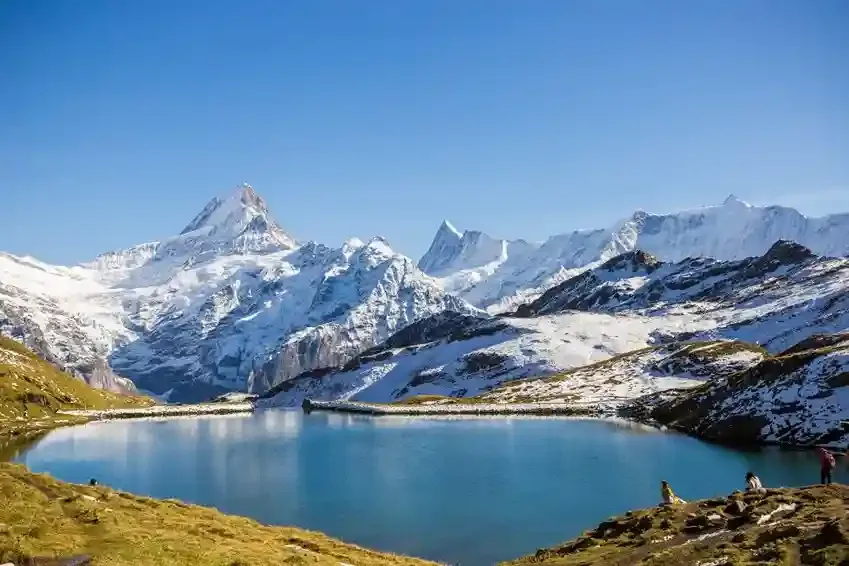
Switzerland features three distinct geographical zones: the Alps (60% of territory), the Central Plateau, and the Jura mountains. Over 200 peaks exceed 3,000 m, including the Matterhorn and Jungfrau. The country has more than 1,500 lakes with Geneva, Lucerne and Zurich among the most famous. Glaciers cover about 1,000 km².
Economy & Tourism Highlights
Switzerland has one of the world’s wealthiest and most stable economies driven by banking, pharmaceuticals, precision machinery, watches and tourism. It attracts over 12 million visitors annually drawn to Alpine scenery, luxury experiences and year-round outdoor activities.
What Switzerland Is Known For
- Iconic Alps and mountain railways (Jungfraujoch, Gornergrat)
- Luxury watches (Rolex, Patek Philippe) and Swiss chocolate
- Neutrality, direct democracy and international organisations (UN, Red Cross, WHO in Geneva)
Visa & Entry Requirements in Switzerland
Switzerland is part of the Schengen Area. Visa policy follows Schengen rules – 90 days visa-free for many nationalities within any 180-day period. EU/EFTA citizens have freedom of movement.
Do You Need a Visa?
EU/EFTA: no visa. US, Canada, UK (post-Brexit), Australia, NZ, Japan, South Korea: 90 days visa-free. Most African, Asian and some South American nationalities require Schengen visa in advance.
Visa Application Options in Switzerland
- Schengen tourist visa through Swiss embassy/consulate or representing country
- ETIAS (from mid-2026) required for visa-exempt travellers
Passport Validity & Entry Documents
Passport valid 3 months beyond intended stay, issued within last 10 years, with 2 blank pages. Proof of accommodation, return ticket and sufficient funds may be requested.
Customs Rules & Prohibited Items
Standard EU/Schengen rules. Duty-free allowance: 1L spirits, 4L wine, 16L beer, CHF 300 value goods. Cash over €10,000 must be declared.
Safety & Security Information in Switzerland
Switzerland is one of the safest countries in the world with very low crime rates and excellent emergency services.
Is Switzerland Safe for Tourists?
Extremely safe – consistently ranked top 5 safest countries globally. Violent crime is rare; petty theft in tourist areas is the main concern.
Recommended Safety Tips when in Switzerland
Normal precautions in crowded tourist spots. Secure valuables in hostels/hotels. Follow avalanche warnings and marked trail signs in mountains.
Safe Areas vs. Areas to Avoid in Switzerland
All tourist areas are safe. No significant “no-go” zones exist.
Emergency Numbers & Tourist Police in Switzerland
- Police: 117
- Fire: 118
- Medical Emergency: 144
- REGA Air Rescue: 1414
Health Requirements & Vaccinations in Switzerland
No mandatory vaccinations. High-standard healthcare system.
Mandatory Vaccinations in Switzerland
None for direct arrivals.
Recommended Vaccinations in Switzerland
Routine vaccines. Tick-borne encephalitis if hiking in forests May–October.
Malaria & Other Risks
No malaria. Main risks: altitude sickness above 2,500 m, sunburn, dehydration, accidents in mountains.
Travel Insurance Recommendations in Switzerland
Strongly recommended – medical treatment and mountain rescue are extremely expensive (helicopter rescue can exceed CHF 10,000).
Best Time to Visit in Switzerland
Switzerland is a year-round destination with distinct high seasons for summer outdoor activities and winter sports.
Weather by Season
Summer (Jun–Sep): 20–30°C, perfect for hiking. Winter (Dec–Mar): snow guaranteed in mountains, mild in cities. Spring & autumn: fewer crowds, vibrant colours.
When to Visit Switzerland for Best Experiences
- Skiing: December–April
- Hiking & lakes: June–September
- Christmas markets: December
- Shoulder seasons: April–May & October
High Season vs. Low Season Travel
High season: July–August & December–February (peak prices). Shoulder seasons offer best value and pleasant weather.
Weather & Climate Overview in Switzerland
Four distinct seasons with significant variation by altitude. Alpine climate above 1,500 m, temperate on the plateau.
Temperature Ranges
Zurich: –1 to 25°C. Zermatt 3,000 m: –15 to 15°C. Mediterranean-like climate in Ticino.
Rainy & Dry Seasons in Switzerland
Rain possible year-round; July–August driest in mountains, May–June wettest.
What to Wear Based on the Weather
Layering is essential. Quality waterproof jacket, sturdy hiking boots, warm layers even in summer for mountains.
Main Currency, Costs & Budgeting in Switzerland
Switzerland uses Swiss Franc (CHF). One of the world’s most expensive destinations but exceptional quality.
Local Currency Information
Swiss Franc (CHF). Euro accepted in many tourist places but change given in CHF at poor rates.
Average Travel Costs in Switzerland
Budget: CHF 120–180/day; mid-range CHF 250–400/day; luxury CHF 600+/day.
Using ATMs, Cards & Mobile Money in Switzerland
Cards accepted almost everywhere (even mountain huts). Contactless standard. ATMs plentiful.
Tipping Guidelines in Switzerland
Service included. Rounding up or 5–10% for exceptional service appreciated but not expected.
Transportation & Getting Around in Switzerland
World’s best public transport system – punctual, clean, extensive.
Airport Transfers
Excellent train connections from Zurich, Geneva, Basel airports to city centres.
Local Transport Options in Switzerland
Swiss Travel Pass covers trains, buses, boats, city transport and many cable cars/mountain railways.
Switzerland Domestic Flights
Rarely needed – train faster and more scenic.
Car Rentals & Road Conditions in Switzerland
Excellent roads. Vignette (CHF 40) required for motorways. Mountain passes may close in winter.
Accommodation Options available in Switzerland
From hostels to 5-star palaces and unique mountain huts.
Types of Accommodations in Switzerland
Hotels, Airbnb, hostels, mountain huts, camping, boutique B&Bs.
Budget vs. Mid-Range vs. Luxury
Hostel dorm: CHF 40–70; 3-star hotel: CHF 150–250; 5-star: CHF 500+.
Best Areas to Stay in Switzerland
Zurich, Lucerne, Interlaken, Zermatt, Geneva, Bern, Basel, Lugano.
Essential Packing Guide when Visiting Switzerland
Layering and quality outdoor gear essential.
Clothing Essentials
Waterproof jacket, fleece, hiking pants, sturdy boots, sunglasses, hat, gloves (even summer for mountains).
Footwear & Gear
Good hiking boots essential. Microspikes useful in shoulder seasons.
Electronics & Cameras
Type J plugs (three-pin). Universal adapter recommended.
Toiletries & Personal Items
Sunscreen (high UV at altitude), lip balm, reusable water bottle (tap water excellent).
Language & Communication in Switzerland
Four national languages plus excellent English in tourism.
Main Languages Spoken in Switzerland
German (Swiss-German dialect), French, Italian, Romansh. English widely spoken.
Useful Phrases for Tourists
Grüezi (hello Swiss-German), Merci vilmal (thank you), Entschuldigung (excuse me).
SIM Cards & Mobile Data used in Switzerland
Salt, Swisscom, Sunrise – excellent coverage even in mountains.
Internet Availability & Wi-Fi in Switzerland
Free Wi-Fi almost everywhere including trains.
Culture & Etiquette in Switzerland
Reserved, punctual, clean, environmentally conscious.
Swiss Dress Code Expectations
Neat and functional. No beachwear in cities.
Social Etiquette & Respectful Behavior of Switzerland
Punctuality crucial. Quiet after 22:00. Recycle everything. Greet shopkeepers.
Photography Rules in Switzerland
Generally allowed. Ask permission for people close-up.
Important Cultural Dos & Don’ts in Switzerland
Do: be on time, recycle, remove shoes indoors. Don’t: litter (huge fines), be loud, jaywalk.
Food, Water & Dining in Switzerland
High-quality, hearty mountain food and refined city dining.
Swiss Local Dishes to Try
Fondue, raclette, rösti, Zürcher Geschnetzeltes, chocolate, birchermüesli.
Dietary Options in Switzerland
Excellent vegetarian options. Vegan growing. Halal/kosher limited outside cities.
Drinking Water Safety
Best tap water in the world – drink from any fountain.
Restaurant Etiquette
Service included. Round up or 5–10% for great service.
Top Attractions & Things to Do in Switzerland
Alpine peaks, scenic trains, lakes and medieval towns.
Major Tourist Attractions in Switzerland
- Jungfraujoch – Top of Europe
- Matterhorn & Zermatt
- Lake Geneva & Chillon Castle
- Lucerne & Mount Pilatus
Best Tours & Experiences in Switzerland
Glacier Express, Bernina Express, Jungfrau Railway, paragliding Interlaken, chocolate tours.
Family-Friendly Activities to do in Switzerland
Swiss Transport Museum, Ballenberg open-air museum, mountain coasters, lake cruises.
Unique Cultural or Historical Sites to visit in Switzerland
Einstein House Bern, Red Cross Museum Geneva, Rhine Falls, medieval old towns (Bern, Lucerne, Stein am Rhein).
Swiss Electrical System Information
Type J plugs (three round pins), 230V, 50Hz.
Plug Types & Voltage used in Switzerland
Type J primary, Type C often fits. Most hotels provide adapters.
Charging Tips
Universal adapter recommended. Power reliable everywhere.
Local Laws & Regulations of Switzerland
Strict but fair enforcement.
Rules Travelers Need to Know when In Switzerland
No jaywalking, no littering (fines CHF 100–300), Sunday quiet hours, no drones near airports/helicopter bases.
Alcohol, Smoking & Substance Laws of Switzerland
Alcohol legal 16 (beer/wine), 18 (spirits). Smoking banned indoors. Cannabis: CBD legal, THC illegal.
Restricted or Protected Areas in Switzerland.
Military zones off-limits. Many nature reserves have strict rules.
Final Travel Tips for Visitors in Switzerland
Buy a Swiss Travel Pass, book popular mountain excursions early, embrace hiking culture, enjoy fondue responsibly.
Common Mistakes to Avoid
Underestimating costs, not validating train tickets, trying to drive instead of train, visiting only Interlaken/Zermatt.
Tips to Save Money when Visiting Switzerland
Shoulder season travel, Swiss Travel Pass, supermarket meals (Migros/Coop), free hiking, city tourist cards.
Safety & Comfort Tips
Follow marked trails, check weather, carry cash (some mountain huts cash-only), download SBB app.
Frequently Asked Questions – Switzerland Travel Guide 2026-2027
Our Tanzania Tours Products
While Switzerland offers breathtaking Alpine scenery and precision luxury, many travellers combine Europe with the ultimate African wildlife adventure. Capable Africa Tours specialises in secure, guided safaris that maximise safety and wonder...
Great Migration Safaris
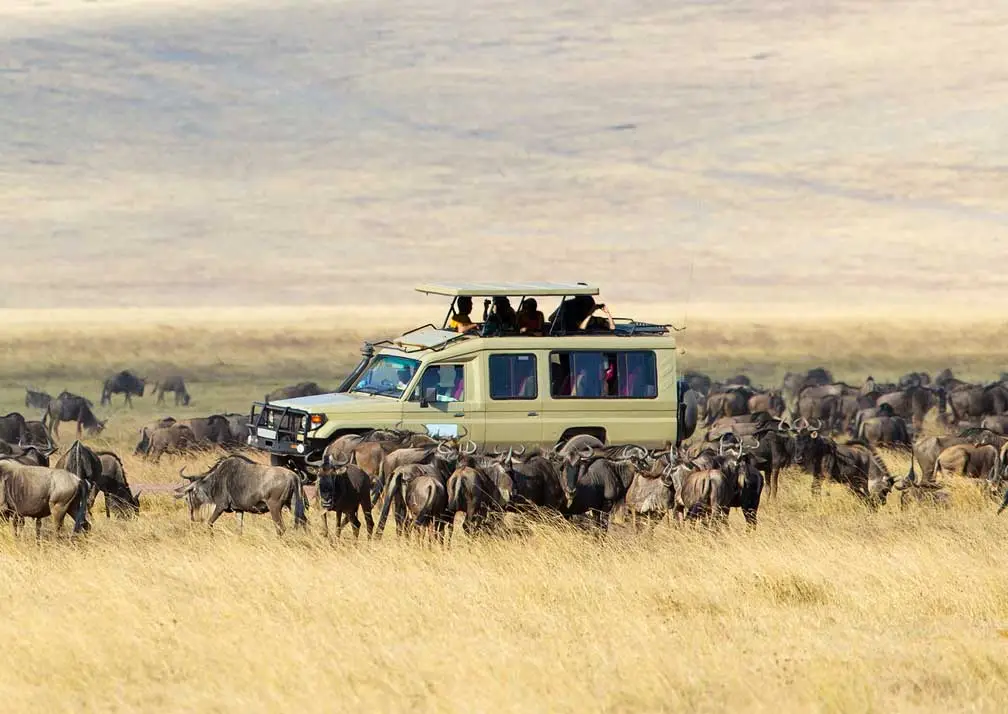
Experience one of nature's greatest spectacles with our Great Migration safari packages, timed for river crossings or calving.
View Package →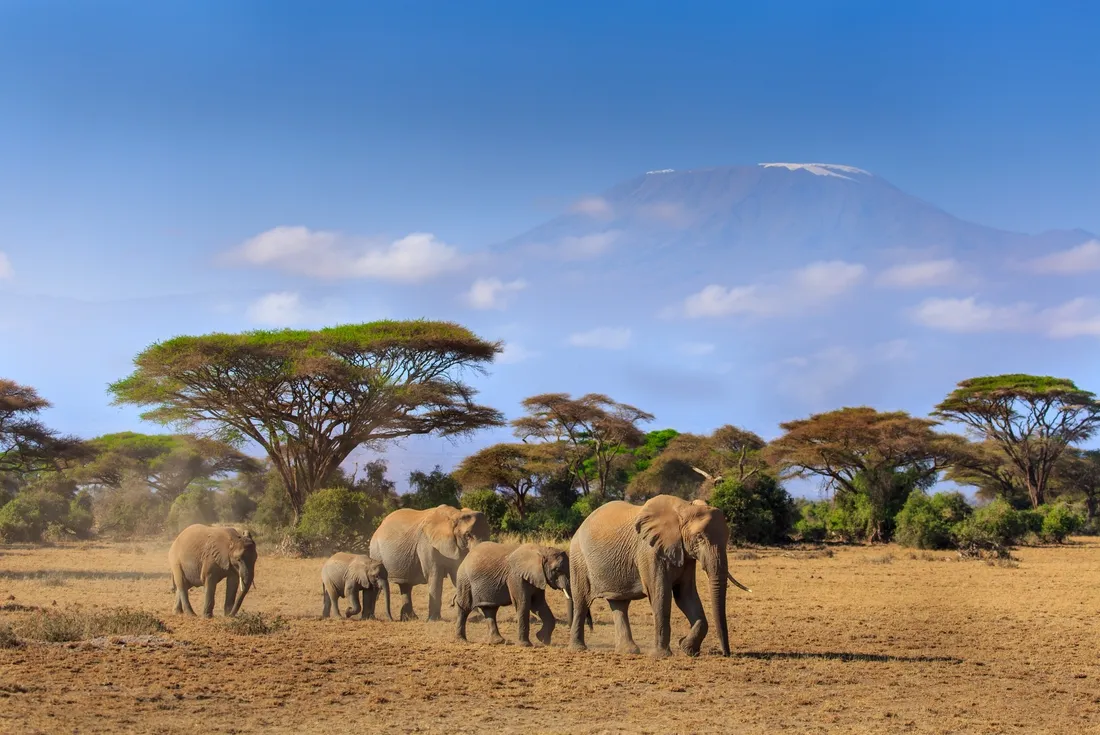
Serengeti & Kilimanjaro Trek
Combined safari and trekking tours offer wildlife adventures and Kilimanjaro climbs.
View Package →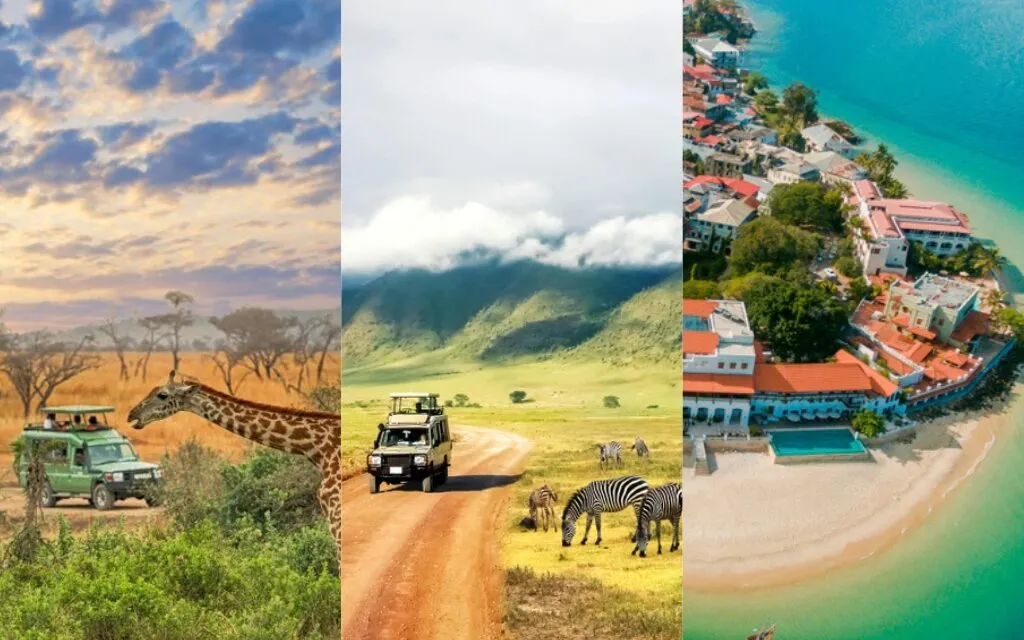
Serengeti & Zanzibar Tours
Luxury Tanzania safari & beach packages with the Great Migration and pristine beaches.
View Package →Related: Best Time to Visit Tanzania 2026 – Perfect safari extension after your Swiss Alps adventure.