
Most Complete Syria Travel Guide 2026-2027 – Everything You Need to Know Before Visiting
This Syria travel guide provides everything you need to plan your journey to one of the Middle East's most historically rich countries. Syria offers an extraordinary blend of ancient cities, Crusader castles, Roman ruins, and vibrant souqs that create one of the region’s most fascinating travel experiences. Many travelers who visit Syria are amazed by the warmth of its people and the depth of its 5,000-year-old civilization that gave birth to the alphabet, early Christianity, and some of the world’s oldest continuously inhabited cities.
Start Reading the Full Guide ↓Quick Facts About Syria
- Capital: Damascus.
- Currency: Syrian Pound (SYP).
- Time Zone: Eastern European Time (EET, UTC+2; +3 in summer).
- International Calling Code: +963.
- Driving Side: Right.
- Major Airports: Damascus International (DAM), Aleppo International (ALP), Latakia (LTK).
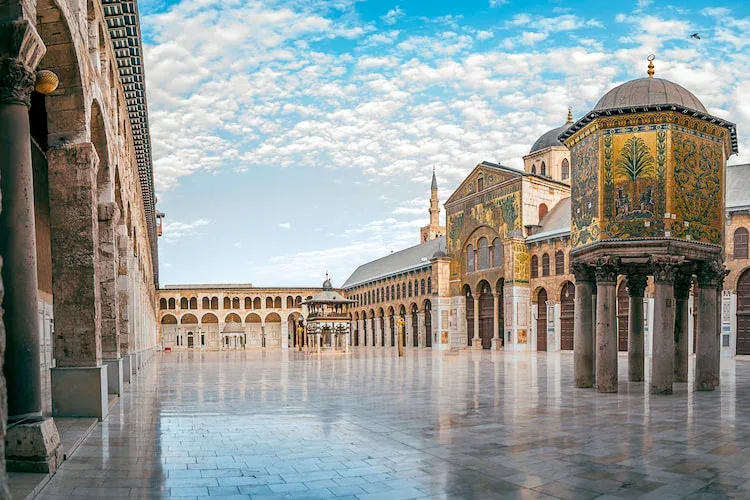
Syria Overview & Key Facts
Brief History of Syria
Syria's history spans over 5,000 years, from the ancient city of Ebla through Roman, Byzantine, Islamic, Crusader, and Ottoman periods. Damascus is considered the oldest continuously inhabited city in the world. The Umayyad Caliphate (661–750 CE) made Damascus its capital and left stunning architectural heritage. The country has been a crossroads of civilizations, religions, and empires for millennia.
Independence & National Identity
- Independence date: April 17, 1946.
- Former colonial power: France.
- National symbols & identity.
Syria gained independence from France in 1946 after a long nationalist struggle. The flag features red, white, and black stripes with two green stars representing Egypt and Syria in the former United Arab Republic. Syrian identity is deeply rooted in Arab culture, with strong pride in its ancient heritage and resilience.
Government System & Current Leadership
- Type of government: Unitary presidential republic
- Current president: Bashar al-Assad
- Notes on political stability
Syria is governed as a presidential republic under President Bashar al-Assad since 2000. The country has been stabilizing since 2021 with most major cities now secure and tourism gradually returning under strict government oversight.
Population, Ethnic Groups & Languages
- Population: ~23 million (2025 estimate).
- Major ethnic groups: Arabs (85%), Kurds (9%), others.
- Official language(s): Arabic.
- Additional languages commonly spoken.
Arabic is universal, with Levantine Arabic dialect spoken daily. English is common in tourism and among younger generations. French is still understood by some older people. Kurdish, Armenian, and Circassian are spoken by minorities.
Main Religions & Cultural Identity
Islam is practiced by ~87% (74% Sunni, 13% Alawite/Shia), with Christian communities (~10%) and tiny Druze and Jewish populations. Syria has historically been known for religious coexistence, with many shared sacred sites. Visitors should respect Islamic customs, especially in mosques and during prayer times.
Geography & Natural Landscape
Syria features Mediterranean coastline, fertile plains, steppe, and desert. The Anti-Lebanon and coastal mountains run parallel to the sea, while the Euphrates River crosses the east. The climate ranges from Mediterranean on the coast to arid continental inland.
Economy & Tourism Highlights
Tourism is gradually reopening with government support. Heritage sites are being restored, and Syria offers exceptional value. The country is known for its UNESCO sites, biblical connections, and some of the best-preserved Crusader castles in the world.
What Syria Is Known For
- UNESCO sites: Damascus Old City, Palmyra, Aleppo, Krak des Chevaliers, Bosra, Ancient Villages of Northern Syria
- Oldest continuously inhabited city (Damascus)
- Crusader castles and Roman/Byzantine ruins
Visa & Entry Requirements in Syria
All foreign tourists require a visa and security clearance in advance. Independent travel is not permitted – you must be accompanied by a government-registered guide or join an organized tour.
Do You Need a Visa?
Yes, almost all nationalities need a pre-arranged visa with security clearance (takes 2–6 weeks). Some Arab nationalities have easier access.
Visa Application Options in Syria
- Through a registered Syrian tour operator (recommended)
- Syrian embassies (limited locations still operating)
- Visa on arrival for select nationalities with pre-approval
Passport Validity & Entry Documents
Passport must be valid 6 months beyond entry. No Israeli stamps or evidence of travel to Israel allowed.
Customs Rules & Prohibited Items
Drones strictly prohibited without special permit. Antiquities cannot be exported. Alcohol import limited. Declare large amounts of cash.
Safety & Security Information in Syria
Government-controlled areas (Damascus, Aleppo, Homs, Latakia, Tartus, Hama, Palmyra road) are generally stable for tourists traveling with registered guides. Avoid border areas and former conflict zones.
Is Syria Safe for Tourists?
Yes in government-controlled tourist areas when following official guidance and traveling with registered operators.
Recommended Safety Tips when in Syria
Always stay with your guide. Follow local advice. Avoid political discussions. Register with your embassy.
Safe Areas vs. Areas to Avoid in Syria
Safe: Damascus, Aleppo (west), Latakia, Tartus, Hama, Homs, Palmyra (with escort), Krak des Chevaliers. Avoid: Idlib, northeast, borders with Iraq/Türkiye.
Emergency Numbers & Tourist Police in Syria
- Police: 112
- Ambulance: 110
- Fire: 113
Health Requirements & Vaccinations in Syria
No mandatory vaccinations except yellow fever if arriving from endemic countries. Healthcare infrastructure is limited outside Damascus.
Mandatory Vaccinations in Syria
Yellow fever certificate if arriving from affected countries.
Recommended Vaccinations in Syria
Hepatitis A, Typhoid, Rabies, Tetanus, Polio booster (some governments recommend).
Malaria & Other Risks
Low malaria risk. Bring comprehensive medical kit and insurance with evacuation coverage.
Travel Insurance Recommendations in Syria
Absolutely essential with medical evacuation coverage (many standard policies exclude Syria).
Best Time to Visit in Syria
Spring (March–May) and autumn (September–November) offer the most comfortable temperatures.
Weather by Season
Spring and autumn: 15–28°C. Summer very hot (35–45°C inland). Winter mild on coast, cold inland.
When to Visit Syria for Best Experiences
- Spring: wildflowers, pleasant temperatures
- Autumn: clear skies, fewer crowds
- Avoid Ramadan for easier travel
Weather & Climate Overview in Syria
Mediterranean climate on the coast, continental/arid inland.
Temperature Ranges
Coastal: 10–30°C year-round. Inland Damascus: 0–40°C. Desert areas extreme.
Rainy & Dry Seasons in Syria
Rainy season November–April (mostly coastal). Dry season May–October.
What to Wear Based on the Weather
Modest lightweight clothing for summer, layers for winter, headscarf for women, comfortable walking shoes.
Main Currency, Costs & Budgeting in Syria
Bring USD/EUR cash. Cards almost never accepted. ATMs unreliable.
Local Currency Information
Syrian Pound (SYP). Black market rates significantly better than official.
Average Travel Costs in Syria
Budget $80–130/day, mid-range $150–250/day including mandatory guide.
Using ATMs, Cards & Mobile Money in Syria
Cash only. USD/EUR widely accepted.
Tipping Guidelines in Syria
10–15% in restaurants, $10–20/day for guides/drivers.
Transportation & Getting Around in Syria
Tourists must use registered transport with guides. Independent travel not permitted.
Airport Transfers
Organized by your tour operator.
Local Transport Options in Syria
Private vehicles with driver-guide. Some shared taxis in cities.
Syria Domestic Flights
Limited flights Damascus–Aleppo–Latakia.
Car Rentals & Road Conditions in Syria
Not available for tourists – must have driver-guide.
Accommodation Options available in Syria
From restored boutique hotels in Damascus/Aleppo to basic guesthouses.
Types of Accommodations in Syria
Heritage boutique hotels, mid-range hotels, basic guesthouses.
Budget vs. Mid-Range vs. Luxury
Budget $30–60, mid-range $80–150, luxury $200+ (Damascus).
Best Areas to Stay in Syria
Old City Damascus, Christian Quarter, Aleppo old town (restored areas).
Essential Packing Guide when Visiting Syria
Modest clothing, good walking shoes, medications, power bank, copies of documents.
Clothing Essentials
Cover shoulders/knees, headscarf for women, layers for variable weather.
Footwear & Gear
Comfortable walking shoes essential for ancient sites.
Electronics & Cameras
Power banks (frequent outages), universal adapter.
Toiletries & Personal Items
Bring all prescription meds + copies of prescriptions.
Language & Communication in Syria
Arabic dominant. English widely understood in tourism.
Main Languages Spoken in Syria
Arabic, English common in tourism, some French.
Useful Phrases for Tourists
Marhaba (hello), Shukran (thank you), Min fadlak (please).
SIM Cards & Mobile Data used in Syria
Available but internet heavily filtered.
Internet Availability & Wi-Fi in Syria
Available in hotels but slow and censored.
Culture & Etiquette in Syria
Conservative society with warm hospitality. Modest dress, respect for religion essential.
Syrian Dress Code Expectations
Cover shoulders and knees. Headscarf recommended for women in religious sites.
Social Etiquette & Respectful Behavior of Syria
Accept tea/coffee offers, use right hand, remove shoes in homes.
Photography Rules in Syria
Ask permission for people, no photos of military/police.
Important Cultural Dos & Don’ts in Syria
Do accept hospitality. Don’t discuss politics, point feet, or refuse food/drink abruptly.
Food, Water & Dining in Syria
Rich Levantine cuisine – kebabs, mezze, sweets.
Syrian Local Dishes to Try
Kibbeh, fattoush, shawarma, baklava, kunefe.
Dietary Options in Syria
Halal standard. Vegetarian options widely available.
Drinking Water Safety
Bottled water only.
Restaurant Etiquette
Tipping 10–15%. Meals often shared.
Top Attractions & Things to Do in Syria
Damascus Old City, Umayyad Mosque, Palmyra, Krak des Chevaliers, Aleppo Citadel, Bosra Roman theatre, Dead Cities, Maaloula (Aramaic-speaking village).
Major Tourist Attractions in Syria
- Umayyad Mosque & Damascus Old City (UNESCO)
- Palmyra archaeological site
- Krak des Chevaliers castle
- Aleppo Citadel & Souq
Best Tours & Experiences in Syria
Heritage tours, biblical sites, Crusader castles, culinary experiences.
Family-Friendly Activities to do in Syria
Markets, parks in Damascus, coastal activities in Latakia/Tartus.
Unique Cultural or Historical Sites to visit in Syria
Maaloula (still speaks Aramaic), Saydnaya convent, St. Simeon Stylites.
Syrian Electrical System Information
220V, 50Hz, European plugs (C/F).
Plug Types & Voltage used in Syria
Type C and F plugs, 220–240V.
Charging Tips
Frequent power cuts – bring power banks.
Local Laws & Regulations of Syria
Photography of military strictly forbidden. No Israeli stamps in passport. Mandatory guide requirement.
Rules Travelers Need to Know when In Syria
Must have guide, no independent travel, no political discussions.
Alcohol, Smoking & Substance Laws of Syria
Alcohol available in Christian areas and hotels. Drugs strictly illegal.
Restricted or Protected Areas in Syria.
Many areas require special permits.
Final Travel Tips for Visitors in Syria
Book through reputable agency, bring cash USD, be flexible, respect local customs.
Common Mistakes to Avoid
Attempting independent travel, photographing military, discussing politics.
Tips to Save Money when Visiting Syria
Group tours cheaper, eat local food, stay in mid-range hotels.
Safety & Comfort Tips
Follow guide instructions, register with embassy, have evacuation insurance.
Frequently Asked Questions – Syria Travel Guide 2026-2027
Our Tanzania Tours Products
While Syria offers unparalleled ancient history and Middle Eastern culture, many travelers combine the Middle East with the ultimate African wildlife experience. Capable Africa Tours specializes in secure, guided safaris that maximize safety and wonder...
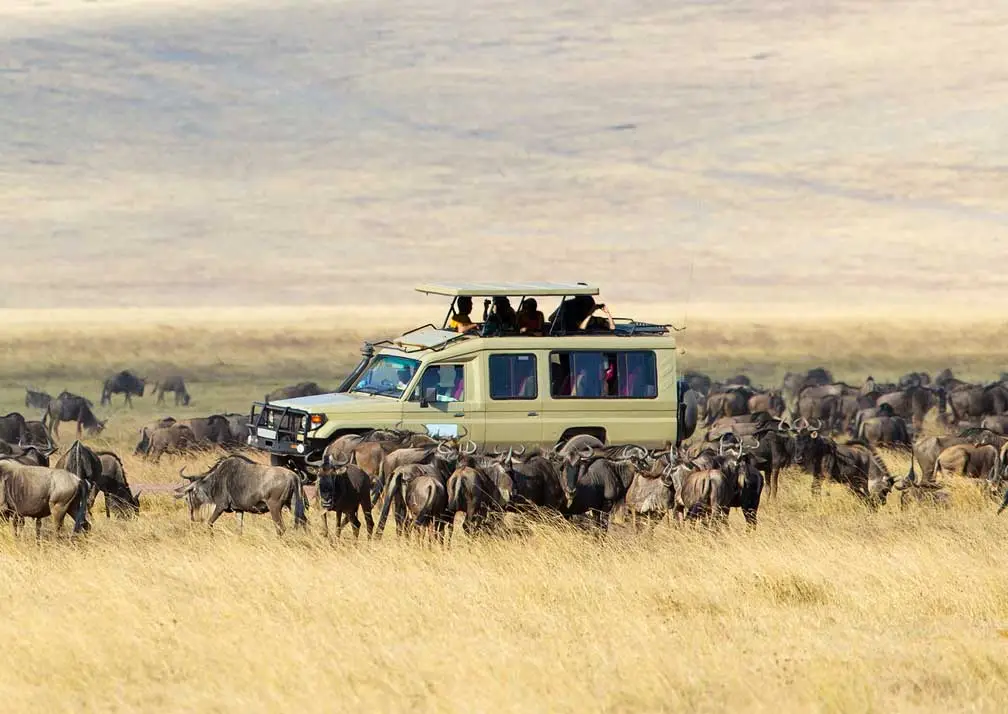
Great Migration Safaris
Experience one of nature's greatest spectacles with our Great Migration safari packages, timed for river crossings or calving.
View Package →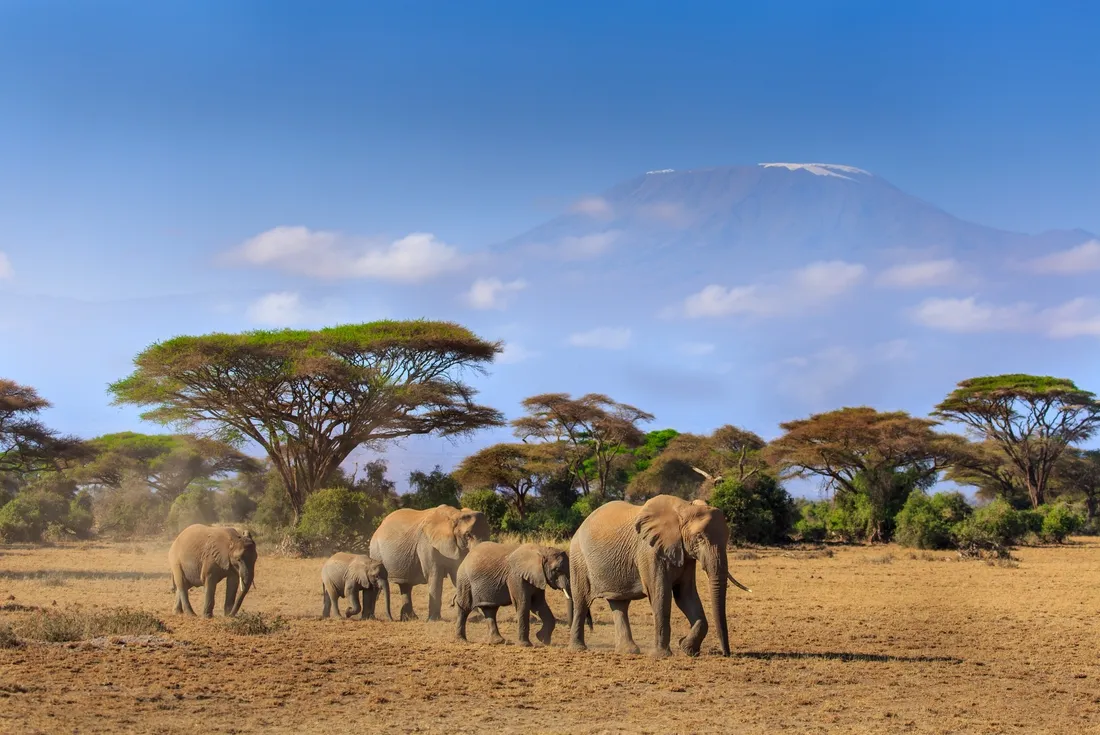
Serengeti & Kilimanjaro Trek
Combined safari and trekking tours offer wildlife adventures and Kilimanjaro climbs.
View Package →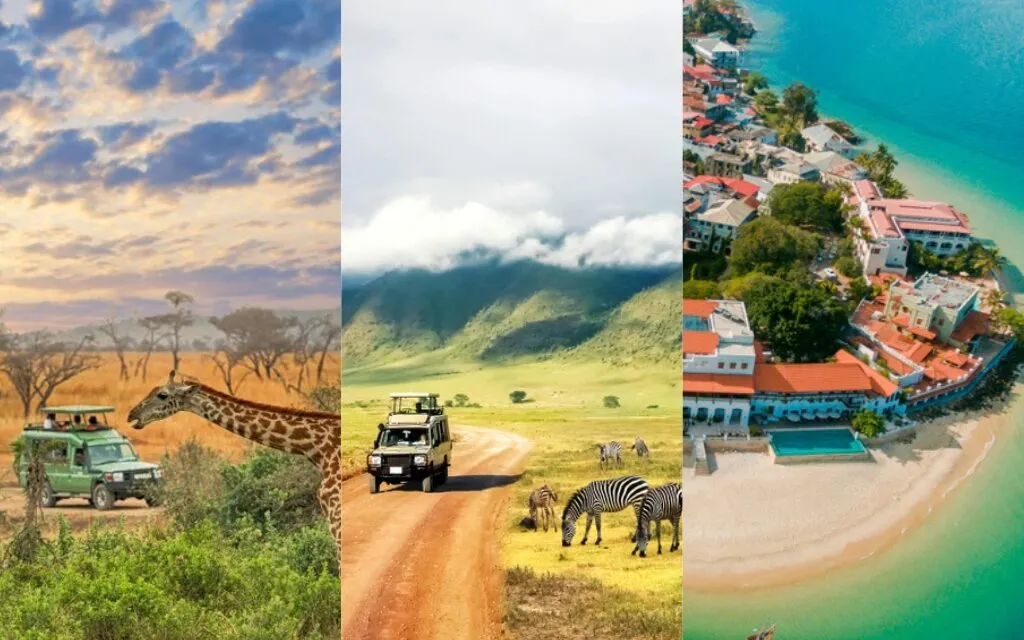
Serengeti & Zanzibar Tours
Luxury Tanzania safari & beach packages with the Great Migration and pristine beaches.
View Package →Related: Best Time to Visit Tanzania 2026 – Perfect safari extension after your Syria adventure.