
Most Complete Taiwan Travel Guide 2026-2027 – Everything You Need to Know Before Visiting
This Taiwan travel guide provides everything you need to plan your journey to one of Asia’s most exciting and welcoming destinations. Taiwan offers an extraordinary blend of ultra-modern cities, dramatic mountain landscapes, subtropical beaches, and rich cultural heritage spanning indigenous tribes, Chinese traditions, Japanese colonial legacy, and cutting-edge innovation. Many travelers who want to visit Taiwan are surprised by the island’s incredible diversity and world-famous hospitality. Covering 36,000 square kilometers, Taiwan packs skyscraper-filled metropolises, marble-walled gorges, hot-spring valleys, and some of the planet’s best night markets into a compact, easy-to-explore island.
Start Reading the Full Guide ↓Quick Facts About Taiwan
- Capital: Taipei.
- Currency: New Taiwan Dollar (TWD/NT$).
- Time Zone: Taiwan Standard Time (UTC+8).
- International Calling Code: +886.
- Driving Side: Right.
- Major Airports: Taiwan Taoyuan International Airport (TPE), Kaohsiung (KHH), Taipei Songshan (TSA).
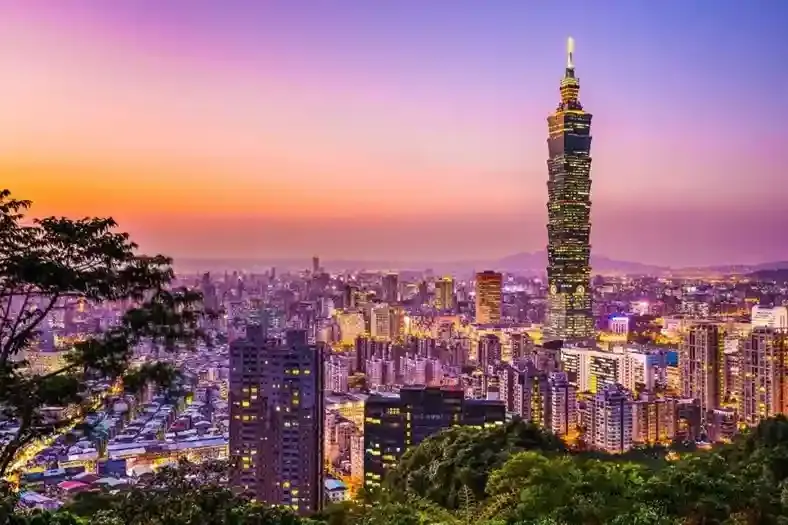
Taiwan Overview & Key Facts
Brief History of Taiwan
Taiwan’s history spans indigenous Austronesian settlement over 5,000 years ago, followed by waves of Chinese migration, Dutch and Spanish colonial outposts in the 17th century, Qing Dynasty rule, Japanese colonization (1895–1945), and the Republic of China government retreat in 1949. This complex past created a unique multicultural identity blending indigenous, Hoklo, Hakka, and mainland Chinese influences with strong Japanese and Western elements.
Independence & National Identity
- Official name: Republic of China (ROC)
- De facto independent since 1949
- National symbols & identity
Taiwan functions as a fully independent democracy with its own government, military, currency, and passports, though only 13 countries formally recognize it due to PRC pressure. Taiwanese identity has grown strongly in recent decades, with over 60% identifying primarily as Taiwanese rather than Chinese.
Government System & Current Leadership
- Type of government: Unitary semi-presidential republic
- Current president: Lai Ching-te (since May 2024)
- Notes on political stability
Taiwan enjoys robust democratic institutions, regular peaceful power transitions, and consistently ranks among Asia’s freest societies. Political debates are lively but non-violent, and travelers experience no impact on daily life.
Population, Ethnic Groups & Languages
- Population: 23.6 million (2025 projection).
- Major ethnic groups: Han Chinese (95–97%), Indigenous Austronesian peoples (2.3%).
- Official language(s): Mandarin Chinese.
- Additional languages commonly spoken.
Taiwanese Hokkien (60%+), Hakka, and 16 officially recognized indigenous languages are widely used. English proficiency is high among younger generations and in tourism sectors.
Main Religions & Cultural Identity
Taiwan practices religious freedom with a unique blend of Buddhism, Taoism, and folk religion (over 80%), Christianity (4–5%), and Islam. Temples are vibrant community centers, and religious festivals like Mazu pilgrimages are spectacular cultural events.
Geography & Natural Landscape
Taiwan is a rugged, mountainous island with over 200 peaks above 3,000 m, subtropical forests, dramatic marble gorges, volcanic hot springs, and coral-fringed coasts. The Central Mountain Range divides the flatter west coast from the steep, scenic east coast.
Economy & Tourism Highlights
Taiwan is a high-income economy famous for semiconductor manufacturing (TSMC), electronics, and vibrant SME culture. Tourism has boomed since 2019 with world-class food, efficient transport, and welcoming locals drawing millions annually.
What Taiwan Is Known For
- World’s best night markets and street food culture
- Taipei 101 and futuristic cityscapes
- Taroko Gorge, Sun Moon Lake, Alishan sunrise
- Bubble tea origin, indigenous cultures, hot-spring resorts
Visa & Entry Requirements in Taiwan
Most international visitors enjoy generous visa-free or visa-on-arrival privileges. Taiwan maintains one of Asia’s most traveler-friendly entry policies.
Do You Need a Visa?
Citizens of 65+ countries (USA, EU, UK, Canada, Australia, Japan, Korea, etc.) get 14–90 days visa-free. Many others qualify for e-Visa or landing visa. Check Bureau of Consular Affairs (BOCA) for latest rules.
Visa Application Options in Taiwan
- Visa-free entry (most Western & Asian countries)
- e-Visa online application
- Visa on arrival at major airports
Extensions up to 180 days possible for many nationalities.
Passport Validity & Entry Documents
Passport valid for 6+ months and return/onward ticket usually sufficient. Immigration is fast and friendly.
Customs Rules & Prohibited Items
NT$100,000 cash declaration required. No restrictions on personal electronics. Fresh fruit/meat restrictions apply. Duty-free allowances generous.
Safety & Security Information in Taiwan
Taiwan is consistently ranked among the safest destinations in Asia with extremely low violent crime rates.
Is Taiwan Safe for Tourists?
Yes – exceptionally safe. Pickpocketing rare, scams minimal, and locals extremely helpful. Natural hazards (typhoons, earthquakes) are the main concern.
Recommended Safety Tips when in Taiwan
Follow earthquake safety drills, download typhoon alert apps, use licensed taxis/Uber, and standard precautions in crowded night markets.
Safe Areas vs. Areas to Avoid in Taiwan
All tourist areas are very safe. No significant no-go zones.
Emergency Numbers & Tourist Police in Taiwan
- Police: 110.
- Fire/Medical Emergency: 119.
- Tourist Hotline: 0800-011-765 (24h multilingual).
English-speaking officers available in major cities.
Health Requirements & Vaccinations in Taiwan
No mandatory vaccinations. Excellent modern healthcare system with English-speaking doctors.
Mandatory Vaccinations in Taiwan
None, except yellow fever certificate if arriving from endemic countries.
Recommended Vaccinations in Taiwan
Hepatitis A & Typhoid suggested for street-food lovers. Routine vaccines up to date.
Malaria & Other Risks
No malaria risk. Dengue possible in southern areas during summer – use repellent.
Travel Insurance Recommendations in Taiwan
Strongly recommended for medical evacuation coverage and trip cancellation.
Best Time to Visit in Taiwan
October–December offers cool, dry weather island-wide. March–May brings cherry blossoms and pleasant temperatures.
Weather by Season
Spring (Mar–May): 20–28°C, cherry blossoms. Summer (Jun–Sep): hot, humid, typhoons. Autumn (Oct–Dec): 18–25°C, best weather. Winter (Dec–Feb): cool in north (12–19°C), mild in south.
When to Visit Taiwan for Best Experiences
- Cherry blossoms: Feb–Apr
- Hot springs: Nov–Mar
- Beaches: May–Oct
- Festivals: Lantern Festival (Feb/Mar), Dragon Boat (Jun)
Avoid typhoon season (Jul–Sep) for east coast travel.
High Season vs. Low Season Travel
High season: Oct–Apr. Low season: Jun–Sep (cheaper accommodation, fewer crowds).
Weather & Climate Overview in Taiwan
Subtropical climate with significant north-south and east-west differences due to mountains.
Temperature Ranges
Taipei: 15–20°C winter, 28–35°C summer. Kaohsiung: 19–25°C winter, 28–33°C summer. High mountains can drop below 0°C.
Rainy & Dry Seasons in Taiwan
Plum rain season May–Jun. Typhoon season Jul–Sep. Winter northeast monsoon brings rain to north/east.
What to Wear Based on the Weather
Light layers, rain jacket/umbrella, comfortable walking shoes. Modest attire for temples.
Main Currency, Costs & Budgeting in Taiwan
New Taiwan Dollar (NT$). Excellent value destination with world-class food and transport at modest prices.
Local Currency Information
Coins 1–50 NT$, notes 100–2000 NT$. Easy to withdraw from 7-Eleven/FamilyMart ATMs.
Average Travel Costs in Taiwan
Budget $50–90/day, mid-range $100–180, luxury $250+. Street food meals ~$3–8.
Using ATMs, Cards & Mobile Money in Taiwan
Cards widely accepted in cities, cash needed for night markets and smaller towns. EasyCard for transport.
Tipping Guidelines in Taiwan
Not expected. Rounding up taxi fare appreciated.
Transportation & Getting Around in Taiwan
World-class public transport. High-Speed Rail (HSR), MRT, buses, and ubiquitous scooters.
Airport Transfers
Taoyuan Airport MRT direct to Taipei (35 min, ~$5). HSR + shuttle to other cities.
Local Transport Options in Taiwan
Excellent MRT in Taipei/Kaohsiung. YouBike sharing. EasyCard for seamless payments.
Taiwan Domestic Flights
Short flights to outer islands (Penghu, Kinmen, Orchid Island).
Car Rentals & Road Conditions in Taiwan
International license required. Driving hectic in cities – public transport recommended.
Accommodation Options available in Taiwan
From luxury internationals to unique boutique hostels and hot-spring ryokans.
Types of Accommodations in Taiwan
5-star hotels, boutique hostels, Japanese-style onsen ryokans, indigenous homestays.
Budget vs. Mid-Range vs. Luxury
Budget $20–50, mid-range $60–120, luxury $150–500+.
Best Areas to Stay in Taiwan
Taipei: Ximending, Da’an, Zhongshan. Kaohsiung: near Love River. Hualien: near Taroko.
Essential Packing Guide when Visiting Taiwan
Light, layered clothing, rain protection, power bank, and comfortable walking shoes.
Clothing Essentials
Light layers, rain jacket, modest attire for temples, swimwear for hot springs.
Footwear & Gear
Comfortable walking shoes essential. Flip-flops for night markets.
Electronics & Cameras
Type A/B plugs, 110V. Universal adapter useful.
Toiletries & Personal Items
Everything available locally at 7-Eleven. Bring prescription meds.
Language & Communication in Taiwan
Mandarin Chinese official, English widely understood in tourist areas.
Main Languages Spoken in Taiwan
Mandarin, Taiwanese Hokkien, Hakka, indigenous languages.
Useful Phrases for Tourists
Ni hao (hello), Xie xie (thank you), Duoshao qian? (how much?).
SIM Cards & Mobile Data used in Taiwan
Airport SIMs from Chunghwa, Taiwan Mobile, FarEasTone. Unlimited data ~$15–25.
Internet Availability & Wi-Fi in Taiwan
Free iTaiwan Wi-Fi everywhere. Fastest internet in Asia.
Culture & Etiquette in Taiwan
Polite, queue-loving society with strong hospitality culture.
Taiwanese Dress Code Expectations
Casual. Modest attire for temples (cover shoulders/knees).
Social Etiquette & Respectful Behavior of Taiwan
Queue patiently, don’t stick chopsticks upright in rice, accept/offer items with both hands.
Photography Rules in Taiwan
Generally permitted. Ask before photographing people up close.
Important Cultural Dos & Don’ts in Taiwan
Do remove shoes indoors, don’t point with feet, do return business cards with both hands.
Food, Water & Dining in Taiwan
Considered by many as Asia’s greatest food destination.
Taiwanese Local Dishes to Try
Beef noodle soup, stinky tofu, pineapple cakes, bubble tea, oyster omelette, din tai fung xiaolongbao.
Dietary Options in Taiwan
Excellent vegetarian/vegan options (many Buddhist). Halal and kosher limited but available.
Drinking Water Safety
Tap water safe in most areas, but bottled widely available.
Restaurant Etiquette
No tipping. Night markets = paradise.
Top Attractions & Things to Do in Taiwan
From futuristic cities to dramatic natural wonders.
Major Tourist Attractions in Taiwan
- Taipei 101 & night markets
- Tartaroko National Park
- Sun Moon Lake & Alishan
- Jiufen & Shifen old streets
Kenting beaches, Penghu islands, indigenous culture experiences.
Best Tours & Experiences in Taiwan
Night market food tours, Taroko Gorge day trips, tea plantation visits, hot-air balloon festivals.
Family-Friendly Activities to do in Taiwan
Taipei Zoo, Leofoo Village theme park, aquarium, night markets.
Unique Cultural or Historical Sites to visit in Taiwan
National Palace Museum, Longshan Temple, indigenous villages, Japanese-era sites.
Taiwanese Electrical System Information
110V, 60Hz. Types A and B plugs.
Plug Types & Voltage used in Taiwan
110V, 60Hz. Type A (two flat pins) and Type B (with grounding pin).
Charging Tips
Universal adapters recommended. Power banks essential for long travel days.
Local Laws & Regulations of Taiwan
Strict but reasonable laws with heavy fines for infractions.
Rules Travelers Need to Know when In Taiwan
No jaywalking (fines NT$300+), no smoking in public indoor areas, no betel nut spitting.
Alcohol, Smoking & Substance Laws of Taiwan
Legal drinking age 18. No open containers on public transport. Cannabis illegal.
Restricted or Protected Areas in Taiwan.
Military facilities off-limits for photography. Some indigenous areas require permits.
Final Travel Tips for Visitors in Taiwan
Get an EasyCard, download Google Translate + Maps, try everything at night markets, and enjoy one of Asia’s friendliest destinations.
Common Mistakes to Avoid
Underestimating walking distances, trying to see everything in one trip, not bringing enough cash for night markets.
Tips to Save Money when Visiting Taiwan
Use public transport, eat at night markets, stay in hostels, visit free attractions.
Safety & Comfort Tips
Download earthquake alert app, stay hydrated, use sunscreen, be polite – you’ll love Taiwan!
Frequently Asked Questions – Taiwan Travel Guide 2026-2027
Our Tanzania Tours Products
While Taiwan offers incredible night markets, mountain scenery and hot springs, many travelers combine Asia with the ultimate wildlife experience in East Africa. Capable Africa Tours specializes in secure, guided safaris that maximize safety and wonder. Our expert local guides, armed rangers in parks, and vetted accommodations ensure peace of mind. From family-friendly lodges to luxury camps, we handle logistics so you focus on the magic. Tanzania ranks high for tourist safety with dedicated wildlife protection units and stable northern circuits.
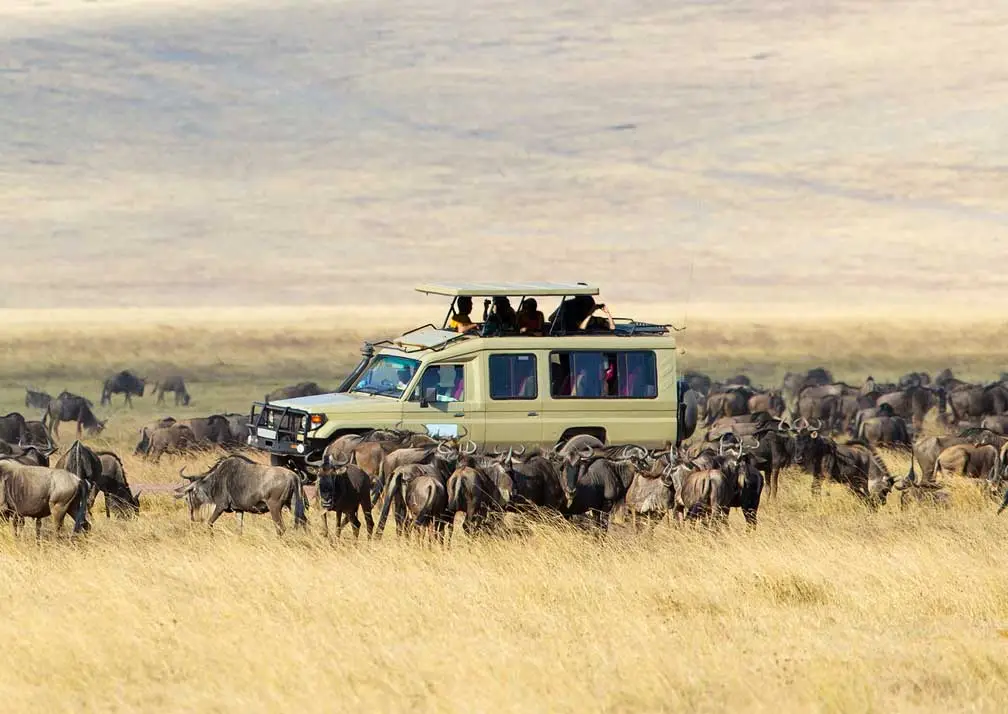
Great Migration Safaris
Experience one of nature's greatest spectacles with our Great Migration safari packages, timed for river crossings or calving.
View Package →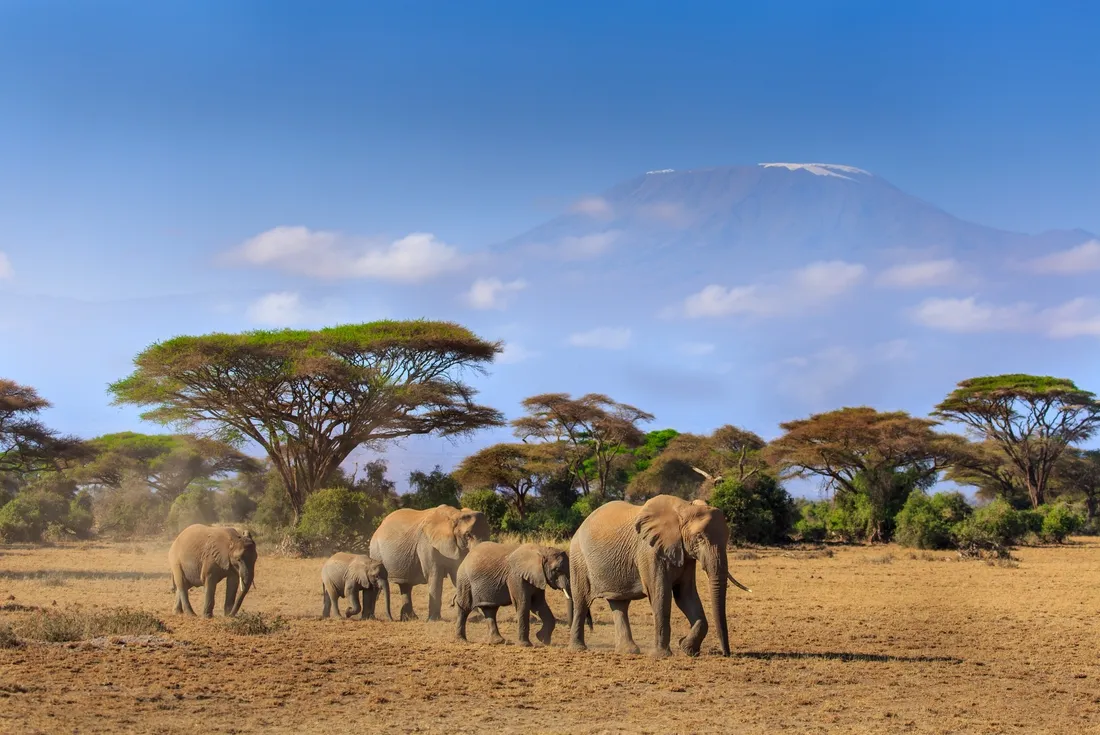
Serengeti & Kilimanjaro Trek
Combined safari and trekking tours offer wildlife adventures and Kilimanjaro climbs.
View Package →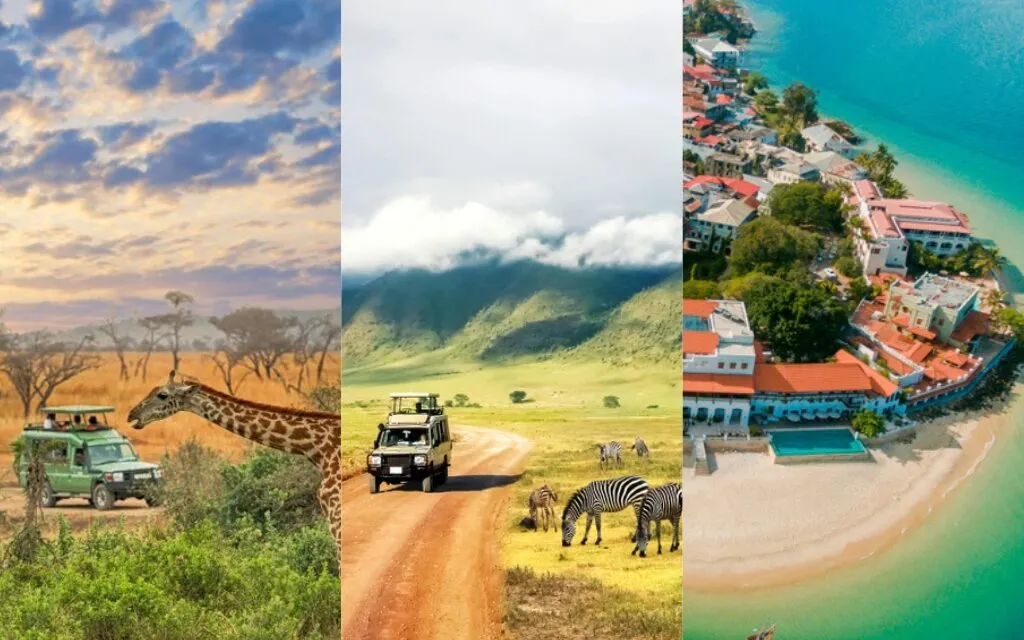
Serengeti & Zanzibar Tours
Luxury Tanzania safari & beach packages with the Great Migration and pristine beaches.
View Package →Related: Best Time to Visit Tanzania 2026 – Perfect safari extension after your Taiwan adventure.