
Most Complete Tajikistan Travel Guide 2026-2027 – Everything You Need to Know Before Visiting
This Tajikistan travel guide provides everything you need to plan your journey to Central Asia's most dramatic mountain nation. Tajikistan offers an extraordinary blend of 93% mountain territory, the legendary Pamir Highway, turquoise alpine lakes, and warm Pamiri hospitality that create one of the planet's most authentic adventure travel experiences. Many travelers who want to visit Tajikistan are surprised by the country's jaw-dropping scenery and welcoming culture in a land where over half the country sits above 3,000 meters, earning it the nickname “Roof of the World.”
Start Reading the Full Guide ↓Quick Facts About Tajikistan
- Capital: Dushanbe.
- Currency: Tajik Somoni (TJS).
- Time Zone: Tajikistan Time (TJT, UTC+5).
- International Calling Code: +992.
- Driving Side: Right.
- Major Airports: Dushanbe International Airport (DYU), Khujand Airport (LBD).
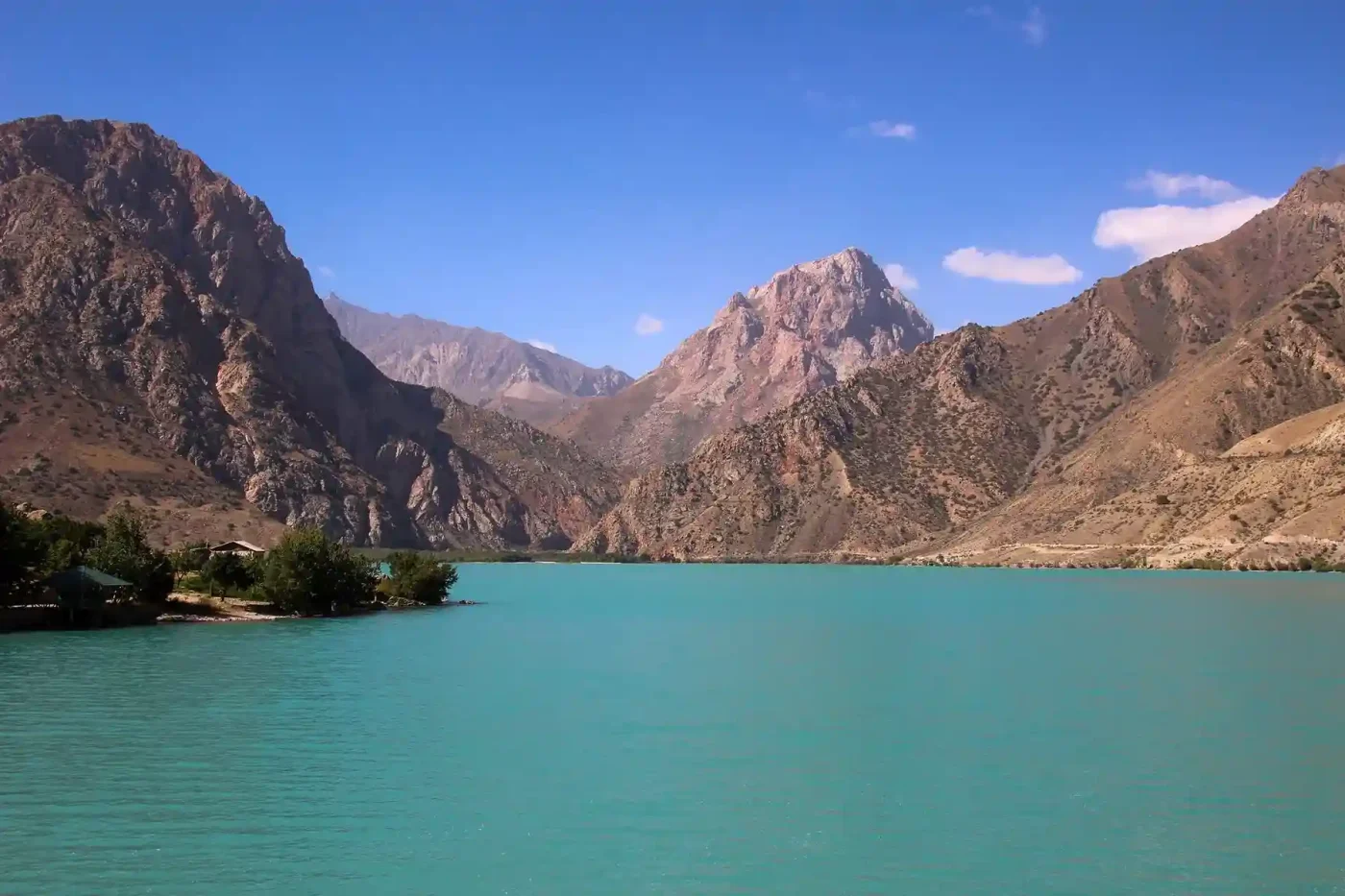
Tajikistan Overview & Key Facts
Brief History of Tajikistan
Tajikistan's history spans millennia, from ancient Sogdian cities on the Silk Road through Persian empires to Soviet rule. Alexander the Great founded settlements here, while Samarkand and Bukhara (now in Uzbekistan) were major Tajik cultural centers. The Pamir region maintained semi-independence under local kings until Russian conquest in the 19th century. This rich historical tapestry creates a fascinating backdrop for modern travelers exploring ancient fortresses and traditional mountain villages.
Independence & National Identity
- Independence date: September 9, 1991.
- Former colonial power: Soviet Union.
- National symbols & identity.
Tajikistan gained independence after the Soviet collapse, enduring a brutal civil war (1992-1997). Today, Tajikistan's identity centers on Persian-Tajik language and culture, mountain heritage, and growing tourism pride. The flag features red, white, and green stripes with a crown and seven stars representing unity and the country's seven historical regions.
Government System & Current Leadership
- Type of government: Presidential Republic
- Current president: Emomali Rahmon (since 1994)
- Notes on political stability
Tajikistan operates as a presidential republic with strong executive power. President Emomali Rahmon has led since 1994, providing long-term stability while maintaining tight control. The country remains peaceful for tourists, with political issues rarely affecting visitors.
Population, Ethnic Groups & Languages
- Population: 10.5 million (2025 projection).
- Major ethnic groups: Tajiks (84%), Uzbeks (13%), Pamiris (distinct group).
- Official language(s): Tajik (Persian dialect).
- Additional languages commonly spoken.
Russian remains widely spoken, especially in cities and among older generations. Pamiri languages (distinct from Tajik) are spoken in Gorno-Badakhshan. English is growing rapidly in tourism areas, particularly among guides and younger people.
Main Religions & Cultural Identity
Islam dominates Tajikistan's religious landscape, with approximately 98% of the population Sunni (Hanafi school), while Pamiri Ismailis follow the Aga Khan. Islamic values influence daily life, but Tajikistan remains one of Central Asia’s more relaxed Muslim countries. Visitors should respect customs, especially in villages and during Ramadan.
Geography & Natural Landscape
Tajikistan is 93% mountainous, with the Pamir and Tian Shan ranges dominating. Over half the country lies above 3,000m, including peaks over 7,000m. The Fann Mountains offer turquoise lakes and dramatic valleys, while the Pamir Highway is one of the world’s great road trips. The country features extreme continental climate with cold winters and hot summers in lower valleys.
Economy & Tourism Highlights
Tajikistan’s economy relies on aluminum, cotton, hydropower, and remittances. Tourism is rapidly growing as travelers discover the Pamir Highway, pristine mountains, and welcoming culture. The government actively promotes adventure and cultural tourism with simplified visas and new infrastructure.
What Tajikistan Is Known For
- The Pamir Highway – one of the world’s greatest road trips
- Fann Mountains and Iskanderkul Lake trekking
- Ancient Silk Road cities and Pamiri hospitality
Visa & Entry Requirements in Tajikistan
Most international visitors enjoy one of the easiest visa regimes in Central Asia, with e-Visas and visa-free entry for many nationalities. The GBAO (Gorno-Badakhshan) permit is required separately for the Pamir region and can be obtained online or on arrival.
Do You Need a Visa?
Citizens of 80+ countries can obtain an e-Visa online. Over 50 countries enjoy 30-day visa-free entry. GBAO permit required for Pamir Highway and eastern Tajikistan – easily added to e-Visa or obtained on arrival.
Visa Application Options in Tajikistan
- e-Visa online (fastest, 10-15 minutes)
- Visa on arrival at Dushanbe and Khujand airports
- Visa-free for eligible nationalities
The e-Visa system is reliable and includes the option to add GBAO permit for $20 extra.
Passport Validity & Entry Documents
Passport must be valid for 6 months beyond entry date with at least two blank pages. No onward ticket required. Registration may be required for stays over 30 days (hotels usually handle this).
Customs Rules & Prohibited Items
Drones require special permission. Currency over $10,000 must be declared. Alcohol limits apply. Respect cultural sensitivities regarding religious materials.
Safety & Security Information in Tajikistan
Tajikistan is one of Central Asia’s safest countries for tourists, with extremely low crime rates and legendary hospitality. The main risks are road conditions and altitude rather than crime or terrorism.
Is Tajikistan Safe for Tourists?
Yes – very safe. Tourists are treated as honored guests almost everywhere. The Pamir Highway has been peaceful for years. Minor risks exist near the Afghan border (Wakhan Corridor is safe with guides).
Recommended Safety Tips when in Tajikistan
Use experienced drivers on mountain roads. Acclimatize properly to high altitude (Pamir Plateau 3,500-4,000m). Carry cash (USD) for remote areas. Share itinerary with family or guide. Drink bottled/boiled water in villages.
Safe Areas vs. Areas to Avoid in Tajikistan
All main tourist areas (Dushanbe, Pamir Highway, Fann Mountains, Khujand, Penjikent) are safe. Some remote border areas with Afghanistan require permits but are secure with registered guides.
Emergency Numbers & Tourist Police in Tajikistan
- Police: 112 or 02.
- Fire Department: 01.
- Medical Emergency: 03.
- Tourist helpline: +992 37 221 2211.
English-speaking tourist police operate in Dushanbe.
Health Requirements & Vaccinations in Tajikistan
No mandatory vaccinations required. Healthcare is basic outside Dushanbe – comprehensive travel insurance with evacuation coverage is essential.
Mandatory Vaccinations in Tajikistan
None required unless arriving from yellow fever zone.
Recommended Vaccinations in Tajikistan
Hepatitis A, Typhoid, Tetanus-diphtheria, Rabies (for treks), Hepatitis B. Altitude sickness medication recommended for Pamir.
Malaria & Other Risks
Low malaria risk in southern lowlands (rarely affects tourists). Main risks: altitude sickness, gastrointestinal issues from water/food, and road accidents.
Travel Insurance Recommendations in Tajikistan
Mandatory for high-altitude travel. Must cover emergency evacuation (helicopter from Pamir can cost $5,000+). Standard policies often exclude Pamir Highway – verify coverage.
Best Time to Visit in Tajikistan
June to September offers the best weather for the Pamir Highway and high mountains. May and October are excellent for lower valleys and fewer tourists.
Weather by Season
Summer (Jun-Aug): warm days (20-30°C) in valleys, cool nights in Pamir. Winter: heavy snow closes high passes Nov-Apr. Spring: blooming valleys. Autumn: golden colors and clear skies.
When to Visit Tajikistan for Best Experiences
- Pamir Highway: July-August (all passes open)
- Trekking in Fann Mountains: June-September
- Silk Road cities: May & September-October
- Roof of the World Festival in Khorog: July
Shoulder seasons offer better prices and fewer tourists.
High Season vs. Low Season Travel
High season: July-August (Pamir busy). Low season: May, September-October (perfect weather, quieter roads).
Weather & Climate Overview in Tajikistan
Extreme continental climate with dramatic variations by altitude. Dushanbe enjoys hot summers and mild winters, while the Pamir Plateau has summer highs of 25°C and winter lows below -30°C.
Temperature Ranges
Dushanbe: 30-40°C summer, 0-10°C winter. Pamir Highway: 15-25°C summer days, nights below 0°C even in July. High passes can have snow any month.
Rainy & Dry Seasons in Tajikistan
Very dry climate overall. Spring (March-May) brings rain to valleys. Pamir receives almost no precipitation – desert-like conditions at high altitude.
What to Wear Based on the Weather
Layering is essential: t-shirts for valleys, warm fleece/down jacket for Pamir nights. Good hiking boots, sunglasses, sun hat, and windproof jacket. Modest clothing for villages.
Main Currency, Costs & Budgeting in Tajikistan
Tajikistan is one of the world’s cheapest adventure destinations once you arrive. Cash (USD) is king outside Dushanbe.
Local Currency Information
Tajik Somoni (TJS). Clean USD bills (post-2006) widely accepted in Pamir. ATMs in cities, none in GBAO region.
Average Travel Costs in Tajikistan
Budget: $40-70/day (homestays, shared transport). Mid-range: $80-150/day (private 4WD, guesthouses). Private Pamir tour: $180-300/day.
Using ATMs, Cards & Mobile Money in Tajikistan
ATMs in Dushanbe, Khujand, Khorog. Cards rarely accepted outside capital. Carry USD cash for Pamir region.
Tipping Guidelines in Tajikistan
Not expected but appreciated. $5-10/day for drivers/guides on multi-day trips. Round up restaurant bills.
Transportation & Getting Around in Tajikistan
Road conditions vary dramatically – the Pamir Highway is mostly unpaved but improving yearly. Shared 4WD taxis and private drivers are the main options.
Airport Transfers
Dushanbe airport: official taxis or pre-booked transfers. Marshrutka (minibus) to city center available.
Local Transport Options in Tajikistan
Shared taxis and marshrutkas between cities. Private 4WD essential for Pamir Highway. Domestic flights Dushanbe-Khorog (spectacular but weather-dependent).
Tajikistan Domestic Flights
Air links Dushanbe-Khorog several times weekly. Scenic mountain flights but frequently canceled due to weather.
Car Rentals & Road Conditions in Tajikistan
Self-drive possible but not recommended for Pamir due to extreme conditions. Hire driver with vehicle is standard and affordable.
Accommodation Options available in Tajikistan
Range from Soviet hotels in cities to traditional Pamiri homestays offering some of travel’s warmest hospitality.
Types of Accommodations in Tajikistan
Hotels in Dushanbe/Khujand, guesthouses in regional centers, homestays throughout Pamir and Fann Mountains. Yurt camps in summer high pastures.
Budget vs. Mid-Range vs. Luxury
Homestays $15-25/person including meals. Guesthouses $30-60. Luxury options limited to Dushanbe ($100+).
Best Areas to Stay in Tajikistan
Dushanbe city center, Khorog for eastern Pamir access, Murghab or Langar for high Pamir, Iskanderkul or Penjikent for Fann Mountains.
Essential Packing Guide when Visiting Tajikistan
Pack for extreme temperature swings and limited shopping options outside Dushanbe.
Clothing Essentials
Layering system: t-shirts, fleece, down jacket, waterproof shell. Warm hat and gloves even in summer for Pamir nights. Modest clothing for villages.
Footwear & Gear
Good broken-in hiking boots, sandals for homestays. Headlamp, power bank, water bottle with filter, altitude medication.
Electronics & Cameras
Type C/F plugs, 220V. Solar charger useful for Pamir. Extra batteries/memory cards.
Toiletries & Personal Items
Bring all prescription meds, sunscreen, wet wipes, hand sanitizer. Basic supplies available in Dushanbe only.
Language & Communication in Tajikistan
Tajik (Persian dialect) is official, Russian widely spoken. English growing in tourism areas.
Main Languages Spoken in Tajikistan
Tajik, Russian, Pamiri languages in GBAO. English common among guides and younger people.
Useful Phrases for Tourists
“Salom” (hello), “Rahmat” (thank you), “I don’t speak Tajik” in Russian helps. Learning basic phrases warmly received.
SIM Cards & Mobile Data used in Tajikistan
Tcell and Megafon best coverage. SIM cards cheap and widely available. Good 4G in cities, limited in Pamir.
Internet Availability & Wi-Fi in Tajikistan
Wi-Fi in most guesthouses and cafes in cities. Very limited in Pamir region.
Culture & Etiquette in Tajikistan
Tajik hospitality is legendary – expect endless tea invitations and offers of food.
Tajik Dress Code Expectations
Modest dress in villages (cover shoulders/knees). More relaxed in Dushanbe. Women may be offered headscarf for mosques.
Social Etiquette & Respectful Behavior of Tajikistan
Accept tea when offered. Remove shoes in homes. Use right hand for eating/giving. Elders respected highly.
Photography Rules in Tajikistan
Ask permission before photographing people, especially women. No restrictions on landscapes.
Important Cultural Dos & Don’ts in Tajikistan
Do accept hospitality. Don’t refuse tea without good reason. Do learn a few Tajik/Russian phrases. Don’t discuss politics.
Food, Water & Dining in Tajikistan
Hearty Central Asian cuisine with Persian influences. Plov, shashlik, laghman noodles, and endless non (bread).
Tajik Local Dishes to Try
Plov (rice pilaf), Qurutob (national dish with bread and yogurt), shashlik, manty dumplings, Osh-e palov in Dushanbe.
Dietary Options in Tajikistan
Halal standard. Limited vegetarian options outside cities (many vegetable dishes available). Homestays very accommodating.
Drinking Water Safety
Bottled water in cities. Mountain spring water generally safe but boil/filter recommended.
Restaurant Etiquette
Tipping not expected but appreciated. Meals often shared family-style.
Top Attractions & Things to Do in Tajikistan
The Pamir Highway, Fann Mountains, and ancient Silk Road cities top most visitors’ lists.
Major Tourist Attractions in Tajikistan
- Pamir Highway (M41) – world’s second-highest road
- Iskanderkul Lake & Fann Mountains
- Wakhan Valley & Afghan border views
- Ancient Silk Road cities (Penjikent, Khujand)
The Pamir Highway offers one of travel’s great adventures with lunar landscapes, high passes, and welcoming villages. The Fann Mountains provide world-class trekking with turquoise lakes. The Wakhan Corridor offers dramatic views into Afghanistan.
Best Tours & Experiences in Tajikistan
Pamir Highway overland trips (7-14 days), Fann Mountains trekking, homestay cultural experiences, yurt stays with Kyrgyz nomads.
Family-Friendly Activities to do in Tajikistan
Iskanderkul Lake day trips, Dushanbe parks and museums, short Pamir sections, cultural homestays.
Unique Cultural or Historical Sites to visit in Tajikistan
Ancient Penjikent ruins, Yamchun Fortress in Wakhan, Pamiri houses with distinctive architecture, local museums in Khorog.
Tajik Electrical System Information
Standard European plugs and voltage.
Plug Types & Voltage used in Tajikistan
Type C and F plugs, 220V, 50Hz. Same as most of Europe.
Charging Tips
Power banks essential for Pamir (frequent outages). Solar chargers popular among travelers.
Local Laws & Regulations of Tajikistan
Relatively relaxed for tourists but some specific rules.
Rules Travelers Need to Know when In Tajikistan
Drone flights require permission. GBAO permit mandatory for eastern region. No photography of military/police.
Alcohol, Smoking & Substance Laws of Tajikistan
Alcohol legal and available. All drugs strictly prohibited with severe penalties.
Restricted or Protected Areas in Tajikistan.
GBAO region requires permit (easy to obtain). Some border zones restricted.
Final Travel Tips for Visitors in Tajikistan
Flexibility, respect, and an adventurous spirit are key to the Tajikistan experience.
Common Mistakes to Avoid
Underestimating altitude and road times. Not bringing enough USD cash for Pamir. Trying to rush the country – slow travel is best.
Tips to Save Money when Visiting Tajikistan
Use shared transport, stay in homestays, eat local food, travel in groups to share 4WD costs.
Safety & Comfort Tips
Acclimatize gradually, drink plenty of water, trust local hospitality, keep flexible itinerary for weather/road conditions.
Frequently Asked Questions – Tajikistan Travel Guide 2026-2027
Our Tanzania Tours Products
While Tajikistan offers the adventure of a lifetime on the Roof of the World, many travelers combine Central Asia with the ultimate African wildlife experience. Capable Africa Tours specializes in secure, guided safaris that maximize safety and wonder. From the Great Migration to Kilimanjaro climbs and Zanzibar beaches, we handle every detail so you can focus on the magic.
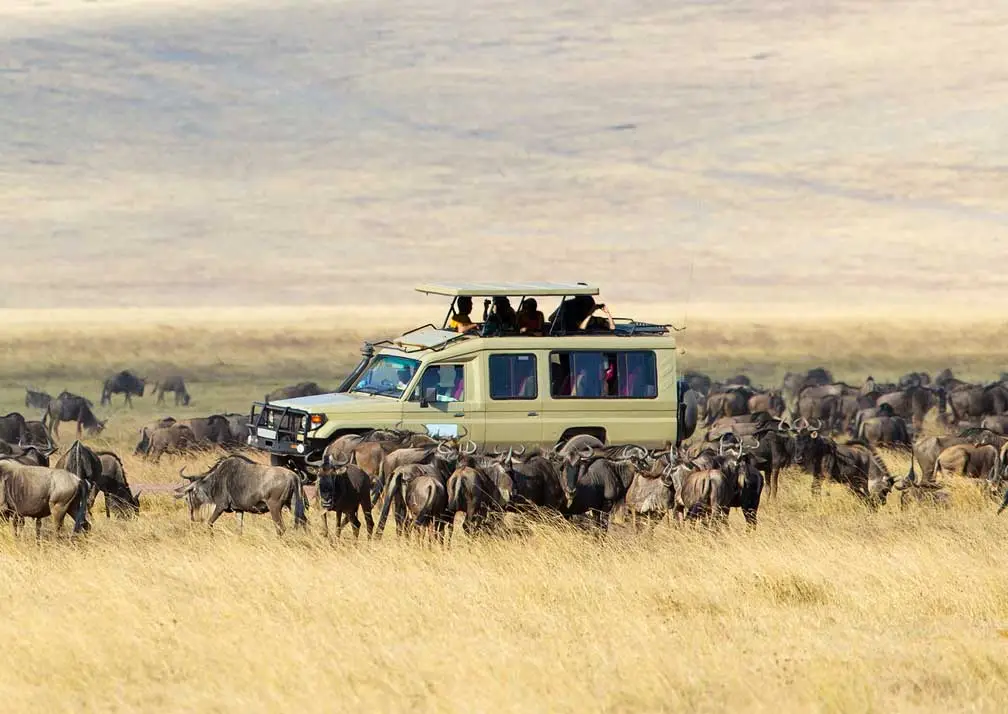
Great Migration Safaris
Experience one of nature's greatest spectacles with our Great Migration safari packages, timed for river crossings or calving.
View Package →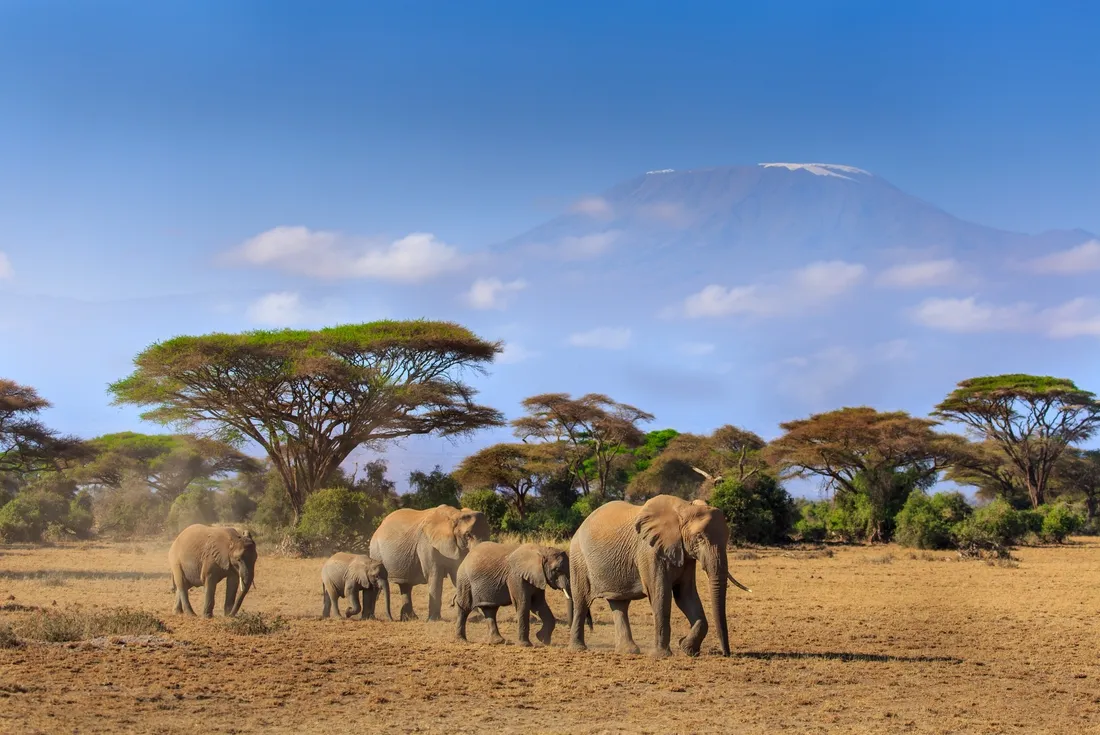
Serengeti & Kilimanjaro Trek
Combined safari and trekking tours offer wildlife adventures and Kilimanjaro climbs.
View Package →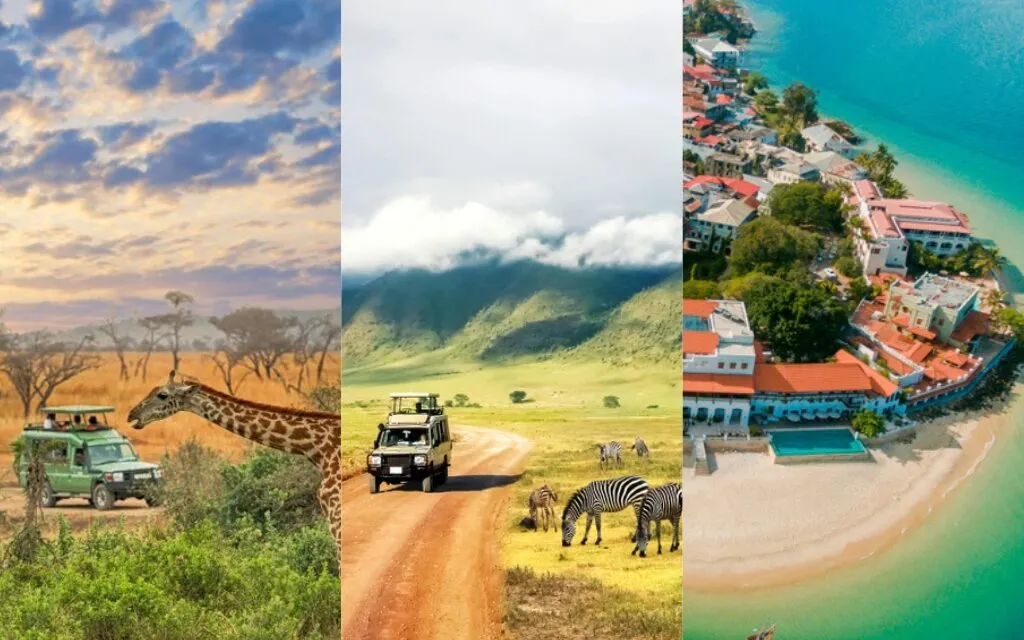
Serengeti & Zanzibar Tours
Luxury Tanzania safari & beach packages with the Great Migration and pristine beaches.
View Package →Related: Best Time to Visit Tanzania 2026 – Perfect safari extension after your Tajikistan mountain adventure.