
Tanzania Safari Planning Guide | Best Time, Costs & Travel Tips
When planning a Tanzania safari, consider the season, your budget, and the type of wildlife experiences you want. The dry season (June to October) offers excellent game viewing, while the green season (November to May) is quieter, more affordable, and lush with scenery. Factor in costs for park fees, accommodations, transport, and optional activities like hot-air balloon rides. Pack smart by including neutral-colored clothing, sun protection, and a good camera to capture the moments. Below is a complete Tanzania Safari Planning Guide with the best times to visit, cost insights, and practical travel tips to help you make the most of your adventure with Capable Africa Tours.
Start Planning Your Safari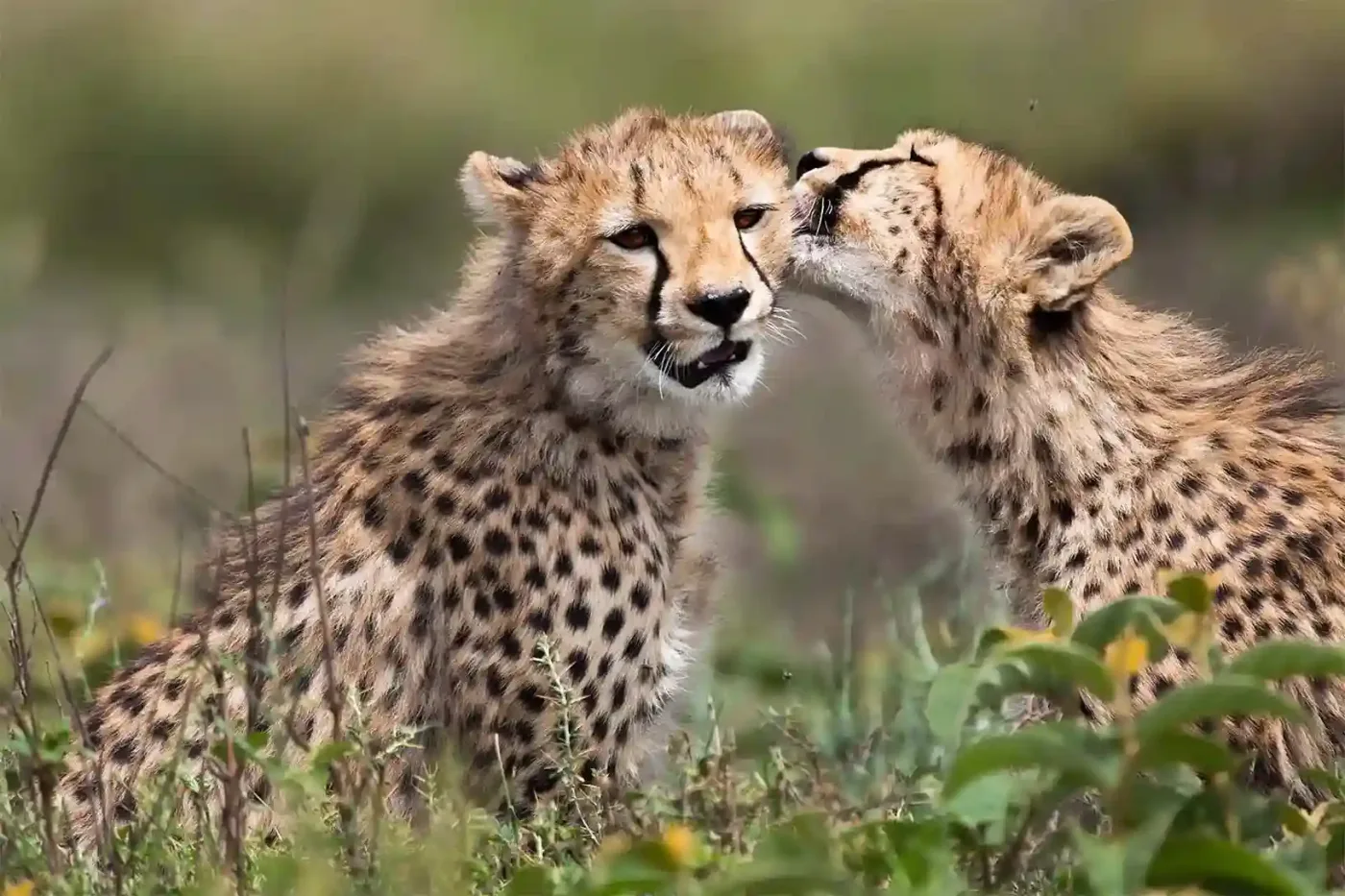
Your Ultimate Tanzania Safari Planning Guide
When planning your Tanzania safari, start by deciding the best time to travel based on wildlife movements and seasonal weather patterns. Choose destinations that match your interests, whether it’s the Serengeti for the Great Migration, Ngorongoro Crater for dense wildlife viewing, or Tarangire for elephants and baobab landscapes. Think about the style of safari you prefer—luxury lodge, tented camp, or budget-friendly option—and book well in advance to secure availability. Don’t forget essentials like visas, vaccinations, and travel insurance. This guide breaks down everything you need to know, from costs and timing to packing and safety, ensuring your Tanzania safari is a once-in-a-lifetime experience.
Why Choose Tanzania for Your Safari?
Tanzania is a safari lover’s dream home to the Big Five, vast savannahs, and the world-famous Serengeti and Ngorongoro Crater. Its wildlife is abundant and diverse, and the landscapes are breathtaking. Choosing Tanzania means an immersive, unforgettable adventure, where every day brings close encounters with nature in its purest form.
Best Time to Go on a Tanzania Safari
The best time to go on a Tanzania safari really depends on what you want to see. For classic game viewing, the dry season (June to October) is ideal—animals gather around water sources, and the Great Migration can be spotted in the Serengeti. If you’re more interested in lush landscapes, birdwatching, or seeing wildebeest calving, the green season (November to March) is perfect. April and May bring heavy rains, so safaris are less popular then.
Tanzania Safari Costs: Budget, Mid-Range, and Luxury
A Tanzania safari can fit various budgets, from affordable camping to luxury lodges. Costs depend on accommodation, group size, transport, and duration. Here’s a detailed breakdown based on Capable Africa Tours’ offerings:
- Budget Safari: $200–$350 per person per day. Includes camping, shared game drives, and basic meals. Ideal for backpackers or small groups.
- Mid-Range Safari: $350–$600 per person per day. Offers comfortable lodges, private vehicles, and full-board meals.
- Luxury Safari: $600–$1,500+ per person per day. Features upscale lodges, private guides, and optional flights between parks.
Additional Costs:
- Park Fees: $30–$100 per person per day, depending on the park.
- Visa: $50–$100, depending on nationality.
- Tips: $10–$30 per group per day for guides and staff.
- Flights: International flights ($800–$2,000) and domestic flights ($100–$300).
Essential Travel Tips for Your Tanzania Safari
Preparation is key to a smooth and enjoyable Tanzania safari. From packing to health precautions, these tips from Capable Africa Tours will ensure you’re ready for the adventure:
- Pack Light and Smart: Choose neutral-colored, lightweight clothing (avoid blue/black to deter tsetse flies), sturdy shoes, a hat, sunscreen, and binoculars.
- Health Precautions: Get vaccinated for yellow fever and take malaria prophylaxis. Carry insect repellent and drink only bottled water.
- Visa and Entry: Apply for a visa online ($50–$100) and ensure your passport is valid for six months with two blank pages.
- Safety First: Follow your guide’s instructions, maintain distance from wildlife, and avoid posting real-time photos with GPS data to protect against poaching.
- Currency and Payments: Use Tanzanian Shillings (TZS) or USD (post-2006 bills). Credit cards are accepted at larger lodges but may incur a 5% fee.
- Connectivity: Purchase a local SIM or eSIM for data. Capable Africa Tours recommends Airalo for reliable connectivity.
Top Tanzania Safari Destinations
Top Tanzania safari destinations include Serengeti National Park for the Great Migration, Ngorongoro Crater for dense wildlife in one scenic caldera, Tarangire National Park famous for elephants and baobabs, Lake Manyara for tree-climbing lions and birdlife, and Ruaha & Selous (Nyerere) National Parks for off-the-beaten-path, less crowded safaris. Each offers a unique experience, so your choice depends on whether you want iconic highlights or quieter wilderness.
Choosing Your Safari: Private vs. Group
Deciding between a private or group safari depends on your budget, preferences, and travel style. Capable Africa Tours offers both options to suit your needs:
- Private Safari: Exclusive vehicle and guide, customizable itinerary, ideal for families or couples. Costs: $400–$1,000 per person per day.
- Group Safari: Shared vehicle, budget-friendly, social experience. Costs: $200–$400 per person per day.
How Many Days for a Tanzania Safari?
The ideal safari duration depends on your interests and budget. Capable Africa Tours recommends:
- 3–4 Days: Short safaris covering 1–2 parks (e.g., Ngorongoro and Tarangire).
- 5–7 Days: Balanced itineraries, including Serengeti, Ngorongoro, and Lake Manyara.
- 8–10 Days: Comprehensive tours with multiple parks and cultural experiences.
What to Expect on Your First Safari
On your first safari, expect early mornings, bumpy game drives, and plenty of wildlife encounters that feel straight out of a nature documentary. You’ll spend a lot of time in open vehicles spotting animals, so bring patience—sometimes you’ll wait before a big sighting, but when it happens, it’s unforgettable. Lodges and camps are comfortable but close to nature, meaning you might hear lions at night or see elephants wander nearby. Pack light, follow your guide’s instructions, and be ready for both excitement and quiet moments soaking in Africa’s landscapes.
Explore More Tanzania Safari Articles
Dive deeper into planning your Tanzania safari with these expertly crafted articles from Capable Africa Tours. Each guide offers practical advice to enhance your adventure:
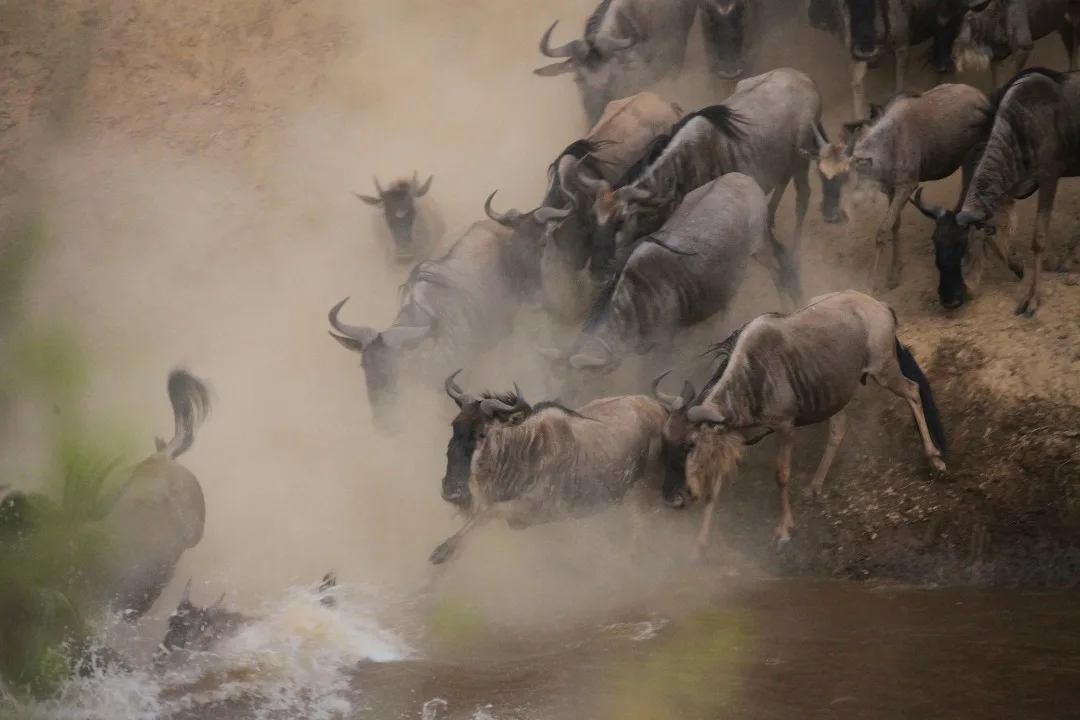
Best Time to Go on Safari in Tanzania
Discover the optimal seasons for wildlife viewing, including the Great Migration and birdwatching opportunities.
Read Article →
How to Plan the Perfect Tanzania Safari
Step-by-step guide to choosing parks, itineraries, and tour operators for a seamless safari.
Read Article →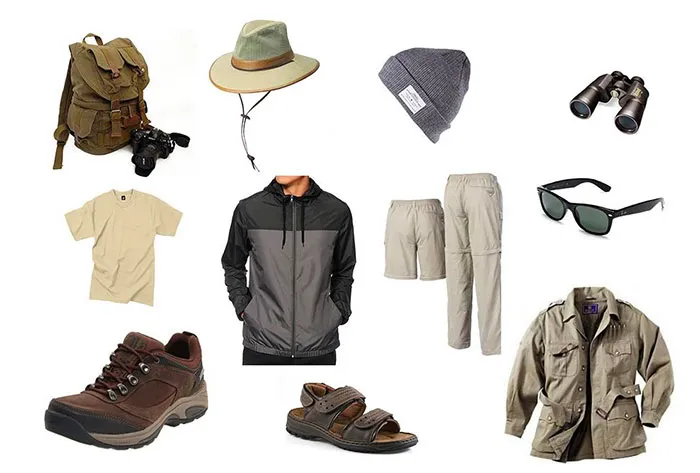
What to Pack for a Tanzania Safari
Essential packing tips, from clothing to gear, for a comfortable and prepared safari experience.
Read Article →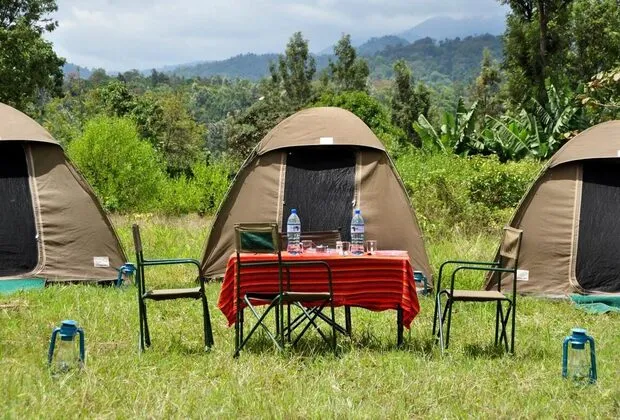
Tanzania Safari Costs: Budget vs. Luxury Options
Breakdown of safari costs, from budget camping to luxury lodges, with tips to save money.
Read Article →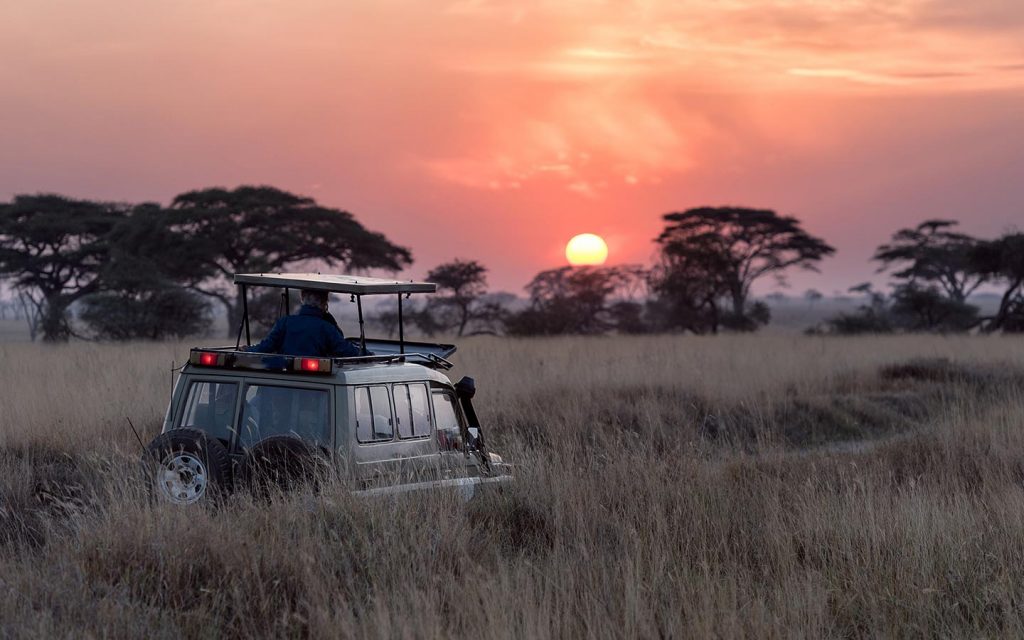
How Many Days Do You Need for a Tanzania Safari?
Find the ideal safari duration based on your interests, budget, and desired destinations.
Read Article →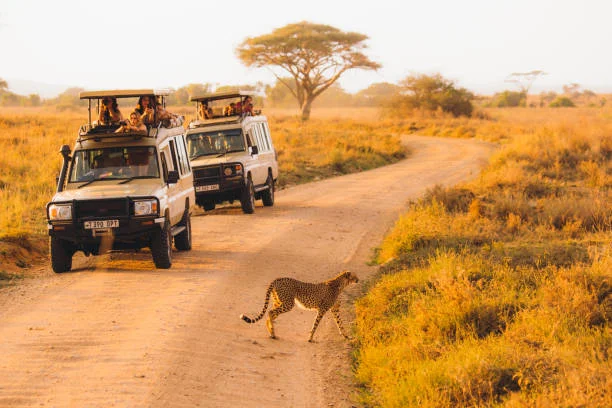
Private vs. Group Safari in Tanzania – Which is Better?
Compare private and group safaris to choose the best option for your travel style.
Read Article →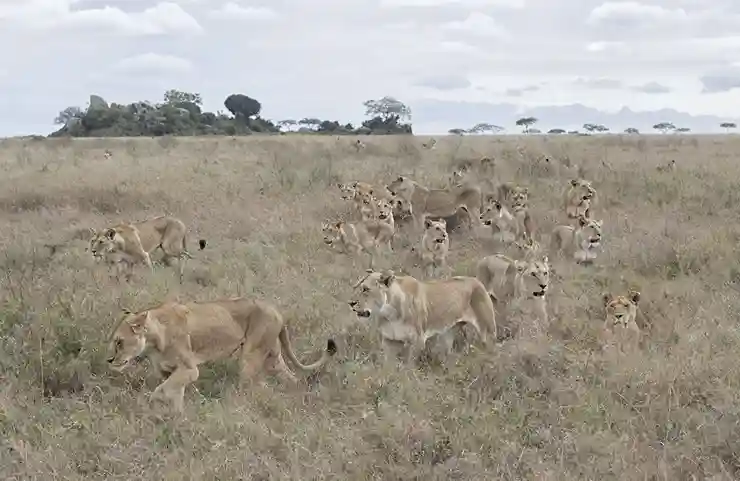
Tanzania Safari Routes: Northern, Southern, and Western Circuits Explained
Explore Tanzania’s safari circuits to plan the perfect route for your adventure.
Read Article →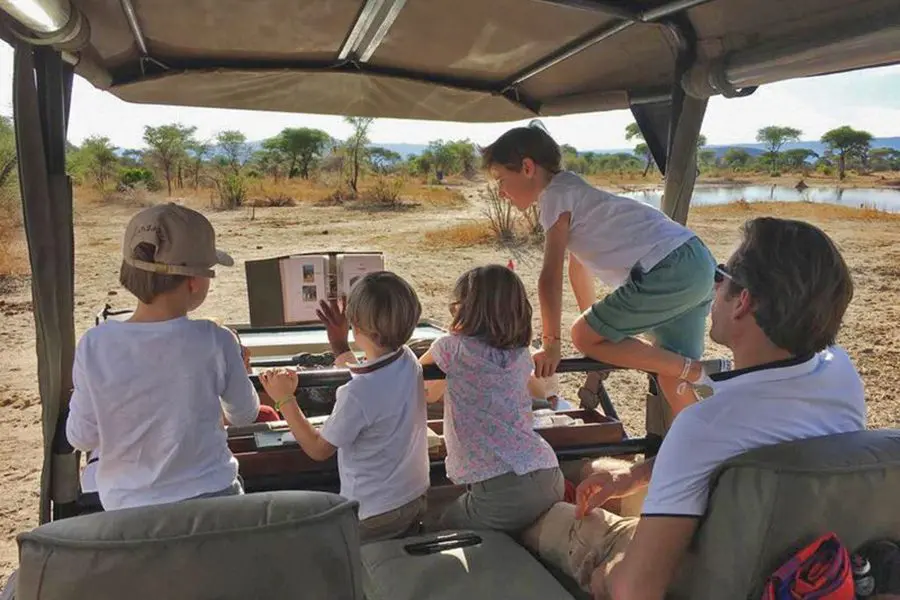
What to Expect on Your First Safari in Tanzania
Prepare for your first safari with insights on game drives, wildlife, and daily routines.
Read Article →Plan Your Dream Safari with Capable Africa Tours
Ready to explore Tanzania’s wild heart? Capable Africa Tours offers tailor-made safaris with expert guides, sustainable practices, and itineraries crafted to your budget and interests. Whether it’s witnessing the Great Migration or relaxing on Zanzibar’s beaches, we’ll make your adventure unforgettable.
- 95% Wildlife Sighting Success Rate
- Customizable Itineraries for All Budgets
- Expert Local Guides Born in Tanzania
- Eco-Friendly and Community-Focused Tours
- Seamless Combinations with Kilimanjaro or Zanzibar
Frequently Asked Questions About Tanzania Safaris
Additional route and planning options
Tanzania Travel Guide 2026-2027: History, Visa, Attractions & Tips
Under Julius Nyerere, Tanzania pursued African socialism and non-alignment, promoting Swahili as a unifying language. Today, Tanzania's identity centers on “Ujamaa” (familyhood) values while celebrating over 120 ethnic groups that live in remarkable harmony. The national flag features green, black, yellow, and blue stripes symbolizing nature, people, mineral wealth, and the Indian Ocean.
Tanzania's history spans millennia, from early hominid fossils at Olduvai Gorge through ancient Swahili city-states to German and British colonial rule. The coastal region was part of major Indian Ocean trade networks for centuries, while the interior remained largely untouched until the 19th century. Tanganyika gained independence in 1961 and united with Zanzibar in 1964 to form modern Tanzania. This rich historical tapestry creates a fascinating backdrop for modern travelers exploring archaeological sites, colonial architecture, and vibrant cultural traditions.