Most Complete Thailand Travel Guide 2026-2027 – Everything You Need to Know Before Visiting
This Thailand travel guide provides everything you need to plan your journey to the Land of Smiles. Thailand offers an extraordinary blend of vibrant cities, ancient temples, tropical islands, lush jungles and world-famous cuisine that create one of Southeast Asia’s most diverse travel experiences. Many travelers who want to travel to Thailand are surprised by the country's incredible diversity and rich cultural heritage spanning ancient kingdoms, Buddhist traditions, and modern cosmopolitan life. The nation covers over 513,000 square kilometers, offering visitors everything from bustling Bangkok to tranquil mountain tribes and paradise beaches.
Start Reading the Full Guide ↓Quick Facts About Thailand
- Capital: Bangkok.
- Currency: Thai Baht (THB).
- Time Zone: Indochina Time (ICT, UTC+7).
- International Calling Code: +66.
- Driving Side: Left.
- Major Airports: Suvarnabhumi (BKK), Don Mueang (DMK), Phuket (HKT), Chiang Mai (CNX).
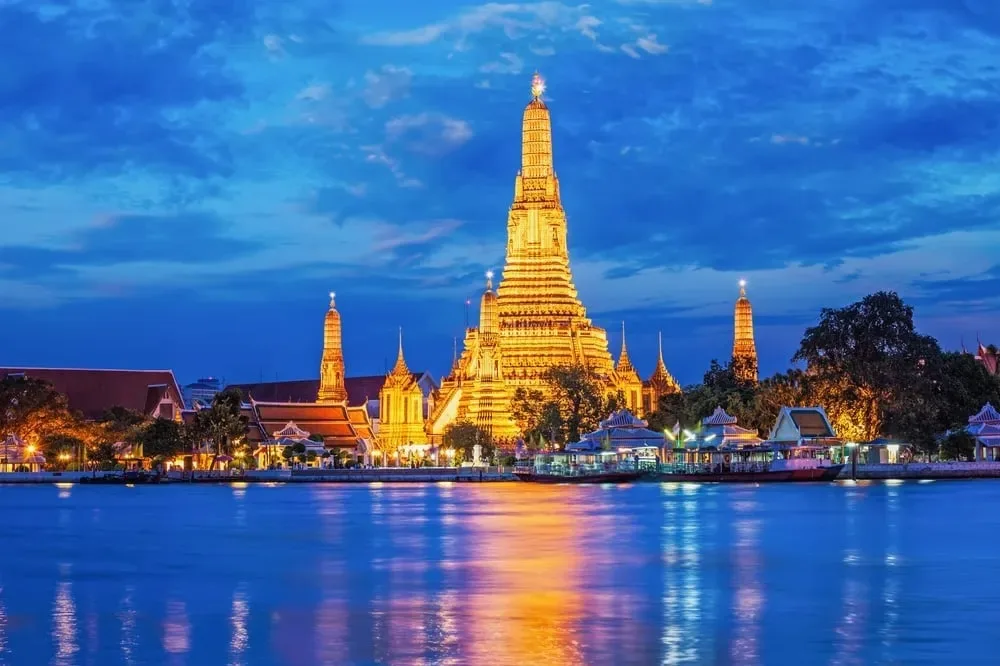
Thailand Overview & Key Facts
Brief History of Thailand
Thailand's history spans millennia, from ancient Khmer influences through the Sukhothai and Ayutthaya kingdoms to the modern Chakri dynasty. Never colonized by European powers, Thailand (formerly Siam) maintained independence throughout the colonial era. The country transitioned to constitutional monarchy in 1932 and has experienced periods of military rule and democratic governance. This rich historical tapestry creates a fascinating backdrop for modern travelers exploring ancient temples, royal palaces and cultural traditions.
Independence & National Identity
- Never colonized – only Southeast Asian nation to avoid European rule.
- Former name: Siam (until 1939).
- National symbols & identity.
Thailand takes immense pride in never having been colonized. The national flag features red, white and blue stripes with a central blue band representing the monarchy. The Thailand's identity centers on the three pillars: Nation, Religion (Buddhism), and King.
Government System & Current Leadership
- Type of government: Constitutional Monarchy
- Current king: Maha Vajiralongkorn (Rama X)
- Notes on political stability
Thailand is a constitutional monarchy with the king as head of state. The country has experienced political fluctuations but remains stable for tourism. Travelers should avoid any discussion of the monarchy (lèse-majesté laws are strictly enforced).
Population, Ethnic Groups & Languages
- Population: 71.8 million (2025 projection).
- Major ethnic groups: Thai (95%), Chinese, Malay, hill tribes.
- Official language(s): Thai.
- Additional languages commonly spoken.
English is widely spoken in tourist areas, hotels, restaurants and transportation hubs. Younger generations and tourism workers generally speak good English.
Main Religions & Cultural Identity
Theravada Buddhism is practiced by over 93% of the population and deeply influences daily life, festivals and architecture. Small Muslim (5%), Christian and Hindu minorities exist. Buddhist values of kindness, respect and “sanuk” (fun) shape Thai culture.
Geography & Natural Landscape
Thailand features diverse geography: mountainous north, central plains, northeastern plateau, and southern peninsula with thousands of islands. The country has tropical beaches, dense jungles, rivers and dramatic limestone karsts.
Economy & Tourism Highlights
Tourism is a major pillar of the Thai economy, welcoming over 40 million visitors annually pre-pandemic. The government actively promotes sustainable tourism, wellness retreats, gastronomy and cultural experiences.
What Thailand Is Known For
- Stunning tropical islands and beaches
- Ancient temples and UNESCO sites (Ayutthaya, Sukhothai)
- World-famous cuisine and night markets
- Friendly people and “Land of Smiles” reputation
Visa & Entry Requirements in Thailand
Thailand has some of the most tourist-friendly visa policies in the world. Many nationalities enjoy visa exemption or visa-on-arrival, with options to extend stays easily.
Do You Need a Visa?
60-day visa exemption for 93 countries (by air), 30 days by land. Visa on Arrival for select nationalities (15–30 days). Long-stay options include Destination Thailand Visa (DTV) and various retirement/education visas.
Visa Application Options in Thailand
- Visa exemption stamp on arrival
- Visa on Arrival at major airports/land borders
- e-Visa system for certain nationalities
- 60-day Tourist Visa from Thai embassies
Passport Validity & Entry Documents
Passport must be valid 6 months beyond intended stay. Return/onward ticket often checked (especially by airlines). Proof of funds occasionally requested.
Customs Rules & Prohibited Items
Strict drug laws – even small amounts carry heavy penalties. E-cigarettes and vapes are illegal. Duty-free allowance: 200 cigarettes, 1L alcohol.
Safety & Security Information in Thailand
Thailand is one of the safest countries in Southeast Asia for tourists. Violent crime against visitors is rare.
Is Thailand Safe for Tourists?
Yes – millions visit safely every year. Most risks are petty theft, scams and road safety. Southernmost provinces (Yala, Pattani, Narathiwat) have occasional insurgency – avoid non-essential travel there.
Recommended Safety Tips when in Thailand
Use Grab/taxi apps, avoid unmarked taxis, drink responsibly, use hotel safes, watch bags in crowded areas, rent scooters only with proper license and helmet.
Safe Areas vs. Areas to Avoid in Thailand
All major tourist destinations (Bangkok, Phuket, Chiang Mai, islands) are very safe. Avoid the deep south provinces near Malaysia border.
Emergency Numbers & Tourist Police in Thailand
- Tourist Police: 1155 (English spoken)
- General Emergency: 191
- Ambulance: 1669
- Tourist Assistance Center: 1672
Health Requirements & Vaccinations in Thailand
No mandatory vaccinations for most travelers.
Mandatory Vaccinations in Thailand
None, except Yellow Fever certificate if arriving from endemic countries.
Recommended Vaccinations in Thailand
Hepatitis A, Typhoid, routine vaccines. Consider Hepatitis B, Rabies (for long stays or animal contact), Japanese Encephalitis (rural areas).
Malaria & Other Risks
Low malaria risk – mostly near Myanmar/Cambodia borders. Dengue is present year-round. Use mosquito repellent.
Travel Insurance Recommendations in Thailand
Highly recommended – covers medical evacuation, scooter accidents, trip cancellation. Many policies specifically include adventure activities.
Best Time to Visit in Thailand
Thailand has three main seasons: cool, hot and rainy.
Weather by Season
Cool season (Nov–Feb): 20–32°C, least rain. Hot season (Mar–May): 35–40°C. Rainy season (Jun–Oct): frequent showers, lower prices, lush landscapes.
When to Visit Thailand for Best Experiences
- Beaches: November–April
- Festivals: Songkran (April), Loy Krathong (November)
- Fewer crowds: May–October
High Season vs. Low Season Travel
High season (Nov–Feb): best weather, highest prices, busiest. Shoulder/low season (May–Oct): excellent deals, occasional rain, still plenty of sunshine.
Weather & Climate Overview in Thailand
Tropical climate with high humidity year-round.
Temperature Ranges
Northern Thailand cooler (Chiang Mai can drop to 10°C at night Dec–Jan). Bangkok 28–35°C year-round. Islands 26–33°C.
Rainy & Dry Seasons in Thailand
Andaman coast (Phuket, Krabi): best Dec–Mar. Gulf coast (Koh Samui, Koh Phangan): best Jan–Sep.
What to Wear Based on the Weather
Light breathable clothing, flip-flops, rain jacket (rainy season), light sweater for northern mountains Dec–Jan.
Main Currency, Costs & Budgeting in Thailand
Thai Baht (THB). ATMs widespread, cards accepted almost everywhere in tourist areas.
Average Travel Costs in Thailand
Budget: $40–80/day; mid-range $90–180/day; luxury $250+/day. Street food $2–5, mid-range meal $10–20.
Using ATMs, Cards & Mobile Money in Thailand
ATMs charge 220–250 THB fee. Cards widely accepted. Apps like Grab, food delivery common.
Tipping Guidelines in Thailand
Not expected but appreciated. Round up taxi/Grab fare, leave 20–50 THB in restaurants if happy, 100 THB+ for guides.
Transportation & Getting Around in Thailand
Excellent tourist infrastructure.
Airport Transfers
Airport Rail Link (Bangkok), Grab, metered taxis, private transfers.
Local Transport Options in Thailand
Grab (ride-hailing), BTS/MRT (Bangkok), songthaew, tuk-tuks, motorbike taxis, domestic flights (Bangkok Airways, AirAsia, Nok Air, VietJet).
Thailand Domestic Flights
Cheap and frequent between Bangkok, Phuket, Chiang Mai, Koh Samui, Krabi.
Car Rentals & Road Conditions in Thailand
International license required. Left-side driving. Scooter rental very common (wear helmet).
Accommodation Options available in Thailand
From $10 hostels to $1,000+ luxury resorts.
Types of Accommodations in Thailand
Hostels, guesthouses, boutique hotels, international chains, private pool villas, beach bungalows.
Budget vs. Mid-Range vs. Luxury
Budget $15–50, mid-range $60–150, luxury $200+ per night.
Essential Packing Guide when Visiting Thailand
Light clothing, modest attire for temples, rain jacket, sunscreen, insect repellent, universal adapter (Type A/B/C/O).
Language & Communication in Thailand
Thai language, English widely spoken in tourist areas. Useful phrases: Sawasdee (hello), Khob khun (thank you).
Culture & Etiquette in Thailand
Respect the monarchy, remove shoes indoors, wai greeting, don’t touch head, cover shoulders/knees in temples.
Food, Water & Dining in Thailand
World-famous cuisine. Street food safe if busy and hot. Bottled water recommended.
Top Attractions & Things to Do in Thailand
Bangkok temples & nightlife, Chiang Mai mountains & elephants, Phuket/Krabi beaches, Koh Phi Phi, Ayutthaya ruins, full-moon parties.
Thai Electrical System Information
220V, 50Hz. Plugs A, B, C, O common. Universal adapter recommended.
Local Laws & Regulations of Thailand
Strict drug laws, no vaping, lèse-majesté laws, respect Buddha images.
Final Travel Tips for Visitors in Thailand
Smile, be patient, bargain politely, use sunscreen, stay hydrated, book popular islands in advance during high season.
Frequently Asked Questions – Thailand Travel Guide 2026-2027
Our Tanzania Tours Products
While Thailand offers incredible temples, beaches and cuisine, many travelers combine Southeast Asia with the ultimate African safari experience. Capable Africa Tours specializes in secure, guided safaris that maximize safety and wonder...
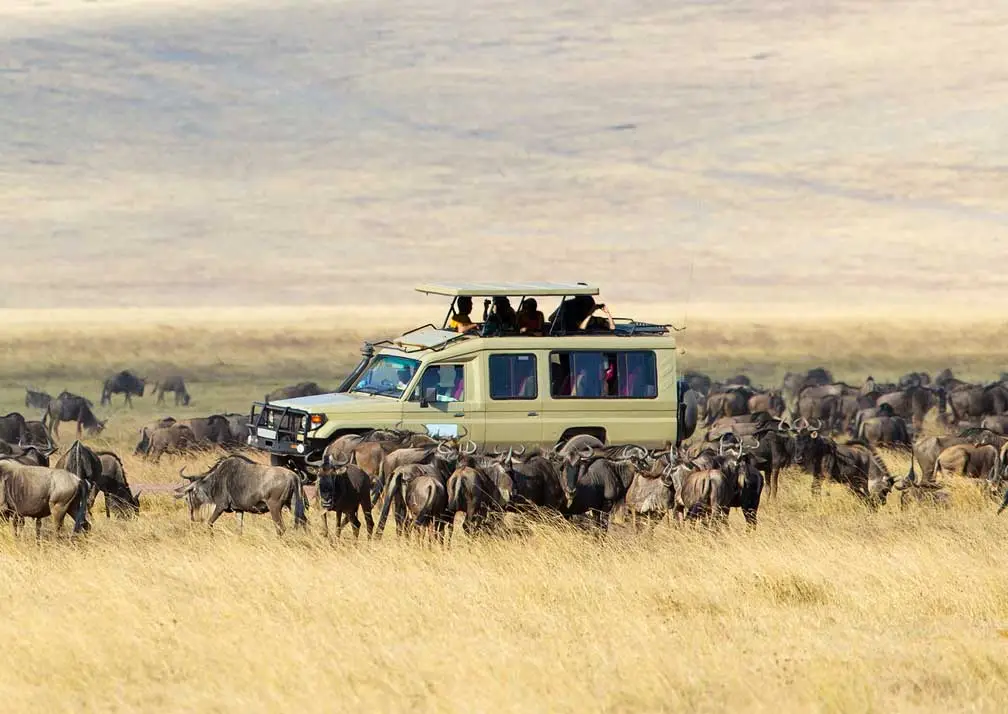
Great Migration Safaris
Experience one of nature's greatest spectacles with our Great Migration safari packages, timed for river crossings or calving.
View Package →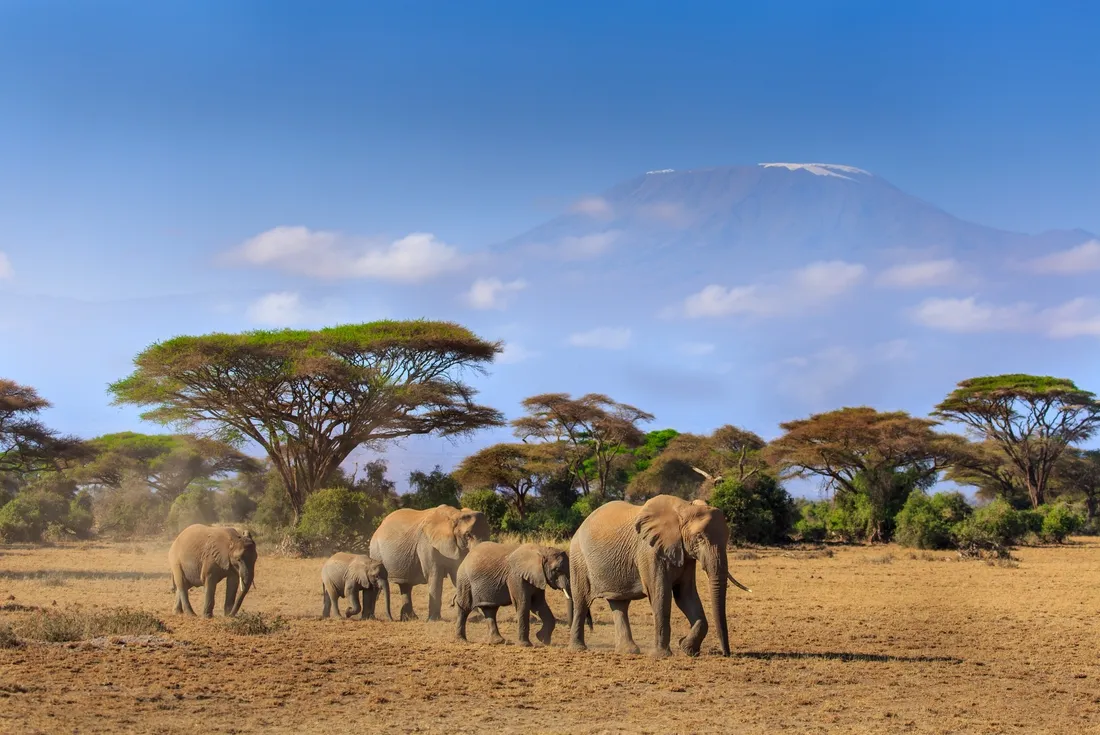
Serengeti & Kilimanjaro Trek
Combined safari and trekking tours offer wildlife adventures and Kilimanjaro climbs.
View Package →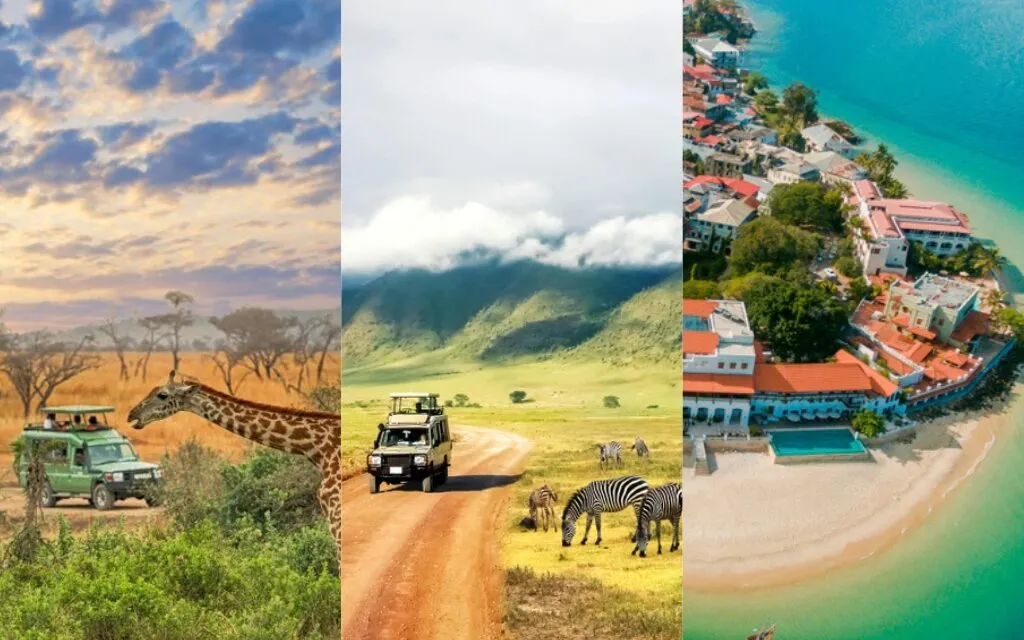
Serengeti & Zanzibar Tours
Luxury Tanzania safari & beach packages with the Great Migration and pristine beaches.
View Package →Related: Best Time to Visit Tanzania 2026 – Perfect safari extension after your Thailand adventure.