
Most Complete Timor-Leste Travel Guide 2026-2027 – Everything You Need to Know Before Visiting
This Timor-Leste travel guide provides everything you need to plan your journey to Southeast Asia’s youngest nation. Timor-Leste offers an extraordinary blend of pristine coral reefs, rugged mountain landscapes, and a unique Portuguese-Timorese culture that creates one of the region’s most authentic travel experiences. Many travelers who want to visit Timor-Leste are surprised by the country’s incredible diving, empty beaches, and warm hospitality. The nation covers just over 15,000 square kilometers, making it one of Asia’s smallest countries, yet offering visitors everything from world-class dive sites to sacred mountain peaks and traditional animist villages.
Start Reading the Full Guide ↓Quick Facts About Timor-Leste
- Capital: Dili.
- Currency: US Dollar (USD).
- Time Zone: Timor-Leste Time (TLT, UTC+9).
- International Calling Code: +670.
- Driving Side: Left.
- Major Airport: Presidente Nicolau Lobato International Airport (DIL).
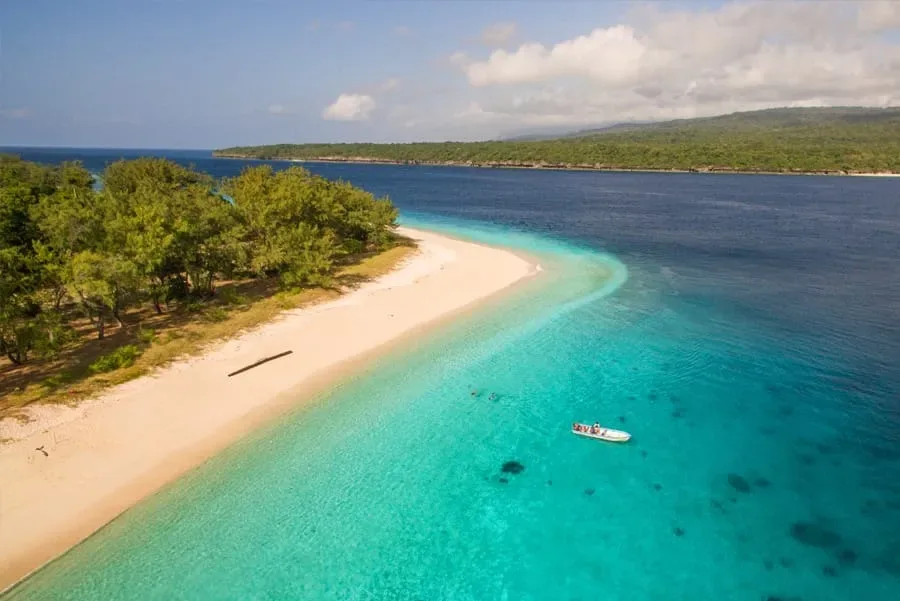
Timor-Leste Overview & Key Facts
Brief History of Timor-Leste
Timor-Leste’s history spans ancient animist kingdoms, Portuguese colonization from the 16th century, brief Japanese occupation during WWII, and Indonesian occupation from 1975–1999. A UN-sponsored referendum in 1999 led to independence, though violence followed until international peacekeeping forces restored order. Full independence was achieved on 20 May 2002, making Timor-Leste the first new sovereign state of the 21st century.
Independence & National Identity
- Independence date: 20 May 2002.
- Former colonial powers: Portugal (1515–1975), Indonesia (1975–1999).
- National symbols & identity.
Timor-Leste gained independence after a 24-year guerrilla struggle against Indonesian occupation that cost approximately 200,000 lives. The national flag features a black triangle with a white star, red background and yellow triangle, symbolizing the struggle for liberation. Timor-Leste's National identity blends Catholic faith (97% of population), Portuguese heritage, and strong traditional animist beliefs.
Government System & Current Leadership
- Type of government: Unitary semi-presidential republic
- Current president: José Ramos-Horta (since 2022)
- Notes on political stability
Timor-Leste operates as a democratic republic with peaceful transitions of power since 2002. Nobel Peace Prize laureate José Ramos-Horta returned as president in 2022. The country enjoys strong political stability and regular free elections.
Population, Ethnic Groups & Languages
- Population: 1.36 million (2025 estimate).
- Major ethnic groups: Austronesian (Malayo-Polynesian) and Papuan.
- Official languages: Tetum and Portuguese.
- Additional languages commonly spoken.
Over 30 indigenous languages exist, with Tetum and Portuguese as official languages. Indonesian and English are working languages. English proficiency is high among younger generations and in tourism.
Main Religions & Cultural Identity
Roman Catholicism is practiced by 97% of the population, making Timor-Leste one of only two predominantly Christian nations in Southeast Asia. Traditional animist beliefs remain strong and often blend with Catholic practices. Respect for sacred houses (uma lulik) and ancestral customs is widespread.
Geography & Natural Landscape
Timor-Leste occupies the eastern half of Timor Island plus Atauro Island, Jaco Island, and the Oecusse enclave. Rugged mountains dominate the interior, with Mount Ramelau (2,986 m) the highest peak. The north coast features beautiful beaches and coral reefs, while the south coast has dramatic cliffs and fewer roads.
Economy & Tourism Highlights
Oil and gas revenues dominate the economy, supplemented by growing coffee exports and emerging tourism. The government actively promotes eco-tourism, diving, and cultural tourism. Tourism infrastructure is developing rapidly, especially around Dili and Atauro Island.
What Timor-Leste Is Known For
- Some of the world’s best and least-crowded diving
- Pristine, empty tropical beaches
- Unique Portuguese-Timorese culture and architecture
Visa & Entry Requirements in Timor-Leste
Citizens of most countries receive a free 30-day visa-on-arrival at Dili airport or Dili seaport. Extensions are straightforward at immigration in Dili.
Do You Need a Visa?
Most nationalities receive a free visa-on-arrival valid for 30 days. Only a handful of countries require pre-arranged visas.
Visa Application Options in Timor-Leste
- Visa-on-arrival (free, 30 days) at Dili airport/seaport
- Visa extension at Immigration Department in Dili (up to 90 days total)
- e-Visa system expected to launch in 2026
Visa-on-arrival is issued on the spot with minimal requirements. Extensions cost $35–75 depending on length.
Passport Validity & Entry Documents
Passport must be valid for 6 months beyond intended stay with at least two blank pages. Return/onward ticket may be requested.
Customs Rules & Prohibited Items
Standard restrictions apply. Duty-free allowance: 200 cigarettes, 1.5L spirits. Drones require prior permission.
Safety & Security Information in Timor-Leste
Timor-Leste is rated Level 1 (exercise normal precautions) by most governments. Crime rates are low and violent crime against tourists is extremely rare.
Is Timor-Leste Safe for Tourists?
Yes – one of Southeast Asia’s safest destinations. Petty theft is uncommon, and locals are known for their hospitality.
Recommended Safety Tips when in Timor-Leste
Use registered taxis/microlets, avoid isolated areas after dark, and secure valuables. Road safety is the biggest risk due to poor roads and driving standards.
Safe Areas vs. Areas to Avoid in Timor-Leste
All tourist areas are safe. No current travel advisories against any region.
Emergency Numbers & Tourist Police in Timor-Leste
- Police: 112
- Fire: 115
- Ambulance: 118 or 331 1008 (Dili National Hospital)
- Tourist Police: Available in Dili
Health Requirements & Vaccinations in Timor-Leste
No mandatory vaccinations except yellow fever if arriving from endemic countries. Malaria risk exists outside Dili.
Mandatory Vaccinations in Timor-Leste
Yellow fever certificate required if arriving from affected countries.
Recommended Vaccinations in Timor-Leste
Hepatitis A, Typhoid, routine vaccines. Malaria prophylaxis recommended for rural areas.
Malaria & Other Risks
Malaria present outside Dili. Dengue is a year-round risk. Use insect repellent and long clothing at dawn/dusk.
Travel Insurance Recommendations in Timor-Leste
Essential – medical facilities are limited. Ensure coverage includes medical evacuation and scuba diving if applicable.
Best Time to Visit in Timor-Leste
May–November (dry season) offers the best weather for diving, hiking and island travel. December–April brings rain but excellent whale-watching.
Weather by Season
Dry season (May–Nov): 24–32°C, calm seas. Wet season (Dec–Apr): 25–33°C, frequent rain especially Jan–Mar.
When to Visit Timor-Leste for Best Experiences
- Diving & snorkelling: May–November
- Whale-watching: September–November
- Hiking Mount Ramelau: June–October
- Cultural festivals: May (Independence) & August (Popular Consultation)
High Season vs. Low Season Travel
Peak season: June–August & December holidays. Shoulder seasons offer best value and weather.
Weather & Climate Overview in Timor-Leste
Tropical climate with distinct dry and wet seasons. Coastal areas are hot year-round; mountains are cooler.
Temperature Ranges
Dili: 24–33°C year-round. Highlands: 15–25°C.
Rainy & Dry Seasons in Timor-Leste
Dry season: May–November. Wet season: December–April, heaviest January–March.
What to Wear Based on the Weather
Light cotton clothing, rain jacket (wet season), reef-safe sunscreen, hat, modest attire for villages/churches.
Main Currency, Costs & Budgeting in Timor-Leste
US Dollar is the official currency. ATMs widely available in Dili, scarce elsewhere.
Local Currency Information
USD used for all transactions. Centavo coins (1–100) for small change.
Average Travel Costs in Timor-Leste
Budget: $60–100/day; mid-range: $120–200/day; luxury/diving: $250–450/day.
Using ATMs, Cards & Mobile Money in Timor-Leste
Visa/Mastercard accepted at larger hotels and dive operators. Cash preferred elsewhere.
Tipping Guidelines in Timor-Leste
Not expected but appreciated. $5–10 for guides/drivers is generous.
Transportation & Getting Around in Timor-Leste
Limited public transport outside Dili. Most visitors use private transfers, rented cars/scooters, or organized tours.
Airport Transfers
Taxis from Dili airport: $10–15 to city center. Many hotels offer free pickup.
Local Transport Options in Timor-Leste
Mikrolets (minibuses) in Dili, shared taxis to districts. Car/scooter rental popular.
Timor-Leste Domestic Flights
Limited flights to Baucau and Oecusse. Most travel by road or boat.
Car Rentals & Road Conditions in Timor-Leste
4WD recommended outside Dili. Roads are improving but many remain rough.
Accommodation Options available in Timor-Leste
Options range from basic guesthouses to boutique eco-lodges and a few international-standard hotels in Dili.
Types of Accommodations in Timor-Leste
Hotels, guesthouses, eco-resorts, dive resorts, homestays.
Budget vs. Mid-Range vs. Luxury
Budget $25–60; mid-range $80–150; luxury $150–300+ (mostly Dili & Atauro).
Best Areas to Stay in Timor-Leste
Dili (convenience), Atauro Island (diving/beaches), Baucau (culture/beaches).
Essential Packing Guide when Visiting Timor-Leste
Pack light, bring reef-safe sunscreen, snorkelling gear if you have it, and modest clothing for village visits.
Clothing Essentials
Light breathable clothes, swimwear, rash guard, light rain jacket, modest attire.
Footwear & Gear
Reef shoes, hiking sandals, light hiking shoes for mountains.
Electronics & Cameras
Universal adapter (Australian plugs), power bank, underwater housing if diving.
Toiletries & Personal Items
Reef-safe sunscreen, insect repellent, basic medications, snorkel gear.
Language & Communication in Timor-Leste
Tetum and Portuguese official; English widely understood in tourism.
Main Languages Spoken in Timor-Leste
Tetum (most common), Portuguese (official), Indonesian, English.
Useful Phrases for Tourists
“Bondia” (good morning), “Obrigadu/Obrigada” (thank you), “Diak ka lae?” (how are you?).
SIM Cards & Mobile Data used in Timor-Leste
Telemor, Telkomcel, Viettel. Good coverage in Dili and main towns.
Internet Availability & Wi-Fi in Timor-Leste
Wi-Fi in most hotels and many cafes in Dili. Limited elsewhere.
Culture & Etiquette in Timor-Leste
Conservative Catholic society with strong traditional beliefs.
Timor-Leste Dress Code Expectations
Cover shoulders and knees in villages and churches. Beachwear only at beaches.
Social Etiquette & Respectful Behavior of Timor-Leste
Ask permission before photographing people. Respect sacred houses (uma lulik).
Photography Rules in Timor-Leste
Always ask permission when photographing people, especially elders.
Important Cultural Dos & Don’ts in Timor-Leste
Do accept hospitality. Don’t touch someone’s head. Don’t point feet at people.
Food, Water & Dining in Timor-Leste
Simple but delicious mix of Portuguese, Indonesian and local flavours.
Timor-Leste Local Dishes to Try
Bibinka, grilled fish with spicy sauce, fehunu (grilled tuna), tapai (fermented rice).
Dietary Options in Timor-Leste
Fresh seafood abundant. Vegetarian options limited outside Dili.
Drinking Water Safety
Bottled water recommended outside major hotels.
Restaurant Etiquette
Casual atmosphere. Tipping not expected but appreciated.
Top Attractions & Things to Do in Timor-Leste
World-class diving, empty beaches, mountain treks and living culture.
Major Tourist Attractions in Timor-Leste
- Atauro Island (diving & whale-watching)
- Jaco Island & Tutuala beach
- Mount Ramelau sunrise trek
- Dili: Cristo Rei, Arte Moris, Tais market
Best Tours & Experiences in Timor-Leste
Diving and snorkelling trips, village homestays, coffee plantation tours, whale-watching.
Family-Friendly Activities to do in Timor-Leste
Beaches, Jesus statue visit, dolphin-watching boat trips.
Unique Cultural or Historical Sites to visit in Timor-Leste
Resistance Museum, Santa Cruz cemetery, traditional sacred houses.
Timor-Leste Electrical System Information
Australian/New Zealand standard plugs.
Plug Types & Voltage used in Timor-Leste
Type I plugs, 220–240V, 50Hz.
Charging Tips
Bring Type I adapter. Power banks useful for remote areas.
Local Laws & Regulations of Timor-Leste
Relaxed but conservative laws.
Rules Travelers Need to Know when In Timor-Leste
Drugs strictly prohibited. Drones require permit. Respect Sunday church times.
Alcohol, Smoking & Substance Laws of Timor-Leste
Alcohol widely available. No public drinking laws. Cannabis illegal.
Restricted or Protected Areas in Timor-Leste.
Nino Konis Santana National Park has some restricted sacred sites.
Final Travel Tips for Visitors in Timor-Leste
Be patient, flexible and open – infrastructure is still developing but the rewards are immense.
Common Mistakes to Avoid
Underestimating travel times, not bringing enough cash for rural areas, expecting Western standards everywhere.
Tips to Save Money when Visiting Timor-Leste
Stay in guesthouses, eat local food, use mikrolets, travel in shoulder season.
Safety & Comfort Tips
Bring reef-safe sunscreen, stay hydrated, use registered guides for treks.
Frequently Asked Questions – Timor-Leste Travel Guide 2026-2027
Our Tanzania Tours Products
While Timor-Leste offers incredible diving and untouched beaches, many travelers combine Southeast Asia with the ultimate wildlife experience in East Africa. Capable Africa Tours specializes in secure, guided safaris that maximize safety and wonder. Our expert local guides, armed rangers in parks, and vetted accommodations ensure peace of mind. From family-friendly lodges to luxury camps, we handle logistics so you focus on the magic. Tanzania ranks high for tourist safety with dedicated wildlife protection units and stable northern circuits.
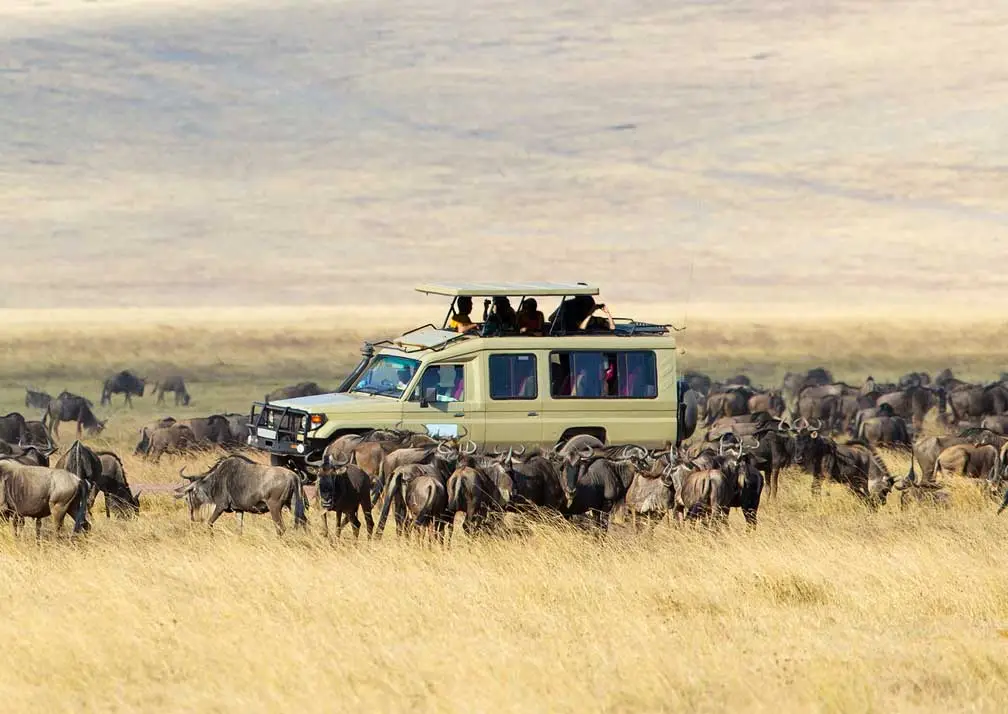
Great Migration Safaris
Experience one of nature's greatest spectacles with our Great Migration safari packages, timed for river crossings or calving.
View Package →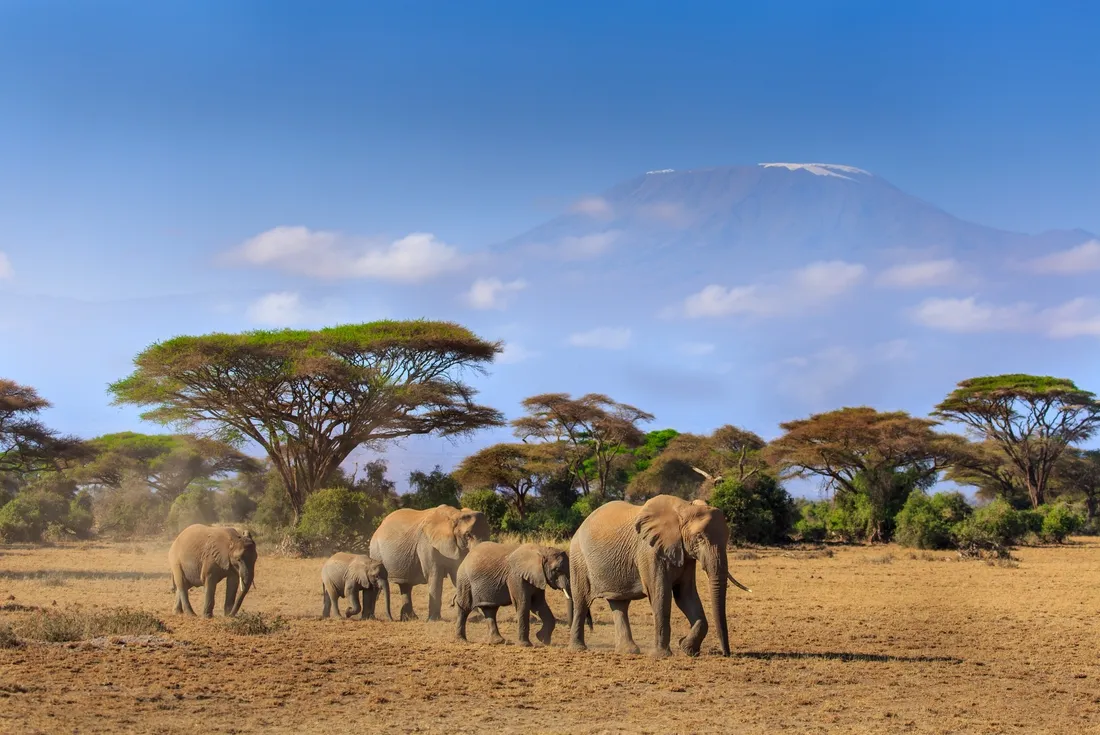
Serengeti & Kilimanjaro Trek
Combined safari and trekking tours offer wildlife adventures and Kilimanjaro climbs.
View Package →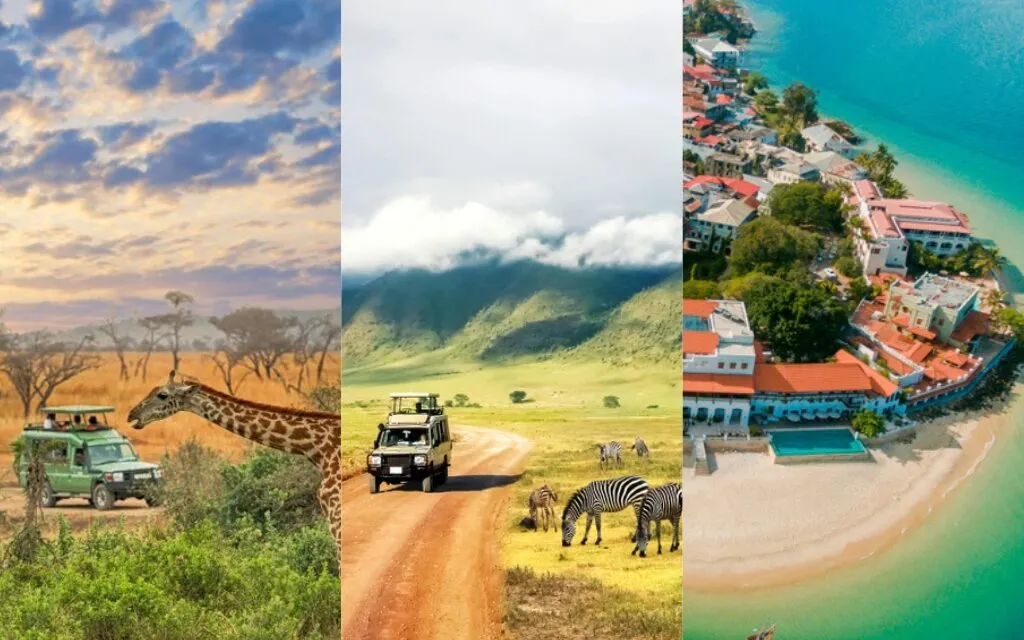
Serengeti & Zanzibar Tours
Luxury Tanzania safari & beach packages with the Great Migration and pristine beaches.
View Package →Related: Best Time to Visit Tanzania 2026 – Perfect safari extension after your Timor-Leste adventure.