
Most Complete Togo Travel Guide 2026-2027 – Everything You Need to Know Before Visiting
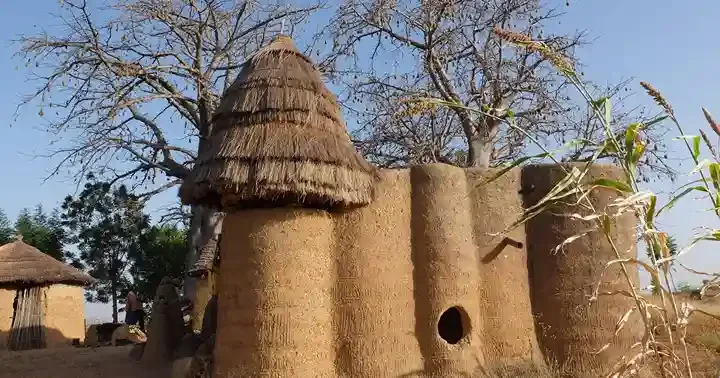
This Togo travel guide provides everything you need to plan your journey to one of West Africa’s friendliest and most authentic destinations. Togo offers an extraordinary blend of vibrant Atlantic coastline, rolling green hills, traditional Tamberma villages, and powerful voodoo culture that create one of the region’s most diverse travel experiences. Many travelers who want to visit Togo are surprised by the country’s incredible cultural depth and welcoming people. The nation stretches just 56 km wide but offers visitors everything from bustling Lomé markets to UNESCO-listed Koutammakou mud-tower villages and pristine palm-fringed beaches.
Start Reading the Full Guide ↓Quick Facts About Togo
- Capital: Lomé.
- Currency: West African CFA franc (XOF).
- Time Zone: Greenwich Mean Time (GMT, UTC+0).
- International Calling Code: +228.
- Driving Side: Right.
- Major Airports: Lomé-Tokoin International Airport (LFW).
Togo Overview & Key Facts
Brief History of Togo
Togo's history spans ancient kingdoms through German, French and British colonial periods to independence in 1960. The Ewe people established coastal settlements centuries ago, while northern Kabiye and Tamberma communities developed distinctive fortified village architecture. German Togoland (1884–1914) was divided after World War I, with the western part joining Ghana and the east becoming French Togo. This rich historical tapestry creates a fascinating backdrop for modern travelers exploring traditional villages and colonial-era sites.
Independence & National Identity
- Independence date: April 27, 1960.
- Former colonial power: France (eastern part), Germany before.
- National symbols & identity.
Togo gained independence from France under President Sylvanus Olympio. Togo’s national identity centers on unity among its 40+ ethnic groups while celebrating distinctive voodoo traditions. The flag’s five alternating green and yellow stripes represent the five regions, with a red square and white star symbolizing hope and independence.
Government System & Current Leadership
- Type of government: Presidential Republic
- Current president: Faure Gnassingbé
- Notes on political stability
Togo operates as a presidential republic. President Faure Gnassingbé has led since 2005. The country has experienced stable governance in recent years with gradual democratic reforms. Travelers should stay informed about current conditions through their embassy before visiting.
Population, Ethnic Groups & Languages
- Population: 9.2 million (2025 projection).
- Major ethnic groups: Ewe (south), Kabiye (north), Tem (Koutammakou).
- Official language(s): French.
- Additional languages commonly spoken.
Ewe and Kabiye are national languages alongside French. Mina and several other local languages are widely spoken. English is growing among younger generations and in tourism.
Main Religions & Cultural Identity
Traditional beliefs and voodoo (about 50%), Christianity (30%), and Islam (15%). Voodoo remains a living religion practiced openly with major festivals and ceremonies. Visitors should respect sacred sites and ceremonies.
Geography & Natural Landscape
Togo features coastal plains, a central plateau, and northern savannah. The Mono River valley and Mount Agou (986 m) provide scenic landscapes, while palm-lined beaches stretch along the Atlantic coast.
Economy & Tourism Highlights
Togo’s economy relies on agriculture, phosphate, and the deep-water port of Lomé. Tourism is growing rapidly thanks to visa-on-arrival reforms, new hotels, and promotion of Koutammakou and voodoo culture.
What Togo Is Known For
- UNESCO Koutammakou “Land of the Tamberma” mud tower villages
- Akodessewa Fetish Market – world’s largest voodoo market
- Vibrant Atlantic beaches and welcoming people
Visa & Entry Requirements in Togo
Most international visitors can obtain a visa on arrival or apply for an e-Visa online. African nationals are visa-exempt.
Do You Need a Visa?
Citizens of most countries can get a 7- or 15-day visa on arrival (extendable). e-Visa available online in advance. All African passport holders enter visa-free.
Visa Application Options in Togo
- Visa on arrival at Lomé airport and major borders
- e-Visa online (voyage.tg)
- Embassy application (rarely needed)
Passport Validity & Entry Documents
Passport valid 6 months with 2 blank pages. Yellow Fever certificate mandatory.
Customs Rules & Prohibited Items
Standard West African rules. Declare large cash amounts. Voodoo items for personal use allowed if not commercial quantities.
Safety & Security Information in Togo
Togo is one of West Africa’s safer destinations. Lomé and tourist areas are calm.
Is Togo Safe for Tourists?
Yes – Togo enjoys a good safety reputation. Petty crime exists in Lomé but violent crime against tourists is rare.
Recommended Safety Tips when in Togo
Use registered taxis at night, avoid isolated beaches after dark, and keep valuables discreet.
Safe Areas vs. Areas to Avoid in Togo
Lomé, Kpalimé, Atakpamé, Kara, Koutammakou – safe. Avoid northern border areas at night.
Emergency Numbers & Tourist Police in Togo
- Police: 117 or 172
- Fire: 118
- Medical Emergency: 111 or 8200
Health Requirements & Vaccinations in Togo
Yellow Fever vaccination mandatory. Malaria risk year-round.
Mandatory Vaccinations in Togo
Yellow Fever certificate required for all visitors over 9 months.
Recommended Vaccinations in Togo
Hepatitis A, Typhoid, Meningitis, Rabies (optional), routine vaccines.
Malaria & Other Risks
Malaria present nationwide – take prophylaxis and use repellent.
Travel Insurance Recommendations in Togo
Strongly recommended with medical evacuation coverage.
Best Time to Visit in Togo
November–March (dry season) for pleasant weather and festivals.
Weather by Season
Dry season (Nov–Mar): 25–32°C, low humidity. Rainy season (Apr–Oct): heavy afternoon showers.
When to Visit Togo for Best Experiences
- Voodoo festivals: January (Epe Ekpe in Glidji)
- Beach season: November–April
- Hiking in Kpalimé: December–February
High Season vs. Low Season Travel
High season: Dec–Feb. Low season: June–September (rainy).
Weather & Climate Overview in Togo
Tropical climate with two wet and two dry seasons in the south; one long dry season in the north.
Temperature Ranges
Coastal: 25–32°C year-round. North: can reach 40°C March–April.
Rainy & Dry Seasons in Togo
Major rains April–July; short rains September–October.
What to Wear Based on the Weather
Light cotton clothing, flip-flops, rain jacket in rainy season.
Main Currency, Costs & Budgeting in Togo
Togo uses the West African CFA franc (XOF). Excellent value destination.
Local Currency Information
CFA franc (XOF). Euros widely accepted for exchange.
Average Travel Costs in Togo
Budget $45–80/day; mid-range $90–160/day.
Using ATMs, Cards & Mobile Money in Togo
ATMs in Lomé and major towns. Cards rarely accepted outside upscale hotels. Mobile money (Flooz/T-Money) common.
Tipping Guidelines in Togo
10% in restaurants if not included. Small tips appreciated for guides and drivers.
Transportation & Getting Around in Togo
Shared taxis (bush taxis), moto-taxis (zemidjans), and private transfers.
Airport Transfers
Taxi from Lomé airport to city center ~4000–6000 CFA.
Local Transport Options in Togo
Moto-taxis (zem) and shared taxis cheapest. Car with driver recommended for comfort.
Togo Domestic Flights
No regular domestic flights. Road travel only.
Car Rentals & Road Conditions in Togo
Possible in Lomé with international license. Roads generally good on main routes.
Accommodation Options available in Togo
From basic guesthouses to boutique hotels and eco-lodges.
Types of Accommodations inTogo
Hotels, guesthouses, eco-lodges, village stays in Koutammakou.
Budget vs. Mid-Range vs. Luxury
Budget $15–35; mid-range $50–100; luxury $120+ in Lomé.
Best Areas to Stay in Togo
Lomé (city/beach), Kpalimé (cool hills), Kara (north), Koutammakou villages.
Essential Packing Guide when Visiting Togo
Light clothing, rain protection, insect repellent, Yellow Fever certificate.
Clothing Essentials
Light breathable fabrics, modest attire for villages.
Footwear & Gear
Flip-flops, sturdy sandals, light hiking shoes for Koutammakou.
Electronics & Cameras
Type C/F plugs, 220V. Power bank recommended.
Toiletries & Personal Items
Mosquito repellent with DEET, sunscreen, hand sanitizer.
Language & Communication in Togo
French official language. English limited but growing.
Main Languages Spoken in Togo
French, Ewe, Kabiye.
Useful Phrases for Tourists
Bonjour, Merci, S’il vous plaît, Je ne comprends pas.
SIM Cards & Mobile Data used in Togo
Togocel and Moov – good coverage.
Internet Availability & Wi-Fi in Togo
Wi-Fi in hotels and cafes in Lomé, slower elsewhere.
Culture & Etiquette in Togo
Respectful, warm culture with strong voodoo traditions.
Togo Dress Code Expectations
Modest dress outside Lomé and beaches.
Social Etiquette & Respectful Behavior of Togo
Greet elders first, accept offered drinks, remove shoes when entering homes.
Photography Rules in Togo
Always ask permission, especially in villages and markets.
Important Cultural Dos & Don’ts in Togo
Do accept hospitality. Don’t point with left hand or photograph without permission.
Food, Water & Dining in Togo
Fresh grilled fish, fufu, akume, spicy sauces.
Togolese Local Dishes to Try
Pâte (corn or cassava) with sauce, grilled capitaine fish, akume, fufu.
Dietary Options in Togo
Vegetarian possible but limited. Fresh seafood abundant.
Drinking Water Safety
Bottled water only.
Restaurant Etiquette
Eat with right hand if no utensils. Tipping not obligatory but appreciated.
Top Attractions & Things to Do in Togo
UNESCO Koutammakou villages, Akodessewa Fetish Market, Togoville voodoo sites, Atlantic beaches.
Major Tourist Attractions in Togo
- Koutammakou UNESCO Tamberma villages
- Akodessewa Fetish Market (Lomé)
- Togoville voodoo village
- Mount Agou & Kpalimé waterfalls
Best Tours & Experiences in Togo
Voodoo ceremonies, village homestays, market tours, hiking in Plateaux Region.
Family-Friendly Activities to do in Togo
Beaches, village visits, Mono River boat trips.
Unique Cultural or Historical Sites to visit in Togo
Slave House in Agbodrafo, Independence Monument, traditional chief palaces.
Togolese Electrical System Information
220V, 50Hz, European plugs (C/F).
Plug Types & Voltage used in Togo
Type C and F plugs, 220V.
Charging Tips
Power banks essential outside Lomé.
Local Laws & Regulations of Togo
Standard West African laws. Photography of military/police prohibited.
Rules Travelers Need to Know when In Togo
Yellow Fever certificate mandatory. No plastic bags.
Alcohol, Smoking & Substance Laws of Togo
Alcohol widely available. Cannabis illegal.
Restricted or Protected Areas in Togo.
Some border areas require permits.
Final Travel Tips for Visitors in Togo
Be friendly, be patient, and Togo will reward you richly.
Common Mistakes to Avoid
Don’t visit without Yellow Fever certificate. Don’t drink tap water.
Tips to Save Money when Visiting Togo
Use shared taxis, eat local, stay in guesthouses.
Safety & Comfort Tips
Carry small CFA bills, use registered taxis at night, stay hydrated.
Frequently Asked Questions – Togo Travel Guide 2026-2027
Our Tanzania Tours Products
While Togo offers incredible voodoo culture, Atlantic beaches and authentic West African experiences, many travelers combine West Africa with the ultimate wildlife adventure in East Africa. Capable Africa Tours specializes in secure, guided safaris that maximize safety and wonder. Our expert local guides, armed rangers in parks, and vetted accommodations ensure peace of mind. From family-friendly lodges to luxury camps, we handle logistics so you focus on the magic. Tanzania ranks high for tourist safety with dedicated wildlife protection units and stable northern circuits.
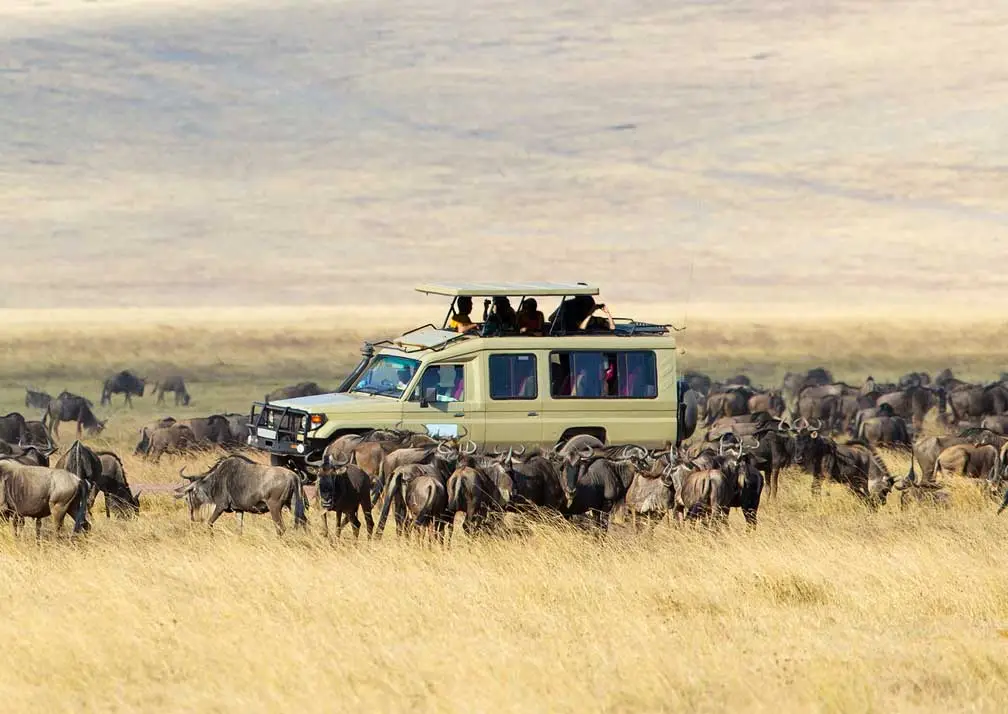
Great Migration Safaris
Experience one of nature's greatest spectacles with our Great Migration safari packages, timed for river crossings or calving.
View Package →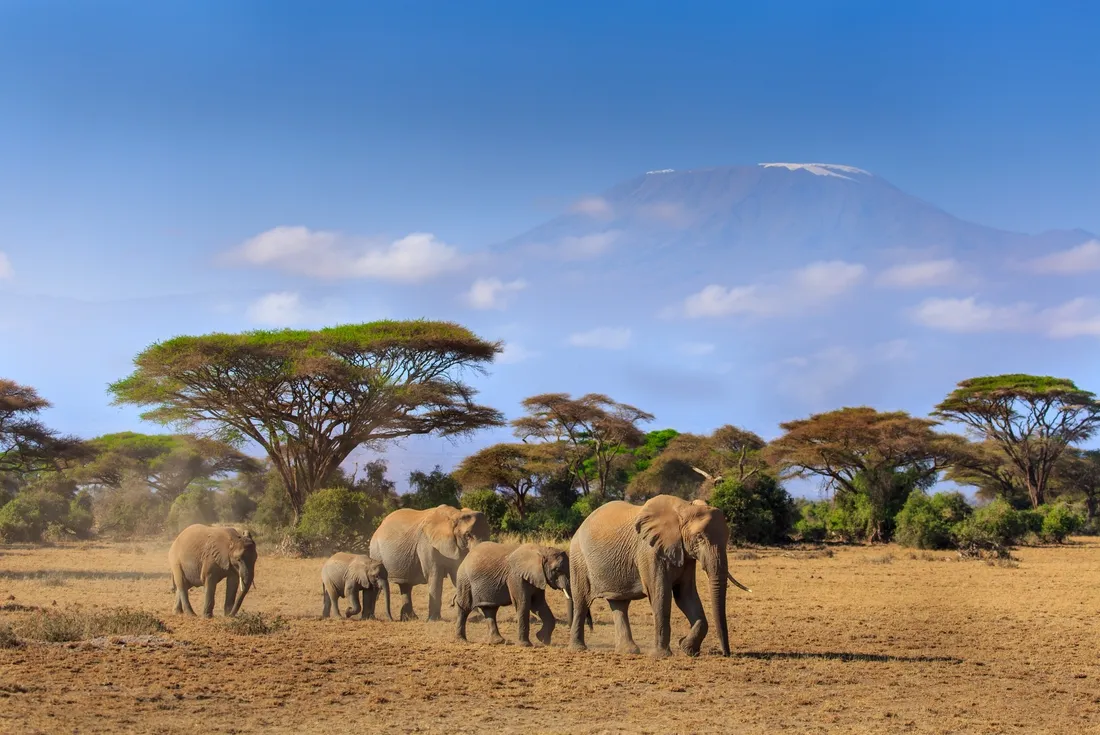
Serengeti & Kilimanjaro Trek
Combined safari and trekking tours offer wildlife adventures and Kilimanjaro climbs.
View Package →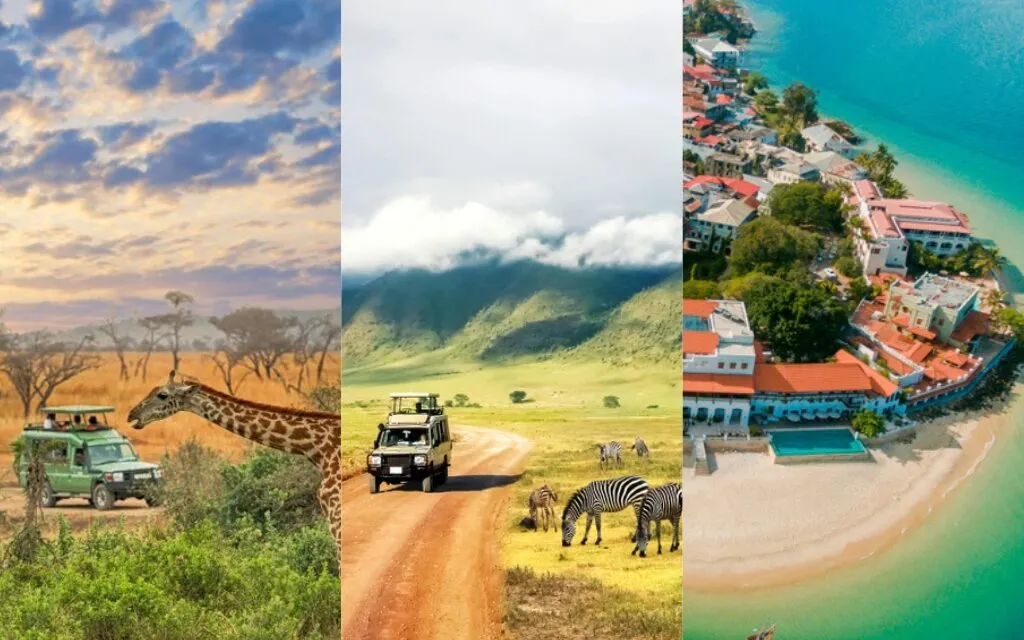
Serengeti & Zanzibar Tours
Luxury Tanzania safari & beach packages with the Great Migration and pristine beaches.
View Package →Related: Best Time to Visit Tanzania 2026 – Perfect safari extension after your Togo adventure.