Most Complete Tunisia Travel Guide 2026-2027 – Everything You Need to Know Before Visiting
This Tunisia travel guide provides everything you need to plan your journey to one of North Africa's most accessible and rewarding destinations. Tunisia offers an extraordinary blend of Mediterranean coastline, world-class Roman ruins, vibrant medinas, and vast Saharan landscapes that create one of the continent's most diverse travel experiences. Many travelers who visit Tunisia are surprised by the country's incredible archaeological wealth, welcoming people, and excellent value for money. The nation covers just 163,610 square kilometers but packs in eight UNESCO World Heritage sites, pristine beaches, and authentic desert adventures.
Start Reading the Full Guide ↓Quick Facts About Tunisia
- Capital: Tunis.
- Currency: Tunisian Dinar (TND).
- Time Zone: Central European Time (CET, UTC+1).
- International Calling Code: +216.
- Driving Side: Right.
- Major Airports: Tunis-Carthage (TUN), Monastir (MIR), Djerba-Zarzis (DJE), Enfidha (NBE).
Tunisia Overview & Key Facts
Brief History of Tunisia
Tunisia's history spans millennia, from ancient Phoenician Carthage through Roman prosperity to Islamic conquest. Founded by Phoenicians around 814 BCE, Carthage became a major Mediterranean power before its destruction by Rome in 146 BCE. Roman Africa Proconsularis left spectacular ruins like El Jem and Dougga. The Arab conquest in the 7th century brought Islam and Arabic culture, while Ottoman and later French rule shaped modern Tunisia. This rich historical tapestry creates a fascinating backdrop for travelers exploring the country's archaeological treasures and cultural sites.
Independence & National Identity
- Independence date: March 20, 1956.
- Former colonial power: France.
- National symbols & identity.
Tunisia gained independence peacefully in 1956 after decades of nationalist struggle led by Habib Bourguiba. The 2011 Jasmine Revolution overthrew long-time president Ben Ali and sparked the Arab Spring. Today, Tunisia is the only Arab country classified as “Free” by Freedom House, with strong secular traditions, progressive women's rights, and a vibrant civil society.
Government System & Current Leadership
- Type of government: Parliamentary Republic
- Current president: Kais Saied (since 2019)
- Notes on political stability
Tunisia transitioned to democracy after 2011 with a progressive 2014 constitution. President Kais Saied has consolidated power since 2021, but tourism remains unaffected and the country stable for visitors.
Population, Ethnic Groups & Languages
- Population: 12.5 million (2025 projection).
- Major ethnic groups: Arabs (98%), small Berber communities.
- Official language(s): Arabic.
- Additional languages commonly spoken.
French is widely spoken (especially in business and tourism), with about 60-70% of the population fluent. English is common in tourist areas and among younger generations. Tunisian Arabic (Derja) is the everyday spoken language.
Main Religions & Cultural Identity
Islam (Sunni) is practiced by 99% of the population, but Tunisia is notably moderate and secular compared to neighbors. Alcohol is widely available, dress codes are relaxed outside religious sites, and women's rights are the most advanced in the Arab world.
Geography & Natural Landscape
Tunisia features Mediterranean coastline in the north, Atlas Mountain foothills, fertile plains, salt lakes (Chott el Djerid), and the northern edge of the Sahara Desert in the south. The country has over 1,300 km of coastline with beautiful beaches and clear waters.
Economy & Tourism Highlights
Tourism is a major pillar (7-10% of GDP), with 9-10 million visitors annually pre-Covid. The government actively promotes cultural, ecological, and desert tourism alongside traditional beach holidays.
What Tunisia Is Known For
- 8 UNESCO World Heritage sites (most in Africa after Egypt)
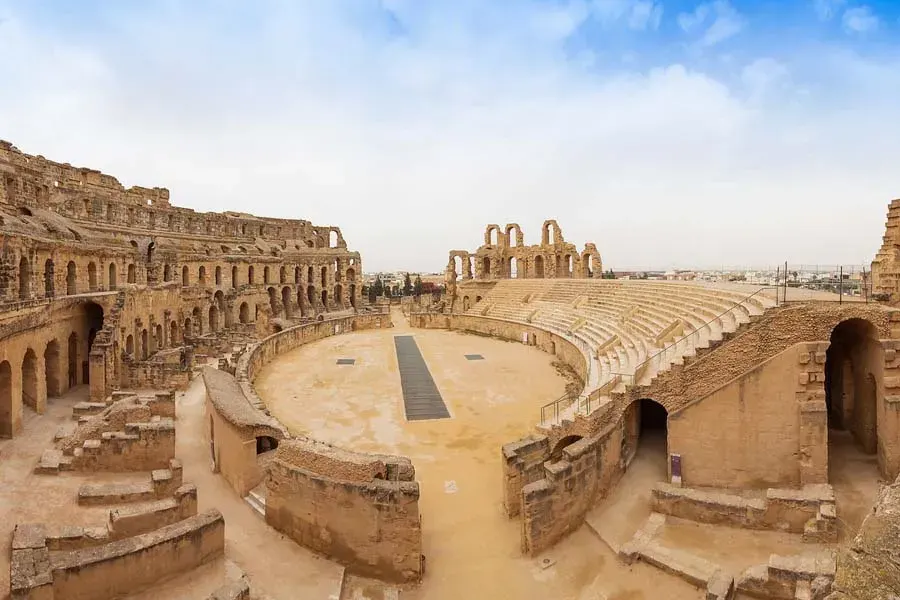
- Exceptional Roman ruins: El Jem (3rd largest colosseum), Dougga, Carthage
- Star Wars filming locations (Tataouine, Matmata, Chott el Djerid)
- Sidi Bou Said blue-and-white village and beautiful Mediterranean beaches
Visa & Entry Requirements in Tunisia
Most international visitors enjoy visa-free entry to Tunisia for tourism stays up to 90 days. Citizens of over 90 countries (EU, USA, Canada, UK, Australia, New Zealand, South Africa, Japan, etc.) do not need a visa. Your passport must be valid for at least 3–6 months beyond your stay (check exact requirement by nationality).
Do You Need a Visa?
No for most Western, Latin American, and many African/Asian countries for up to 90 days. Some nationalities require visas (check official Tunisian consulate website).
Visa Application Options in Tunisia
- Visa-free entry for 90+ nationalities
- Visa on arrival for a few countries
- E-visa available for certain nationalities
Passport Validity & Entry Documents
Passport valid 3–6 months beyond stay + proof of onward travel (return ticket) often requested at immigration.
Customs Rules & Prohibited Items
Standard restrictions. Up to 2 liters alcohol and 200 cigarettes allowed. Drones require prior permission.
Safety & Security Information in Tunisia
Tunisia is one of the safest countries in North Africa and the Arab world. Tourist areas have strong police presence. Most governments rate Tunisia Level 2 (“exercise increased caution”) mainly due to isolated terrorism risk, but millions visit safely each year.
Is Tunisia Safe for Tourists?
Yes – very safe in all tourist zones. Violent crime against tourists is extremely rare.
Recommended Safety Tips when in Tunisia
Avoid border areas with Libya and remote southern military zones. Normal precautions in crowded medinas (pickpocketing). Women travelers report feeling safer than in many European cities.
Safe Areas vs. Areas to Avoid in Tunisia
Safe: Tunis, Sousse, Hammamet, Djerba, Monastir, Tozeur, Douz, Sfax, El Jem, Kairouan. Avoid: extreme south-east near Libya border and Mount Chaambi area.
Emergency Numbers & Tourist Police in Tunisia
- Police: 197
- Medical Emergency: 190
- Tourist Police: Widely available and English-speaking
Health Requirements & Vaccinations in Tunisia
No mandatory vaccinations. Standard travel vaccines recommended.
Mandatory Vaccinations in Tunisia
None (except Yellow Fever if arriving from endemic country).
Recommended Vaccinations in Tunisia
Hepatitis A, Typhoid, routine vaccines.
Malaria & Other Risks
No malaria risk. Tap water safe in cities and resorts.
Travel Insurance Recommendations in Tunisia
Strongly recommended (covers medical evacuation if needed).
Best Time to Visit in Tunisia
Spring (April–June) and autumn (September–November) offer perfect weather (20–28°C) and fewer crowds.
Weather by Season
Spring/autumn: ideal. Summer: very hot (35–40°C+). Winter: mild but rainy on coast.
When to Visit Tunisia for Best Experiences
- Beach season: May–October
- Sahara trips: October–April
- Cultural sites: year-round (spring/autumn best)
Weather & Climate Overview in Tunisia
Mediterranean climate in north, semi-arid central, desert south.
Temperature Ranges
Coastal: 12–18°C winter, 25–33°C summer. Sahara: 5–15°C winter nights, 40°C+ summer days.
Rainy & Dry Seasons in Tunisia
Rainy: November–March (north). Dry: April–October everywhere.
What to Wear Based on the Weather
Light clothing + jacket for spring/autumn evenings. Modest dress outside resorts. Warm layers for desert nights October–April.
Main Currency, Costs & Budgeting in Tunisia
Tunisian Dinar (TND). Euros widely accepted in tourist areas.
Local Currency Information
Cannot be exchanged outside Tunisia. ATMs widespread.
Average Travel Costs in Tunisia
Budget: $50–90/day; mid-range $100–180; luxury $200+.
Using ATMs, Cards & Mobile Money in Tunisia
ATMs everywhere. Cards accepted in hotels/restaurants in tourist areas.
Tipping Guidelines in Tunisia
10% in restaurants if service not included. Small tips (1–5 TND) for guides, drivers, hotel staff appreciated.
Transportation & Getting Around in Tunisia
Excellent infrastructure. Trains, louage shared taxis, domestic flights, car rental all easy.
Airport Transfers
Taxis, private transfers, buses from all airports.
Local Transport Options in Tunisia
Trains (north), louages (shared taxis – fast & cheap), buses, metro in Tunis.
Tunisia Domestic Flights
Tunisair Express flies Tunis–Djerba, Tozeur.
Car Rentals & Road Conditions in Tunisia
Easy rental, good highways, international license accepted.
Accommodation Options available in Tunisia
From budget hostels to 5-star beach resorts and desert camps.
Types of Accommodations in Tunisia
All-inclusives, boutique riads, dar houses, desert camps.
Budget vs. Mid-Range vs. Luxury
Budget $25–50, mid $60–120, luxury $150–400+.
Best Areas to Stay in Tunisia
Tunis (culture), Sousse/Port El Kantaoui (beach), Hammamet/Yasmine (resorts), Djerba (island), Tozeur/Douz (Sahara gateway).
Essential Packing Guide when Visiting Tunisia
Light clothing, modest attire for cities, warm layers for desert nights, good walking shoes, sunscreen, adapter (Type C/E).
Language & Communication in Tunisia
Arabic official, French everywhere, English in tourist areas. Local SIMs cheap and easy.
Culture & Etiquette in Tunisia
Relaxed Muslim country. Modest dress outside resorts, remove shoes in homes/mosques, right hand for eating/greeting.
Food, Water & Dining in Tunisia
Excellent Mediterranean-Arab cuisine: couscous, brik, harissa, fresh seafood, pastries.
Top Attractions & Things to Do in Tunisia
Carthage, El Jem Colosseum, Dougga, Medina of Tunis, Sidi Bou Said, Matmata troglodyte houses, Sahara camel treks, Star Wars locations, beautiful beaches.
Tunisian Electrical System Information
230V, 50Hz, European plugs C & E.
Local Laws & Regulations of Tunisia
Alcohol legal, public drunkenness illegal. No photography of military/police. Drones need permit.
Final Travel Tips for Visitors in Tunisia
Book Sahara tours in advance, bargain in souks, try street food safely, use licensed guides for Star Wars sites.
Frequently Asked Questions – Tunisia Travel Guide 2026-2027
Our Tanzania Tours Products
While Tunisia offers incredible Roman ruins, Sahara adventures and Mediterranean charm, many travelers combine North Africa with the ultimate wildlife experience in East Africa. Capable Africa Tours specializes in secure, guided safaris that maximize safety and wonder. Our expert local guides, armed rangers in parks, and vetted accommodations ensure peace of mind. From family-friendly lodges to luxury camps, we handle logistics so you focus on the magic. Tanzania ranks high for tourist safety with dedicated wildlife protection units and stable northern circuits.
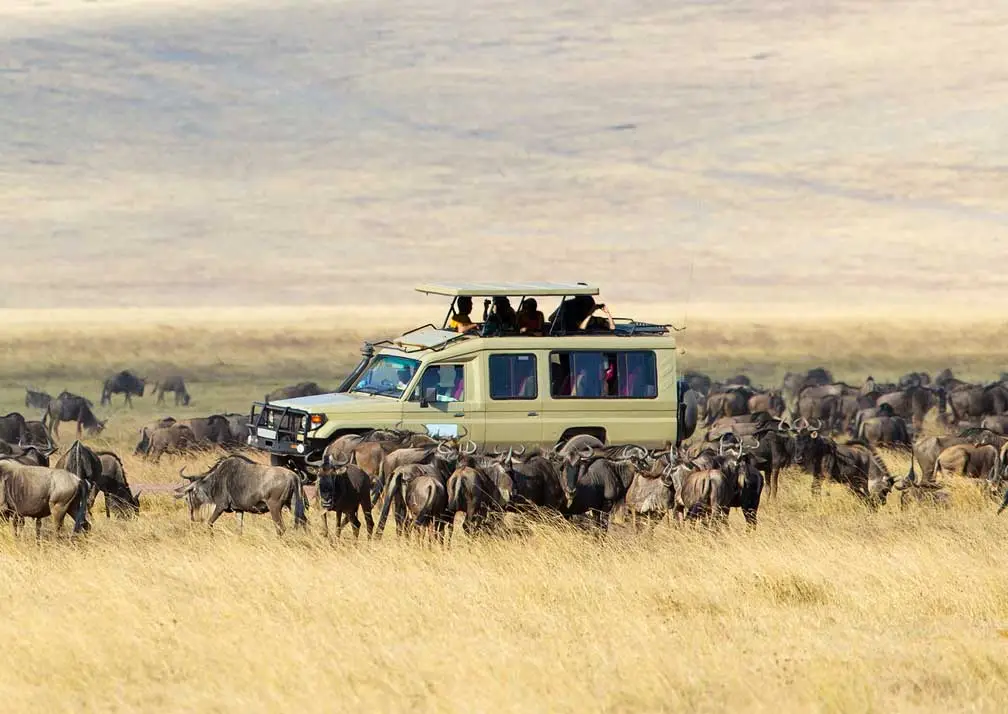
Great Migration Safaris
Experience one of nature's greatest spectacles with our Great Migration safari packages, timed for river crossings or calving.
View Package →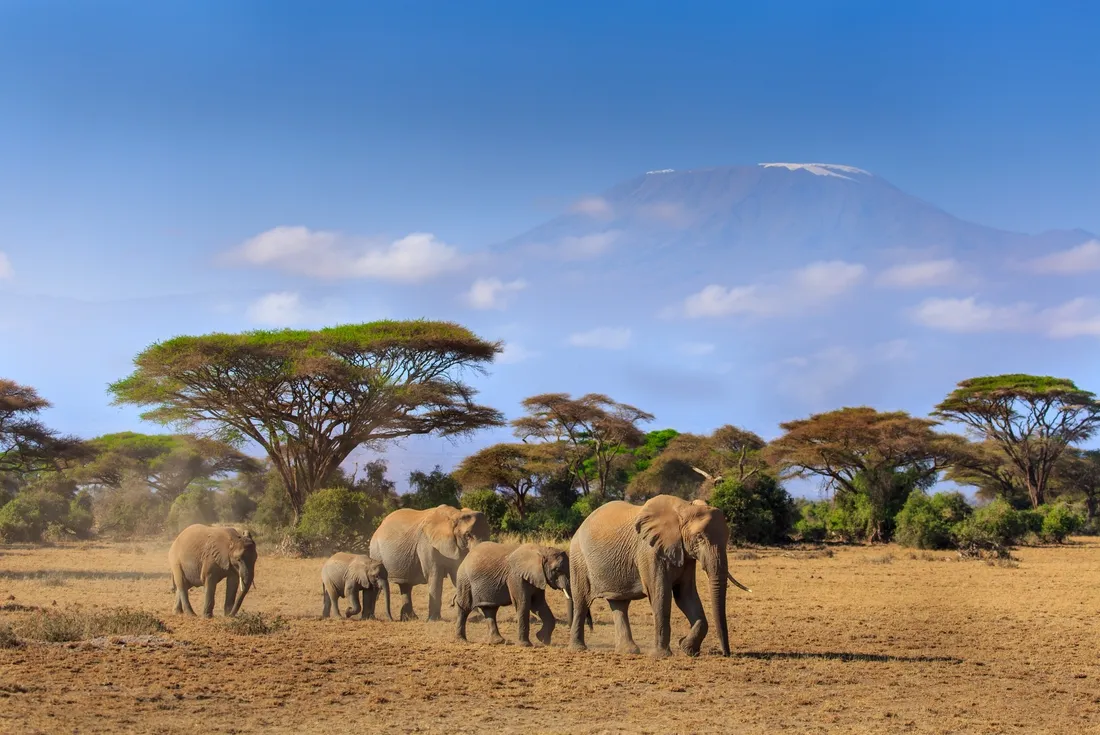
Serengeti & Kilimanjaro Trek
Combined safari and trekking tours offer wildlife adventures and Kilimanjaro climbs.
View Package →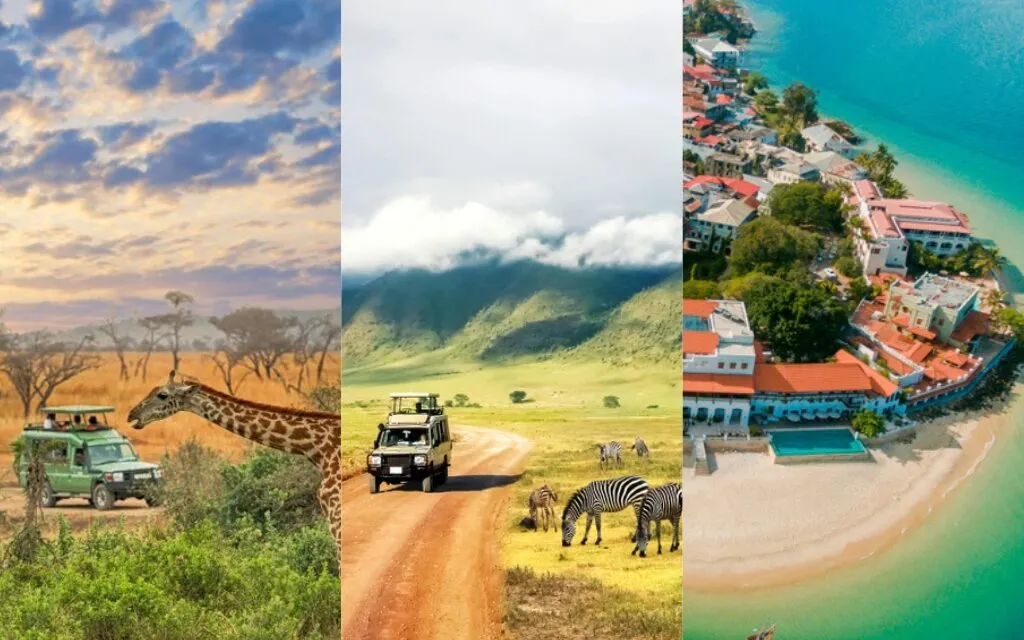
Serengeti & Zanzibar Tours
Luxury Tanzania safari & beach packages with the Great Migration and pristine beaches.
View Package →Related: Best Time to Visit Tanzania 2026 – Perfect safari extension after your Tunisia adventure.