
Most Complete Turkey Travel Guide 2026-2027 – Everything You Need to Know Before Visiting
This Turkey travel guide provides everything you need to plan your journey to one of the world’s most fascinating countries. Turkey bridges Europe and Asia, offering an extraordinary blend of ancient ruins, Byzantine and Ottoman treasures, dramatic landscapes, turquoise coastlines and vibrant modern cities. Many travelers who want to visit Turkey are surprised by the country’s incredible diversity and rich cultural heritage spanning Hittite, Greek, Roman, Byzantine, Seljuk and Ottoman civilizations. The nation covers over 783,000 square kilometers, offering visitors everything from fairy-tale Cappadocia to pristine Mediterranean beaches and bustling Istanbul.
Start Reading the Full Guide ↓Quick Facts About Turkey
- Capital: Ankara.
- Currency: Turkish Lira (TRY).
- Time Zone: Turkey Time (TRT, UTC+3).
- International Calling Code: +90.
- Driving Side: Right.
- Major Airports: Istanbul Airport (IST), Antalya (AYT), Izmir (ADB), Ankara (ESB).
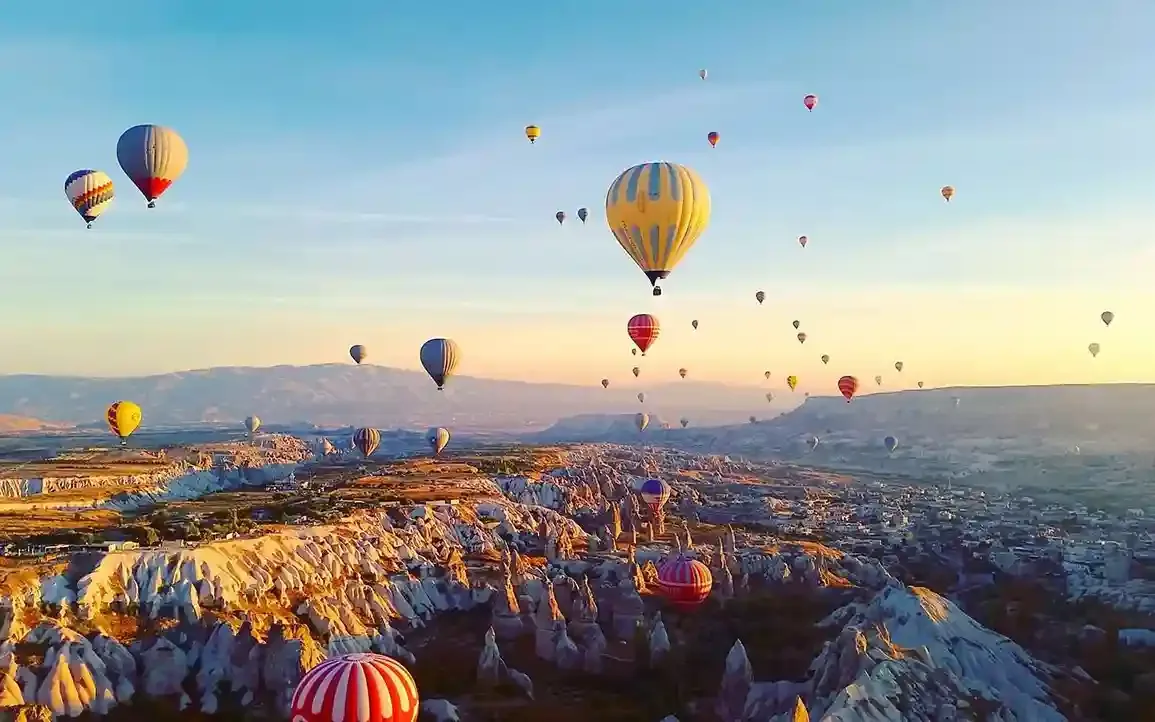
Turkey Overview & Key Facts
Brief History of Turkey
Turkey's history spans millennia, from ancient Hittite kingdoms through Greek colonization, Roman and Byzantine rule to the Ottoman Empire. Istanbul (formerly Constantinople) served as capital of the Roman, Byzantine and Ottoman empires for over 1,600 years. The Republic of Turkey was founded in 1923 by Mustafa Kemal Atatürk after the collapse of the Ottoman Empire. This rich historical tapestry creates a fascinating backdrop for modern travelers exploring the country’s archaeological treasures and cultural sites.
Independence & National Identity
- Independence date: October 29, 1923.
- Former power: Ottoman Empire.
- National symbols & identity.
The Turkish War of Independence (1919–1923) led to the establishment of the modern secular republic. Today, Turkey's national identity centers on Turkish language and culture while embracing the country’s multi-ethnic past. The red flag with white crescent and star symbolizes independence and sovereignty.
Government System & Current Leadership
- Type of government: Presidential Republic
- Current president: Recep Tayyip Erdoğan
- Notes on political stability
Turkey operates as a presidential republic with a strong executive branch. President Erdoğan has been in power since 2014 (first as prime minister, then president). The country is politically stable for tourism, with millions visiting annually without issues.
Population, Ethnic Groups & Languages
- Population: 87 million (2025 projection).
- Major ethnic groups: Turks (70–75%), Kurds (19%), others.
- Official language(s): Turkish.
- Additional languages commonly spoken.
English is widely spoken in tourist areas, hotels and among younger generations. German, Russian and Arabic are common in resort regions.
Main Religions & Cultural Identity
Approximately 99% of the population is Muslim (mostly Sunni). Turkey is a secular state, and religious practice varies from conservative inland areas to relaxed coastal cities. Visitors should respect mosque etiquette and dress modestly when visiting religious sites.
Geography & Natural Landscape
Turkey features diverse geography: Mediterranean and Aegean coastlines, central Anatolian plateau, fairy-chimney landscapes of Cappadocia, mountainous east, and Black Sea region. Seven distinct climate zones range from Mediterranean to continental and semi-arid.
Economy & Tourism Highlights
Tourism is a major industry with over 50 million visitors annually pre-pandemic. The government invests heavily in infrastructure, high-speed trains and new airports. Turkey ranks among the top 10 most-visited countries globally.
What Turkey Is Known For
- UNESCO sites: Istanbul Historic Areas, Cappadocia, Ephesus, Pamukkale, Troy, Göbeklitepe
- Hot-air balloon rides over Cappadocia
- Turquoise Mediterranean & Aegean coasts
Visa & Entry Requirements in Turkey
Turkey has one of the easiest visa systems worldwide. Most visitors can obtain an e-Visa online in minutes or enter visa-free for up to 90 days.
Do You Need a Visa?
EU citizens, UK, USA, Canada, Australia, New Zealand, South Africa and many others can enter visa-free for 90 days within 180 days or get an instant e-Visa. Always check the official e-Visa website before travel.
Visa Application Options in Turkey
- e-Visa online (fastest)
- Visa on arrival (limited nationalities)
- Visa-free entry (most Western countries)
The e-Visa system is quick, reliable and costs $20–60 depending on nationality.
Passport Validity & Entry Documents
Passport must be valid for at least 6 months beyond intended stay and have one blank page. Return/onward ticket may be requested.
Customs Rules & Prohibited Items
Standard international rules. Declare antiques, large amounts of currency and professional equipment.
Safety & Security Information in Turkey
Tourist areas are very safe with heavy police presence. Millions visit Istanbul, Cappadocia and the coast without incident every year.
Is Turkey Safe for Tourists?
Yes – tourist regions are among the safest in the Mediterranean. Avoid border areas with Syria and Iraq. Most governments rate tourist zones Level 1 or 2 (normal/exercise caution).
Recommended Safety Tips when in Turkey
Use official taxis or apps (BiTaksi, Uber in Istanbul), beware of common tourist scams, keep valuables secure in crowded areas, and follow local advice.
Safe Areas vs. Areas to Avoid in Turkey
All major tourist destinations are safe. Avoid southeastern border regions with Syria and Iraq.
Emergency Numbers & Tourist Police in Turkey
- Police: 155
- Medical Emergency: 112
- Tourist Police: 0090 505 318 1133 (Istanbul)
Tourist police units operate in major cities and speak multiple languages.
Health Requirements & Vaccinations in Turkey
No mandatory vaccinations required. Healthcare quality is excellent in cities and tourist areas.
Mandatory Vaccinations in Turkey
None required.
Recommended Vaccinations in Turkey
Hepatitis A & Typhoid recommended if eating street food. Routine vaccines should be current.
Malaria & Other Risks
No malaria risk in tourist areas. Tap water safe in cities and resorts; bottled water widely available.
Travel Insurance Recommendations in Turkey
Highly recommended covering medical treatment and emergency evacuation.
Best Time to Visit in Turkey
Spring (April–June) and autumn (September–October) offer perfect weather and fewer crowds.
Weather by Season
Spring and autumn: 20–30°C, ideal everywhere. Summer: 30–40°C on coast (great for beach), hot inland. Winter: mild on coast, snow in Cappadocia and east.
When to Visit Turkey for Best Experiences
- Balloon rides in Cappadocia: year-round (best spring/autumn)
- Beach season: May–October
- Istanbul sightseeing: April–May & September–October
High Season vs. Low Season Travel
High season: June–August (packed coast). Shoulder seasons offer best value and weather.
Weather & Climate Overview in Turkey
Turkey has seven distinct climate zones from Mediterranean to continental.
Temperature Ranges
Coastal areas 15–35°C year-round; inland hotter summers, colder winters.
Rainy & Dry Seasons in Turkey
Winter wet on coast, dry and hot in summer. Cappadocia very dry year-round.
What to Wear Based on the Weather
Light clothing in summer, layers in spring/autumn, warm jacket for winter Cappadocia. Modest attire for mosques.
Main Currency, Costs & Budgeting in Turkey
Turkey offers excellent value despite recent inflation.
Local Currency Information
Turkish Lira (TRY). ATMs everywhere, cards widely accepted.
Average Travel Costs in Turkey
Budget $60–100/day, mid-range $120–200, luxury $250+.
Using ATMs, Cards & Mobile Money in Turkey
Contactless cards and Apple/Google Pay widely accepted in cities.
Tipping Guidelines in Turkey
10% in restaurants (often included), round up taxi fares, 20–50 TRY for hotel staff.
Transportation & Getting Around in Turkey
Excellent infrastructure with high-speed trains, frequent domestic flights and good buses.
Airport Transfers
Havaist/Havabus in Istanbul, official taxis and private transfers everywhere.
Local Transport Options in Turkey
Dolmush (shared taxis), metro/tram in cities, excellent intercity buses.
Turkey Domestic Flights
Frequent, cheap flights by Turkish Airlines, Pegasus, AnadoluJet.
Car Rentals & Road Conditions in Turkey
Easy to rent, good highways, mountain roads challenging in winter.
Accommodation Options available in Turkey
From cave hotels in Cappadocia to all-inclusive resorts and boutique Ottoman mansions.
Types of Accommodations in Turkey
Cave hotels, boutique hotels, all-inclusive resorts, hostels, pensions.
Budget vs. Mid-Range vs. Luxury
Budget $30–70, mid-range $80–150, luxury $200+ per night.
Best Areas to Stay in Turkey
Sultanahmet (Istanbul historic), Göreme (Cappadocia), Kaleiçi (Antalya old town), beach resorts in Bodrum, Marmaris, Antalya.
Essential Packing Guide when Visiting Turkey
Pack for diverse climates and activities.
Clothing Essentials
Modest clothing for mosques, swimwear for coast, layers for spring/autumn.
Footwear & Gear
Comfortable walking shoes, sandals, hiking shoes if needed.
Electronics & Cameras
Type F plugs, 220V. Power banks useful for long sightseeing days.
Toiletries & Personal Items
Sunscreen, insect repellent, travel adapter.
Language & Communication in Turkey
Turkish is official, English widely spoken in tourist areas.
Main Languages Spoken in Turkey
Turkish; English common in tourism, German/Russian in resorts.
Useful Phrases for Tourists
Merhaba (hello), Teşekkür ederim (thank you), Lütfen (please).
SIM Cards & Mobile Data used in Turkey
Turkcell, Vodafone, Türk Telekom – easy to buy at airport.
Internet Availability & Wi-Fi in Turkey
Free Wi-Fi in most cafes, hotels, restaurants.
Culture & Etiquette in Turkey
Blend of secular and traditional values.
Turkish Dress Code Expectations
Modest dress in mosques and conservative areas. Beachwear fine at resorts.
Social Etiquette & Respectful Behavior of Turkey
Remove shoes in homes/mosques, accept tea when offered, use right hand for eating/gestures.
Photography Rules in Turkey
Ask permission before photographing people, especially women.
Important Cultural Dos & Don’ts in Turkey
Do accept hospitality. Don’t point soles of feet, blow nose in public, or discuss politics unless invited.
Food, Water & Dining in Turkey
One of the world’s great cuisines.
Turkish Local Dishes to Try
Kebabs, meze, baklava, Turkish breakfast, pide, lahmacun, döner, seafood on coast.
Dietary Options in Turkey
Excellent vegetarian options, halal standard, growing vegan scene in cities.
Drinking Water Safety
Tap water safe in cities and resorts, bottled widely available.
Restaurant Etiquette
Tipping 10% if service not included. No strict dress code except fine-dining.
Top Attractions & Things to Do in Turkey
Extraordinary variety from ancient ruins to natural wonders.
Major Tourist Attractions in Turkey
- Hagia Sophia & Blue Mosque (Istanbul)
- Cappadocia fairy chimneys & underground cities
- Ephesus & Pamukkale
- Mediterranean & Aegean coasts
Best Tours & Experiences in Turkey
Hot-air balloon Cappadocia, Blue Cruise yacht tours, Istanbul food tours, Lycian Way hiking.
Family-Friendly Activities to do in Turkey
Water parks, aquariums, beach resorts, Cappadocia ATV tours.
Unique Cultural or Historical Sites to visit in Turkey
Göbeklitepe (world’s oldest temple), Sumela Monastery, Ani ruins, Ottoman palaces.
Turkish Electrical System Information
Type F plugs, 220–240V, 50Hz.
Plug Types & Voltage used in Turkey
Type C and F (European standard).
Charging Tips
Universal adapter recommended.
Local Laws & Regulations of Turkey
Respect local customs and laws.
Rules Travelers Need to Know when In Turkey
No photography of military/police, respect Atatürk images, no public drunkenness.
Alcohol, Smoking & Substance Laws of Turkey
Alcohol legal, smoking banned indoors, cannabis illegal.
Restricted or Protected Areas in Turkey.
Some archaeological sites require museum pass or tickets.
Final Travel Tips for Visitors in Turkey
Turkey is easy, rewarding and incredibly diverse.
Common Mistakes to Avoid
Visiting only Istanbul, overpaying for taxis, missing shoulder seasons.
Tips to Save Money when Visiting Turkey
Use public transport, eat where locals eat, book domestic flights early.
Safety & Comfort Tips
Get a Museum Pass Istanbul, download BiTaksi app, buy Istanbulkart for public transport.
Frequently Asked Questions – Turkey Travel Guide 2026-2027
Our Tanzania Tours Products
While Turkey offers incredible history, landscapes and Mediterranean charm, many travelers combine it with the ultimate wildlife experience in East Africa. Capable Africa Tours specializes in secure, guided safaris that maximize safety and wonder. Our expert local guides, armed rangers in parks, and vetted accommodations ensure peace of mind. From family-friendly lodges to luxury camps, we handle logistics so you focus on the magic. Tanzania ranks high for tourist safety with dedicated wildlife protection units and stable northern circuits.
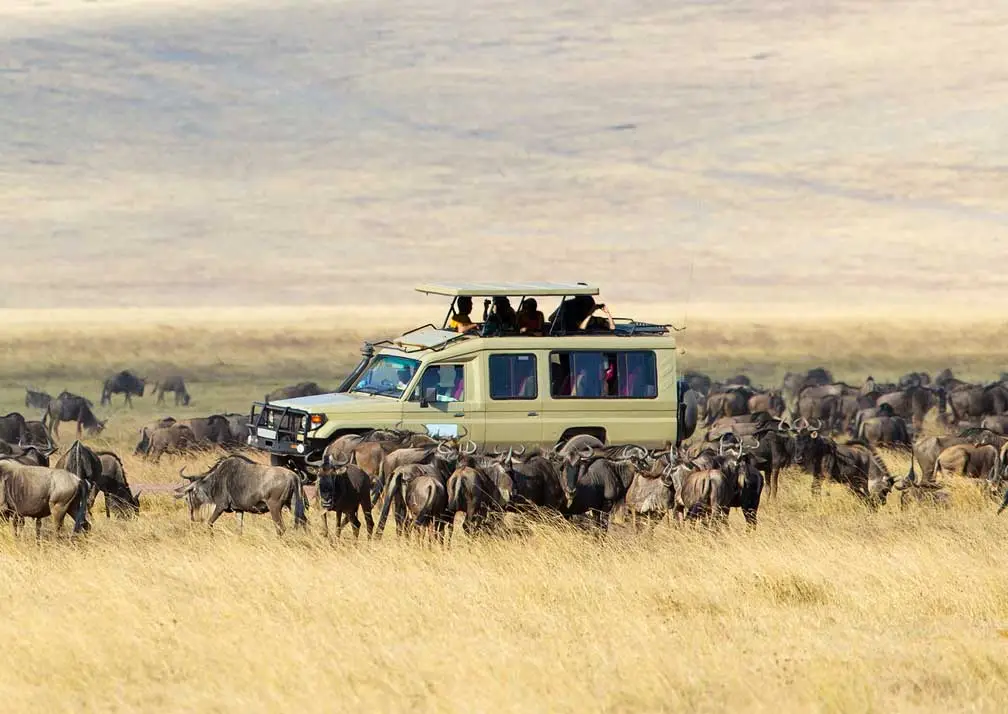
Great Migration Safaris
Experience one of nature's greatest spectacles with our Great Migration safari packages, timed for river crossings or calving.
View Package →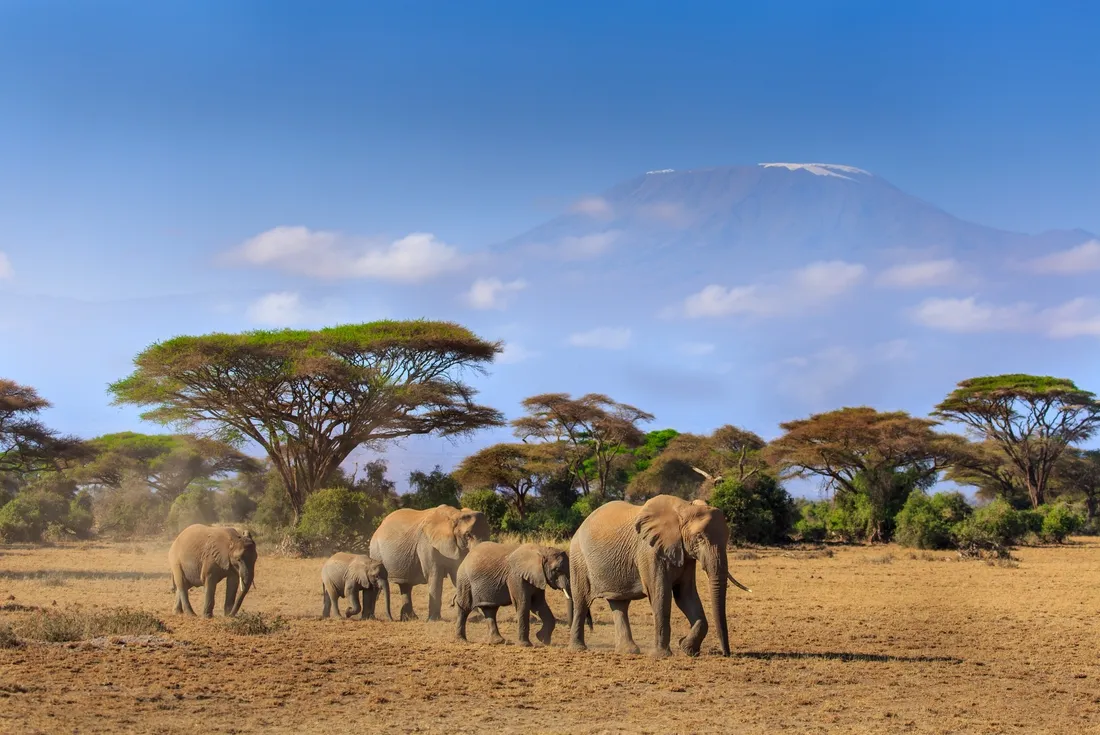
Serengeti & Kilimanjaro Trek
Combined safari and trekking tours offer wildlife adventures and Kilimanjaro climbs.
View Package →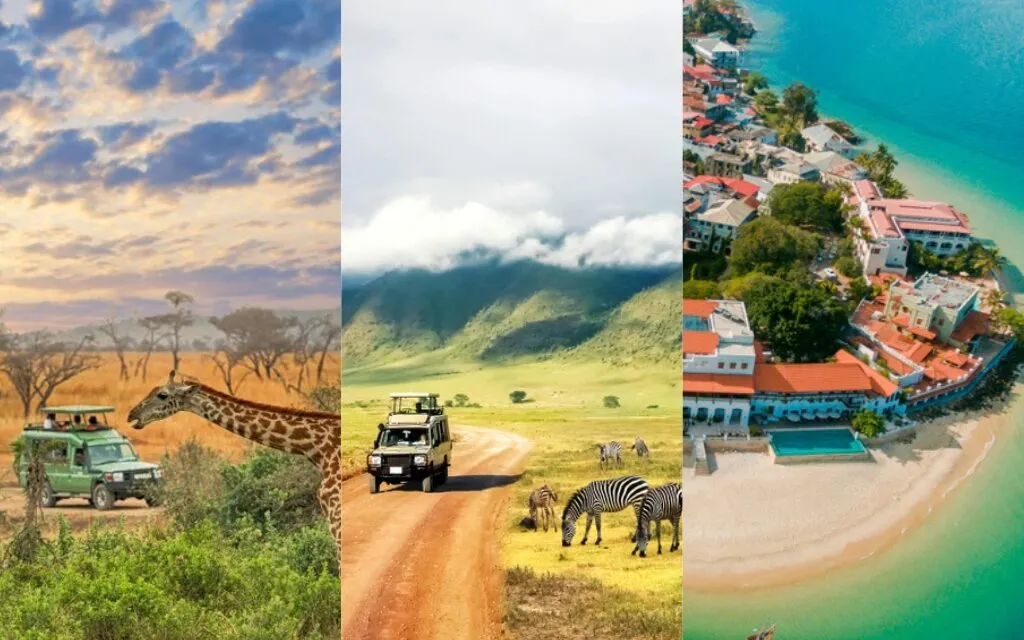
Serengeti & Zanzibar Tours
Luxury Tanzania safari & beach packages with the Great Migration and pristine beaches.
View Package →Related: Best Time to Visit Tanzania 2026 – Perfect safari extension after your Turkey adventure.