
Most Complete Tuvalu Travel Guide 2026-2027 – Everything You Need to Know Before Visiting
This Tuvalu travel guide provides everything you need to plan your journey to the world’s fourth-smallest nation. Tuvalu offers an extraordinary blend of turquoise lagoons, pristine coral atolls, and authentic Polynesian culture that create one of the Pacific’s most remote and unspoiled travel experiences. Many travelers who want to visit Tuvalu are surprised by the warmth of its people and the overwhelming beauty of its nine low-lying atolls scattered across 1.3 million square kilometers of ocean. With a population of just over 11,000, Tuvalu remains one of the least-visited countries on Earth, offering visitors genuine island hospitality and untouched natural beauty.
Start Reading the Full Guide ↓Quick Facts About Tuvalu
- Capital: Funafuti (also the only town).
- Currency: Australian Dollar (AUD).
- Time Zone: Tuvalu Time (UTC+12).
- International Calling Code: +688.
- Driving Side: Left.
- Major Airport: Funafuti International Airport (FUN).
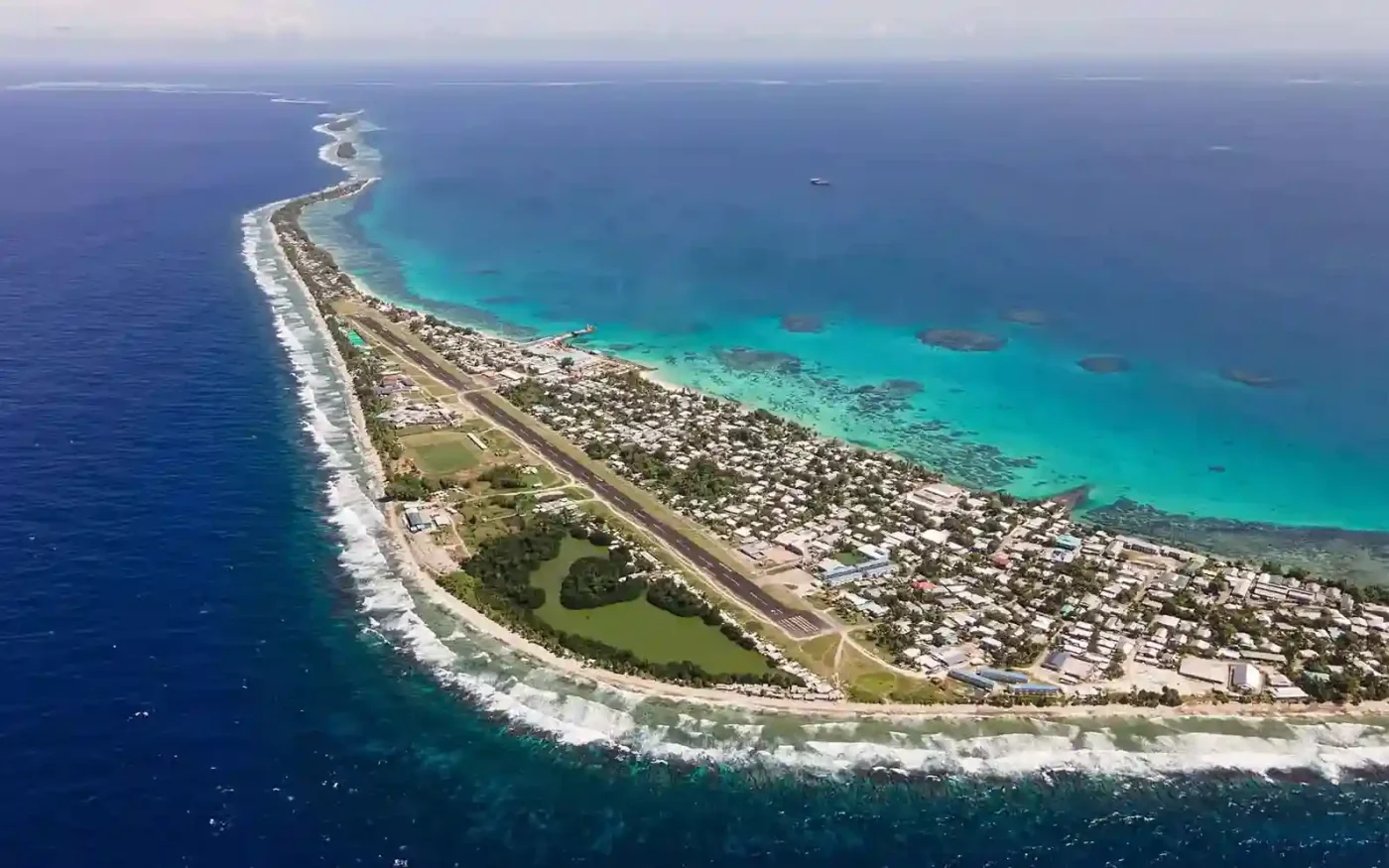
Tuvalu Overview & Key Facts
Brief History of Tuvalu
Tuvalu's history spans millennia of Polynesian settlement, with the first inhabitants arriving around 3,000 years ago. European contact began in the 16th century, but significant interaction came with British colonization in the late 19th century as part of the Gilbert and Ellice Islands. The islands gained independence from Britain in 1978, becoming one of the world’s smallest sovereign nations. This rich historical tapestry creates a fascinating backdrop for modern travelers exploring traditional culture and colonial-era buildings.
Independence & National Identity
- Independence date: October 1, 1978.
- Former colonial power: United Kingdom.
- National symbols & identity.
Tuvalu gained independence after separating from the Gilbert Islands (now Kiribati). The national flag features the Union Jack and nine stars representing the nine islands. Tuvaluan identity centers on strong Christian values, community cooperation (fenua system), and deep connection to the ocean. The motto “Tuvalu mo te Atua” (Tuvalu for the Almighty) reflects the central role of Christianity in daily life.
Government System & Current Leadership
- Type of government: Parliamentary democracy under constitutional monarchy
- Current prime minister: Feleti Teo (since February 2024)
- Notes on political stability
Tuvalu operates as a parliamentary democracy with King Charles III as head of state. The country maintains stable, peaceful governance with regular democratic elections. Climate change and rising sea levels dominate political discourse, making Tuvalu a global voice on climate issues despite its small size.
Population, Ethnic Groups & Languages
- Population: 11,500 (2025 estimate).
- Major ethnic groups: Polynesian (96%), Micronesian minority.
- Official language(s): Tuvaluan and English.
- Additional languages commonly spoken.
Tuvaluan and English are both official languages, with English widely used in government and education. Samoan and Kiribati are spoken by small communities. Most residents live on Funafuti, creating one of the world’s most densely populated atolls while outer islands remain sparsely inhabited.
Main Religions & Cultural Identity
Christianity dominates with the Church of Tuvalu (Congregational) claiming over 90% of the population. Small Catholic, Seventh-day Adventist, and Baha’i communities exist. Religious observance strongly influences daily life, with Sunday being strictly observed as a day of rest and worship. Visitors should respect church services and avoid work or recreational activities on Sundays.
Geography & Natural Landscape
Tuvalu consists of nine low-lying coral atolls and reef islands with a total land area of just 26 square kilometers. The highest point is only 4.5 meters above sea level, making Tuvalu extremely vulnerable to climate change. The islands stretch across 600 km of ocean, featuring stunning lagoons, pristine beaches, and vibrant coral reefs that support diverse marine life.
Economy & Tourism Highlights
Tuvalu’s economy relies on fishing licenses, the .tv domain, remittances, and foreign aid. Tourism remains small-scale and sustainable, with the government prioritizing environmental protection and cultural preservation. Visitors discover authentic Polynesian culture, world-class snorkeling, and the opportunity to experience life on some of the planet’s most remote islands.
What Tuvalu Is Known For
- Being one of the world’s smallest and least-visited countries
- Extreme vulnerability to climate change and sea-level rise
- Stunning turquoise lagoons and pristine coral reefs
Visa & Entry Requirements in Tuvalu
Most international visitors receive a free visitor permit on arrival, making entry remarkably straightforward compared to many Pacific nations. The visa-on-arrival system reflects Tuvalu’s welcoming approach to tourism while maintaining necessary immigration controls for such a small nation.
Do You Need a Visa?
No – citizens of almost all countries receive a free 30-day visitor permit on arrival. A small number of nationalities require pre-approval, but this is rare. Extensions up to 90 days are possible through the Immigration Department in Funafuti.
Visa Application Options in Tuvalu
- Free visitor permit on arrival (most nationalities)
- Extension applications in Funafuti
- Pre-approval for restricted nationalities
Arrival procedures are simple: complete the arrival card, present a valid passport (6+ months validity), onward ticket, and proof of sufficient funds/accommodation. Immigration officers are friendly and efficient.
Passport Validity & Entry Documents
Your passport must be valid for at least six months beyond your intended departure date. You’ll need proof of onward travel (return or onward ticket) and sufficient funds (approximately AUD 100 per day). Hotel booking confirmation or invitation letter from local host is recommended.
Customs Rules & Prohibited Items
Strict biosecurity protects Tuvalu’s fragile ecosystem. Prohibited items include fresh fruit/vegetables, meat products, and plants. Alcohol limits: 1 liter spirits + 2 liters wine per adult. Declare all food items. Drones require prior permission from Civil Aviation.
Safety & Security Information in Tuvalu
Tuvalu is one of the safest countries in the Pacific with extremely low crime rates and a strong community culture. The biggest risks are environmental – strong currents, cyclones, and king tides – rather than crime or terrorism.
Is Tuvalu Safe for Tourists?
Yes – Tuvalu has negligible crime against tourists. No terrorism history, very friendly locals, and community policing ensures safety. The greatest dangers are natural: strong ocean currents, sunburn, and potential cyclones during wet season.
Recommended Safety Tips when in Tuvalu
Never swim alone outside protected lagoon areas, always ask locals about safe swimming spots, wear reef shoes to protect against stonefish and coral cuts, use strong sunscreen, stay hydrated, and respect community rules (especially Sunday observance).
Safe Areas vs. Areas to Avoid in Tuvalu
All of Tuvalu is safe. There are no “dangerous” areas. Outer islands are extremely peaceful. The only caution is avoiding swimming in ocean-side reef areas without local guidance due to strong currents.
Emergency Numbers & Tourist Police in Tuvalu
- Police/Fire/Ambulance: 911
- Princess Margaret Hospital (Funafuti): +688 20400
Emergency services are basic but responsive. Serious cases may require evacuation to Fiji or Australia.
Health Requirements & Vaccinations in Tuvalu
Tuvalu has limited medical facilities, making prevention and preparation essential. The Princess Margaret Hospital on Funafuti can handle basic cases, but serious conditions require evacuation to Fiji.
Mandatory Vaccinations in Tuvalu
None required unless arriving from a yellow fever country within 6 days.
Recommended Vaccinations in Tuvalu
Hepatitis A, Hepatitis B, Typhoid, and routine vaccinations. Consider rabies pre-exposure if planning extended outer-island stays.
Malaria & Other Risks
No malaria in Tuvalu. Main risks: dehydration, sunburn, coral cuts (risk of infection), and occasional dengue outbreaks. Mosquito repellent recommended especially November–April.
Travel Insurance Recommendations in Tuvalu
Absolutely essential – must cover medical evacuation (can cost $30,000+). Standard policies often exclude Tuvalu; confirm coverage specifically includes Pacific islands.
Best Time to Visit in Tuvalu
May to October offers the most comfortable conditions with lower humidity, calmer seas, and less rainfall – ideal for inter-island travel and water activities.
Weather by Season
Dry season (May–October): 26–30°C, lower humidity, trade winds. Wet season (November–April): 28–32°C, higher humidity, occasional cyclones. Water temperature remains 28–30°C year-round.
When to Visit Tuvalu for Best Experiences
- Snorkeling/diving: year-round, best visibility May–October
- Outer-island visits: May–October (calmer seas)
- Cultural festivals: throughout the year
High Season vs. Low Season Travel
Tuvalu has no traditional high/low season due to limited tourism infrastructure. May–October sees slightly more visitors; November–April can offer lower flight prices but rougher seas affect outer-island travel.
Weather & Climate Overview in Tuvalu
Tropical maritime climate with consistently warm temperatures and high humidity. Two main seasons: dry (May–October) and wet (November–April).
Temperature Ranges
Daytime temperatures: 28–32°C year-round. Nighttime rarely drops below 25°C. Water temperature: 28–30°C constantly.
Rainy & Dry Seasons in Tuvalu
Dry season (May–October): lower rainfall, trade winds. Wet season (November–April): higher rainfall, potential cyclones (most likely January–March).
What to Wear Based on the Weather
Light cotton clothing, swimsuits, rash guards, reef shoes, sun hats, high-SPF sunscreen. Bring light rain jacket for wet season. Modest clothing (cover shoulders/knees) for village visits and Sunday church.
Main Currency, Costs & Budgeting in Tuvalu
Tuvalu uses the Australian Dollar (AUD). Bring plenty of cash – only one ATM exists on Funafuti and card acceptance is extremely limited.
Local Currency Information
Australian Dollar (AUD) only. No local currency. Bring small denominations – change is often unavailable.
Average Travel Costs in Tuvalu
Budget: $120–180/day (basic guesthouse, local food). Mid-range: $200–350/day (better accommodation, some activities). Outer-island homestays: $300–500/day including boat transfers.
Using ATMs, Cards & Mobile Money in Tuvalu
One ATM on Funafuti (often empty). Cards rarely accepted outside the two main hotels. Cash is essential.
Tipping Guidelines in Tuvalu
Not expected or customary. Gifts or contributions to community projects are more appreciated than cash tips.
Transportation & Getting Around in Tuvalu
Transportation is extremely limited. Fiji Airways operates the only international flights (3× weekly from Suva). Inter-island travel relies on infrequent government ferries and occasional cargo ships.
Airport Transfers
Funafuti airport is 10-minute walk or $10 taxi ride from town center. Most accommodation will collect guests.
Local Transport Options in Tuvalu
Funafuti: motorbikes ($10/day rental) or walking. Outer islands: walking or boat transport arranged through hosts.
Tuvalu Domestic Flights
None – only boat transport between islands.
Car Rentals & Road Conditions in Tuvalu
No car rental. Funafuti has one sealed road; outer islands have no roads.
Accommodation Options available in Tuvalu
Limited but improving options from basic guesthouses to a few comfortable hotels and outer-island homestays.
Types of Accommodations in Tuvalu
Hotels (2 on Funafuti), guesthouses, outer-island homestays with local families, government rest houses.
Budget vs. Mid-Range vs. Luxury
Budget ($50–100/night), Mid-range ($120–200/night), Luxury (none – closest is mid-range by Pacific standards).
Best Areas to Stay in Tuvalu
Funafuti for convenience. Outer islands (Nanumea, Nukufetau, Nui, Vaitupu) for authentic experience.
Essential Packing Guide when Visiting Tuvalu
Pack light but comprehensively – many items unavailable locally.
Clothing Essentials
Light tropical clothing, swimsuits/rash guards, modest attire for villages, Sunday church clothes, light rain jacket.
Footwear & Gear
Reef shoes (essential), flip-flops, snorkeling gear (mask/snorkel/fins – limited rental), waterproof bag.
Electronics & Cameras
Power bank, waterproof phone case, GoPro/underwater camera, universal adapter (Australian plugs).
Toiletries & Personal Items
High-SPF reef-safe sunscreen, insect repellent, basic medications, feminine hygiene products, hand sanitizer.
Language & Communication in Tuvalu
English widely understood, especially in government and tourism contexts.
Main Languages Spoken in Tuvalu
Tuvaluan and English (both official). English sufficient for tourism.
Useful Phrases for Tourists
“Talofa” (hello), “Fakafetai” (thank you), “Tulou” (excuse me), “Fakamolemole” (please).
SIM Cards & Mobile Data used in Tuvalu
Tuvalu Telecommunications Corporation (TTC) sells SIMs at airport/post office. Coverage good on Funafuti, limited on outer islands.
Internet Availability & Wi-Fi in Tuvalu
Slow but functional Wi-Fi at main hotels and government buildings. Very limited on outer islands.
Culture & Etiquette in Tuvalu
Strong Christian values and community orientation shape daily life.
Tuvaluan Dress Code Expectations
Modest dress in villages (cover shoulders and knees). Swimwear only on beaches. Sunday best for church.
Social Etiquette & Respectful Behavior of Tuvalu
Remove shoes entering homes, accept offered food/drink, ask permission before photographing people, no work/recreation on Sunday.
Photography Rules in Tuvalu
Always ask permission before photographing individuals, especially elders.
Important Cultural Dos & Don’ts in Tuvalu
Do: participate in community activities, bring small gifts for hosts. Don’t: walk through sacred maneapa without permission, be loud/disrespectful on Sunday.
Food, Water & Dining in Tuvalu
Simple, fresh cuisine dominated by fish, taro, coconut, and imported goods.
Tuvaluan Local Dishes to Try
Fresh fish (especially tuna), pulaka (swamp taro), coconut crab (when available), palusami (coconut cream with taro leaves).
Dietary Options in Tuvalu
Fish-heavy diet. Limited vegetarian options – bring supplements if strict vegan.
Drinking Water Safety
Rainwater tanks only. Bottled water unavailable locally – bring purification tablets or rely on boiled rainwater.
Restaurant Etiquette
Few formal restaurants. Most eating with families or at small local cafes.
Top Attractions & Things to Do in Tuvalu
Tuvalu offers authentic, low-impact experiences rather than conventional tourist attractions.
Major Tourist Attractions in Tuvalu
- Funafuti Conservation Area (marine protected area)
- Outer island visits (authentic village life)
- Philatelic Bureau (famous stamps)
Best Tours & Experiences in Tuvalu
Snorkeling Funafuti lagoon, outer-island homestays, WWII site visits, traditional fishing with locals.
Family-Friendly Activities to do in Tuvalu
Swimming in protected lagoons, village visits, learning traditional crafts.
Unique Cultural or Historical Sites to visit in Tuvalu
Maneapa (traditional meeting houses), WWII American airstrip remnants, community fale.
Tuvaluan Electrical System Information
Australian standard plugs and voltage.
Plug Types & Voltage used in Tuvalu
Type I (Australian) plugs, 240V, 50Hz.
Charging Tips
Power unreliable on outer islands – bring power banks and solar chargers.
Local Laws & Regulations of Tuvalu
Simple, community-based legal system reflecting Christian values.
Rules Travelers Need to Know when In Tuvalu
No alcohol sales on Sunday, no work/recreation on Sunday, strict biosecurity rules, drone permits required.
Alcohol, Smoking & Substance Laws of Tuvalu
Alcohol available but limited. No public drunkenness. All drugs strictly prohibited.
Restricted or Protected Areas in Tuvalu.
Funafuti Conservation Area requires permits for certain activities. Sacred sites require permission.
Final Travel Tips for Visitors in Tuvalu
Tuvalu rewards patient, respectful travelers with genuine warmth and unparalleled natural beauty.
Common Mistakes to Avoid
Expecting Western amenities, arriving without sufficient cash, planning tight itineraries (everything runs on “island time”), disrespecting Sunday observance.
Tips to Save Money when Visiting Tuvalu
Stay in local guesthouses, eat local food, travel with others to share boat costs, book flights early.
Safety & Comfort Tips
Bring comprehensive medical evacuation insurance, respect local customs, learn basic Tuvaluan phrases, be flexible with plans.
Frequently Asked Questions – Tuvalu Travel Guide 2026-2027
Our Tanzania Tours Products
While Tuvalu offers the ultimate remote Pacific experience, many travelers combine this adventure with the world’s greatest wildlife spectacle in East Africa. Capable Africa Tours specializes in secure, guided safaris that maximize safety and wonder. Our expert local guides, armed rangers in parks, and vetted accommodations ensure peace of mind. From family-friendly lodges to luxury camps, we handle logistics so you focus on the magic. Tanzania ranks high for tourist safety with dedicated wildlife protection units and stable northern circuits.
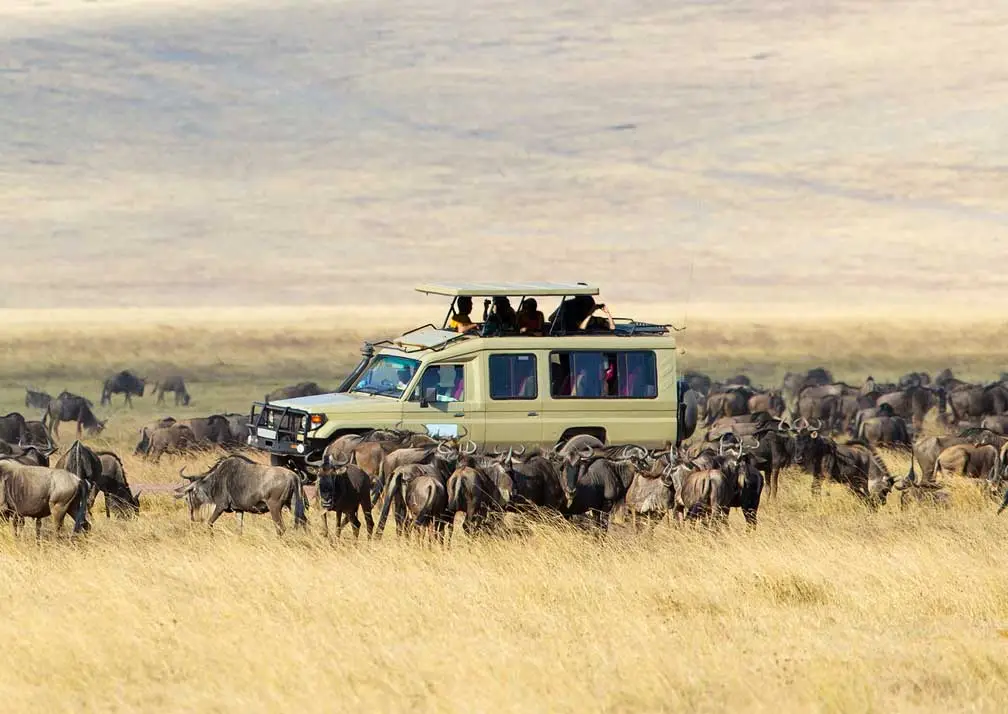
Great Migration Safaris
Experience one of nature's greatest spectacles with our Great Migration safari packages, timed for river crossings or calving.
View Package →
Serengeti & Kilimanjaro Trek
Combined safari and trekking tours offer wildlife adventures and Kilimanjaro climbs.
View Package →
Serengeti & Zanzibar Tours
Luxury Tanzania safari & beach packages with the Great Migration and pristine beaches.
View Package →Related: Best Time to Visit Tanzania 2026 – Perfect safari extension after your Tuvalu adventure.