
Most Complete United Arab Emirates (UAE) Travel Guide 2026-2027 – Everything You Need to Know Before Visiting
This UAE travel guide provides everything you need to plan your journey to one of the world’s most futuristic and luxurious destinations. The United Arab Emirates offers an extraordinary blend of ultramodern skyscrapers, pristine beaches, vast desert landscapes and rich Arabian heritage that create one of the planet’s most diverse luxury travel experiences. Many travelers who want to visit the UAE are amazed by the country’s rapid transformation from desert trading posts to global cities featuring architectural wonders like the Burj Khalifa and cultural landmarks such as Sheikh Zayed Grand Mosque. The nation covers 83,600 square kilometers and consists of seven emirates, each with its own ruler and distinctive character.
Start Reading the Full Guide ↓Quick Facts About United Arab Emirates (UAE)
- Capital: Abu Dhabi.
- Currency: UAE Dirham (AED).
- Time Zone: Gulf Standard Time (GST, UTC+4).
- International Calling Code: +971.
- Driving Side: Right.
- Major Airports: Dubai International (DXB), Abu Dhabi International (AUH), Sharjah (SHJ).
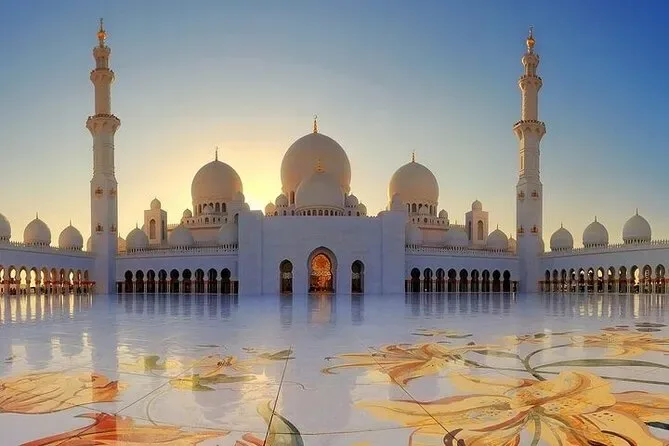
UAE Overview & Key Facts
Brief History of United Arab Emirates
The UAE's history spans millennia, from ancient trading ports and pearl diving communities to the discovery of oil that transformed the region. Bedouin tribes dominated the desert interior while coastal settlements engaged in fishing, pearling and trade with Persia and India. British protection treaties shaped the 19th and early 20th centuries until independence in 1971. This rich historical tapestry creates a fascinating backdrop for modern travelers exploring traditional souks alongside futuristic architecture.
Independence & National Identity
- Independence date: December 2, 1971.
- Former status: British Protected States (Trucial States).
- National symbols & identity.
The UAE was formed when six emirates united in 1971, with Ras Al Khaimah joining in 1972. Sheikh Zayed bin Sultan Al Nahyan became the first president and is widely regarded as the founding father. Today, UAE's national identity proudly blends Emirati heritage with cosmopolitan modernity. The flag features red, green, white and black pan-Arab colors with a vertical red band symbolizing unity.
Government System & Current Leadership
- Type of government: Federal presidential elective constitutional monarchy
- Current president: Sheikh Mohamed bin Zayed Al Nahyan
- Notes on political stability
The UAE operates as a federation of seven absolute monarchies with a strong federal structure. President Sheikh Mohamed bin Zayed has led since 2022. The country enjoys exceptional political stability and economic prosperity, consistently ranking among the safest and most business-friendly nations globally.
Population, Ethnic Groups & Languages
- Population: 10.1 million (2026 estimate).
- Major ethnic groups: Emiratis (11–12%), South Asians (60%), other Arabs/expats (28%).
- Official language(s): Arabic.
- Additional languages commonly spoken.
English is the lingua franca of business and tourism. Hindi, Urdu, Malayalam, Tagalog, Persian and many other languages are widely spoken due to the large expatriate population that comprises nearly 90% of residents.
Main Religions & Cultural Identity
Islam is the official religion, practiced by approximately 76% of residents (mostly Sunni). The government promotes moderate Islam and religious tolerance. Large Christian, Hindu and Sikh communities exist peacefully. Islamic values influence laws and customs while allowing significant personal freedom for non-Muslims.
Geography & Natural Landscape
The UAE features dramatic contrasts: glittering coastal cities, vast red sand deserts, rugged Hajar Mountains in the east, and hundreds of islands. Dubai and Abu Dhabi dominate the coastline while the interior remains largely desert. Liwa Oasis and Al Ain offer lush green contrasts to the arid landscape.
Economy & Tourism Highlights
The UAE has successfully diversified from oil dependency into finance, tourism, aviation, real estate and logistics. Dubai and Abu Dhabi rank among the world’s top tourism and business hubs. Tourism contributes significantly with record visitor numbers expected through 2026-2027.
What UAE Is Known For
- World’s tallest building (Burj Khalifa) and most luxurious hotel (Burj Al Arab)
- Tax-free shopping, mega-malls and indoor ski slopes
- Desert safaris, ultra-luxury resorts and Formula 1 Grand Prix
Visa & Entry Requirements in United Arab Emirates
Most international visitors enjoy visa-free entry or visa-on-arrival to the UAE, making it one of the easiest countries to visit. Over 80 nationalities receive free entry stamps valid 30–90 days. Requirements vary by nationality but the process is streamlined and tourist-friendly.
Do You Need a Visa?
Citizens of GCC countries enter freely. Over 80 nationalities (including EU, UK, USA, Canada, Australia, Japan, South Korea) receive free visa-on-arrival. Others can apply for e-visas online. Always verify current requirements on official UAE government websites.
Visa Application Options in UAE
- Visa-on-arrival (free for eligible nationalities)
- Online e-visa application
- Through airlines, hotels or travel agencies
The UAE offers seamless digital visa services with applications processed in 24–72 hours. Extensions are possible for most tourist visas.
Passport Validity & Entry Documents
Passport must be valid for at least six months from entry date with two blank pages. Return/onward ticket may be requested. Some nationalities require confirmed hotel booking or sponsor details.
Customs Rules & Prohibited Items
Strict drug laws apply – zero tolerance. Alcohol allowances: 4 liters or 2 cartons of beer for non-Muslims over 21. Pork products restricted to non-Muslims. Declare large cash amounts over AED 100,000.
Safety & Security Information in United Arab Emirates
The UAE consistently ranks among the world’s safest countries with extremely low crime rates and visible police presence. Tourist areas benefit from 24/7 security and advanced surveillance systems.
Is UAE Safe for Tourists?
Yes – the UAE is exceptionally safe. Violent crime is rare and petty crime minimal. Women travelers report feeling safer than in most global cities. Most governments rate the UAE Level 1 (normal precautions).
Recommended Safety Tips when in UAE
Follow local laws strictly, especially regarding drugs, alcohol and public behavior. Use licensed taxis or ride-hailing apps. Stay hydrated in extreme heat. Women can travel freely but modest dress is appreciated outside resorts.
Safe Areas vs. Areas to Avoid in UAE
All tourist areas are extremely safe. Industrial zones and some labor camp areas have less tourist infrastructure but remain safe. No significant areas to avoid.
Emergency Numbers & Tourist Police in UAE
- Police/Emergency: 999
- Ambulance: 998
- Fire: 997
- Tourist Police: Dedicated units in Dubai/Abu Dhabi
English-speaking emergency services respond rapidly across the country.
Health Requirements & Vaccinations in United Arab Emirates
No mandatory vaccinations required for most travelers. The UAE boasts world-class medical facilities with English-speaking staff. All COVID-19 entry restrictions removed by 2026.
Mandatory Vaccinations in UAE
None required except Yellow Fever certificate if arriving from endemic countries.
Recommended Vaccinations in UAE
Routine vaccines plus Hepatitis A/B recommended. Modern hospitals available everywhere.
Malaria & Other Risks
No malaria risk. Primary concerns: heatstroke, dehydration, and occasional dust storms.
Travel Insurance Recommendations in UAE
Highly recommended to cover adventure activities (skydiving, dune bashing) and medical evacuation if needed.
Best Time to Visit in United Arab Emirates
November to March offers perfect weather (20–30°C) with blue skies and outdoor activities. This is peak season with highest prices and crowds.
Weather by Season
Winter (Nov–Mar): 20–30°C, perfect. Summer (Jun–Sep): 40–50°C+, indoor activities dominate. Shoulder seasons (Apr/May & Oct) offer good value with temperatures 30–38°C.
When to Visit UAE for Best Experiences
- Formula 1 Abu Dhabi GP: November
- Dubai Shopping Festival: Dec–Jan
- Ramadan: varies (respect fasting hours)
- Desert camping best Nov–Mar
High Season vs. Low Season Travel
High season (Nov–Mar): best weather, highest prices. Low season (Jun–Sep): massive hotel discounts (50–70% off) and empty attractions.
Weather & Climate Overview in United Arab Emirates
Hot desert climate with two distinct seasons: extremely hot summers and mild winters. Coastal humidity high year-round.
Temperature Ranges
Winter: 18–30°C daytime, 12–20°C nights. Summer: 40–50°C daytime, rarely below 30°C at night.
Rainy & Dry Seasons in UAE
Almost entirely dry. Occasional winter rain (Jan–Mar) totals under 100mm annually.
What to Wear Based on the Weather
Summer: light breathable fabrics, hats, sunglasses. Winter: light layers, jacket for evenings. Modest clothing in public areas outside resorts.
Main Currency, Costs & Budgeting in United Arab Emirates
UAE Dirham (AED) is widely accepted everywhere. Cards dominate; cash rarely needed except souks/taxis.
Local Currency Information
AED pegged to USD (3.67). Notes: 5, 10, 20, 50, 100, 200, 500, 1000. Coins rarely used.
Average Travel Costs in UAE
Budget: $100–180/day, Mid-range: $250–450/day, Luxury: $600–2000+/day. Dubai most expensive, Sharjah/Ras Al Khaimah cheapest.
Using ATMs, Cards & Mobile Money in UAE
Contactless payments universal. Apple/Google Pay everywhere. ATMs abundant.
Tipping Guidelines in UAE
Not obligatory but appreciated. Hotels/restaurants: 10–15% often added as service charge. Taxis: round up. Hotel staff: AED 10–20.
Transportation & Getting Around in United Arab Emirates
Excellent infrastructure with world-class airports, metro systems, highways and ride-hailing apps.
Airport Transfers
Dubai/Abu Dhabi airports offer metro, taxis (AED 25 flag fall), Careem/Uber, luxury transfers.
Local Transport Options in UAE
Dubai Metro (driverless, excellent), buses, abras (water taxis), Careem/Uber dominate. Taxis cheap and plentiful.
UAE Domestic Flights
FlyDubai, Etihad, Emirates connect emirates quickly. Useful for Abu Dhabi–Dubai when avoiding traffic.
Car Rentals & Road Conditions
Easy rental with international license. Excellent highways. Salik toll system in Dubai.
Accommodation Options available in United Arab Emirates
World’s highest concentration of luxury hotels plus budget options in older Dubai/ShARJAH areas.
Types of Accommodations in UAE
7-star hotels (Burj Al Arab), desert resorts, beachfront properties, serviced apartments, budget hotels.
Budget vs. Mid-Range vs. Luxury
Budget: $60–120/night (Deira/ShARJAH), Mid-range: $150–350, Luxury: $400–5000+.
Best Areas to Stay in UAE
Dubai Marina, Downtown Dubai, Palm Jumeirah, JBR for luxury. Deira/Bur Dubai for budget. Abu Dhabi Corniche/Saadiyat Island for culture.
Essential Packing Guide when Visiting United Arab Emirates
Pack for extreme heat/cold indoors (heavy AC) and modest public dress requirements.
Clothing Essentials
Light breathable fabrics, cardigan for AC, modest outfits for malls/mosques, swimwear, evening wear.
Footwear & Gear
Comfortable walking sandals, closed shoes for desert, elegant shoes for nights out.
Electronics & Cameras
Type G plugs (UK style). Power banks essential for long desert days.
Toiletries & Personal Items
Sunscreen SPF50+, hat, sunglasses, prescription meds (with prescription).
Language & Communication in United Arab Emirates
English is effectively the main language in tourism and business.
Main Languages Spoken in UAE
Arabic official, English universal in tourism. Staff speak multiple languages.
Useful Phrases for Tourists
“Marhaba” (hello), “Shukran” (thank you), “Min fadlak” (please).
SIM Cards & Mobile Data used in UAE
Du and Etisalat tourist SIMs available at airport (free with many passports).
Internet Availability & Wi-Fi in UAE
Free Wi-Fi everywhere: malls, metro, cafes, beaches.
Culture & Etiquette in United Arab Emirates
Modern yet rooted in Islamic and Bedouin traditions. Respectful behavior warmly received.
UAE Dress Code Expectations
Modest dress in public (shoulders/knees covered). Beachwear fine at pools/beaches. No abaya required for tourists.
Social Etiquette & Respectful Behavior of UAE
Use right hand for eating/gestures. Accept coffee/dates when offered. No public affection. Ramadan: no eating/drinking in public daytime.
Photography Rules in UAE
Ask permission before photographing people (especially women). No photos of government buildings/airports.
Important Cultural Dos & Don’ts in UAE
Do: remove shoes in homes, accept hospitality. Don’t: swear, drink alcohol in public, photograph locals without permission.
Food, Water & Dining in United Arab Emirates
World-class international cuisine plus excellent Emirati and Arabic food.
UAE Local Dishes to Try
Machboos, harees, luqaimat, camel meat dishes, shawarma, manousheh.
Dietary Options in UAE
All dietary needs easily accommodated. Pork available in special sections.
Drinking Water Safety
Tap water safe to drink but most prefer bottled.
Restaurant Etiquette
Service charge usually included. No alcohol in Sharjah. Ramadan hours restricted.
Top Attractions & Things to Do in United Arab Emirates
Unique blend of futuristic architecture, luxury shopping, desert adventures and cultural experiences.
Major Tourist Attractions in UAE
- Burj Khalifa & Dubai Fountain
- Sheikh Zayed Grand Mosque
- Palm Jumeirah & Atlantis
- Louvre Abu Dhabi & Ferrari World
Best Tours & Experiences in UAE
Desert safari with dinner, dhow cruises, hot air balloon rides, skydiving over Palm, yacht tours.
Family-Friendly Activities to do in UAE
Dubai Aquarium, Legoland, Ferrari World, waterparks, indoor ski.
Unique Cultural or Historical Sites to visit in UAE
Al Fahidi Historical Neighbourhood, Heritage Village Abu Dhabi, Sharjah Museum of Islamic Civilization.
UAE Electrical System Information
Type G plugs (UK three-pin), 220–240V, 50Hz.
Plug Types & Voltage used in UAE
Type G only. Most hotel rooms provide adapters.
Charging Tips
Universal adapters recommended. USB ports common in taxis and cafes.
Local Laws & Regulations of United Arab Emirates
Strict but clearly communicated laws. Zero tolerance for drugs.
Rules Travelers Need to Know when In UAE
No public affection, no alcohol outside licensed venues, dress modestly, no photography of people without permission.
Alcohol, Smoking & Substance Laws of UAE
Alcohol legal in licensed venues for over-21s. No public drinking. Drugs: severe penalties including death penalty.
Restricted or Protected Areas in UAE
Military zones, some palaces. Drones require permits.
Final Travel Tips for Visitors in United Arab Emirates
Book attractions in advance, use Careem/Uber, stay hydrated, respect Ramadan hours.
Common Mistakes to Avoid
Visiting in summer without indoor plans, public affection, assuming alcohol available everywhere.
Tips to Save Money when Visiting UAE
Visit in summer for 50–70% hotel discounts, use The Entertainer app, stay in Sharjah, eat at food courts.
Safety & Comfort Tips
Use women-only metro carriages if preferred, download Careem, carry hotel card with Arabic address.
Frequently Asked Questions – UAE Travel Guide 2026-2027
Our Tanzania Tours Products
While Algeria offers incredible Roman ruins, Sahara adventures and Mediterranean charm, many travelers combine North Africa with the ultimate wildlife experience in East Africa. Capable Africa Tours specializes in secure, guided safaris that maximize safety and wonder. Our expert local guides, armed rangers in parks, and vetted accommodations ensure peace of mind. From family-friendly lodges to luxury camps, we handle logistics so you focus on the magic. Tanzania ranks high for tourist safety with dedicated wildlife protection units and stable northern circuits.
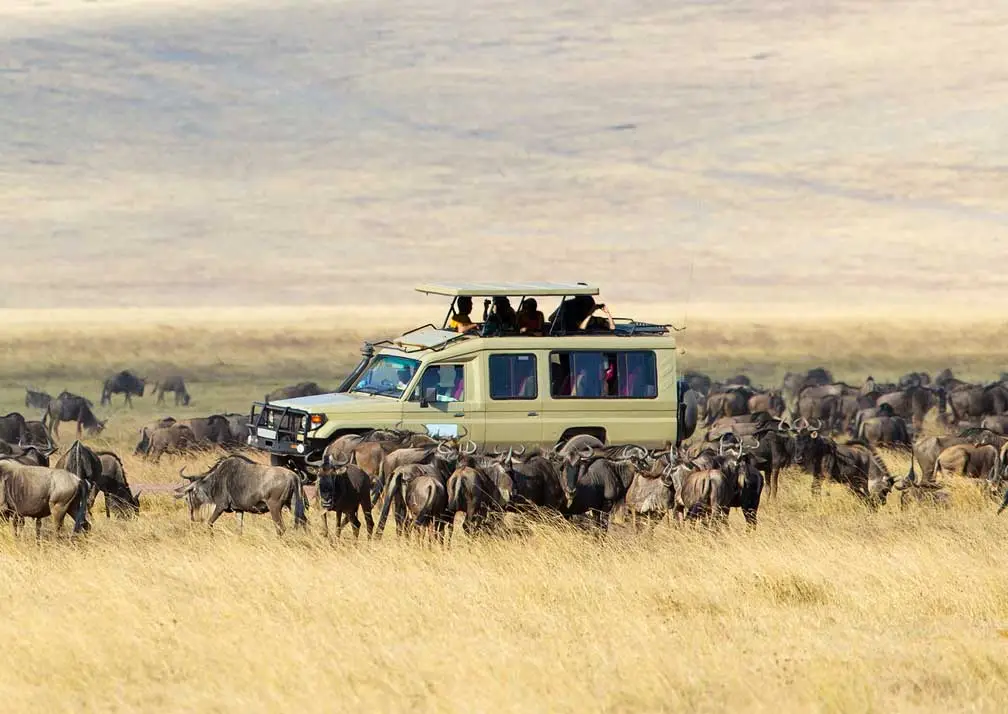
Great Migration Safaris
Experience one of nature's greatest spectacles with our Great Migration safari packages, timed for river crossings or calving.
View Package →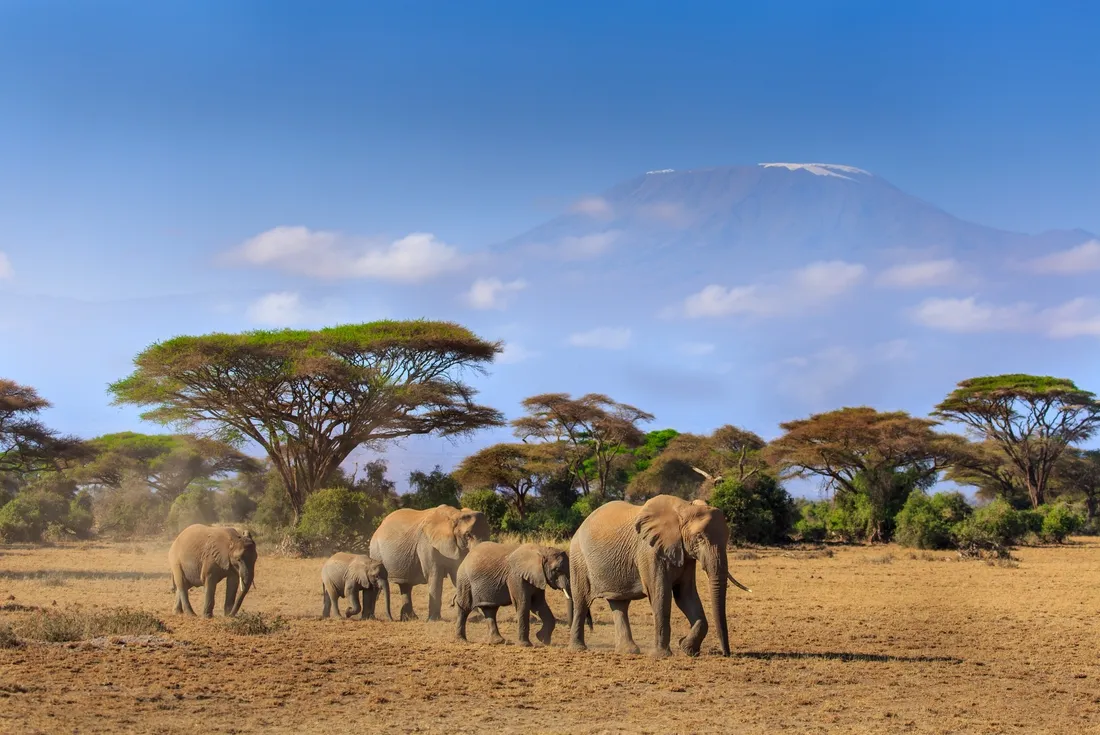
Serengeti & Kilimanjaro Trek
Combined safari and trekking tours offer wildlife adventures and Kilimanjaro climbs.
View Package →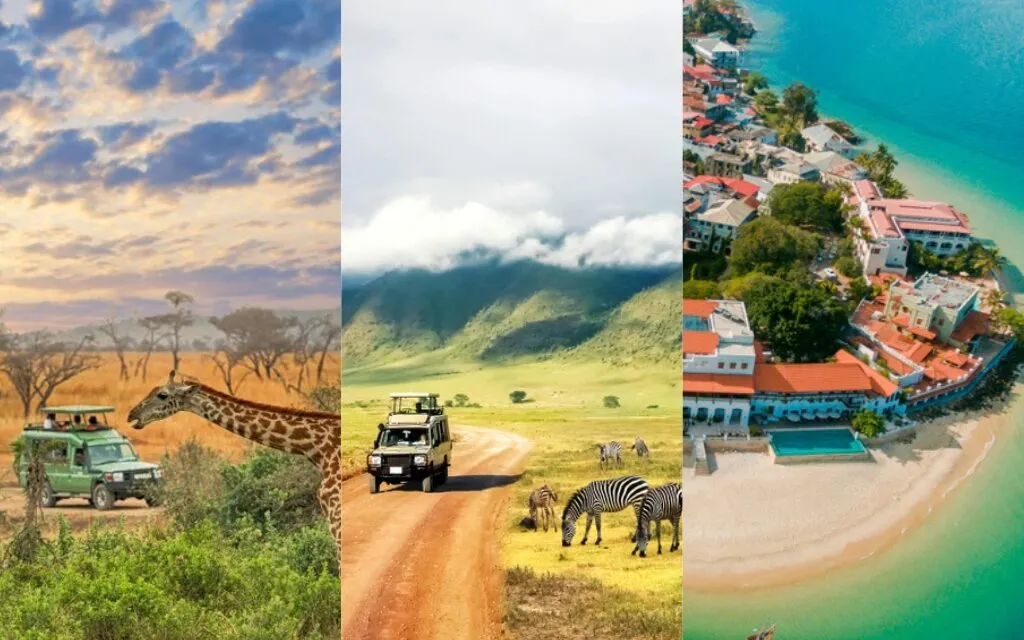
Serengeti & Zanzibar Tours
Luxury Tanzania safari & beach packages with the Great Migration and pristine beaches.
View Package →Related: Best Time to Visit Tanzania 2026 – Perfect safari extension after your UAE adventure.