
Most Complete United Kingdom Travel Guide 2026-2027 – Everything You Need to Know Before Visiting
This United Kingdom travel guide provides everything you need to plan your journey to one of the world’s most visited destinations. The UK offers an extraordinary blend of historic cities, dramatic coastlines, ancient castles, and vibrant modern culture that create one of Europe’s most diverse travel experiences. Many travelers who want to travel to the United Kingdom are surprised by the country's incredible regional diversity and rich cultural heritage spanning Celtic, Roman, Viking, and medieval traditions. The nation covers over 243,000 square kilometers across England, Scotland, Wales and Northern Ireland, offering visitors everything from cosmopolitan London to remote Scottish islands and picturesque Cotswolds villages.
Start Reading the Full Guide ↓Quick Facts About United Kingdom
- Capital: London (England).
- Currency: Pound Sterling (GBP).
- Time Zone: Greenwich Mean Time (GMT, UTC+0), British Summer Time (BST, UTC+1) Mar–Oct.
- International Calling Code: +44.
- Driving Side: Left.
- Major Airports: London Heathrow (LHR), Gatwick (LGW), Manchester (MAN), Edinburgh (EDI).

United Kingdom Overview & Key Facts
Brief History of United Kingdom
The United Kingdom’s history spans millennia, from ancient Celtic tribes through Roman occupation to Viking invasions and Norman conquest. The Acts of Union gradually united England, Wales, Scotland and Ireland (later Northern Ireland) into one nation. The British Empire once spanned a quarter of the globe, leaving a lasting cultural and linguistic legacy. This rich historical tapestry creates a fascinating backdrop for modern travelers exploring castles, cathedrals, and world-class museums.
Independence & National Identity
- Formation: Acts of Union 1707 (England & Scotland), 1801 (Ireland), 1536 (Wales).
- Former colonial power: N/A (was the colonial power).
- National symbols & identity.
Today the United Kingdom is a constitutional monarchy with strong regional identities. England, Scotland, Wales and Northern Ireland each have distinct cultures, flags and, in some cases, languages. The Union Jack combines the crosses of St George, St Andrew and St Patrick.
Government System & Current Leadership
- Type of government: Parliamentary Constitutional Monarchy
- Current monarch: King Charles III
- Current prime minister: (as of Nov 2025 – Keir Starmer)
The UK is one of the world’s most stable democracies with peaceful transfers of power and high political transparency.
Population, Ethnic Groups & Languages
- Population: 68.7 million (2025 estimate).
- Major ethnic groups: White British 81%, Asian 9%, Black 4%, Mixed/Other.
- Official language(s): English.
- Additional languages: Welsh, Scottish Gaelic, Scots, Irish.
English is spoken by virtually everyone. Welsh is official in Wales, with over 20% speaking it. Scottish Gaelic and Scots are recognised in Scotland.
Main Religions & Cultural Identity
The UK is largely secular, with Christianity (Church of England in England, Church of Scotland) the historic majority. Growing Muslim, Hindu, Sikh and Jewish communities reflect modern multiculturalism. Cultural identity blends ancient traditions with contemporary diversity.
Geography & Natural Landscape
The UK features dramatic coastlines, rolling hills, rugged mountains (Scottish Highlands, Snowdonia), and picturesque countryside. England is relatively flat in the south and east, while Scotland, Wales and Northern Ireland offer mountainous terrain and thousands of islands.
Economy & Tourism Highlights
The UK has the world’s sixth-largest economy, driven by finance, technology, creative industries and tourism. Over 40 million international visitors arrive annually, drawn to history, culture, music, theatre and natural beauty.
What United Kingdom Is Known For
- UNESCO sites: Stonehenge, Edinburgh Old & New Towns, Giant’s Causeway, Bath, Liverpool Maritime, etc.
- Iconic landmarks: Big Ben, Tower of London, Edinburgh Castle, Buckingham Palace
- World-class museums (mostly free entry)
Visa & Entry Requirements in United Kingdom
From 2025-2026 most non-visa nationals require an Electronic Travel Authorisation (ETA) costing £10 and valid for multiple entries over two years. Visa nationals still need a Standard Visitor Visa.
Do You Need a Visa or ETA?
EU, US, Canada, Australia, NZ, Japan, South Korea and many others need an ETA. Citizens of Gulf states, Jordan, etc., already have ETA schemes. Visa nationals (check gov.uk) require a Standard Visitor Visa.
Visa/ETA Application Options
- Electronic Travel Authorisation (ETA) – online, £10, 3 working days
- Standard Visitor Visa – online, biometric appointment
ETA is fully digital and linked to your passport.
Passport Validity & Entry Documents
Passport must be valid for the entire stay. No minimum validity requirement for most nationalities, but airlines may refuse boarding without 3-6 months.
Customs Rules & Prohibited Items
Standard EU-style rules: £390 duty-free allowance, no meat/dairy from outside EU, strict and no weapons, drugs or counterfeit goods.
Safety & Security Information in United Kingdom
The UK is one of the safest countries globally with low violent crime rates. Most visits are trouble-free.
Is United Kingdom Safe for Tourists?
Yes – the UK ranks among the safest destinations worldwide. The main concern is petty theft in crowded tourist areas of London, Edinburgh and other cities.
Recommended Safety Tips
Use licensed black cabs or reputable apps, keep valuables secure on public transport, avoid unlicensed minicabs, and drink responsibly.
Safe Areas vs. Areas to Avoid
All major tourist areas are safe. Normal big-city precautions apply after dark in any city centre.
Emergency Numbers & Tourist Police
- Emergency: 999 or 112
- Non-emergency police: 101
Health Requirements & Vaccinations in United Kingdom
No mandatory vaccinations. The NHS provides free emergency treatment to visitors.
Mandatory Vaccinations
None.
Recommended Vaccinations
Routine vaccines only.
Travel Insurance Recommendations
Highly recommended for private treatment and repatriation.
Best Time to Visit in United Kingdom
May to September for warmest weather and longest days. June–August for festivals and outdoor activities.
Weather by Season
Spring (Mar–May): 8–15°C, blooming gardens. Summer (Jun–Aug): 15–25°C, long daylight. Autumn (Sep–Oct): 10–18°C, beautiful colours. Winter (Nov–Feb): 2–8°C, Christmas markets.
When to Visit for Best Experiences
- Edinburgh Festival Fringe: August
- Chelsea Flower Show: May
- Highlands without midges: May/June or September
High Season vs. Low Season
High season: June–August and Christmas/New Year. Low season: November–March (except holidays).
Weather & Climate Overview in United Kingdom
Temperate maritime climate – mild, wet and changeable.
Temperature Ranges
Winter 2–8°C, summer 15–25°C (occasionally 30°C+).
Rainy & Dry Seasons
Rain possible any day. West and north wetter than south and east.
What to Wear
Layers, waterproof jacket and comfortable walking shoes year-round.
Main Currency, Costs & Budgeting in United Kingdom
Pound Sterling (GBP). Cards accepted almost everywhere.
Average Travel Costs
Budget £80–130/day, mid-range £150–250, luxury £300+ (London significantly higher).
Tipping Guidelines
10–15% in restaurants if service not included. Rounding up taxi fares.
Transportation & Getting Around in United Kingdom
Excellent rail network, extensive motorways, domestic flights and ferries.
Airport Transfers
Heathrow Express, Elizabeth Line, Gatwick Express, black cabs, Uber.
Local Transport Options
London Underground, buses nationwide, extensive train network (book in advance for best prices).
Domestic Flights
Useful London–Scotland or London–Northern Ireland.
Car Rentals & Road Conditions
Drive on the left. Excellent roads but heavy traffic around cities.
Accommodation Options available in United Kingdom
Everything from budget hostels and B&Bs to 5-star hotels and castles.
Types of Accommodations
Hotels, B&Bs, self-catering apartments, hostels, glamping, historic houses.
Best Areas to Stay
Central London zones 1-2, Edinburgh Old Town, York city centre, Lake District villages, etc.
Essential Packing Guide when Visiting United Kingdom
Layers, waterproof jacket, comfortable walking shoes, umbrella, universal power adapter (Type G).
Language & Communication in United Kingdom
English spoken everywhere. Excellent 4G/5G coverage and free Wi-Fi in most cafés and public spaces.
Culture & Etiquette in United Kingdom
Polite queuing, “please” and “thank you”, no loud behaviour in public. Pub etiquette important.
Food, Water & Dining in United Kingdom
World-class food scene from Michelin stars to traditional pubs. Tap water safe everywhere.
Top Attractions & Things to Do in United Kingdom
London icons, Edinburgh Castle, Stonehenge, Scottish Highlands, Cotswolds, Giant’s Causeway, York, Bath, Lake District, Wales castles, Oxford & Cambridge.
United Kingdom Electrical System Information
Type G plugs, 230V, 50Hz.
Local Laws & Regulations of United Kingdom
No photography restrictions in public, but respectful behaviour in religious sites.
Final Travel Tips for Visitors in United Kingdom
Book trains and popular attractions in advance, get an Oyster/contactless card in London, explore beyond London, try afternoon tea, and enjoy the incredible free museums.
Frequently Asked Questions – United Kingdom Travel Guide 2026-2027
Our Tanzania Tours Products
While the United Kingdom offers incredible history, castles and culture, many travellers combine Europe with the ultimate wildlife experience in East Africa. Capable Africa Tours specializes in secure, guided safaris that maximize safety and wonder...
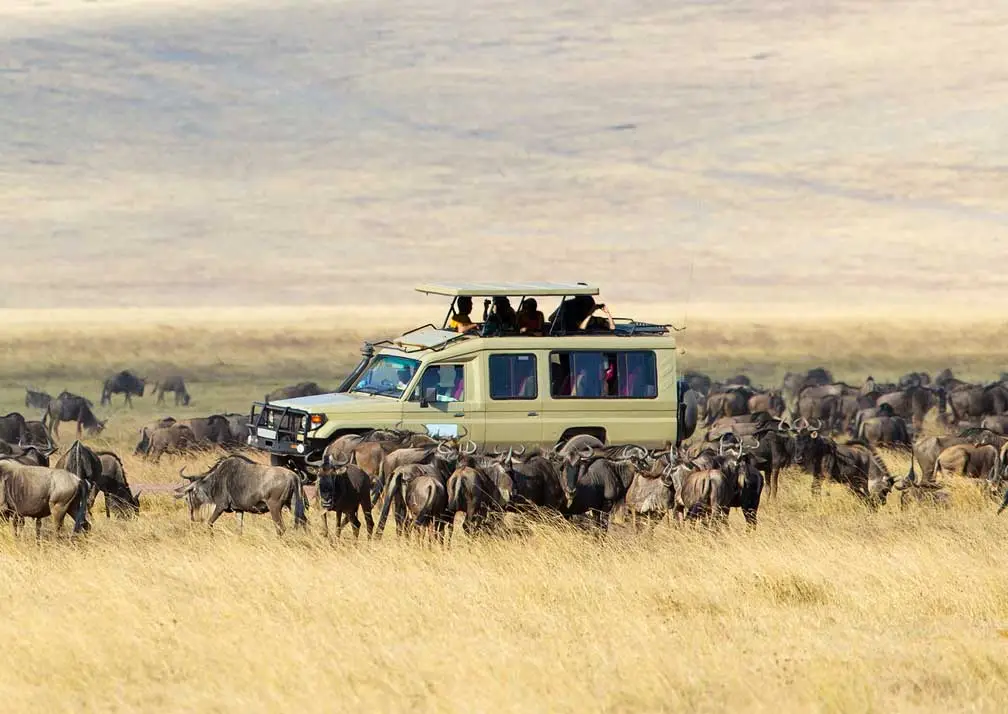
Great Migration Safaris
Experience one of nature's greatest spectacles with our Great Migration safari packages, timed for river crossings or calving.
View Package →
Serengeti & Kilimanjaro Trek
Combined safari and trekking tours offer wildlife adventures and Kilimanjaro climbs.
View Package →
Serengeti & Zanzibar Tours
Luxury Tanzania safari & beach packages with the Great Migration and pristine beaches.
View Package →Related: Best Time to Visit Tanzania 2026 – Perfect safari extension after your United Kingdom adventure.