
Most Complete United States of America Travel Guide 2026-2027 – Everything You Need to Know Before Visiting
This United States travel guide provides everything you need to plan your journey to the world’s most diverse travel destination. The USA offers an extraordinary blend of vibrant cities, dramatic national parks, stunning coastlines and rich cultural experiences that create one of the planet’s most varied travel experiences. Many travelers who want to visit the United States are surprised by the country’s incredible geographic and cultural diversity spanning iconic landmarks, 50 unique states, and landscapes from Alaskan glaciers to Hawaiian volcanoes and desert canyons.
Start Reading the Full Guide ↓Quick Facts About the United States of America
- Capital: Washington, D.C.
- Currency: United States Dollar (USD).
- Time Zones: Multiple (Eastern, Central, Mountain, Pacific, Alaska, Hawaii).
- International Calling Code: +1.
- Driving Side: Right.
- Major Airports: JFK (New York), LAX (Los Angeles), ORD (Chicago), ATL (Atlanta), MIA (Miami).
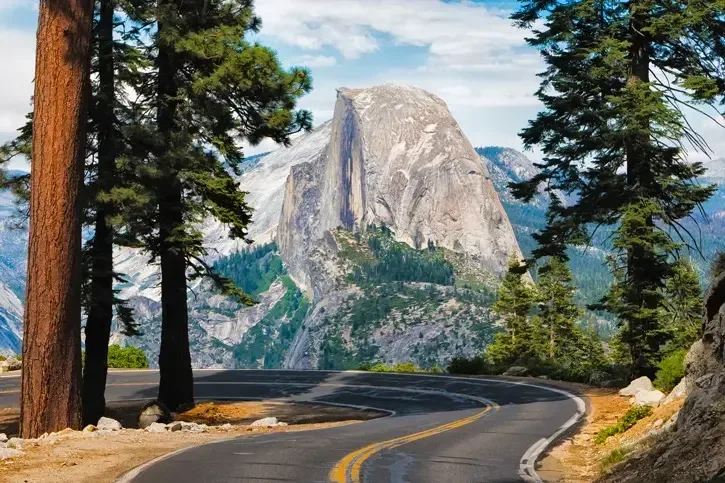
United States Overview & Key Facts
Brief History of the United States
The United States history spans from Native American civilizations through European colonization to becoming a global superpower. Founded by 13 British colonies that declared independence in 1776, the nation expanded westward, experienced a Civil War (1861–1865), emerged as an industrial giant, and played decisive roles in both World Wars. This rich historical tapestry creates a fascinating backdrop for modern travelers exploring everything from Revolutionary War sites to Civil Rights landmarks and space exploration centers.
Independence & National Identity
- Independence date: July 4, 1776.
- Former colonial power: Great Britain.
- National symbols & identity.
The United States gained independence after the Revolutionary War, formalized by the Declaration of Independence. The national flag features 50 stars (one for each state) and 13 stripes (original colonies). USA's National identity centers on freedom, opportunity, and the “American Dream,” with strong emphasis on individualism, innovation, and diversity.
Government System & Current Leadership
- Type of government: Federal Presidential Constitutional Republic
- Current president: (to be updated based on 2024 election outcome)
- Notes on political stability
The United States operates as a federal republic with three branches of government and strong checks and balances. The country is politically stable for tourism purposes, with peaceful transitions of power. Travelers should avoid political demonstrations and respect local laws.
Population, Ethnic Groups & Languages
- Population: 345 million (2025 estimate).
- Major ethnic groups: White (59%), Hispanic/Latino (19%), Black (13%), Asian (6%).
- Official language(s): None at federal level; English de facto.
- Additional languages commonly spoken.
Spanish is the second most spoken language, especially in California, Texas, Florida, and New York. Over 350 languages are spoken nationwide. English is universal in tourism, business, and government.
Main Religions & Cultural Identity
Christianity is the largest religion (approximately 65%), followed by non-religious (26%), Jewish, Muslim, Buddhist, and Hindu communities. The USA is constitutionally secular with strong separation of church and state. Religious freedom is protected, and cultural practices vary widely by region and community.
Geography & Natural Landscape
The United States features incredible geographic diversity: Appalachian and Rocky Mountains, vast plains, Pacific and Atlantic coastlines, Alaskan tundra, Hawaiian volcanoes, and deserts. The country spans six time zones (including territories) and includes 63 national parks protecting everything from glaciers to coral reefs.
Economy & Tourism Highlights
The world’s largest economy by nominal GDP, driven by technology, finance, entertainment, and manufacturing. Tourism is a major industry with over 80 million international visitors annually (pre-pandemic levels returning). Iconic attractions include New York City, California coast, national parks, Las Vegas, Florida beaches, and historic sites.
What the USA Is Known For
- Iconic cities: New York, Los Angeles, Chicago, Las Vegas
- 63 spectacular national parks (Yosemite, Yellowstone, Grand Canyon, Zion)
- Route 66, Hollywood, Silicon Valley, NASA, music (jazz, country, hip-hop)
Visa & Entry Requirements in the United States
Entry requirements depend on your nationality. Citizens of 41 Visa Waiver Program (VWP) countries can enter visa-free for up to 90 days with an approved ESTA. All other nationalities require a B1/B2 tourist visa. Processing times and requirements vary, so apply well in advance.
Do You Need a Visa?
Citizens of VWP countries (most EU nations, UK, Australia, Japan, South Korea, etc.) need only an ESTA. All others require a tourist visa from a U.S. embassy/consulate. Even VWP travelers must have a biometric passport valid for six months beyond stay.
Visa Application Options in the United States
- ESTA online (Visa Waiver Program – $21, valid 2 years)
- B1/B2 tourist visa (interview required at U.S. embassy)
- Transit visa (C-1) if connecting flights
ESTA applications are processed online and usually approved within 72 hours. B1/B2 visas require in-person interviews and can take weeks to months depending on embassy backlog.
Passport Validity & Entry Documents
Passport must be valid for entire stay (six-month rule applies for VWP). Return/onward ticket usually required. Customs forms are completed electronically on arrival. Be prepared to show proof of funds and accommodation if asked.
Customs Rules & Prohibited Items
Strict agricultural restrictions – declare all food items. $10,000+ cash must be declared. Prohibited items include most fresh fruits/vegetables, meat products, absinthe, and Cuban cigars. Medication must be in original packaging with prescription.
Safety & Security Information in the United States
The United States is generally very safe for tourists. Most popular destinations have low crime rates affecting visitors. Exercise normal precautions in large cities at night and follow local advice.
Is the USA Safe for Tourists?
Yes – millions visit safely every year. Tourist areas in New York, California, Florida, and national parks have excellent safety records. Violent crime against tourists is rare. Petty theft (pickpocketing, bag-snatching) occurs in crowded areas.
Recommended Safety Tips when in the USA
Use rideshare apps (Uber/Lyft) or official taxis. Keep valuables in hotel safe. Be aware of surroundings in crowded tourist spots. Follow national park safety guidelines (wildlife, trails). Purchase travel insurance covering medical emergencies – healthcare is expensive.
Safe Areas vs. Areas to Avoid in the USA
Tourist districts in all major cities are safe day and night. Avoid certain neighborhoods in Chicago, Detroit, St. Louis, Baltimore after dark (ask locals or hotel staff). Most national parks are extremely safe with proper preparation.
Emergency Numbers & Tourist Police in the USA
- Emergency (police, fire, medical): 911
- Non-emergency police: varies by city
- National Park Service rangers: emergency numbers posted
911 works nationwide from any phone (free). Tourist police units exist in major cities like New York, Las Vegas, Orlando, and Los Angeles.
Health Requirements & Vaccinations in the United States
No mandatory vaccinations for entry. Comprehensive travel health insurance is essential – medical treatment is very expensive for non-residents.
Mandatory Vaccinations in the United States
None for most travelers. Proof of vaccination may be required for certain events or cruises.
Recommended Vaccinations in the United States
Routine vaccines (MMR, diphtheria-tetanus-pertussis, varicella, polio, yearly flu). COVID-19 vaccination recommended. Hepatitis A/B for some travelers.
Malaria & Other Risks
No malaria risk in continental USA. Tick-borne diseases (Lyme) in northeastern/upper midwest wooded areas. West Nile virus rare but possible. Heat exhaustion in desert southwest; hypothermia in mountains/winter.
Travel Insurance Recommendations in the United States
Absolutely essential. A single emergency room visit can cost $2,000–$10,000+. Ensure coverage includes emergency medical evacuation ($50,000–$100,000 minimum) and trip cancellation.
Best Time to Visit in the United States
The best time depends on regions visited. Spring and fall offer the most comfortable nationwide weather and fewer crowds.
Weather by Season
Spring (March–May): mild nationwide, cherry blossoms in D.C., wildflowers in California. Summer (June–August): hot and peak season, best for national parks. Fall (September–November): stunning foliage in Northeast, pleasant everywhere. Winter (December–February): ski season in Rockies/Colorado, warm in Florida/Hawaii.
When to Visit the USA for Best Experiences
- National parks: May–September
- New York City: September–November or April–June
- California coast: year-round (best May–October)
- Florida beaches: December–April
Road trips are spectacular in fall (Route 66, Blue Ridge Parkway) or spring.
High Season vs. Low Season Travel
High season: June–August + major holidays (Thanksgiving, Christmas). Prices 30–100% higher, attractions crowded. Shoulder seasons (April–May, September–October) offer best value and weather.
Weather & Climate Overview in the United States
The USA spans virtually every climate type from arctic (Alaska) to tropical (Hawaii, south Florida).
Temperature Ranges
Continental USA: winter -10°C to 15°C (14–59°F) in north, 10–25°C (50–77°F) in south. Summer: 20–35°C (68–95°F) most places, hotter in southwest deserts (40°C+/104°F+).
Rainy & Dry Seasons in the USA
Varies dramatically: Pacific Northwest rainy November–March; Southwest dry with monsoon July–August; Southeast humid year-round with hurricane season June–November; Northeast snowy winters.
What to Wear Based on the Weather
Pack layers – weather can change quickly. Comfortable walking shoes essential. Light jacket even in summer for air-conditioned venues. Sun protection (hat, sunglasses, SPF) for desert/southwest. Warm coat, hat, gloves for winter northern visits.
Main Currency, Costs & Budgeting in the United States
The United States uses the U.S. Dollar (USD). Costs are higher than many international destinations but vary dramatically by region.
Local Currency Information
Banknotes: $1, $5, $10, $20, $50, $100. Coins: 1¢ (penny), 5¢ (nickel), 10¢ (dime), 25¢ (quarter). Credit/debit cards accepted almost everywhere.
Average Travel Costs in the USA
Budget travelers: $120–200/day (hostels, public transport, fast food). Mid-range: $250–400/day (3–4 star hotels, restaurants, rental car). Luxury: $500–1,000+/day (5-star, fine dining).
Using ATMs, Cards & Mobile Money in the USA
Cards accepted virtually everywhere (even many street vendors). Contactless payment common. ATMs abundant. Apple Pay/Google Pay widely used.
Tipping Guidelines in the USA
Tipping is expected: restaurants 18–22%, bars $1–2/drink, taxis 15–20%, hotel housekeeping $3–5/day, tour guides $10–20/person. Many service workers rely on tips.
Transportation & Getting Around in the United States
Distances are vast – domestic flights and rental cars are the most practical for multi-region trips.
Airport Transfers
Rideshare (Uber/Lyft), official taxis, shuttles, or public transport (NYC, Chicago, Washington D.C.). Pre-booked private transfers available.
Local Transport Options in the USA
Major cities have subways/trains (NYC, Chicago, D.C., San Francisco). Buses nationwide. Rideshare apps dominant. Walking common in city centers.
USA Domestic Flights
Extensive network with budget carriers (Southwest, Spirit, Frontier) and majors (Delta, American, United). Book early for best prices.
Car Rentals & Road Conditions in the USA
Excellent highways. International driving permit recommended though not always required. Age 25+ for best rates. Gas relatively inexpensive.
Accommodation Options available in the United States
Every type imaginable from budget motels to ultra-luxury resorts.
Types of Accommodations in the USA
Hotels (budget chains to 5-star), motels, Airbnb/VRBO, hostels (limited), resorts, national park lodges, camping/RV parks.
Budget vs. Mid-Range vs. Luxury
Budget: $80–150/night (motels, hostels). Mid-range: $180–350/night (3–4 star chains). Luxury: $400–2,000+/night (iconic properties).
Best Areas to Stay in the USA
Manhattan (NYC), downtown areas in most cities, near national park entrances, beachfront in Florida/California/Hawaii.
Essential Packing Guide when Visiting the United States
Pack for diverse climates and activities. Layers are key.
Clothing Essentials
Comfortable walking shoes, layers (t-shirt to fleece), light jacket, sun protection, one smart outfit for nice restaurants/shows.
Footwear & Gear
Walking/hiking shoes, flip-flops for beaches/pools, universal adapter (Type A/B plugs), portable charger.
Electronics & Cameras
110–120V, 60Hz. Bring adapters/converters if needed. Drones restricted in national parks.
Toiletries & Personal Items
Prescription medications (with copies of prescriptions), sunscreen, insect repellent for parks.
Language & Communication in the United States
English is universal in tourism. Spanish widely spoken in southwest and major cities.
Main Languages Spoken in the USA
English nationwide. Spanish dominant second language.
Useful Phrases for Tourists
Standard English suffices. “Excuse me,” “please,” “thank you,” “how much?” universally understood.
SIM Cards & Mobile Data used in the USA
T-Mobile, AT&T, Verizon prepaid SIMs available at airports/stores. eSIM options common.
Internet Availability & Wi-Fi in the USA
Free Wi-Fi in most hotels, cafes, restaurants, airports. Excellent mobile coverage except remote parks.
Culture & Etiquette in the United States
Casual, friendly, diverse culture with regional differences.
American Dress Code Expectations
Casual dress accepted almost everywhere. Smart-casual for Broadway shows, upscale restaurants (jacket for men sometimes required).
Social Etiquette & Respectful Behavior of the USA
Tipping expected (see above). Personal space respected. Small talk common. Queue/orderly lines important.
Photography Rules in the USA
Generally allowed except restricted government/military sites and some museums (no flash policy common).
Important Cultural Dos & Don’ts in the USA
Do tip service staff. Don’t smoke in public indoor spaces (illegal in most states). Do respect diverse cultures and opinions.
Food, Water & Dining in the United States
Extraordinary variety from regional BBQ to Michelin-starred dining.
American Local Dishes to Try
Burgers, pizza, Tex-Mex, lobster (Maine), deep-dish pizza (Chicago), Southern BBQ, Cajun/Creole (New Orleans), Hawaiian poke, California fresh cuisine.
Dietary Options in the USA
Excellent vegetarian/vegan/gluten-free options nationwide. Kosher and halal available in cities.
Drinking Water Safety
Tap water safe and drinkable throughout the country.
Restaurant Etiquette
Tip 18–22%. “Check please” to request bill. Sharing plates common. Reservations recommended for popular restaurants.
Top Attractions & Things to Do in the United States
Endless options – here are the classics.
Major Tourist Attractions in the USA
- New York City (Statue of Liberty, Central Park, Broadway)
- California (Hollywood, Disneyland, Yosemite, Big Sur)
- National Parks (Grand Canyon, Yellowstone, Zion, Great Smoky Mountains)
- Washington D.C. (free museums, monuments)
Las Vegas, New Orleans, Chicago, San Francisco, Miami, Route 66, Hawaii, Alaska cruises also iconic.
Best Tours & Experiences in the USA
National park road trips, NYC walking tours, Hollywood studio tours, New Orleans jazz & food tours, helicopter over Grand Canyon, Broadway shows.
Family-Friendly Activities to do in the USA
Disney World/Disneyland, universal studios, national parks (junior ranger programs), Smithsonian museums (free), beaches, zoos.
Unique Cultural or Historical Sites to visit in the USA
Independence Hall (Philadelphia), Gettysburg, Civil Rights Trail (Alabama), Kennedy Space Center, Alcatraz, Pearl Harbor, Native American sites.
American Electrical System Information
110–120V, 60Hz, Type A/B plugs (two or three flat pins).
Plug Types & Voltage used in the USA
Most devices need adapters and possibly voltage converters. Modern phone/laptop chargers are usually dual-voltage.
Charging Tips
USB charging ports common in airports, hotels, rideshares. Power banks useful for long national park days.
Local Laws & Regulations of the United States
Laws vary by state – alcohol purchase age 21 nationwide, open container laws differ.
Rules Travelers Need to Know when In USA
ID required for alcohol purchase (passport fine). Marijuana legal in some states but illegal federally (airports). Jaywalking fined in some cities.
Alcohol, Smoking & Substance Laws of the USA
Drinking age 21. Smoking age 21. Cannabis legal for adults in 24 states but prohibited in national parks and federal lands.
Restricted or Protected Areas in the USA.
National parks have strict rules (stay on trails, no drones without permit). Some Native American lands require permits.
Final Travel Tips for Visitors in the United States
Plan internal transport carefully – distances are huge. Book national parks and popular attractions months in advance.
Common Mistakes to Avoid
Underestimating distances/times between cities. Not booking national park accommodation early. Forgetting health insurance. Not budgeting for tips and taxes (added separately).
Tips to Save Money when Visiting the USA
Visit in shoulder seasons. Use city passes (New York Pass, Go City). Stay outside Manhattan/San Francisco. Eat at diners and food trucks. Book flights mid-week.
Safety & Comfort Tips
Get comprehensive travel insurance. Save emergency numbers. Use reputable rideshare apps. Register with your embassy’s STEP program.
Frequently Asked Questions – United States Travel Guide 2026-2027
Our Tanzania Tours Products
While the United States offers incredible cities, national parks and road-trip adventures, many travelers combine North America with the ultimate African wildlife experience in Tanzania. Capable Africa Tours specializes in secure, guided safaris that maximize safety and wonder. Our expert local guides, armed rangers in parks, and vetted accommodations ensure peace of mind. From family-friendly lodges to luxury camps, we handle logistics so you focus on the magic.
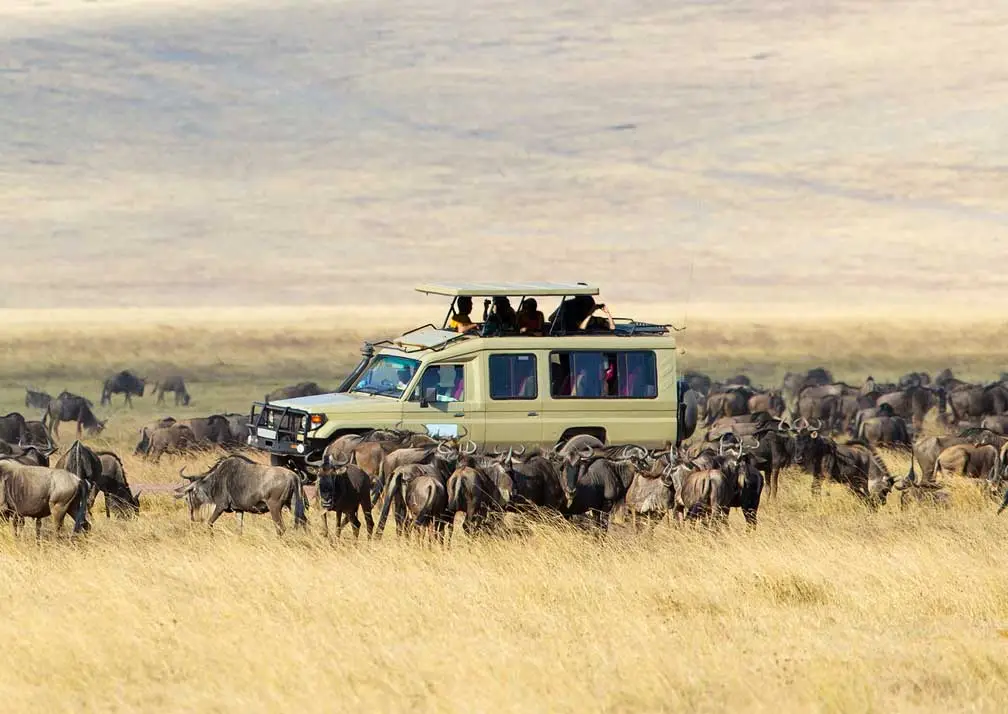
Great Migration Safaris
Experience one of nature's greatest spectacles with our Great Migration safari packages, timed for river crossings or calving.
View Package →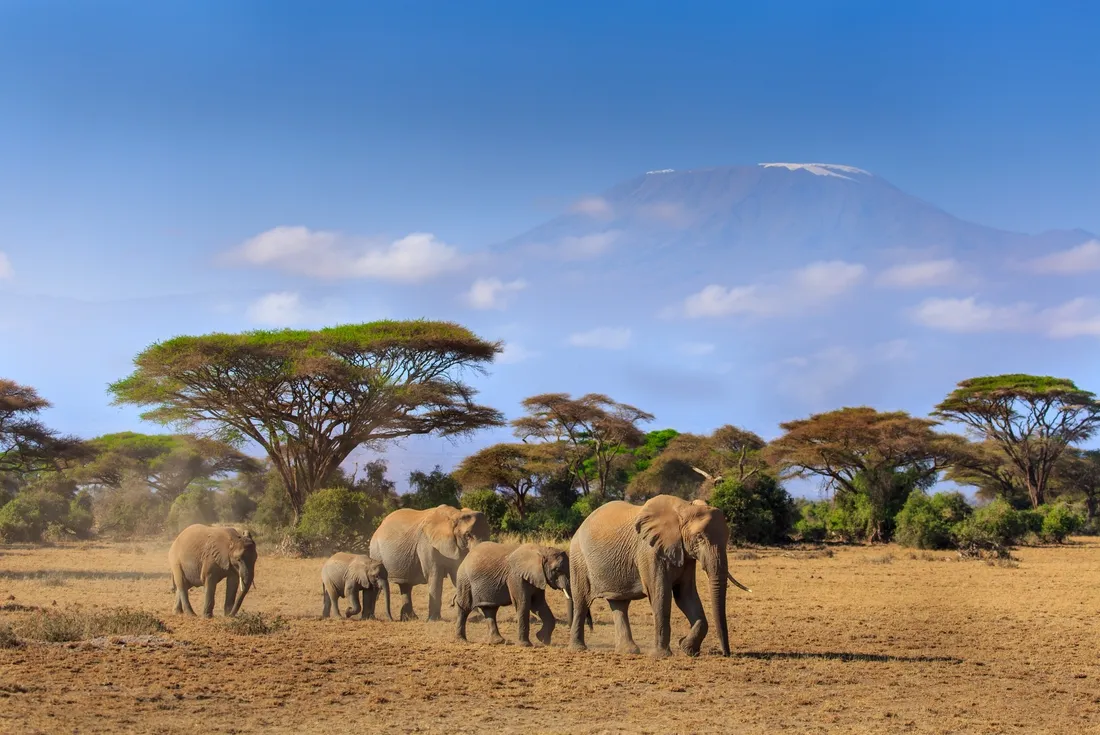
Serengeti & Kilimanjaro Trek
Combined safari and trekking tours offer wildlife adventures and Kilimanjaro climbs.
View Package →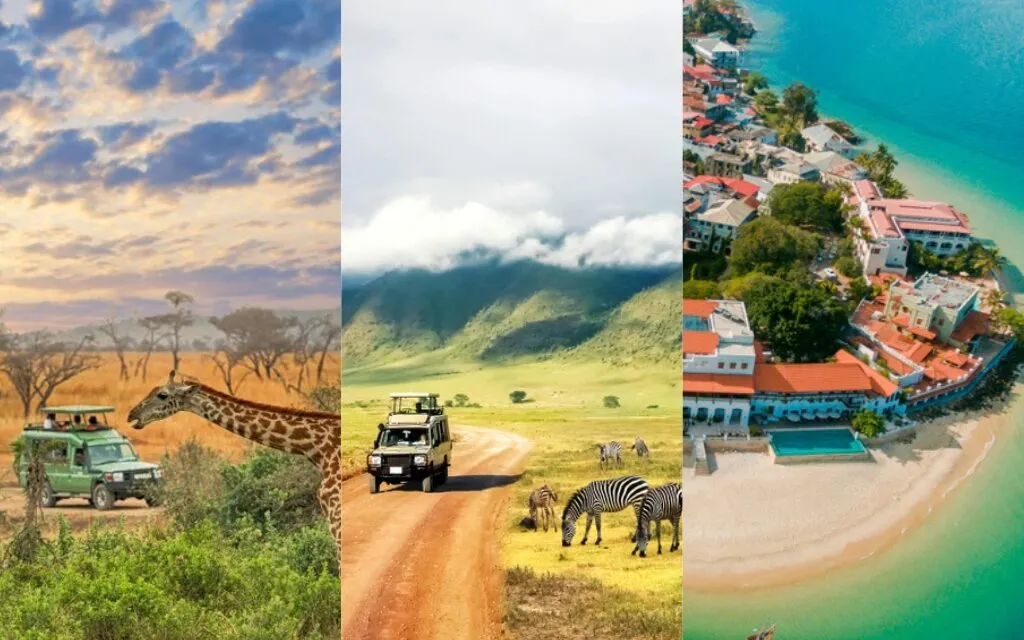
Serengeti & Zanzibar Tours
Luxury Tanzania safari & beach packages with the Great Migration and pristine beaches.
View Package →Related: Best Time to Visit Tanzania 2026 – Perfect safari extension after your USA adventure.