
Most Complete Uruguay Travel Guide 2026-2027 – Everything You Need to Know Before Visiting
This Uruguay travel guide provides everything you need to plan your journey to South America's most progressive and laid-back country. Uruguay offers an extraordinary blend of sophisticated Montevideo, charming colonial towns, world-class beaches, gaucho culture, and renowned wine regions that create one of the continent's most relaxed yet refined travel experiences. Many travelers who want to travel to Uruguay are surprised by the country's high quality of life, progressive values, and genuine hospitality. The nation covers 176,000 square kilometers, making it the second-smallest country in South America, yet it punches far above its weight in culture, safety, and natural beauty.
Start Reading the Full Guide ↓Quick Facts About Uruguay
- Capital: Montevideo.
- Currency: Uruguayan Peso (UYU).
- Time Zone: Uruguay Time (UYT, UTC-3).
- International Calling Code: +598.
- Driving Side: Right.
- Major Airports: Carrasco International Airport (MVD – Montevideo), Laguna del Sauce (Punta del Este).
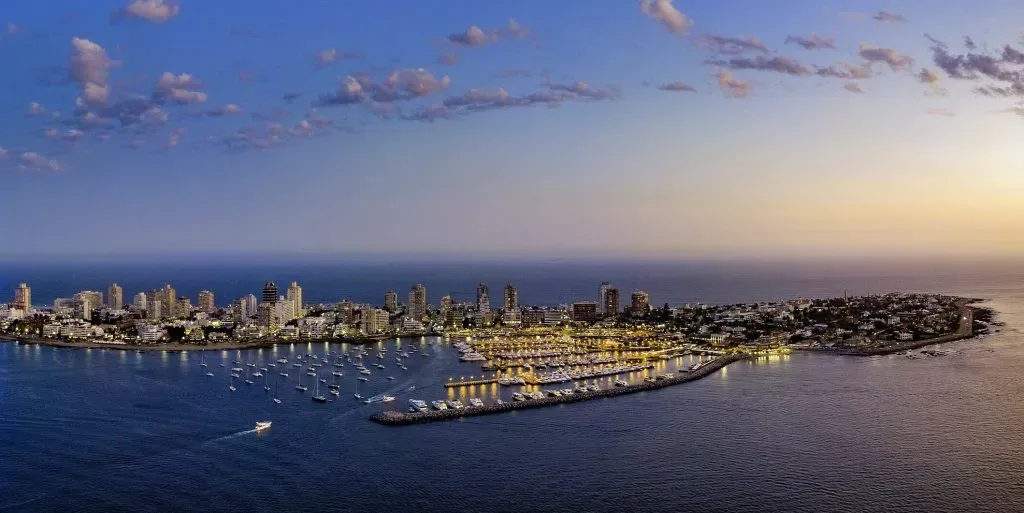
Uruguay Overview & Key Facts
Brief History of Uruguay
Uruguay's history is deeply tied to European immigration, indigenous Charrúa resistance, and its position between Spanish and Portuguese empires. The Spanish founded Montevideo in 1726 as a military stronghold, while the Portuguese established Colonia del Sacramento earlier. The country achieved independence in 1828 after being a battleground between Argentina, Brazil, and European powers. This rich historical tapestry creates a fascinating backdrop for modern travelers exploring colonial architecture and cultural sites.
Independence & National Identity
- Independence date: August 25, 1825 (declared), 1828 (recognized).
- Former colonial power: Spain and Portugal (disputed territory).
- National symbols & identity.
Known as the “Switzerland of South America” for its early progressive policies, Uruguay was the first Latin American country to legalize divorce (1907), establish an eight-hour workday, and more recently, cannabis (2013) and same-sex marriage (2013). Uruguay's national identity centers on tolerance, secularism, and love for mate, football, and asado.
Government System & Current Leadership
- Type of government: Presidential Representative Democratic Republic
- Current president: Luis Lacalle Pou (2020–2025); next elections March 2025
- Notes on political stability
Uruguay enjoys one of the strongest democracies in Latin America with peaceful transitions of power and high political stability. It consistently ranks as the least corrupt and most democratic country in the region.
Population, Ethnic Groups & Languages
- Population: 3.52 million (2025 estimate).
- Major ethnic groups: European descent (88%), mestizo (8%), African descent (4%).
- Official language(s): Spanish.
- Additional languages commonly spoken.
English is widely spoken in tourist areas and among younger generations. Portuguese is common near the Brazilian border (especially in Rivera and Chuy).
Main Religions & Cultural Identity
Uruguay is the most secular country in the Americas – only 40% identify as religious. Catholicism is predominant among believers, but society is highly tolerant and progressive. Christmas is officially “Family Day” and Easter week is “Tourism Week.”
Geography & Natural Landscape
Gentle rolling hills, fertile pampas, 660 km of Atlantic coastline, and the Río de la Plata estuary define Uruguay’s landscape. There are no high mountains – the highest point is Cerro Catedral at 514 m. The climate is temperate with four distinct seasons.
Economy & Tourism Highlights
Uruguay has a high-income economy based on agriculture, services, and increasingly technology and renewable energy (98% of electricity from renewables). Tourism is growing rapidly, especially from Argentina and Brazil, attracted by beaches, wine, culture, and safety.
What Uruguay Is Known For
- UNESCO World Heritage: Colonia del Sacramento & Fray Bentos industrial landscape
- World-class beaches and Punta del Este glamour
- Legal cannabis, progressive laws, and high quality of life
- Gaucho culture, tango, candombe, and mate tradition
Visa & Entry Requirements in Uruguay
Most international visitors enjoy visa-free entry to Uruguay for tourism stays of up to 90 days. The process is straightforward and welcoming – Uruguay actively encourages tourism.
Do You need a Visa?
Citizens of the EU, USA, Canada, UK, Australia, New Zealand, Japan, South Korea, most Latin American countries, and many others enter visa-free for 90 days. Some nationalities (e.g., India, China, Russia) require visas in advance.
Visa Application Options in Uruguay
- Visa-free entry on arrival for 90 days (most nationalities)
- Visa on arrival or e-Visa for select countries
- Embassy visa for restricted nationalities
Extensions are possible for another 90 days at Migración in Montevideo.
Passport Validity & Entry Documents
Passport must be valid for the entire duration of stay (no 6-month rule). Proof of onward travel and sufficient funds may be requested but rarely enforced.
Customs Rules & Prohibited Items
Standard international rules apply. Up to 400 cigarettes, 5 liters of alcohol, and $10,000 USD cash declaration. Cannabis is legal for residents only – tourists cannot purchase legally.
Safety & Security Information in Uruguay
Uruguay is consistently ranked the safest country in South America and one of the safest in the world for tourists.
Is Uruguay Safe for Tourists?
Yes – most government advisories (US, UK, Canada, Australia) rate Uruguay Level 1 (exercise normal precautions). Petty crime (pickpocketing, bag-snatching) occurs in Montevideo and tourist areas, but violent crime against tourists is extremely rare.
Recommended Safety Tips when in Uruguay
Use the same precautions as in any European city. Avoid flashing valuables, use registered taxis or ride-hailing apps (Uber, Cabify), and don’t walk alone late at night in certain Montevideo neighborhoods (e.g., Ciudad Vieja after dark).
Safe Areas vs. Areas to Avoid in Uruguay
All tourist areas (Montevideo center, Punta del Este, Colonia, Cabo Polonio, etc.) are very safe. Some peripheral neighborhoods in Montevideo have higher crime but are not tourist zones.
Emergency Numbers & Tourist Police in Uruguay
- Police: 911
- Medical Emergency: 105
- Tourist Police Montevideo: +598 9804 3763
Tourist police units operate in major destinations and speak English.
Health Requirements & Vaccinations in Uruguay
No mandatory vaccinations except yellow fever certificate if arriving from endemic countries (most travelers exempt).
Mandatory Vaccinations in Uruguay
None for direct arrivals. Yellow fever certificate only if coming from risk countries in Africa or South America.
Recommended Vaccinations in Uruguay
Hepatitis A, Typhoid, and routine vaccines. Excellent private healthcare available in Montevideo and Punta del Este.
Malaria & Other Risks
No malaria risk. Tap water is safe to drink throughout Uruguay.
Travel Insurance Recommendations in Uruguay
Highly recommended – covers medical treatment, theft, and trip cancellation. Many credit cards include sufficient coverage.
Best Time to Visit in Uruguay
Summer (Dec–Mar) for beaches, spring (Sep–Nov) for perfect weather and fewer crowds, winter (Jun–Aug) for culture and lowest prices.
Weather by Season
Summer: 25–30°C, perfect beach weather. Spring/Autumn: 18–25°C, ideal for sightseeing. Winter: 10–16°C, mild but can be rainy.
When to Visit Uruguay for Best Experiences
- Carnival (Feb): biggest in South America after Rio
- Beach season: December–March
- Wine harvest festivals: March–April
- Gaucho festivals: year-round, especially spring
High Season vs. Low Season Travel
High season: January–February (especially Punta del Este). Low season: June–August (best deals).
Weather & Climate Overview in Uruguay
Temperate climate with four distinct seasons, warm summers, mild winters, and rainfall distributed throughout the year.
Temperature Ranges
Summer: 23–30°C (73–86°F). Winter: 10–16°C (50–61°F). Coastal areas slightly cooler due to Atlantic breezes.
Rainy & Dry Seasons in Uruguay
No distinct dry season – rainfall fairly even. Spring and autumn are generally the sunniest.
What to Wear Based on the Weather
Light clothing and swimsuits in summer, layers and a jacket in winter. Uruguayans dress stylishly but casually.
Main Currency, Costs & Budgeting in Uruguay
Uruguayan Peso (UYU). Credit cards widely accepted; ATMs everywhere. USD accepted in many tourist places.
Local Currency Information
Coins: 1, 2, 5, 10, 50 pesos. Notes: 20, 50, 100, 200, 500, 1000, 2000 pesos.
Average Travel Costs in Uruguay
Budget: $60–100/day, mid-range $120–200/day, luxury (Punta high season) $300+/day.
Using ATMs, Cards & Mobile Money in Uruguay
Excellent ATM network. Visa/Mastercard widely accepted. Contactless common. Mobile payments (Mercado Pago, Abitab) popular.
Tipping Guidelines in Uruguay
10% in restaurants (often included as “cubierto”). Round up taxi fares. Hotel staff $1–2 per bag.
Transportation & Getting Around in Uruguay
Excellent bus network, ride-hailing apps, domestic flights, and easy car rental.
Airport Transfers
Carrasco (MVD) has Uber, Cabify, official taxis, and inexpensive public buses to city center.
Local Transport Options in Uruguay
Montevideo has excellent buses, Uber, Cabify, and taxis. Intercity buses (COT, COPSA, TURIL) are modern and comfortable.
Uruguay Domestic Flights
Limited but useful between Montevideo and Punta del Este (20-min flight).
Car Rentals & Road Conditions in Uruguay
Excellent roads, right-hand driving, low traffic outside Montevideo. International license accepted.
Accommodation Options available in Uruguay
From boutique posadas in Colonia to luxury resorts in Punta del Este and stylish hotels in Montevideo.
Types of Accommodations in Uruguay
Hotels, posadas, estancias (ranch stays), hostels, apartments, beach houses.
Budget vs. Mid-Range vs. Luxury
Budget $30–60, mid-range $80–150, luxury $200–1000+ (Punta high season).
Best Areas to Stay in Uruguay
Montevideo: Pocitos, Punta Carretas, Ciudad Vieja. Punta del Este: La Barra, José Ignacio. Colonia: historic center.
Essential Packing Guide when Visiting Uruguay
Pack layers, comfortable walking shoes, swimsuit, sunscreen, adapter (Type C, F, L), and a reusable mate cup if you want to blend in.
Clothing Essentials
Casual elegant style. Beachwear for coast, smart-casual for Montevideo evenings.
Footwear & Gear
Comfortable walking shoes, flip-flops, light jacket.
Electronics & Cameras
220V, 50Hz. Types C, F, and L plugs. Power reliable everywhere.
Toiletries & Personal Items
All international brands available. Bring sunscreen (expensive locally).
Language & Communication in Uruguay
Spanish (Rioplatense dialect). English widely spoken in tourism sector.
Main Languages Spoken in Uruguay
Spanish. English common in hotels, restaurants, and among youth.
Useful Phrases for Tourists
“Hola”, “Gracias”, “Por favor”, “Cuánto cuesta?”, “Una cerveza por favor”.
SIM Cards & Mobile Data used in Uruguay
Antel, Movistar, Claro. Free SIMs at airport or shops. Excellent 4G/5G coverage.
Internet Availability & Wi-Fi in Uruguay
Free public Wi-Fi in Montevideo (Antel network). Fast and reliable everywhere.
Culture & Etiquette in Uruguay
Relaxed, friendly, and progressive culture. Mate drinking is a national ritual – accepting when offered is polite.
Uruguayan Dress Code Expectations
Casual but neat. Beachwear only on beaches. Uruguayans dress well for evenings out.
Social Etiquette & Respectful Behavior of Uruguay
Cheek kiss greeting (one kiss, right cheek). Punctuality relaxed (“Uruguayan time”). Mate is shared – don’t touch the bombilla.
Photography Rules in Uruguay
Generally permitted. Ask permission when photographing people up close.
Important Cultural Dos & Don’ts in Uruguay
Do: accept mate, talk football, enjoy long meals. Don’t: confuse Uruguay with Paraguay, rush meals, or discuss politics aggressively.
Food, Water & Dining in Uruguay
World-famous beef, incredible wines (especially Tannat), seafood, and Italian-influenced cuisine.
Uruguayan Local Dishes to Try
Asado (barbecue), chivito (national sandwich), milanesa, parrillada, dulce de leche, Tannat wine, medio y medio.
Dietary Options in Uruguay
Excellent for carnivores. Growing vegetarian/vegan options in cities.
Drinking Water Safety
Tap water safe throughout Uruguay.
Restaurant Etiquette
Meals are leisurely. 10% tip usual (often included). Dinner starts 9–10 pm.
Top Attractions & Things to Do in Uruguay
Colonia del Sacramento (UNESCO), Montevideo’s Rambla and old town, Punta del Este beaches, José Ignacio, wineries, gaucho estancias, Cabo Polonio, carnival.
Major Tourist Attractions in Uruguay
- Colonia del Sacramento (UNESCO)
- Montevideo historic center & Rambla
- Punta del Este & José Ignacio
- Bodega Garzón and wine routes
Best Tours & Experiences in Uruguay
Wine tastings, estancia stays with gauchos, yacht days in Punta, tango shows, carnival parades (Feb), thermal springs.
Family-Friendly Activities to do in Uruguay
Beaches, zoos, science museums, estancia day trips, carnival.
Unique Cultural or Historical Sites to visit in Uruguay
Fray Bentos industrial heritage (UNESCO), Teatro Solís, Palacio Taranco, candombe rehearsals in Montevideo barrios.
Uruguayan Electrical System Information
220–240V, 50Hz. Plugs C, F, and L (Italian-style three-pin common).
Plug Types & Voltage used in Uruguay
Types C, F, L. Most modern devices with Type C/F work fine.
Charging Tips
Bring a Type L adapter to be safe. Power reliable everywhere.
Local Laws & Regulations of Uruguay
Cannabis legal for residents only. Same-sex marriage legal since 2013. Very LGBTQ+ friendly.
Rules Travelers Need to Know when In Uruguay
Cannabis tourism not permitted (cannot buy legally). No photography restrictions except military sites.
Alcohol, Smoking & Substance Laws of Uruguay
Drinking age 18. Smoking banned indoors. Cannabis legal only for residents.
Restricted or Protected Areas in Uruguay
None of significance for tourists.
Final Travel Tips for Visitors in Uruguay
Uruguay is easy, safe, and welcoming. Relax, drink mate, eat incredible beef, and enjoy one of the most progressive and friendly countries on earth.
Common Mistakes to Avoid
Visiting only in January–February (expensive and crowded). Assuming Spanish is not necessary (helpful outside tourist areas). Forgetting sunscreen.
Tips to Save Money when Visiting Uruguay
Travel in shoulder seasons, eat at parrilladas and markets, use buses, stay in posadas or Airbnb.
Safety & Comfort Tips
Drink tap water, use Uber/Cabify, enjoy late dinners, accept mate when offered.
Frequently Asked Questions – Uruguay Travel Guide 2026-2027
Our Tanzania Tours Products
While Uruguay offers incredible beaches, wine culture and progressive vibe, many travelers combine South America with the ultimate African wildlife adventure. Capable Africa Tours specializes in secure, guided safaris that maximize safety and wonder. Our expert local guides, armed rangers in parks, and vetted accommodations ensure peace of mind. From family-friendly lodges to luxury camps, we handle logistics so you focus on the magic. Tanzania ranks high for tourist safety with dedicated wildlife protection units and stable northern circuits.
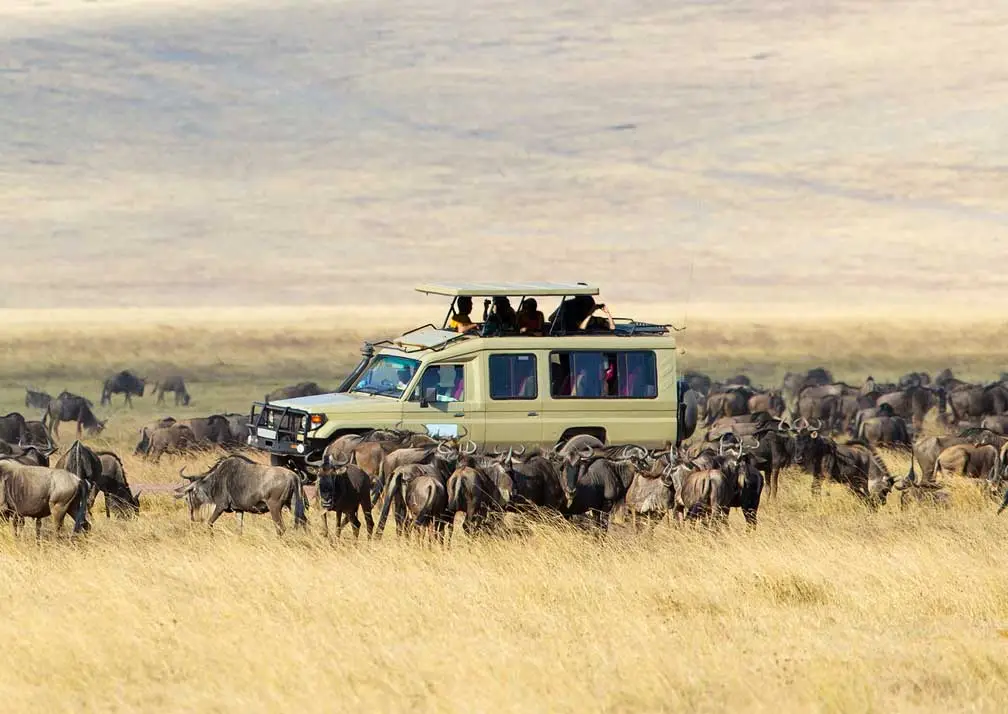
Great Migration Safaris
Experience one of nature's greatest spectacles with our Great Migration safari packages, timed for river crossings or calving.
View Package →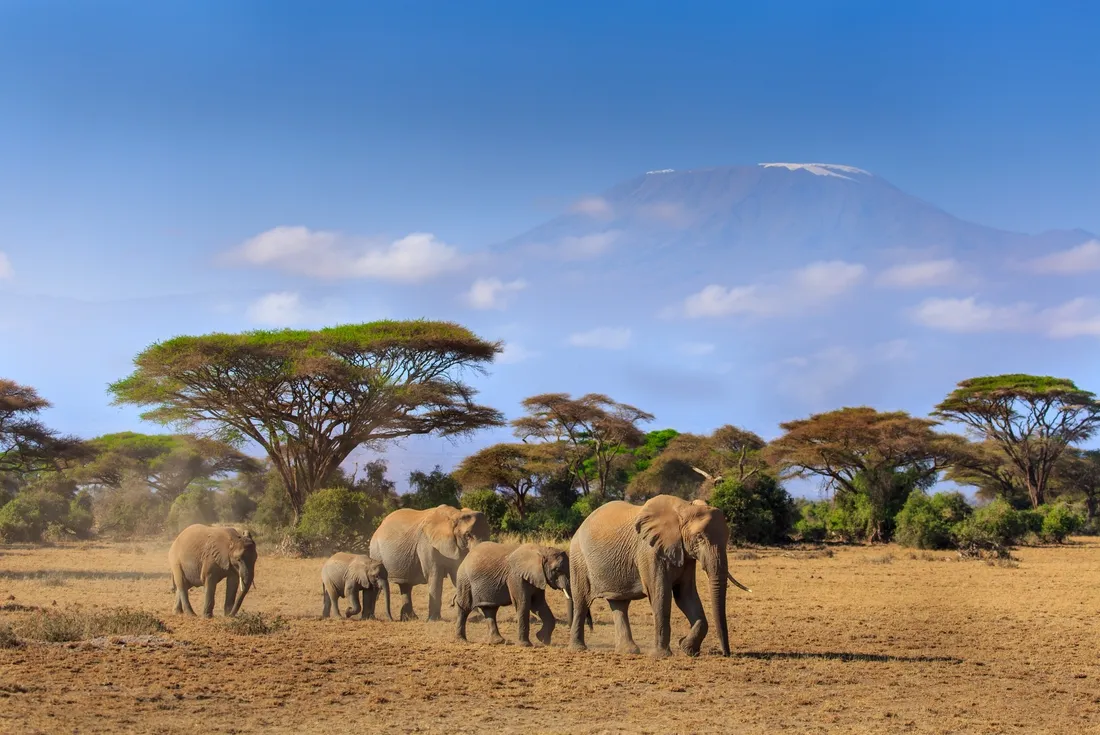
Serengeti & Kilimanjaro Trek
Combined safari and trekking tours offer wildlife adventures and Kilimanjaro climbs.
View Package →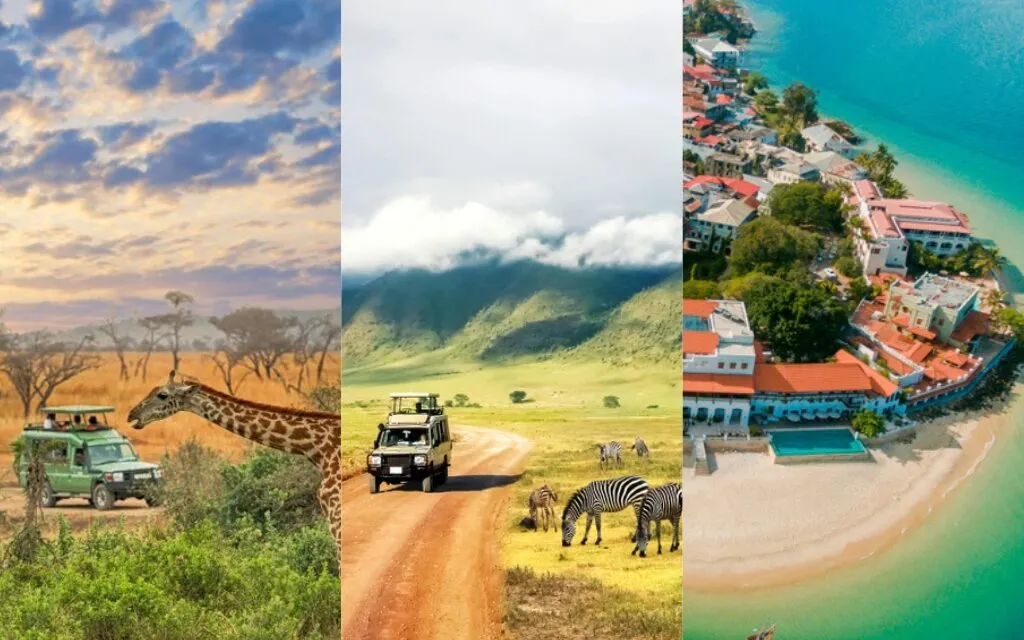
Serengeti & Zanzibar Tours
Luxury Tanzania safari & beach packages with the Great Migration and pristine beaches.
View Package →Related: Best Time to Visit Tanzania 2026 – Perfect safari extension after your Uruguay adventure.