
Most Complete Vanuatu Travel Guide 2026-2027 – Everything You Need to Know Before Visiting
This Vanuatu travel guide provides everything you need to plan your journey to the South Pacific’s happiest nation. Vanuatu offers an extraordinary blend of active volcanoes, world-class diving, turquoise lagoons and vibrant Melanesian culture that create one of the Pacific’s most diverse travel experiences. Many travelers who want to visit Vanuatu are surprised by the country’s incredible natural beauty and the warmth of its people. The archipelago of 83 islands stretches over 1,300 km, offering visitors everything from fire-breathing volcanoes to pristine coral reefs and untouched tribal villages.
Start Reading the Full Guide ↓Quick Facts About Vanuatu
- Capital: Port Vila (Efate Island).
- Currency: Vanuatu Vatu (VUV).
- Time Zone: Vanuatu Time (VUT, UTC+11).
- International Calling Code: +678.
- Driving Side: Right.
- Major Airports: Bauerfield International (VLI – Port Vila), Santo-Pekoa (SON – Espiritu Santo).
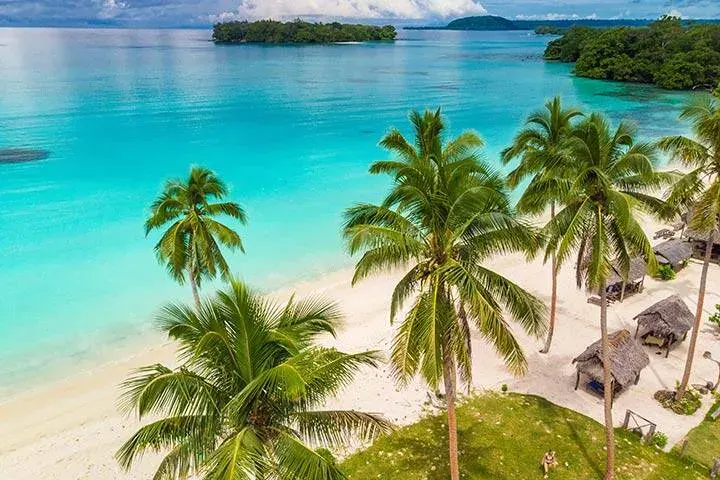
Vanuatu Overview & Key Facts
Brief History of Vanuatu
Vanuatu’s history spans over 3,000 years of Melanesian settlement, followed by European discovery in 1606 by Portuguese explorer Pedro Fernandes de Queirós. Captain James Cook named the islands the New Hebrides in 1774. Condominium rule by Britain and France from 1906 created the unique “Pandemonium” dual administration until independence in 1980, when the nation adopted the name Vanuatu – “Our Land Forever” in Bislama.
Independence & National Identity
- Independence date: July 30, 1980.
- Former colonial powers: Britain & France (joint condominium).
- National symbols & identity.
Vanuatu gained independence as one of the world’s newest nations after a sometimes turbulent transition. The national flag features black, red and green with a yellow boar’s tusk and fern symbolising peace, blood of warriors, and prosperity. The country proudly maintains its Melanesian kastom (custom) culture while embracing its unique Anglo-French heritage.
Government System & Current Leadership
- Type of government: Parliamentary Republic
- Current president: Nikenike Vurobaravu
- Notes on political stability
Vanuatu operates a parliamentary democracy with frequent peaceful changes of government. Politics can be colourful but rarely affect tourists. The country consistently ranks as one of the happiest nations despite modest economic means.
Population, Ethnic Groups & Languages
- Population: 330,000 (2025 projection).
- Major ethnic groups: Ni-Vanuatu (98%), European, Asian, other Pacific Islanders.
- Official language(s): Bislama, English, French.
- Additional languages commonly spoken.
Over 130 indigenous languages make Vanuatu the world’s most linguistically diverse nation per capita. Bislama, the national pidgin, is the unifying language and great fun to learn. English dominates tourism and education, while French remains strong in certain areas.
Main Religions & Cultural Identity
Christianity is practiced by over 90% of the population, with strong Presbyterian, Catholic and Anglican traditions. Traditional animist beliefs and kastom ceremonies remain important, especially on outer islands. The blend of Christianity and ancestral customs creates a uniquely welcoming spiritual environment for visitors.
Geography & Natural Landscape
Vanuatu lies on the Pacific Ring of Fire with nine active volcanoes, most famously Mt Yasur on Tanna. The archipelago features rugged volcanic interiors, coral reefs, blue holes, waterfalls and some of the world’s most beautiful beaches. The islands are mountainous and lush, with dense rainforest and spectacular marine biodiversity.
Economy & Tourism Highlights
Tourism, agriculture (kava, copra, beef) and offshore financial services drive the economy. Vanuatu has positioned itself as an adventure and eco-tourism destination with growing luxury resort development while protecting its cultural and environmental treasures.
What Vanuatu Is Known For
- World’s most accessible active volcano (Mt Yasur)
- Champagne Beach & world-class diving/shipwrecks (SS President Coolidge)
- Land diving (naghol) – origin of modern bungee jumping
Visa & Entry Requirements in Vanuatu
Vanuatu offers one of the easiest entry processes in the Pacific with visa-on-arrival for most nationalities. Citizens of nearly all countries receive a free 30-day visitor permit upon arrival, making spontaneous trips possible.
Do You Need a Visa?
No pre-arranged visa required for stays up to 30 days (extendable to 120 days) for most nationalities including EU, UK, USA, Canada, Australia, New Zealand and most Pacific nations. A small number of countries require pre-approval.
Visa Application Options in Vanuatu
- Free visa-on-arrival (most common)
- Extensions at Immigration in Port Vila
- Pre-approval for restricted nationalities
Simply present a passport valid for 6+ months, onward/return ticket and proof of sufficient funds. Extensions cost approximately 3,000–5,000 VUV per month.
Passport Validity & Entry Documents
Passport must be valid for at least 6 months beyond intended stay with one blank page. Onward ticket required. No proof of accommodation needed but helpful for immigration officers.
Customs Rules & Prohibited Items
Strict biosecurity – declare all food, plant and animal products. Duty-free allowance: 2.25L spirits, 250 cigarettes, 500g tobacco. Kava and coral cannot be exported without permits.
Safety & Security Information in Vanuatu
Vanuatu consistently ranks among the safest and friendliest destinations in the Pacific. The biggest risks are natural disasters (cyclones, earthquakes, volcanic activity) rather than crime.
Is Vanuatu Safe for Tourists?
Very safe. Violent crime against tourists is extremely rare. Petty theft occurs occasionally in Port Vila but is uncommon elsewhere. The Ni-Vanuatu people are renowned for their warmth and hospitality.
Recommended Safety Tips when in Vanuatu
Take normal precautions in Port Vila at night. Use licensed taxis. Never swim alone on remote beaches. Follow volcano safety guidelines on Tanna. Register with your embassy and monitor cyclone warnings during wet season.
Safe Areas vs. Areas to Avoid in Vanuatu
All tourist areas are safe. Port Vila has occasional petty crime in the main market area after dark. There are no “no-go” zones for visitors.
Emergency Numbers & Tourist Police in Vanuatu
- Police: 111 or 22222
- Ambulance/Fire: 112
- Medical Emergency (Vila Central Hospital): +678 22100
Tourist police units operate in Port Vila and Luganville.
Health Requirements & Vaccinations in Vanuatu
No mandatory vaccinations required except yellow fever certificate if arriving from an affected country. Healthcare is limited outside Port Vila and Luganville.
Mandatory Vaccinations in Vanuatu
Yellow fever certificate only if arriving within 6 days from affected countries.
Recommended Vaccinations in Vanuatu
Hepatitis A & B, Typhoid, Tetanus-diphtheria, MMR and routine vaccines. Consider rabies pre-exposure if planning extended outer-island travel.
Malaria & Other Risks
Low malaria risk – prophylaxis not usually recommended. Dengue occurs sporadically. Use insect repellent, especially at dawn/dusk. Reef cuts and marine stings are common – wear reef shoes.
Travel Insurance Recommendations in Vanuatu
Essential – must cover scuba diving, adventure activities and medical evacuation (decompression chamber in Port Vila). Many policies exclude volcanic zones – check fine print.
Best Time to Visit in Vanuatu
May to October (cool, dry season) offers the best weather. November–April (wet/cyclone season) is cheaper, greener and still enjoyable.
Weather by Season
Dry season (May–Oct): 24–29°C, low humidity, calm seas. Wet season (Nov–Apr): 28–32°C, higher humidity, afternoon showers, occasional cyclones.
When to Visit Vanuatu for Best Experiences
- Diving: year-round (best visibility May–Nov)
- Volcano viewing: year-round (clearer skies in dry season)
- Land diving: April–June (Pentecost Island)
- Festivals: July (Independence) & August (various island festivals)
Dry season perfect for island-hopping; wet season offers dramatic waterfalls and fewer tourists.
High Season vs. Low Season Travel
High season: June–October (book flights/accommodation early). Low season: November–April (better deals, lush scenery, but cyclone risk).
Weather & Climate Overview in Vanuatu
Tropical oceanic climate with two distinct seasons. Temperatures remain warm year-round.
Temperature Ranges
Coastal areas: 23–32°C year-round. Higher elevations cooler. Sea temperature 24–29°C.
Rainy & Dry Seasons in Vanuatu
Dry season (May–Oct): minimal rainfall, trade winds. Wet season (Nov–Apr): frequent showers, higher cyclone risk (especially Jan–Mar).
What to Wear Based on the Weather
Light cotton clothing, swimsuits, sun protection, light rain jacket (wet season). Modest attire for village visits. Reef shoes essential.
Main Currency, Costs & Budgeting in Vanuatu
Vanuatu uses the Vatu (VUV) with no coins – everything rounded to nearest 10 vatu. Prices higher than Fiji but excellent value for Pacific standards.
Local Currency Information
Vatu notes from 200 to 10,000. ATMs widespread in Port Vila & Luganville. Cards accepted at resorts and larger establishments.
Average Travel Costs in Vanuatu
Budget: $100–150/day (guesthouses, local food, public transport). Mid-range: $200–350/day. Luxury resorts: $500–1200+/day.
Using ATMs, Cards & Mobile Money in Vanuatu
ANZ and National Bank ATMs reliable. Visa/Mastercard widely accepted at resorts. Cash needed on outer islands.
Tipping Guidelines in Vanuatu
Not expected or encouraged – service staff receive living wages. Small gifts appreciated for exceptional service.
Transportation & Getting Around in Vanuatu
Inter-island flights and boats connect the archipelago. Road networks limited outside Port Vila and Luganville.
Airport Transfers
Taxis from Bauerfield Airport to Port Vila (1,500–2,000 VUV). Many resorts include transfers.
Local Transport Options in Vanuatu
Mini-buses (25–100 VUV) in towns. Taxis plentiful. Car/scooter rental available. Boats and small planes for outer islands.
Vanuatu Domestic Flights
Air Vanuatu and local carriers connect main islands multiple times daily. Book early in high season.
Car Rentals & Road Conditions in Vanuatu
International licenses accepted. Roads sealed around Port Vila/Efate ring road; rough elsewhere. 4WD recommended for outer islands.
Accommodation Options available in Vanuatu
From budget guesthouses to world-class private island resorts.
Types of Accommodations in Vanuatu
Resorts, boutique bungalows, guesthouses, Airbnb, island bungalows, cruise ships and liveaboards.
Budget vs. Mid-Range vs. Luxury
Budget: $40–100/night. Mid-range: $150–350/night. Luxury: $500–2500+/night (private islands).
Best Areas to Stay in Vanuatu
Port Vila (convenience), Havannah Harbour (luxury), Espiritu Santo (diving/beaches), Tanna (volcano/culture).
Essential Packing Guide when Visiting Vanuatu
Pack light – laundry services widely available.
Clothing Essentials
Swimwear, light clothing, sun protection, modest attire for villages, light rain jacket.
Footwear & Gear
Reef shoes essential, hiking sandals, flip-flops. Snorkelling gear (or rent good quality on-site).
Electronics & Cameras
Waterproof camera/phone case, power bank, universal adapter (Australian plugs – Type I).
Toiletries & Personal Items
Reef-safe sunscreen, insect repellent, basic medications, water bottle with filter.
Language & Communication in Vanuatu
Bislama is the most fun language you’ll ever learn – English-based pidgin.
Main Languages Spoken in Vanuatu
Bislama (national), English, French + 130+ local languages.
Useful Phrases for Tourists
Tanggio (thank you), Halo (hello), Mi hapi tumas (very happy), Ale (okay/go ahead).
SIM Cards & Mobile Data used in Vanuatu
Vodafone and Digicel SIMs at airport. Good coverage on main islands.
Internet Availability & Wi-Fi in Vanuatu
Wi-Fi at most resorts (often chargeable). Fastest internet in Port Vila cafes.
Culture & Etiquette in Vanuatu
Ni-Vanuatu culture is warm, respectful and community-focused.
Vanuatu Dress Code Expectations
Beachwear fine at resorts; cover shoulders and knees in villages and town centres.
Social Etiquette & Respectful Behavior of Vanuatu
Ask permission before photographing people. Remove hats/sunglasses when talking to chiefs. Accept kava or food offerings graciously.
Photography Rules in Vanuatu
Always ask permission. Some villages charge small fees for photography.
Important Cultural Dos & Don’ts in Vanuatu
Do accept hospitality. Don’t touch someone’s head (sacred). Don’t point with finger (use chin). Do remove shoes entering nakamals (kava bars).
Food, Water & Dining in Vanuatu
Fresh seafood, organic beef, tropical fruits and traditional lap-lap.
Vanuatu Local Dishes to Try
Lap-lap (national dish), tuluk, coconut crab, fresh lobster, organic Santo beef.
Dietary Options in Vanuatu
Excellent fresh fish/seafood. Vegetarian options improving. Many resorts cater to dietary requirements.
Drinking Water Safety
Bottled water widely available. Tap water safe in Port Vila; boil/filter elsewhere.
Restaurant Etiquette
Casual dining. Tipping not expected. Many restaurants close early (9–10 pm).
Top Attractions & Things to Do in Vanuatu
Volcanoes, world-class wreck diving, blue holes, land diving and stunning beaches.
Major Tourist Attractions in Vanuatu
- Mt Yasur volcano (Tanna)
- SS President Coolidge wreck (Santo)
- Champagne Beach & blue holes (Santo)
- Mele Cascades & Millennium Cave
Stand on the rim of the world’s most accessible active volcano. Dive the world’s largest accessible shipwreck. Swim in crystal-clear blue holes. Witness the original land diving on Pentecost.
Best Tours & Experiences in Vanuatu
Volcano tours, wreck diving, village stays, kava tasting, island cruises, land diving ceremonies.
Family-Friendly Activities to do in Vanuatu
Snorkelling, glass-bottom boats, turtle sanctuaries, waterfall visits, cultural village tours.
Unique Cultural or Historical Sites to visit in Vanuatu
Chief Roi Mata’s Domain (UNESCO), WWII relics, custom villages, nakamals (kava bars).
Vanuatu Electrical System Information
Australian standard plugs and voltage.
Plug Types & Voltage used in Vanuatu
Type I (Australian) plugs, 230V, 50Hz. Same as Australia/New Zealand.
Charging Tips
Bring Australian adapters. Power banks essential for outer islands. Many resorts have USB charging points.
Local Laws & Regulations of Vanuatu
Relaxed but respectful of custom and environment.
Rules Travelers Need to Know when In Vanuatu
Strict biosecurity. No drones near airports. Respect village protocols. Kava legal and widely consumed.
Alcohol, Smoking & Substance Laws of Vanuatu
Legal drinking age 18. Kava preferred social drink. Cannabis illegal.
Restricted or Protected Areas in Vanuatu.
Some marine reserves and custom land require permission/fees.
Final Travel Tips for Visitors in Vanuatu
Embrace island time, respect kastom, and let the warmth of the Ni-Vanuatu people make your trip unforgettable.
Common Mistakes to Avoid
Don’t over-schedule island hopping. Don’t visit villages unguided. Don’t underestimate sun strength.
Tips to Save Money when Visiting Vanuatu
Travel in shoulder/low season. Stay in local guesthouses. Eat at local markets. Book domestic flights early.
Safety & Comfort Tips
Reef-safe sunscreen. Stay hydrated. Respect cyclone warnings. Learn a few Bislama phrases – locals love it!
Frequently Asked Questions – Vanuatu Travel Guide 2026-2027
Our Tanzania Tours Products
While Vanuatu offers incredible volcanoes, diving and Pacific island culture, many travellers combine the South Pacific with the ultimate wildlife experience in East Africa. Capable Africa Tours specializes in secure, guided safaris that maximize safety and wonder. Our expert local guides, armed rangers in parks, and vetted accommodations ensure peace of mind. From family-friendly lodges to luxury camps, we handle logistics so you focus on the magic. Tanzania ranks high for tourist safety with dedicated wildlife protection units and stable northern circuits.
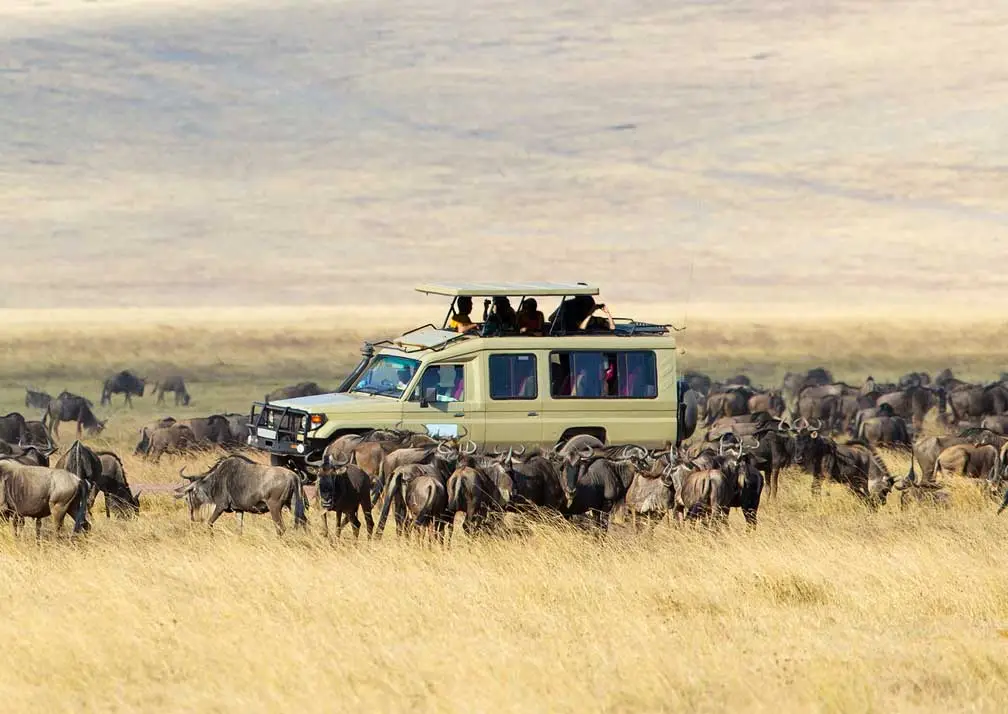
Great Migration Safaris
Experience one of nature's greatest spectacles with our Great Migration safari packages, timed for river crossings or calving.
View Package →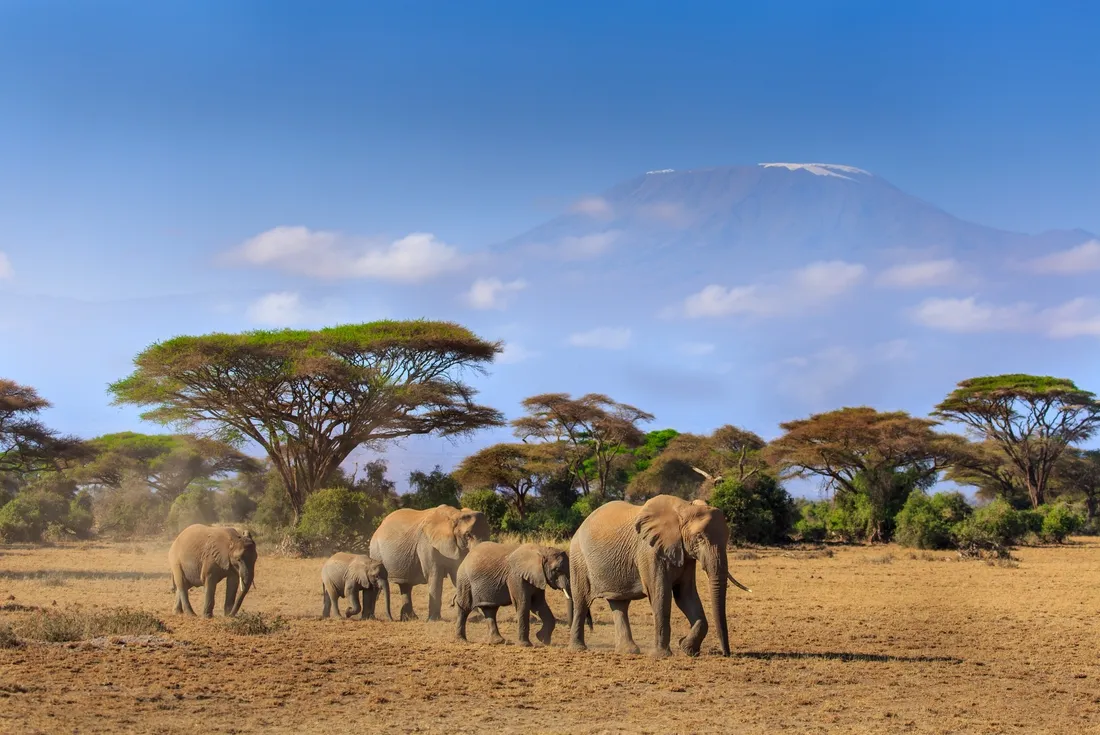
Serengeti & Kilimanjaro Trek
Combined safari and trekking tours offer wildlife adventures and Kilimanjaro climbs.
View Package →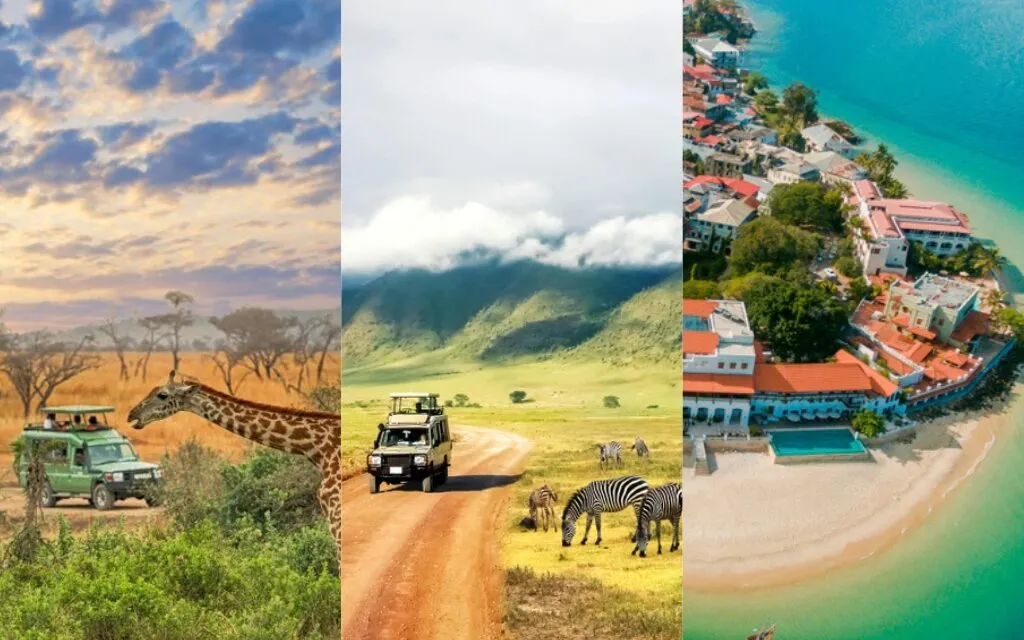
Serengeti & Zanzibar Tours
Luxury Tanzania safari & beach packages with the Great Migration and pristine beaches.
View Package →Related: Best Time to Visit Tanzania 2026 – Perfect safari extension after your Vanuatu adventure.