
Most Complete Vatican City (Holy See) Travel Guide 2026-2027 – Everything You Need to Know Before Visiting
This Vatican City travel guide provides everything you need to plan your journey to the world’s smallest sovereign state. Covering just 44 hectares in the heart of Rome, the Vatican is the spiritual and administrative center of the Roman Catholic Church and home to some of humanity’s greatest artistic treasures – Michelangelo’s Sistine Chapel ceiling, St. Peter’s Basilica, and the vast Vatican Museums. Despite its tiny size, it attracts over 6 million visitors annually who come to experience Renaissance masterpieces, papal history, and unparalleled religious architecture.
Start Reading the Full Guide ↓Quick Facts About Vatican City
- Official Name: Vatican City State (Stato della Città del Vaticano).
- Currency: Euro (€).
- Time Zone: Central European Time (CET, UTC+1).
- International Calling Code: +39 (shared with Italy) / +379 (Vatican).
- Driving Side: Right.
- Population: ~800 (2025 estimate).
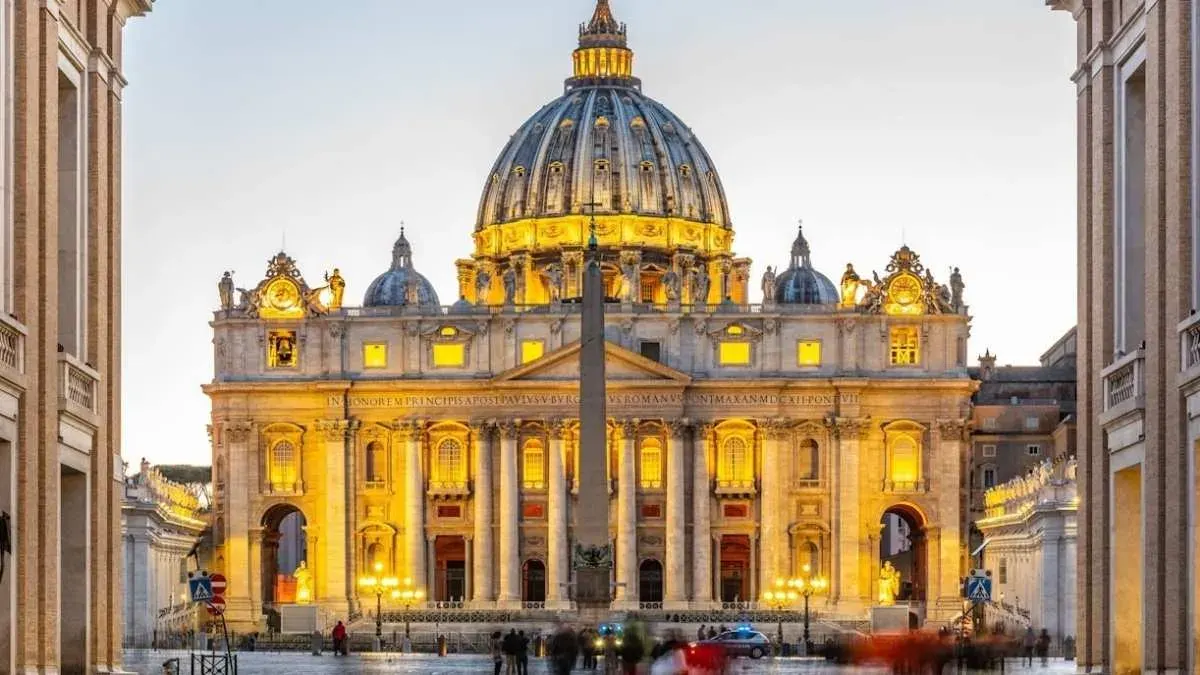
Vatican City Overview & Key Facts
Brief History of Vatican City
The Vatican’s history traces back to the tomb of Saint Peter, crucified in Rome circa 64 AD. Emperor Constantine built the first basilica over his tomb in 324 AD. For centuries the area was the residence of popes, but the modern Vatican City State was established by the 1929 Lateran Treaty between the Holy See and Italy, granting full sovereignty over 44 hectares.
Independence & National Identity
- Independence date: February 11, 1929 (Lateran Treaty).
- Former status: Part of Papal States (754–1870).
- National symbols & identity.
The Vatican flag features white and yellow vertical stripes with the crossed keys of Saint Peter and the papal tiara. Its identity centers on being the global headquarters of the Catholic Church and guardian of priceless artistic heritage.
Government System & Current Leadership
- Type of government: Absolute elective monarchy.
- Current pope: Pope Francis (since March 13, 2013).
The Pope holds full legislative, executive, and judicial power. The Vatican is governed day-to-day by the Governorate, while the Holy See manages diplomatic relations with 180+ countries.
Population, Ethnic Groups & Languages
- Population: ~800 residents (2025).
- Citizenship: Granted only by papal appointment.
- Official languages: Italian and Latin.
Residents include cardinals, clergy, Swiss Guards, and lay workers. Most hold dual citizenship (usually Italian). Latin remains the official language for documents, while Italian is used daily.
Main Religions & Cultural Identity
The Vatican is the epicenter of Roman Catholicism. Its cultural identity revolves around preserving centuries of religious art, architecture, and tradition while serving as the spiritual home for over 1.3 billion Catholics worldwide.
Geography & Natural Landscape
Located on Vatican Hill in northwest Rome, the territory is entirely urban and enclosed by medieval walls. Key areas include St. Peter’s Square, the Vatican Museums, Apostolic Palace, and the Gardens (which occupy half the territory but are mostly closed to public).
Economy & Tourism Highlights
The Vatican sustains itself through museum tickets, postage stamps, coins, publications, and donations (Peter’s Pence). Tourism generates the largest revenue – over 6 million annual visitors to the Museums and Basilica.
What Vatican City Is Known For
- Michelangelo’s Sistine Chapel ceiling and Last Judgment
- St. Peter’s Basilica – world’s largest church
- Vatican Museums – one of the greatest art collections on Earth
- Swiss Guard in Renaissance uniforms
Visa & Entry Requirements in Vatican City
Vatican City has no separate immigration control. Entry is through Italy (Schengen Area). If you can legally enter Italy, you can visit Vatican City.
Do You Need a Visa?
No Vatican-specific visa exists. Schengen rules apply. EU/EEA, US, Canada, Australia, UK, and many others enjoy visa-free entry to Italy (and thus the Vatican) for up to 90 days.
Passport Validity & Entry Documents
Valid passport or EU ID card required for Vatican Museums (security check). St. Peter’s Basilica and Square have no passport control but bag checks and metal detectors.
Customs Rules & Prohibited Items
Standard Italian/EU customs apply when entering Rome. Inside Vatican territory, large bags, umbrellas, metal objects, and food/drink are prohibited in Museums and Basilica.
Safety & Security Information in Vatican City
Vatican City is one of the safest places on Earth with its own police (Gendarmeria) and Swiss Guard. Crime is virtually nonexistent.
Is Vatican City Safe for Tourists?
Extremely safe. Pickpocketing occurs in crowds outside in Rome, but not inside Vatican territory.
Recommended Safety Tips
Book tickets online to avoid long queues and ticket-scammer touts. Beware of pickpockets in St. Peter’s Square on busy days. Follow dress code to avoid being turned away.
Emergency Numbers
- Vatican Gendarmeria: 112 or +39 06 6988 1212
- Medical Emergency (inside Vatican): First Aid station in Museums
Health Requirements & Vaccinations in Vatican City
No special vaccinations required beyond routine ones. Follow Italian/Schengen health rules.
Best Time to Visit Vatican City
November to March (excluding Christmas/New Year) offers smaller crowds and cooler weather (10–18°C). Avoid summer heat and peak crowds (June–August).
Weather by Season
Mild Mediterranean climate identical to Rome. Spring and autumn are ideal.
Main Currency, Costs & Budgeting in Vatican City
Euro (€) is the only currency accepted.
Average Travel Costs
Museums €22–€25, guided tours €45–€90, dome climb €8–€10. Budget €60–120 per person for a full visit with skip-the-line tickets and audio guide.
Transportation & Getting Around Vatican City
Everything is walkable. Metro A line “Ottaviano” or “Cipro” stations are closest. Buses and trams from central Rome.
Accommodation Options
No hotels inside Vatican City. Stay in Prati, Borgo, or central Rome (5–15 min walk).
Essential Packing Guide
Modest clothing (cover shoulders/knees), comfortable walking shoes, portable charger, reusable water bottle, sun protection.
Language & Communication
Italian dominant, English widely spoken in tourist areas. Free Wi-Fi in St. Peter’s Square.
Culture & Etiquette in Vatican City
Strict dress code (shoulders and knees covered). Silence in Basilica. No photography with flash in Sistine Chapel.
Food, Water & Dining
No restaurants inside Vatican City except Museum cafeteria and pizzeria. Tap water safe. Excellent Roman cuisine nearby.
Top Attractions & Things to Do in Vatican City
- Vatican Museums & Sistine Chapel
- St. Peter’s Basilica & Dome climb
- Papal Audience (Wednesdays)
- Vatican Necropolis & St. Peter’s Tomb (pre-booked)
- Vatican Gardens (guided tour only)
Frequently Asked Questions – Vatican City Travel Guide 2026-2027
Our Tanzania Tours Products
After the spiritual and artistic wonders of Vatican City, many travelers seek the raw natural beauty of Africa. Capable Africa Tours offers secure, expertly guided safaris that combine wildlife spectacle with complete peace of mind...
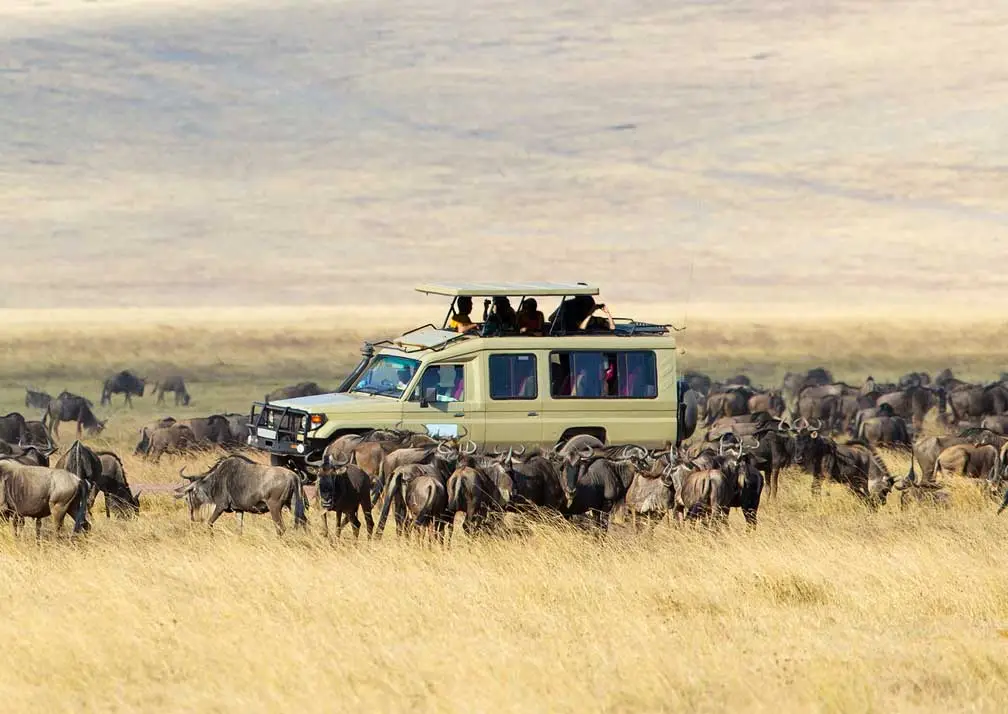
Great Migration Safaris
Experience one of nature's greatest spectacles with our Great Migration safari packages, timed for river crossings or calving.
View Package →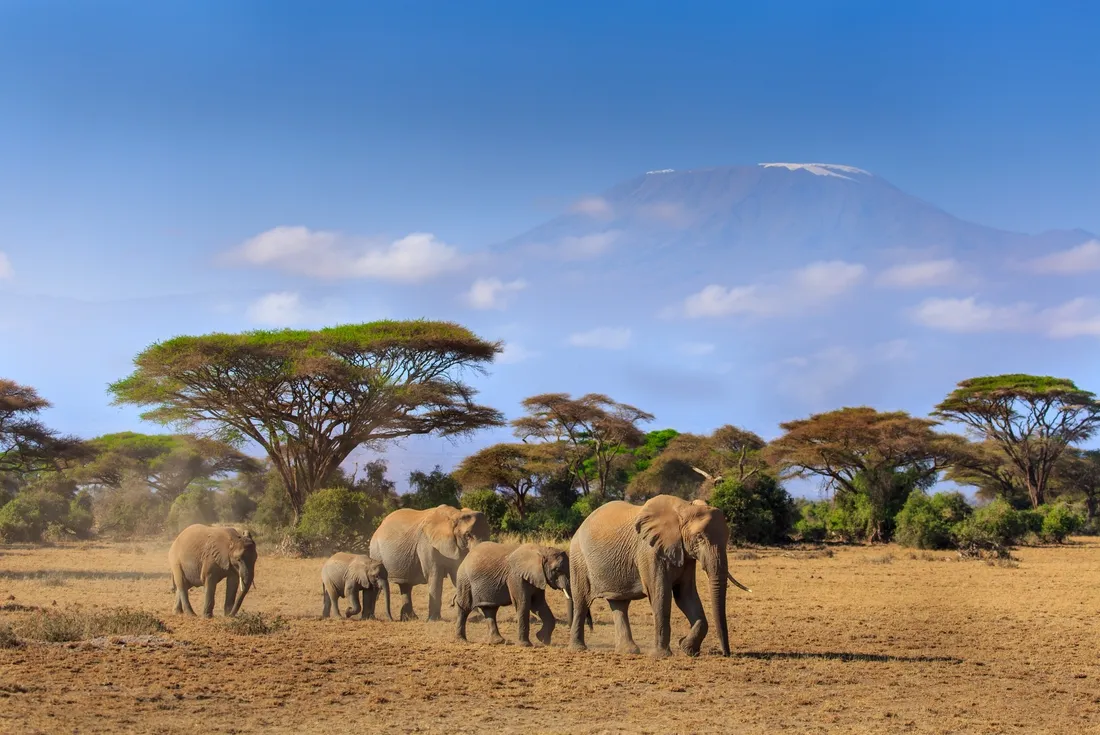
Serengeti & Kilimanjaro Trek
Combined safari and trekking tours offer wildlife adventures and Kilimanjaro climbs.
View Package →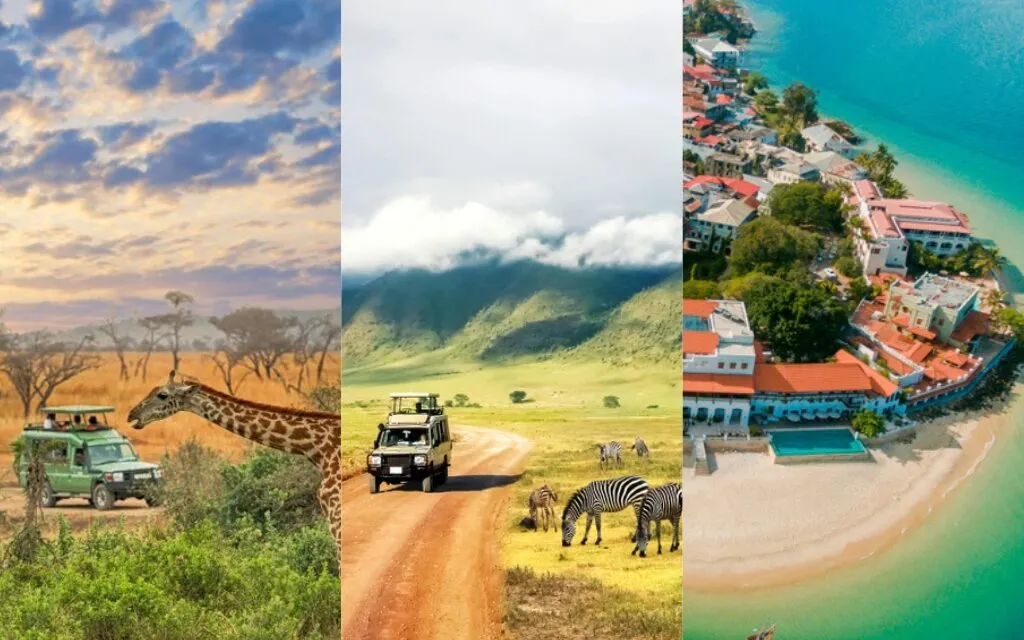
Serengeti & Zanzibar Tours
Luxury Tanzania safari & beach packages with the Great Migration and pristine beaches.
View Package →