Most Complete Venezuela Travel Guide 2026-2027 – Everything You Need to Know Before Visiting
This Venezuela travel guide provides everything you need to plan your journey to South America's most naturally dramatic country. Venezuela offers an extraordinary blend of the world's tallest waterfall, pristine Caribbean islands, vast tepui table mountains, and the Orinoco Delta that create one of the continent's most diverse travel experiences. Many travelers who want to travel to Venezuela are surprised by the country's incredible natural beauty and warmth of its people despite the well-publicized challenges. The nation covers over 916,445 square kilometers, offering visitors everything from Angel Falls to turquoise Los Roques archipelago and snow-capped Andean peaks.
Start Reading the Full Guide ↓Quick Facts About Venezuela
- Capital: Caracas.
- Currency: Bolívar Soberano (VES) – USD cash widely used.
- Time Zone: Venezuela Time (VET, UTC-4).
- International Calling Code: +58.
- Driving Side: Right.
- Major Airports: Simón Bolívar International (CCS), Margarita (PMV), Canaima (CAJ).
Venezuela Overview & Key Facts
Brief History of Venezuela
Venezuela's history spans indigenous civilizations, Spanish colonization, and the birthplace of South American independence. Christopher Columbus landed in 1498, and Spanish settlement began shortly after. Simón Bolívar, born in Caracas, led the independence movement that liberated much of South America from Spanish rule. The 20th century brought massive oil wealth followed by economic and political crises that continue to shape modern Venezuela.
Independence & National Identity
- Independence date: July 5, 1821.
- Former colonial power: Spain.
- National symbols & identity.
Venezuela declared independence in 1811 and achieved it fully in 1821 under Simón Bolívar's leadership. Venezuela's National identity revolves around Bolívar's legacy, indigenous heritage, African influences, and pride in natural wonders like Angel Falls (named after pilot Jimmie Angel). The flag's yellow, blue and red stripes with eight stars represent wealth, sea and sky, and the blood of independence heroes.
Government System & Current Leadership
- Type of government: Federal Presidential Republic (disputed)
- Current president: Nicolás Maduro (disputed by opposition)
- Notes on political stability
Venezuela has experienced significant political turmoil since 2013. The situation remains complex with dual claims to presidency. Tourist areas operate normally and are largely unaffected, but travelers should monitor developments and avoid political demonstrations.
Population, Ethnic Groups & Languages
- Population: 28.3 million (2025 estimate).
- Major ethnic groups: Mestizo (51.6%), European descent (43.6%), African (3.6%), Indigenous (2.8%).
- Official language(s): Spanish.
- Additional languages commonly spoken.
Spanish is universal, with English widely spoken in tourist zones (Los Roques, Margarita, Canaima). Indigenous languages persist in Amazonas and Delta Amacuro regions. Venezuelan Spanish has distinctive vocabulary and pronunciation that visitors quickly recognize.
Main Religions & Cultural Identity
Roman Catholicism dominates with approximately 96% adherence, though evangelical Protestantism is growing. Syncretic practices blend Catholic and African traditions, especially in coastal regions. Cultural identity celebrates joropo music, arepas, baseball passion, and the concept of “venezolanidad” – a joyful, resilient national spirit.
Geography & Natural Landscape
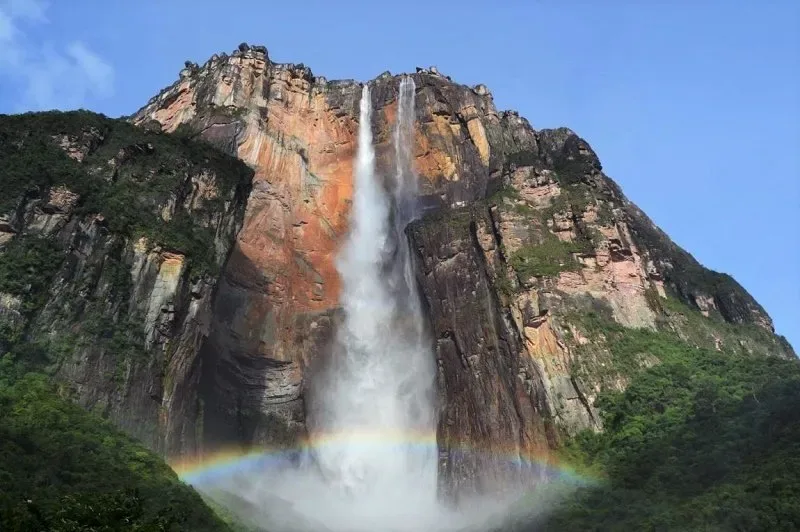
Venezuela features extreme geographical diversity: Caribbean coastline, Andes mountains, Amazon rainforest, Orinoco Delta, Llanos grasslands, and the unique tepui table mountains of the Guayana Shield. Angel Falls, the world's highest uninterrupted waterfall at 979m, plunges from Auyán-tepui in Canaima National Park.
Economy & Tourism Highlights
Once South America's richest nation due to oil, Venezuela now has a largely informal dollarized economy in tourist areas. Tourism is rebounding strongly with Angel Falls, Los Roques, and Mérida attracting increasing numbers of adventure and beach travelers taking advantage of favorable exchange rates.
What Venezuela Is Known For
- Angel Falls – world's tallest waterfall
- Los Roques archipelago – Caribbean paradise
- Canaima National Park & tepui table mountains
Visa & Entry Requirements in Venezuela
Most international visitors require a tourist visa or tourist card. Requirements vary significantly by nationality, and regulations change frequently. Always verify current requirements with your nearest Venezuelan embassy or consulate well before travel.
Do You Need a Visa?
Citizens of many countries (including most EU, Canada, Australia, Japan) can obtain a tourist card on arrival or need a visa in advance. US citizens currently require a visa in advance. Some nationalities have visa-free access. Check current status as policies change regularly.
Visa Application Options in Venezuela
- Tourist card on arrival (for approved nationalities)
- Embassy/consulate visa application
- Some limited e-visa processing
Tourist cards cost around $30–60 USD and are valid for 90 days. Processing at the airport can take time, so having exact cash helps. Embassy applications require invitation letters from registered tour operators for many nationalities.
Passport Validity & Entry Documents
Passport must be valid for at least six months beyond intended stay with two blank pages. Return/onward ticket and proof of sufficient funds/accommodation typically required. Yellow fever vaccination certificate mandatory for Canaima/Gran Sabana visitors.
Customs Rules & Prohibited Items
Declare all electronics and professional equipment. Strict limits on importing/exporting local currency. Fresh foods, plants, and animal products restricted. Bring sufficient USD cash as ATMs are unreliable for foreign cards.
Safety & Security Information in Venezuela
Venezuela requires travelers to exercise high degree of caution. Crime rates remain high in urban areas, but tourist enclaves (Los Roques, Margarita, Canaima, Mérida) operate with significantly lower risk when using registered operators.
Is Venezuela Safe for Tourists?
Yes in established tourist zones when traveling with reputable operators. Avoid Caracas entirely for tourism. Los Roques, Canaima/Angel Falls, Mérida, and Margarita Island have dedicated tourist police and much lower crime rates than mainland cities.
Recommended Safety Tips when in Venezuela
Pre-book all transport and tours, never use street taxis in mainland cities, carry USD cash in small denominations, avoid displaying wealth, travel only with registered operators, and stay within tourist zones. Most negative incidents involve visitors ignoring these guidelines.
Safe Areas vs. Areas to Avoid in Venezuela
Safe: Los Roques, Canaima National Park, Margarita Island, Mérida, Gran Sabana routes with registered operators. Avoid: Caracas, Valencia, Maracaibo, border regions with Colombia/Brazil, and mainland cities after dark.
Emergency Numbers & Tourist Police in Venezuela
- Police: 171
- Fire Department: 171
- Medical Emergency: 171
- Tourist Police: Available in Margarita, Los Roques, Canaima
Save numbers for your specific destination. Tourist police in islands and Canaima speak English and are trained for international visitors.
Health Requirements & Vaccinations in Venezuela
Yellow fever vaccination is mandatory for Canaima/Gran Sabana. Healthcare quality varies dramatically; bring all necessary medications and comprehensive insurance with evacuation coverage.
Mandatory Vaccinations in Venezuela
Yellow fever certificate required for entry from risk countries and mandatory for Canaima/Angel Falls visitors regardless of origin. Certificate must be obtained at least 10 days before travel.
Recommended Vaccinations in Venezuela
Hepatitis A & B, Typhoid, Rabies (pre-exposure), routine vaccines. Malaria prophylaxis recommended for Amazonas/Orinoco Delta regions. Dengue and Zika present year-round risk.
Malaria & Other Risks
Malaria risk in southern states (Amazonas, Bolívar). Dengue widespread. Use DEET repellent, sleep under nets in risk areas, stay hydrated in heat, and avoid tap water outside major hotels.
Travel Insurance Recommendations in Venezuela
Mandatory for practical travel. Must cover emergency evacuation (helicopter from Canaima can exceed $15,000), medical treatment, and trip cancellation. Most standard policies exclude Venezuela – verify coverage specifically includes the country.
Best Time to Visit in Venezuela
Dry season (December–April) offers optimal conditions for most destinations. Wet season brings dramatically lower prices and lush landscapes but some access restrictions.
Weather by Season
Dry season (Dec–Apr): perfect beach weather, Angel Falls at full flow, clear tepui views. Wet season (May–Nov): heavy afternoon rains, some trails close, but Los Roques remains viable and dramatically cheaper.
When to Visit Venezuela for Best Experiences
- Angel Falls: December–May (maximum water volume)
- Los Roques & beaches: Year-round (driest Dec–Apr)
- Mount Roraima trek: December–April
- Orinoco Delta: July–November (high water)
December–April is peak season with highest prices and crowds. May–November offers 50-70% savings with experienced operators.
High Season vs. Low Season Travel
High season (Dec–Apr, especially Christmas/Easter) sees full hotels in Los Roques and Canaima. Low season brings significant savings and more intimate experiences, though some camps close for maintenance.
Weather & Climate Overview in Venezuela
Tropical climate with two main seasons. Coastal/island areas remain warm year-round; altitude dramatically affects mountain temperatures.
Temperature Ranges
Caribbean coast: 25–32°C year-round. Mérida (Andes): 15–25°C days, can drop to 5°C at night. Canaima/Gran Sabana: 22–32°C. Caracas: 20–30°C.
Rainy & Dry Seasons in Venezuela
Dry season December–April; rainy season May–November with heaviest rainfall October–November. Los Roques receives minimal rain year-round.
What to Wear Based on the Weather
Light breathable clothing, swimwear, sun protection, rain jacket (May–Nov), warm layers for Mérida/Andes evenings, sturdy hiking shoes for tepui treks, water shoes for Los Roques.
Main Currency, Costs & Budgeting in Venezuela
USD cash is king. The country operates a dual-currency system with extreme favorable exchange for dollar-paying tourists.
Local Currency Information
Bolívar Soberano (VES) exists but USD cash dominates tourist transactions. Bring crisp, undamaged USD bills (2006+ series preferred). ATMs unreliable for foreign cards.
Average Travel Costs in Venezuela
Among the world's cheapest destinations when paying in USD cash. Budget $80–150/day, mid-range $180–350, luxury Los Roques/Angel Falls packages $400–800/day.
Using ATMs, Cards & Mobile Money in Venezuela
Cards rarely accepted outside top hotels. ATMs frequently empty or reject foreign cards. Bring all cash needed in USD. Some posadas accept Zelle/Binance for advance payments.
Tipping Guidelines in Venezuela
Tipping appreciated but not expected due to economic situation. $5–10/day for guides, $2–5 for drivers, round up restaurant bills. Many include tips in package prices.
Transportation & Getting Around in Venezuela
Domestic flights essential for most itineraries. Public transport deteriorated; private transfers and registered operators strongly recommended.
Airport Transfers
Pre-booked private transfers mandatory from Caracas airport. Do not use unofficial taxis. Most visitors fly immediately to Margarita, Canaima or Porlamar.
Local Transport Options in Venezuela
Fly with Conviasa, Avior or Laser to main destinations. Private 4×4 transfers in Gran Sabana. Boats between Los Roques islands. Mérida cable car (when operating) and local buses.
Venezuela Domestic Flights
Essential and surprisingly affordable ($40–120 one-way). Book early for peak season. Flights to Canaima often via Puerto Ordaz or Ciudad Bolívar.
Car Rentals & Road Conditions in Venezuela
Self-drive not recommended for tourists due to fuel scarcity, poor signage, and security concerns. Use drivers/guides for mainland travel.
Accommodation Options available in Venezuela
From luxury posadas in Los Roques to basic camps in Canaima and eco-lodges in the Andes.
Types of Accommodations in Venezuela
Posadas (boutique inns) dominate Los Roques and Margarita. Eco-camps and lodges in Canaima. Mountain hotels in Mérida. Luxury all-inclusive in Los Roques.
Budget vs. Mid-Range vs. Luxury
Budget $40–80/night mainland, $150–250 Los Roques. Mid-range $120–300. Luxury $400–1200/night in peak season Los Roques packages.
Best Areas to Stay in Venezuela
Gran Roque (Los Roques), Canaima camp for Angel Falls, Mérida city or mountain posadas, Porlamar or beach areas in Margarita.
Essential Packing Guide when Visiting Venezuela
Pack light but strategically given limited shopping options and varied climates.
Clothing Essentials
Swimwear, light clothing, sun protection, rain jacket, warm layers for Andes, long pants/shirts for evenings and insect protection.
Footwear & Gear
Water shoes, hiking sandals, sturdy trekking shoes for Roraima, flip-flops, dry bag for Los Roques.
Electronics & Cameras
Power bank essential, universal adapter (Type A/B), waterproof camera case, extra batteries/memory cards.
Toiletries & Personal Items
High-DEET repellent, sunscreen, all medications, hand sanitizer, quick-dry towel, water purification tablets for remote areas.
Language & Communication in Venezuela
Spanish dominates but tourist zones surprisingly English-friendly.
Main Languages Spoken in Venezuela
Spanish official. English widely spoken in Los Roques, Canaima, Margarita tourist businesses.
Useful Phrases for Tourists
“Hola”, “Gracias”, “Cuánto cuesta?”, “Por favor”, “Inglés?” work everywhere. Guides in tourist zones speak good English.
SIM Cards & Mobile Data used in Venezuela
Movistar, Digitel, Movilnet available. Coverage excellent in tourist areas, limited in remote Gran Sabana.
Internet Availability & Wi-Fi in Venezuela
Good Wi-Fi in posadas and hotels. Los Roques surprisingly well-connected. Power cuts can affect service.
Culture & Etiquette in Venezuela
Venezuelans are famously warm and welcoming despite difficulties.
Venezuelan Dress Code Expectations
Casual and beach-oriented in islands. Modest dress appreciated in mainland cities. Beachwear only at beaches/pools.
Social Etiquette & Respectful Behavior of Venezuela
Greetings with cheek kiss (right cheek), warm handshakes. Punctuality relaxed (“Venezuelan time”). Hospitality generous.
Photography Rules in Venezuela
Ask permission for people photos. No photos of military/police, airports, or government buildings.
Important Cultural Dos & Don’ts in Venezuela
Do accept offers of coffee/food. Don’t discuss politics unless invited. Do use “buenos días/tardes”. Don’t flush toilet paper in many locations.
Food, Water & Dining in Venezuela
Excellent fresh seafood, arepas, cachapas, pabellón criollo.
Venezuelan Local Dishes to Try
Arepas (cornmeal pockets), pabellón criollo (national dish), cachapas, tequeños, fresh fish ceviche, tropical fruits.
Dietary Options in Venezuela
Gluten-free arepas everywhere. Vegetarian options improving. Seafood paradise.
Drinking Water Safety
Bottled water only. Ice generally safe in tourist establishments.
Restaurant Etiquette
Meals leisurely. Tipping 10% if not included. Many places cash-only USD.
Top Attractions & Things to Do in Venezuela
Natural wonders dominate Venezuela's tourism appeal.
Major Tourist Attractions in Venezuela
- Angel Falls & Canaima National Park (UNESCO)
- Los Roques Archipelago National Park
- Mount Roraima & Gran Sabana
Angel Falls requires flight to Canaima + boat/canoe journey. Los Roques offers world-class kitesurfing, diving, and beach-hopping. Roraima 6-day trek crosses Venezuela-Guyana-Brazil border.
Best Tours & Experiences in Venezuela
Angel Falls overflights and base camps, multi-day Los Roques sailing, Roraima trekking, Orinoco Delta indigenous communities, Mérida paragliding and cable car (when operating).
Family-Friendly Activities to do in Venezuela
Los Roques beach days, Canaima lagoon swimming, Margarita water parks, Mérida cable car and adventure parks.
Unique Cultural or Historical Sites to visit in Venezuela
Colonial towns of Coro (UNESCO), indigenous Pemon communities in Gran Sabana, Bolívar's birthplace in Caracas (if visiting).
Venezuelan Electrical System Information
120V, 60Hz, American plugs (Type A/B). Power cuts common outside tourist zones.
Plug Types & Voltage used in Venezuela
Type A (two flat pins) and Type B (with grounding pin). Most devices dual-voltage but check.
Charging Tips
Power banks essential. Charge whenever electricity available. Los Roques posadas often have generators.
Local Laws & Regulations of Venezuela
Respect photography restrictions, carry passport copy, comply with national park regulations.
Rules Travelers Need to Know when In Venezuela
No photos of military/police. Drone use heavily restricted. Declare large cash amounts. Follow guide instructions in national parks.
Alcohol, Smoking & Substance Laws of Venezuela
All drugs strictly illegal with severe penalties. Alcohol widely available. No drinking age enforcement in practice.
Restricted or Protected Areas in Venezuela.
Canaima National Park requires registered guides. Border regions restricted. Some indigenous territories need permission.
Final Travel Tips for Visitors in Venezuela
Book through reputable operators, bring USD cash, stay flexible, and embrace the warmth of Venezuelan hospitality.
Common Mistakes to Avoid
Visiting Caracas unnecessarily, using street taxis, running out of USD cash, attempting self-drive, ignoring yellow fever requirements.
Tips to Save Money when Visiting Venezuela
Travel May–November, book domestic flights early, choose mainland destinations, eat local food, negotiate in cash USD.
Safety & Comfort Tips
Use only pre-booked transport, stay in tourist zones, keep digital copies of documents, maintain low profile, enjoy the incredible value and natural beauty.
Frequently Asked Questions – Venezuela Travel Guide 2026-2027
Our Tanzania Tours Products
While Venezuela offers Angel Falls, Los Roques and tepui adventures, many travelers combine South America with the ultimate African wildlife experience. Capable Africa Tours specializes in secure, guided safaris that maximize safety and wonder. Our expert local guides, armed rangers in parks, and vetted accommodations ensure peace of mind. From family-friendly lodges to luxury camps, we handle logistics so you focus on the magic. Tanzania ranks high for tourist safety with dedicated wildlife protection units and stable northern circuits.
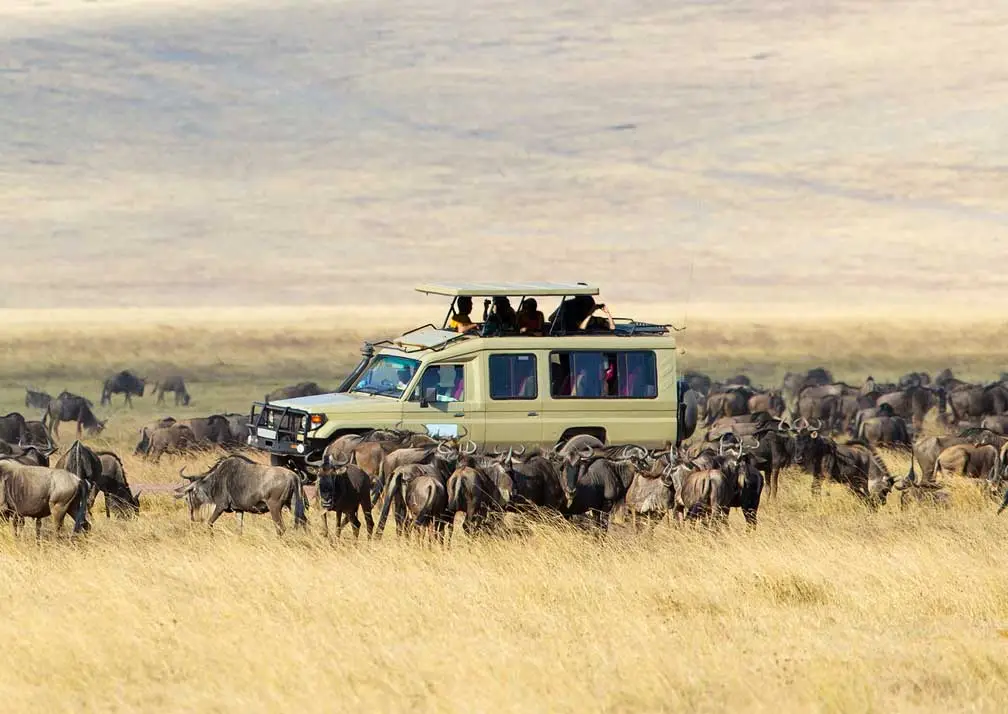
Great Migration Safaris
Experience one of nature's greatest spectacles with our Great Migration safari packages, timed for river crossings or calving.
View Package →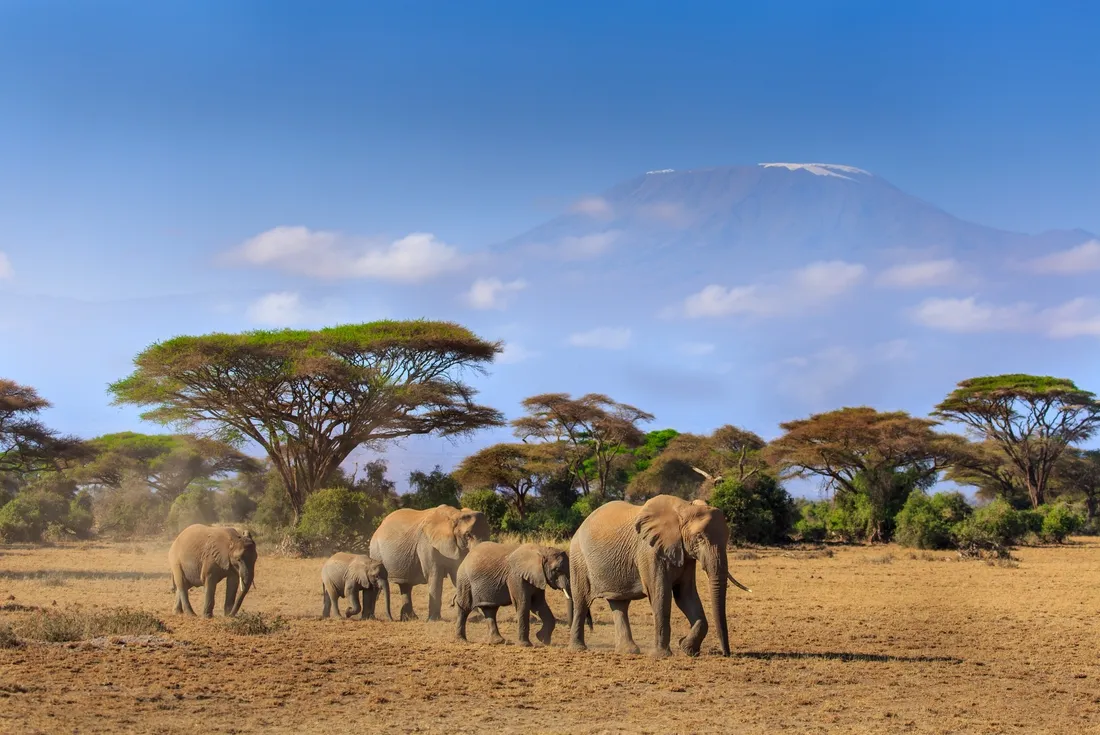
Serengeti & Kilimanjaro Trek
Combined safari and trekking tours offer wildlife adventures and Kilimanjaro climbs.
View Package →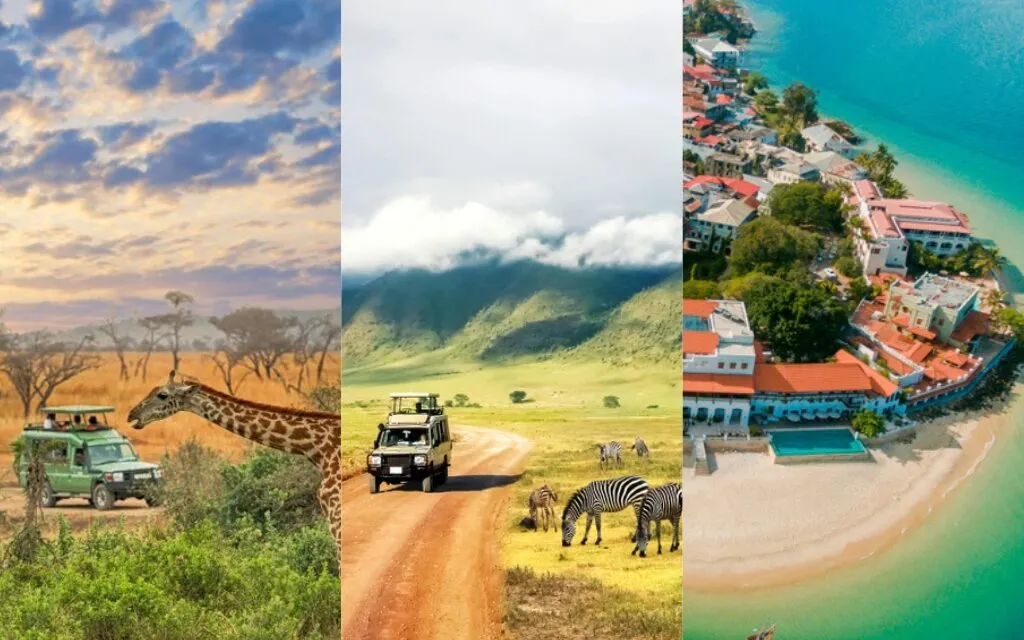
Serengeti & Zanzibar Tours
Luxury Tanzania safari & beach packages with the Great Migration and pristine beaches.
View Package →Related: Best Time to Visit Tanzania 2026 – Perfect safari extension after your Venezuela adventure.