Most Complete Vietnam Travel Guide 2026-2027 – Everything You Need to Know Before Visiting
This Vietnam travel guide provides everything you need to plan your journey to one of Southeast Asia’s most captivating countries. Vietnam offers an extraordinary blend of dramatic limestone karsts, emerald rice terraces, pristine beaches, and bustling cities that create one of the region’s most diverse travel experiences. Many travelers who want to travel to Vietnam are surprised by the country's incredible diversity and rich cultural heritage spanning ancient kingdoms, French colonial legacy, and resilient modern spirit. The nation stretches over 1,650 km from north to south, offering visitors everything from misty mountain tribes to UNESCO bays and vibrant street food scenes.
Start Reading the Full Guide ↓Quick Facts About Vietnam
- Capital: Hanoi.
- Currency: Vietnamese Dong (VND).
- Time Zone: Indochina Time (ICT, UTC+7).
- International Calling Code: +84.
- Driving Side: Right.
- Major Airports: Noi Bai (Hanoi), Tan Son Nhat (Ho Chi Minh City), Da Nang International.
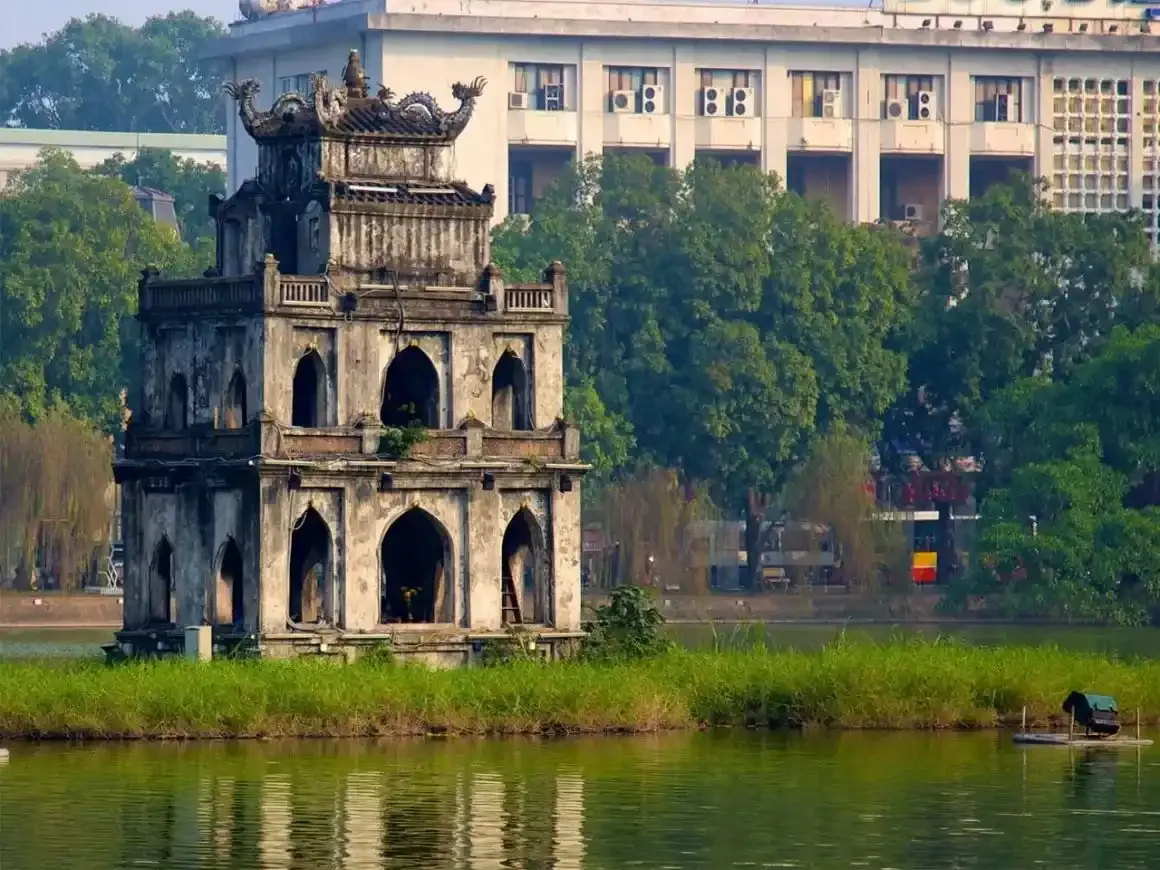
Vietnam Overview & Key Facts
Brief History of Vietnam
Vietnam's history spans over 4,000 years, from ancient Dong Son civilization through Chinese domination, independent kingdoms, French colonialism, and the American War. The country resisted foreign rule for centuries, earning its reputation as a fiercely independent nation. This rich historical tapestry creates a fascinating backdrop for modern travelers exploring ancient citadels, war remnants, and colonial architecture.
Independence & National Identity
- Independence date: September 2, 1945 (declared); reunified 1975.
- Former colonial power: France.
- National symbols & identity.
Vietnam declared independence from France in 1945 under Ho Chi Minh, leading to the First Indochina War. The country was divided until reunification in 1975 after the Vietnam War. Today, Vietnam's national identity centers on resilience, family values, and rapid modernization while preserving traditions. The red flag with yellow star symbolizes revolution and national unity.
Government System & Current Leadership
- Type of government: Socialist Republic
- Current president: Vo Van Thuong (2023–present)
- Notes on political stability
Vietnam operates as a one-party socialist republic led by the Communist Party. The country enjoys strong political stability and impressive economic growth (6–8% annually), making it one of Asia’s most dynamic emerging markets.
Population, Ethnic Groups & Languages
- Population: 103 million (2025 projection).
- Major ethnic groups: Kinh (85.3%), 53 other recognized groups.
- Official language(s): Vietnamese.
- Additional languages commonly spoken.
English is the most common second language among younger generations and tourism workers. French survives among older generations. Ethnic minority languages (H’mong, Tay, Muong) are spoken in mountain regions.
Main Religions & Cultural Identity
Vietnam is officially atheist but practices widespread folk religion, ancestor worship, Buddhism, and Confucianism. Mahayana Buddhism is most common, with significant Catholic (7%) and Cao Dai communities. Cultural identity emphasizes family, respect for elders, education, and hospitality.
Geography & Natural Landscape
Vietnam features dramatic diversity: northern mountains with terraced rice fields, central narrow coastal plains, southern Mekong Delta, and 3,260 km of coastline. Three-quarters of the country is mountainous or hilly. The climate varies dramatically from temperate north to tropical south.
Economy & Tourism Highlights
Vietnam transformed from one of the world’s poorest nations to a lower-middle-income country in a single generation. Tourism is a major pillar, welcoming over 18 million visitors annually pre-pandemic. The government targets 25 million international arrivals by 2026 with new visa policies and infrastructure.
What Vietnam Is Known For
- UNESCO sites: Ha Long Bay, Hoi An Ancient Town, Hue Citadel, My Son Sanctuary
- World-class street food and coffee culture
- Dramatic karst landscapes and emerald rice terraces
Visa & Entry Requirements in Vietnam
Vietnam has one of Southeast Asia’s most tourist-friendly visa policies in 2026, with visa-free access expanding and reliable e-visa system.
Do You Need a Visa?
Many nationalities enjoy 15–45 days visa-free (45 days for most EU, UK, Australia, USA from 2025). Others use e-visa (90 days, multiple entry) or visa on arrival.
Visa Application Options in Vietnam
- e-Visa online (fastest, $25–50)
- Visa on arrival (airports only)
- Embassy visa (longer stays)
Passport Validity & Entry Documents
Passport must have 6 months validity and 2 blank pages. Return/onward ticket may be requested.
Customs Rules & Prohibited Items
Standard restrictions apply. Declare cash over $5,000. No restrictions on personal electronics.
Safety & Security Information in Vietnam
Vietnam ranks among the safest countries in Southeast Asia with very low violent crime rates against tourists.
Is Vietnam Safe for Tourists?
Yes – very safe. Petty theft and scams are the main concerns in tourist areas.
Recommended Safety Tips when in Vietnam
Use reputable taxis/Grab, watch bags in crowds, avoid unmarked motorbike taxis late at night, use hotel safes.
Safe Areas vs. Areas to Avoid in Vietnam
All major tourist areas are safe. Exercise normal caution in border regions with Cambodia/Laos at night.
Emergency Numbers & Tourist Police in Vietnam
- Police: 113
- Fire: 114
- Ambulance: 115
- Tourist Police: Available in Hanoi, HCMC, Da Nang
Health Requirements & Vaccinations in Vietnam
No mandatory vaccinations unless arriving from Yellow Fever area.
Mandatory Vaccinations in Vietnam
None for most travelers.
Recommended Vaccinations in Vietnam
Hepatitis A, Typhoid, Japanese Encephalitis (rural/long stay), Rabies (if motorbiking or animal contact).
Malaria & Other Risks
Low malaria risk; dengue more common in cities. Use mosquito repellent.
Travel Insurance Recommendations in Vietnam
Highly recommended – covers motorbike accidents (common) and medical evacuation.
Best Time to Visit in Vietnam
Vietnam has three distinct climate zones; best time depends on regions visited.
Weather by Season
North: cool/dry Nov–Apr, hot May–Oct; Central: dry Feb–Aug, rainy Sep–Jan; South: dry Dec–Apr, rainy May–Nov.
When to Visit Vietnam for Best Experiences
- Ha Long Bay: Oct–Apr
- Sapa rice terraces: Sep–Oct (golden)
- Central beaches: Feb–Aug
- Mekong Delta: year-round
High Season vs. Low Season Travel
High season: Dec–Mar & Jul–Aug (higher prices, crowds). Shoulder seasons offer best weather/price balance.
Weather & Climate Overview in Vietnam
Tropical monsoon climate with significant regional variation.
Temperature Ranges
North: 15–30°C (winter cool); Central/South: 25–35°C year-round.
Rainy & Dry Seasons in Vietnam
North: rainy May–Oct; Central: Sep–Jan; South: May–Nov.
What to Wear Based on the Weather
Light breathable clothing, rain jacket, warm layers for northern winter, sun protection.
Main Currency, Costs & Budgeting in Vietnam
Vietnam remains excellent value despite rapid growth.
Local Currency Information
Vietnamese Dong (VND). Many zeros – familiarize with notes.
Average Travel Costs in Vietnam
Budget $35–60/day, mid-range $70–130, luxury $200+.
Using ATMs, Cards & Mobile Money in Vietnam
ATMs everywhere, cards widely accepted in cities, cash king in countryside.
Tipping Guidelines in Vietnam
Not expected but appreciated (50–100k VND for guides/drivers).
Transportation & Getting Around in Vietnam
Excellent infrastructure improvements make travel easier than ever.
Airport Transfers
Grab/taxi apps, airport buses, private transfers.
Local Transport Options in Vietnam
Grab (ride-hailing), motorbike taxis, cyclos, buses, metro (Hanoi/HCMC).
Vietnam Domestic Flights
VietJet, Bamboo Airways, Vietnam Airlines – frequent and cheap.
Car Rentals & Road Conditions in Vietnam
Motorbike rental common (international license + caution); car rental with driver recommended.
Accommodation Options available in Vietnam
From $8 hostels to $1,000+ resorts.
Types of Accommodations in Vietnam
Hostels, homestays, boutique hotels, resorts, overnight trains, cruises.
Budget vs. Mid-Range vs. Luxury
Budget $10–30, mid $40–100, luxury $150+.
Best Areas to Stay in Vietnam
Hanoi Old Quarter, HCMC District 1, Hoi An Ancient Town, Da Nang beachfront.
Essential Packing Guide when Visiting Vietnam
Pack light, plan for rain and heat.
Clothing Essentials
Breathable clothes, rain jacket, modest attire for temples, warm layer for north winter.
Footwear & Gear
Comfortable sandals, walking shoes, flip-flops.
Electronics & Cameras
Universal adapter (Type A/C), power bank, waterproof phone case.
Toiletries & Personal Items
Sunscreen, insect repellent, medications, hand sanitizer.
Language & Communication in Vietnam
English widely spoken in tourism.
Main Languages Spoken in Vietnam
Vietnamese (official), English dominant in tourism.
Useful Phrases for Tourists
Xin chào (hello), Cảm ơn (thank you), Bao nhiêu? (how much?)
SIM Cards & Mobile Data used in Vietnam
Viettel, Vinaphone, Mobifone – cheap data everywhere.
Internet Availability & Wi-Fi in Vietnam
Excellent 4G/5G coverage, free Wi-Fi in most cafes/hotels.
Culture & Etiquette in Vietnam
Respectful, friendly culture with strong family values.
Vietnamese Dress Code Expectations
Casual but modest for temples (cover shoulders/knees).
Social Etiquette & Respectful Behavior of Vietnam
Remove shoes entering homes/temples, don’t touch heads, use both hands giving/receiving.
Photography Rules in Vietnam
Ask permission for portraits, no restrictions on scenery.
Important Cultural Dos & Don’ts in Vietnam
Do smile, accept tea, bargain politely. Don’t lose temper, point feet at people/Buddha, pat heads.
Food, Water & Dining in Vietnam
World-famous cuisine – fresh, flavorful, diverse.
Vietnamese Local Dishes to Try
Pho, banh mi, cao lau, bun cha, fresh spring rolls, Vietnamese coffee.
Dietary Options in Vietnam
Excellent vegetarian options (com chay), vegan possible in cities.
Drinking Water Safety
Bottled water recommended; ice generally safe in cities.
Restaurant Etiquette
Tipping not expected, small change appreciated.
Top Attractions & Things to Do in Vietnam
From natural wonders to historical sites and vibrant cities.
Major Tourist Attractions in Vietnam
- Ha Long Bay & Lan Ha Bay (UNESCO)
- Hoi An Ancient Town (UNESCO)
- Imperial City Hue (UNESCO)
- Cu Chi Tunnels & Mekong Delta
Best Tours & Experiences in Vietnam
Ha Long Bay cruises, Sapa trekking, Hoi An lantern-making, Mekong homestays, food tours.
Family-Friendly Activities to do in Vietnam
Water parks, VinWonders, beaches, cooking classes, puppet theater.
Unique Cultural or Historical Sites to visit in Vietnam
My Son Sanctuary, Phong Nha caves, Cao Dai Temple, War Remnants Museum.
Vietnamese Electrical System Information
220V, 50Hz. Types A, C, D plugs common.
Plug Types & Voltage used in Vietnam
220V, 50Hz – Types A/C most common.
Charging Tips
Universal adapter recommended.
Local Laws & Regulations of Vietnam
Generally tourist-friendly with common-sense rules.
Rules Travelers Need to Know when In Vietnam
Helmet required on motorbikes, no drugs (severe penalties), no political demonstrations.
Alcohol, Smoking & Substance Laws of Vietnam
Drinking age 18, smoking banned indoors, drugs strictly illegal.
Restricted or Protected Areas in Vietnam.
Military sites off-limits for photography.
Final Travel Tips for Visitors in Vietnam
Embrace the chaos, smile, and enjoy one of Asia’s most rewarding destinations.
Common Mistakes to Avoid
Overplanning (traffic unpredictable), carrying large notes, drinking tap water.
Tips to Save Money when Visiting Vietnam
Street food, overnight trains/buses, homestays, book domestic flights early.
Safety & Comfort Tips
Use Grab, carry hotel card, download offline maps, learn basic Vietnamese phrases.
Frequently Asked Questions – Vietnam Travel Guide 2026-2027
Our Tanzania Tours Products
While Vietnam offers incredible karst landscapes, ancient towns and world-class cuisine, many travelers combine Southeast Asia with the ultimate wildlife experience in East Africa. Capable Africa Tours specializes in secure, guided safaris that maximize safety and wonder. Our expert local guides, armed rangers in parks, and vetted accommodations ensure peace of mind. From family-friendly lodges to luxury camps, we handle logistics so you focus on the magic. Tanzania ranks high for tourist safety with dedicated wildlife protection units and stable northern circuits.
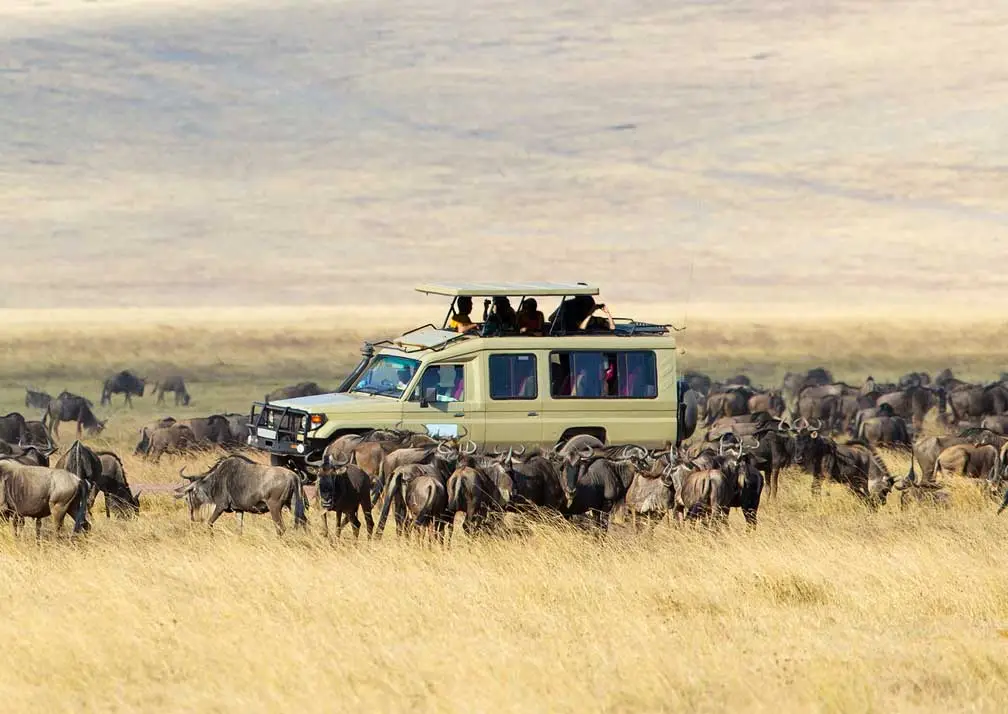
Great Migration Safaris
Experience one of nature's greatest spectacles with our Great Migration safari packages, timed for river crossings or calving.
View Package →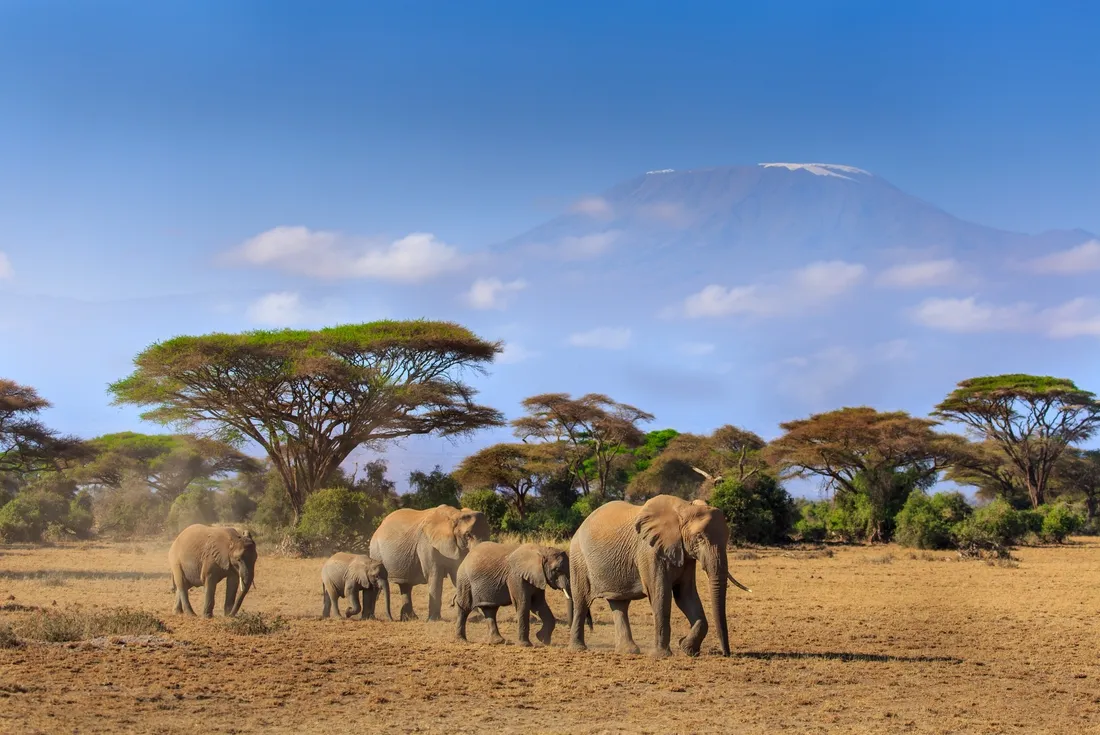
Serengeti & Kilimanjaro Trek
Combined safari and trekking tours offer wildlife adventures and Kilimanjaro climbs.
View Package →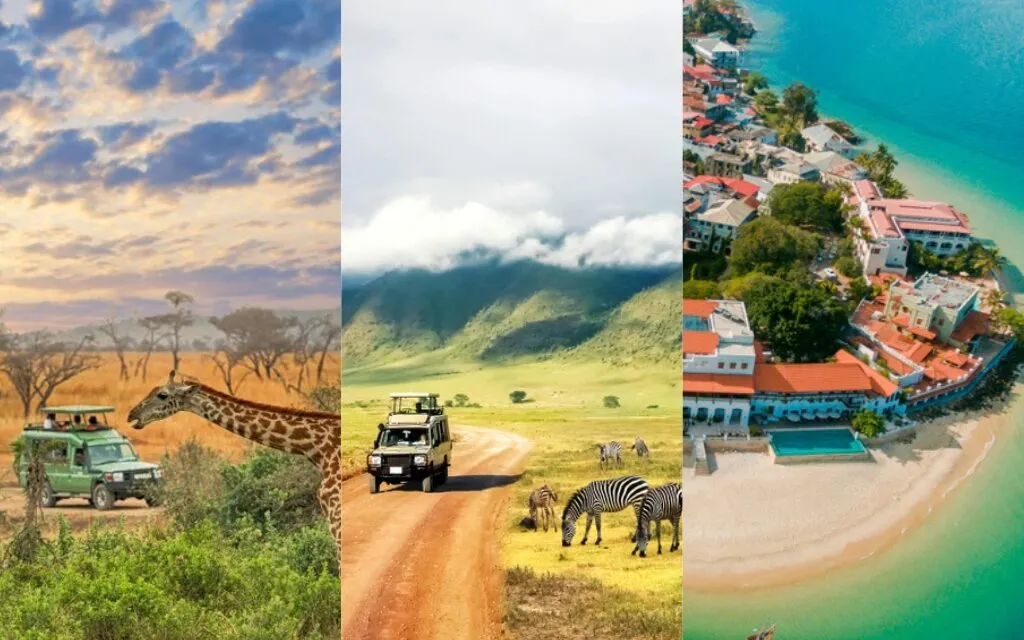
Serengeti & Zanzibar Tours
Luxury Tanzania safari & beach packages with the Great Migration and pristine beaches.
View Package →Related: Best Time to Visit Tanzania 2026 – Perfect safari extension after your Vietnam adventure.