
Most Complete Yemen Travel Guide 2026-2027 – Everything You Need to Know Before Visiting
This Yemen travel guide provides everything you need to plan your journey to one of the Arab world’s most extraordinary destinations. Yemen is home to four UNESCO World Heritage sites, the otherworldly Socotra Archipelago, ancient skyscraper cities of mud, and a 3000-year history at the heart of the frankincense trade route. Despite current challenges, experienced travellers who visit with reputable operators describe Yemen as one of the most rewarding and culturally rich destinations on earth.
Start Reading the Full Guide ↓Quick Facts About Yemen
- Capital: Sana’a (de jure), Aden (temporary seat).
- Currency: Yemeni Rial (YER).
- Time Zone: Arabia Standard Time (AST, UTC+3).
- International Calling Code: +967.
- Driving Side: Right.
- Major Airports: Aden International, Seiyun, Socotra (via Abu Dhabi/Cairo).

Yemen Overview & Key Facts
Brief History of Yemen
Yemen’s history spans over 3000 years as the crossroads of ancient trade routes. The legendary Queen of Sheba ruled from Marib, the Sabaean kingdom controlled the frankincense trade, and three successive civilizations – Saba, Himyar, and Minaean – left extraordinary temples, dams and inscriptions. Islam arrived in 630 CE, followed by centuries of prosperous Islamic rule, Ottoman and British periods, unification in 1990, and the ongoing conflict since 2014.
Independence & National Identity
- North Yemen independence: 1918 (from Ottomans)
- South Yemen independence: 1967 (from Britain)
- Unification: May 22, 1990
Yemeni identity is deeply tribal and rooted in hospitality, poetry and ancient traditions. The national motto “God, Country, Revolution, Unity” reflects modern history while pride in pre-Islamic civilization remains strong.
Government System & Current Leadership
- Type of government: In transition (ongoing conflict)
- Recognised president: Abdrabbuh Mansur Hadi (in exile)
- Notes on political stability
Yemen has been in conflict since 2014 with multiple authorities controlling different regions. Most organised tourism operates in areas under recognised government or local council control with security arrangements.
Population, Ethnic Groups & Languages
- Population: ~34 million (2025 estimate).
- Major ethnic groups: Predominantly Arab, small Afro-Arab and South Asian communities.
- Official language: Arabic.
- Additional languages: Mehri, Soqotri on Socotra.
English is limited outside tourism sectors. Tribal dialects vary significantly across regions.
Main Religions & Cultural Identity
Islam (official): ~65% Sunni (Shafi’i), ~35% Zaydi Shia. Small Jewish community historically significant (most emigrated). Islamic traditions deeply influence daily life, dress codes and social customs.
Geography & Natural Landscape
Yemen features dramatic highlands rising to 3760 m (Jabal An-Nabi Shu'ayb), fertile terraces, vast deserts (Rub’ al Khali), and the extraordinary biodiversity of Socotra Archipelago – home to Dragon’s Blood trees and 37% endemic plant species.
Economy & Tourism Highlights
Pre-conflict tourism focused on cultural heritage and Socotra. Tourism is slowly restarting with Socotra leading recovery and limited mainland cultural tours resuming under strict security protocols.
What Yemen Is Known For
- Four UNESCO sites: Old City of Sana’a, Old Walled City of Shibam, Historic Town of Zabid, Socotra Archipelago
- Ancient skyscraper mud-brick architecture
- Socotra – “most alien-looking place on Earth”
- Frankincense and myrrh historical trade
Visa & Entry Requirements in Yemen
All visitors require visas arranged through registered tour operators. Independent travel is currently not permitted. Socotra has separate entry procedures via Abu Dhabi or Cairo with specific operators.
Do You Need a Visa?
Yes – all nationalities require pre-arranged visas. No visa-on-arrival since 2015.
Visa Application Options in Yemen
- Through licensed Yemeni tour operator (only realistic method)
- Socotra visa arranged by operator with flights
Your operator handles all paperwork including security clearances for mainland travel.
Passport Validity & Entry Documents
Passport valid minimum 6 months. Two blank pages required. Yellow fever certificate if arriving from endemic countries.
Customs Rules & Prohibited Items
Strict prohibition on alcohol, pork, narcotics, weapons, drones (without permit), Israel stamps may cause issues. All electronics and professional cameras declared.
Safety & Security Information in Yemen
Yemen remains one of the world’s most challenging destinations. Socotra Island operates with good security. Mainland travel requires professional security arrangements and is only for experienced travellers.
Is Yemen Safe for Tourists?
Socotra: Yes with reputable operators. Mainland: High-risk but possible with expert local operators providing armed security, real-time intelligence and contingency planning.
Recommended Safety Tips when in Yemen
Travel only with established operators, follow guide instructions completely, avoid photography of military/police, register with your embassy, maintain satellite communication, carry emergency cash and medical kit.
Safe Areas vs. Areas to Avoid in Yemen
Safe (with organisation): Socotra, Hadramaut (Seiyun-Shibam-Wadi Do’an), limited Sana’a access. Avoid: Active conflict zones, Saada, Hodeidah, Taiz, most western areas.
Emergency Numbers & Tourist Police in Yemen
- Police: 199
- Ambulance: 191
- Tourist police exist in Socotra
Most emergencies handled through your guide/operator satellite phone.
Health Requirements & Vaccinations in Yemen
Healthcare infrastructure severely degraded. Comprehensive medical evacuation insurance mandatory.
Mandatory Vaccinations in Yemen
None officially but proof of polio vaccination sometimes requested.
Recommended Vaccinations in Yemen
Hepatitis A&B, Typhoid, Rabies, Meningitis, Tetanus, Polio booster. Malaria prophylaxis for mainland lowlands.
Malaria & Other Risks
Malaria present below 2000 m. Dengue and chikungunya risks. Cholera outbreaks periodic.
Travel Insurance Recommendations in Yemen
High-risk insurance with $500,000+ medical evacuation cover mandatory. Most standard policies exclude Yemen.
Best Time to Visit in Yemen
October–April offers most comfortable temperatures across mainland highlands. Socotra best November–March.
Weather by Season
Highlands: mild winters (10–25°C), hot summers. Socotra: hot year-round (25–35°C), monsoon winds June–September.
When to Visit Yemen for Best Experiences
- Socotra dragon blood trees in flower: January–March
- Hadramaut honey harvest: March–April
- Coolest highland exploration: December–February
High Season vs. Low Season Travel
Tourism numbers extremely low year-round. Slight peak November–March.
Weather & Climate Overview in Yemen
Four distinct zones: hot coastal Tihama, temperate highlands, arid interior, unique Socotra climate.
Temperature Ranges
Highlands 15–30°C year-round. Coast 30–40°C. Socotra 25–35°C.
Rainy & Dry Seasons in Yemen
Two short rainy seasons (March–May, July–September) in highlands. Socotra monsoon June–September.
What to Wear Based on the Weather
Conservative, lightweight cotton clothing. Women: abaya + hijab mandatory on mainland. Sun protection essential.
Main Currency, Costs & Budgeting in Yemen
Bring crisp USD cash (post-2016 notes). Cards almost never accepted. Costs high due to security/logistics.
Local Currency Information
Yemeni Rial (YER). Two parallel exchange rates exist. Operators handle exchanges.
Average Travel Costs in Yemen
Socotra 8-day group tour: $1800–2800 pp. Mainland private tours: $3000–6000+ pp.
Using ATMs, Cards & Mobile Money in Yemen
ATMs unreliable. Cards almost never accepted. Cash-only destination.
Tipping Guidelines in Yemen
Guides/drivers: $15–25 per day each. Crew/cooks: $10–15 per day. Generosity appreciated.
Transportation & Getting Around in Yemen
All transport arranged through operator. Independent movement not permitted.
Airport Transfers
Socotra: included in tour packages. Mainland: armed transfer mandatory.
Local Transport Options in Yemen
4WD vehicles with driver/guide. Domestic flights limited and unreliable.
Yemen Domestic Flights
Yemenia operates limited routes. Subject to cancellation.
Car Rentals & Road Conditions in Yemen
Self-drive not permitted for tourists. All travel with local driver/security.
Accommodation Options available in Yemen
Limited but characterful options from traditional funduqs to Socotra eco-camps.
Types of Accommodations in Yemen
Traditional guesthouses, eco-camps (Socotra), basic hotels, private homes.
Budget vs. Mid-Range vs. Luxury
All Yemen tourism currently falls into “expedition” category regardless of price.
Best Areas to Stay in Yemen
Sana’a (limited access), Shibam, Wadi Do’an traditional houses, Socotra protected campsites.
Essential Packing Guide when Visiting Yemen
Pack for conservative dress, remote travel and emergency scenarios.
Clothing Essentials
Women: multiple abayas, hijabs. Men: long trousers, shirts. Sun hat, sturdy shoes.
Footwear & Gear
Good walking sandals, headlamp, water purification, satellite messenger recommended.
Electronics & Cameras
Power banks essential. Drone permits rarely granted.
Toiletries & Personal Items
All prescription medications + copies, high-SPF sunscreen, comprehensive medical kit.
Language & Communication in Yemen
Arabic dominant. Guides speak English. Mobile coverage patchy outside cities.
Useful Phrases for Tourists
“As-salamu alaykum”, “Shukran jazeelan”, “Afwan”, “Min fadlak”.
SIM Cards & Mobile Data used in Yemen
Limited functionality. Satellite phone recommended for mainland.
Internet Availability & Wi-Fi in Yemen
Very limited. Some hotels on Socotra.
Culture & Etiquette in Yemen
One of the Arab world’s most conservative and hospitable cultures.
Yemeni Dress Code Expectations
Strictly conservative. Women must wear abaya + hijab on mainland. Men avoid shorts.
Social Etiquette & Respectful Behavior of Yemen
Qat chewing common social practice. Accept tea/coffee. Remove shoes entering homes.
Photography Rules in Yemen
Ask permission for people (especially women). No photos of military/police/airports.
Important Cultural Dos & Don’ts in Yemen
Do accept hospitality. Don’t refuse food/drink. Don’t show soles of feet. Don’t discuss politics.
Food, Water & Dining in Yemen
Delicious and distinctive cuisine. Bottled water essential.
Yemeni Local Dishes to Try
Saltah (national dish), mandi, madfoon, bint al-sahn honey bread, Sahawiq spice paste.
Dietary Options in Yemen
All halal. Limited vegetarian options but possible with planning.
Drinking Water Safety
Bottled water only. Avoid ice unless from bottled water.
Restaurant Etiquette
Eat with right hand. Accept second helpings. Men and women may eat separately.
Top Attractions & Things to Do in Yemen
Extraordinary UNESCO sites and natural wonders accessible only to determined travellers.
Major Tourist Attractions in Yemen
- Old City of Sana’a (UNESCO)
- Shibam – “Manhattan of the Desert” (UNESCO)
- Socotra Archipelago (UNESCO)
- Wadi Hadramaut & ancient cities
Dar al-Hajar, Great Dam of Marib, Al-Saleh Mosque, Hoq Cave (Socotra), Dragon Blood forests.
Best Tours & Experiences in Yemen
Socotra endemic species expeditions, Hadramaut cultural journeys, Sana’a architectural tours (when accessible).
Family-Friendly Activities to do in Yemen
Socotra camping and marine activities suitable for older children with experience.
Unique Cultural or Historical Sites to visit in Yemen
Ancient Sabaean temples, Jewish heritage sites, traditional beehive houses, frankincense markets.
Yemeni Electrical System Information
220–240V, 50Hz. British type G plugs common. Power unreliable outside major areas.
Plug Types & Voltage used in Yemen
Type G (British) dominant, some A/B. Bring universal adapter.
Charging Tips
Multiple power banks essential. Solar chargers useful on Socotra.
Local Laws & Regulations of Yemen
Strict Islamic law applies. Photography restrictions severe.
Rules Travelers Need to Know when In Yemen
No alcohol, conservative dress mandatory, Ramadan observance, photography permissions required.
Alcohol, Smoking & Substance Laws of Yemen
Alcohol prohibited. Qat legal and widely used. All other drugs severe penalties.
Restricted or Protected Areas in Yemen
Military zones, border areas, conflict zones off-limits. Socotra protected areas require permits.
Final Travel Tips for Visitors in Yemen
Only for experienced, flexible travellers willing to accept significant risk and logistical challenges.
Common Mistakes to Avoid
Attempting independent travel, underestimating security requirements, bringing prohibited items.
Tips to Save Money when Visiting Yemen
Limited options – group Socotra tours cheapest. Book well in advance.
Safety & Comfort Tips
Choose operators with proven security track record, maintain flexibility, respect local customs completely.
Frequently Asked Questions – Yemen Travel Guide 2026-2027
Our Tanzania Tours Products
While Yemen offers unparalleled ancient cities and otherworldly Socotra, many travellers combine the Arabian Peninsula with the ultimate African wildlife experience. Capable Africa Tours specializes in secure, guided safaris that maximize safety and wonder. From family-friendly lodges to luxury camps, we handle logistics so you focus on the magic.
Great Migration Safaris
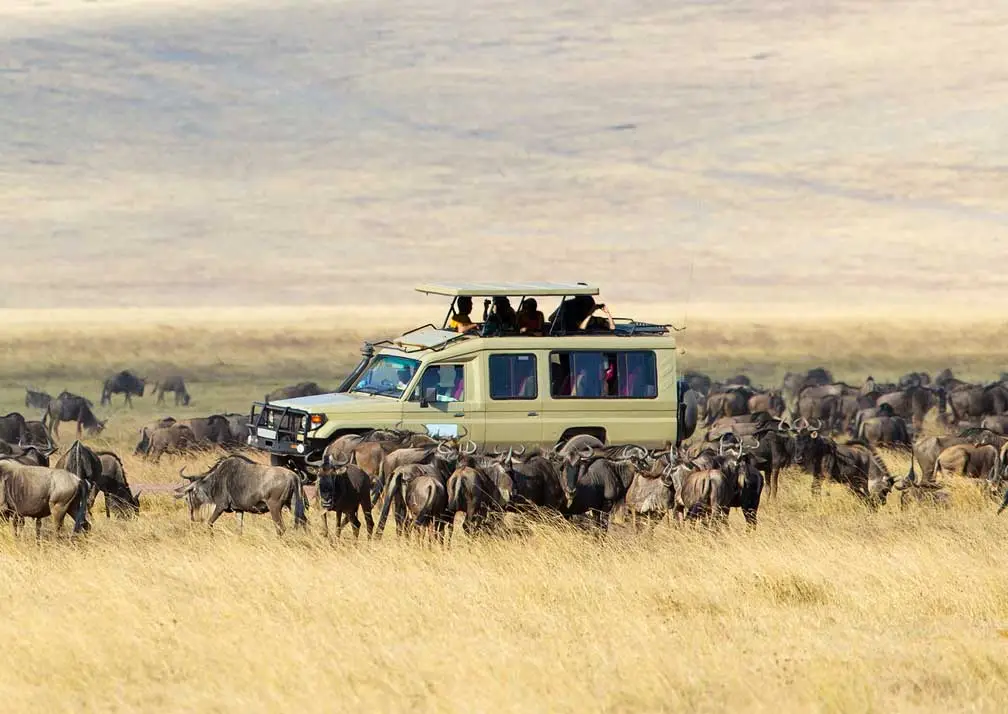
Experience one of nature's greatest spectacles with our Great Migration safari packages, timed for river crossings or calving.
View Package →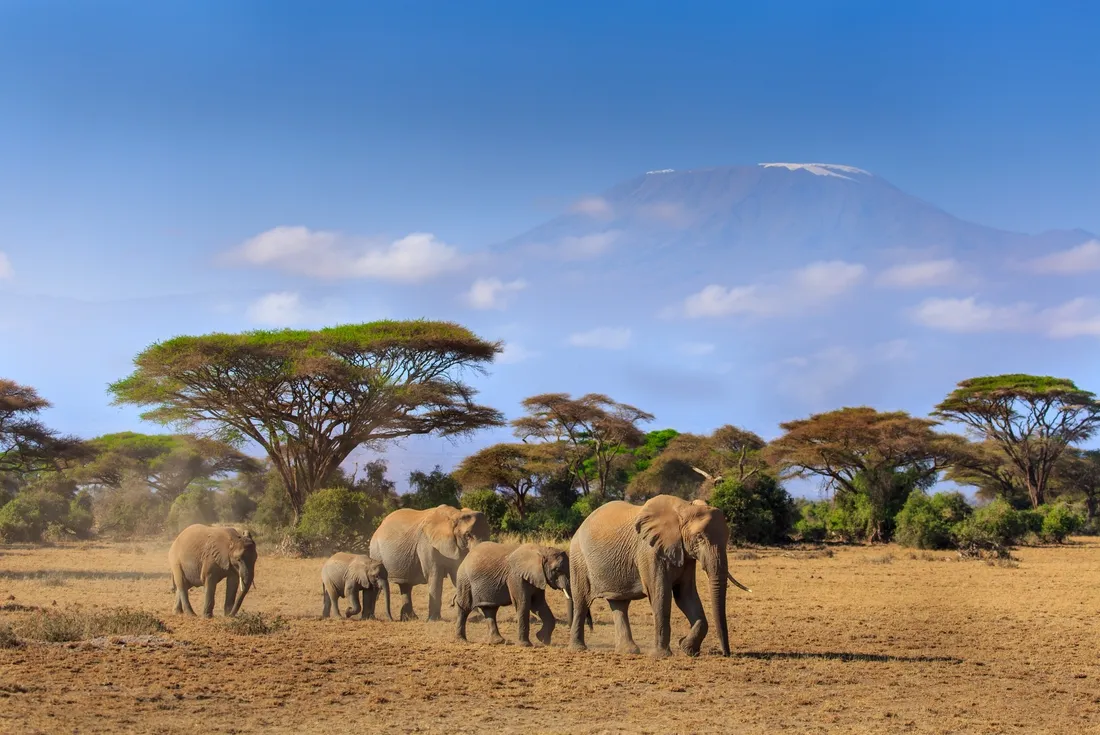
Serengeti & Kilimanjaro Trek
Combined safari and trekking tours offer wildlife adventures and Kilimanjaro climbs.
View Package →
Serengeti & Zanzibar Tours
Luxury Tanzania safari & beach packages with the Great Migration and pristine beaches.
View Package →Related: Best Time to Visit Tanzania 2026 – Perfect safari extension after your Yemen adventure.