Most Complete Zambia Travel Guide 2026-2027 – Everything You Need to Know Before Visiting
This Zambia travel guide provides everything you need to plan your journey to one of Africa's most authentic safari destinations. Zambia offers an extraordinary blend of Victoria Falls, world-class national parks, the mighty Zambezi River, and vast wilderness areas that create one of the continent's premier wildlife experiences. Many travelers who want to visit Zambia are surprised by the country's incredible walking safaris, excellent big-cat viewing, and relatively uncrowded parks compared to neighbors. Covering 752,614 square kilometers, Zambia remains one of the best-value high-quality safari destinations in Africa.
Start Reading the Full Guide ↓Quick Facts About Zambia
- Capital: Lusaka.
- Currency: Zambian Kwacha (ZMW).
- Time Zone: Central Africa Time (CAT, UTC+2).
- International Calling Code: +260.
- Driving Side: Left.
- Major Airports: Kenneth Kaunda International (Lusaka), Harry Mwanga Nkumbula (Livingstone), Simon Mwansa Kapwepwe (Ndola).
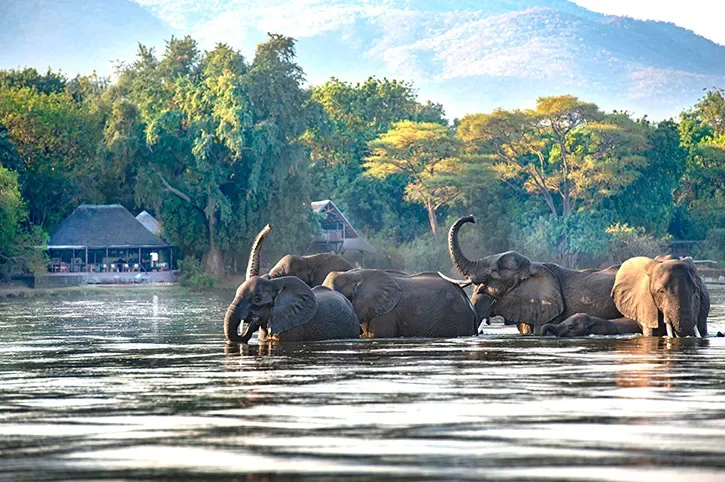
Zambia Overview & Key Facts
Brief History of Zambia
Zambia's history spans ancient human settlement, powerful kingdoms, colonial rule under Cecil Rhodes’ British South Africa Company, and eventual independence led by Kenneth Kaunda. The country was known as Northern Rhodesia until gaining independence in 1964. This rich historical journey creates a fascinating backdrop for modern travelers exploring Livingstone’s colonial heritage, traditional ceremonies, and vibrant contemporary culture.
Independence & National Identity
- Independence date: October 24, 1964.
- Former colonial power: Britain (Northern Rhodesia).
- National symbols & identity.
Zambia achieved independence peacefully in 1964 under Kenneth Kaunda’s leadership. The national flag features green (natural resources), red (struggle for freedom), black (people), and orange (mineral wealth) with a soaring eagle symbolizing freedom. Zambian identity celebrates unity among over 70 ethnic groups with the motto “One Zambia, One Nation”.
Government System & Current Leadership
- Type of government: Presidential Republic
- Current president: Hakainde Hichilema (since August 2021)
- Notes on political stability
Zambia has maintained multi-party democracy since 1991 and is regarded as one of Africa’s more stable democracies. President Hichilema’s 2021 election marked a peaceful transfer of power. The country enjoys relative political stability attractive to tourists.
Population, Ethnic Groups & Languages
- Population: 21 million (2025 projection).
- Major ethnic groups: Bemba (21%), Tonga (13.6%), Chewa, Lozi, Nsenga.
- Official language(s): English.
- Additional languages commonly spoken.
Over 70 indigenous languages exist, with Bemba, Nyanja, Tonga, and Lozi being the most widely spoken. English is the official language and used in tourism, education, and government. Most safari guides and tourism staff speak excellent English.
Main Religions & Cultural Identity
Christianity is practiced by over 95% of Zambians. Traditional beliefs remain strong in rural areas. The country is known for religious tolerance. Cultural ceremonies like Kuomboka (Lozi) and Ncwala (Ngoni) are major tourist attractions.
Geography & Natural Landscape
Zambia is landlocked but blessed with abundant water – the Zambezi, Luangwa, and Kafue rivers, Lake Tanganyika, Lake Kariba, and Victoria Falls. Vast miombo woodlands, floodplains, and escarpment landscapes create diverse habitats supporting exceptional wildlife concentrations.
Economy & Tourism Highlights
Copper mining dominates the economy, but tourism is rapidly growing with Victoria Falls and world-class safari parks. Zambia pioneered walking safaris and maintains a strong focus on low-volume, high-value tourism.
What Zambia Is Known For
- Victoria Falls – “The Smoke That Thunders”
- Birthplace of the walking safari (Norman Carr)
- Outstanding leopard & wild dog viewing in South Luangwa
Visa & Entry Requirements in Zambia
Most international visitors can obtain a visa on arrival or e-Visa, making entry straightforward. The KAZA UniVisa allows travel between Zambia and Zimbabwe (and day trips to Botswana) on one visa.
Do You Need a Visa?
Citizens of over 100 countries qualify for visa-free entry, visa on arrival, or e-Visa. Check the latest list on the Zambia Department of Immigration website.
Visa Application Options in Zambia
- Visa on arrival (most major airports and borders)
- e-Visa (apply online in advance)
- KAZA UniVisa (Zambia + Zimbabwe)
e-Visa processing takes 3–5 working days. Visa on arrival is fast at Lusaka and Livingstone airports.
Passport Validity & Entry Documents
Passport must be valid for 6 months with at least 3 blank pages. Yellow fever certificate required if arriving from endemic country.
Customs Rules & Prohibited Items
Drones require pre-approval. Plastic bags are banned. Declare large amounts of currency.
Safety & Security Information in Zambia
Zambia is one of Africa’s safest countries for tourists. Most visits are trouble-free.
Is Zambia Safe for tourists?
Yes – Level 1 (normal precautions) by US, UK, Canada. Violent crime against tourists is rare.
Recommended Safety Tips when in Zambia
Use registered taxis in cities, avoid walking alone at night in Lusaka downtown, follow camp rules on safari.
Safe Areas vs. Areas to Avoid in Zambia
All major tourist areas (Livingstone, South Luangwa, Lower Zambezi, Kafue) are very safe. Standard urban precautions apply in Lusaka and Copperbelt cities.
Emergency Numbers & Tourist Police in Zambia
- Police: 999 or 991
- Fire: 993
- Ambulance: 992 or 991
Health Requirements & Vaccinations in Zambia
Malaria prophylaxis is strongly recommended. Yellow fever certificate required only if coming from endemic country.
Mandatory Vaccinations in Zambia
Yellow fever only if arriving from endemic country.
Recommended Vaccinations in Zambia
Hepatitis A, Typhoid, Rabies (for longer stays), routine vaccines. Malaria prophylaxis essential.
Malaria & Other Risks
Malaria risk year-round in most areas. Use DEET repellent and sleep under nets in rural camps.
Travel Insurance Recommendations in Zambia
Comprehensive insurance covering medical evacuation is essential (many camps are remote).
Best Time to Visit in Zambia
May–October (dry season) is peak for wildlife viewing. November–April (green season) offers birding, fewer crowds and lower rates.
Weather by Season
Dry season (May–Oct): cool mornings/evenings, warm days. Wet season (Nov–Apr): hot and lush with afternoon storms.
When to Visit Zambia for Best Experiences
- Wildlife viewing: June–October
- Victoria Falls high water: February–June
- Birding & photography: November–April
- Budget travel: January–March
High Season vs. Low Season Travel
High season: June–October (dry season). Low season: November–April (green season) with 30–50% discounts.
Weather & Climate Overview in Zambia
Three distinct seasons: cool/dry (May–Aug), hot/dry (Sep–Nov), hot/wet (Nov–Apr).
Temperature Ranges
May–Aug: 10–28°C. Sep–Nov: 20–38°C. Dec–Apr: 20–33°C with rain.
Rainy & Dry Seasons in Zambia
Dry season: May–October. Rainy season: November–April.
What to Wear Based on the Weather
Neutral-colored lightweight clothing, warm layers for winter nights, rain jacket for green season.
Main Currency, Costs & Budgeting in Zambia
Zambian Kwacha (ZMW). USD widely accepted in tourist areas.
Local Currency Information
ATMs common in cities. USD cash preferred at safari camps.
Average Travel Costs in Zambia
Budget: $120–200/day; mid-range $300–550/day; luxury $800–1,500+/day.
Using ATMs, Cards & Mobile Money in Zambia
Visa/Mastercard accepted at lodges. Mobile money (Airtel Money, MTN MoMo) common.
Tipping Guidelines in Zambia
Safari guides: $10–20 per person per day. Camp staff: $5–15 pp/pd. Restaurants: 10%.
Transportation & Getting Around in Zambia
Domestic flights and transfers are the most common way to reach safari camps.
Airport Transfers
Most safari packages include transfers from Lusaka or Livingstone.
Local Transport Options in Zambia
Uber/Bolt in Lusaka. Taxis and minibuses in cities. Safari camps provide game-drive vehicles.
Zambia Domestic Flights
Proflight Zambia and charter flights essential for reaching remote parks.
Car Rentals & Road Conditions in Zambia
4x4 rental possible but most visitors use fly-in safaris.
Accommodation Options available in Zambia
From luxury bush camps to budget guesthouses. Safari camps dominate tourism offerings.
Types of Accommodations in Zambia
Luxury lodges, tented camps, mobile walking safari camps, city hotels.
Budget vs. Mid-Range vs. Luxury
Budget $80–150 pp/pn; mid-range $300–600; luxury $700–2,000+ pp/pn (all-inclusive).
Best Areas to Stay in Zambia
Livingstone (Victoria Falls), South Luangwa NP, Lower Zambezi NP, Kafue NP.
Essential Packing Guide when Visiting Zambia
Neutral colors, insect repellent, binoculars, sun protection, warm layers for winter.
Clothing Essentials
Long-sleeve shirts, convertible pants, fleece for winter nights, good walking shoes.
Footwear & Gear
Comfortable walking shoes, sandals, binoculars, headlamp.
Electronics & Cameras
Universal adapter (UK-type G plugs), power bank, extra camera batteries.
Toiletries & Personal Items
High-DEET repellent, malaria prophylaxis, sunscreen, first-aid kit.
Language & Communication in Zambia
English is official and widely spoken in tourism.
Main Languages Spoken in Zambia
English + 70+ local languages (Bemba, Nyanja, Tonga dominant).
Useful Phrases for Tourists
“Muli bwanji?” (How are you? – Nyanja), “Zyabuka” (Thank you – Bemba).
SIM Cards & Mobile Data used in Zambia
Airtel, MTN, Zamtel available at airports.
Internet Availability & Wi-Fi in Zambia
Wi-Fi in lodges (often limited), good mobile coverage in parks.
Culture & Etiquette in Zambia
Zambians are famously friendly (“Africa’s friendliest people”).
Zambian Dress Code Expectations
Conservative in towns, practical safari wear in parks.
Social Etiquette & Respectful Behavior of Zambia
Greet people, accept tea/coffee offers, remove hats when talking to elders.
Photography Rules in Zambia
Ask permission before photographing people.
Important Cultural Dos & Don’ts in Zambia
Use right hand for giving/receiving, don’t point with finger.
Food, Water & Dining in Zambia
Nshima (maize porridge) is the staple. Game meat common on safari menus.
Zambian Local Dishes to Try
Nshima with relish, kapenta (small fish), game meats, bream from lakes.
Dietary Options in Zambia
Most camps cater well to vegetarian/gluten-free.
Drinking Water Safety
Bottled water widely available. Camps provide filtered water.
Restaurant Etiquette
Tipping 10% in restaurants, included in safari camp bills.
Top Attractions & Things to Do in Zambia
World-class wildlife parks and Victoria Falls dominate.
Major Tourist Attractions in Zambia
- Victoria Falls
- South Luangwa National Park
- Lower Zambezi National Park
- Kafue National Park
South Luangwa is considered one of the greatest wildlife sanctuaries in the world, famous for walking safaris and leopard sightings.
Best Tours & Experiences in Zambia
Walking safaris, canoe safaris on Zambezi, Devil’s Pool at Victoria Falls, hot-air balloon over Kafue.
Family-Friendly Activities to do in Zambia
Many camps are family-friendly with child programs. Victoria Falls activities suitable for kids.
Unique Cultural or Historical Sites to visit in Zambia
Kuomboka Ceremony (Lozi), Livingstone Museum, Shiwa Ng’andu estate.
Zambian Electrical System Information
230V, 50Hz, UK-type G plugs (three rectangular pins).
Plug Types & Voltage used in Zambia
Type G (British), some C and D. Bring adapter.
Charging Tips
Many camps have charging stations in main area. Power banks essential.
Local Laws & Regulations of Zambia
Plastic bags banned. Same-sex relationships illegal (rarely enforced against tourists). Respect wildlife laws.
Rules Travelers Need to Know when In Zambia
No drones without permit. No plastic bags. No ivory/certain wildlife products.
Alcohol, Smoking & Substance Laws of Zambia
Legal drinking age 18. Cannabis illegal.
Restricted or Protected Areas in Zambia.
National parks require permits. Some border areas restricted.
Final Travel Tips for Visitors in Zambia
Book well in advance for dry season. Pack neutral colors. Bring USD cash for tips.
Common Mistakes to Avoid
Underestimating distances, forgetting malaria prophylaxis, bringing plastic bags.
Tips to Save Money when Visiting Zambia
Travel in green season (Nov–Apr) for 30–50% discounts. Self-drive in lower-cost parks.
Safety & Comfort Tips
Follow camp rules, stay in vehicle unless with guide, drink bottled water.
Frequently Asked Questions – Zambia Travel Guide 2026-2027
Our Tanzania Tours Products
While Zambia offers incredible Victoria Falls and authentic walking safaris, many travelers combine it with the ultimate wildlife spectacle in Tanzania. Capable Africa Tours specializes in secure, guided safaris that maximize safety and wonder. From the Great Migration to Kilimanjaro climbs and Zanzibar beaches, we handle everything so you focus on the magic.
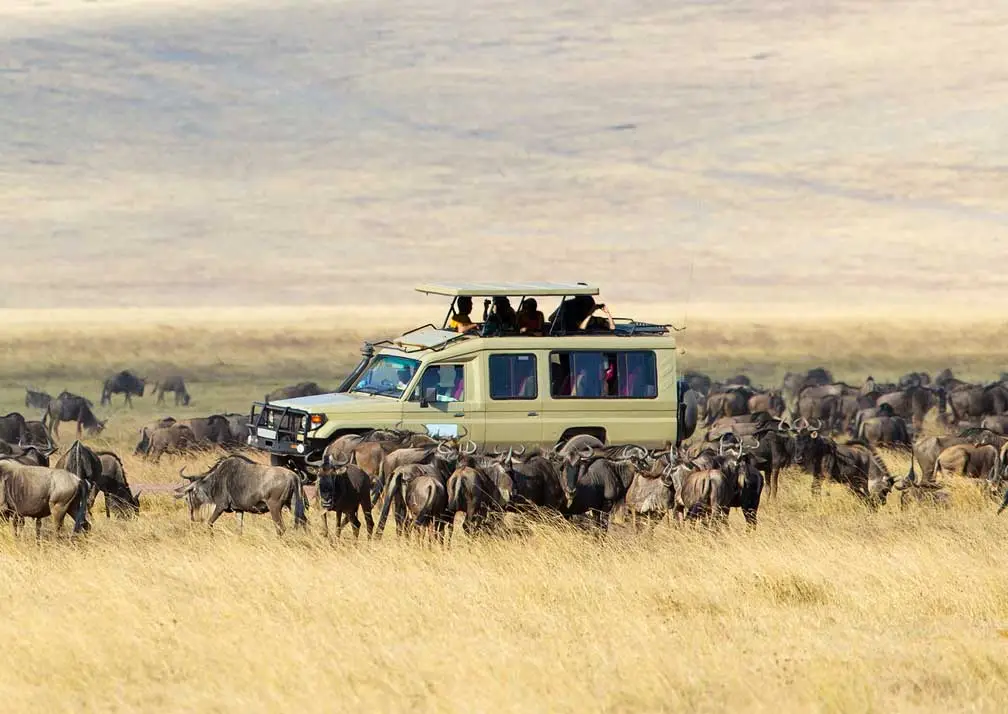
Great Migration Safaris
Experience one of nature's greatest spectacles with our Great Migration safari packages, timed for river crossings or calving.
View Package →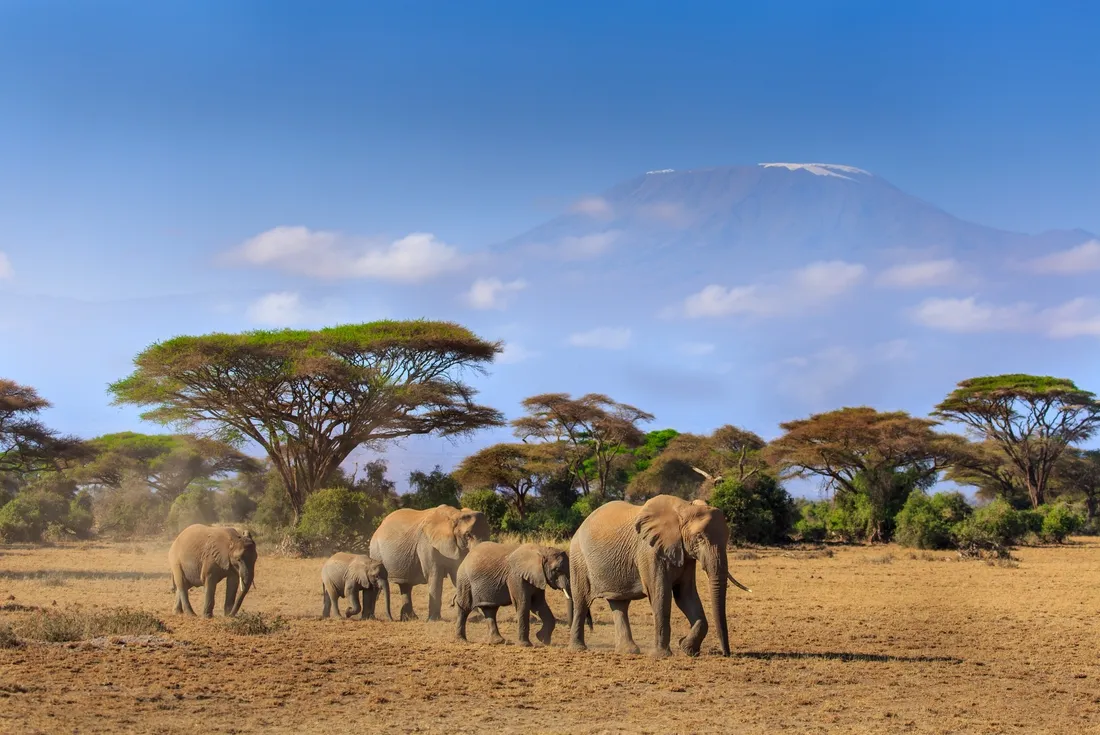
Serengeti & Kilimanjaro Trek
Combined safari and trekking tours offer wildlife adventures and Kilimanjaro climbs.
View Package →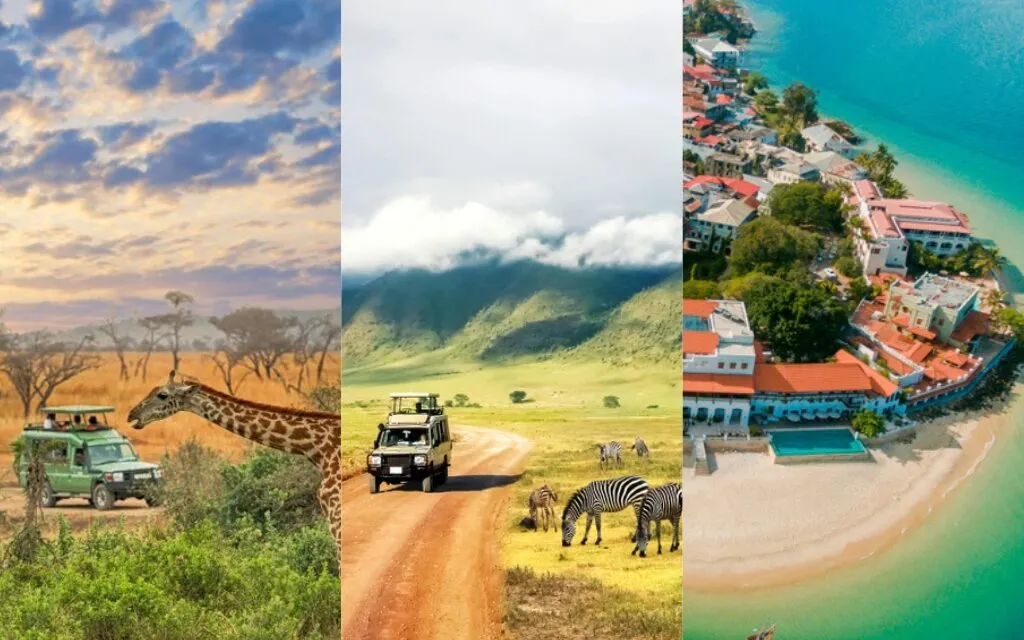
Serengeti & Zanzibar Tours
Luxury Tanzania safari & beach packages with the Great Migration and pristine beaches.
View Package →Related: Best Time to Visit Tanzania 2026 – Perfect safari extension after your Zambia adventure.