
Kilimanjaro Summit Day Guide | Tips, Itinerary & Safety
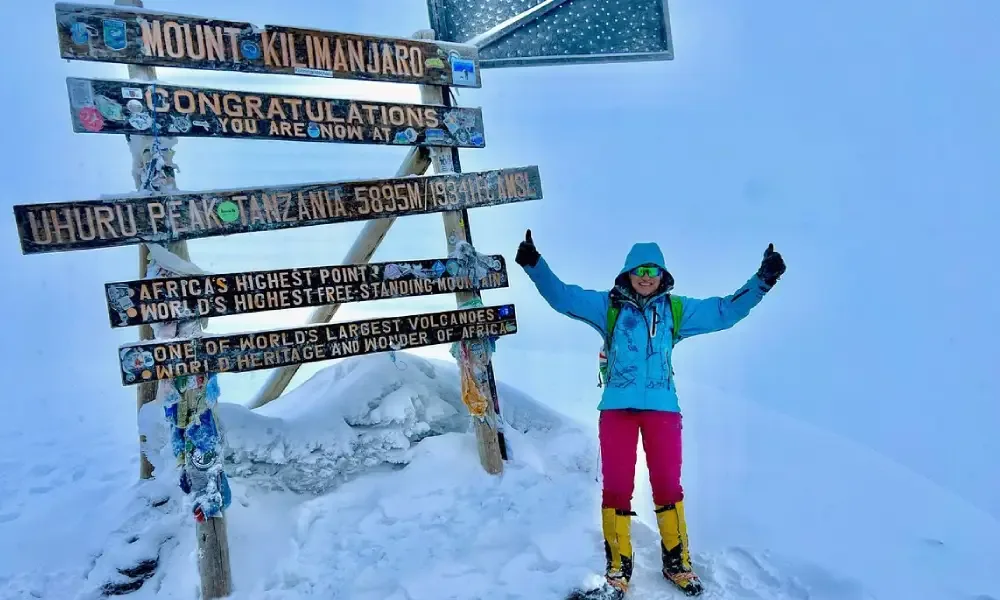
Kilimanjaro Summit Day begins in the quietest hours of the night. Headlamps flicker on, boots crunch against volcanic gravel, and the air feels thin and sharp as climbers step out of camp and into darkness. This is the moment everything leads up to—the final push toward Uhuru Peak, the highest point in Africa.
Summit day is not just another hiking day. It is longer, colder, and more mentally demanding than anything before it. With every step, your body works harder for oxygen, your thoughts slow down, and time seems to stretch. Yet, this is also the most powerful and unforgettable part of the entire Kilimanjaro climb.
This guide takes you inside Kilimanjaro Summit Day—from the midnight start and slow ascent, to sunrise above the clouds and the emotions that come with standing at the top of Africa whether you are preparing for your first climb or simply want to understand what summit day is really like, these insights will help you approach it with confidence, clarity, and realistic expectations.
Book Your Kilimanjaro Climb NowOverview of Kilimanjaro Summit Day
Summit day is unlike any other day on Mount Kilimanjaro. It is longer, colder, steeper, and more mentally demanding than previous trekking days.
Why Summit Day Is the Hardest Day
Several factors combine to make summit day especially tough:
- Extreme altitude (above 4,700 meters)
- Cold nighttime temperatures, below freezing
- Low oxygen levels, making every step harder
- Very early start, usually around midnight
- Steep, loose terrain (scree and volcanic ash)
Despite these challenges, thousands of climbers successfully reach the summit every year—most of them ordinary people with good preparation and the right mindset.
When Summit Day Starts
Summit day typically begins between 11:30 p.m. and 1:00 a.m., depending on the route and weather conditions.
Why the midnight start?
- Firmer ground underfoot
- More stable weather
- Higher chance of reaching the summit at sunrise
- Reduced exposure to afternoon winds
You’ll hike through the night using headlamps, slowly making your way upward in a steady rhythm.
Acclimatization and Its Importance
Acclimatization is the secret ingredient that makes summit day feel achievable rather than overwhelming. On Kilimanjaro, the air above 4,700 meters is thin—oxygen is scarce, and your body has to adjust gradually. Moving too fast can turn excitement into nausea, dizziness, or fatigue.
That’s why longer itineraries are recommended. Each day spent ascending slowly gives your body time to adapt. Walking at a steady, controlled pace, taking regular breaks, and listening to your body make the difference between a grueling climb and a sustainable rhythm that carries you upward.
When acclimatization works, the mountain feels more like a partner than an enemy. Breathing becomes more manageable, steps feel lighter, and even the biting cold becomes part of the adventure. Reaching the crater rim after careful acclimatization brings not just physical relief, but deep mental satisfaction—you’ve earned every step.
Everything you need to Know about Acclimatization on Summit Day
Acclimatization is the single most important factor in summit success.
Why Acclimatization Matters
At nearly 6,000 meters:
- Oxygen levels are about 50% of sea level
- Your body must adapt gradually
- Poor acclimatization leads to altitude sickness
Symptoms may include:
- Headache
- Nausea
- Dizziness
- Extreme fatigue
This is why longer itineraries (7–9 days) have higher success rates than shorter climbs.
How Proper Acclimatization Helps on Summit Day
If you’ve acclimatized well:
- Breathing feels more controlled
- Energy levels last longer
- Mental focus improves
- Recovery during breaks is faster
Summit day becomes a slow, steady challenge instead of a struggle.
Mental Preparation for Summit Day
Summit day is as much a journey of the mind as it is of the body. Hours of darkness, extreme altitude, and icy winds challenge your focus and patience. Mental preparation is what turns “I don’t think I can” into “I will take one step at a time.”
Successful climbers approach summit day like a series of mini-goals: the first step, the next 50 meters, the next handhold. Breathing slowly, staying present, and silencing negative thoughts helps prevent unnecessary energy drain. Trusting your guide and the process is essential—every pause, every slow step, is part of the plan.
The mental reward comes gradually. The first glimpse of the sunrise over the crater, the quiet satisfaction of reaching Stella or Gilman’s Point, and finally, the awe of standing on Uhuru Peak are moments that stay etched in memory. Mental preparation isn’t just about reaching the summit—it’s about embracing every step along the way.
How to Prepare Mentally for Summit Day
Mental strength often matters more than physical fitness.
Helpful mental strategies:
- Break the climb into small goals
- Focus on breathing, not distance
- Avoid negative self-talk
- Trust your guide’s judgment
Remind yourself: discomfort is temporary, but the achievement lasts forever.
How to Manage Fatigue and Discomfort on Summit Day
Feeling tired, cold, or uncomfortable is normal.
What helps:
- Controlled breathing
- Short, regular breaks
- Positive reinforcement from guides
- Staying hydrated
Most climbers who turn back do so due to mental fatigue, not physical inability.
The Summit Day Itinerary – What It Really Feels Like
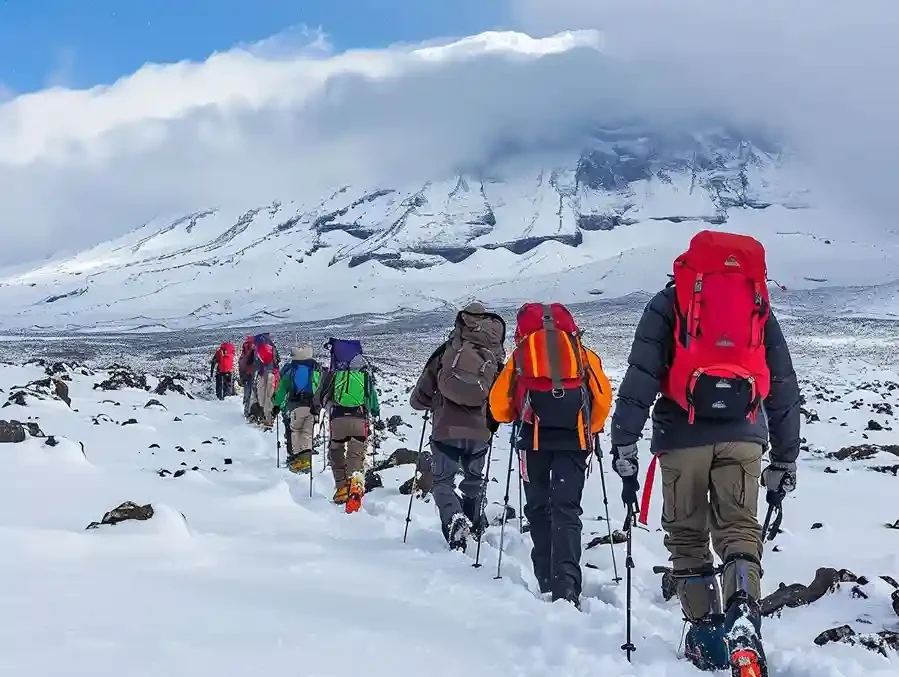
Summit day doesn’t begin with a sunrise—it begins in darkness. Sometime around midnight, your guide quietly wakes you. Outside the tent or hut, the mountain is still, cold, and vast. After a light meal and final gear checks, you step into the night, following a narrow trail of headlamps climbing slowly upward.
The pace is deliberately slow. Steps are short, breathing is controlled, and conversation fades as everyone focuses inward. Hours pass in a steady rhythm of walking, pausing, breathing, and moving again. The cold settles into your hands and feet, and the altitude makes even simple movements feel deliberate.
As the sky begins to lighten, you approach the crater rim—often Stella Point or Gilman’s Point. Reaching this point is an emotional milestone. Some climbers pause here, while others continue carefully toward Uhuru Peak. The final stretch is gentler but feels surreal, with the sun rising over glaciers and clouds far below.
Standing at Uhuru Peak is usually brief. Photos are taken, emotions surface, and then attention turns downward. The descent, though easier on the lungs, can be surprisingly demanding on tired legs and knees. By the time you reach lower camp, exhaustion mixes with quiet satisfaction—the kind that stays with you long after the mountain is behind you.
What to Expect on Summit Day
Understanding the flow of summit day helps you manage energy, expectations, and mindset. While timing varies slightly by route and weather, the overall structure is similar for all Kilimanjaro climbs.
Midnight Departure from High Camp
Summit day usually starts between 11:30 p.m. and 1:00 a.m. from camps such as:
- Barafu Camp
- Kosovo Camp
- Kibo Hut (Marangu)
You’ll wake up to a light meal—often tea, biscuits, or porridge—before gearing up in full cold-weather clothing.
Key focus at this stage:
- Move slowly
- Stay warm
- Follow your guide’s pace
This is not a race. The goal is steady progress.
The Night Ascent: Slow and Steady
The climb to the crater rim is the hardest part of the entire expedition.
What it feels like:
- Short steps
- Heavy breathing
- Frequent brief stops
- Silence broken only by footsteps and wind
Guides often use the phrase “pole pole” (slowly, slowly). This pace allows your body to function with limited oxygen.
Expect the ascent to take 6–8 hours, depending on conditions and individual fitness.
Reaching the Crater Rim
Most climbers reach:
- Stella Point (Machame, Lemosho)
- Gilman’s Point (Marangu)
This is a major milestone. Many climbers stop here if they are too exhausted or experiencing altitude symptoms.
If conditions allow, you’ll take a short break before continuing toward Uhuru Peak.
The Final Push to Uhuru Peak
From the crater rim, the terrain becomes gentler, but the altitude is extreme.
What to expect:
- Strong sunlight after sunrise
- Emotional boost from seeing the summit sign
- Slower movement due to altitude
This final section usually takes 45–90 minutes.
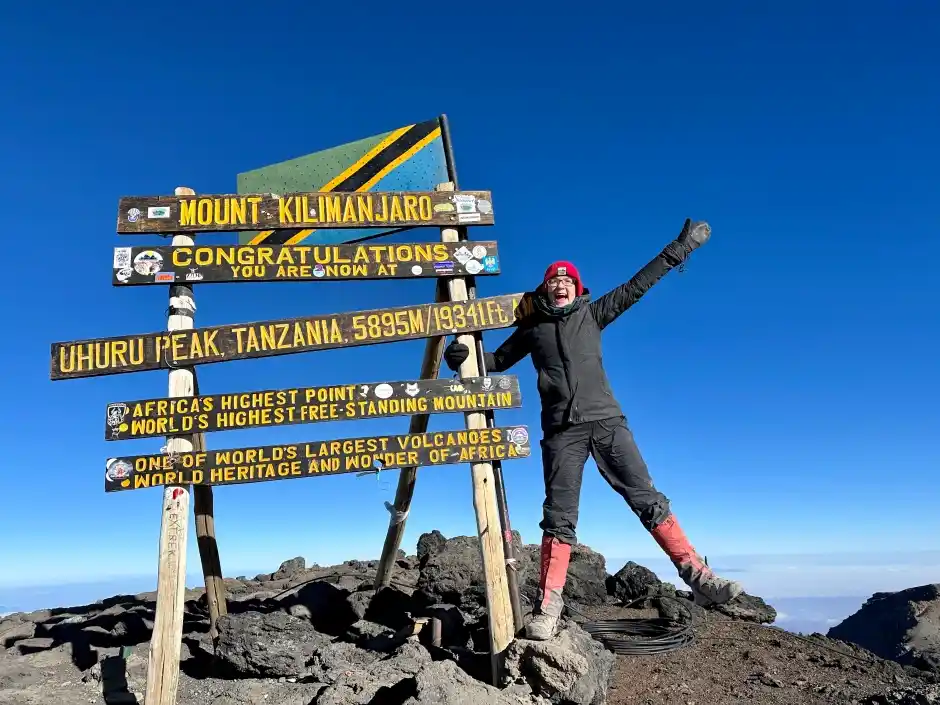
Reaching Uhuru Peak is an unforgettable moment—often emotional, quiet, and deeply rewarding.
The Descent: Often the Hardest Part
Many climbers underestimate the descent.
Challenges include:
- Fatigue
- Loose scree
- Knee and ankle strain
- Reduced concentration
Most climbers descend back to:
- Barafu or Kibo Hut for a short rest
- Then continue down to a lower camp the same day
This makes summit day 12–16 hours long, so conserving energy is critical.
How to Stay Energized and Hydrated on Summit Day
On Kilimanjaro Summit Day, your body feels like it’s running on a fraction of normal oxygen—and yet it still needs fuel and hydration to keep moving. Surprisingly, hunger and thirst often fade at high altitude, but ignoring them is a mistake. Staying energized is about tiny, frequent boosts, not big meals.
Eating on Summit Day
You may not feel hungry, but small amounts of food make a big difference. Even when your appetite seems small, nibbling every 30–60 minutes helps maintain energy. Simple, high-calorie snacks like energy bars, chocolate, dried fruit, and nuts work best. Glucose sweets or chews provide a quick lift when you feel your energy dipping.
Best summit foods:
- Energy bars
- Chocolate
- Dried fruit
- Nuts
- Glucose sweets
Eat small portions frequently rather than large meals.
Hydration
Dehydration is one of the most common pitfalls on summit day. Cold temperatures trick your body into feeling less thirsty, but every sip counts. Drinking 3–4 liters throughout the night and morning keeps muscles functioning and wards off altitude sickness.
Pro Hydration tips:
- Use insulated bottles to prevent water from freezing
- Warm drinks, like tea or broth, feel easier to swallow and provide comfort
- Electrolytes help replace salts lost through exertion
Breathing and Energy Management
Controlled, steady breathing helps your body use oxygen efficiently. Inhale through your nose, exhale through your mouth, and match your rhythm with your steps. Listening closely to your guide can make the difference between struggling and cruising to the summit.
Kilimanjaro Summit Day Gear and Packing Essentials
Proper gear is not optional on summit day—it’s essential for safety, comfort, and success.
Critical Clothing for Summit Night
Base Layer (Moisture-Wicking):
- Thermal top and bottom
- Keeps sweat away from your skin
Insulating Layers:
- Fleece jacket
- Down or synthetic insulated jacket
Outer Shell:
- Windproof and waterproof jacket
- Waterproof trekking pants
Temperatures can range from -10°C to -20°C at higher elevations, especially before sunrise.
Essential Accessories
These small items make a big difference:
- Warm beanie or insulated hat
- Balaclava or neck gaiter
- Insulated gloves or mittens
- Headlamp with spare batteries
- Sunglasses (for sunrise descent)
- Trekking poles (highly recommended)
Cold hands and feet are one of the main reasons climbers turn back—don’t underestimate the importance of good accessories.
Footwear and Socks
- Waterproof, broken-in hiking boots
- Thermal or wool socks
- Optional sock liners for extra warmth
Avoid new boots on summit day—blisters at high altitude can end your climb early.
Safety on Kilimanjaro Summit Day
Safety is the top priority on Kilimanjaro Summit Day. Reputable operators follow strict procedures to protect climbers, especially at extreme altitude. It is the foundation of every decision on the mountain. At extreme altitude, small issues can escalate quickly, so experienced guides monitor climbers closely.
Monitoring Altitude Sickness
Guides closely monitor climbers for signs of Acute Mountain Sickness (AMS).
Common symptoms include:
- Persistent headache
- Nausea or vomiting
- Dizziness or confusion
- Loss of coordination
- Extreme fatigue
Headaches, nausea, dizziness, or confusion are never ignored. If symptoms worsen, the safest decision is to descend immediately. Turning back is not failure—it is respect for the mountain and for your health.
Role of Guides and Support Team on Summit Day
Professional Kilimanjaro guides are trained in:
- High-altitude first aid
- Oxygen administration
- Emergency descent procedures
Trust your guide’s decisions—they are based on experience and safety protocols, not speed or summit pressure.
Reputable teams carry oxygen, first aid supplies, and follow clear evacuation protocols. Guides are trained to act quickly and calmly, prioritizing safety over summit pressure. The most successful summit days are not the fastest—they are the ones where climbers listen to their bodies, trust their guides, and move in harmony with the mountain.
Emergency Response Procedures
- The climber descends immediately
- Oxygen may be administered
- Support staff assist with evacuation
- Medical facilities are contacted if needed
These systems are well-established on Kilimanjaro, ensuring fast response when necessary.
Tips for Preparing for Your Climb
Preparing well before your Mount Kilimanjaro climb makes the daily routine on the mountain far more manageable and enjoyable. Physical fitness, mental readiness, and realistic expectations all play an important role in your success.
Physical Preparation
You do not need to be an elite athlete to climb Kilimanjaro, but you should be comfortable with long days of walking. Recommended preparation includes:
- Regular hiking or walking with a backpack
- Cardio training such as cycling, swimming, or stair climbing
- Strengthening legs and core muscles
- Practicing walking at a slow, steady pace
Consistency matters more than intensity. Training helps your body handle multiple days of trekking while conserving energy.
Mental Preparation
Mental readiness is just as important as physical fitness. The daily routine involves early mornings, cold temperatures, and repetitive trekking. Staying positive and patient makes a noticeable difference.
Helpful mental strategies include:
- Focusing on one day at a time
- Trusting your guide and the process
- Embracing the pole pole mindset
- Remembering your personal motivation for climbing
What to Expect on Summit Day
Summit day is the most challenging and memorable part of the Kilimanjaro experience. It usually begins around midnight, allowing climbers to reach Uhuru Peak at sunrise.
Summit Day Routine
- Light snack and hot drinks before departure
- Slow, steady ascent in the cold and dark
- Frequent short breaks
- Reaching Stella Point or Gilman’s Point
- Final push to Uhuru Peak
After celebrating at the summit, climbers descend to a lower camp for rest and recovery. The day is long and demanding, but the sense of achievement is unmatched.
Key Safety Practices
To stay safe:
- Walk slowly (“pole pole”)
- Stay hydrated
- Eat regularly
- Communicate symptoms early
Never ignore how you feel, early reporting prevents serious problems.
The Role of Professional Guides on the Climb
Certified local guides are trained in:
- Altitude management
- First aid
- Emergency response
Their experience is a important for your summit success and safety.
Celebrating Your Achievement: What to Do After the Summit
Reaching Uhuru Peak is a life-changing achievement—but your journey isn’t over yet.
Rest and Recovery
After descending to a lower camp:
- Hydrate well
- Eat nourishing meals
- Frequent short breaks
- Rest as much as possible
Your body needs time to recover from altitude and exertion.
Summit Certificates and Photos
Most climbers receive:
- Official Kilimanjaro summit certificates
- Professional group photos
- Personal summit photos at Uhuru Peak
These are lasting reminders of your achievement.
Post-Climb Activities
Many climbers choose to:
- Relax in Moshi or Arusha
- Visit hot springs
- Go on a short safari
- Travel to Zanzibar for beach recovery
Combining your climb with a safari or beach holiday is a popular and rewarding option.
Embracing the Journey & Final Thoughts and Encouragement for Climbers
Kilimanjaro Summit Day is not just about reaching the top—it’s about perseverance, preparation, and personal growth. The physical challenge is real, but with proper acclimatization, the right gear, expert guidance, and a steady mindset, success is achievable for most determined climbers.
Remember, summit day is a marathon, not a sprint. Trust the process, listen to your body, and lean on your support team. Whether you stand at Uhuru Peak or turn back for safety reasons, the journey itself is an incredible accomplishment.
Reaching Uhuru Peak is not about speed, strength, or pushing past pain—it is about patience, preparation, and listening to your body. Summit day rewards those who move slowly, breathe deeply, and trust the process, even when the climb feels endless.
The most memorable moments are not just the summit sign, but the silence of the night ascent, the first light of sunrise over the crater rim, and the quiet realization of how far you’ve come. Whether you reach the top or make the wise choice to turn back, summit day is a profound personal achievement.
Approach Kilimanjaro with respect, realistic expectations, and experienced support. Prepare well, stay patient, and take each step with intention. The mountain does not rush—and those who move in harmony with it often find the experience more meaningful than the summit itself.
If Kilimanjaro is calling you, prepare well, choose experienced guides, and take each step with confidence. The mountain rewards patience—and the view from the top is worth every step.
Kilimanjaro Daily Routine Gallery
Climb with Trusted Kilimanjaro Experts
Capable Africa Tours is a locally owned Tanzanian tour operator with extensive hands-on experience guiding climbers on Mount Kilimanjaro. Our team lives and works at the foothills of the mountain, giving us unmatched knowledge of Kilimanjaro’s routes, weather patterns, and altitude conditions.
- Local Expertise: All climbs are led by professional Tanzanian guides trained specifically for Mount Kilimanjaro.
- Certified & Safety-Focused: Our guides are first-aid trained and follow Kilimanjaro National Park (KINAPA) safety regulations.
- Proven Experience: Years of guiding experience with carefully designed itineraries that support proper acclimatization.
- Ethical & Responsible: We ensure fair porter treatment and support local communities surrounding Mount Kilimanjaro.
- Trusted by Global Travelers: Climbers from around the world choose Capable Africa Tours for honest advice, transparent pricing, and personalized service.
When you climb with Capable Africa Tours, you’re not just booking a trek—you’re trusting experienced professionals who prioritize your safety, comfort, and summit success.
Last Updated: December 2025
Ready to Experience Kilimanjaro for Yourself?
Now that you understand the feel of Mount Kilimanjaro Summit Day, the next step is turning preparation into action. Join Capable Africa Tours for a professionally guided climb designed for safety, acclimatization, and unforgettable moments on Africa’s highest peak.
- Well-paced itineraries focused on acclimatization
- Experienced local guides and dedicated support crew
- Ethical porter treatment and responsible trekking
- Small groups for personalized attention
- Support before, during, and after your climb
Kilimanjaro climbing permits and camping spots are limited each season. Start planning early to secure your preferred dates.
Start Planning Your Kilimanjaro ClimbExplore More About Tanzania beyond Climbing Mount Kilimanjaro
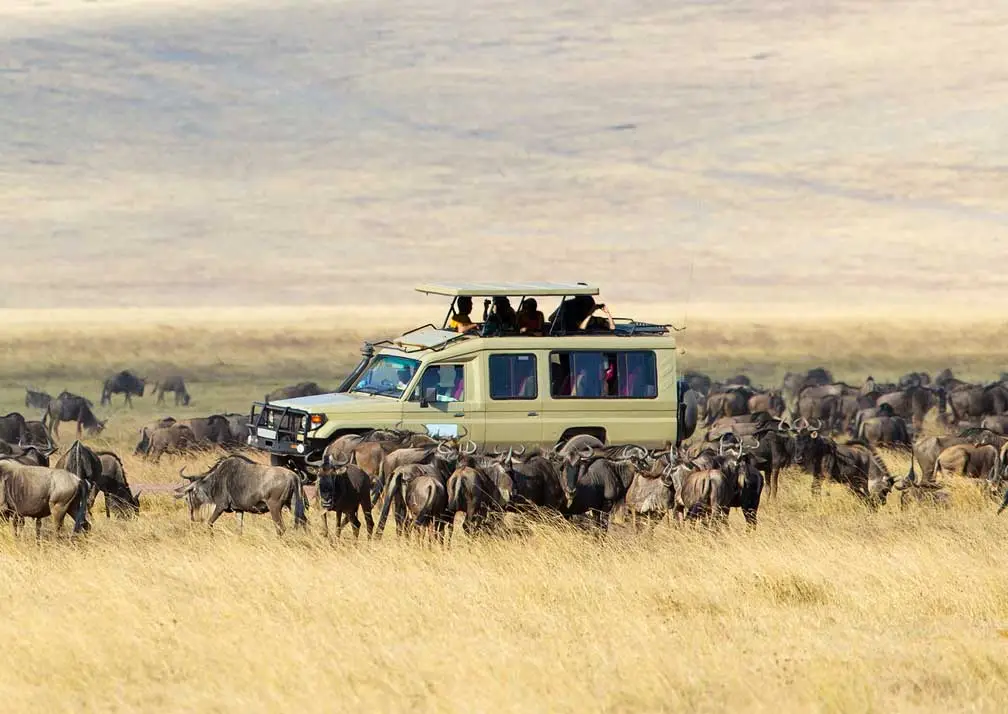
Great Migration Safaris
Experience one of nature’s greatest spectacles with our Great Migration safari packages, timed for river crossings or calving.
View Package →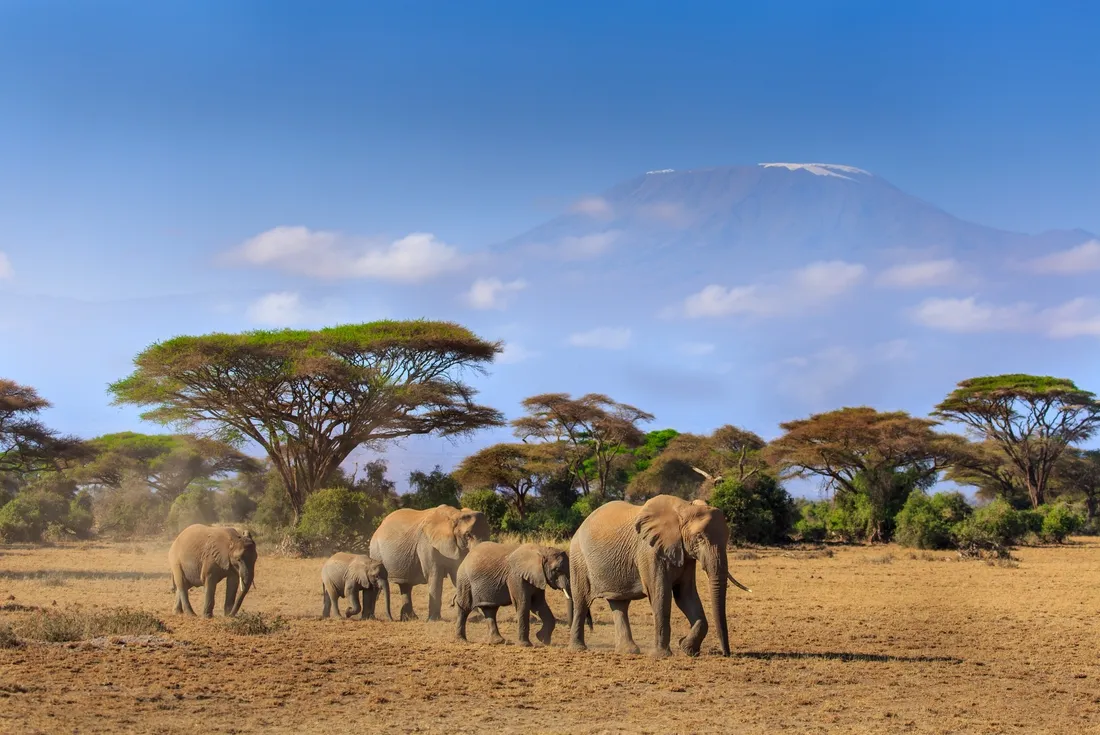
Serengeti & Kilimanjaro Trek
Combined safari and trekking tours offer wildlife adventures and Kilimanjaro climbs.
View Package →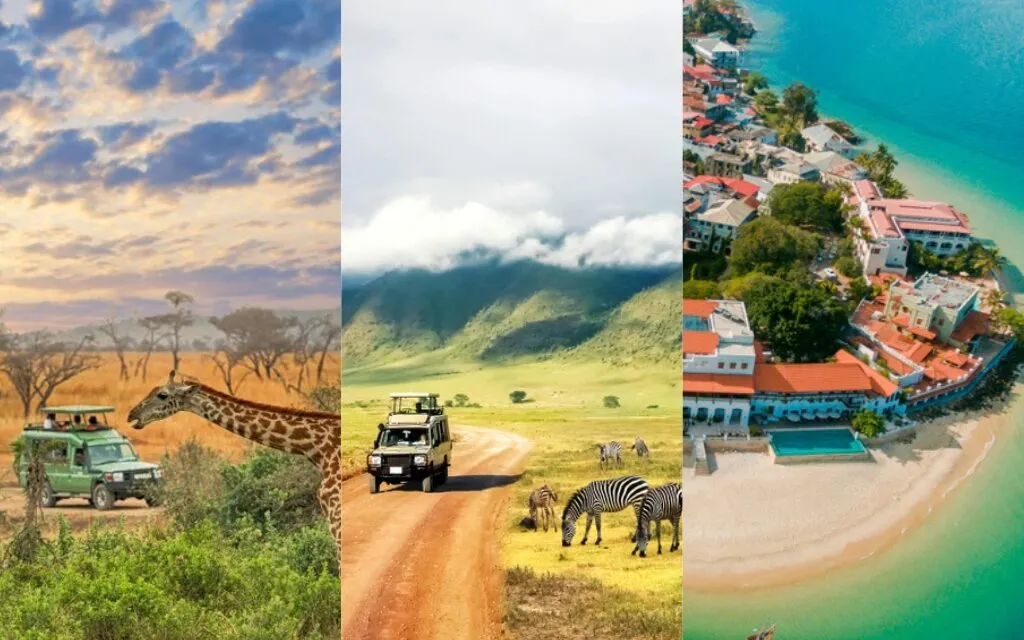
Serengeti & Zanzibar Tours
Luxury Tanzania safari & beach packages with the Great Migration and pristine beaches.
View Package →