Kilimanjaro Ultra Marathon: 53km Extreme Challenge
The Kilimanjaro Ultra Marathon is a thrilling 53km extreme running challenge around the base of Mount Kilimanjaro, hosted by Capable Africa Tours. This epic race takes runners through lush rainforests, rugged trails, and high-altitude terrains, offering breathtaking views and an unforgettable test of endurance. Whether you're an experienced ultra-runner or seeking your next adventure, this guide covers everything you need to know about the race, from course details to training tips and costs. Lace up and join Capable Africa Tours for this once-in-a-lifetime experience!
Plan Your Ultra Marathon Now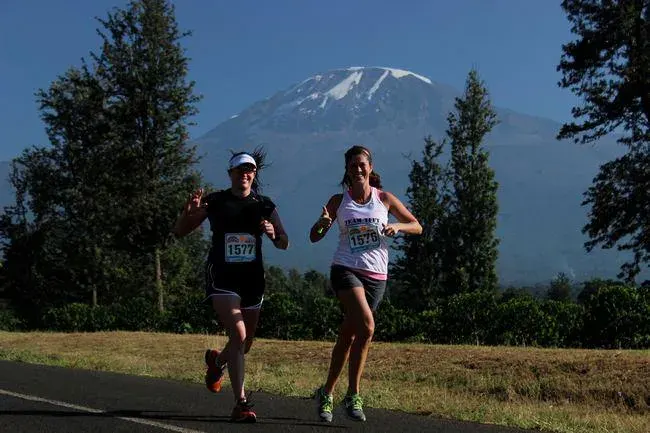
Why Run the Kilimanjaro Ultra Marathon?
The Kilimanjaro Ultra Marathon is more than just a race—it’s a journey through one of the world’s most iconic landscapes. Organized by Capable Africa Tours, this 53km extreme challenge combines stunning scenery, cultural immersion, and a grueling test of physical and mental endurance. Runners navigate diverse terrains, from rainforest trails to alpine zones, with a total elevation gain of 2,500m. Below, we explore why this ultra-marathon is a must-do for adventure seekers and how Capable Africa Tours ensures a safe, memorable experience.
Race Highlights
- Iconic Scenery: Run through rainforests, moorlands, and alpine zones with views of Kilimanjaro’s Uhuru Peak.
- Challenging Course: 53km distance with 2,500m elevation gain, ideal for seasoned ultra-runners.
- Cultural Immersion: Pass through local Chagga villages, experiencing Tanzania’s rich heritage.
- Supportive Logistics: Capable Africa Tours provides aid stations, medical support, and expert guides.
- Eco-Conscious Event: Sustainable practices to preserve Kilimanjaro’s natural beauty.
Course Details and Terrain
The Kilimanjaro Ultra Marathon spans 53km, starting and ending in Moshi, Tanzania. The course loops around the base of Mount Kilimanjaro, covering five distinct climate zones: rainforest, heath, moorland, alpine desert, and arctic. Runners face a mix of single-track trails, rocky paths, and dirt roads, with a total elevation gain of 2,500m. The highest point reaches 3,500m, challenging runners with altitude and varied terrain. Capable Africa Tours ensures well-marked routes and frequent aid stations every 7–10km for hydration and support.
Course Breakdown
| Segment | Distance | Terrain | Elevation |
|---|---|---|---|
| Rainforest | 0–15km | Muddy trails, dense vegetation | 1,800–2,500m |
| Heath/Moorland | 15–30km | Rolling hills, grassy paths | 2,500–3,000m |
| Alpine Desert | 30–45km | Rocky trails, sparse vegetation | 3,000–3,500m |
| Descent to Moshi | 45–53km | Dirt roads, forest paths | 3,500–1,800m |
Training for the Kilimanjaro Ultra Marathon
Preparing for the Kilimanjaro Ultra Marathon requires 6–12 months of dedicated training, focusing on endurance, strength, and altitude adaptation. Capable Africa Tours offers personalized training plans to help runners succeed. Build a base with long runs, incorporate hill workouts, and practice at altitude if possible. Mental resilience is key for this extreme challenge, so simulate race conditions during training.
Training Tips
- Long Runs: Run 20–30km weekly, gradually increasing to 40km for peak training weeks.
- Hill Workouts: Include 2–3 sessions weekly with 500–1,000m elevation gain to mimic course conditions.
- Strength Training: Focus on quads, hamstrings, and core with squats, lunges, and planks.
- Altitude Training: Train at elevations above 2,000m or use altitude masks to simulate high-altitude conditions.
- Recovery: Incorporate rest days and foam rolling to prevent injuries and maintain performance.
Sample Weekly Training Plan (12 Weeks Out)
| Day | Activity | Duration/Distance |
|---|---|---|
| Monday | Rest or light yoga | 30–60 min |
| Tuesday | Hill repeats | 10–12km, 500m gain |
| Wednesday | Strength training | 45–60 min |
| Thursday | Tempo run | 12–15km |
| Friday | Rest or cross-training | 30–60 min |
| Saturday | Long run | 25–30km, 800m gain |
| Sunday | Recovery run | 8–10km |
Experience the Kilimanjaro Ultra Marathon
Watch this video to see the Kilimanjaro Ultra Marathon in action, showcasing the 53km course, stunning landscapes, and the thrill of running with Capable Africa Tours.
Essential Gear for the Kilimanjaro Ultra Marathon
Choosing the right gear is critical for the Kilimanjaro Ultra Marathon. Focus on lightweight, durable equipment to handle varied terrains and high altitudes. Capable Africa Tours offers gear rentals for items like hydration packs and jackets, ensuring you’re well-equipped without excess baggage. Prioritize trail-specific gear and test everything during training.
Gear Checklist
- Trail Running Shoes: High-traction, cushioned shoes with Gore-Tex for muddy trails.
- Hydration Pack: 2–3L capacity with space for snacks and essentials.
- Lightweight Layers: Moisture-wicking base layer, fleece mid-layer, and windproof jacket.
- Accessories: UV400 sunglasses, SPF 50+ sunscreen, running cap, and lightweight gloves.
- Nutrition: Energy gels, bars, and electrolyte tablets for aid station gaps.
- Other Essentials: Headlamp, first aid kit, and multi-tool for emergencies.
Gear Rental with Capable Africa Tours
Save space and hassle by renting high-quality gear like hydration packs, jackets, and trekking poles from Capable Africa Tours. Our rentals are tested for durability and comfort, ensuring you’re race-ready.
Best Time to Run the Kilimanjaro Ultra Marathon
The Kilimanjaro Ultra Marathon is typically held in February or September, during Tanzania’s dry seasons, offering stable weather and clearer trails. These months provide optimal conditions with temperatures ranging from 15–30°C and minimal rainfall. Capable Africa Tours recommends checking exact race dates early to plan your training and travel.
Seasonal Breakdown
| Season | Months | Weather | Pros | Cons |
|---|---|---|---|---|
| Dry (Race Season) | Feb, Sep | Clear skies, 15–30°C | Stable trails, great views | Higher competition |
| Wet | Apr–May, Nov | Heavy rain, muddy | Less crowded trails | Slippery, poor visibility |
| Shoulder | Dec–Jan, Jun | Mixed, light rain | Moderate conditions | Unpredictable weather |
Costs and Inclusions for the Kilimanjaro Ultra Marathon
Joining the Kilimanjaro Ultra Marathon with Capable Africa Tours costs $1,500–$2,500, depending on package options. Our all-inclusive packages cover race entry, transfers, meals, aid station support, and medical services. Contact us for a personalized quote tailored to your needs.
What’s Included
- Race entry fee ($500–$700)
- Round-trip transfers from Kilimanjaro International Airport
- Pre- and post-race meals (high-carb, runner-friendly)
- Aid stations with water, electrolytes, and snacks
- Medical support and emergency evacuation plans
- Official race merchandise (t-shirt, medal)
Additional Costs to Consider
- International flights to Tanzania ($800–$1,500)
- Travel insurance (covering ultra-running events)
- Personal gear (shoes, hydration packs, clothing)
- Optional pre/post-race lodging in Moshi ($50–$150/night)
- Tips for support staff ($100–$200 recommended)
Ready to Conquer the Kilimanjaro Ultra Marathon?
Join Capable Africa Tours for the 53km Kilimanjaro Ultra Marathon, an extreme challenge that tests your limits amidst stunning landscapes. Our expert support, eco-friendly practices, and comprehensive logistics ensure a safe and thrilling race. Book now to secure your spot!
- Fully supported race with aid stations every 7–10km
- Eco-conscious event preserving Kilimanjaro’s beauty
- Gear rentals for hassle-free preparation
- Personalized training plans from Capable Africa Tours
- All-inclusive packages with meals and transfers
Limited entries available for the Kilimanjaro Ultra Marathon — reserve your spot today!
Plan Your Race NowExplore More Kilimanjaro Adventures
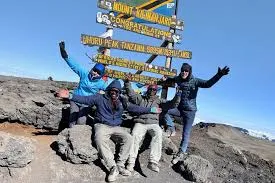
7-Day Machame Route Kilimanjaro Trek | Scenic & Challenging
Climb the popular “Whiskey Route” with Capable Africa Tours for stunning views and a rewarding summit experience.
View Package →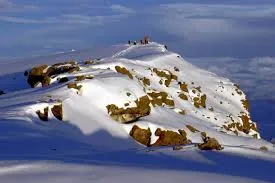
6-Day Marangu Route Kilimanjaro Climb | Hut-Based Trek
Join Capable Africa Tours for a comfortable hut-to-hut climb on the “Coca-Cola” route, ideal for beginners.
View Package →
8-Day Lemosho Route Kilimanjaro Trek | Scenic Adventure
Explore the scenic Lemosho Route with Capable Africa Tours, offering diverse landscapes and high summit success.
View Package →