
Wildlife You May Encounter While Climbing Kilimanjaro
Climbing Mount Kilimanjaro with Capable Africa Tours is not just about reaching Uhuru Peak; it’s also a journey through diverse ecosystems teeming with unique wildlife. From the lush rainforests to the high alpine zones, you’ll encounter fascinating animals like colobus monkeys, vibrant birdlife, and rare flora. This guide dives into the wildlife you may spot on routes like Lemosho and Machame, offering practical tips for safe sightings and ethical trekking. Ready to explore Kilimanjaro’s natural wonders? Let’s get started with Capable Africa Tours.
Plan Your Wildlife Trek Now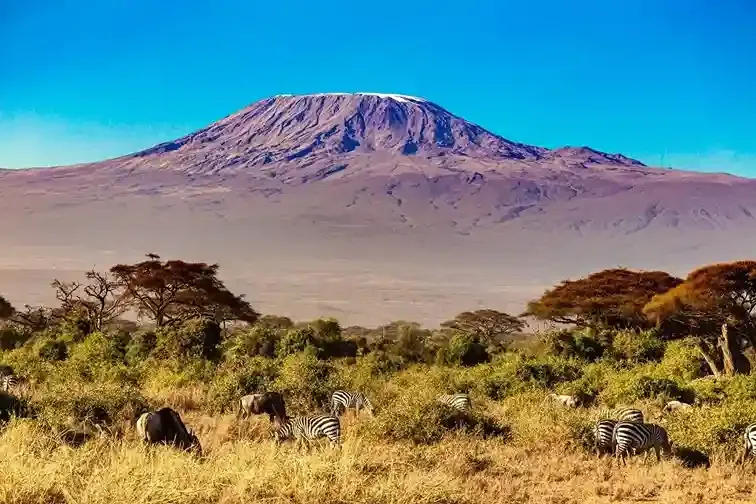
Why Kilimanjaro’s Wildlife Makes Your Trek Unforgettable
Mount Kilimanjaro’s diverse ecosystems—spanning rainforests, moorlands, alpine deserts, and arctic zones—host a variety of wildlife, especially in the lower elevations. With Capable Africa Tours, you’ll trek through lush rainforests where colobus monkeys swing through the canopy and vibrant birds like Hartlaub’s turaco add splashes of color. Unlike a safari, Kilimanjaro’s wildlife is subtler, but spotting these creatures in their natural habitat adds a thrilling dimension to your climb. Below, we explore the animals you may encounter, their habitats, and how to observe them safely.
Key Wildlife Highlights
- Colobus Monkeys: Black-and-white primates with flowing tails, often seen in rainforest canopies.
- Blue Monkeys: Agile, social monkeys foraging in the lower forest zones.
- Birdlife: Over 180 bird species, including turacos, hornbills, and white-necked ravens.
- Small Mammals: Bushbabies, genets, and mongooses may appear at dusk or dawn.
- Unique Flora: Giant groundsels and lobelias thrive in higher zones, complementing animal sightings.
Kilimanjaro’s Ecosystems and Wildlife Zones
Kilimanjaro’s five ecological zones create distinct habitats for wildlife, with the richest biodiversity in the lower rainforest zone (1,800–2,800 m). As you ascend with Capable Africa Tours, you’ll notice fewer animals but unique flora in the higher zones. Understanding these zones helps you know where to look for wildlife and what to expect.
Ecosystem Breakdown
| Zone | Elevation | Wildlife | Flora |
|---|---|---|---|
| Rainforest | 1,800–2,800 m | Colobus monkeys, blue monkeys, turacos, hornbills | Mosses, ferns, orchids |
| Heath/Moorland | 2,800–4,000 m | Small rodents, augur buzzards, alpine chats | Heather, giant groundsels |
| Alpine Desert | 4,000–5,000 m | Rare sightings (small lizards, birds) | Lobelias, sparse grasses |
| Arctic Summit | 5,000–5,895 m | No wildlife | No vegetation |
Top Animals to Spot on Kilimanjaro
While Kilimanjaro isn’t a traditional safari destination, its rainforest and heath zones are home to fascinating wildlife. Here’s a detailed look at the animals you’re most likely to encounter with Capable Africa Tours, along with tips for spotting them.
Primates
- Black-and-White Colobus Monkey: Known for their striking fur and long tails, these monkeys are often seen in groups in the rainforest canopy. Look up in the early morning for the best sightings (1,800–2,500 m).
- Blue Monkey: Smaller and more agile, these monkeys are active during the day, foraging for fruits and leaves. Listen for their chatter in dense forest areas.
- Bushbaby (Galago): Nocturnal and elusive, their large eyes may catch your headlamp’s light at campsites like Mti Mkubwa.
Birds
- Hartlaub’s Turaco: A vibrant green bird with a red crest, often heard before seen in the rainforest (1,800–2,800 m).
- Silvery-Cheeked Hornbill: Recognizable by its large beak and loud calls, this bird frequents forest clearings.
- White-Necked Raven: Common in higher zones, these bold birds often soar near camps like Barafu (4,600 m).
- Augur Buzzard: A raptor seen circling in the moorland zone, hunting small rodents.
Small Mammals and Reptiles
- Genet: A cat-like nocturnal mammal, occasionally spotted near forest camps at dusk.
- Mongoose: Quick and curious, dwarf mongooses may dart across trails in the rainforest.
- Small Lizards: Found in the heath and alpine zones, these reptiles bask on rocks during sunny days.
See Kilimanjaro’s Wildlife in Action
Watch this video to glimpse the vibrant wildlife you may encounter on your Kilimanjaro trek with Capable Africa Tours, from colobus monkeys to colorful turacos in the rainforest zone.
Tips for Safe and Ethical Wildlife Spotting
Spotting wildlife on Kilimanjaro is a privilege, but it requires respect for the animals and their environment. Capable Africa Tours emphasizes eco-conscious trekking to protect Kilimanjaro’s delicate ecosystems. Follow these tips to enjoy wildlife safely.
Wildlife Spotting Guidelines
- Maintain Distance: Keep at least 10–15 meters from animals to avoid startling them.
- Use Binoculars: A pair of 8x42 binoculars enhances sightings without disturbing wildlife.
- Avoid Flash Photography: Flash can scare animals; use a zoom lens (70–200 mm) for clear shots.
- Stay Quiet: Speak softly and move slowly to avoid disrupting animals, especially birds.
- Follow Guides: Capable Africa Tours’ guides are trained to spot wildlife and ensure safe interactions.
- No Feeding: Feeding wildlife disrupts their diet and behavior; keep food secured.
Essential Gear for Wildlife Viewing
- Binoculars: Compact 8x42 or 10x42 models for clear, distant views (200–300 g).
- Camera: DSLR or mirrorless with a 70–200 mm zoom lens for ethical photography.
- Notebook: Record sightings with a waterproof notebook and pen for birdwatchers.
- Insect Repellent: DEET-based (30%) for rainforest zones to avoid mosquito bites.
Quantitative Data: Wildlife Sightings on Kilimanjaro
Based on trekking reports and biodiversity studies, here’s a snapshot of wildlife prevalence on Kilimanjaro’s popular routes like Lemosho and Machame, where Capable Africa Tours operates.
Wildlife Sighting Frequency
| Animal | Sighting Frequency | Best Zone | Best Time |
|---|---|---|---|
| Colobus Monkey | High (70% of treks) | Rainforest | Morning |
| Blue Monkey | Moderate (50% of treks) | Rainforest | Morning/Dusk |
| Hartlaub’s Turaco | Moderate (40% of treks) | Rainforest | Daytime |
| White-Necked Raven | High (80% of treks) | Moorland/Alpine | Daytime |
| Genet | Low (10% of treks) | Rainforest | Dusk |
Best Routes for Wildlife Sightings
Not all Kilimanjaro routes offer the same wildlife viewing opportunities. Capable Africa Tours recommends the Lemosho and Machame routes for the best chances to spot animals due to their extended time in the rainforest zone.
Route Comparison
- Lemosho Route: Starts in the western rainforest, offering 2–3 days in prime monkey and bird habitat. 70 km, 7–8 days, 85–90% summit success.
- Machame Route: Also begins in the rainforest, with similar wildlife but slightly busier trails. 62 km, 6–7 days, 80–85% summit success.
- Rongai Route: Starts on the drier northern side, with fewer animals but occasional antelope sightings. 73 km, 6–7 days.
- Marangu Route: Limited rainforest time, reducing wildlife encounters. 72 km, 5–6 days, hut-based.
Ready to Spot Kilimanjaro’s Wildlife?
Join Capable Africa Tours for a Kilimanjaro trek that combines summit success with unforgettable wildlife encounters. Our expert guides, eco-friendly practices, and tailored itineraries ensure a safe and thrilling adventure. Book now to explore Kilimanjaro’s natural wonders!
- Expert guides trained in wildlife spotting and safety
- Eco-conscious treks preserving Kilimanjaro’s ecosystems
- Customizable Lemosho and Machame routes for optimal sightings
- All-inclusive packages with meals, gear, and transfers
- Gear rentals for binoculars, cameras, and trekking essentials
Limited spots for wildlife-focused Kilimanjaro treks — book now with Capable Africa Tours!
Plan Your Trek NowExplore More Kilimanjaro Adventures
7-Day Machame Route Kilimanjaro Trek | Scenic & Challenging
Climb the popular “Whiskey Route” with Capable Africa Tours for stunning views and a rewarding summit experience.
View Package →
6-Day Marangu Route Kilimanjaro Climb | Hut-Based Trek
Join Capable Africa Tours for a comfortable hut-to-hut climb on the “Coca-Cola” route, ideal for beginners.
View Package →
8-Day Lemosho Route Kilimanjaro Trek | Scenic & Wildlife-Rich
Explore the scenic Lemosho Route with Capable Africa Tours, offering wildlife sightings and excellent acclimatization.
View Package →