Top 10 Most Educated Countries in Africa in 2026
For a wider global comparison of the most educated country in the world, exploring the Most Educated Countries in Africa shows that education is driving progress and innovation across the continent. Nations like South Africa, Tunisia, and Egypt lead with strong universities, high literacy rates, and government investment in learning. Countries such as Kenya, Ghana, and Morocco are also gaining recognition for expanding access to quality education and advancing technology-driven learning. The most educated countries in Africa are shaping a skilled, informed generation ready to transform industries and societies. Whether for study, business, or cultural exchange, these nations reflect Africa’s commitment to knowledge, growth, and sustainable development.
See the Full 2026 Ranking
African Education Rankings 2026: How We Ranked
Rankings combine UNESCO adult literacy rates (15+), World Bank Gross Enrollment Ratio (GER) for tertiary education, number of universities in QS Africa Top 100, education budget as % of GDP, and PISA-equivalent scores from SACMEQ/TIMSS where available. Sources: UNESCO Institute for Statistics 2025, World Bank EdStats 2025, QS World University Rankings Africa 2026.
1. Seychelles
Seychelles maintains its position as the most educated country in Africa in 2026 with a remarkable 99.2% adult literacy rate and compulsory education until age 18. The government allocates over 11% of GDP to education, among the highest globally. Free education from crèche to university, plus mandatory Creole-English-French trilingual instruction, creates a highly skilled workforce. The University of Seychelles (UniSey) partners with Paris-Sorbonne and University of London for accredited degrees.
Key education achievements:
- 99.2% adult literacy (UNESCO 2025)
- 100% primary & secondary net enrollment
- Free university tuition for all citizens
- STEM-focused curriculum with 1:12 teacher-student ratio
- Digital classrooms in 95% of schools
- Top PISA-equivalent scores in reading & mathematics
- Vocational training centers on every major island
Top universities & attractions: UniSey offers marine biology and tourism degrees that attract international students. Visitors can combine studies with eco-tourism on Mahé, Praslin, or La Digue.
2. Mauritius – Best Education Systems in Africa for Multilingual Learning
Mauritius ranks second with 98.7% literacy and a world-class dual English-French system. The country invests 6.8% of GDP in education, offering free transport, textbooks, and meals up to tertiary level. Mauritius Institute of Education (MIE) trains teachers to international standards, while University of Mauritius ranks in global top 800 (QS 2026).
Standout features:
- 98.7% literacy across all age groups
- Free education from pre-primary to PhD
- STEM labs in every secondary school
- 100% digital attendance tracking
- Partnerships with UK, France, India universities
- Top performer in SACMEQ mathematics
Educational tourism: Study abroad programs in hospitality and fintech are hugely popular.
3. South Africa – Home to Top Universities in Africa
South Africa stands out as one of the most educated countries in Africa, boasting a well-developed education system and globally recognized universities such as the University of Cape Town and the University of the Witwatersrand. The country’s strong emphasis on higher learning, research, and innovation has made it a regional academic hub attracting students from across Africa and beyond. South Africa’s education policies support inclusivity, skill development, and technology integration, preparing graduates for both local and international opportunities. With diverse academic programs and advanced infrastructure, South Africa continues to lead Africa’s education landscape in 2026 and beyond.
Key metrics:
- 96.1% adult literacy
- 1.2 million university students
- UCT, Stellenbosch, Wits in global top 300
- NSFAS funds 600,000+ disadvantaged students
- TVET colleges train 700,000 annually
Academic tourism: Cape Town and Stellenbosch attract thousands of international students yearly.
4. Tunisia – Highest Tertiary Enrollment in North Africa
Tunisia stands out among the most educated countries in Africa, thanks to its long-standing commitment to quality education and academic excellence. With one of the highest literacy rates in North Africa, Tunisia invests heavily in free and compulsory education, ensuring access for both urban and rural students. The country’s universities—such as the University of Tunis El Manar—are renowned for their strong programs in science, technology, and engineering. Education reforms continue to modernize curricula and promote innovation, preparing graduates for global opportunities. Tunisia’s focus on education has made it a hub for intellectual growth and professional development in Africa.
Notable achievements:
- Free higher education since 1958
- University of Tunis El Manar ranks #2 in Arab world
- Over 40% female STEM graduates
- Digital learning platforms in 90% schools
5. Algeria – Massive Investment in STEM Education
Algeria earns its place among the most educated countries in Africa through its strong public education system and dedication to literacy. Education is free and compulsory until the age of 16, resulting in a well-educated population and steady improvements in literacy rates across the nation. Algeria’s universities, including the University of Algiers and the University of Oran, are known for excellence in engineering, medicine, and technology. The government continues to invest in research, digital learning, and teacher training to align education with modern job markets. This commitment makes Algeria a regional leader in academic advancement and innovation. Algeria reaches 95.2% literacy with 51 universities and heavy focus on engineering, medicine, and petroleum studies. Free education and subsidized housing for students.
6. Egypt
Egypt is undeniably one of the most educated countries in Africa, with a rich academic heritage that dates back thousands of years. Home to prestigious institutions like Cairo University and the American University in Cairo, the country places strong emphasis on higher education and research. Egypt’s government continues to invest in modernizing its education system, integrating technology and expanding access across urban and rural areas. With a growing number of graduates in science, engineering, and medicine, Egypt is nurturing a generation of skilled professionals driving national and regional development. Its educational strength makes it a cornerstone of learning in Africa. Cairo University and American University in Cairo lead research output. 94.9% literacy and new technological universities in New Administrative Capital.
7. Libya – Rebuilding Education Post-Conflict
Libya also ranks among the most educated countries in Africa, with a strong emphasis on accessible and government-funded education. Despite facing periods of instability, Libya has maintained one of the continent’s highest literacy rates, reflecting its long-standing investment in learning. Education in Libya is free from primary school through university, and many students pursue higher studies abroad through government scholarships. The country’s universities, such as the University of Tripoli, continue to produce skilled professionals in fields like engineering, medicine, and science. Libya’s commitment to education remains a key pillar for rebuilding its economy and empowering future generations. Post-2020 stability brings literacy to 94.5%. University of Tripoli regains regional prominence.
8. Namibia – Highest Education Budget in Africa
Namibia proudly ranks among the most educated countries in Africa, recognized for its steady progress in expanding access to quality education. Since gaining independence, the nation has prioritized literacy, teacher training, and equal learning opportunities for all citizens. With a literacy rate exceeding 90%, Namibia continues to strengthen its education system through technology integration and curriculum reform. Institutions like the University of Namibia and Namibia University of Science and Technology play a key role in producing skilled professionals in fields such as engineering, environmental studies, and healthcare. Namibia’s strong educational foundation supports its vision for innovation and sustainable national development. 9.8% of GDP spent on education yields 93.8% literacy and free secondary schooling.
9. Kenya – Digital Learning Pioneer
Kenya ranks high among the most educated countries in Africa, with a rapidly advancing education system that emphasizes both academic and technical skills. The nation boasts a strong literacy rate and a growing number of higher learning institutions, including the University of Nairobi and Kenyatta University, which attract students from across the continent. Kenya’s government continues to invest in education reforms, digital learning, and innovation hubs to equip youth with modern skills. With its blend of traditional learning values and technological advancement, Kenya remains a leading center for education, research, and entrepreneurship in East Africa. University of Nairobi #1 in East Africa. 93.1% literacy with tablets in primary schools since 2016.
10. Botswana – Steady Progress in Academic Excellence
Botswana is proudly recognized as one of the most educated countries in Africa, with a strong emphasis on accessible and high-quality education for all citizens. The government allocates a significant portion of its budget to education, ensuring free primary schooling and well-supported secondary and tertiary institutions. Universities like the University of Botswana are known for producing skilled professionals in fields such as business, engineering, and environmental science. The nation’s literacy rate continues to rise, reflecting its success in building a knowledgeable workforce. Botswana’s dedication to learning and development makes it a model for educational progress in Africa. University of Botswana climbs rankings. 92.9% literacy with diamond-funded scholarships.
Most Educated Countries in Africa 2026 – Comparison Table
| Rank | Country | Literacy % | Tertiary GER % | Top University (QS) |
|---|---|---|---|---|
| 1 | Seychelles | 99.2 | 28.5 | UniSey |
| 2 | Mauritius | 98.7 | 42.1 | UoM #801-1000 |
| 3 | South Africa | 96.1 | 24.0 | UCT #171 |
| 4 | Tunisia | 95.8 | 42.0 | Tunis El Manar |
| 5 | Algeria | 95.2 | 38.5 | USTHB |
| 6 | Egypt | 94.9 | 35.2 | Cairo Uni |
| 7 | Libya | 94.5 | 55.1 | Tripoli |
| 8 | Namibia | 93.8 | 26.3 | UNAM |
| 9 | Kenya | 93.1 | 18.5 | UoN |
| 10 | Botswana | 92.9 | 22.1 | UB |
Why Education Development in Africa Matters for Travelers
Countries with best schools in Africa offer safer, more innovative volunteer and study-abroad experiences. High literacy correlates with better tourism infrastructure and English proficiency.
How to Support Education While Visiting Africa
- Volunteer teach English in rural Kenya
- Sponsor a child’s education in Tanzania
- Visit university open days in Cape Town
- Buy books for community libraries
Our Tanzania Tours Products
While exploring the most educated countries in Africa in 2026, don't miss Tanzania—home to the iconic Serengeti and Zanzibar. Capable Africa Tours specializes in secure, guided safaris that maximize safety and wonder. Our expert local guides, armed rangers in parks, and vetted accommodations ensure peace of mind. From family-friendly lodges to luxury camps, we handle logistics so you focus on the magic. Tanzania ranks high for tourist safety with dedicated wildlife protection units and stable northern circuits.
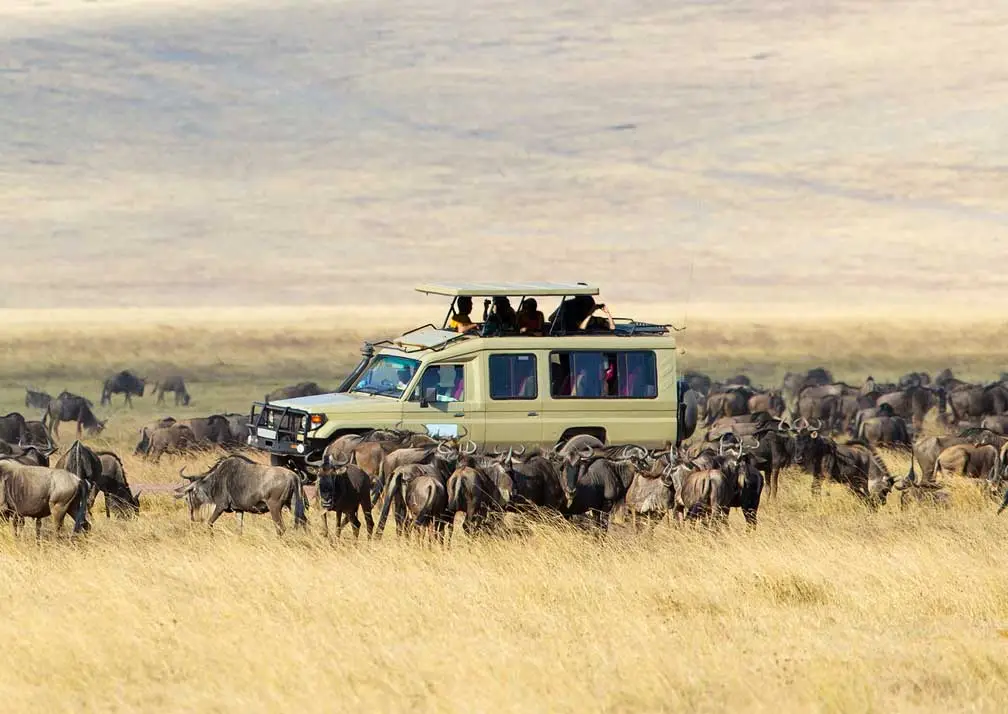
Great Migration Safaris
Experience one of nature's greatest spectacles with our Great Migration safari packages, timed for river crossings or calving.
View Package →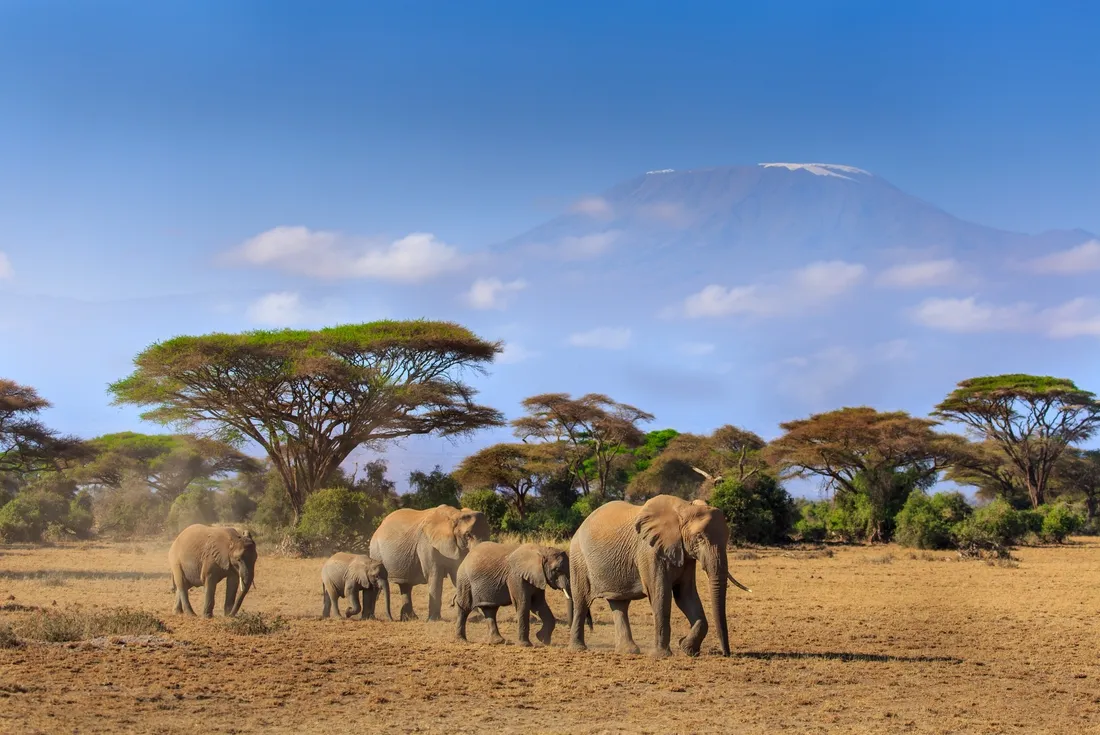
Serengeti & Kilimanjaro Trek
Combined safari and trekking tours offer wildlife adventures and Kilimanjaro climbs.
View Package →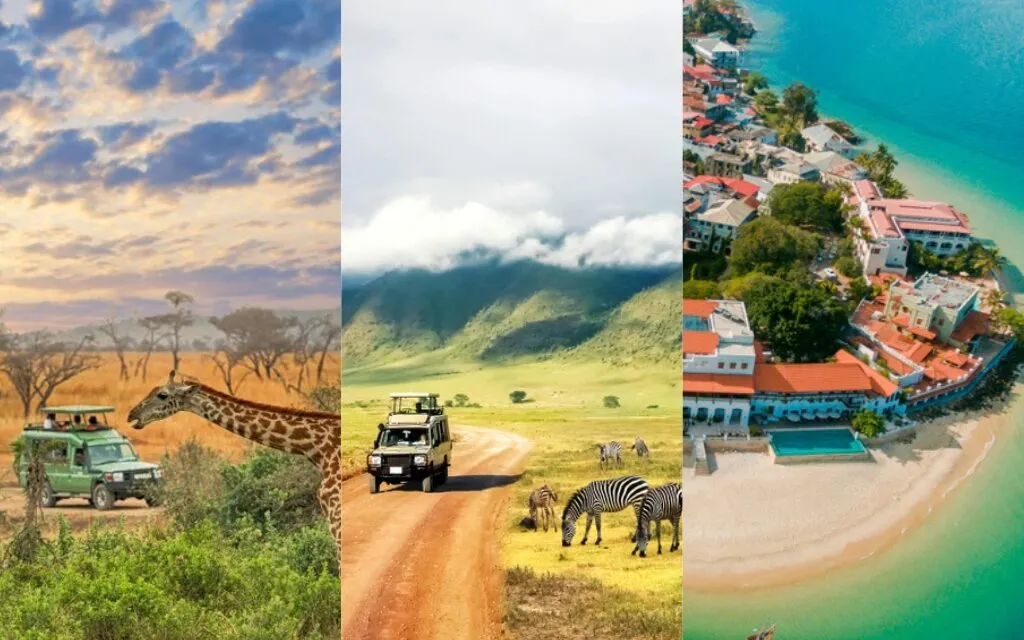
Serengeti & Zanzibar Tours
Luxury Tanzania safari & beach packages with the Great Migration and pristine beaches.
View Package →Ready to Visit Africa’s Most Educated Nations?
Let Capable Africa Tours combine university visits in Nairobi with Serengeti safaris and Zanzibar relaxation.
Get Free Quote – Study & Safari ComboFrequently Asked Questions: Most Educated Countries in Africa 2026
Related: Best Time to Visit Tanzania 2026 – Combine educational tours with perfect safari weather.