
Unforgettable Rewards: What to Expect After Climbing Kilimanjaro
Climbing Kilimanjaro is more than a physical challenge—it’s a life-changing adventure. Standing at the base of Africa’s highest peak, you may feel a mix of excitement, anticipation, and even a touch of anxiety. But by the time you reach Uhuru Peak, the highest point in Tanzania and the roof of Africa, the journey will leave a lasting impact on your mind, body, and spirit.
Whether you’re a first-time trekker or a seasoned adventurer, knowing what to expect before, during, and after the climb helps you prepare effectively, reduces surprises, and ensures a safer and more rewarding experience. From the practical aspects like gear and logistics to the emotional highs of standing atop the summit, this guide covers everything you need to know for an unforgettable Kilimanjaro adventure.
Book Your Kilimanjaro Climb NowPreparing for a Kilimanjaro Climb: Fitness and Gear Tips
Preparation is the foundation of a successful climb. While Kilimanjaro does not require technical climbing skills, it demands physical fitness, mental resilience, and smart planning.
Physical Preparation
Your body is your greatest asset on Kilimanjaro. Start training at least 8–12 weeks before your climb.
- Cardio training: Running, cycling, swimming, or brisk walking improves endurance. Aim for 30–60 minutes, 4–5 times a week.
- Strength training: Focus on legs, core, and back muscles. Exercises like squats, lunges, and planks prepare you for long hours of hiking with a backpack.
- Hiking practice: Trek on uneven terrain, preferably with a weighted backpack. Simulating real conditions helps your body adjust to prolonged uphill climbs.
Even moderate preparation significantly improves your chances of reaching the summit without extreme fatigue. Physical conditioning also reduces the likelihood of altitude sickness.
Mental Preparation
Climbing Kilimanjaro is as much a mental challenge as a physical one. A positive and adaptable mindset makes a huge difference.
- Visualize your trek: Mentally rehearsing each stage reduces anxiety. Picture yourself trekking through forests, moorlands, and alpine deserts.
- Anticipate challenges: Altitude, fatigue, cold nights, and unpredictable weather are all part of the experience. Accepting them in advance builds mental resilience.
- Set realistic expectations: Not every step will be easy. Celebrate small victories—like reaching a high camp—along the way.
Gear and Logistics
Packing the right gear is crucial. Kilimanjaro’s climate ranges from tropical at the base to arctic near the summit, so layers are essential.
Clothing:
- Thermal base layers
- Fleece jacket and warm outerwear
- Waterproof and windproof shell
Footwear:
- Waterproof, well-broken-in hiking boots
- Warm socks and gaiters
Accessories:
- Trekking poles for stability
- Gloves, hat, and sunglasses
- Hydration pack or reusable bottles
Other essentials:
- First-aid kit, sunscreen, and insect repellent
- Lightweight backpack for day essentials
- Certified guide and porter support
Booking through a reliable tour operator ensures permits, accommodation, meals, and safety measures are well-managed. Local operators also provide valuable insights on pacing and acclimatization, which are critical for a successful climb.
What to Expect During Your Kilimanjaro Trek
Kilimanjaro offers multiple trekking routes, each with unique scenery and pacing. Understanding the general flow of a climb helps you mentally and physically prepare for the journey ahead.
Daily Routine
- Early mornings: Most treks start before sunrise to maximize daylight and avoid harsh weather.
- Steady pace: Guides emphasize “pole pole” (slowly, slowly) to help with acclimatization and energy conservation.
- Regular breaks: Short, frequent stops allow for hydration, snacks, and photo opportunities.
Physical Experience
The climb will test your body in new ways.
- Altitude effects: Mild headaches, shortness of breath, and fatigue are common above 3,000 meters. Listening to your body and taking it slow is essential.
- Temperature variations: Warm at lower altitudes; freezing and windy near the summit. Layering helps you adapt.
- Terrain: Forested paths, rocky slopes, and alpine desert require sturdy footwear and careful footing.
Mental Experience
The climb challenges your mind as much as your body.
- Moments of doubt: Even experienced hikers face mental hurdles, especially near the summit.
- Support network: Guides, porters, and fellow trekkers often encourage, creating camaraderie and motivation.
- Achievement awareness: Every milestone—reaching a camp, crossing a high ridge—reinforces your progress and determination.
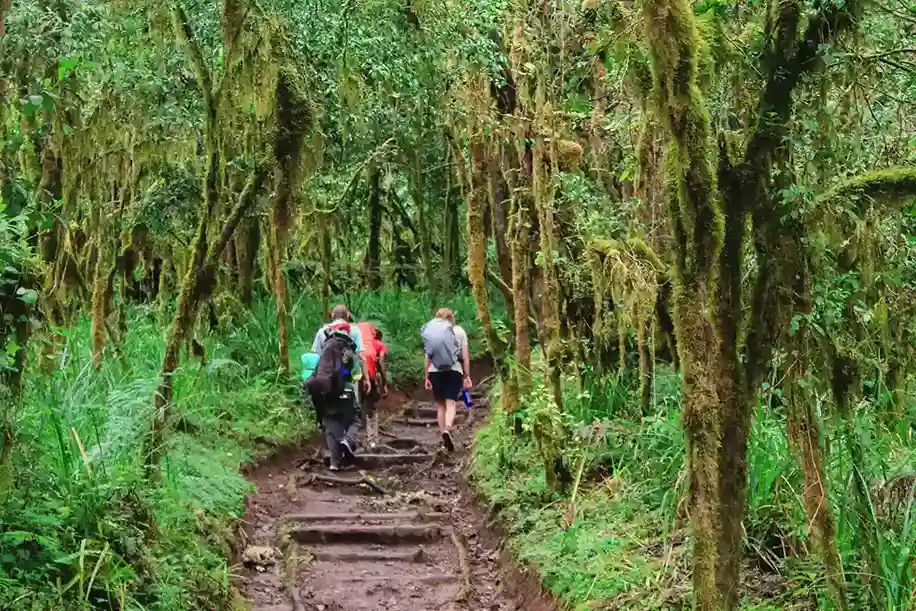
Scenic Rewards and Views on Kilimanjaro
Every step on Kilimanjaro reveals landscapes that are both diverse and awe-inspiring.
Forest Zone
- Dense rainforest, lush greenery, waterfalls, and abundant birdlife
- Occasional monkey sightings and small mammals enrich the trek
Moorland and Alpine Desert
- Unique giant lobelias and groundsels flourish in these zones
- Expansive views of valleys, plains, and distant peaks reward effort and persistence
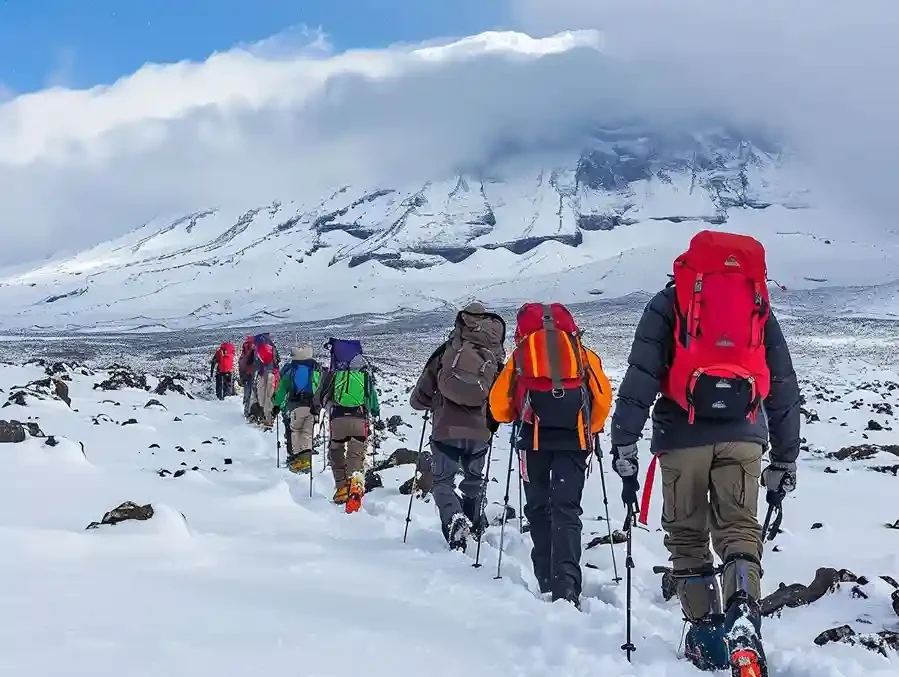
Summit Zone
- Stark, lunar-like terrain with rocky paths and icy ridges
- Sunrise at Uhuru Peak offers panoramic vistas over Tanzania and Kenya—an experience few places in the world can match
These scenic rewards are not just photo opportunities—they provide mental and emotional boosts that help trekkers push through physical fatigue.
Personal Growth: Transformative Experiences on Kilimanjaro
Kilimanjaro isn’t just about reaching the summit—it’s a journey of self-discovery and transformation.
- Self-discipline: Maintaining a slow, steady pace builds patience and focus.
- Confidence: Overcoming physical and mental challenges strengthens self-belief.
- Perspective: Facing adversity on the mountain encourages reflection, gratitude, and a renewed sense of purpose.
Many climbers describe the experience as life-changing, noting that the lessons learned on the mountain extend into their personal and professional lives.
Physical Challenges: Overcoming Hurdles During the Climb
Climbing Kilimanjaro is physically demanding. Even though it is a non-technical trek, the combination of altitude, weather, and terrain tests every climber. Understanding what to expect helps you prepare and persevere.
Altitude and Acclimatization
Altitude is the main challenge on Kilimanjaro. Most climbers reach elevations above 3,000 meters (9,800 feet) within the first few days. Common effects include:
- Headaches and fatigue: Mild to moderate headaches are normal.
- Shortness of breath: Lower oxygen levels make breathing more labor-intensive.
- Altitude sickness: Symptoms can include nausea, dizziness, and insomnia.
Tips to overcome altitude challenges:
- Climb slowly and steadily—“pole pole” (Swahili for slowly, slowly) is key.
- Drink plenty of water to stay hydrated.
- Take short breaks frequently to conserve energy.
- Follow your guide’s advice—never push yourself beyond limits.
Acclimatization is critical. Routes like Lemosho and Machame are popular because their gradual ascents increase your chances of summiting safely.
Fatigue and Muscle Strain
Trekking 6–8 hours daily over uneven terrain can strain your muscles, especially your legs and core.
Practical strategies:
- Strengthen muscles in advance: Squats, lunges, planks, and cardio workouts reduce post-trek soreness.
- Use trekking poles: Poles take pressure off knees and improve balance on rocky paths.
- Pace yourself: Avoid rushing, particularly on steep slopes.
Even seasoned hikers feel tired at times. The key is mindful pacing and listening to your body—it makes the summit more attainable.
Weather Challenges
Kilimanjaro’s weather varies dramatically from the base to the summit. Expect:
- Warm, humid conditions in the rainforest zone.
- Cold, windy weather above the moorlands.
- Sub-zero temperatures near Uhuru Peak, especially during pre-dawn summit climbs.
Tips for coping with the weather:
- Dress in layers for easy adjustment.
- Keep dry by using a waterproof outer layer and quick-drying clothing.
- Protect extremities—gloves, hats, and thermal socks are essential.
Weather unpredictability is part of the adventure. Staying prepared and flexible ensures safety and comfort.
Cultural Encounters: Engaging with Local Communities
Kilimanjaro isn’t just about nature—it’s also a window into Tanzania’s vibrant culture. The climb introduces trekkers to local guides, porters, and villagers who make the journey possible.
Guides and Porters
- Guides provide expert knowledge, route management, and support.
- Porters carry gear, set up camps, and ensure you’re safe.
- Engaging with them offers insight into local traditions, language, and hospitality.
Tip: Always treat porters and guides with respect and fairness. Tipping appropriately reflects gratitude and supports the local economy.
Village Visits and Local Life
Some routes pass near small villages where you can experience Tanzanian culture firsthand:
- Observe traditional farming techniques.
- Learn about local food and customs.
- Engage respectfully in conversation or cultural activities.
These encounters enrich the climb and create lasting memories beyond the mountain itself.
Summit Experience and Emotional Rewards on Kilimanjaro
Reaching Uhuru Peak is the pinnacle of your Kilimanjaro adventure—a moment of triumph that rewards months of preparation and perseverance.
Sunrise at the Summit
Many climbs start pre-dawn to catch sunrise at the summit. Expect:
- Golden hues over the clouds
- Dramatic shadows across Africa’s plains
- A sense of accomplishment unlike anything else
Photographs capture the scenery, but the emotional impact is even greater.
Emotional Highs
Standing at 5,895 meters (19,341 feet), climbers often report:
- Euphoria and pride at completing the challenge
- Reflection on personal growth and resilience
- Gratitude for support from guides, fellow climbers, and family
The summit is both a physical and emotional milestone.
Group Celebrations
For group treks, the summit experience is shared joy. Climbers encourage each other, share photos, and sometimes celebrate with small rituals or cheers. This sense of camaraderie adds another layer of fulfillment to the adventure.
Post-Climb Reflections: Emotions and Insights
After descending, climbers often feel a mix of exhaustion, relief, and reflection. This phase is as important as the climb itself.
Personal Insights
Many report life-changing lessons:
- Patience and persistence matter more than speed.
- Teamwork and support can overcome seemingly impossible challenges.
- Facing fears builds confidence in daily life, not just on the mountain.
Physical Recovery
Recovery is critical:
- Rest and hydrate to restore energy.
- Gentle stretching or yoga can relieve sore muscles.
- A balanced diet replenishes nutrients lost during the climb.
Taking time to reflect on both physical and emotional growth enhances the lasting impact of the adventure.
Kilimanjaro Trekking Tips for Future Climbers
Climbing Kilimanjaro is a life-changing experience, but preparation and strategy are key to maximizing your adventure. Here are practical tips to ensure your trek is both safe and memorable.
Start Training Early
Even if you’re generally fit, Kilimanjaro requires specific endurance and strength:
- Cardio exercises: Running, cycling, and swimming build stamina for long trekking days.
- Strength training: Focus on legs, core, and back muscles to handle steep climbs and uneven terrain.
- Practice hikes: Train with a loaded backpack on hilly or mountainous terrain to simulate real conditions.
Starting at least 8–12 weeks in advance increases your chances of reaching the summit comfortably.
Choose the Right Route
Kilimanjaro offers multiple trekking routes, each with unique characteristics. Some are more suitable for beginners, while others challenge seasoned climbers.
- Marangu Route: Known as the “Coca-Cola route,” it offers hut accommodations but a faster ascent that may increase altitude sickness risk.
- Machame Route: Popular for its scenic variety and gradual acclimatization. Ideal for first-timers seeking both adventure and higher success rates.
- Lemosho Route: Less crowded, with longer acclimatization periods. Perfect for those aiming for both high success and incredible scenery.
- Rongai Route: Approaches from the north; drier and less busy, making it a good option for a quieter experience.
Tip: Consult with your tour operator to select the route that matches your fitness level, time, and personal goals.
Pace Yourself
The key to success is maintaining a slow, steady pace throughout the climb.
- “Pole pole” (slowly, slowly): This is essential to prevent altitude sickness.
- Regular breaks: Short rests every hour help conserve energy and keep your body hydrated.
- Listen to your body: Fatigue, headaches, or nausea are signals to rest.
Remember, Kilimanjaro is a journey, not a race. Reaching the summit is about endurance and careful pacing, not speed.
Hydrate and Eat Smart
Maintaining energy levels is critical for summit success:
- Hydration: Drink 3–4 liters of water per day. Consider electrolyte tablets for long days.
- Balanced meals: Tour operators provide carbohydrate-rich meals to fuel your trek.
- Snacks: Bring energy bars, nuts, and dried fruit for quick boosts.
Tip: Avoid alcohol and excessive caffeine—they can dehydrate you and worsen altitude effects.
Gear and Clothing Essentials
Proper gear improves comfort and safety:
- Layered clothing: Thermal base layers, fleece, and a waterproof shell for cold and rain.
- Footwear: Waterproof hiking boots with ankle support.
- Accessories: Gloves, hat, sunglasses, trekking poles, and a hydration system.
- Backpack essentials: Snacks, water, camera, headlamp, and first-aid items.
Packing light but smart ensures you can focus on the experience rather than carrying unnecessary weight.
Respect Local Culture and Environment
Kilimanjaro treks pass through Tanzanian communities and fragile ecosystems. Respecting both is vital:
- Porters and guides: Treat them with respect and tip fairly; they work hard to support your climb.
- Environmental care: Stick to designated trails, avoid littering, and follow park rules.
- Engage with communities: Visiting nearby villages or markets enriches your experience while supporting local livelihoods.
Capture the Moments Mindfully
Photos are important, but don’t let them overshadow the experience:
- Take time to look around: Breathtaking landscapes and wildlife deserve your full attention.
- Sunrise and summit: Capture the early morning glow at Uhuru Peak—it’s unforgettable.
- Journaling: Recording thoughts and emotions during the trek adds a personal dimension that photos can’t capture.
Long-Term Rewards and Lessons from Climbing Kilimanjaro
Climbing Kilimanjaro is a transformative experience that leaves a lasting impression on your life, perspective, and personal growth. From the initial preparation to the exhilarating summit, every step challenges you physically, mentally, and emotionally.
Physical Rewards
- Increased endurance and strength
- Enhanced awareness of your body’s capabilities
- A sense of accomplishment that validates your training and perseverance
Emotional and Personal Growth
- Confidence in overcoming seemingly impossible challenges
- Patience, focus, and mental resilience
- Profound gratitude for nature, life, and supportive companions
Scenic and Cultural Rewards
- Stunning landscapes, from lush rainforest to alpine desert and icy summit zones
- Interaction with local guides and porters, providing insight into Tanzanian culture and traditions
- Memories that last a lifetime, shared with fellow trekkers from around the world
Key Takeaways for Future Climbers
- Preparation is everything: train, pack smart, and select the right route.
- Pace yourself and acclimatize—summit success depends on endurance, not speed.
- Engage fully with the experience—nature, culture, and fellow climbers make the journey richer.
- Respect the environment and local communities to preserve Kilimanjaro for future generations.
Climbing Kilimanjaro is more than reaching the peak—it’s about the journey, the challenges, the triumphs, and the unforgettable moments along the way. Whether you’re a first-time trekker or a seasoned adventurer, the mountain offers rewards that extend far beyond its physical heights: personal growth, breathtaking beauty, and a sense of achievement that lasts a lifetime.
No matter the route, the pace, or the preparation, the memories of Kilimanjaro will remain with you long after you descend—an inspiration for future adventures and a benchmark for personal resilience and courage.
Climb with Trusted Kilimanjaro Experts
Capable Africa Tours is a locally owned Tanzanian tour operator with extensive hands-on experience guiding climbers on Mount Kilimanjaro. Our team lives and works at the foothills of the mountain, giving us unmatched knowledge of Kilimanjaro’s routes, weather patterns, and altitude conditions.
- Local Expertise: All climbs are led by professional Tanzanian guides trained specifically for Mount Kilimanjaro.
- Certified & Safety-Focused: Our guides are first-aid trained and follow Kilimanjaro National Park (KINAPA) safety regulations.
- Proven Experience: Years of guiding experience with carefully designed itineraries that support proper acclimatization.
- Ethical & Responsible: We ensure fair porter treatment and support local communities surrounding Mount Kilimanjaro.
- Trusted by Global Travelers: Climbers from around the world choose Capable Africa Tours for honest advice, transparent pricing, and personalized service.
When you climb with Capable Africa Tours, you’re not just booking a trek—you’re trusting experienced professionals who prioritize your safety, comfort, and summit success.
Last Updated: December 2025
Ready to Experience the Rewards of Kilimanjaro?
Now that you know the unforgettable rewards waiting after the summit, let Capable Africa Tours guide you to Uhuru Peak with safety, expertise, and care.
- Well-paced itineraries for better acclimatization and higher success rates
- Experienced local guides and dedicated support crew
- Ethical porter treatment and responsible trekking
- Personalized service for an unforgettable journey
- Support before, during, and after your climb—including recovery tips
Explore More About Tanzania beyond Climbing Mount Kilimanjaro
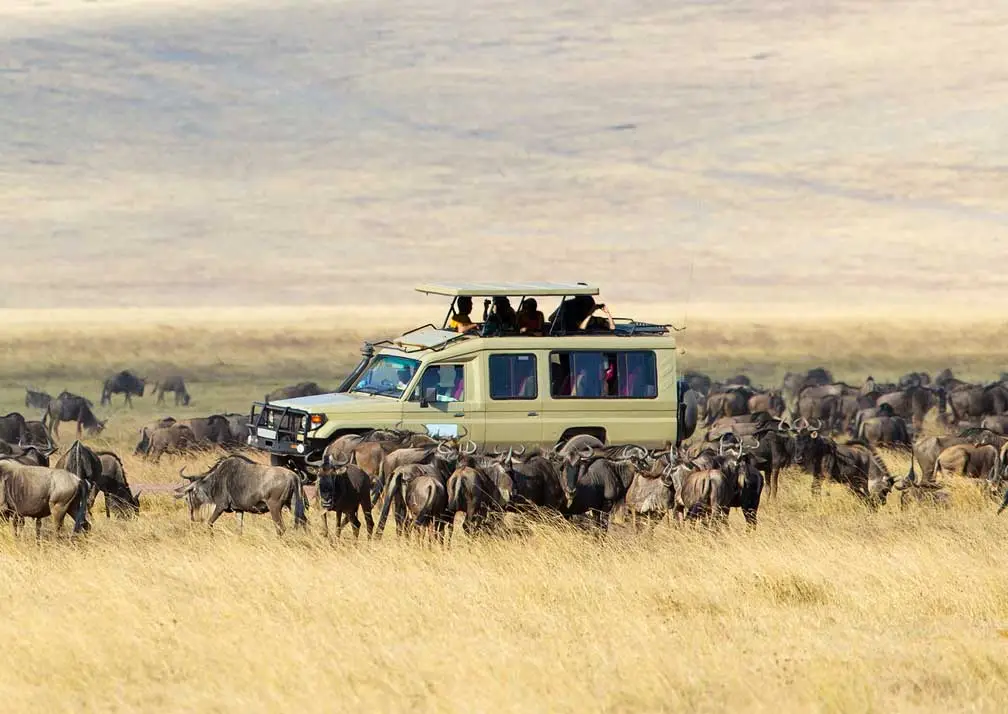
Great Migration Safaris
Experience one of nature’s greatest spectacles with our Great Migration safari packages, timed for river crossings or calving.
View Package →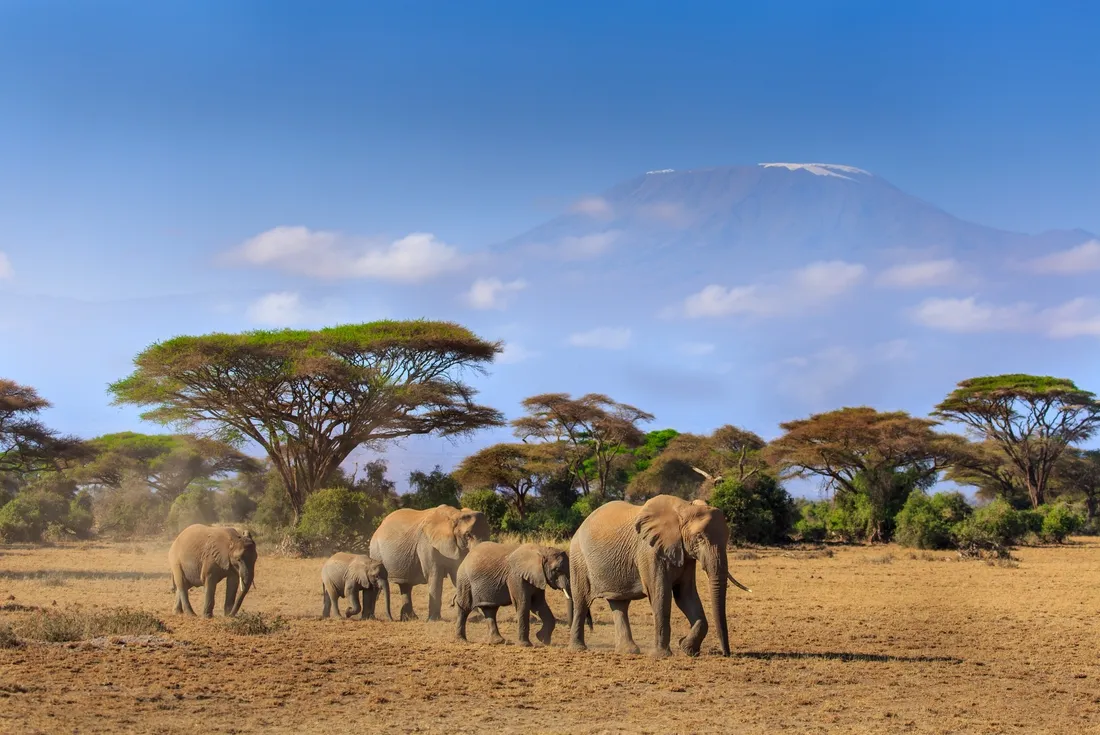
Serengeti & Kilimanjaro Trek
Combined safari and trekking tours offer wildlife adventures and Kilimanjaro climbs.
View Package →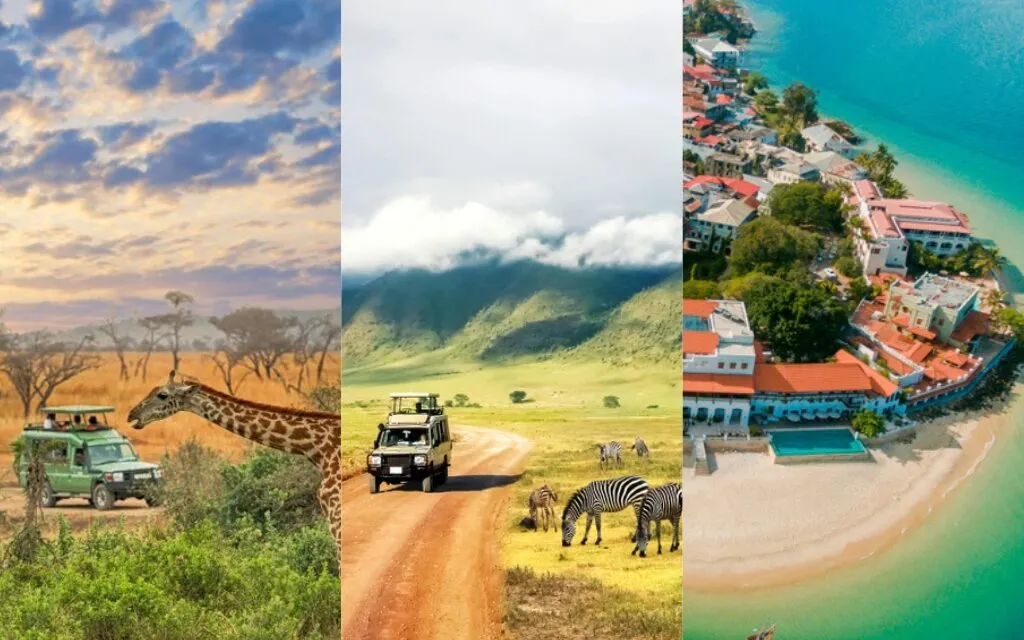
Serengeti & Zanzibar Tours
Luxury Tanzania safari & beach packages with the Great Migration and pristine beaches.
View Package →