Lake Manyara National Park
Groundwater forest, lake-edge and woodland habitats create useful variety, although water levels and access change.

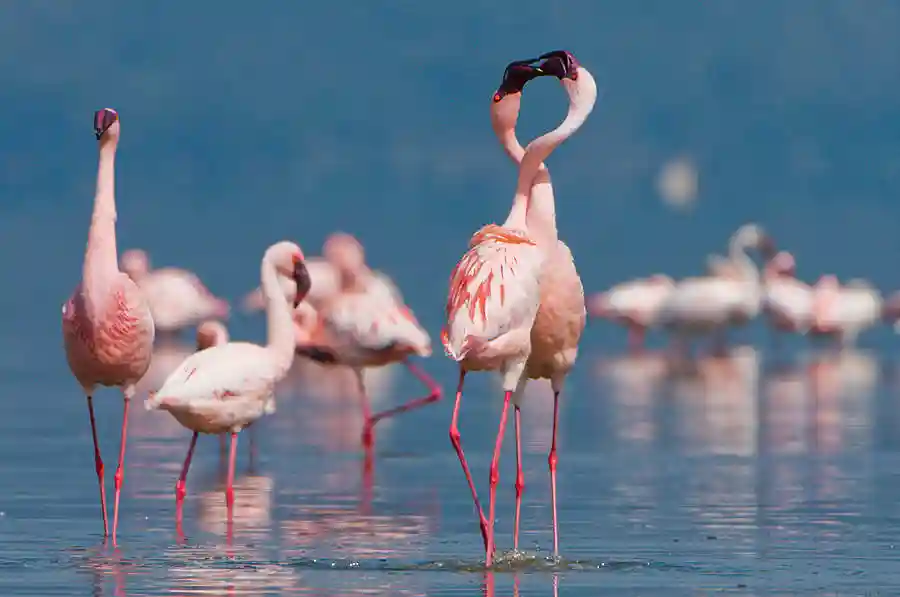
This 6-day Tanzania Birdwatching safari focuses on wetlands, woodlands, grasslands and escarpments supporting resident and migratory birds across Serengeti, Ngorongoro Crater, Tarangire and Lake Manyara, with room for an extension. It explains suitable parks, timing and viewing strategy without guaranteeing sightings or seasonal events. Prices are per person and based on starting and ending in Arusha; final cost varies by season, group size, route, accommodation, transfers, flights, specialist guiding and activities. Named lodges and camps are recommendations subject to availability, and comparable or client-selected alternatives may be used.
Request a QuoteA birdwatching safari should prioritize habitat diversity and slower game drives. Lake Manyara, Tarangire, Ngorongoro and Serengeti can be combined according to season, road conditions and target species.
Best for: birders, nature photographers, repeat visitors, green-season travelers and guests who enjoy detailed natural-history interpretation.
These existing destination itineraries are the closest route matches. The exact overnight region and park sequence should be adjusted for season, wildlife movement and available accommodation.

This route is best for travelers who want wildlife and culture without the longer road journey to Serengeti. It combines Tarangire elephants, Ngorongoro Crater wildlife, Lake Manyara scenery, and...
View Itinerary →
This is the classic 6-day Northern Tanzania safari route for first-time visitors. It combines Tarangire’s elephants, Serengeti’s big cats and open plains, Ngorongoro Crater’s...
View Itinerary →
This route removes Lake Manyara and focuses on three high-value wildlife destinations. It works well when travelers want elephants in Tarangire, more time for Serengeti game drives, and...
View Itinerary →This example is flexible. Wildlife distribution, rainfall, road conditions and park rules may require the guide to adjust daily priorities.
Tell the operator whether you are a beginner, keen birder or specialist. A bird-focused guide, window position, binoculars and a route that allows frequent stops are more important than covering many kilometers.
The quotation is mainly influenced by specialist guide availability, private vehicle use, number of habitats, remote locations, accommodation and whether dawn walks or additional activities are included.
Ask for an itemized price showing park and conservation fees, accommodation, vehicle type, guide service, transfers, flights and any specialist arrangements.
Use these supporting pages to compare the same duration by wildlife priority rather than only by destination.
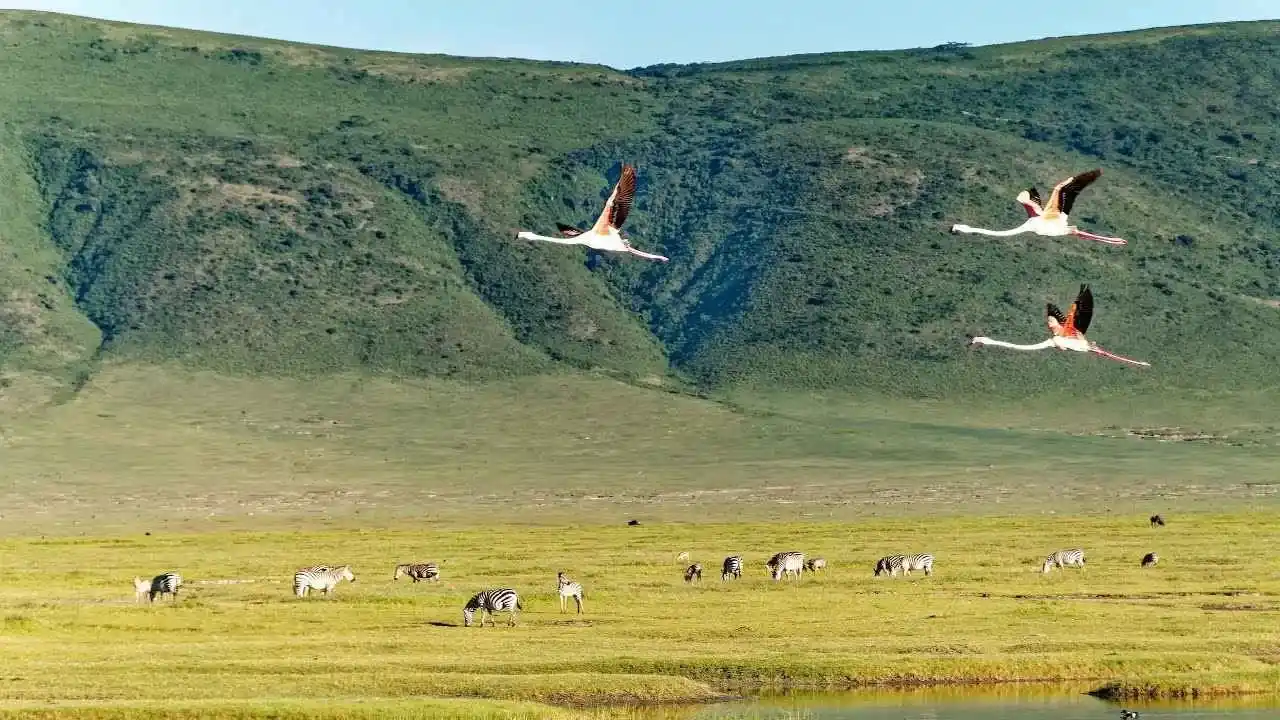
Prioritize the habitats that improve opportunities for lion, leopard, elephant, buffalo and black rhino without treating sightings as guaranteed.
Explore Big Five Safari →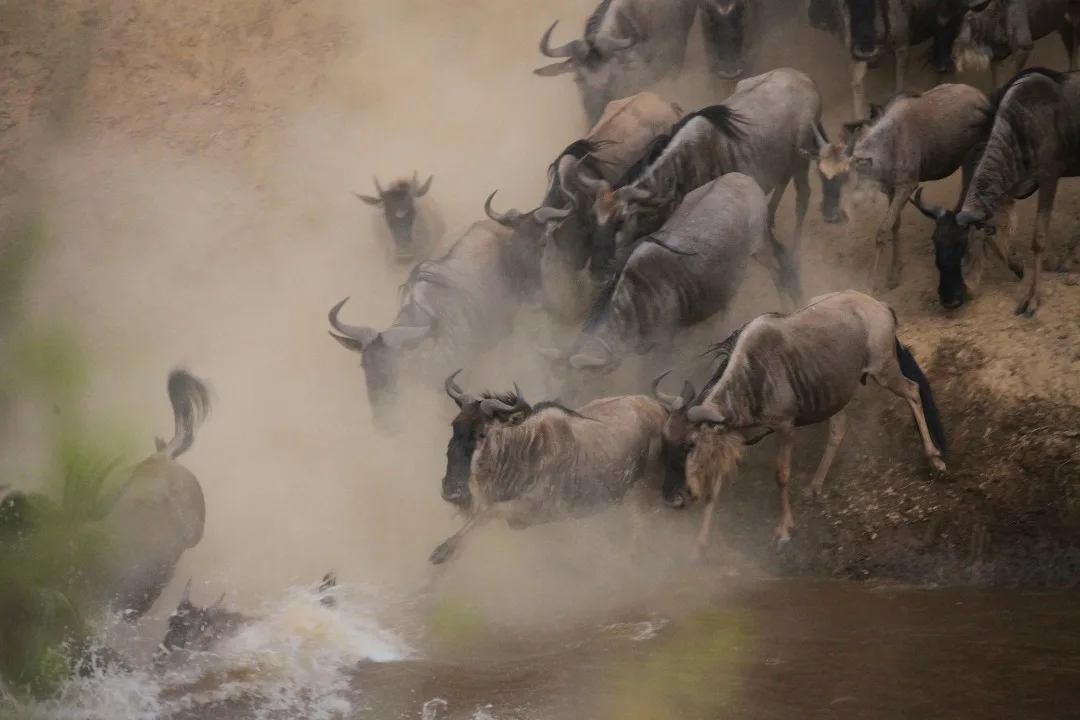
Match the Serengeti region to the travel month and rainfall pattern, with enough time in the field for natural movement rather than a promised single event.
Explore Great Migration Safari →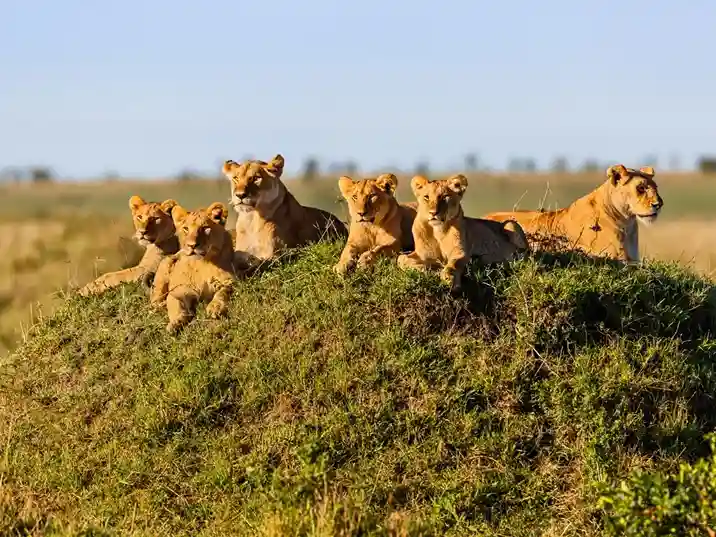
Allocate more time to Serengeti and Ngorongoro, use early starts and focus on behavior, habitat and patient observation of big cats and other carnivores.
Explore Predator Safari →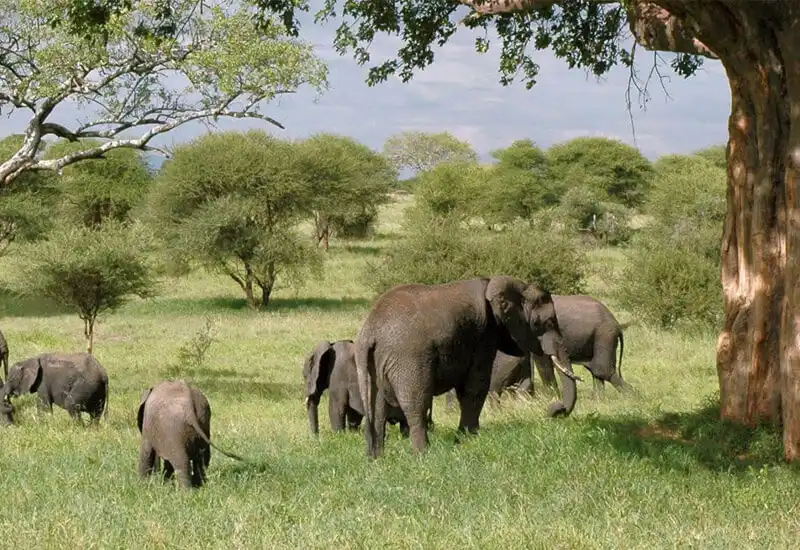
Build the route around Tarangire and complementary Northern Circuit habitats for elephant herds, family behavior, baobab scenery and river-based wildlife.
Explore Elephant Safari →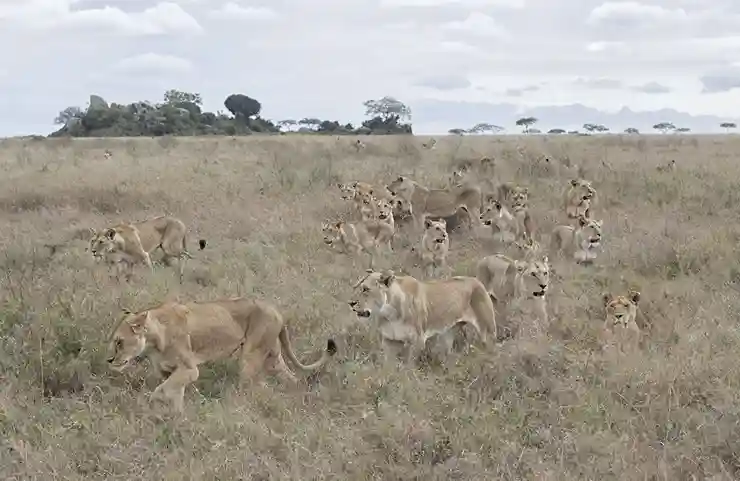
Protect golden-hour game drives, reduce unnecessary park changes and plan vehicle space, guide positioning, equipment charging and luggage carefully.
Explore Photography Safari →Share your travel month, group size, starting point, accommodation preference and the wildlife experience that matters most. We will recommend a realistic route and itemized quotation.
Request Your QuoteChat on WhatsApp