Typical pace
Balanced to relaxed

These 6-day Tanzania safari packages compare realistic Northern Circuit routes for travelers wanting more game-viewing time and fewer rushed transfers. Depending on the itinerary, the safari may combine Serengeti, Ngorongoro Crater, Tarangire and Lake Manyara, with room for an extension. The page covers travel styles, starting points, wildlife interests and accommodation choices. Prices are per person and based on starting and ending in Arusha; final cost varies by season, group size, route, accommodation, transfers, flights and activities. Named lodges and camps are recommendations subject to availability, and comparable or client-selected alternatives may be used.
Request a 6-Day Safari QuoteA 6-day Tanzania safari is one of the best short-to-medium Northern Circuit options. Travelers can realistically visit Serengeti National Park, Ngorongoro Crater, Tarangire, and sometimes Lake Manyara or Lake Eyasi, with enough time for proper game drives, Big Five opportunities, and a smoother pace than shorter safari routes.
Use this page to compare real itinerary choices for a 6-day safari—not only parks, but also travel style, traveler type, budget, departure point, accommodation, wildlife focus and season.
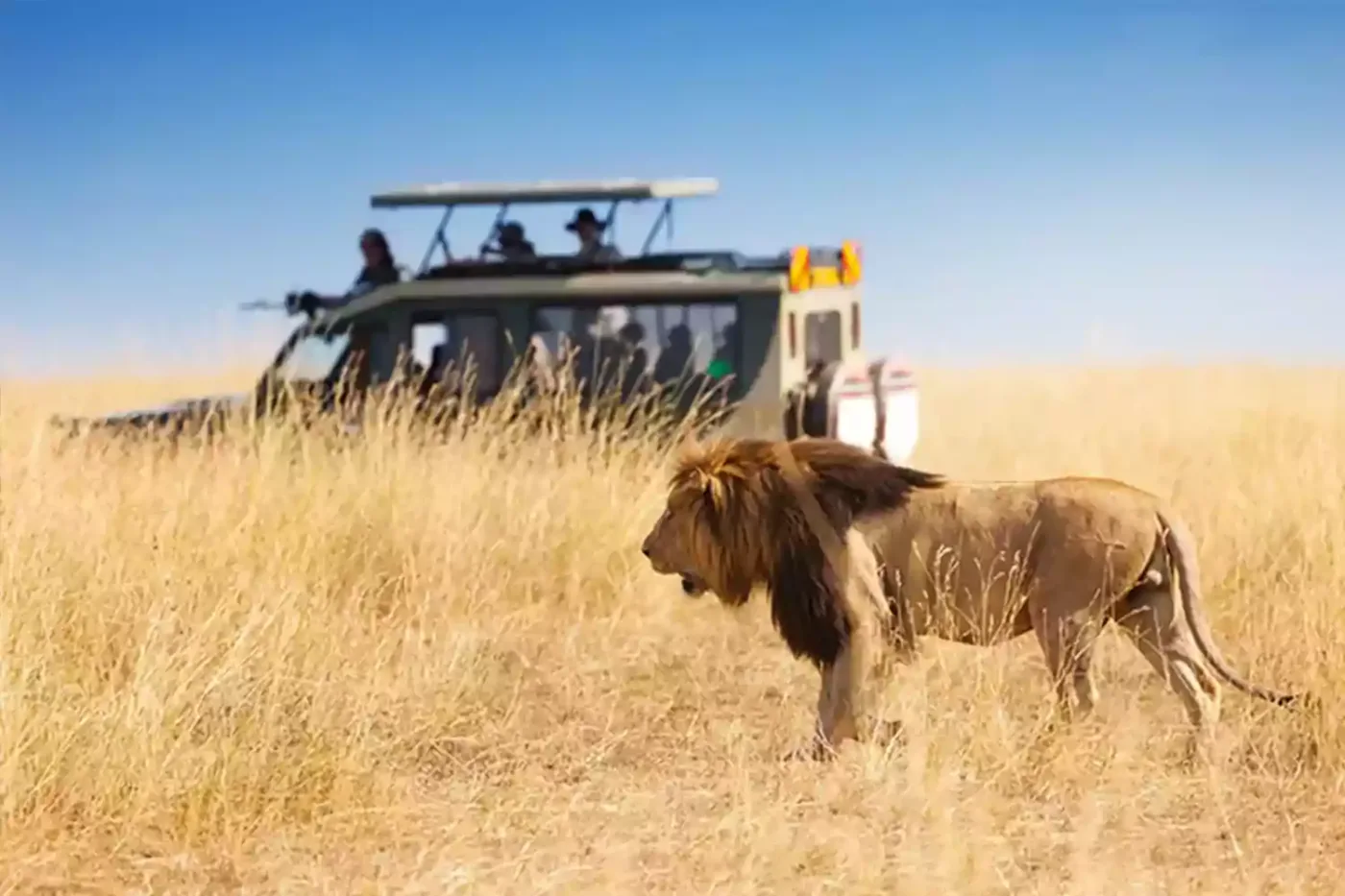
Six days is a strong safari duration for travelers who want more than a quick wildlife visit but still need a compact itinerary. With six days, you can include the major Northern Tanzania safari destinations without forcing every day to feel like a transfer day. It is especially useful for visitors who want Serengeti National Park and Ngorongoro Crater, but also want the option of Tarangire’s elephants, Lake Manyara’s scenery, or a cultural experience near Lake Eyasi.
For first-time visitors, a 6 days Tanzania safari normally gives the best balance between wildlife quality, travel logistics, and budget control. Serengeti rewards travelers who spend more than one night inside or near the park, while Ngorongoro Crater works well as a high-density wildlife experience near the end of the trip. Tarangire is also valuable, especially in the dry season when elephants and other animals gather around water sources.
The main advantage of six days is flexibility. You can choose a classic route with four destinations, a slower Serengeti-focused route, a family-friendly route with shorter movements, or a seasonal Great Migration route. The limitation is that six days still requires smart planning. Trying to include every famous destination in Tanzania will reduce game drive quality, so we recommend focusing on the Northern Circuit and choosing the route based on your arrival time, season, wildlife interests, and comfort level.
These six safari packages are selected for practical routing, wildlife quality, search demand, traveler popularity, and commercial value. They are not random combinations. Each route can be adjusted into budget camping, mid-range lodge, comfort tented camp, or luxury safari style depending on your preference.
This is the classic 6-day Northern Tanzania safari route for first-time visitors. It combines Tarangire’s elephants, Serengeti’s big cats and open plains, Ngorongoro Crater’s...
View Tour →
This itinerary is best for travelers who prefer quality time in Serengeti instead of adding many parks. With more nights in or near Serengeti, you get better chances for big cats, open-plains wildlife, and...
View Tour →
This route removes Lake Manyara and focuses on three high-value wildlife destinations. It works well when travelers want elephants in Tarangire, more time for Serengeti game drives, and...
View Tour →
This route is a good option for travelers who want scenic variety, birdlife, forest habitat, Serengeti plains, and Ngorongoro Crater without adding Tarangire. Lake Manyara gives a softer start...
View Tour →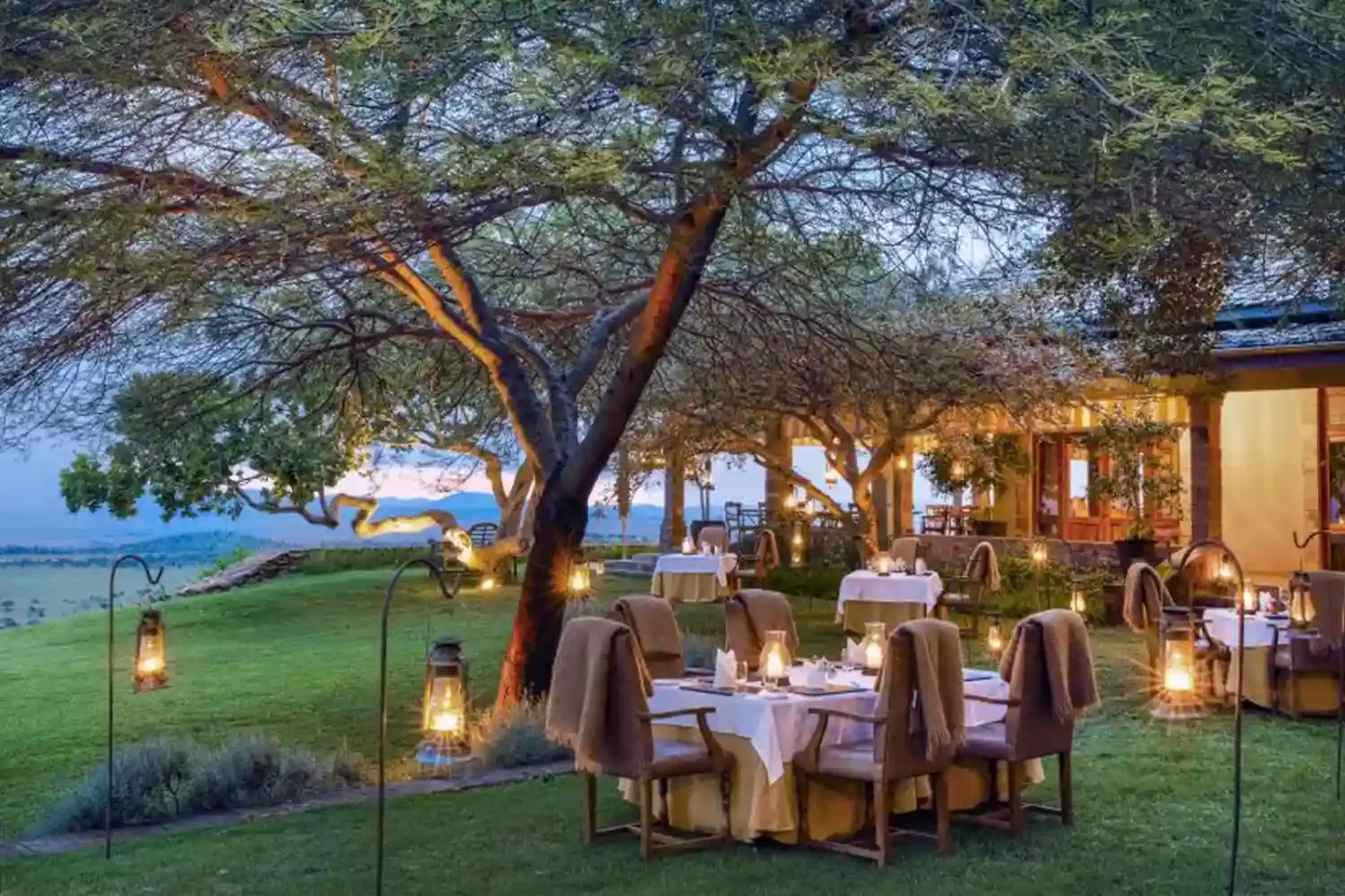
This seasonal safari is designed around the Great Migration when the route and accommodation location are planned correctly. Depending on the month, the focus may be Central Serengeti, Ndutu, Western Serengeti...
View Tour →
This route is best for travelers who want wildlife and culture without the longer road journey to Serengeti. It combines Tarangire elephants, Ngorongoro Crater wildlife, Lake Manyara scenery, and...
View Tour →Six days gives enough time to see the core Northern Circuit with better game-viewing depth, or to add culture without turning every day into a transfer day. The same number of days can feel completely different depending on transport, accommodation and how much flexibility you need.
A dedicated 4×4 and professional guide, flexible game-drive timing, and a route shaped around your group.
Explore Private Safari →
Premium lodges or tented camps, strong locations, private guiding, refined service and carefully managed logistics.
Explore Luxury Safari →
A wildlife-first itinerary using practical camps or value lodges while controlling accommodation and transport costs.
Explore Budget Safari →
A close-to-nature safari using public or special campsites, supported by a guide and camping crew.
Explore Camping Safari →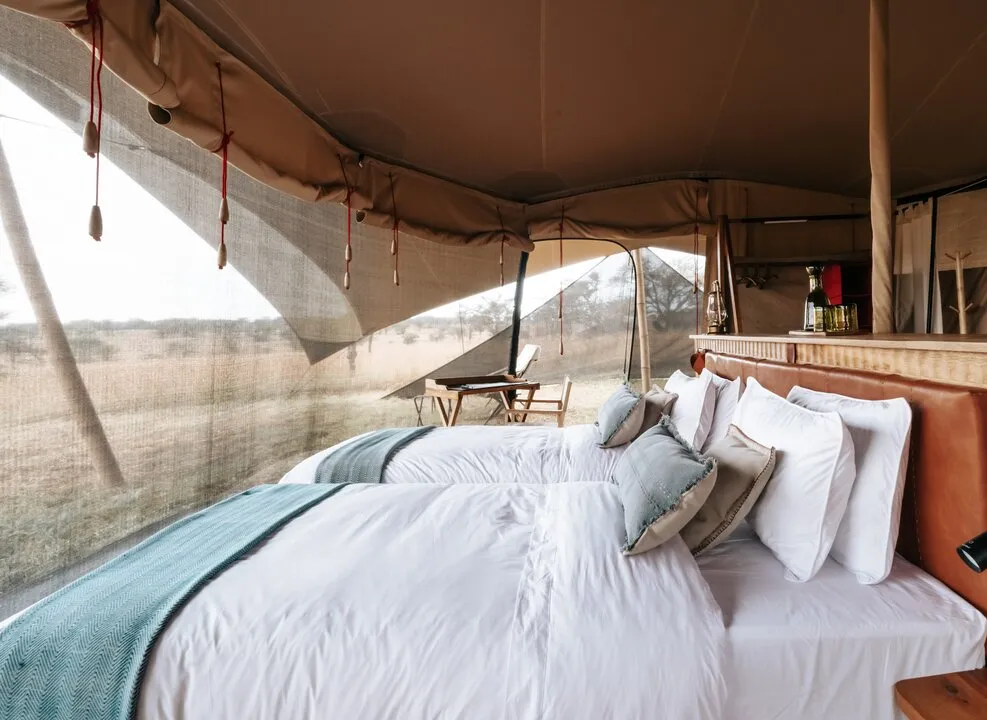
Permanent rooms, private bathrooms and reliable comfort between game drives, with choices from value to luxury.
Explore Lodge Safari →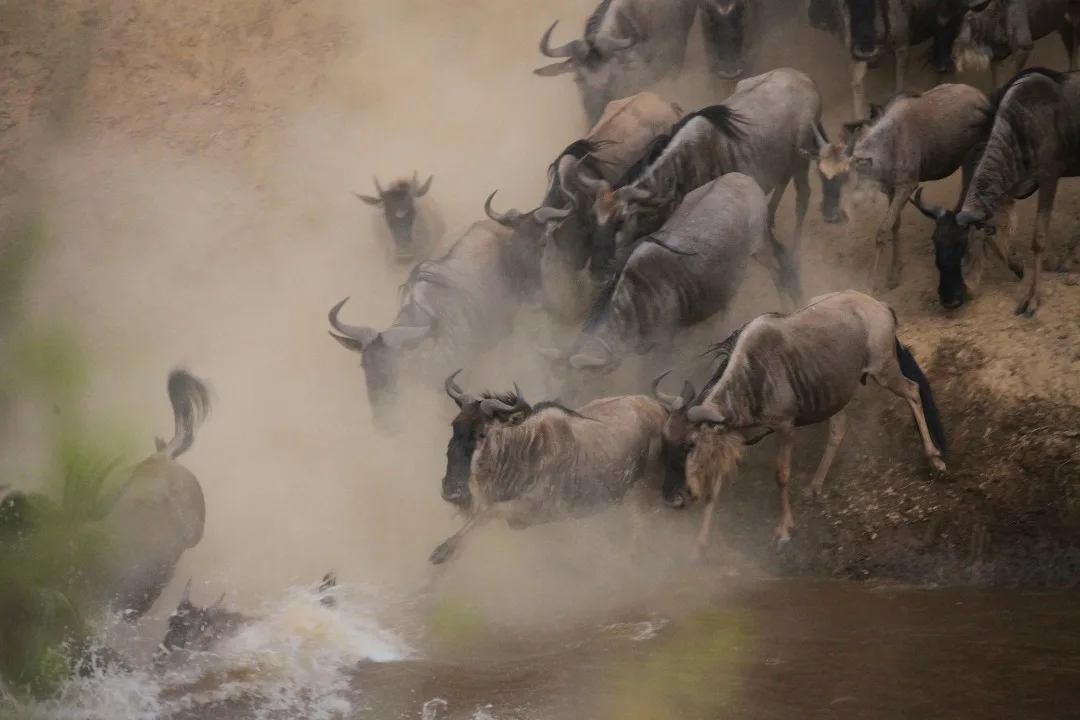
Domestic flights reduce long road transfers and connect efficiently with Serengeti, Zanzibar or one-way safari routes.
Explore Fly-In Safari →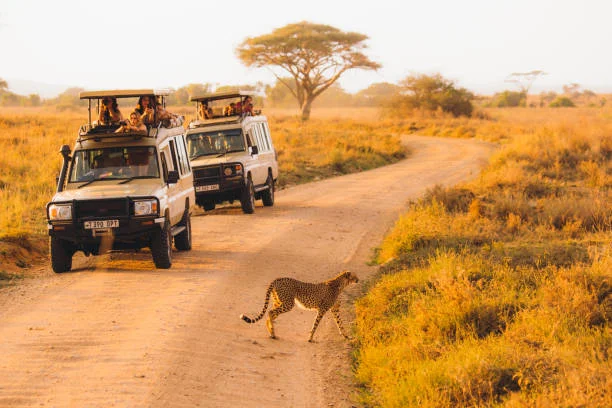
A scheduled shared safari with fixed routing and departure dates that spreads vehicle costs among travelers.
Explore Group Joining Safari →Compare quotations on the same basis. A low headline price may exclude park fees, crater fees, airport transfers, drinks, tips or important route details.
Read the Tanzania safari cost guide for the factors that affect quotations, then request an itemized price for the exact route.
Departure point changes the usable safari time, transfer cost and best park sequence. Choose the page that matches where your trip actually begins.
The standard Northern Circuit departure point, with the most efficient road access to Tarangire, Lake Manyara, Ngorongoro and Serengeti.
Explore Safari from Arusha →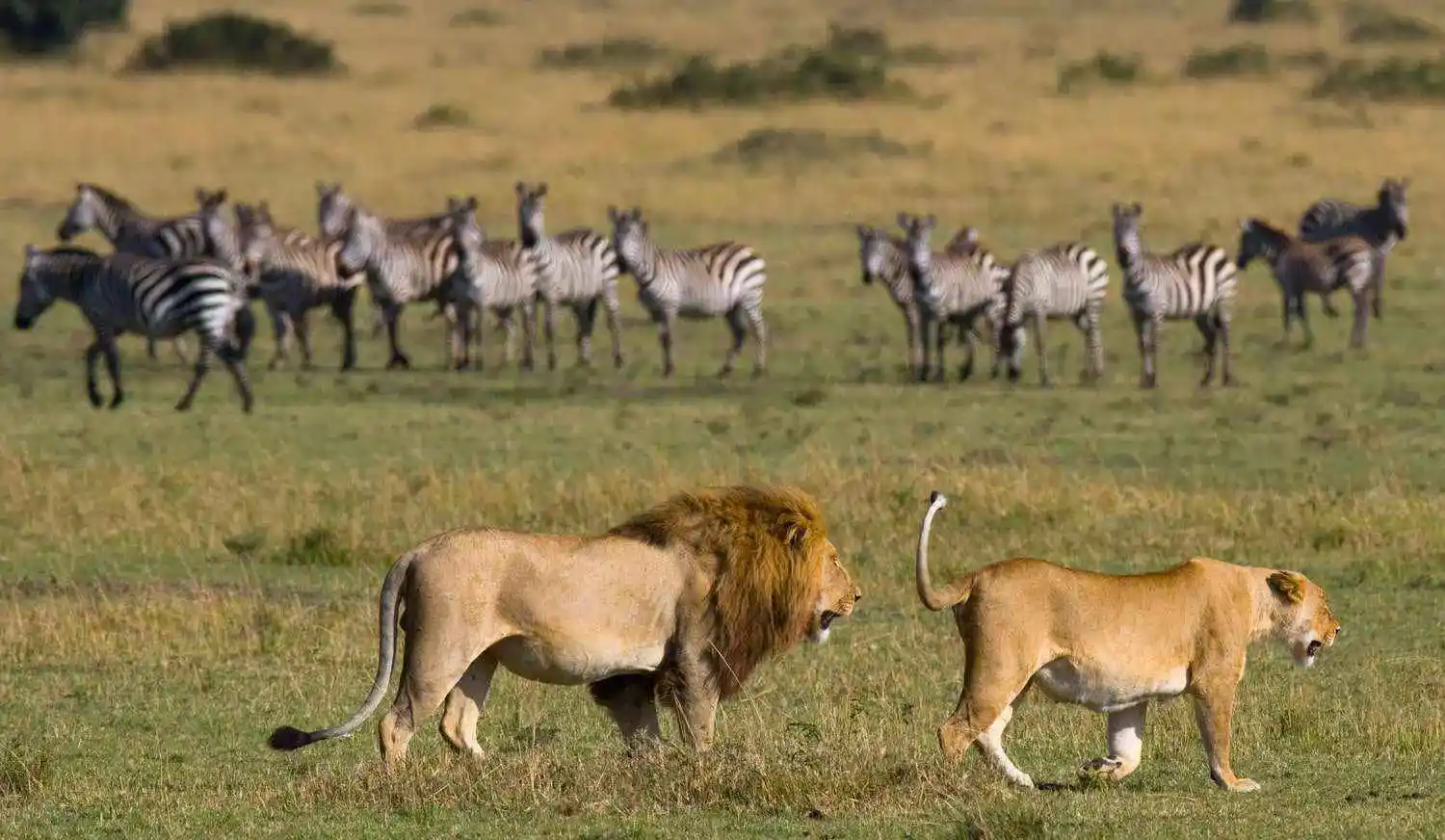
A convenient departure after Kilimanjaro trekking or a Moshi stay, with an additional transfer toward the Northern Circuit parks.
Explore Safari from Moshi →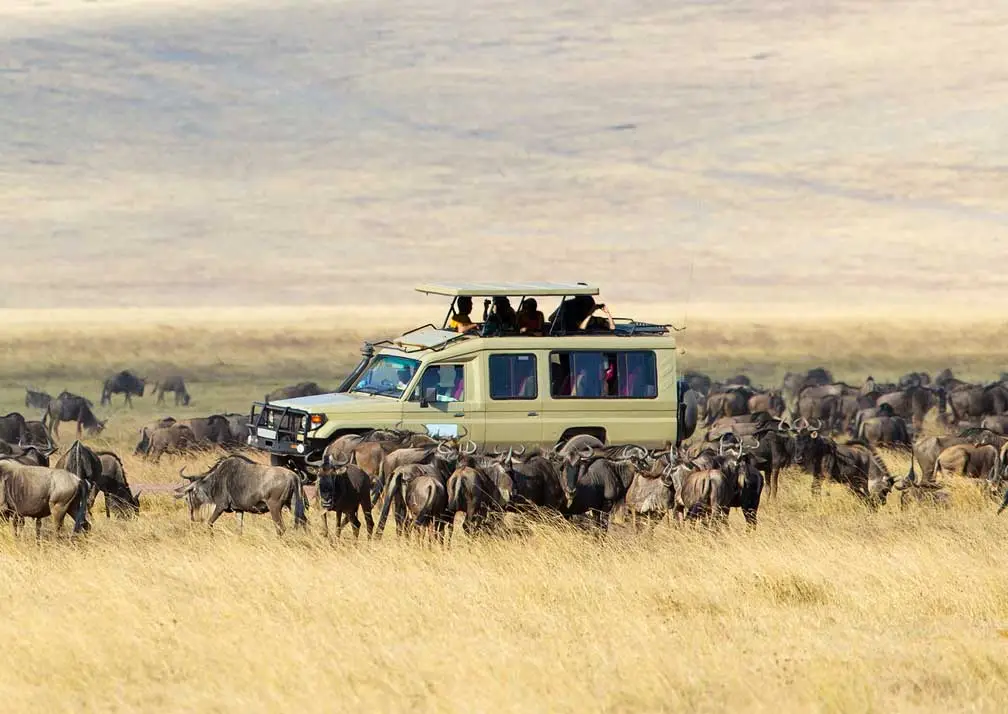
Connect a beach holiday with the mainland by flying to Arusha, Kilimanjaro or a Serengeti airstrip, then continue by road or air.
Explore Safari from Zanzibar →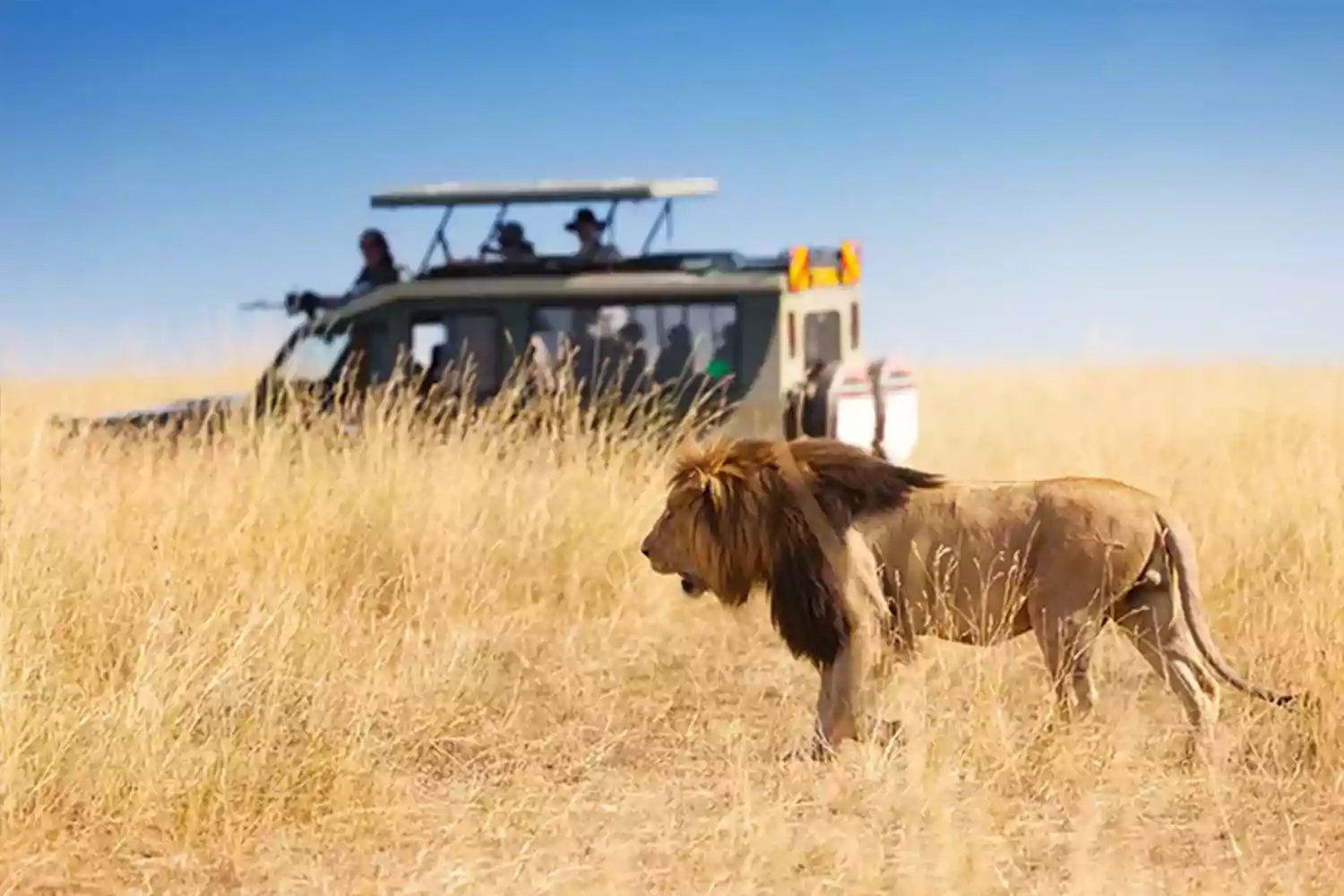
Start from Kilimanjaro International Airport (JRO) with an airport pickup, then continue to Arusha, Moshi or directly toward the first park when timing is realistic.
Explore Safari from Kilimanjaro International Airport →Choose a safari according to the wildlife experience you value most. Sightings and natural events cannot be guaranteed, but the right habitat, season and route improve the opportunity.
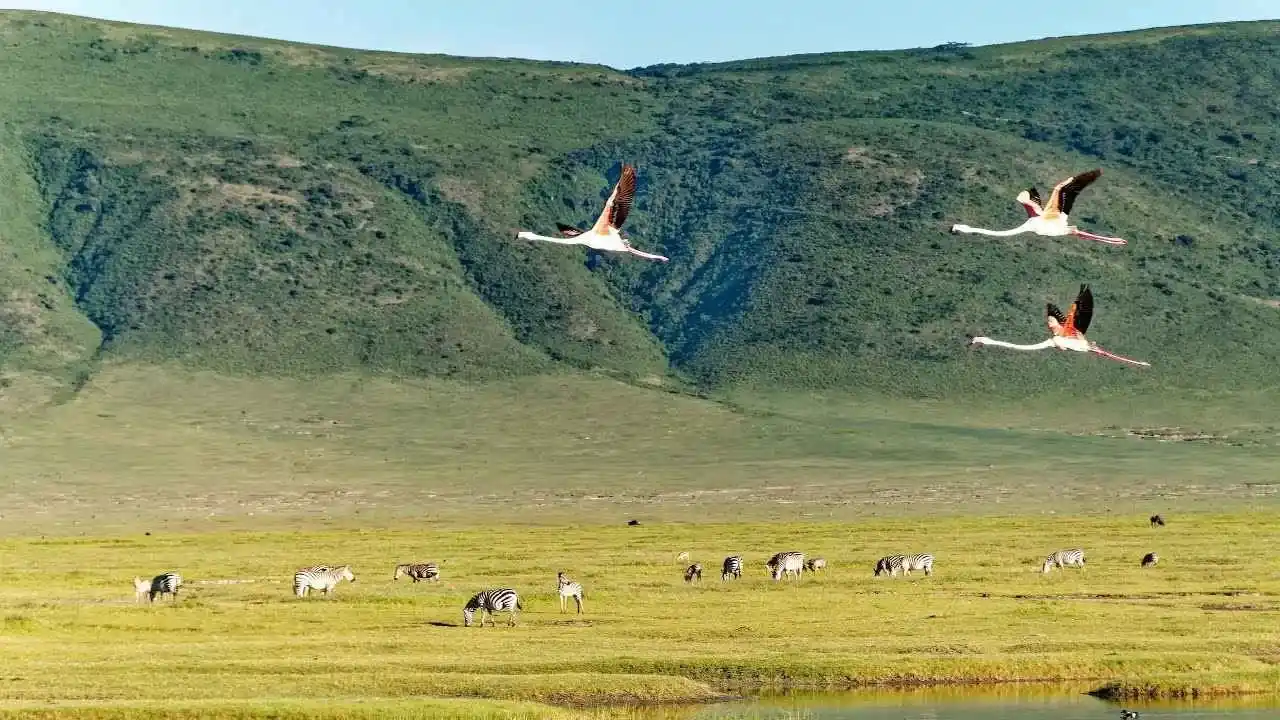
Prioritize the habitats that improve opportunities for lion, leopard, elephant, buffalo and black rhino without treating sightings as guaranteed.
Explore Big Five Safari →
Match the Serengeti region to the travel month and rainfall pattern, with enough time in the field for natural movement rather than a promised single event.
Explore Great Migration Safari →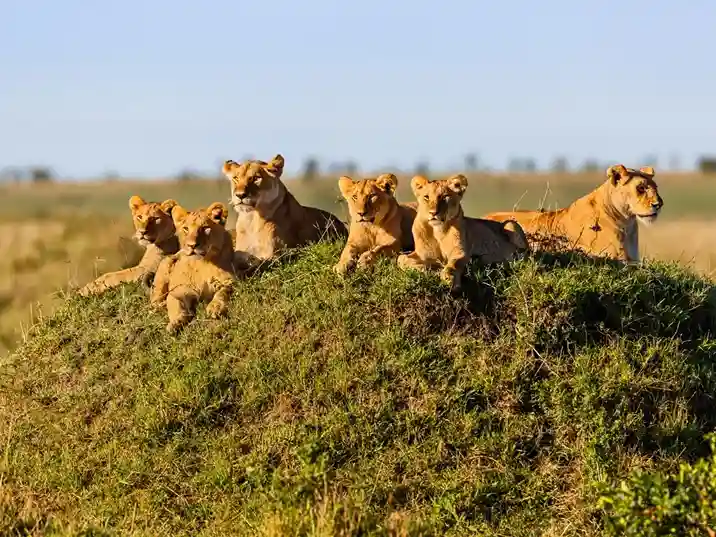
Allocate more time to Serengeti and Ngorongoro, use early starts and focus on behavior, habitat and patient observation of big cats and other carnivores.
Explore Predator Safari →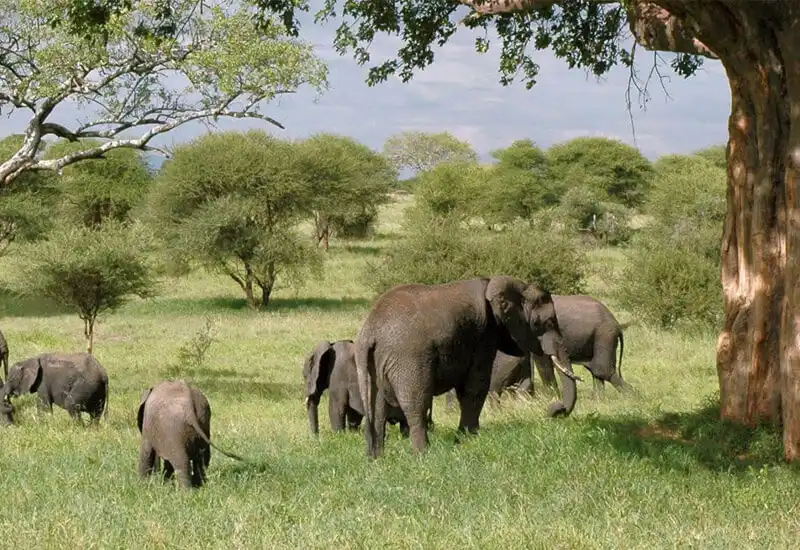
Build the route around Tarangire and complementary Northern Circuit habitats for elephant herds, family behavior, baobab scenery and river-based wildlife.
Explore Elephant Safari →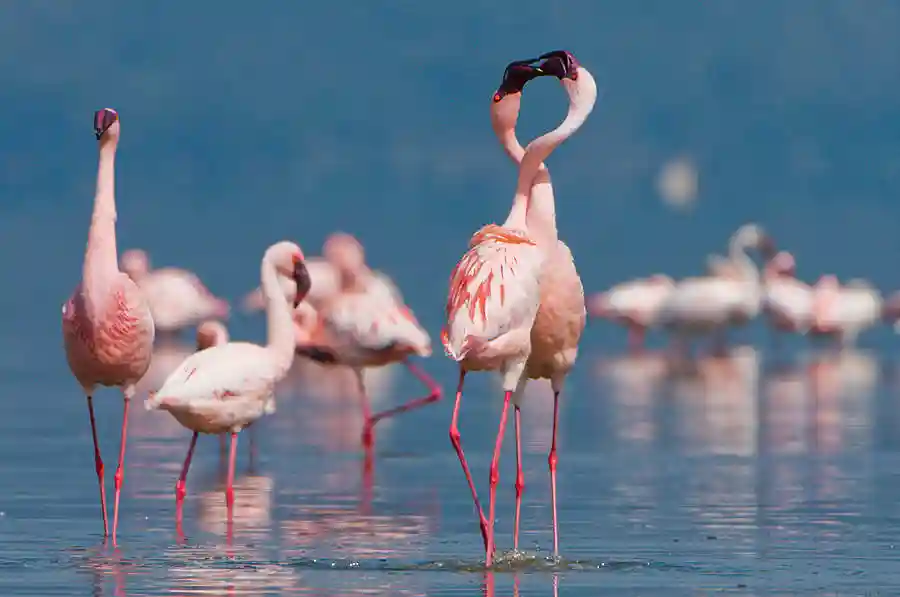
Combine wetlands, woodland, grassland and highland habitats with a guide who can identify calls, behavior and seasonal migrants.
Explore Birdwatching Safari →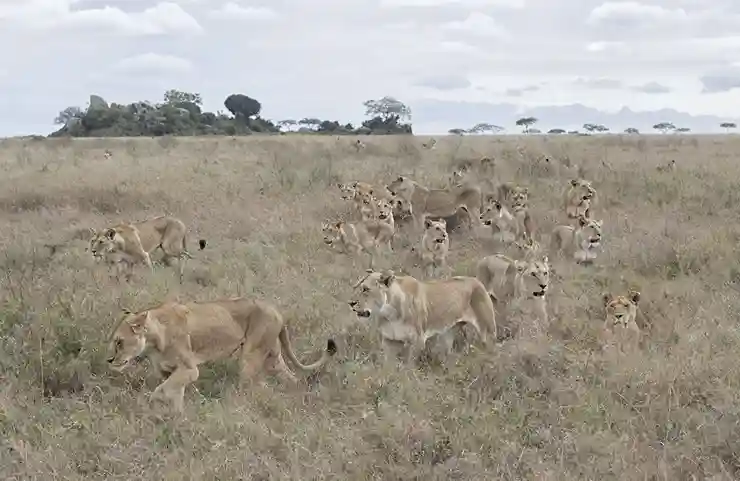
Protect golden-hour game drives, reduce unnecessary park changes and plan vehicle space, guide positioning, equipment charging and luggage carefully.
Explore Photography Safari →Lodge location affects both price and wildlife time. A cheaper room far from a park gate can add driving, while an in-park or well-positioned camp may protect early and late game drives.
Ask whether each night is inside a park, in a conservation area, near a gate or in a town. Also confirm bathroom type, family-room layout, electricity, Wi-Fi expectations and luggage rules for any domestic flight.
| Duration | 6 days / 5 nights safari, usually starting and ending in Arusha, Moshi, Kilimanjaro International Airport, or Arusha Airport. |
|---|---|
| Recommended Parks | Serengeti National Park, Ngorongoro Crater, Tarangire National Park, Lake Manyara National Park, and selected Lake Eyasi cultural extensions. |
| Travel Pace | Moderate and comfortable when planned well. Serengeti routes still involve long drives, but six days gives better wildlife time than shorter itineraries. |
| Best For | First-time visitors, couples, families, honeymooners, photographers, wildlife lovers, and travelers combining safari with Zanzibar. |
| Accommodation Types | Budget camping, mid-range lodges, tented camps, luxury lodges, and premium seasonal migration camps. |
| Wildlife Opportunities | Big cats in Serengeti, elephants in Tarangire, black rhino possibilities in Ngorongoro, giraffes, zebras, wildebeest, hippos, birds, and seasonal migration viewing. |
| Budget Range | Varies by season, group size, accommodation level, park fees, vehicle type, and whether the safari is private, group joining, drive-in, or fly-in. |
| Private / Group | Private safaris offer the best flexibility. Group joining may be available on selected routes and dates for budget-conscious travelers. |
A 6-day itinerary can be adapted to different travelers, but the route, lodge location and daily pace should change with the group.
Six days is better for the Northern Circuit. Ruaha, Nyerere, Katavi, Mahale, and other southern or western parks need separate planning.
Serengeti road safaris involve long transfers. If comfort is a priority, consider a fly-in or fly-out option.
Adding too many parks can reduce game drive time. A focused route normally gives better sightings and a better overall safari.
If you want two or three nights in every lodge, consider seven to ten days instead of six.
Local planning note: A good 6-day safari is not about collecting destination names. It is about placing your nights correctly so that your best game drives happen at the right time of day.
A 6-day Tanzania safari is popular because it gives enough time for the core Northern Circuit without pushing the budget as high as longer safaris. You can spend meaningful time in Serengeti, descend into Ngorongoro Crater, and still include Tarangire or Lake Manyara depending on your interests. This makes the itinerary practical for travelers arriving through Kilimanjaro International Airport, Arusha, or Moshi.
Compared with shorter safaris, six days allows better wildlife timing. Early morning and late afternoon game drives are usually more productive than rushed midday transfers, so extra nights in the right locations can make a major difference. It also gives room for private safari comfort, mid-range lodge choices, family-friendly pacing, and seasonal adjustments for the Great Migration.
Serengeti is the main reason many travelers choose a 6-day safari. It fits well because you can spend two or three nights in the park, giving better chances for lions, cheetahs, leopards, wildebeest, zebras, and seasonal migration movement. Road travel from Arusha is long, so enough nights are important.
Ngorongoro Crater is ideal for a 6-day itinerary because it offers dense wildlife viewing in a compact area. It is especially valuable for first-time visitors hoping to see lions, buffalo, elephants, hippos, hyenas, and possibly black rhino. It combines efficiently with Serengeti and Karatu-area accommodation.
Tarangire is excellent for elephants, baobab landscapes, and a quieter introduction to safari. It fits well as the first park from Arusha or as part of a classic Northern Circuit route. During the dry season, wildlife often gathers around the Tarangire River, making game drives very rewarding.
Lake Manyara is scenic and compact, with groundwater forest, lake views, birds, monkeys, giraffes, elephants, and occasional tree-climbing lion sightings. It is useful when travelers want variety without adding too much driving. It also fits well before or after Ngorongoro.
Lake Eyasi is not a Big Five destination, but it can add a meaningful cultural element through respectful visits with local communities. It works best for travelers who want wildlife plus culture and do not want every day to be only vehicle-based game drives.
Arusha is the main safari hub for Northern Tanzania. It is where many safaris start, where guides prepare vehicles, and where travelers connect from Kilimanjaro International Airport, Arusha Airport, Moshi, or onward flights to Zanzibar.
Start by deciding whether Serengeti is essential. If it is your main dream, choose a route that gives at least two nights there, not only a quick pass-through. If you want less driving, focus on Tarangire, Ngorongoro, Lake Manyara, and Lake Eyasi. If you are traveling during a migration season, accommodation location inside the correct Serengeti area becomes more important than simply choosing the cheapest camp.
Budget also matters. A private safari costs more than group joining, but it gives control over timing, pace, luggage, stops, and accommodation. Mid-range lodges are usually the most balanced choice for comfort and value. Luxury safaris should prioritize lodge location, not only room style. For families, the best package is normally private, with flexible starts and realistic driving days.
Tanzania is a year-round safari destination. The best month depends on wildlife interest, route, crowd tolerance, budget and whether green scenery or dry-season concentration matters more.
Read the complete best-time guide before choosing a migration region or non-refundable lodge.
Choose 6 days for a complete safari with breathing room. Choose 7 or 8 days for slower travel, special interests or a larger migration-focused route.
View all Tanzania safari packages to compare destinations and trip styles beyond duration.
Planning tip: If you are unsure which route is best, tell us your arrival date, number of travelers, budget level, and whether Serengeti is a must. We can then recommend the most realistic 6-day safari instead of giving you a generic package.
Capable Africa Tours compares each itinerary using practical route factors rather than counting park names alone.
Page updated July 2026. Route recommendations are designed for planning and can be customized.
Capable Africa Tours plans safaris from inside Tanzania, which means our advice is based on real route flow, local driving conditions, park timing, accommodation location, and guest comfort. We help you avoid rushed itineraries, choose the right parks for six days, and match the safari style to your budget and expectations.
Tell us your travel dates, number of travelers, arrival airport, accommodation style, and whether Serengeti or the Great Migration is your priority. We will recommend the most practical 6-day route and prepare a clear quote based on your budget and safari goals.
March can begin dry and become wetter later. Green scenery and fewer vehicles may appeal to flexible travelers, but road and migration conditions must be checked close to travel.
Trip styles to compare: budget. Choose by realistic routing and current wildlife conditions, not by the month name alone.
April is usually within the long-rains period. Some lodges close, roads can be slower, and value may improve; itineraries need realistic drive times and flexible contingency planning.
Trip styles to compare: cultural wildlife. Choose by realistic routing and current wildlife conditions, not by the month name alone.
May is often greener and quieter, with the long rains easing at an uncertain pace. Migration planning should follow current field reports rather than a fixed calendar promise.
Trip styles to compare: family. Choose by realistic routing and current wildlife conditions, not by the month name alone.
June usually marks a drier transition and the start of peak-season demand. Herds may move through the western corridor, but location varies with rainfall and grass.
Trip styles to compare: budget, midrange, photography, serengeti migration. Choose by realistic routing and current wildlife conditions, not by the month name alone.
July is normally dry and popular. Northern and western Serengeti planning becomes important, while river crossings remain natural events that cannot be guaranteed.
Trip styles to compare: classic, family, photography. Choose by realistic routing and current wildlife conditions, not by the month name alone.
November commonly brings short rains, greener scenery and changing herd movement toward eastern and southern Serengeti. Road conditions and exact migration location require current checks.
Trip styles to compare: photography. Choose by realistic routing and current wildlife conditions, not by the month name alone.
December can combine short-rain conditions with holiday demand. Southern and eastern Serengeti may become more relevant, but festive pricing and availability require early confirmation.
Trip styles to compare: luxury festive, new year serengeti. Choose by realistic routing and current wildlife conditions, not by the month name alone.