
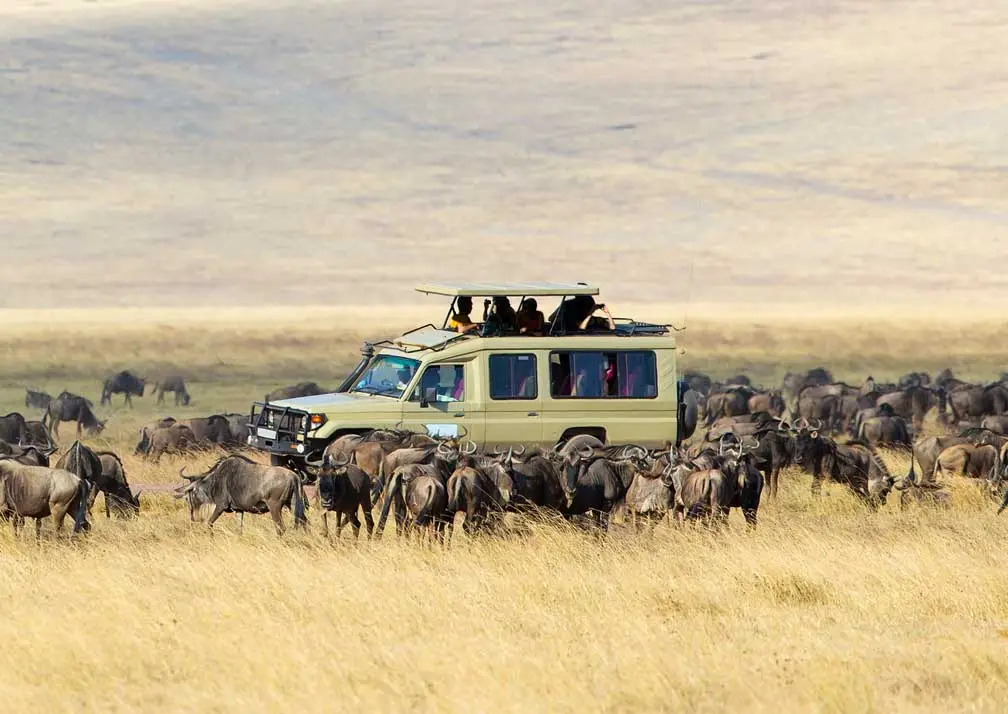
Great Migration Safaris
Experience one of nature’s greatest spectacles with our Great Migration safari packages, timed for river crossings or calving.
Tanzania safari
Ready for an memorable photography safari in Tanzania? Our 7-day Serengeti and Ngorongoro photography safari in March, offered by Capable Africa Tours, is designed for wildlife photography enthusiasts. Spend 3 nights in Serengeti National Park capturing the Great Migration and the Big Five, followed by Ngorongoro Crater’s dense wildlife and stunning landscapes. With expert photography guides, tailored game drives, and prime March conditions, this Tanzania photography holiday ensures breathtaking shots and lifelong memories. Read on for a detailed itinerary, pricing, and tips to make your photo tour in Africa extraordinary!
This 7-day photography safari in Tanzania, with 3 nights in Serengeti, is crafted for photographers seeking to capture Africa’s wildlife at its most vibrant. March marks the tail end of the short rainy season, offering lush green landscapes, dramatic skies, and active wildlife, perfect for stunning photographs. Serengeti National Park, a UNESCO World Heritage Site, hosts the Great Migration, with millions of wildebeest and zebras, while Ngorongoro Crater is a haven for the Big Five and rare species like black rhinos. Our expert photography guides provide hands-on coaching, ensuring you master techniques to photograph Tanzania’s wildlife in its natural splendor.
With small group sizes, customized 4WD vehicles with pop-up roofs, and eco-friendly lodges, this Serengeti photo safari balances adventure, comfort, and photographic excellence. Whether you’re a beginner or a seasoned photographer, this Tanzania photography holiday delivers unparalleled opportunities to capture iconic African wildlife moments.
This 7-day Serengeti and Ngorongoro photography safari itinerary is optimized for capturing Tanzania’s wildlife and landscapes in March. With 3 nights in Serengeti, you’ll have ample time to photograph the Great Migration and more. Here’s the day-by-day breakdown.
Your photography safari in Tanzania begins in Arusha, the gateway to the northern safari circuit. Arrive at Kilimanjaro International Airport (JRO) and transfer to your hotel. Meet your photography guide for a briefing on camera settings, lighting, and what to expect. Explore Arusha’s markets or relax to prepare for your adventure.
Drive to Serengeti National Park, stopping for an en-route game drive to photograph giraffes, elephants, and early predator sightings. Your guide will help you adjust camera settings for motion and lighting. Spend your first of 3 nights in Serengeti at a tented camp, capturing golden-hour shots.
Spend a full day in Serengeti National Park, your second of 3 nights in Serengeti, focusing on the Great Migration. Morning and afternoon game drives target wildebeest herds, lions, and cheetahs. Your guide will position the vehicle for optimal angles and teach techniques for action shots and portraits.
Your final of 3 nights in Serengeti is dedicated to exploring diverse ecosystems, from kopjes to riverine areas. Photograph leopards in acacia trees or hippos at waterholes. Optional evening session on post-processing tips with your guide to enhance your images.
Enjoy a morning game drive in Serengeti to capture final shots before heading to the Ngorongoro Conservation Area. Visit a Maasai village for cultural photography, learning to photograph portraits respectfully. Arrive at your lodge on the crater rim for dramatic landscape shots.
Descend into the Ngorongoro Crater for a full-day photography safari. Capture black rhinos, flamingos, and lions against the crater’s lush backdrop. Your guide will help with wide-angle and telephoto techniques to maximize the crater’s unique setting.
After a morning game drive in the Ngorongoro Conservation Area, drive back to Arusha. Reflect on your Serengeti photo safari and share your best shots with the group. Transfer to your hotel or airport for departure.
This 7-day Serengeti and Ngorongoro photography safari in March, with 3 nights in Serengeti, offers unmatched opportunities for wildlife photography enthusiasts. Expert guides provide personalized coaching, and our customized vehicles ensure perfect angles for your shots. March’s lush landscapes and active wildlife create ideal conditions for vibrant photos, while small group sizes guarantee a tailored experience. Eco-friendly lodges support conservation, making this one of the best photo tours in Africa for capturing Tanzania’s wildlife and culture.


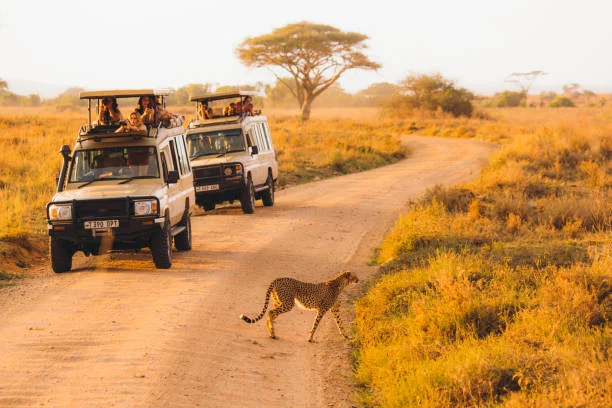

Watch the magic of a Serengeti photo safari unfold, from capturing the Great Migration to Ngorongoro’s wildlife wonders, with Capable Africa Tours.
To make the most of your wildlife photography safari, preparation is key. March’s unique conditions require specific gear and techniques. Here’s a detailed guide to help you capture stunning shots during your 7-day Serengeti and Ngorongoro photography safari.
The cost of a 7-day Serengeti and Ngorongoro photography safari in March ranges from $3,200 to $5,500 per person, depending on accommodation and group size. Here’s a breakdown to help you plan your Tanzania photography holiday.
Contact us now to tailor your Serengeti photo safari!
Our 7-day photography safari includes essential services to ensure a seamless experience. Below is a breakdown of what’s covered and what’s not.
Join Capable Africa Tours for a 7-day Serengeti (3 nights) and Ngorongoro photography safari in March. Capture the Great Migration, Big Five, and vibrant landscapes with expert guidance.
Limited spots for this March Serengeti tour—book now to secure your photography adventure!
| Trip length | 7 days and 6 nights |
|---|---|
| Core focus | Serengeti, Ngorongoro |
| Transport | Private or shared 4×4 safari vehicle |
| Best planning principle | Protect full experience days and avoid unnecessary backtracking |
| Travel season | 2026/2027; route adjusted to month and availability |
March is a transition and green-season month. Northern Tanzania can be lush, with warm days, local showers and changing road conditions. On Kilimanjaro, rain is possible and visibility varies; on safari, fresh grass can spread wildlife over a wider area.
Seven days offers enough time for a complete, focused Tanzania itinerary. The strongest plan uses two to four compatible areas, protects full wildlife days and avoids spending the extra duration on repeated packing or unnecessary backtracking.
Drive times, airstrip schedules, park-entry procedures and weather can change the usable hours in a day. We plan from the actual overnight location and confirmed transport rather than treating every day as a full game-drive or trekking day.
Mid-range lodges usually provide en-suite rooms and dependable meals, while tented camps offer a closer-to-nature setting. The key decision is location: staying near the next day’s game-drive area often matters more than adding decorative luxury far from the park.
Photography trips need fewer passengers per vehicle, open sight lines, patient positioning and enough time in one habitat. Ask about beanbags, charging, dust protection, vehicle roof design and the guide’s willingness to wait rather than chase a checklist of species.
Follow park, guide and community instructions; keep a respectful distance from wildlife; never ask a driver to crowd animals or leave approved tracks; reduce single-use plastic where possible; and treat cultural visits as hosted exchanges rather than staged photo opportunities.
Last updated: 29 July 2026. Reviewed by: Capable Africa Tours’ Tanzania operations and content team. Route descriptions are checked for realistic transfer patterns, seasonal uncertainty, accommodation location and traveler decision-making. Park rules, fees, flight schedules and lodge availability can change, so the final quotation and confirmed itinerary remain the booking reference.
Yes, when the route is focused. Seven days normally allows deeper time in the main areas; adding too many distant parks creates more transfers and less wildlife viewing.
Season, group size, private or shared vehicle use, lodge location, room type, park fees, domestic flights and optional activities are the main cost drivers. Ask for an itemised quote.
No. Wildlife moves freely and natural events cannot be guaranteed. Good habitat selection, patient guiding and enough time improve the opportunity without creating a promise.
Confirm dates, route, accommodation names and meal basis, vehicle arrangement, inclusions, exclusions, baggage rules, payment schedule and written cancellation terms.
Yes. The park order, accommodation level, transfer method and daily pace can be adjusted around your travel month, flight schedule, interests and budget.
Do not compare packages by headline price alone. Check where the camps are located, how much time is spent transferring and whether essential fees and services are included.
Keep exploring
Experience one of nature’s greatest spectacles with our Great Migration safari packages, timed for river crossings or calving.
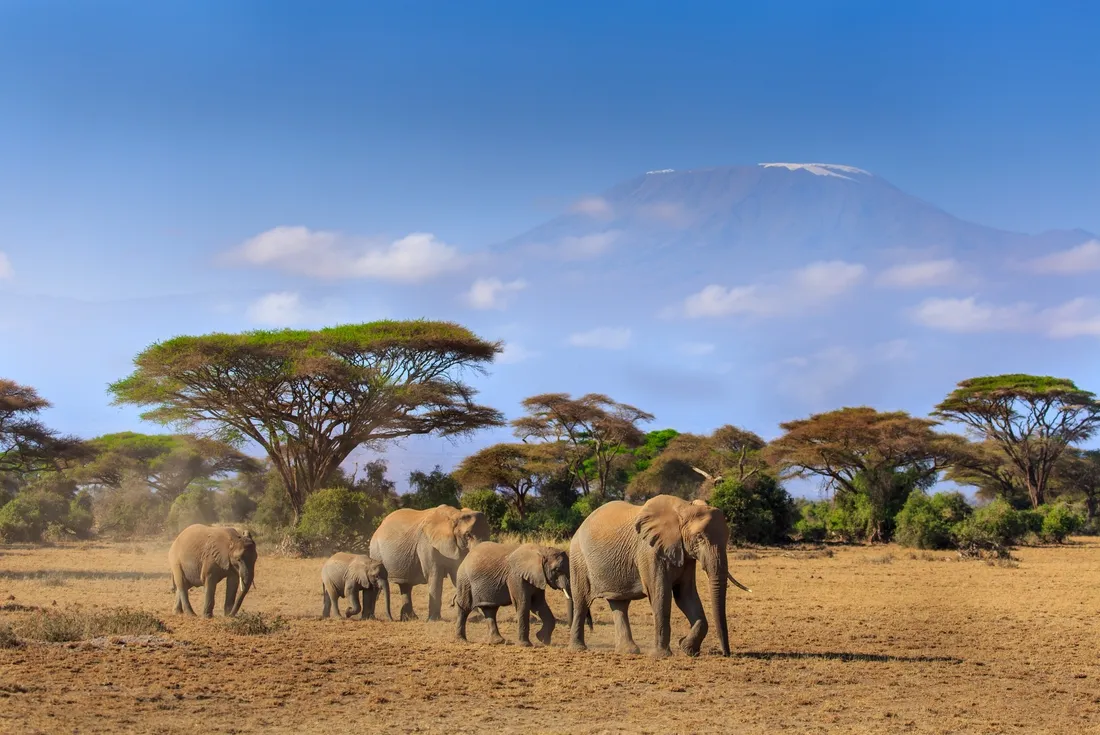
Combined safari and trekking tours offer wildlife adventures and Kilimanjaro climbs.
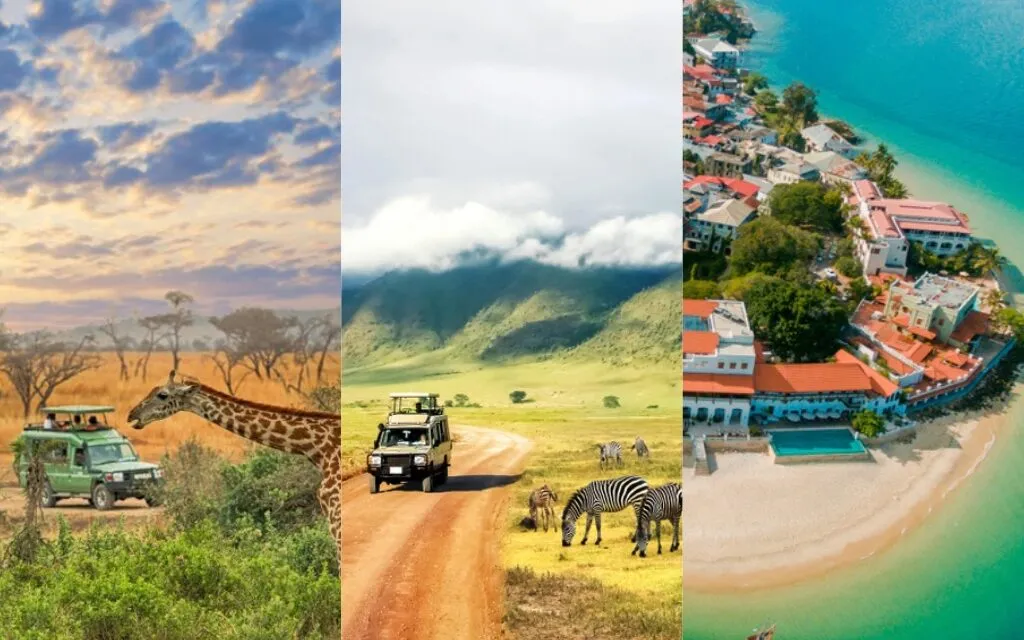
Luxury Tanzania safari & beach packages with the Great Migration and pristine beaches.