
Tarangire National Park Day Trip from Arusha
Tarangire National Park sits roughly 120 km south-east of Arusha — a two-hour drive along the A104 highway that opens into one of Tanzania's most distinctive safari landscapes. Ancient baobab trees, the permanent Tarangire River, and some of the highest elephant densities in East Africa make this one of the most rewarding day trips available from Arusha. On this full-day safari, you spend six to seven hours inside the park on guided game drives, with a picnic lunch beside the river before returning to Arusha by early evening.
Book This Day TripWhat Is a Tarangire National Park Day Trip from Arusha?
A Tarangire day trip from Arusha is a full-day guided safari that departs early morning from your Arusha hotel and returns the same evening. The drive to Tarangire National Park takes approximately two hours each way, leaving around six to seven hours inside the park for game drives along the Tarangire River and Silale Swamp. The tour includes a private 4WD safari vehicle, a professional English-speaking guide, all TANAPA park entry fees, and a picnic lunch inside the park. Tarangire is best known for its large elephant herds and 550+ bird species, and is consistently one of the top-rated day safari options from Arusha for first-time and returning visitors alike.
Tarangire Day Trip — Key Facts at a Glance
- Duration: 1 full day (~10–12 hours door to door).
- Distance from Arusha: ~120 km via A104 highway (2 hours each way).
- Park Size: 2,850 km².
- Key Wildlife: Elephant, lion, leopard, buffalo, giraffe, zebra, wildebeest, hippo, crocodile, 550+ bird species.
- Game Drive Areas: Tarangire River circuit, Silale Swamp.
- Best Season: June–October (dry season, peak elephant gatherings); Nov–Mar (green season, calves and birds).
- Tour Style: Private or small group (2–6 people), open-roof 4WD.
- Starting Price: From $516 per person (private tour).
- Meals: Picnic lunch and water included.
- Suitable For: Adults, families with children aged 5+, wildlife photographers, birders.
Why Choose a Tarangire Day Trip from Arusha?
For travelers with a single day to spend on safari from Arusha, Tarangire offers a compelling case. The drive is manageable — two hours on sealed road without an early flight or complicated logistics. The park itself is large enough to feel genuinely wild, yet compact enough that a well-guided day covers its most productive areas: the main Tarangire River circuit and the Silale Swamp in the southern zone. You're not rushed.
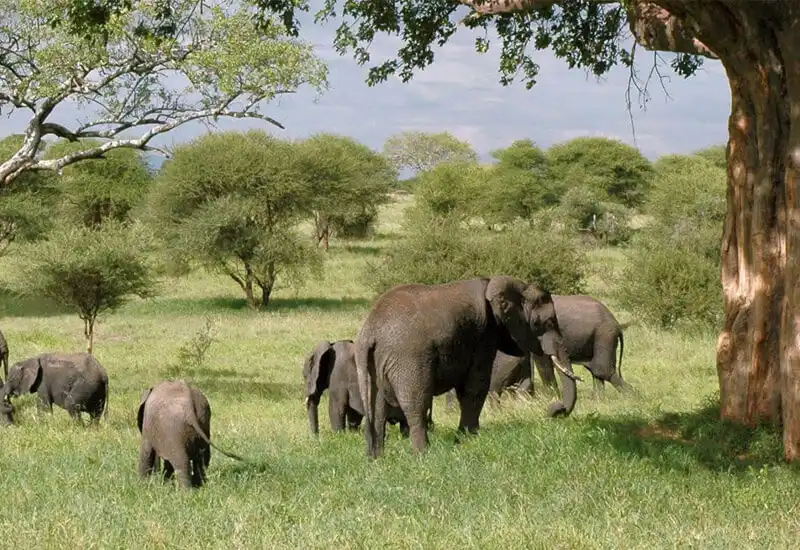
What sets Tarangire apart from other northern Tanzania day-trip options is scale — specifically, the scale of its elephant population. During the dry season, the Tarangire River becomes one of the few reliable water sources for a vast area, drawing hundreds of elephants from across the ecosystem. Watching a herd of 100 elephants cross the floodplain or dig in a dry riverbed is an experience that's harder to replicate in Ngorongoro's crater environment or Lake Manyara's more forested terrain.
Compared to Lake Manyara, Tarangire offers more open driving and larger wildlife aggregations. Compared to Ngorongoro, it's less crowded with vehicles and offers a more expansive landscape — though it lacks Ngorongoro's rhino and dense predator concentration. If elephants and birds are your priority, Tarangire is the day trip.
Who This Day Trip Is Best For
This Tour Works Well For
- First-time safari visitors based in Arusha with one free day
- Families with children aged 5 and above
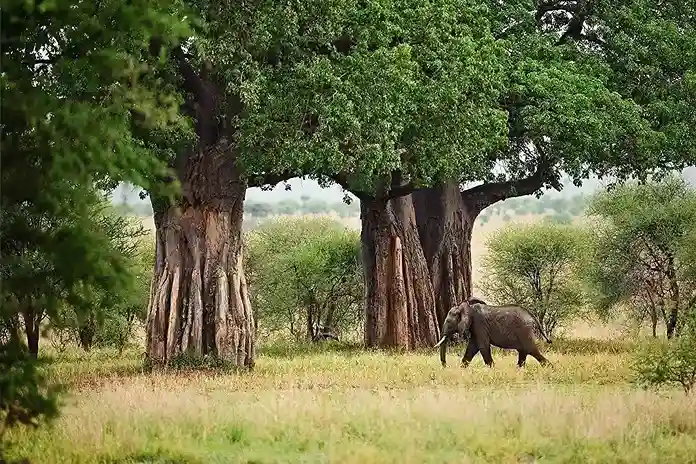
- Wildlife photographers seeking baobab and elephant compositions
- Birders — 550+ species including the endemic Ashy starling
- Travelers adding a day trip before or after a Kilimanjaro climb or longer safari
- Those who want maximum wildlife in minimum time without overnight logistics
This Tour May Not Suit
- Travelers whose primary goal is rhino — rhino are not present in Tarangire
- Those wanting the full Big Five on a single trip — cheetah are uncommon here
- Travelers who prefer a multi-day immersive safari over a day format
- Anyone with limited mobility who finds long vehicle journeys uncomfortable
Tarangire Day Trip Itinerary — Hour by Hour
The day is structured to make the most of Tarangire's two peak wildlife windows: early morning, when predators are still active and elephant herds gather at the river before the heat builds; and late afternoon, when temperatures drop and animals move again. Your guide adjusts the route based on current wildlife movements reported at the morning ranger briefing.
Early Morning: Pickup in Arusha and Drive to Tarangire
We collect you from your Arusha hotel at 05:30–06:00. The drive heads south-east on the A104 highway, passing through Makuyuni junction before turning onto the road towards the Tarangire main gate. The landscape shifts from small-scale farming to drier acacia woodland as you approach the park boundary. Your guide will use the journey to discuss the day's route, current wildlife patterns, and what to look for when you enter. We arrive at the main gate at around 07:30–08:00, where entry formalities are handled by your guide while you take in the first views of the park.
- Pickup: 05:30–06:00 from your Arusha hotel
- Park Arrival: ~07:30–08:00
- Drive: ~120 km, sealed A104 highway
Morning to Afternoon: Full-Day Game Drive in Tarangire
The main circuit follows the Tarangire River — the park's permanent water source and the focal point for wildlife during the dry season. Elephant herds of 50 to 200 individuals are a near-certainty here from June through October, often seen bathing, drinking, or digging in the sandy riverbed. Lions are regularly spotted in the shade of sausage and acacia trees along the riverbank. The Silale Swamp, accessible from the southern loop, supports hippo, crocodile, and exceptional concentrations of waterbirds including saddle-billed stork, goliath heron, and martial eagle.
Picnic lunch is taken inside the park — typically at a designated spot near the river — around midday. The afternoon drive continues until approximately 15:30, covering the northern sections of the main circuit where giraffe, zebra, and buffalo are consistently found among the baobab stands.
- Game Drive Hours: ~08:00–15:30
- Key Areas: Tarangire River circuit, Silale Swamp
- Wildlife Highlights: Elephant herds, lion, buffalo, giraffe, hippo, 550+ bird species
- Meals: Picnic lunch inside the park (included)
Late Afternoon: Optional Add-On and Return to Arusha
We depart the park by 16:00, which allows the drive back to Arusha in daylight. If a Maasai community visit is on your itinerary, this is usually arranged on the return leg — a 30–45 minute stop at a village near the park buffer zone, with a community fee paid directly to the hosts. We return you to your Arusha hotel between 18:00 and 19:00 depending on traffic and any stops along the way.
- Park Departure: ~16:00
- Optional: Maasai village visit (additional fee; arrange when booking)
- Arrival in Arusha: 18:00–19:00
Wildlife in Tarangire National Park — What to Expect
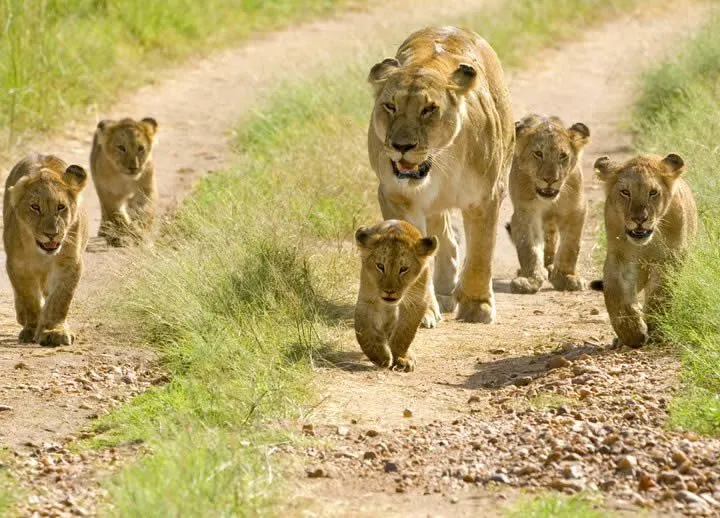
Tarangire's defining characteristic is its elephant population. The park hosts one of the highest elephant densities in East Africa, and family herds of 50 to 200 individuals gathering at the Tarangire River are a near-certainty during the dry season. Lions are well established here and regularly sighted, particularly along the riverbank and near the Silale Swamp. Leopard are present but require patience — they are seen on a meaningful proportion of game drives but are not guaranteed. Buffalo, giraffe, zebra, wildebeest, and impala are consistently present throughout the year.
An honest note on cheetah: they are occasionally encountered in Tarangire's more open grassland sections, but sightings are genuinely uncommon and should be treated as a bonus rather than an expectation. Rhino is not present in the park. If rhino is a specific goal, the Ngorongoro Crater is the appropriate destination.
For birdwatchers, Tarangire is exceptional. Over 550 species have been recorded, and the Silale Swamp in particular supports large concentrations of waterbirds and raptors. The Ashy starling — endemic to this corner of Tanzania — is reliably spotted near the main circuit. Other notable species include the yellow-collared lovebird, southern ground hornbill, black-bellied bustard, and ostrich. During the green season, Eurasian and Palearctic migrants significantly expand the species list.
When to Visit Tarangire — Dry Season vs. Green Season
Dry Season (June–October) — Peak Wildlife Viewing
This is when Tarangire is at its most productive for game viewing. As surface water disappears across northern Tanzania, wildlife converges on the Tarangire River — the only permanent water source across a vast area. Elephant herds reach their largest gatherings, predator sightings are more frequent, and the thinning vegetation makes animals easier to spot. Road conditions inside the park are excellent. This is the most popular period, and lodge prices are higher, but for a day trip the main consideration is simply booking transport in advance.
Green Season (November–April) — Calves, Birds, and Fewer Crowds
The park turns lush after the rains begin, and the character of the experience changes. Wildlife disperses across a wider area as water becomes available throughout the park — you may need to cover more ground for sightings. The payoff: calving season brings newborn elephants, zebra foals, and wildebeest calves, which increases predator activity. The bird list expands considerably with migratory arrivals. Vehicle numbers drop significantly, and prices for the tour are lower. For birders and photographers interested in green landscapes and animal behaviour, the green season is a genuine alternative.
Tarangire National Park Day Trip Gallery
Other Day Trips from Arusha
Arusha National Park Day Safari
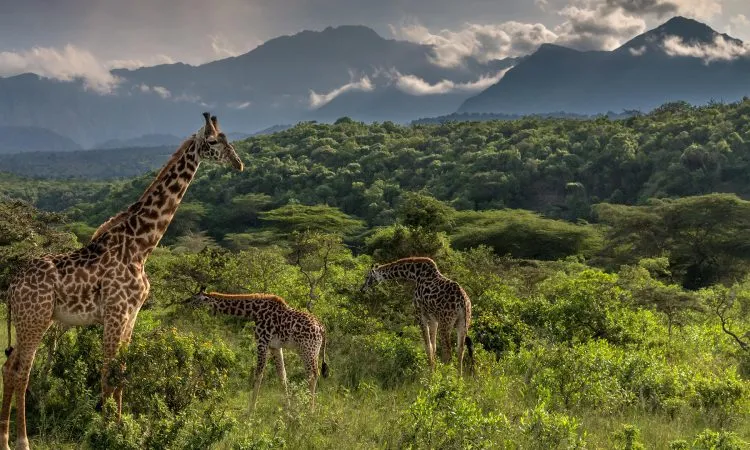
The closest national park to Arusha town — just 30 minutes away. Giraffe, buffalo, colobus monkeys, and Kilimanjaro views. A good option if you have only half a day or want a lighter introduction to the northern circuit.
View Package →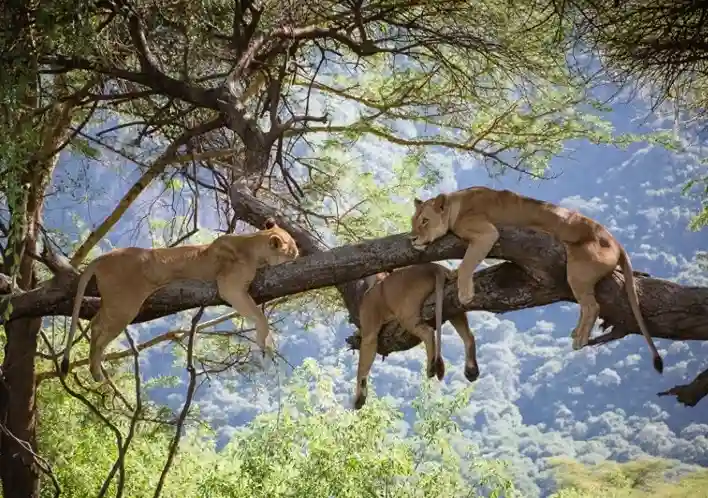
Lake Manyara National Park Day Trip
Shorter drive than Tarangire (90 minutes), with tree-climbing lions, a pink flamingo soda lake, and dense fig forest. A different habitat experience — a good pairing with Tarangire if you have two days.
View Package →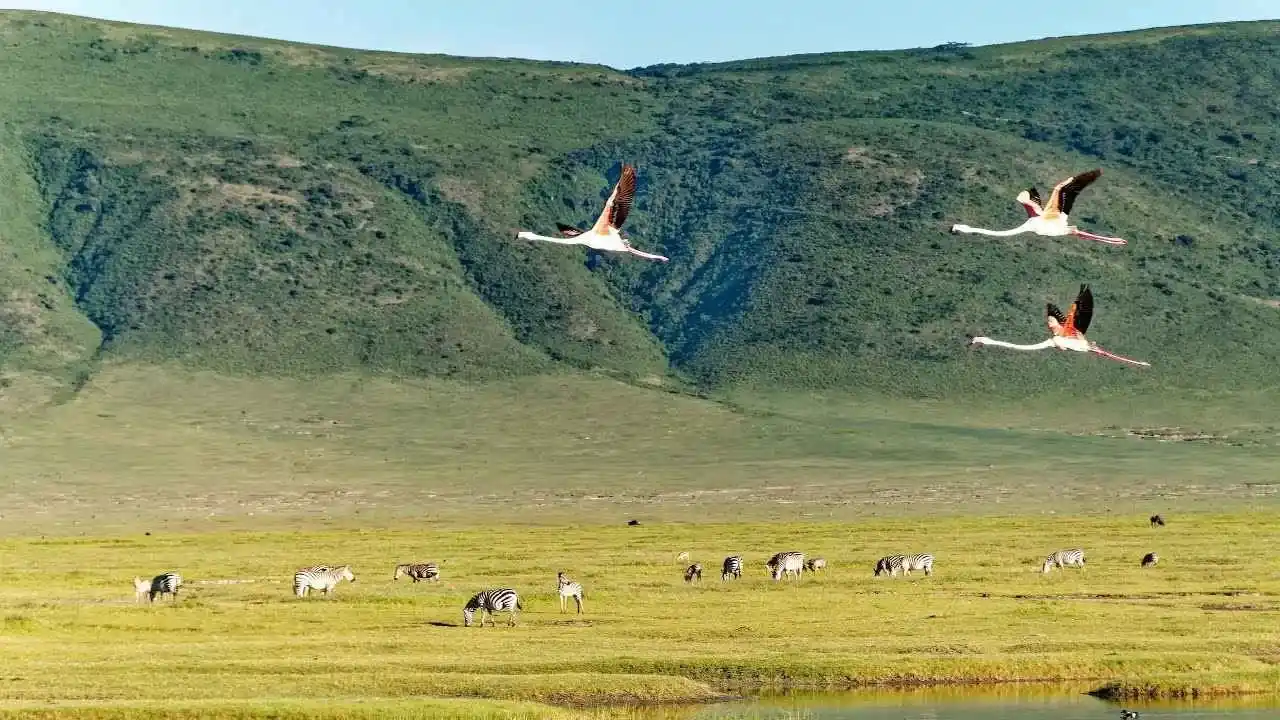
Ngorongoro Crater Day Trip
The world's largest intact volcanic caldera, with the best rhino and black-maned lion density of any Tanzania day trip. Higher cost than Tarangire but the most reliable Big Five day trip from Arusha.
View Package →Getting to Tarangire National Park from Arusha
Tarangire sits approximately 120 km south-east of Arusha along the A104 highway. The map below shows the route and park location for reference. We handle all transport and logistics — this is here if you'd like to orient yourself before the day.
Local Tips for Getting the Most from Your Tarangire Day Trip
- The river crossing point near Tarangire Safari Lodge is your best elephant spot. During the dry season, herds move between the eastern and western banks throughout the day. Ask your guide to time at least one stop here — the volume of animals at close range is what makes Tarangire distinctive.
- Silale Swamp rewards patience. The swamp is in the southern section of the park — some day trips skip it to save time. Ask your guide to include it, particularly if birds or hippos are a priority. Mid-morning, when light is still good and water levels have settled from overnight activity, is the best window.
- Tell your guide your priorities at the start of the day. Elephant focus means more time on the river circuit. Bird priorities mean slower driving through dense vegetation. Predator focus means early start and concentration around known lion territories near the northern sections. Guides are highly trained — they adjust the route when they know what matters to you.
- Tsetse flies are present near the swamp. They don't carry sleeping sickness risk for most short-term visitors, but the bite is sharp. DEET-based repellent and light long-sleeved clothing reduce exposure. Your guide will let you know when you're in swamp territory.
What to Pack for a Tarangire Day Trip from Arusha
This is a one-day trip — pack light. A small day bag per person is sufficient. Here's what matters:
- Neutral clothing: Khaki, beige, or olive for game drives. Long-sleeved shirts reduce sun exposure and are more comfortable in Tarangire's dusty dry-season conditions.
- Binoculars (8x42 recommended): The Tarangire River circuit involves sightings across wide open floodplain. Good binoculars make a significant difference, particularly for birds and distant predators.
- Sunscreen and hat: SPF 50+ and a wide-brim hat. The open-roof vehicle means sustained direct sun exposure during drives.
- Insect repellent (DEET-based): Essential for the Silale Swamp area. Tsetse flies are active near dense vegetation and water.
- Camera with zoom lens: 300mm or equivalent is the practical minimum for wildlife photography at typical game drive distances. Smartphone cameras with optical zoom (100mm+) work in strong light.
- Refillable water bottle: We provide filtered water throughout the day.
- Light jacket or fleece: The early morning drive from Arusha (05:30 departure) is cool. Temperatures warm quickly once the sun is up.
- Snacks (optional): Lunch is included, but energy bars or fruit for the morning drive are useful if you prefer something between breakfast and midday.
How Much Does a Tarangire Day Trip from Arusha Cost?
Private Tarangire day trips from Arusha start from $516 per person for a solo traveler. As a private tour, the vehicle, guide, and logistics costs are fixed — the per-person price decreases as your group grows. Two travelers sharing a vehicle brings the price down meaningfully, and groups of three to four are the most cost-effective format for this day trip.
All packages include Tarangire National Park entry fees (set annually by TANAPA), the concession fee, the safari vehicle, your guide, and a picnic lunch with water inside the park. There are no additional gate charges.
For a quote based on your group size and preferred travel date, send us a message on WhatsApp. We typically respond within a few hours.
What's Included and Excluded — Tarangire Day Trip
Price Inclusions
- Hotel pickup and drop-off in Arusha
- Private 4WD safari vehicle with open pop-up roof
- Expert English-speaking driver-guide
- Tarangire National Park entry fees and concession fees
- Picnic lunch and filtered water inside the park
- Shared binoculars and wildlife reference guide
- All government taxes and levies
Price Exclusions
- International and domestic flights
- Travel and medical insurance (recommended)
- Guide gratuity (customary; $15–20 per group per day, not per person)
- Personal items and souvenirs
- Maasai village visit fee (optional add-on, paid directly to community)
- Alcoholic beverages
Plan Your Tarangire Day Trip from Arusha
Tarangire is one of the northern circuit's most consistent performers for wildlife. Whether you're in Arusha for a day between flights, adding a safari day to a Kilimanjaro trip, or simply choosing where to spend your only free day in Tanzania — this is a well-tested, straightforward option with a strong track record. Two ways to reach us:
- From $516 per person — all park fees, guide, vehicle, and picnic lunch included
- Private tour format — your vehicle, your pace, your priorities
- Flexible departure dates year-round, including weekends
- Free cancellation up to 7 days before departure
- Responses to most inquiries within a few hours
Book Your Tarangire National Park Day Trip
Explore More Tanzania Safaris
Great Migration Safaris
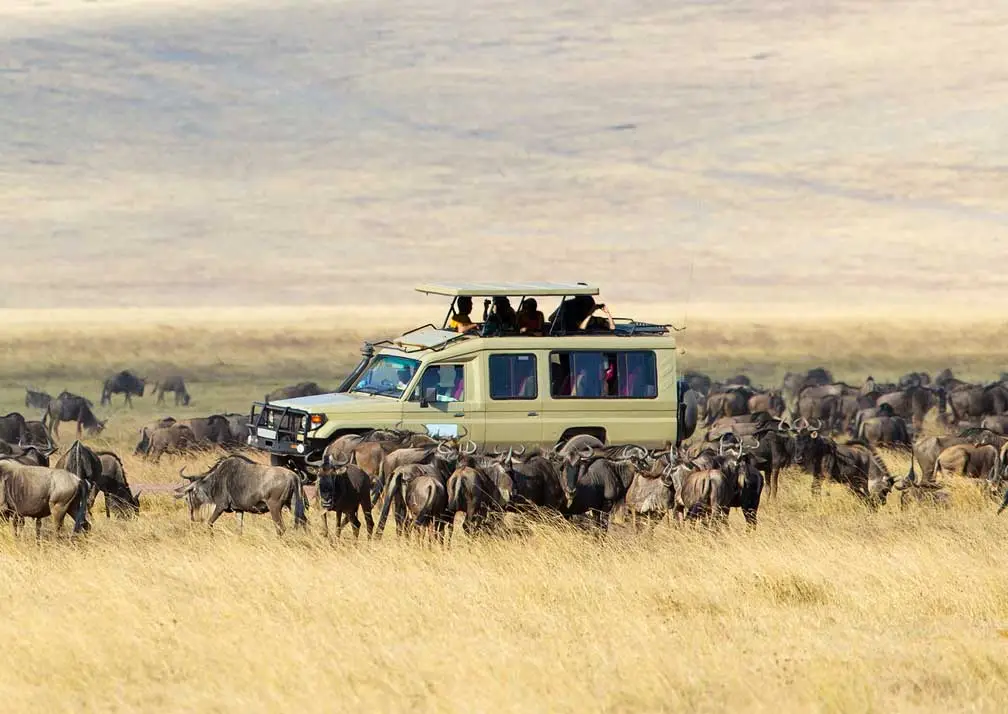
If a day in Tarangire sparks the appetite for more, the Serengeti's Great Migration is the natural next step — river crossings from July to October, calving from January to March. Multi-day itineraries from Arusha.
View Package →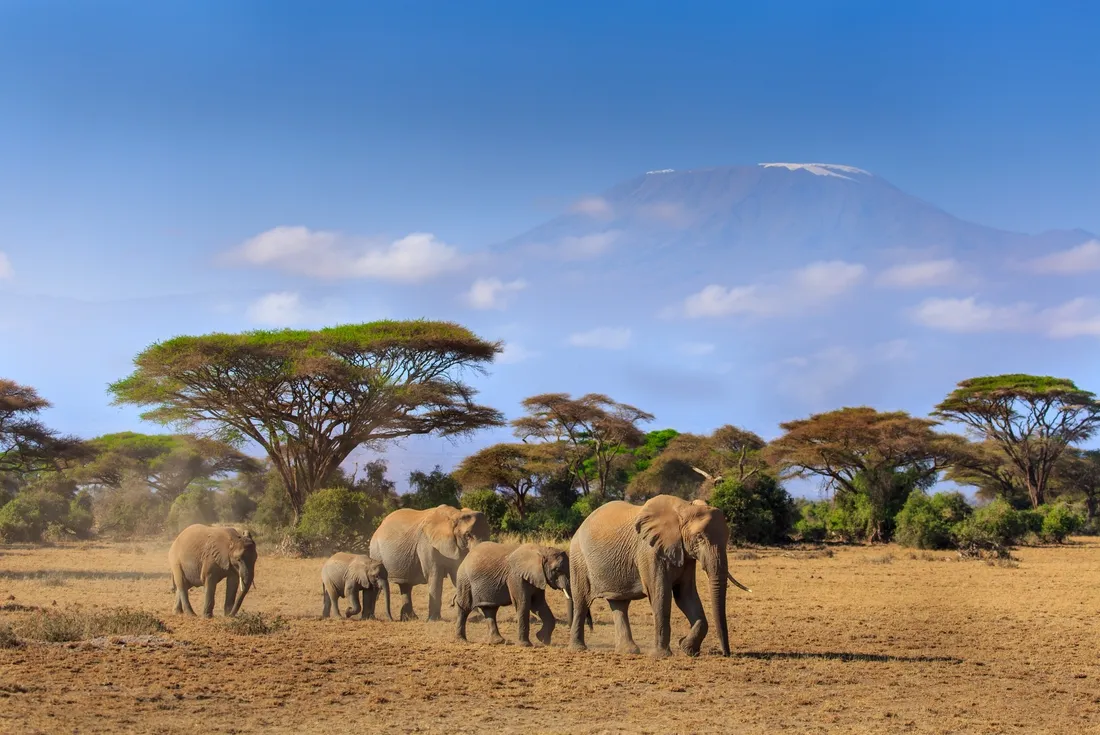
Serengeti & Kilimanjaro Trek
Combine a northern circuit safari with a Kilimanjaro climb — two of Tanzania's most iconic experiences in one trip, guided from Arusha.
View Package →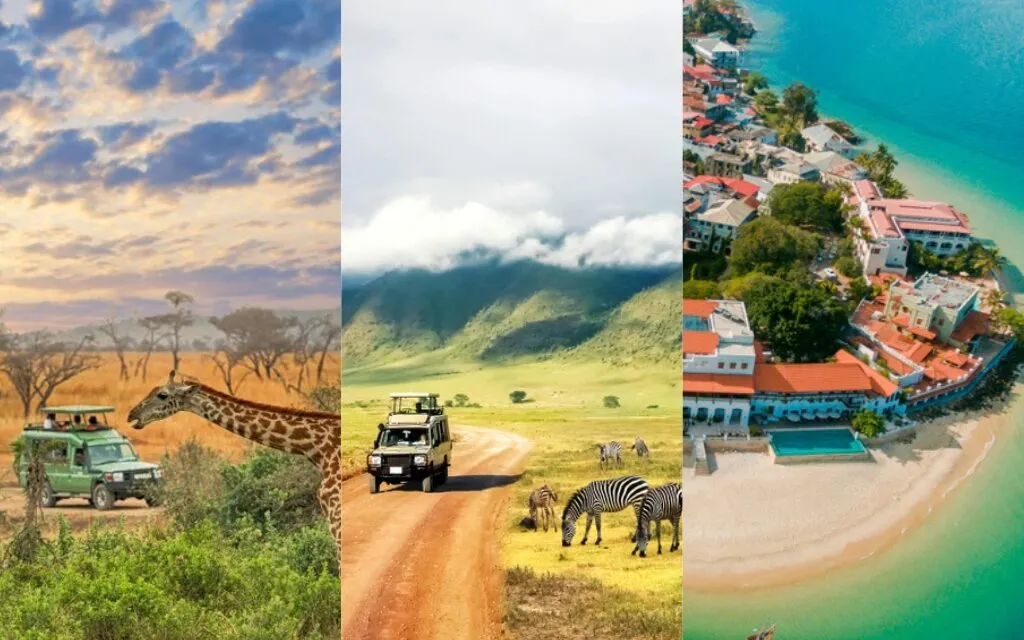
Serengeti & Zanzibar Tours
Safari and beach in one trip — game drives in the Serengeti followed by white-sand beaches on Zanzibar. A popular combination for travelers with a week or more.
View Package →Frequently Asked Questions — Tarangire Day Trip from Arusha
About This Tour
This day trip is operated by Capable Africa Tours, a TANAPA-registered safari operator based in Moshi, Tanzania. Our guides have led game drives across the northern circuit — Tarangire, Serengeti, Ngorongoro, Lake Manyara, and Arusha National Park — and know the Tarangire River circuit and Silale Swamp well across seasons.
Questions about this day trip or how it fits into a broader Tanzania itinerary? Contact us on WhatsApp or use the inquiry form above.