
Ngorongoro Crater Safari – 2 Days September Tanzania 2026/2027
A 2-day Ngorongoro Crater safari in September takes place during the generally dry, popular season. Wildlife remains resident in and around the crater, mornings can be cold on the rim, and roads may be dusty. The itinerary should secure accommodation early, descend at a practical time and avoid implying that the Great Migration occurs inside the crater.
Book Your Safari NowNgorongoro Crater Safari Highlights
- Duration: 2 Days, 1 Night
- Destination: Ngorongoro Crater (260 km²)
- Main Focus: Big Five, crater floor safari, birdlife
- Tour Style: Guided safari, small groups (2–6 people)
- Best Time: September for 95% wildlife sighting success
- Ideal For: Wildlife lovers, photographers, short trips
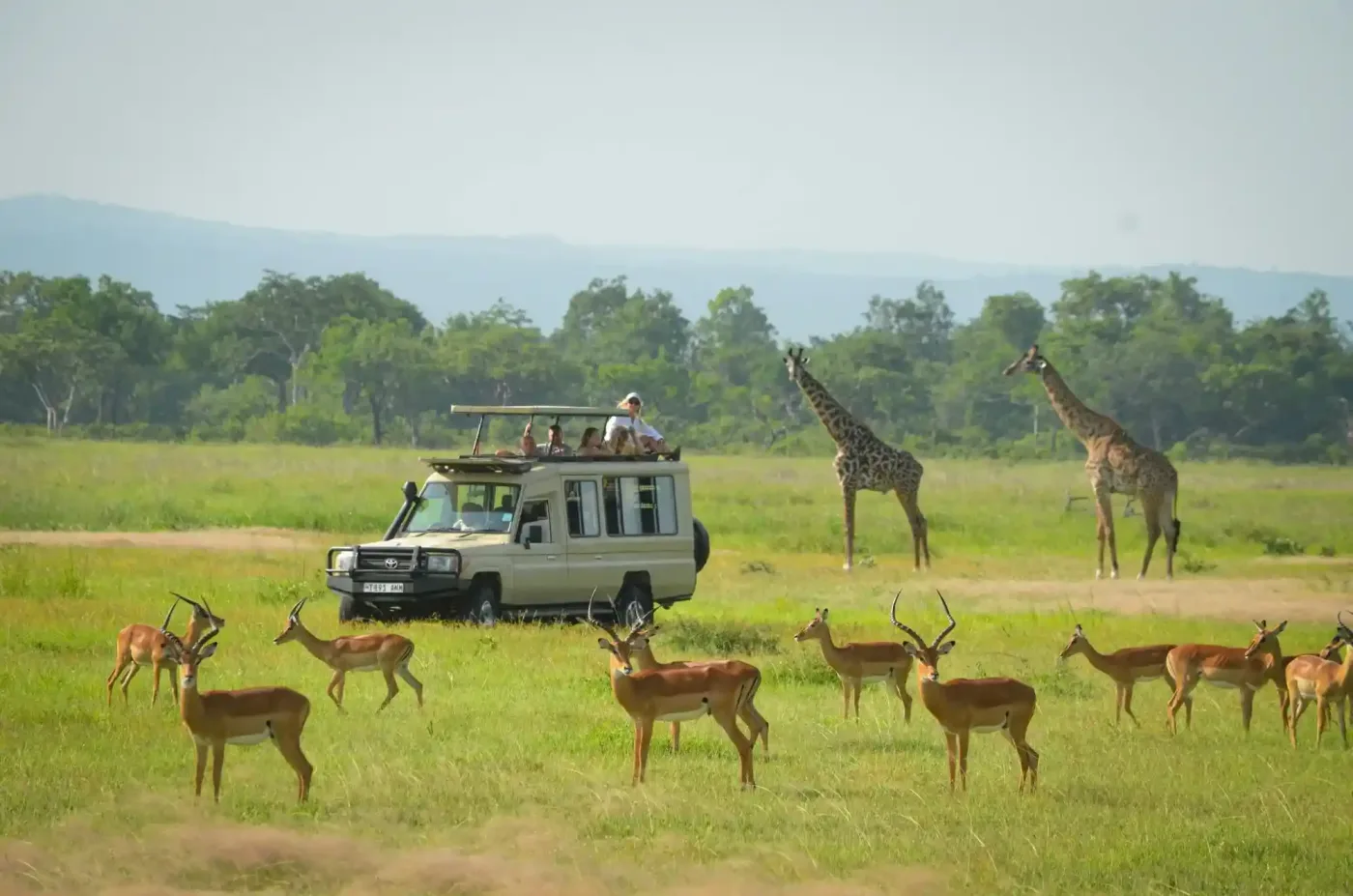
Why Choose a 2-Day Ngorongoro Crater Safari in September?
A 2-day Ngorongoro Crater safari with Capable Africa Tours is the perfect way to experience one of Africa’s most iconic wildlife destinations. The Ngorongoro Crater, a UNESCO World Heritage Site, boasts one of the highest wildlife densities in the world, making it a must-visit for any Tanzania wildlife safari. September is an ideal time for crater tours, with dry weather ensuring clear views and animals gathering near water sources like Lake Magadi. This short but immersive safari offers a chance to see the Big Five, vibrant flamingos, and many resident and migratory bird species in a stunning natural caldera. With expert guides and eco-friendly lodges, this Ngorongoro game drive is tailored for adventure seekers, photographers, and families.
This itinerary maximizes your time in the crater, combining full-day game drives with comfortable accommodations on the crater rim. Whether you’re a first-time visitor or extending a broader Tanzania safari, this 2-day adventure delivers unforgettable memories in a compact timeframe.
Detailed 2-Day Ngorongoro Crater Safari Itinerary
This 2-day Ngorongoro Crater safari in September is designed to immerse you in Tanzania’s wildlife wonderland. Below is a day-by-day breakdown of your adventure with Capable Africa Tours.
Day 1: Arusha to Ngorongoro Crater
Your Ngorongoro Crater safari begins in Arusha, the gateway to Tanzania’s northern safari circuit. Depart early from your Arusha hotel or Kilimanjaro International Airport (JRO) and drive to the Ngorongoro Conservation Area. Along the way, enjoy scenic views of the Great Rift Valley. Arrive at the crater rim by midday and check into your lodge with panoramic views. After lunch, embark on an afternoon game drive on the crater floor, spotting lions, elephants, and possibly the elusive black rhino. Return to your lodge for a relaxing evening under the stars.
- Drive Time: Approx. 3–4 hours
- Highlights: Afternoon crater game drive, Big Five sightings, crater rim views
- Meals: Lunch, dinner
- Accommodation: Lodge or tented camp on Ngorongoro Crater rim
Day 2: Full-Day Ngorongoro Crater Exploration & Return to Arusha
Start your day with an early morning descent into the Ngorongoro Crater for a full-day game drive. The crater’s lush floor is home to over 25,000 animals, including buffalo, hippos, and vibrant birdlife like flamingos at Lake Magadi. Your expert guide will navigate the best routes to maximize wildlife sightings, including predators like leopards and hyenas. Enjoy a picnic lunch in the crater before continuing your exploration. In the late afternoon, drive back to Arusha, arriving by evening for your hotel drop-off or airport transfer.
- Drive Time: Approx. 3–4 hours return
- Highlights: Full-day crater floor safari, Lake Magadi, Big Five
- Meals: Breakfast, lunch
- Accommodation: Transfer to Arusha hotel or airport
Why This 2-Day Ngorongoro Crater Safari Stands Out
This 2-day Ngorongoro Crater safari in September offers an unparalleled Tanzania wildlife safari experience. The crater’s unique ecosystem supports a dense population of animals, ensuring a 95% chance of spotting the Big Five in just two days. Capable Africa Tours provides small group sizes (2–6 people) for personalized attention, 4WD vehicles with pop-up roofs for optimal viewing, and eco-conscious lodges that support local conservation. September’s dry season enhances visibility, making it perfect for photographers and wildlife enthusiasts seeking a compact yet thrilling crater tour.
Ngorongoro Crater Safari Gallery
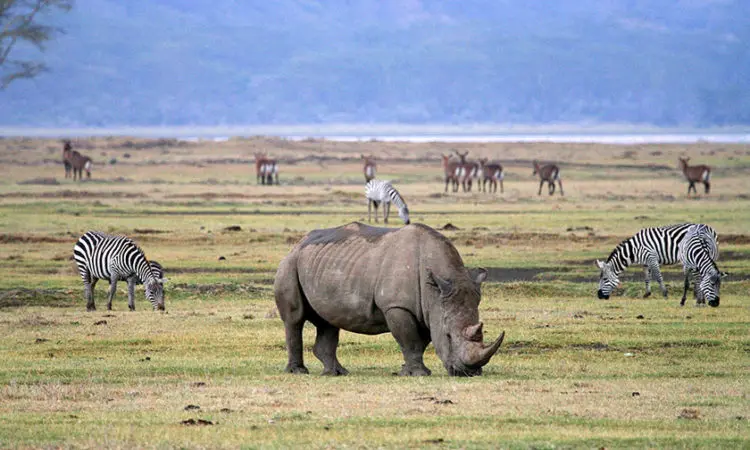
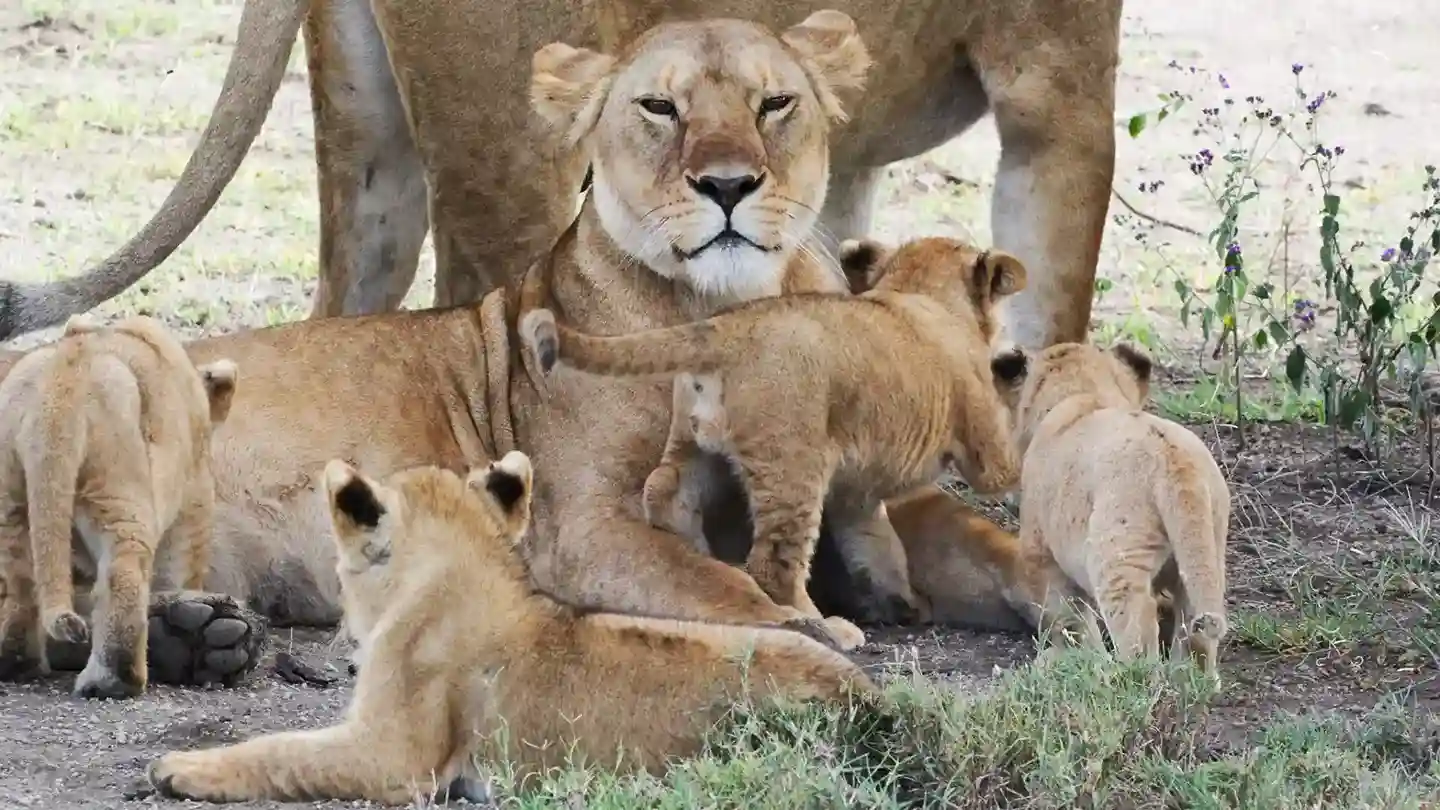
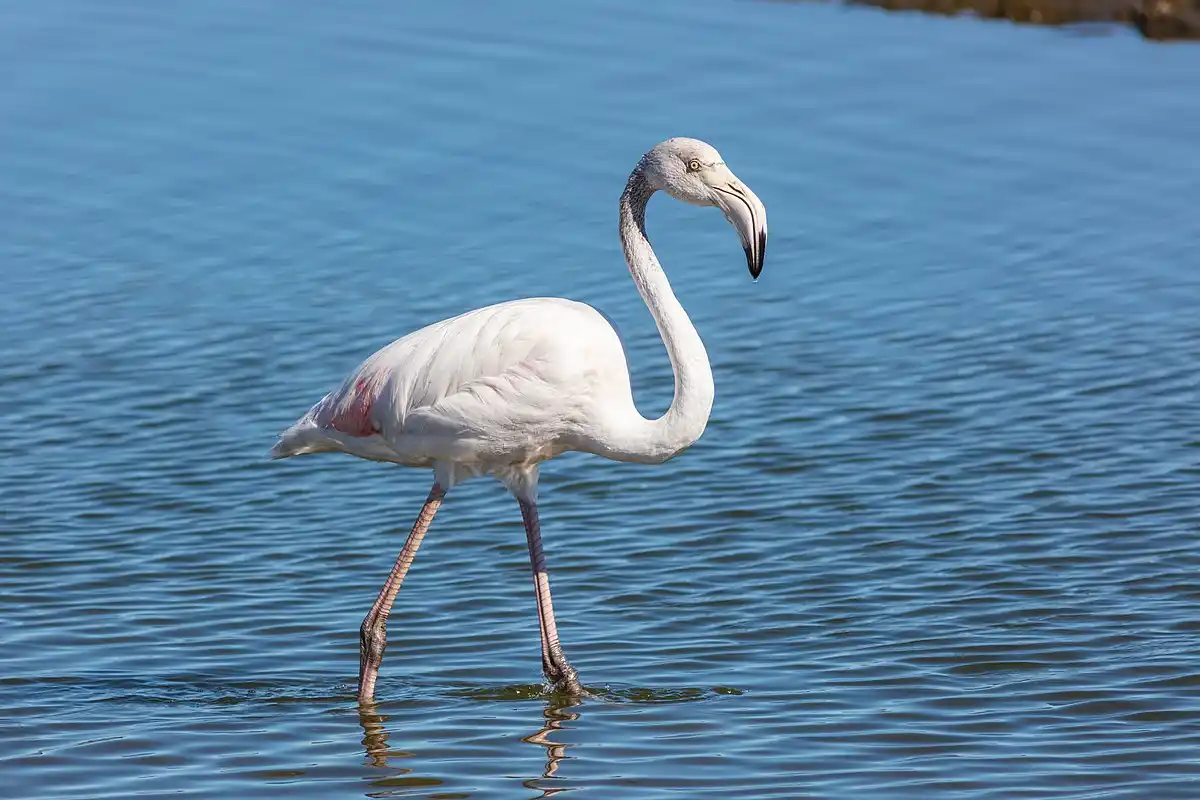
Experience the Ngorongoro Crater Safari
Watch the wonders of a 2-day Ngorongoro Crater safari unfold, from spotting the Big Five to exploring the lush crater floor with Capable Africa Tours.
What to Pack for Your 2-Day Ngorongoro Crater Safari
Packing wisely ensures you’re ready for your Ngorongoro game drive in September. Neutral-colored clothing helps you blend into the environment, while binoculars and a camera capture distant wildlife. September’s dry season means warm days and cool evenings, so layering is key. Here’s a detailed packing list for your Tanzania safari.
- Neutral Clothing: Khaki or beige long-sleeve shirts and pants for sun protection.
- Binoculars: 8x42 or 10x42 for spotting rhinos and birds.
- Sunscreen & Hat: SPF 50+ and a wide-brimmed hat for sunny game drives.
- Insect Repellent: DEET-based for evenings near the crater rim.
- Camera with Zoom: 200mm+ lens for capturing lions and flamingos.
- Reusable Water Bottle: Stay hydrated during 4–6-hour game drives.
- Light Jacket: For cool mornings and evenings on the crater rim.
- Comfortable Shoes: Closed-toe shoes for light walks and transfers.
How Much Does a 2-Day Ngorongoro Crater Safari Cost?
A 2-day Ngorongoro Crater safari in September typically costs between $850 and $1,500 per person, depending on accommodation type, group size, and inclusions. Budget options start at $850 for shared camps, while mid-range and luxury options range from $1,000 to $1,500. Capable Africa Tours offers transparent pricing, ensuring you know exactly what’s included. Here’s a breakdown:
- Budget Safari: From $850 per person (shared camps, group tours).
- Mid-Range Safari: $1,000–$1,200 per person (lodges, private vehicles).
- Luxury Safari: From $1,200–$1,500 per person (premium lodges, exclusive experiences).
Contact us now to customize your Ngorongoro Crater safari!
2-Day Ngorongoro Crater Safari Price Inclusions & Exclusions
Understanding what’s included in your Ngorongoro Crater safari price ensures a seamless Tanzania wildlife safari. Capable Africa Tours covers essentials like park fees, game drives, and meals, while exclusions like flights and optional activities are clearly outlined. Below is a detailed breakdown.
Price Inclusions
- Round-trip transfers from Arusha
- 4WD safari vehicle with pop-up roof
- Professional English-speaking guides
- Ngorongoro Crater entry fees
- Full-board meals (lunch, dinner, breakfast)
- Eco-friendly lodging on crater rim
- Bottled water during game drives
Price Exclusions
- International flights to Tanzania
- Travel or medical insurance
- Tips for guides (~$10–15 pp/day, optional)
- Personal expenses (souvenirs, etc.)
- Alcoholic beverages
- Optional cultural tours (e.g., Maasai village)
Ready for Your 2-Day Ngorongoro Crater Safari?
Embark on a thrilling 2-day Ngorongoro Crater safari in September with Capable Africa Tours. Witness the Big Five, explore the lush crater floor, and enjoy expert-guided game drives in Tanzania’s wildlife paradise.
- 95% success rate for Big Five sightings
- Small groups for personalized adventures
- Eco-friendly lodges with stunning crater views
- Expert guides with deep wildlife knowledge
- Supports conservation and local communities
Limited spots for September crater tours—book now to secure your Tanzania safari adventure!
Book This Safari NowBook Your 2-Day Ngorongoro Crater Safari
Explore More Tanzania Safaris
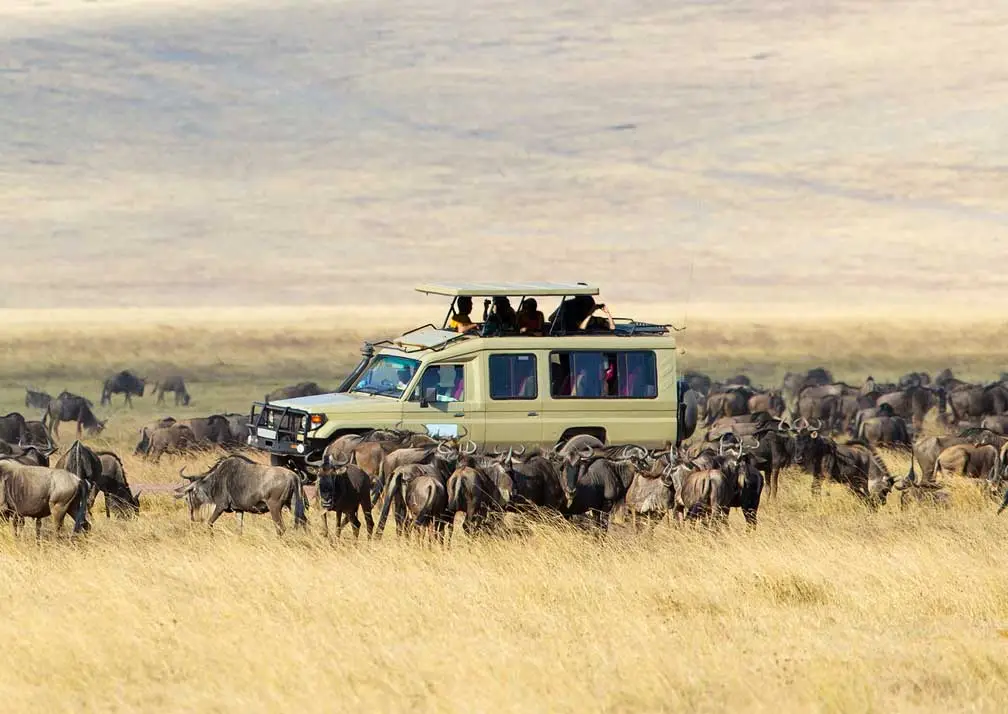
Great Migration Safaris
Experience one of nature’s greatest spectacles with our Great Migration safari packages, timed for river crossings or calving.
View Package →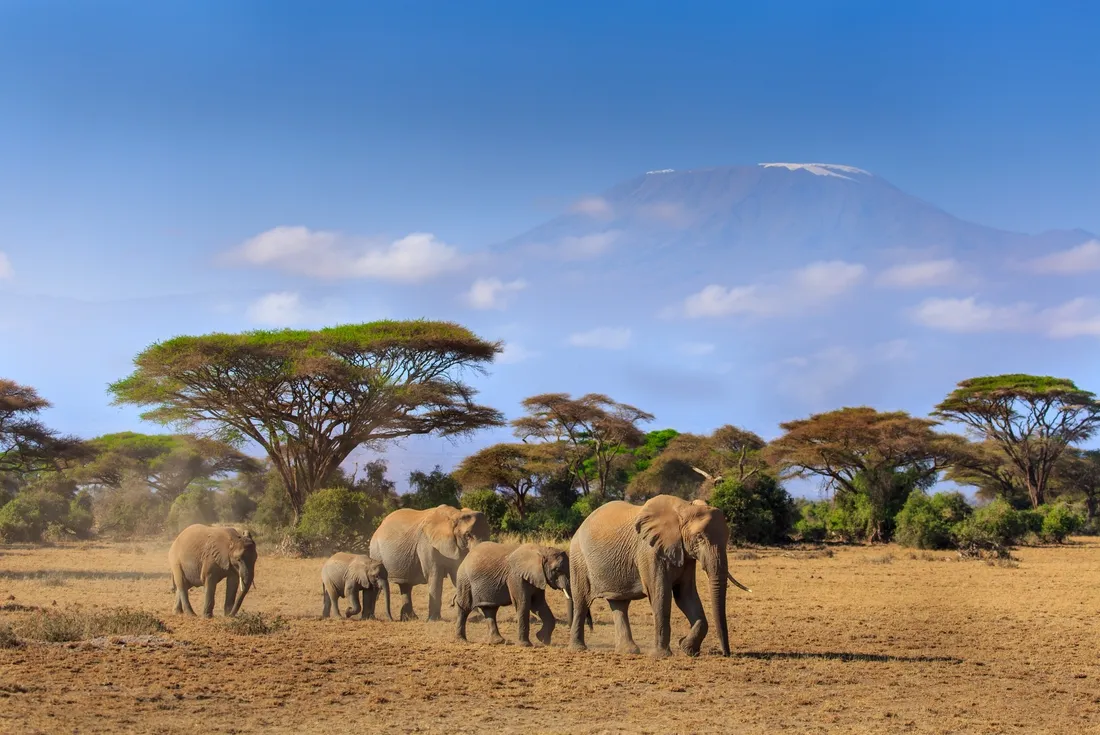
Serengeti & Kilimanjaro Trek
Combined safari and trekking tours offer wildlife adventures and Kilimanjaro climbs.
View Package →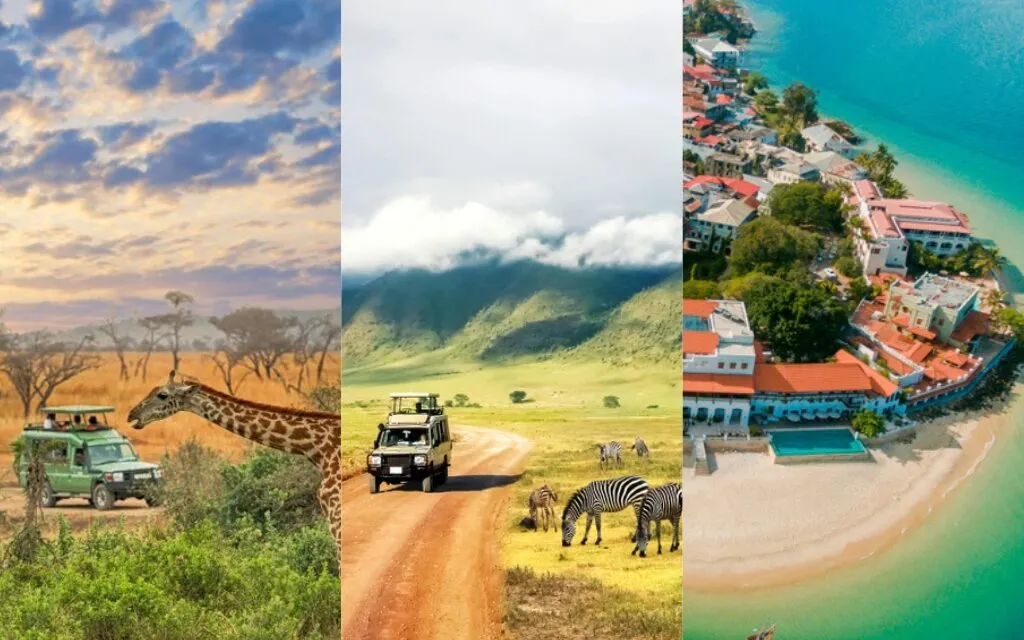
Serengeti & Zanzibar Tours
Luxury Tanzania safari & beach packages with the Great Migration and pristine beaches.
View Package →