2 Days Tanzania Safari Packages 2026/2027

These 2-day Tanzania safari packages compare realistic Northern Circuit routes for travelers wanting a compact wildlife experience without wasting limited time. Depending on the itinerary, the safari may combine Tarangire, Ngorongoro Crater or Lake Manyara, usually limiting the plan to one or two parks. The page covers travel styles, starting points, wildlife interests and accommodation choices. Prices are per person and based on starting and ending in Arusha; final cost varies by season, group size, route, accommodation, transfers, flights and activities. Named lodges and camps are recommendations subject to availability, and comparable or client-selected alternatives may be used.

Request a Quote

What Can You Expect from a 2-Day Tanzania Safari?

A 2-day Tanzania safari focuses on one or two parks within practical driving distance of Arusha — most commonly Tarangire National Park, Ngorongoro Crater, or Lake Manyara National Park. You can expect two full game drives, genuine Big Five opportunities in Ngorongoro, one night of in-park or nearby accommodation, and experienced guide support throughout. The Serengeti is not included in this duration; that requires a minimum of four days.

Plan Your 2-Day Tanzania Safari

Use this page to compare real itinerary choices for a 2-day safari—not only parks, but also travel style, traveler type, budget, departure point, accommodation, wildlife focus and season.

Best overall use of 2 days: For most travelers, Tarangire plus Ngorongoro Crater gives the strongest balance of wildlife, scenery and realistic driving time. Lake Manyara can replace Tarangire when forest, birdlife and a softer pace matter more.

Typical pace

Fast and focused

Safari nights

1 safari night

Realistic route depth

Two nearby parks or one park in greater depth

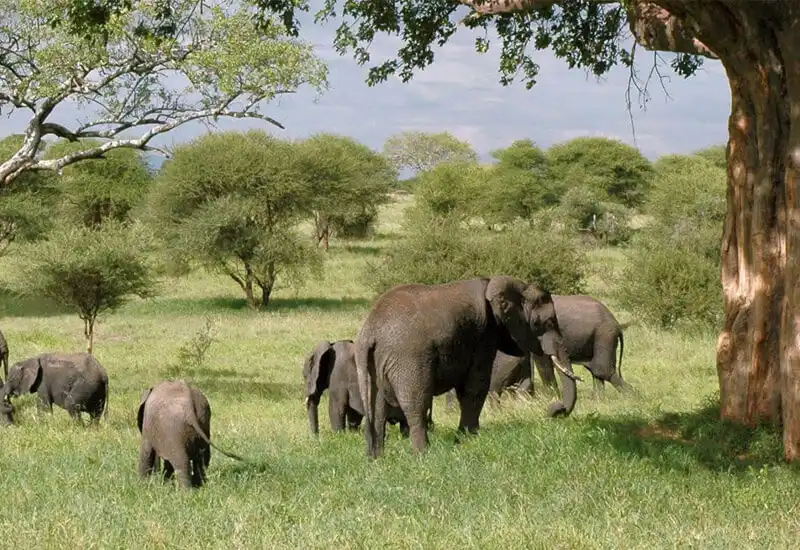
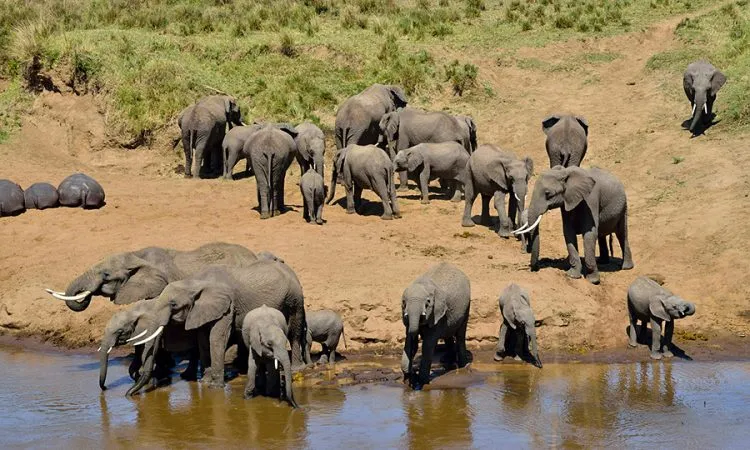
Elephants in Tarangire National Park on a 2-day Tanzania safari

2-Day Tanzania Safari Cost and Budget Options

Direct answer: The existing page estimate is roughly US$450–US$1,200 per person, depending on group size, accommodation and whether the safari is private or shared. Treat this as a planning range and request a current quote.

Compare quotations on the same basis. A low headline price may exclude park fees, crater fees, airport transfers, drinks, tips or important route details.

Budget level Typical setup Best for Main trade-off
Budget camping Camping, shared facilities and simple meals Adventure and lowest accommodation cost Less privacy and comfort
Value lodge Simple lodges, often outside park boundaries Travelers who want private rooms at a controlled price More driving to gates on some days
Mid-range Tented camps or lodges with private bathrooms First-time visitors seeking comfort and value Rates rise in peak season
Luxury Premium camps, stronger locations and upgraded service Couples, families and comfort-focused travelers Higher per-night cost
Ultra-luxury / fly-in Exclusive camps, private concessions and domestic flights Maximum comfort, privacy and time efficiency Highest overall cost and stricter luggage limits

Read the Tanzania safari cost guide for the factors that affect quotations, then request an itemized price for the exact route.

Accommodation for a 2-Day Tanzania Safari

Lodge location affects both price and wildlife time. A cheaper room far from a park gate can add driving, while an in-park or well-positioned camp may protect early and late game drives.

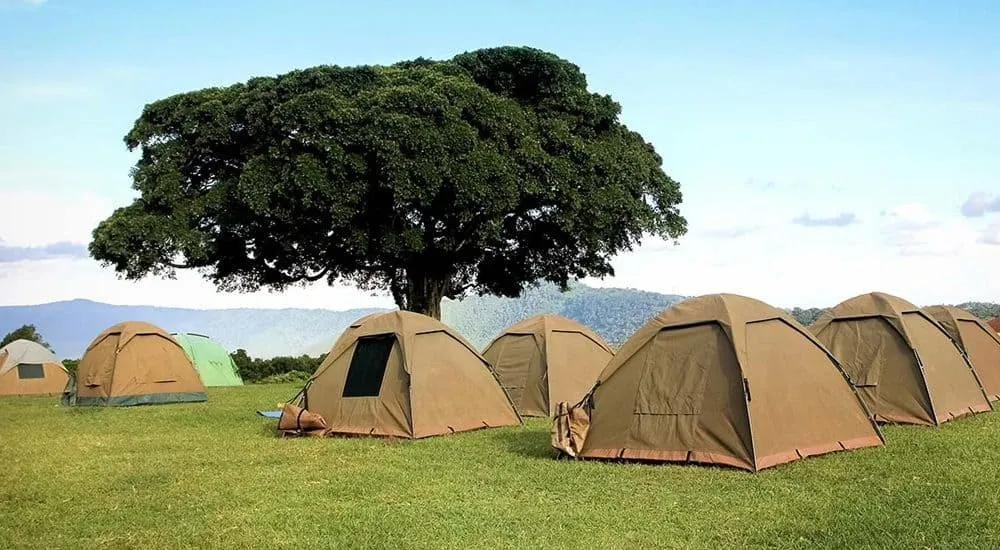
Public or private camping

Best for price-conscious and adventurous travelers; comfort and bathroom arrangements vary by campsite.

Budget or value lodge

Simple private rooms and meals, often outside park boundaries to control cost.

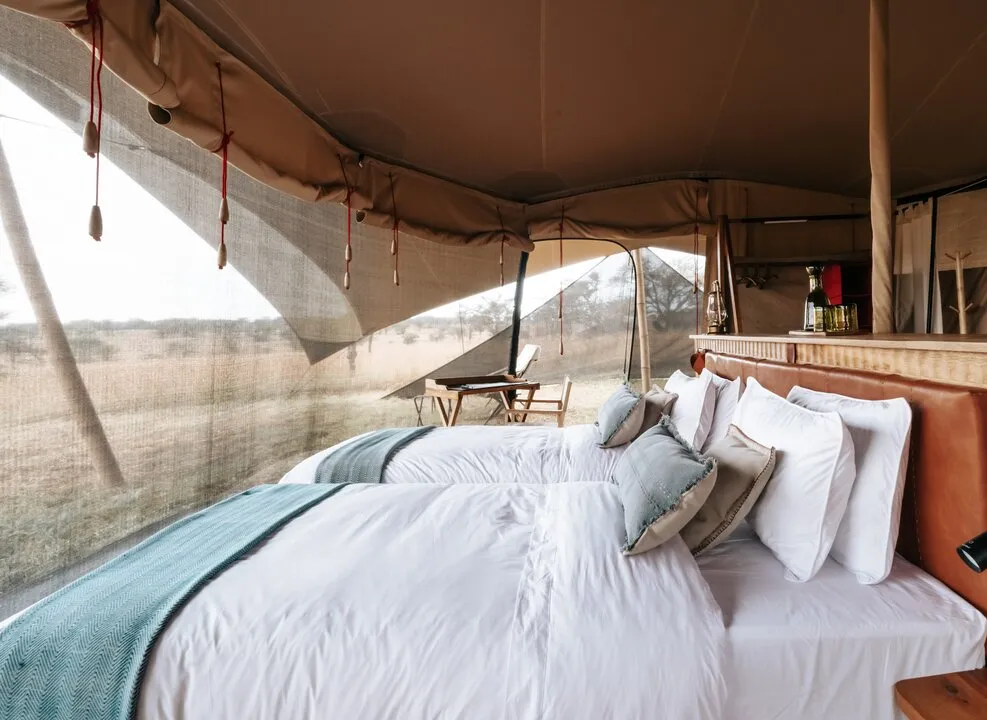
Mid-range tented camp or lodge

The most common balance of comfort, location and price for first-time visitors.

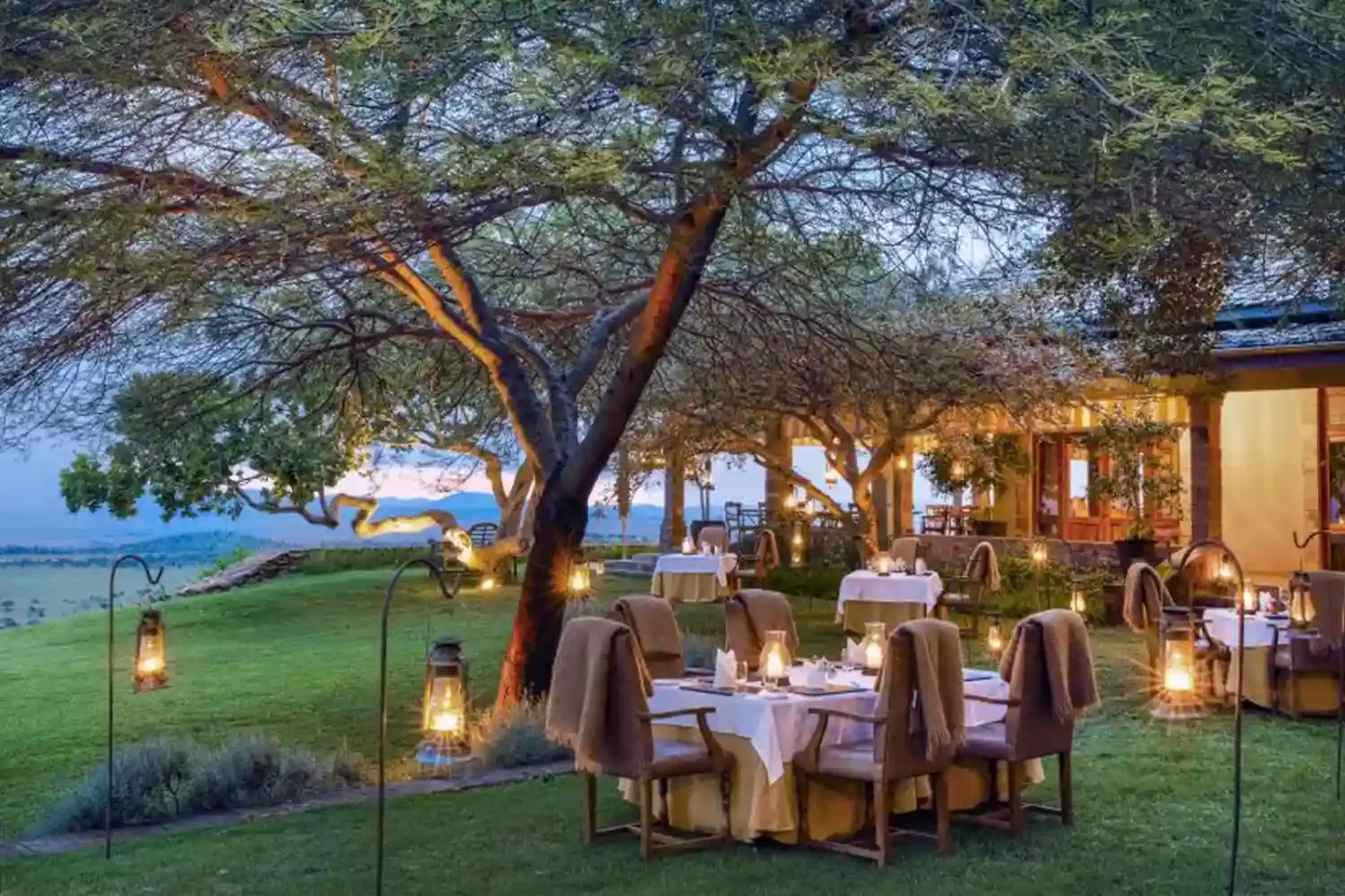
Luxury lodge or premium camp

Stronger locations, higher service levels, larger rooms and more private spaces.

Ultra-luxury or private concession

Exclusive settings, premium dining, private guiding options and, on some routes, fly-in logistics.

Ask whether each night is inside a park, in a conservation area, near a gate or in a town. Also confirm bathroom type, family-room layout, electricity, Wi-Fi expectations and luggage rules for any domestic flight.

Introduction to 2-Day Tanzania Safari Packages

Two days is not the longest time in the bush, but it is far from wasted. Tanzania's northern parks are among the most wildlife-rich areas on the African continent, and the parks within reach of Arusha can deliver an outstanding game drive experience even within a short window. A two-day itinerary typically involves departing Arusha early on day one, spending the afternoon on a full game drive inside the park, overnight in or near the park, and a second full morning game drive before returning to Arusha by early afternoon.

These packages are particularly popular with travelers transiting through Kilimanjaro International Airport, those pairing a safari with a Zanzibar beach holiday, business travelers with limited leave, and anyone who wants to experience Tanzania's wildlife without committing to a longer, more expensive itinerary. Families with young children also find the two-day format manageable, as shorter safari durations are often better suited to younger travelers.

The main limitation of this duration is that it does not include the Serengeti National Park. The drive from Arusha to the Serengeti's central regions takes five to six hours each way, which would absorb most of your available time. Instead, a 2-day safari works best when built around Tarangire, Ngorongoro, Lake Manyara, or a combination of two of these. Each of these parks is excellent in its own right and easily justifies the short trip.

2-Day Tanzania Safari Details

Detail Information
Duration 2 days / 1 night
Recommended Parks Tarangire, Ngorongoro Crater, Lake Manyara
Travel Pace Active — two full game drives, focused itinerary
Best For Stopovers, Zanzibar extensions, first-time safari visitors, short-break travelers
Accommodation Types Budget camps, tented lodges, mid-range lodges, luxury lodges
Wildlife Opportunities Big Five (especially in Ngorongoro), elephants, lions, flamingos, tree-climbing lions, 500+ bird species
Budget Range $450 – $1,200+ per person (budget to luxury)
Private / Group Both available; private recommended for best flexibility
Departure Point Arusha (45 min from Kilimanjaro International Airport)

Who Is a 2-Day Tanzania Safari Best For?

A 2-day itinerary can be adapted to different travelers, but the route, lodge location and daily pace should change with the group.

First-time visitors

Choose a route that covers the strongest highlights without turning every day into a long transfer.

Families

Use family rooms, a private vehicle, flexible meal times and age-appropriate game-drive lengths.

For this duration: Works well for families who want a short wildlife experience, provided driving is limited and the overnight lodge is chosen near the route.

Honeymooners and couples

Prioritize private guiding, scenic camps, special meals and enough time to enjoy the lodge.

Solo travelers

Compare private flexibility with scheduled group departures and single-room supplements.

Senior travelers

Choose central lodge locations, comfortable vehicles, shorter driving days and optional flights.

For this duration: Choose Tarangire and Ngorongoro with a comfortable lodge and avoid an overpacked Serengeti road itinerary.

Photographers

Spend longer in fewer parks, travel with suitable luggage space and request a guide who understands light and positioning.

For this duration: Choose one or two nearby parks and protect early-morning and late-afternoon game-drive time rather than adding distance.

Who May Find 2 Days Too Short?

We believe in honest advice. A 2-day safari is genuinely rewarding, but it is not right for everyone.

  • Travelers wanting to visit the Serengeti — the driving time makes it impractical within two days. You need at least four days for a Serengeti itinerary.
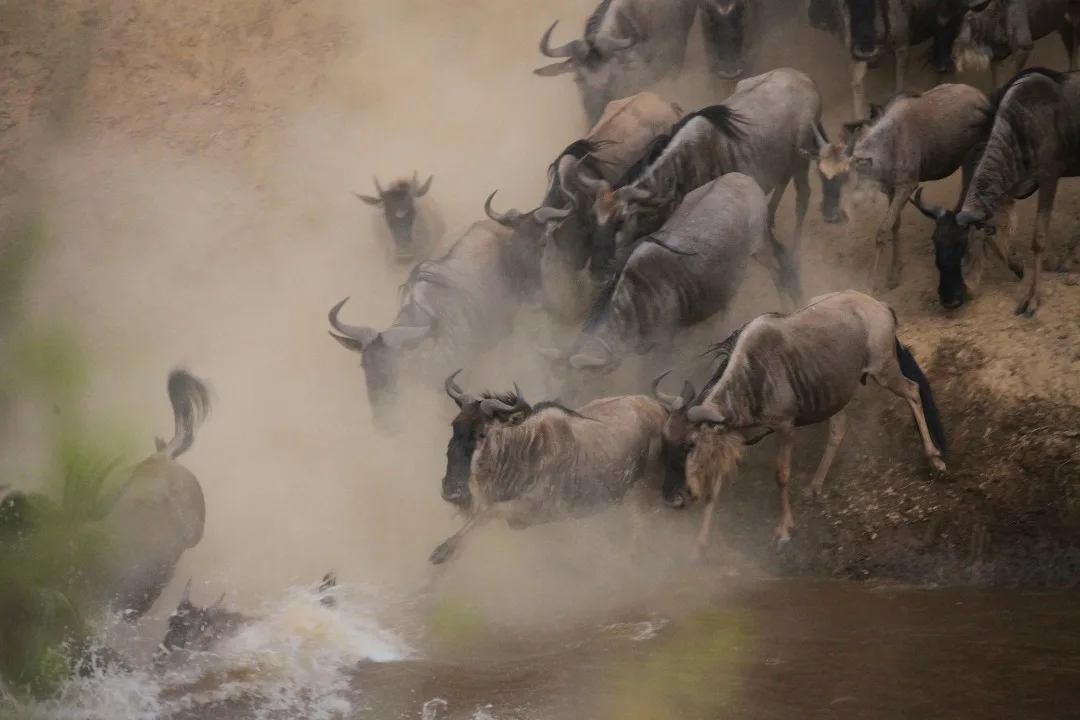
  • Visitors interested in the Great Migration — the wildebeest migration takes place in the Serengeti and Masai Mara, which are beyond the reach of a 2-day package.
  • Those seeking a slow, immersive pace — two days moves quickly. If you prefer extended morning game drives followed by long afternoons at the lodge, consider 3 or more days.
  • Southern circuit enthusiasts — parks like Ruaha, Selous (Nyerere), and Mikumi are not accessible within this duration from Arusha.
  • Wildlife photographers needing extended golden-hour sessions — two days limits your ability to revisit the same locations at different times of day over multiple sessions.

Why Choose a 2-Day Tanzania Safari?

The most straightforward reason is convenience. Not every traveler to Tanzania has a week to spend in the bush — and that is perfectly fine. The northern parks near Arusha are structured well for short visits, with good-quality accommodation inside and adjacent to the park boundaries, which means almost your entire time is spent in wildlife habitat rather than on transfer roads.

From a budget standpoint, two days is one of the most cost-effective ways to experience genuine African safari wildlife. You pay for one night of accommodation, one set of park fees, and a return transfer rather than spreading those costs across multiple parks and days. The wildlife quality in Tarangire and Ngorongoro Crater is not diluted by the shorter duration — both parks hold some of the highest animal densities in Tanzania year-round.

Logistically, a 2-day safari also fits seamlessly around flight schedules. A morning arrival into Kilimanjaro International Airport allows us to pick you up and have you inside Tarangire or en route to Ngorongoro by midday. After your second game drive the following morning, you are back in Arusha in time for an evening flight to Zanzibar or an international departure. We handle all the coordination so you can focus on what you came to see.

Best Destinations for a 2-Day Tanzania Safari

Tarangire National Park

Tarangire sits approximately 1.5 to 2 hours south of Arusha along good tarmac roads, making it the most accessible of the major northern parks. During the dry season (June–October), the Tarangire River becomes the only permanent water source for miles, drawing enormous concentrations of elephants — sometimes in herds of 200 or more. Alongside the elephants, you will find lions, leopards, oryx, zebra, and over 550 recorded bird species. The park's signature landscape, ancient baobab trees rising from golden grass, gives it a look unlike anywhere else in Tanzania. For a single-park 2-day itinerary, Tarangire is our most recommended choice.

Ngorongoro Crater

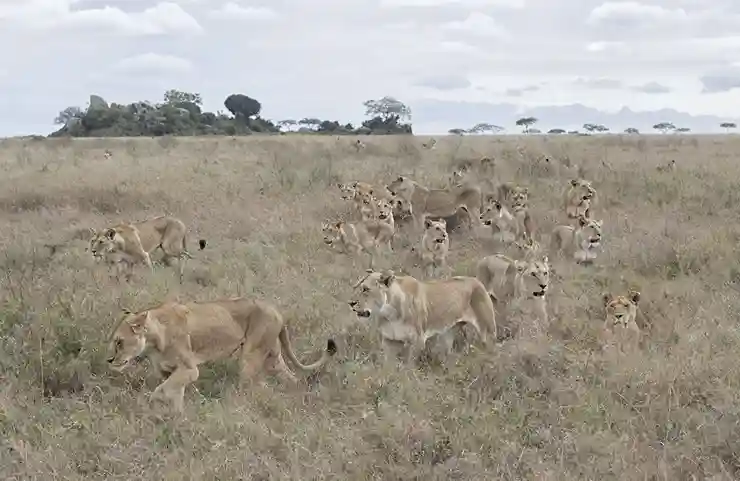
The Ngorongoro Crater is a collapsed volcanic caldera and a UNESCO World Heritage Site. Its 260 km² floor holds a permanent population of around 25,000 animals, including the only naturally occurring population of black rhino left on the northern circuit. Because the wildlife cannot easily leave the crater walls, sightings are remarkably consistent year-round. Lions are frequently seen resting on the open plains, elephant bulls patrol the crater floor, and hippos wallow in the central lake. The drive from Arusha takes approximately 3 hours, which works well on a 2-day schedule when you stay at a crater-rim lodge and descend for a full morning game drive on day two. It is worth noting that the Ngorongoro Conservation Area Authority charges a separate crater service fee, which is included in our package pricing.

Lake Manyara National Park

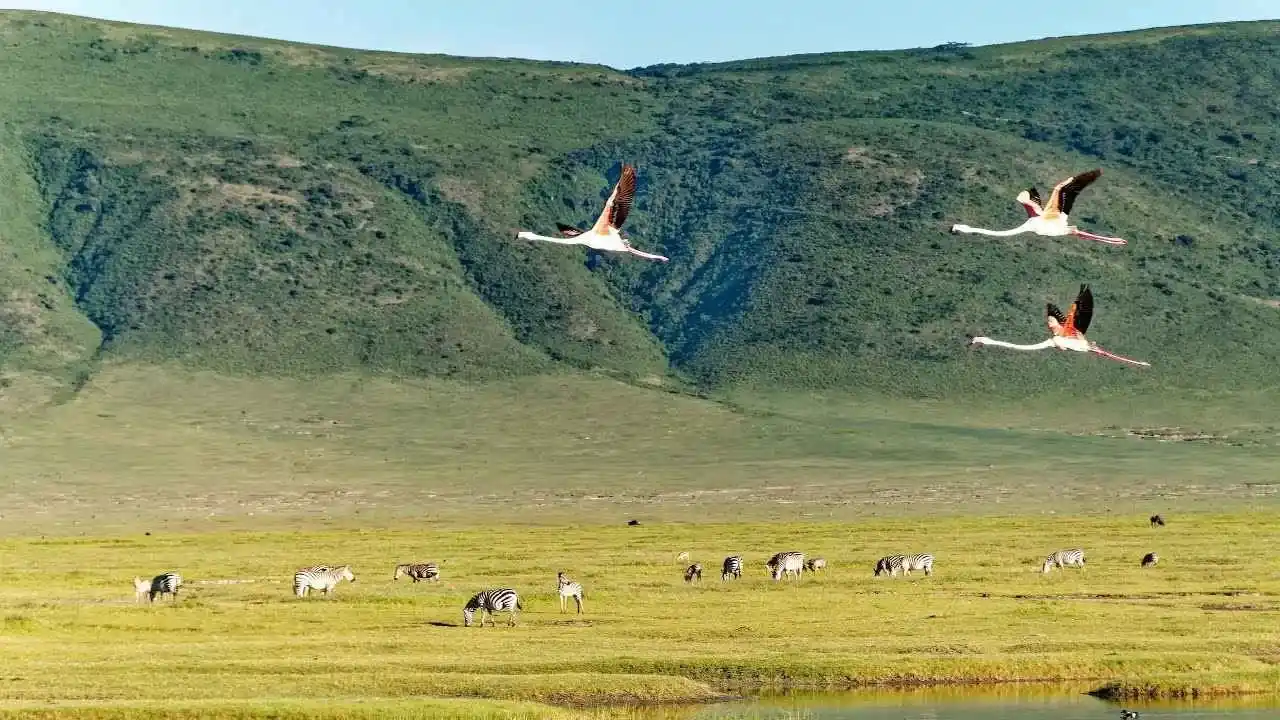
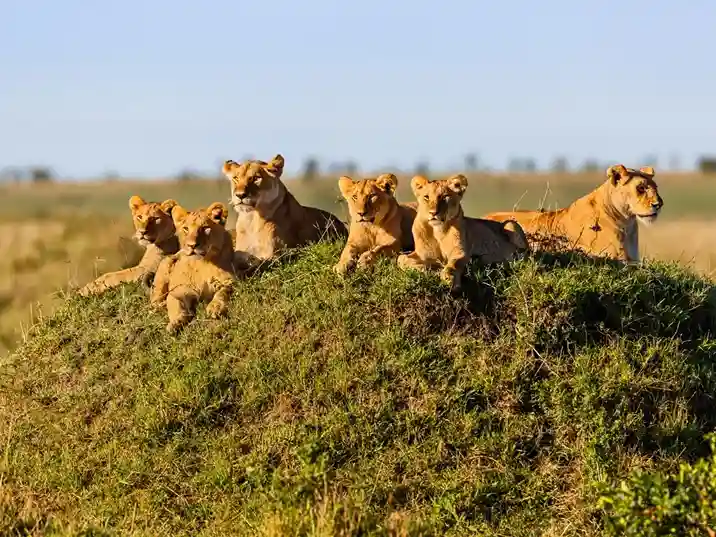
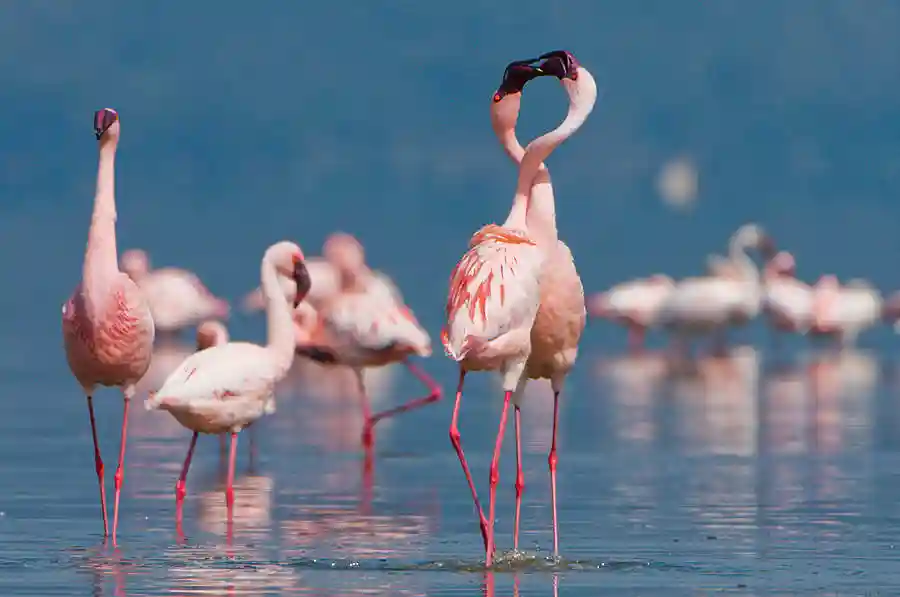
Lake Manyara is a compact and diverse park situated about 2 hours from Arusha. It is particularly known for its tree-climbing lions — a behavior believed to develop as a response to insects and heat on the valley floor — and its large flocks of flamingos when water levels are right. The park also has one of Tanzania's highest elephant densities relative to its size, along with hippos, baboons, giraffes, and a remarkable diversity of water birds along the alkaline lake edge. Manyara works excellently as a half-day add-on combined with Tarangire or as the sole focus of a single-day game drive on a 2-day itinerary.

Arusha National Park

Though less famous than its neighbors, Arusha National Park is only 45 minutes from Arusha town and deserves mention for very short windows. It offers walking safaris (the only park in the northern circuit where this is widely available), colobus monkey sightings, buffalos, zebra, and spectacular views of Mount Meru. For travelers with a single afternoon before departure, it is a practical and enjoyable option.

How to Choose the Right 2-Day Tanzania Safari Package

With six solid options available, choosing the right package comes down to a few honest questions about your priorities.

  • What wildlife matters most to you? If the Big Five — especially black rhino — is your priority, Ngorongoro Crater belongs in your itinerary. If elephants in large numbers are your focus, Tarangire is the answer. If birds or tree-climbing lions interest you, include Lake Manyara.
  • How much time do you have on arrival and departure? Your flight times matter. A midday arrival suits a Manyara-first itinerary. An early morning arrival allows you to reach Tarangire in time for afternoon game drives. Let us know your schedule and we will build around it.
  • Private or shared group? Private safaris give you full control over timing and pace — worth it if you have specific photography goals or travel with family. Joining (group) safaris reduce the cost significantly and are a great choice for solo travelers or budget-conscious couples.
  • What accommodation standard do you prefer? We offer everything from public campsites and budget tented camps to comfortable mid-range lodges and premium luxury properties. Your accommodation choice often affects the overall cost more than any other factor on a 2-day itinerary.
  • Is this a standalone trip or a Zanzibar extension? If you are combining with Zanzibar, we can coordinate airport transfers and flights so the logistics between your safari and beach stay are seamless.

If you are still unsure, contact us and describe your situation. We ask a few practical questions and recommend the most suitable package from there.

Common Mistakes to Avoid When Booking a 2-Day Tanzania Safari

  • Trying to include the Serengeti. We see this request frequently, and our answer is consistent: it cannot be done well in two days. The drive alone consumes too much of your available time. If the Serengeti matters to you, plan for a minimum of four days.
  • Booking too many parks. Visiting three parks in two days sounds exciting but usually means more time in the vehicle than in the bush. Two parks is the sensible maximum; one park done properly is often better than two done hastily.
  • Underestimating travel time from Kilimanjaro Airport. Kilimanjaro International Airport is roughly 45 minutes from Arusha, not in Arusha. Factor this into your first-day schedule, especially if your flight lands in the mid-afternoon.
  • Choosing solely on price. The cost difference between a budget camp and a mid-range lodge on a 2-day safari is often a few hundred dollars per person. Given you are only out for two days, it is worth considering whether comfort on that one night adds meaningfully to the experience.
  • Ignoring seasonality. While the parks near Arusha are good year-round, the dry season (June–October) concentrates wildlife near water and offers better visibility. If you are traveling in the green season (November–May), adjust your expectations — wildlife is still present but more dispersed.
  • Not confirming what is included. Park fees in Tanzania are among the highest in East Africa. Always confirm your package includes all park entry and conservation fees. Our packages include these in full.

Local Expert Tips for a 2-Day Tanzania Safari

  • Start your game drives early. Lions, leopards, and most predators are most active in the first two hours after sunrise — typically 6:30–8:30am. An early start also means fewer other vehicles at the same sightings.
  • Ngorongoro mornings can be cold. The crater rim sits at about 2,300 metres above sea level. Pack a fleece or light jacket — mornings on the rim before your descent can be genuinely chilly, even during the dry season.
  • Stay silent during sightings. This sounds obvious, but it makes a real difference. Animals respond to noise, and a quiet vehicle allows predators and other wildlife to behave naturally close to you.
  • Let your guide lead the route. Our guides monitor the parks daily and know where recent sightings have been reported. Trust their judgment on where to spend time — local knowledge on a short itinerary is worth more than any map or guidebook.
  • Binoculars are not optional. Even in a wildlife-dense park like Ngorongoro, animals can be at distance. A good pair of 8x42 binoculars makes a significant difference to what you actually see and enjoy.
  • Tipping is expected but not compulsory. $10–15 per person per day is the standard tipping range for guides in Tanzania. If your guide has been outstanding, tip accordingly — it is a meaningful part of their income.
  • Carry small bills in Tanzanian shillings or US dollars. For minor purchases at park gates or craft stalls, smaller denominations are more practical.
  • Don't underestimate Lake Manyara. Travelers sometimes see it as a lesser park because it is small. In our experience, it consistently surprises people — particularly the forest section and the lake edge in the late afternoon light.
  • Book accommodation inside or immediately adjacent to the park. On a 2-day safari, the time you save by staying within the park boundary rather than in a town outside is genuinely significant. You gain an extra hour of game drive time in each direction.
  • Confirm your dietary needs before departure. All lodges can accommodate common dietary requirements, but they need advance notice. Let us know when you book and we will communicate it to your accommodation.

Best Time for a 2-Day Tanzania Safari: Month by Month

Tanzania is a year-round safari destination. The best month depends on wildlife interest, route, crowd tolerance, budget and whether green scenery or dry-season concentration matters more.

Month What to plan for How it affects a 2-day route
January Green landscapes and calving-season planning in the southern Serengeti or Ndutu area; combine with Ngorongoro. Focus on one or two nearby parks, or use a flight if a distant Serengeti region is essential.
February Excellent for southern Serengeti predator activity and young animals; book well ahead for popular camps. Focus on one or two nearby parks, or use a flight if a distant Serengeti region is essential.
March Calving-season wildlife may remain strong early in the month; later rain can reduce crowds and affect roads. Focus on one or two nearby parks, or use a flight if a distant Serengeti region is essential.
April A quiet green-season month with attractive value, dramatic skies and possible heavy rain. Focus on one or two nearby parks, or use a flight if a distant Serengeti region is essential.
May Low crowds and green scenery; migration movement often trends toward the western or central Serengeti, depending on rain. Focus on one or two nearby parks, or use a flight if a distant Serengeti region is essential.
June Drying conditions improve access; western Serengeti and Grumeti-area planning may be relevant while Tarangire becomes stronger. Focus on one or two nearby parks, or use a flight if a distant Serengeti region is essential.
July Peak dry-season wildlife viewing, popular northern or western Serengeti routes and strong Tarangire elephant activity. Focus on one or two nearby parks, or use a flight if a distant Serengeti region is essential.
August High-demand month for northern Serengeti, river-crossing possibilities, Ngorongoro and Tarangire. Focus on one or two nearby parks, or use a flight if a distant Serengeti region is essential.
September Excellent general wildlife viewing with dry conditions; northern Serengeti and Tarangire remain popular. Focus on one or two nearby parks, or use a flight if a distant Serengeti region is essential.
October Late dry season with concentrated wildlife; migration may begin moving south as weather changes. Focus on one or two nearby parks, or use a flight if a distant Serengeti region is essential.
November Short rains create fresh landscapes and birdlife; migration location changes quickly and route flexibility matters. Focus on one or two nearby parks, or use a flight if a distant Serengeti region is essential.
December Festive-season demand is high; green scenery and returning herds can make Serengeti routes rewarding. Focus on one or two nearby parks, or use a flight if a distant Serengeti region is essential.
Migration note: Wildebeest movement is influenced by rainfall and pasture. Month-by-month guidance helps route planning, but no crossing or exact herd location can be guaranteed.

Read the complete best-time guide before choosing a migration region or non-refundable lodge.

What's Included in Our 2-Day Tanzania Safari Packages

Inclusions

  • Return transfers from Arusha hotel or Kilimanjaro International Airport
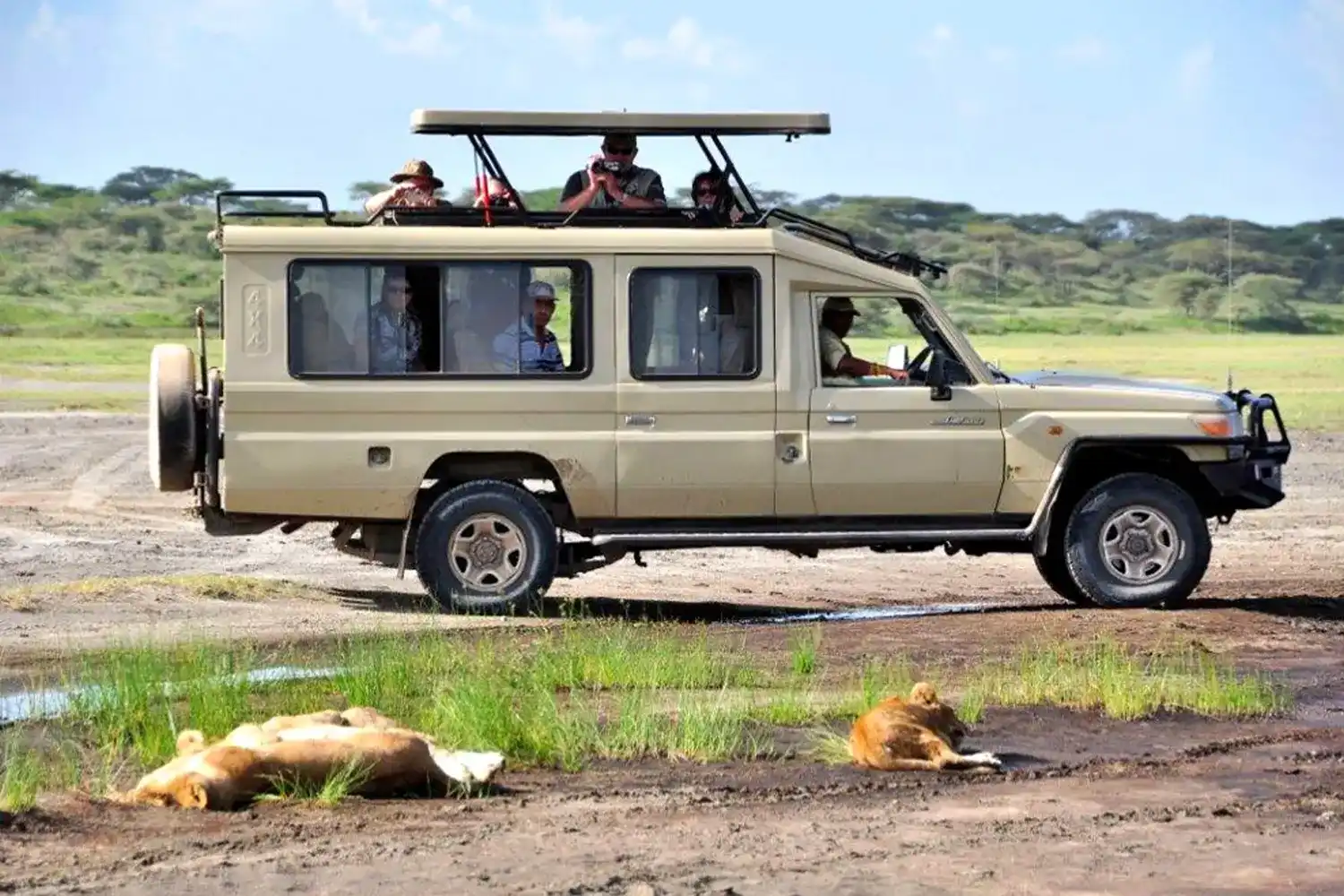
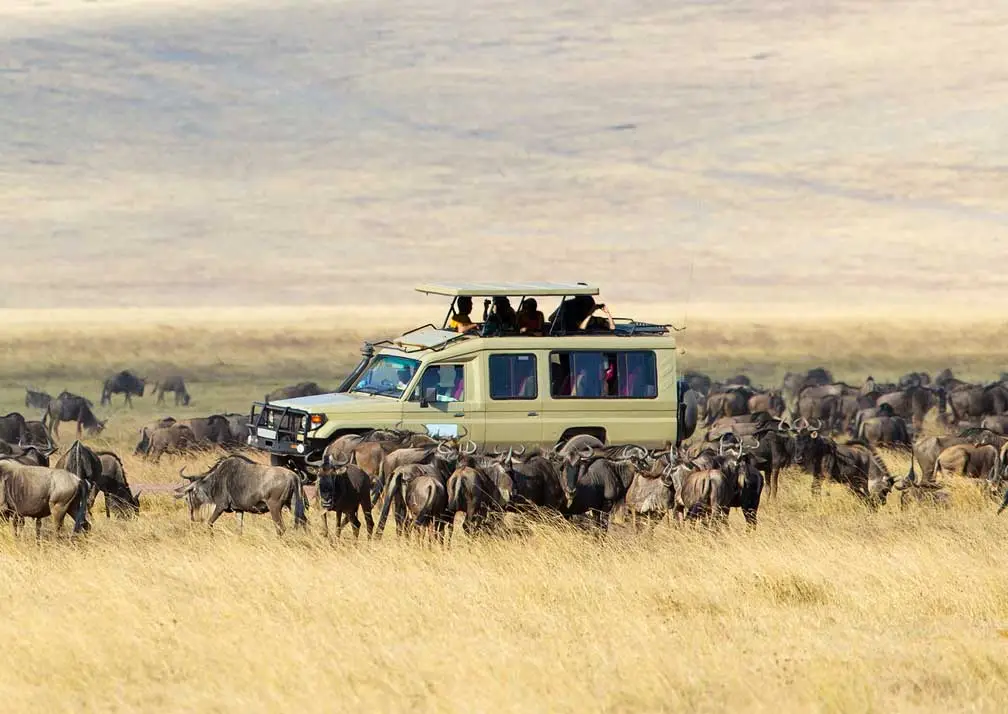
  • 4WD safari vehicle with pop-up roof for game viewing
  • Professional English-speaking guide-driver
  • All national park and conservation area entry fees
  • Ngorongoro Crater service fee (where applicable)
  • Full-board meals: dinner on day one, breakfast and lunch on day two
  • One night accommodation (camp, lodge, or luxury option as selected)
  • Bottled water during game drives

Exclusions

  • International and domestic flights to Tanzania
  • Tanzania visa fees
  • Travel and medical insurance (strongly recommended)
  • Optional activities (hot air balloon, walking safari)
  • Alcoholic beverages and personal expenses
  • Gratuities for guides ($10–15 per person per day, customary)
  • Souvenirs and personal shopping

Explore More of Tanzania Beyond 2 Days

A 2-day safari gives you a strong foundation, but Tanzania has much more to offer travelers with more time available.

  • Serengeti National Park — Tanzania's most celebrated park and the site of the Great Wildebeest Migration. Requires a minimum of 3–4 days to reach and explore properly from Arusha.
  • Ngorongoro Conservation Area — The crater and its surroundings reward longer stays, particularly if you want to combine a crater descent with a visit to Olduvai Gorge or Maasai community experiences in the highlands.
  • Tarangire National Park — A full 3-day dedicated Tarangire itinerary allows you to explore the park's southern swamp zones, which hold different wildlife from the northern river area.
  • Lake Manyara National Park — Best combined with neighboring parks; also a natural gateway to the Rift Valley and the Ngorongoro highlands.
  • Arusha — Tanzania's safari capital, home to the Arusha National Park, the Cultural Heritage Centre, and the main gateway for all northern circuit departures via Kilimanjaro International Airport.
>

Compare Tanzania Safari Durations

Choose 2 days when time is limited and you are happy to focus on nearby parks. Move to 3 or 4 days when Serengeti by road is important.

View all Tanzania safari packages to compare destinations and trip styles beyond duration.

Plan Your 2-Day Tanzania Safari with Capable Africa Tours

We have been organizing northern Tanzania safaris from Arusha for years, and 2-day packages are among our most requested itineraries. Whether you want a private vehicle, a budget camping option, or a comfortable lodge with a crater view, we will design a package that works around your flights, budget, and wildlife priorities.

  • All six featured itineraries available year-round with guaranteed departures
  • Professional English-speaking guides with local park knowledge
  • All park fees included — no hidden costs
  • Private, semi-private, and joining (group) options available
  • Seamless Zanzibar extension coordination on request

Peak-season dates (July–October) fill quickly — get in touch early to hold your preferred dates.

Request a Free Quote

How We Evaluate a 2-Day Safari Route

Capable Africa Tours compares each itinerary using practical route factors rather than counting park names alone.

Driving versus wildlife time

We check whether the route leaves enough daylight for game viewing after transfers.

Lodge position

We consider gate distance, park zone, check-in timing and the next day's route.

Seasonal fit

We match habitats and Serengeti regions to likely conditions without promising exact wildlife locations.

Traveler pace

Families, photographers, honeymooners and senior travelers need different daily rhythms.

Complete quotation

We compare inclusions such as park fees, crater fees, accommodation, meals, water, transfers and optional flights.

Backup logic

We allow for road conditions, flight schedules, weather and realistic international-flight connections.

Planning transparency: Wildlife sightings, migration positions, weather and road conditions cannot be guaranteed. Final routing should be confirmed against your exact travel dates and current availability.

Page updated July 2026. Route recommendations are designed for planning and can be customized.

Why Book Your 2-Day Tanzania Safari With Capable Africa Tours

We are a Tanzania-based safari operator run by people who live and work in the northern circuit region. Our guides are local experts who have spent years learning the parks, their seasonal rhythms, and the behaviors of the wildlife within them. When you travel with us, you are not working with an international booking platform passing your reservation to a third party — you are dealing directly with the team organizing your safari on the ground.

  • Local expertise: Our guides know the parks in detail, including seasonal movement patterns, off-the-beaten-track spots, and which areas to prioritize on different days.
  • Honest itinerary advice: We will tell you what is and is not possible in two days, rather than selling you something that will disappoint. Our job is repeat clients and referrals, which means honesty matters.
  • Transparent pricing: All park fees, conservation fees, and crater service charges are included in our quoted prices. What we quote is what you pay.
  • Flexible options: Private, semi-private, and joining departures; budget to luxury accommodation; departure adjustments around your flight schedule. We work around you.
  • Responsible tourism: We use eco-friendly lodges where possible and support local communities through our conservation partnerships and employment practices.
  • 24/7 support: From your arrival into Kilimanjaro International Airport to your departure, our team is reachable throughout your trip.

2-Day Tanzania Safari Park Locations

All parks featured in our 2-day Tanzania safari packages are within the northern circuit, departing from Arusha near Kilimanjaro International Airport.

How This Guide Is Reviewed

Last updated: 28 July 2026. Prepared and reviewed by: Capable Africa Tours’ Tanzania safari planning and operations team. Route recommendations are based on practical Northern Circuit travel time, protected-area rules, seasonal conditions and realistic game-drive hours. Final fees, flight schedules, accommodations and permits are reconfirmed in writing for each booking.

Safety, Responsible Wildlife Viewing and Honest Expectations

A two-day safari is safe and rewarding when the route is realistic, the vehicle is roadworthy and the driver-guide follows protected-area regulations. Wildlife is never staged or guaranteed. Guests should remain in the vehicle except at approved places, keep noise low, avoid feeding animals and never pressure a guide to drive off-road, crowd a sighting or speed to recover time lost through traffic or weather.

Short itineraries magnify delays, so we recommend an arrival night before Day 1 and a buffer after the safari before an international flight. Families, older travelers and guests with medical or mobility needs should share requirements before quotation so the vehicle, accommodation and pace can be planned honestly.

Frequently Asked Questions about 2-Day Tanzania Safari Packages

1. What can I see on a 2-day Tanzania safari?
On a 2-day Tanzania safari you can realistically visit one or two parks — most commonly Tarangire National Park, Ngorongoro Crater, or Lake Manyara National Park. Wildlife highlights include elephants, lions, leopards, buffalos, flamingos, and tree-climbing lions, with a strong chance of Big Five encounters in Ngorongoro Crater.
2. How much does a 2-day Tanzania safari cost?
A 2-day Tanzania safari typically costs between $450 and $1,200 per person, depending on accommodation type (budget camp, mid-range lodge, or luxury tented camp), group size, and whether you travel privately or join a shared-group departure. All our prices include park fees.
3. Is 2 days enough for a Tanzania safari?
Yes, 2 days is enough to have a genuine and rewarding Tanzania safari experience, particularly in Tarangire or Ngorongoro Crater. You won't reach the Serengeti in this time, but the parks closer to Arusha offer excellent wildlife that satisfies most short-stay travelers.
4. Which parks are best for a 2-day Tanzania safari?
The best parks for a 2-day Tanzania safari are Tarangire National Park (1.5–2 hours from Arusha), Lake Manyara National Park (2 hours), and Ngorongoro Crater (3 hours). These three parks are within practical driving distance and offer outstanding wildlife within a short itinerary.
5. Can I do a 2-day Tanzania safari before or after Zanzibar?
Absolutely. A 2-day safari in Tarangire or Ngorongoro pairs very well as a pre- or post-Zanzibar extension. Fly into Kilimanjaro International Airport, enjoy your safari, then catch a connecting flight to Zanzibar — a popular and practical combination we coordinate regularly.
6. Can the Serengeti be visited in 2 days?
It is not practical to visit the Serengeti on a 2-day safari from Arusha. The drive from Arusha to the central Serengeti takes 5–6 hours each way, leaving very little time for actual game drives. We recommend a minimum of 4 days to include the Serengeti properly.
7. What accommodation options are available on a 2-day Tanzania safari?
Accommodation ranges from public campsites and tented bush camps (budget) to comfortable mid-range lodges and premium luxury properties inside or adjacent to the parks. We match accommodation to your budget and travel style when you inquire.
8. What is included in a 2-day Tanzania safari package?
Our 2-day Tanzania safari packages include airport or hotel transfers from Arusha, a 4WD safari vehicle with a pop-up roof, an English-speaking guide-driver, all national park and conservation area entry fees, full-board meals, and one night of accommodation inside or near the park.
9. Are 2-day Tanzania safaris suitable for families with children?
Yes, a 2-day safari is well-suited to families with children aged 5 and above, particularly Tarangire and Lake Manyara, where game drives are relaxed and wildlife is abundant. We can recommend family-friendly lodges and adjust the pace accordingly.
10. Can I do a private 2-day Tanzania safari?
Yes. All our 2-day Tanzania safari packages can be operated as fully private tours with a dedicated vehicle and guide. Private safaris offer greater flexibility with timing, pace, and route, and are priced based on your specific group size and accommodation choice.
11. What is the best time of year for a 2-day Tanzania safari?
The dry season from June to October is generally the best time, as wildlife concentrates near water sources and vegetation is shorter, making animals easier to spot. However, Tarangire and Ngorongoro offer excellent wildlife year-round, and the green season (November–May) has its own rewards including lower prices and lush landscapes.
12. Do I need a visa for Tanzania?
Most nationalities require a visa to enter Tanzania. Tanzania now issues e-visas online, which we recommend obtaining before arrival. Your Capable Africa Tours consultant will share the current requirements for your nationality when you inquire.
13. What is the difference between a budget and a luxury 2-day Tanzania safari?
A budget 2-day Tanzania safari uses public campsites or basic tented camps and may join you with other small groups. A luxury safari uses premium lodges or exclusive tented camps with en-suite facilities, gourmet meals, and a fully private vehicle. The game drives and wildlife experience are equivalent — the difference is comfort and exclusivity.
14. How do I get to the start of a 2-day Tanzania safari?
Most 2-day Tanzania safaris start in Arusha. You can fly into Kilimanjaro International Airport (JRO), approximately 45 minutes from Arusha town, or into Arusha Airport for domestic connections. We arrange all transfers from your arrival point.
15. Can I customize a 2-day Tanzania safari itinerary?
Yes. All our 2-day Tanzania safari packages are fully customizable. If you have a specific park, accommodation style, or activity preference, contact us and we will design an itinerary around your needs and budget.
16. Is it safe to go on a 2-day Tanzania safari?
Tanzania is a stable and well-established safari destination, and the northern Tanzania parks are among the safest wildlife areas in Africa. Our experienced guides follow strict park safety protocols, and our vehicles are well-maintained 4WD safari vehicles with communication equipment.
17. What should I pack for a 2-day Tanzania safari?
Pack neutral-colored clothing (khaki, beige, olive), a light fleece or jacket for early mornings in Ngorongoro, sunscreen (SPF 50+), a hat, insect repellent, binoculars, and your camera with a zoom lens. A small daypack is more than sufficient for two days.
18. How do I book a 2-day Tanzania safari with Capable Africa Tours?
Contact us via our website inquiry form, WhatsApp, or email. Our team will confirm availability, share a detailed quote with full inclusions, and handle all logistics including accommodation bookings and park permits.

Ready to Book Your 2-Day Tanzania Safari?

Get in touch and tell us your travel dates, group size, and accommodation preference. We will send you a tailored quote within 24 hours and take care of everything from there.

  • Free, no-obligation quote within 24 hours
  • All packages customizable to your schedule and budget
  • Zanzibar beach extensions coordinated on request
  • Secure your dates with a small deposit
Request Your Free Quote Chat on WhatsApp