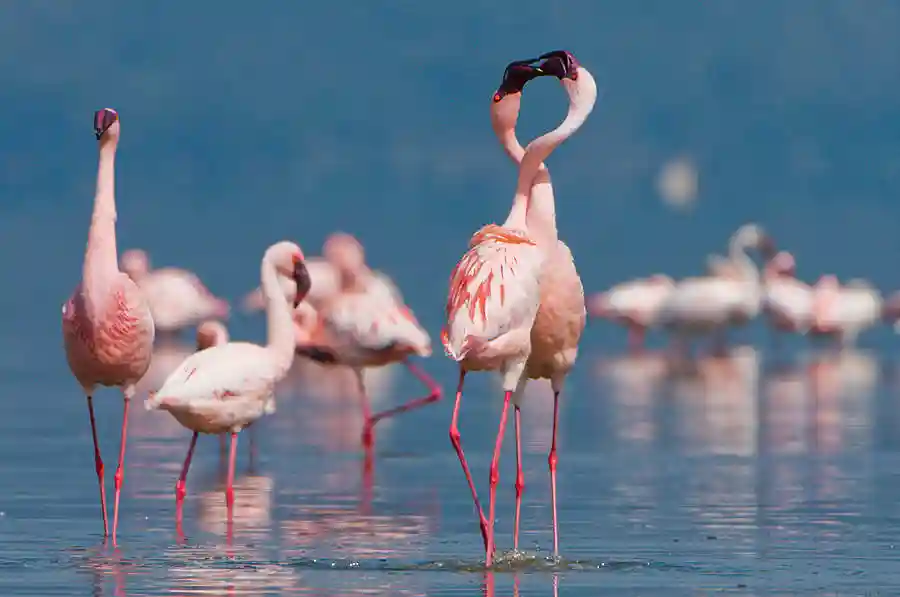
2-Day Tanzania Photography Safari 2026/2027

A 2-day Tanzania photography safari needs a focused route, a patient guide and enough vehicle space for equipment. The best results come from early and late light, careful positioning and time spent observing behavior—not from visiting the largest number of parks. Tarangire, Ngorongoro or a Serengeti fly-in can each work for different subjects.

Request a Quote

Is 2 Days Enough for a Photography Safari?

Direct answer: Two days should focus on one or two nearby parks and protect golden-hour game drives instead of covering distance.

A photography safari is defined by time, vehicle setup and guiding—not only by carrying a camera. The best plan spends longer at fewer sightings, protects early and late light, and avoids an itinerary overloaded with transfers.

Best for: serious photographers, content creators, couples sharing equipment and travelers who want patient, light-driven game viewing.

2-day Tanzania photography safari

Best Parks and Habitats for a Photography Safari

Serengeti National Park

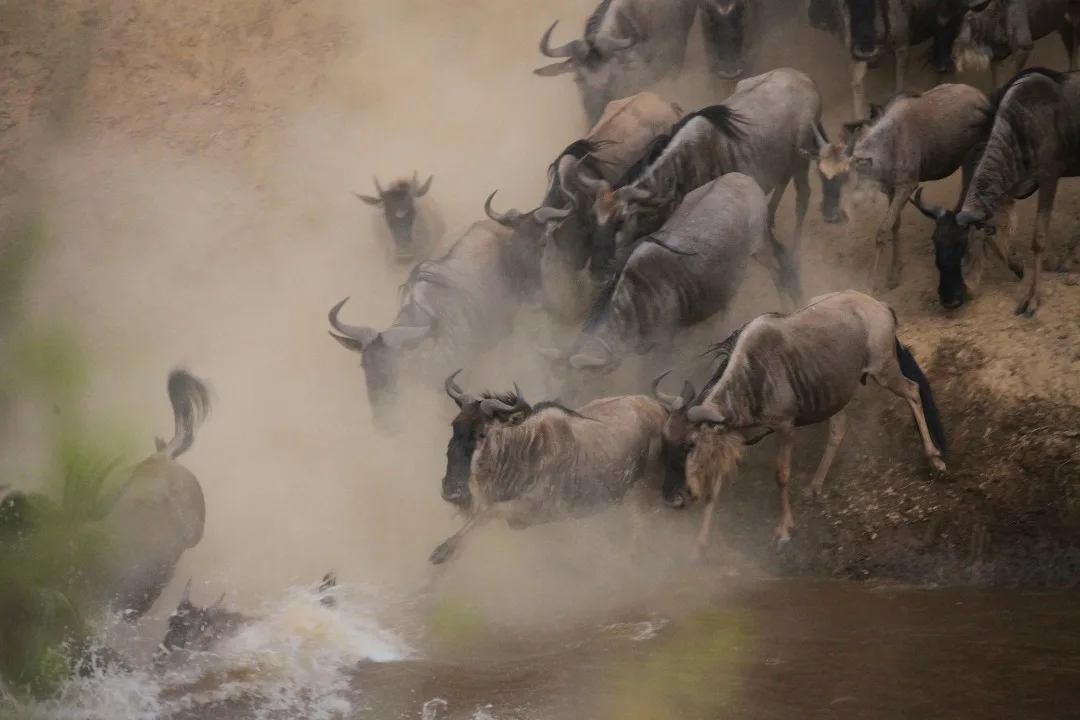
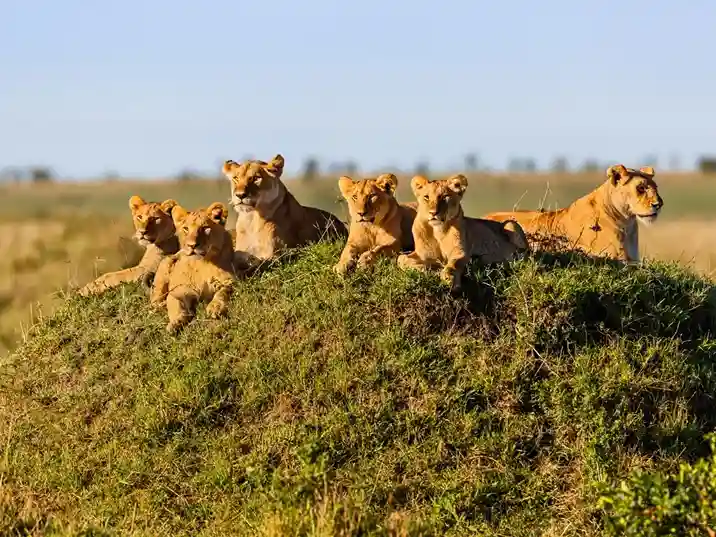
Offers open landscapes, predators, migration possibilities and varied regions for both wide environmental images and animal portraits.

Ngorongoro Crater

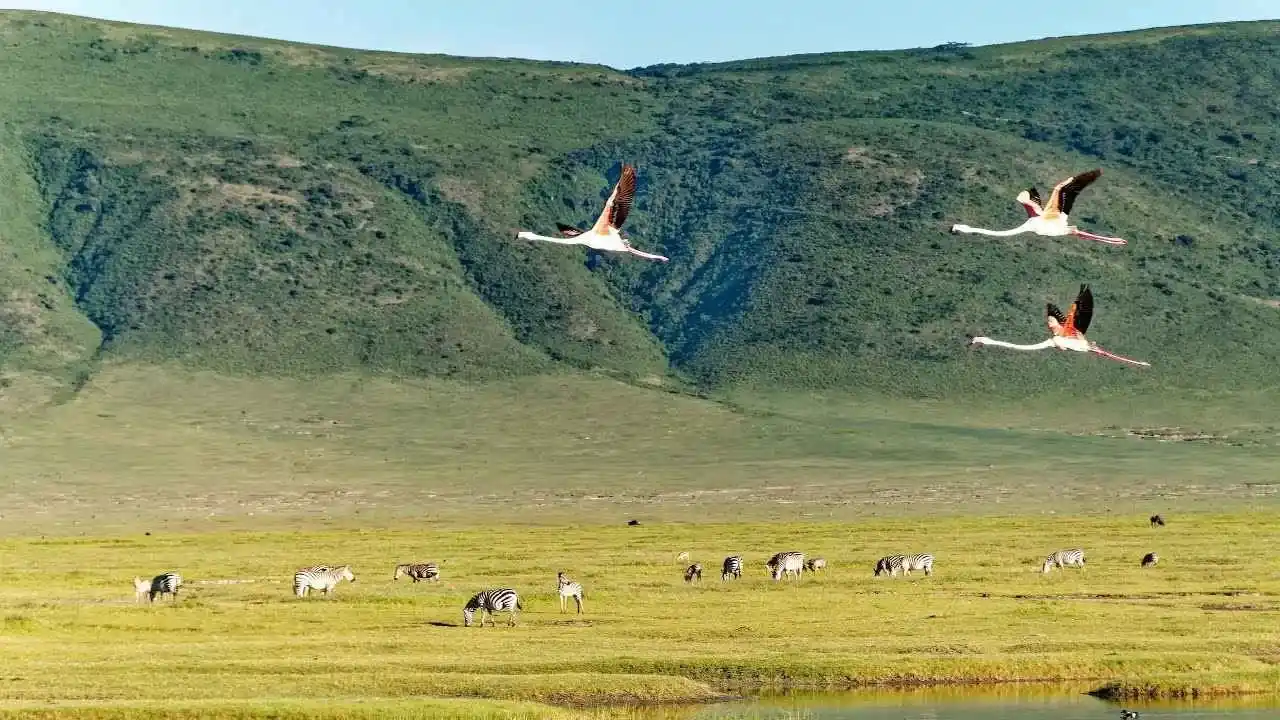
Provides a high concentration of wildlife and dramatic crater scenery, but vehicle position and congestion management matter.

Tarangire National Park

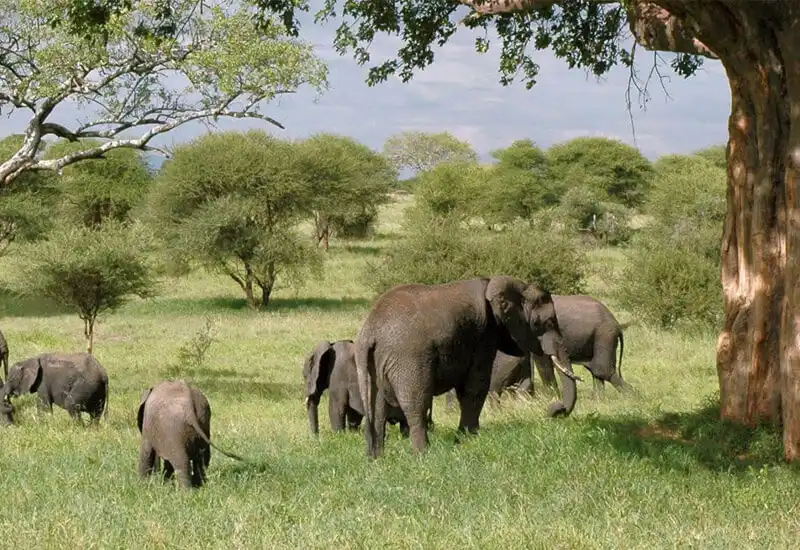
Combines elephant behavior, baobabs, river landscapes and strong opportunities for environmental photography.

Lake Manyara and highlands

Adds forest, escarpment, lake and cultural landscapes that diversify a Northern Circuit portfolio.

Sample 2-Day Photography Safari Itinerary

  1. Day 1: Tarangire golden-hour elephants and baobab landscapes.
  2. Day 2: Ngorongoro Crater with an early descent.

This example is flexible. Wildlife distribution, rainfall, road conditions and park rules may require the guide to adjust daily priorities.

Best Time and Seasonal Planning

Seasonal guidance: Every season has photographic strengths. Dry periods improve visibility and dust atmosphere; green months offer dramatic skies, saturated landscapes, young animals and migratory birds.

Request a private vehicle where possible, discuss seat removal or passenger limits, carry protective dust covers, and confirm charging arrangements and domestic-flight baggage rules.

Responsible Wildlife Viewing

No guaranteed sightings

Wildlife moves naturally. Choose the best habitat and season, but avoid operators promising a specific animal or event.

Respect distance and behavior

Do not pressure the guide to crowd, chase, surround or block animals for a photograph.

Follow park rules

Remain on permitted roads, observe speed limits and follow instructions from guides and wildlife authorities.

Use patient observation

Longer, quieter viewing often reveals more behavior than repeatedly moving between crowded sightings.

2-Day Photography Safari Cost Factors

The quotation is mainly influenced by private vehicle occupancy, specialist guide experience, extra Serengeti nights, well-positioned accommodation, internal flights and equipment-baggage arrangements.

Ask for an itemized price showing park and conservation fees, accommodation, vehicle type, guide service, transfers, flights and any specialist arrangements.

Read the Tanzania safari cost guide.

Local Review and Information Standards

Last updated: 28 July 2026. Prepared and reviewed by: Capable Africa Tours’ Tanzania safari planning and operations team. We separate likely experiences from guarantees, explain route and accommodation trade-offs, and confirm final prices, park rules, permits, flights and lodge availability in writing before payment.

Common Mistakes, Safety and Responsible Travel

Common mistakes to avoid

  • Trying to cover two distant parks and losing golden-hour time to transfers.
  • Carrying one battery or memory card.
  • Requesting off-road driving where it is prohibited.
  • Using flash or loud behavior around sensitive wildlife.

Safety and responsible tourism

Secure equipment while the vehicle moves, keep limbs inside, and follow the guide when standing through the roof. Do not place cameras on the ground at picnic sites or lean outside near wildlife.

Important Trade-Offs and Alternatives

  • Tarangire offers elephants, baobabs and woodland light.
  • Ngorongoro provides wildlife density but can be busy and has limited road positioning.
  • Serengeti offers open backgrounds and predator opportunities but needs a flight for a true two-day trip.
  • A private vehicle costs more but reduces conflicts over positioning and stop duration.

Season, Logistics and Local Planning Advice

Seasonal expectations

Dry months bring dust, open views and concentrated wildlife. Green months offer saturated landscapes, clouds, young animals and stronger bird color, with more rain protection needed. The “best” season depends on the desired image style rather than a universal ranking.

Before you confirm the booking

Share camera body, lens length and support needs before departure. Pack equipment in a soft, manageable bag, carry backups and keep critical gear in hand luggage when flying. Ask the operator about charging at the lodge and vehicle, plus seating space for long lenses.

Building a Productive 2-Day Photography Safari

Choose one primary photographic objective, use a private or low-occupancy vehicle, and tell the guide whether you prioritize behavior, portraits, landscapes, birds or predators. Two days is enough for a focused portfolio but not every Tanzanian ecosystem.

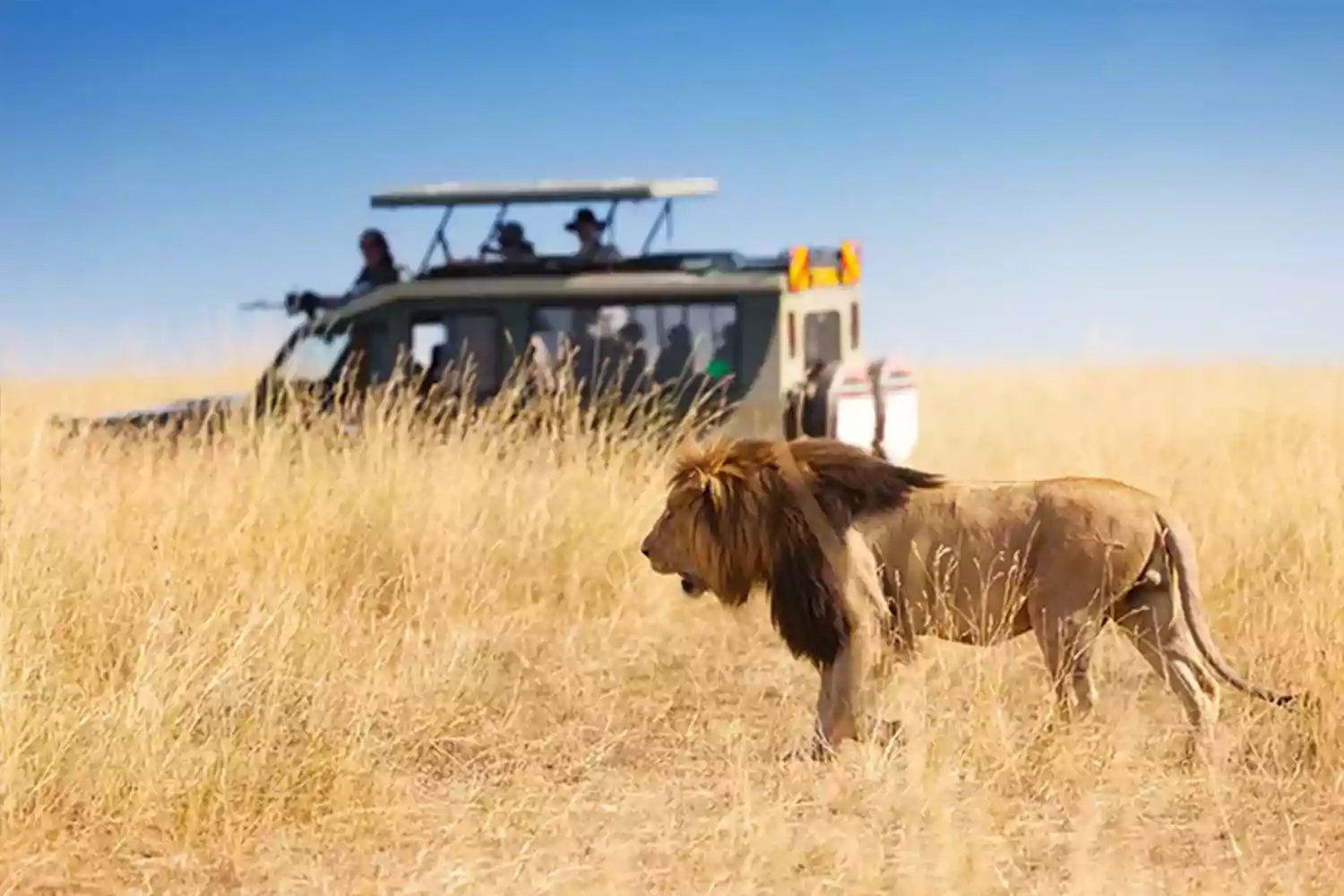
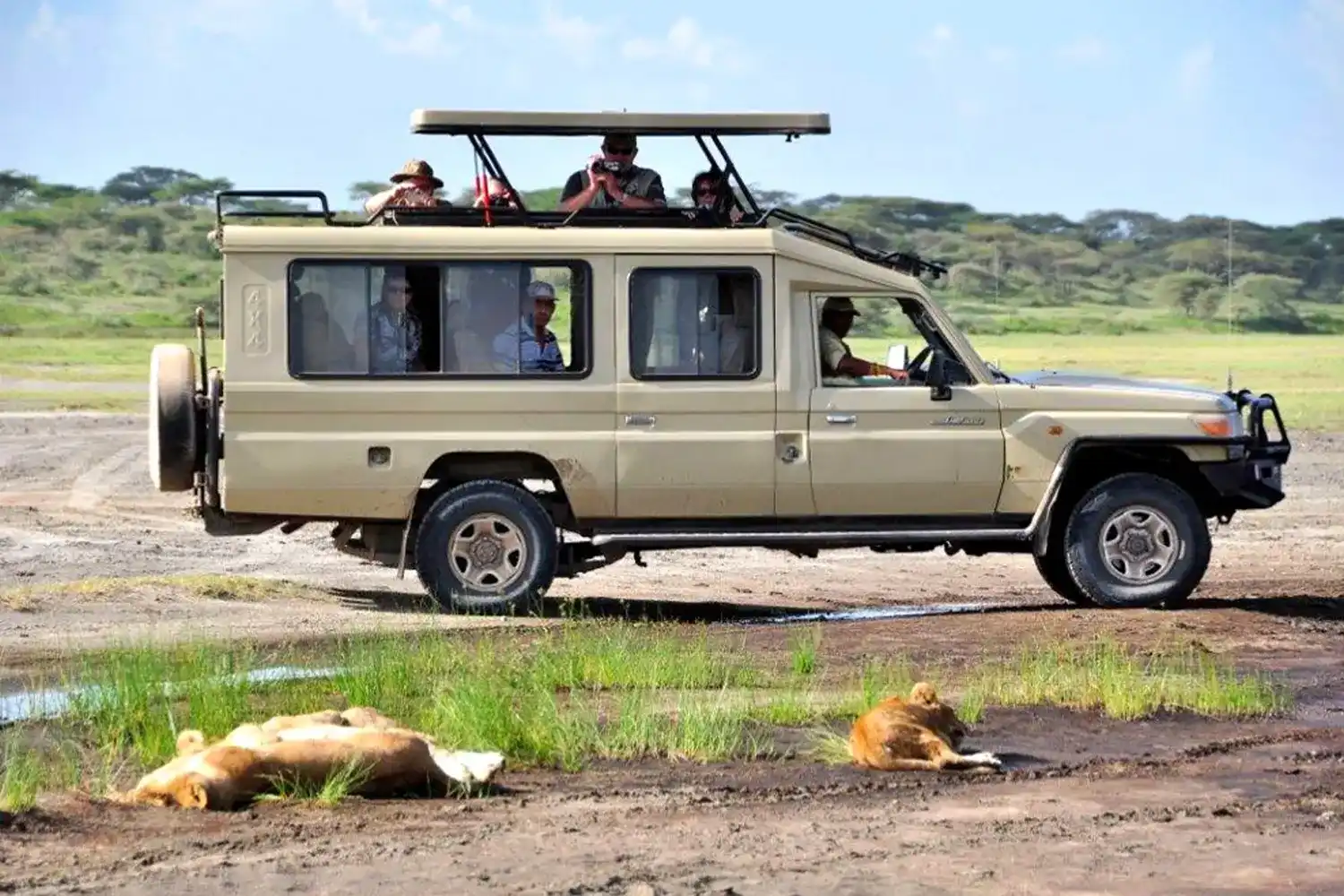
Vehicle setupPrivate or low occupancy, open roof, clear window access
Useful supportBeanbag, lens cloth, spare batteries, memory cards and dust protection
LightEarly morning and late afternoon are priorities where park timing allows
Route choiceTarangire for elephants, Ngorongoro for density, Serengeti fly-in for plains and cats
EthicsNo baiting, calling, off-road pressure or blocking animals

Who this option fits—and who should choose differently

This itinerary suits enthusiasts and professionals who accept patient waiting and a narrow route. Mixed groups should agree whether the safari will pause for photographic angles or keep moving for broad sightseeing.

Frequently Asked Questions

1. Is 2 days enough for a Tanzania Photography safari?
Two days should focus on one or two nearby parks and protect golden-hour game drives instead of covering distance. A realistic route is more valuable than adding too many parks.
2. Which parks are best for a Photography safari?
The main choices are Serengeti National Park, Ngorongoro Crater, Tarangire National Park, Lake Manyara and highlands. The exact combination depends on season and trip length.
3. What is the best time for a Tanzania Photography safari?
Every season has photographic strengths. Dry periods improve visibility and dust atmosphere; green months offer dramatic skies, saturated landscapes, young animals and migratory birds.
4. How much does a 2-day Photography safari cost?
Important cost factors include private vehicle occupancy, specialist guide experience, extra Serengeti nights, well-positioned accommodation, internal flights and equipment-baggage arrangements. Request an itemized quote because accommodation and transport rates vary by season.
5. Are wildlife sightings guaranteed?
No. Wildlife moves freely and natural events cannot be guaranteed. A strong guide, suitable habitat, enough time and responsible expectations improve the experience.
6. Which lens is best?
A versatile telephoto is useful for wildlife, while a wider lens captures landscapes and animals in habitat. Your exact kit depends on camera format and style.
7. Do vehicles provide beanbags?
Some do and others require advance request. Confirm before travel.
8. Can the guide drive off-road for a photograph?
Only where regulations permit. Most national-park routes require vehicles to remain on authorized tracks.
9. Is a group safari suitable for photography?
It can work, but a private or low-occupancy vehicle gives better control over side, angle and waiting time.

Plan Your 2-Day Tanzania Photography Safari

Share your travel month, group size, starting point, accommodation preference and the wildlife experience that matters most. We will recommend a realistic route and itemized quotation.

Request Your QuoteChat on WhatsApp