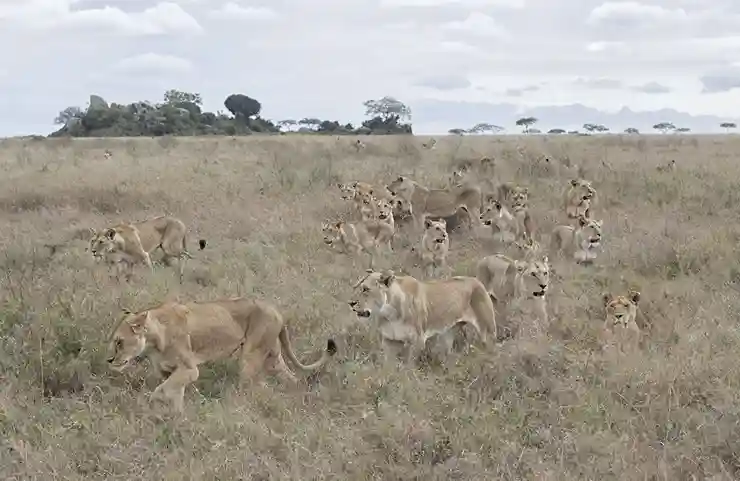
2-Day Tanzania Predator Safari 2026/2027

A 2-day Tanzania predator safari focuses on habitat and patient observation rather than guaranteed kills or close encounters. Ngorongoro Crater provides strong lion and hyena opportunities on a practical road route, while the Serengeti is best reached by flight for cheetah, lion and leopard habitat. Wildlife behavior remains unpredictable.

Request a Quote

Is 2 Days Enough for a Predator Safari?

Direct answer: Two days should focus on one or two high-value habitats; a Serengeti fly-in or Ngorongoro-based plan is more realistic than a long road circuit.

Serengeti is the main focus for a predator safari, supported by Ngorongoro Crater and selected Tarangire habitats. More time in fewer areas usually produces better opportunities than rushing through many parks.

Best for: big-cat enthusiasts, photographers, repeat visitors and travelers who prefer patient observation over park-counting.

2-day Tanzania predator safari

Best Parks and Habitats for a Predator Safari

Central Serengeti

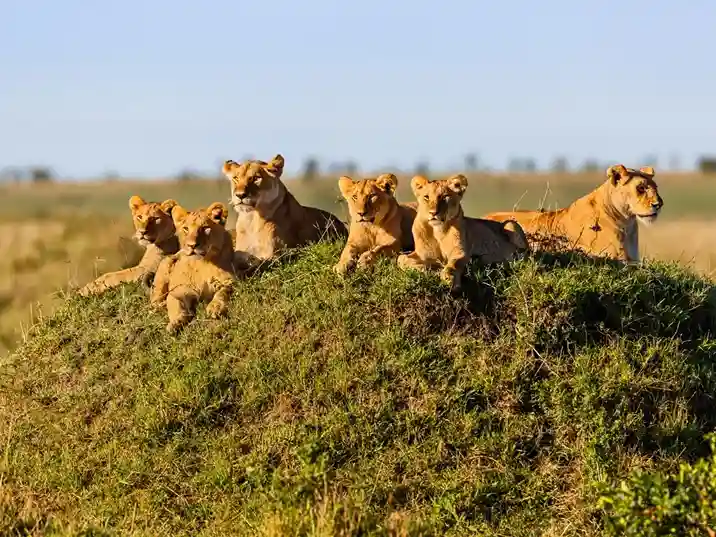
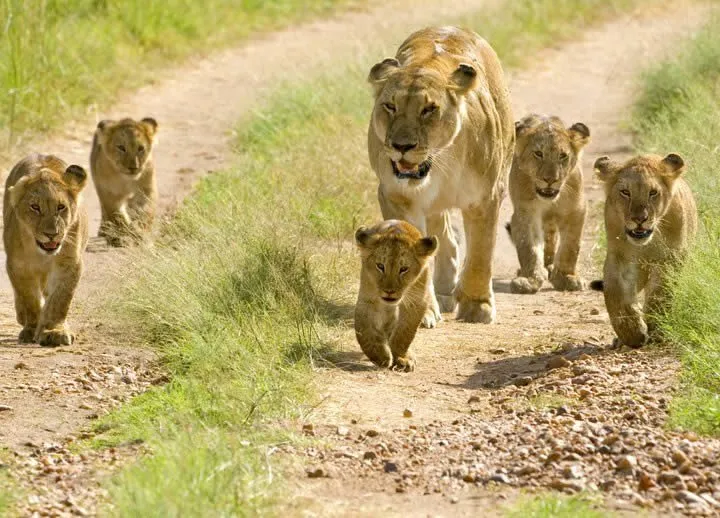
Strong year-round potential for lion, cheetah, hyena and occasional leopard, with varied plains and woodland habitats.

Seasonal Serengeti regions

Predator activity often follows concentrations of prey, especially where migration herds or young animals are present.

Ngorongoro Crater

A compact ecosystem with resident lion, hyena and other predators, though viewing conditions vary daily.

Tarangire National Park

Offers lion, leopard and other carnivore possibilities alongside elephant-rich habitats, especially with patient guiding.

Sample 2-Day Predator Safari Itinerary

  1. Day 1: Fly to Serengeti for an afternoon predator-focused drive or use Ngorongoro.
  2. Day 2: Dawn game drive and flight out, or crater predator search.

This example is flexible. Wildlife distribution, rainfall, road conditions and park rules may require the guide to adjust daily priorities.

Best Time and Seasonal Planning

Seasonal guidance: Predators are present year-round. Dry periods can improve visibility and concentrate prey, while the green season can offer dramatic behavior around newborn animals and migratory herds.

Dawn and late afternoon are valuable, but wildlife determines the action. Avoid crowding animals, blocking their movement or pressuring guides to drive off-road where it is prohibited.

Responsible Wildlife Viewing

No guaranteed sightings

Wildlife moves naturally. Choose the best habitat and season, but avoid operators promising a specific animal or event.

Respect distance and behavior

Do not pressure the guide to crowd, chase, surround or block animals for a photograph.

Follow park rules

Remain on permitted roads, observe speed limits and follow instructions from guides and wildlife authorities.

Use patient observation

Longer, quieter viewing often reveals more behavior than repeatedly moving between crowded sightings.

2-Day Predator Safari Cost Factors

The quotation is mainly influenced by extra Serengeti nights, well-located camps, private vehicle use, specialist guiding, photography equipment space and optional flights.

Ask for an itemized price showing park and conservation fees, accommodation, vehicle type, guide service, transfers, flights and any specialist arrangements.

Read the Tanzania safari cost guide.

Local Review and Information Standards

Last updated: 28 July 2026. Prepared and reviewed by: Capable Africa Tours’ Tanzania safari planning and operations team. We separate likely experiences from guarantees, explain route and accommodation trade-offs, and confirm final prices, park rules, permits, flights and lodge availability in writing before payment.

Common Mistakes, Safety and Responsible Travel

Common mistakes to avoid

  • Advertising a guaranteed hunt or kill.
  • Surrounding a cat or blocking its route to prey, shade or cubs.
  • Driving rapidly between radio calls and ignoring other wildlife.
  • Using playback or animal calls to provoke behavior.

Safety and responsible tourism

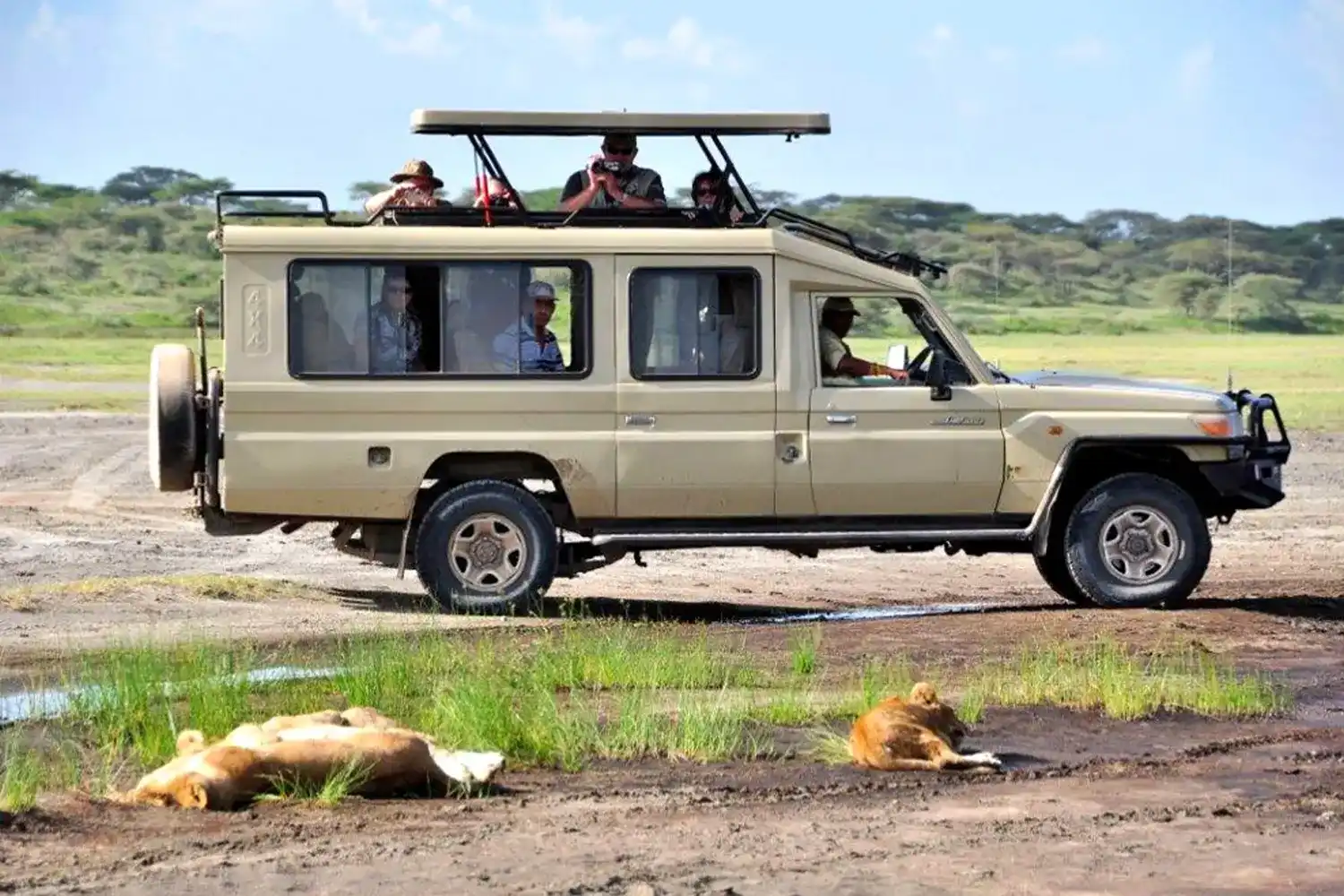
Predators may approach vehicles, but guests must stay inside and quiet. Guides should maintain a safe route out, avoid separating animals and follow park limits around sightings.

Important Trade-Offs and Alternatives

  • Ngorongoro offers high wildlife density but limited roads and busy sightings.
  • Serengeti provides broad habitat and cat diversity but needs flights for a true two-day format.
  • Tarangire can produce lion and leopard opportunities while adding elephants.
  • More days increase search time and allow the guide to revisit territories.

Season, Logistics and Local Planning Advice

Seasonal expectations

Predators are present year-round. Vegetation, prey distribution, temperature and rain affect visibility and activity. Cooler morning and late-afternoon periods are often productive, while green-season grass can hide cats but creates excellent behavioral and photographic settings.

Before you confirm the booking

Use binoculars, keep the vehicle quiet and allow time at a sighting. A private guide can remain longer when behavior develops. Ask how the itinerary avoids spending the best hours on transfers and how the guide responds to crowded sightings.

How to Plan a Responsible Predator-Focused Safari

For a road trip from Arusha, combine Ngorongoro with Tarangire or focus deeply on the crater. For a Serengeti predator safari in only two days, fly in. Leopards and cheetahs are naturally less predictable than lions and spotted hyenas.

Strong road optionNgorongoro Crater with Tarangire
Strong fly-in optionCentral or seasonally appropriate Serengeti region
Likely subjectsLions and hyenas; cheetah and leopard opportunities vary
Not promisedKills, hunts, cubs, close range or a specific cat
Best methodEarly starts, patient scanning and ethical vehicle positioning

Who this option fits—and who should choose differently

This trip suits wildlife enthusiasts, photographers and repeat safari travelers who value behavior and ecology. It is unsuitable for anyone expecting staged drama or wanting the guide to chase, crowd or disturb animals.

Frequently Asked Questions

1. Is 2 days enough for a Tanzania Predator safari?
Two days should focus on one or two high-value habitats; a Serengeti fly-in or Ngorongoro-based plan is more realistic than a long road circuit. A realistic route is more valuable than adding too many parks.
2. Which parks are best for a Predator safari?
The main choices are Central Serengeti, Seasonal Serengeti regions, Ngorongoro Crater, Tarangire National Park. The exact combination depends on season and trip length.
3. What is the best time for a Tanzania Predator safari?
Predators are present year-round. Dry periods can improve visibility and concentrate prey, while the green season can offer dramatic behavior around newborn animals and migratory herds.
4. How much does a 2-day Predator safari cost?
Important cost factors include extra Serengeti nights, well-located camps, private vehicle use, specialist guiding, photography equipment space and optional flights. Request an itemized quote because accommodation and transport rates vary by season.
5. Are wildlife sightings guaranteed?
No. Wildlife moves freely and natural events cannot be guaranteed. A strong guide, suitable habitat, enough time and responsible expectations improve the experience.
6. Which park is best for lions?
Ngorongoro and Serengeti are strong choices, but sightings and behavior vary daily.
7. Are leopards common on a two-day safari?
They are present but elusive. More time and suitable habitat improve the chance, never the certainty.
8. Can we watch a hunt?
It may happen naturally, but no operator can schedule or promise it.
9. Why are early starts important?
Cooler conditions can support activity and softer light, though predators may be active at any time.

Plan Your 2-Day Tanzania Predator Safari

Share your travel month, group size, starting point, accommodation preference and the wildlife experience that matters most. We will recommend a realistic route and itemized quotation.

Request Your QuoteChat on WhatsApp