
Southern Serengeti and Ndutu
Commonly emphasized during the calving period and early-year green season, depending on rainfall and grazing.
Tanzania safari
This 6-day Tanzania Great Migration safari focuses on the seasonal wildebeest and zebra movement, adapting the route to the travel month across Serengeti, Ngorongoro Crater, Tarangire and Lake Manyara, with room for an extension. It explains suitable parks, timing and viewing strategy without guaranteeing sightings or seasonal events. Prices are per person and based on starting and ending in Arusha; final cost varies by season, group size, route, accommodation, transfers, flights, specialist guiding and activities. Named lodges and camps are recommendations subject to availability, and comparable or client-selected alternatives may be used.
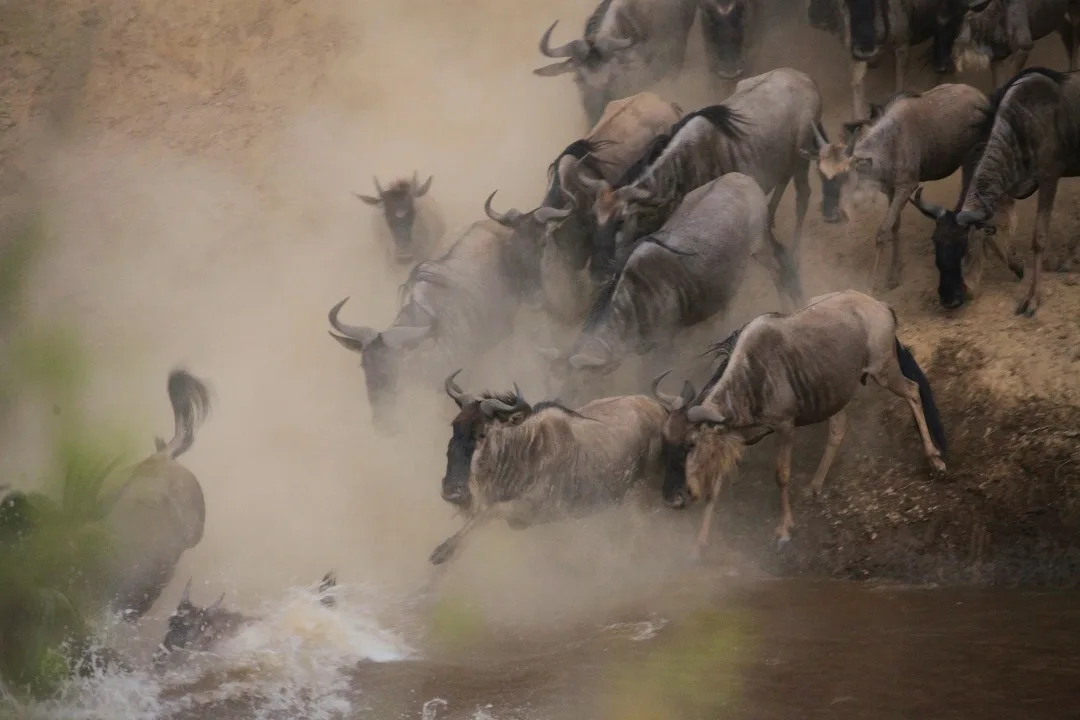
A Great Migration safari must be planned by season and Serengeti region. The herds move in response to rainfall and grazing, so no responsible itinerary can guarantee a river crossing, calving event or exact herd location.
Best for: wildlife enthusiasts, repeat safari travelers, photographers and travelers willing to plan around season and location.
Commonly emphasized during the calving period and early-year green season, depending on rainfall and grazing.
A useful year-round wildlife base and a practical connection between seasonal migration regions.
Relevant during part of the northward movement when herds may use the Grumeti area.
Important during the period when herds may move near the Mara River and the Tanzania-Kenya border region.
These existing destination itineraries are the closest route matches. The exact overnight region and park sequence should be adjusted for season, wildlife movement and available accommodation.
Compare every 6-day destination itinerary.
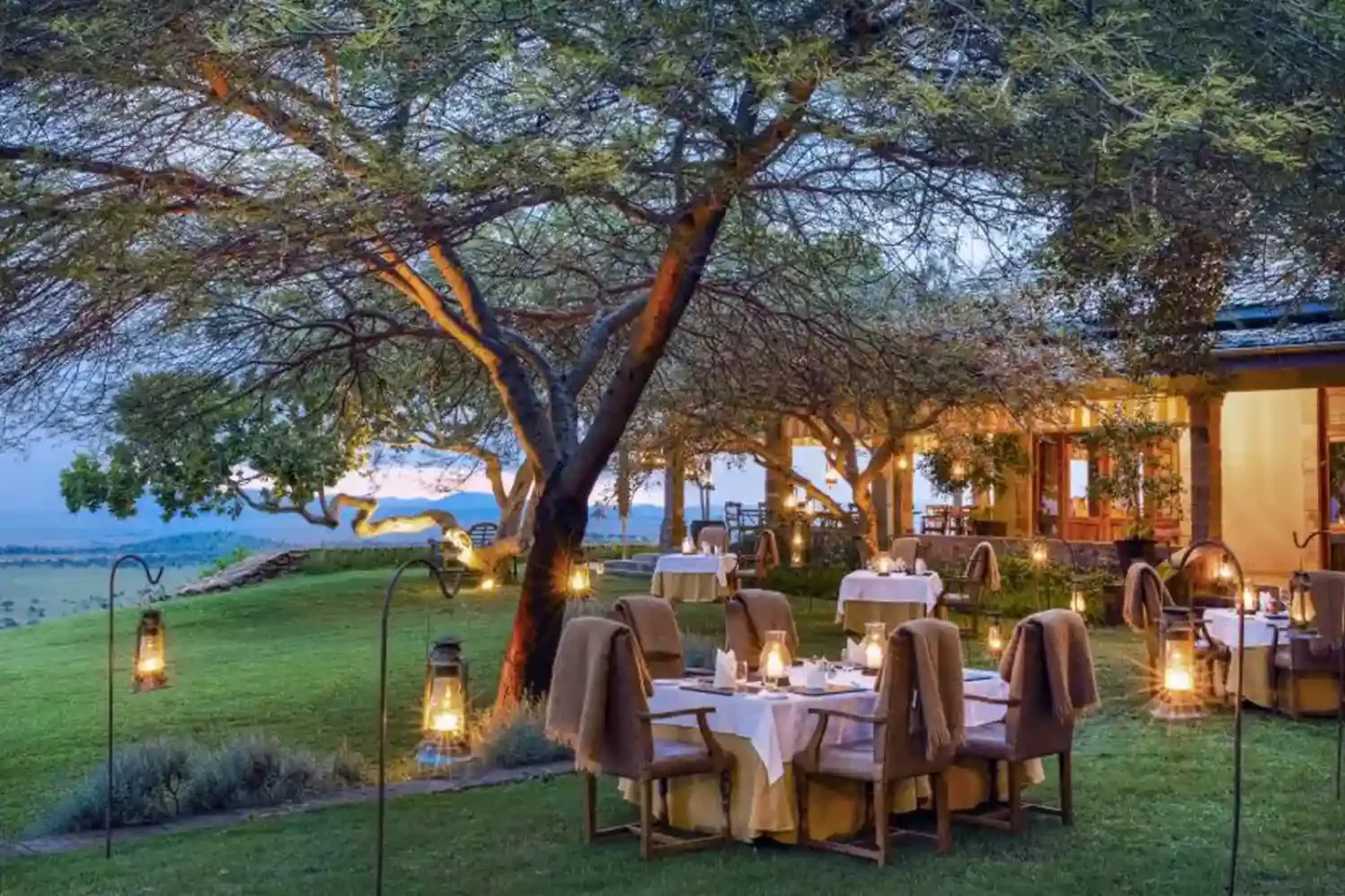
This seasonal safari is designed around the Great Migration when the route and accommodation location are planned correctly. Depending on the month, the focus may be Central Serengeti, Ndutu, Western Serengeti...
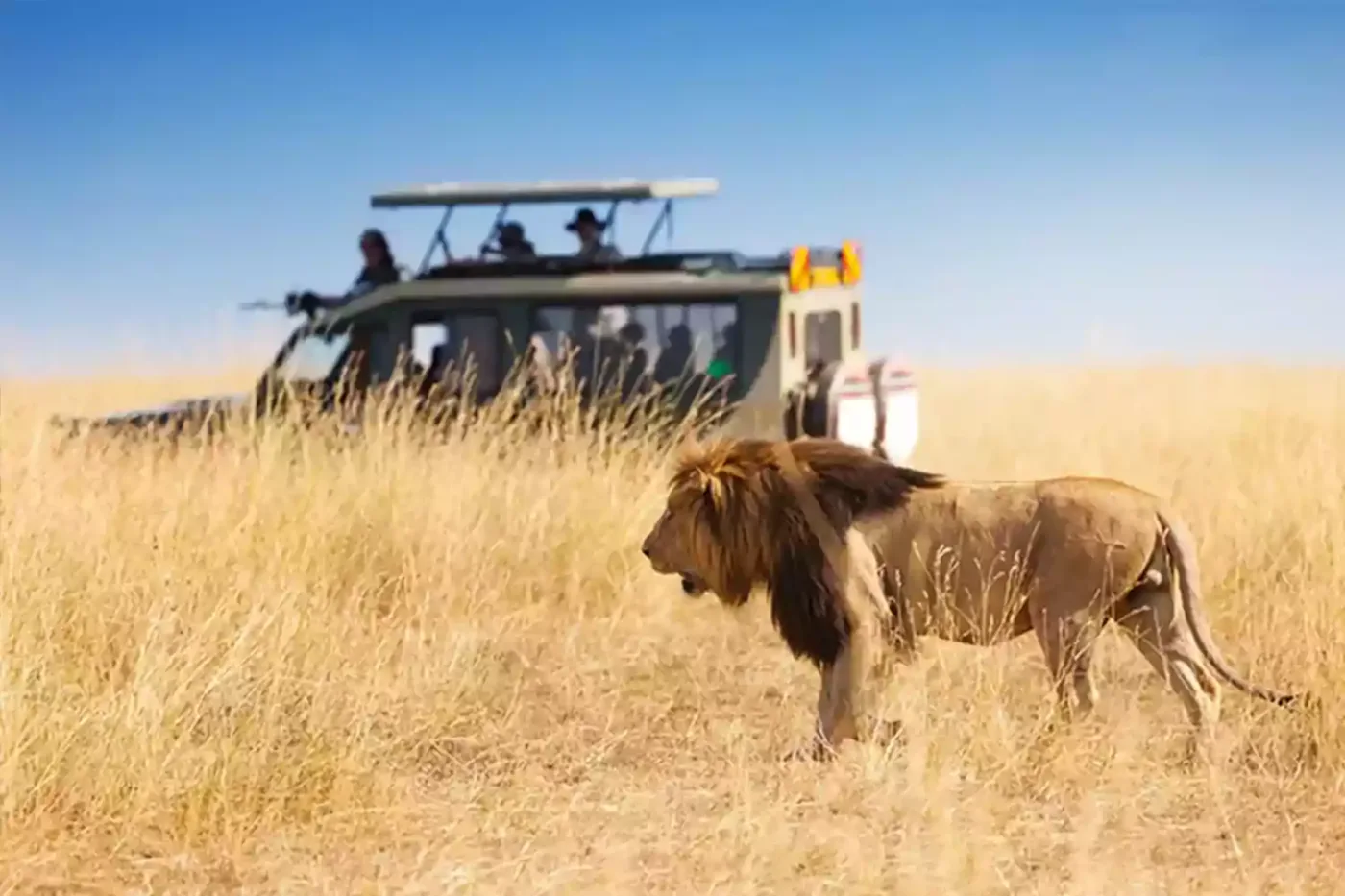
This is the classic 6-day Northern Tanzania safari route for first-time visitors. It combines Tarangire’s elephants, Serengeti’s big cats and open plains, Ngorongoro Crater’s...
This itinerary is best for travelers who prefer quality time in Serengeti instead of adding many parks. With more nights in or near Serengeti, you get better chances for big cats, open-plains wildlife, and...
Tarangire or flight connection.
Enter Serengeti.
Migration-region game drives.
Second migration-region day.
Serengeti to Ngorongoro.
Crater game drive.
This example is flexible. Wildlife distribution, rainfall, road conditions and park rules may require the guide to adjust daily priorities.
Spend multiple nights in the relevant region whenever the duration allows. River crossings are unpredictable and should never be marketed as guaranteed.
Wildlife moves naturally. Choose the best habitat and season, but avoid operators promising a specific animal or event.
Do not pressure the guide to crowd, chase, surround or block animals for a photograph.
Remain on permitted roads, observe speed limits and follow instructions from guides and wildlife authorities.
Longer, quieter viewing often reveals more behavior than repeatedly moving between crowded sightings.
The quotation is mainly influenced by seasonal camp rates, remote Serengeti locations, internal flights, private vehicle use, luggage limits and the number of nights in the migration region.
Ask for an itemized price showing park and conservation fees, accommodation, vehicle type, guide service, transfers, flights and any specialist arrangements.
Return to the main duration pillar for destination, cost, season and route comparisons.
Compare departures from Arusha, Moshi, Zanzibar and Kilimanjaro International Airport.
Compare private, luxury, budget, camping, lodge, fly-in and group joining options.
Share your dates, target experience, photography needs and preferred accommodation level.
| Trip length | 6 days and 5 nights |
|---|---|
| Core focus | Great Migration |
| Transport | Private or shared 4×4 safari vehicle |
| Best planning principle | Fewer rushed stops and more time in key habitats |
| Travel season | 2026/2027; route adjusted to month and availability |
Tanzania can be visited year-round, but rainfall, road conditions, camp availability and wildlife distribution change by season. The best route is the one matched to your travel month rather than a fixed promise about where animals will be.
Six days offers enough time for a focused Tanzania itinerary, but not for every famous park. The strongest plan uses two or three core areas, reduces unnecessary hotel changes and places the longest wildlife days where they matter most.
Drive times, airstrip schedules, park-entry procedures and weather can change the usable hours in a day. We plan from the actual overnight location and confirmed transport rather than treating every day as a full game-drive or trekking day.
Mid-range lodges usually provide en-suite rooms and dependable meals, while tented camps offer a closer-to-nature setting. The key decision is location: staying near the next day’s game-drive area often matters more than adding decorative luxury far from the park.
This itinerary suits travelers who can plan by ecosystem region rather than demand a guaranteed crossing. Herds move in response to rain and grazing, and a river crossing can happen before arrival, after departure or not at all during a particular stay.
Follow park, guide and community instructions; keep a respectful distance from wildlife; never ask a driver to crowd animals or leave approved tracks; reduce single-use plastic where possible; and treat cultural visits as hosted exchanges rather than staged photo opportunities.
Last updated: 29 July 2026. Reviewed by: Capable Africa Tours’ Tanzania operations and content team. Route descriptions are checked for realistic transfer patterns, seasonal uncertainty, accommodation location and traveler decision-making. Park rules, fees, flight schedules and lodge availability can change, so the final quotation and confirmed itinerary remain the booking reference.
Yes, when the route is focused. Six days normally allows deeper time in two or three core areas; adding too many distant parks creates more driving and less wildlife viewing.
Season, group size, private or shared vehicle use, lodge location, room type, park fees, domestic flights and optional activities are the main cost drivers. Ask for an itemised quote.
No. Herd positions and river crossings depend on rainfall, grazing and animal movement. The route should target the most suitable region for the month while keeping expectations flexible.
Confirm dates, route, accommodation names and meal basis, vehicle arrangement, inclusions, exclusions, baggage rules, payment schedule and written cancellation terms.
Yes. The park order, accommodation level, transfer method and daily pace can be adjusted around your travel month, flight schedule, interests and budget.
Do not compare packages by headline price alone. Check where the camps are located, how much time is spent transferring and whether essential fees and services are included.
Share your travel month, group size, starting point, accommodation preference and the wildlife experience that matters most. We will recommend a realistic route and itemized quotation.
Keep exploring
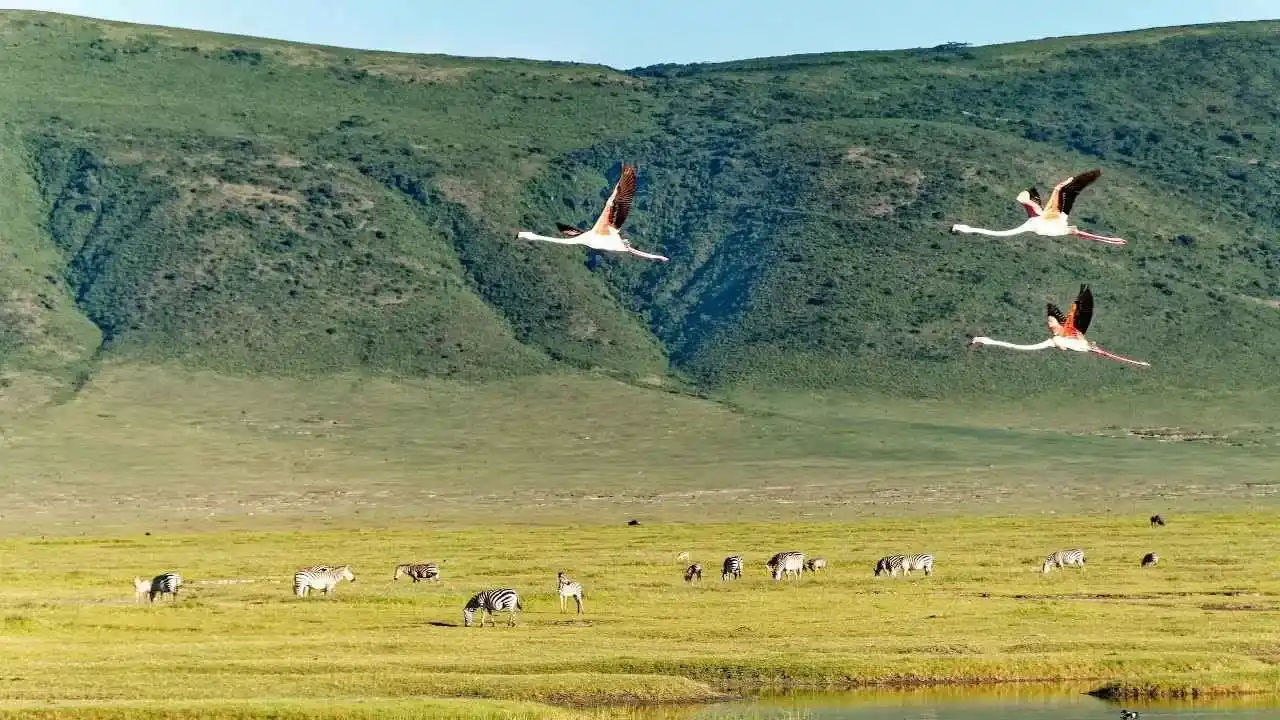
Prioritize the habitats that improve opportunities for lion, leopard, elephant, buffalo and black rhino without treating sightings as guaranteed.
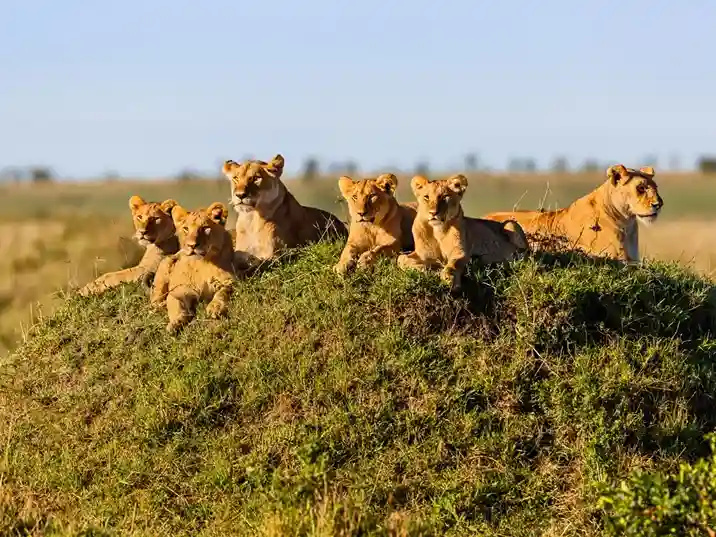
Allocate more time to Serengeti and Ngorongoro, use early starts and focus on behavior, habitat and patient observation of big cats and other carnivores.
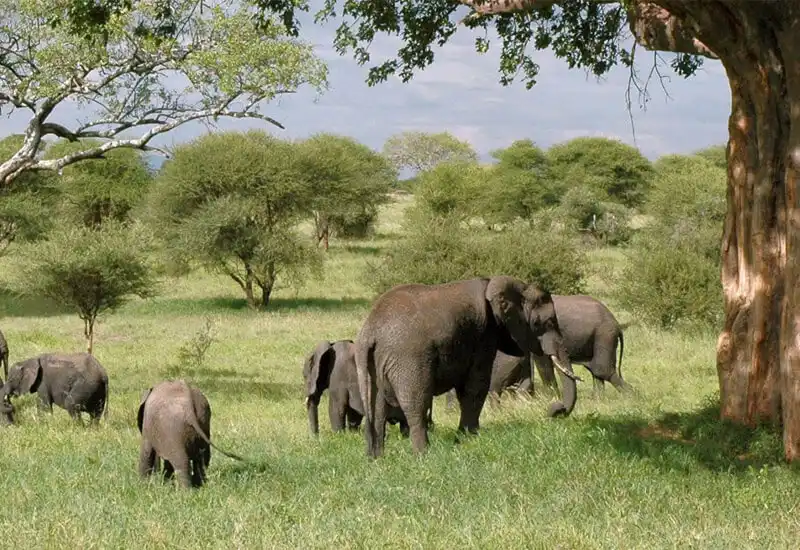
Build the route around Tarangire and complementary Northern Circuit habitats for elephant herds, family behavior, baobab scenery and river-based wildlife.
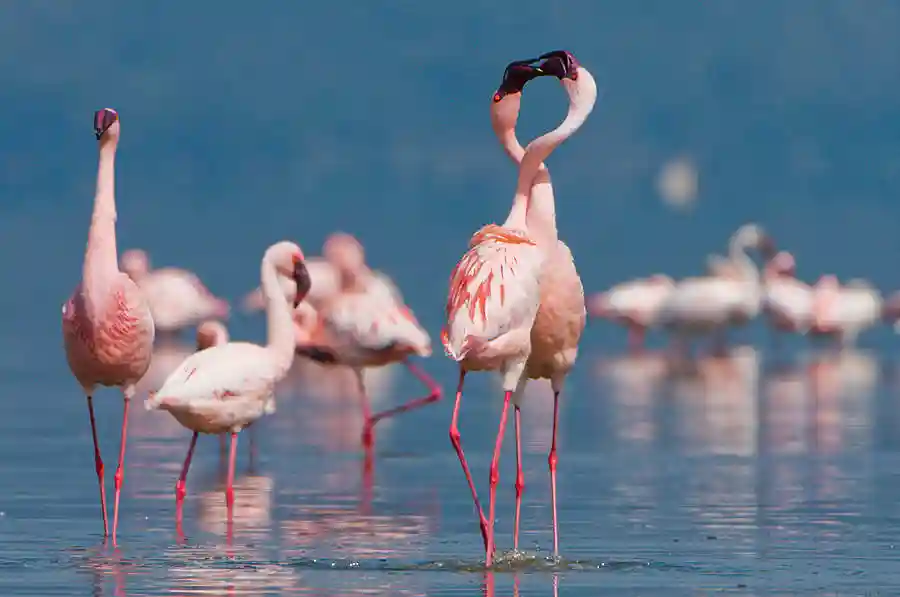
Combine wetlands, woodland, grassland and highland habitats with a guide who can identify calls, behavior and seasonal migrants.
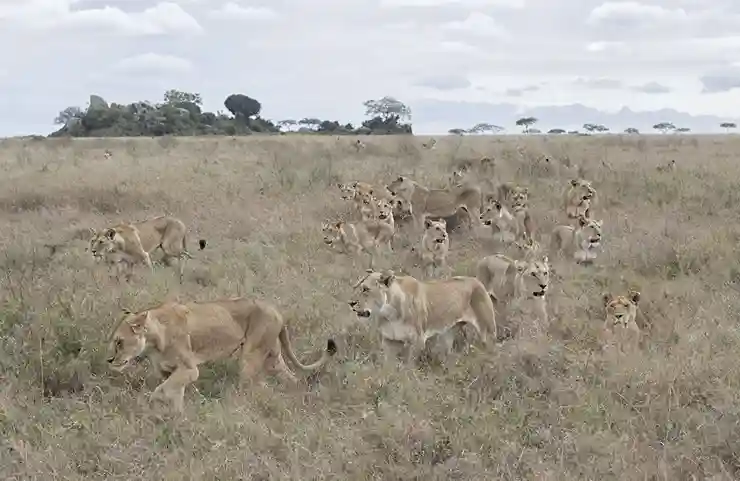
Protect golden-hour game drives, reduce unnecessary park changes and plan vehicle space, guide positioning, equipment charging and luggage carefully.
Use these supporting pages to compare the same duration by wildlife priority rather than only by destination.